Hotel materials and design: how textures define brand identity
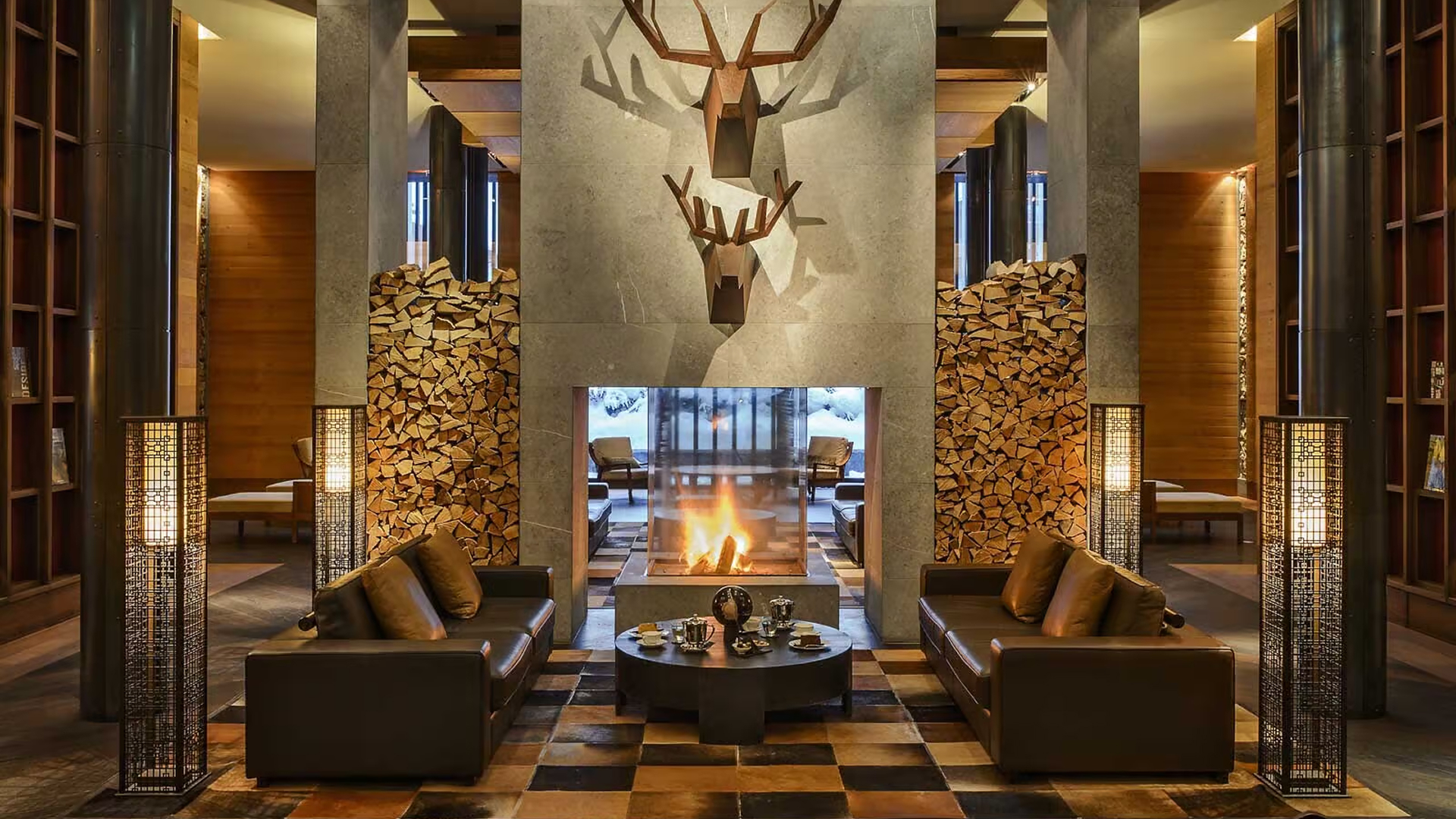
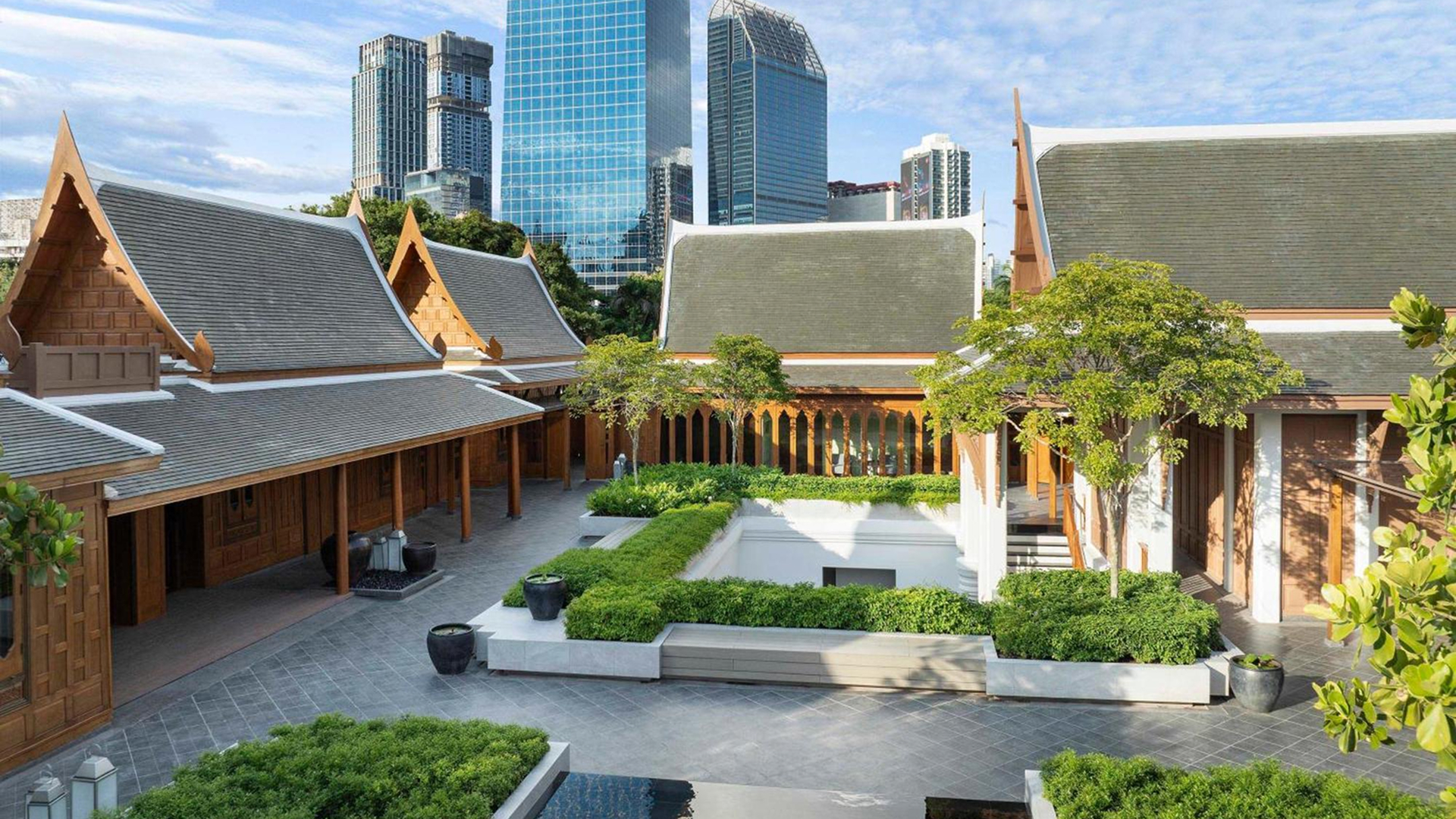
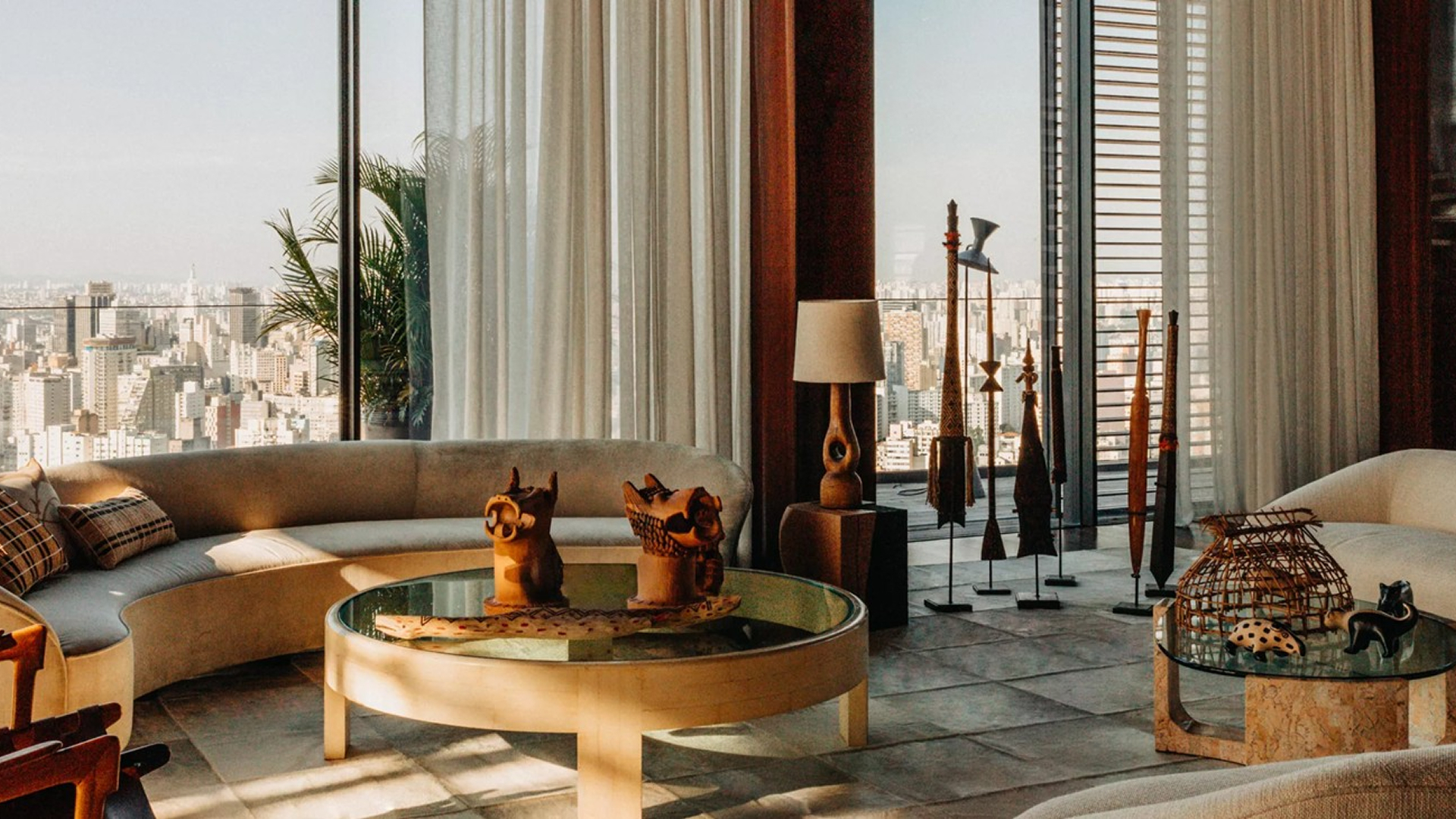
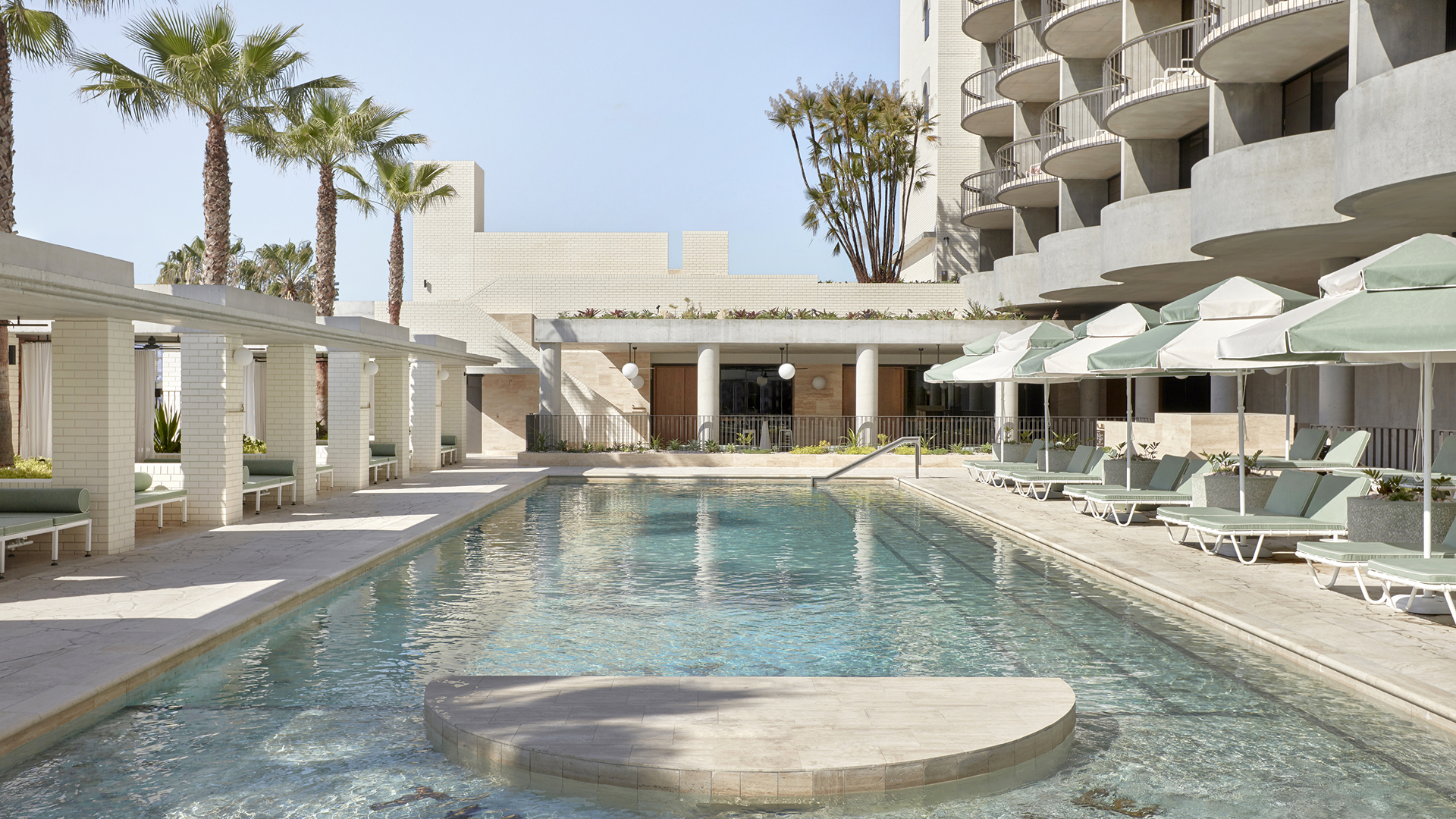
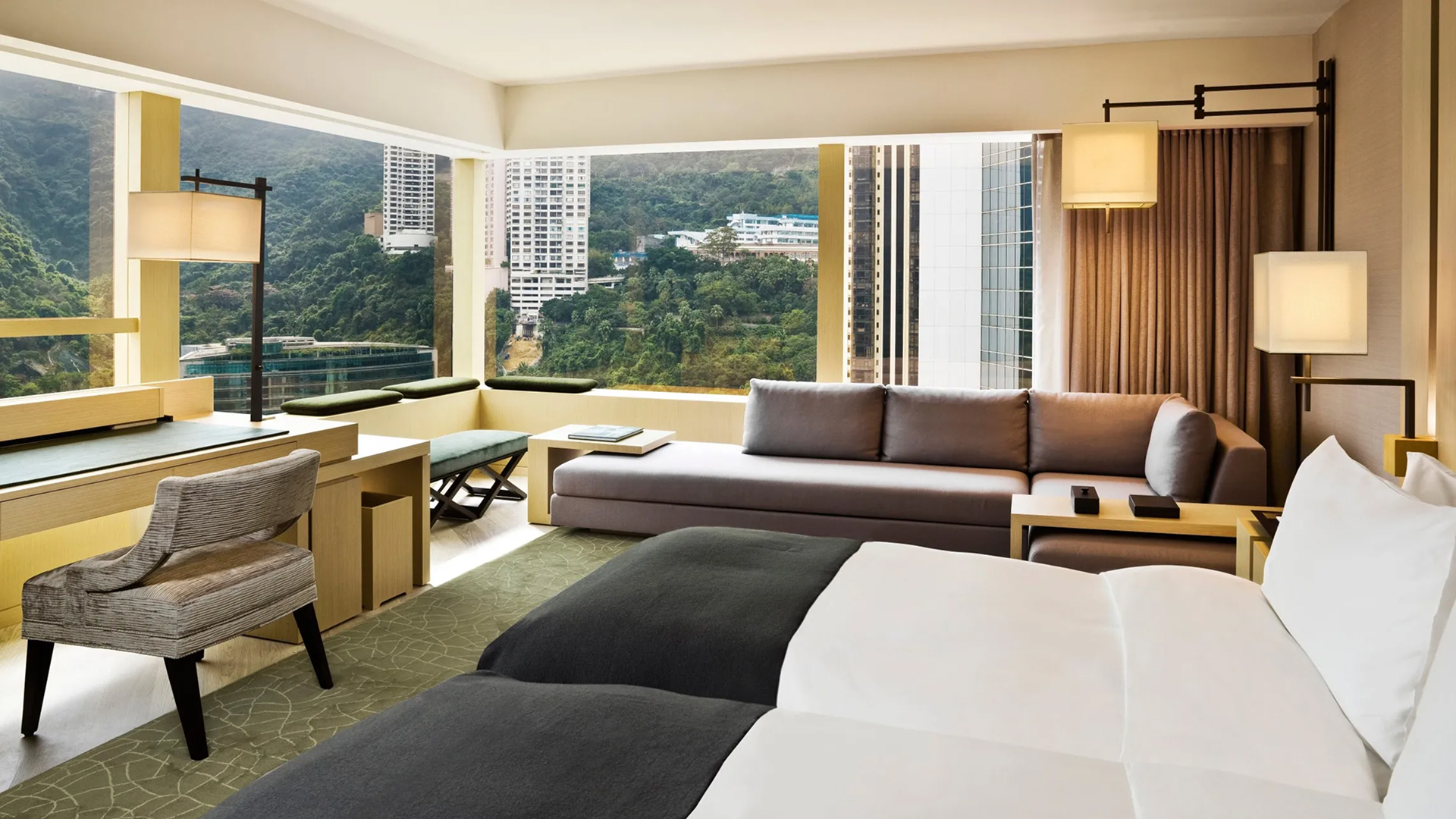
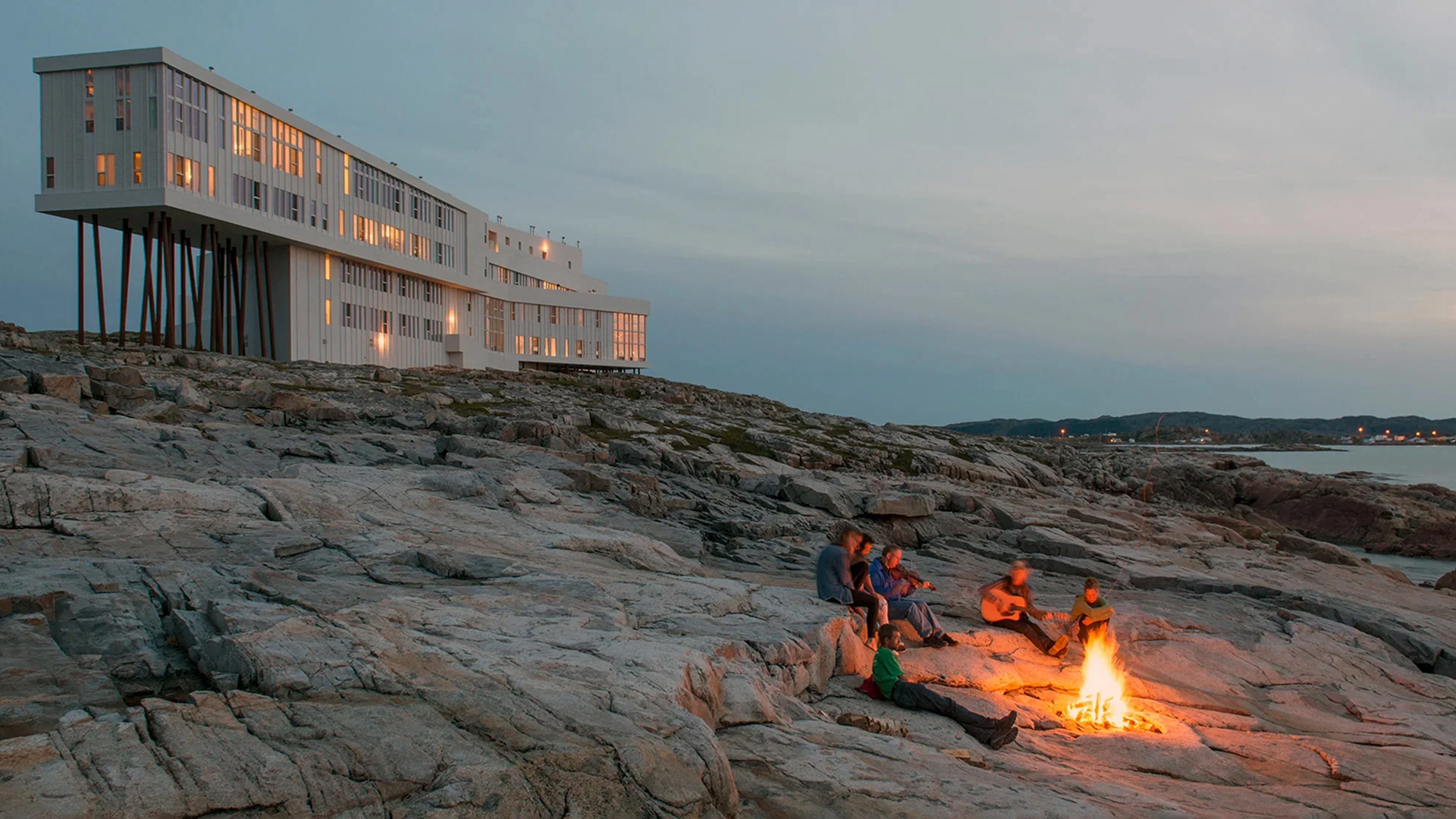
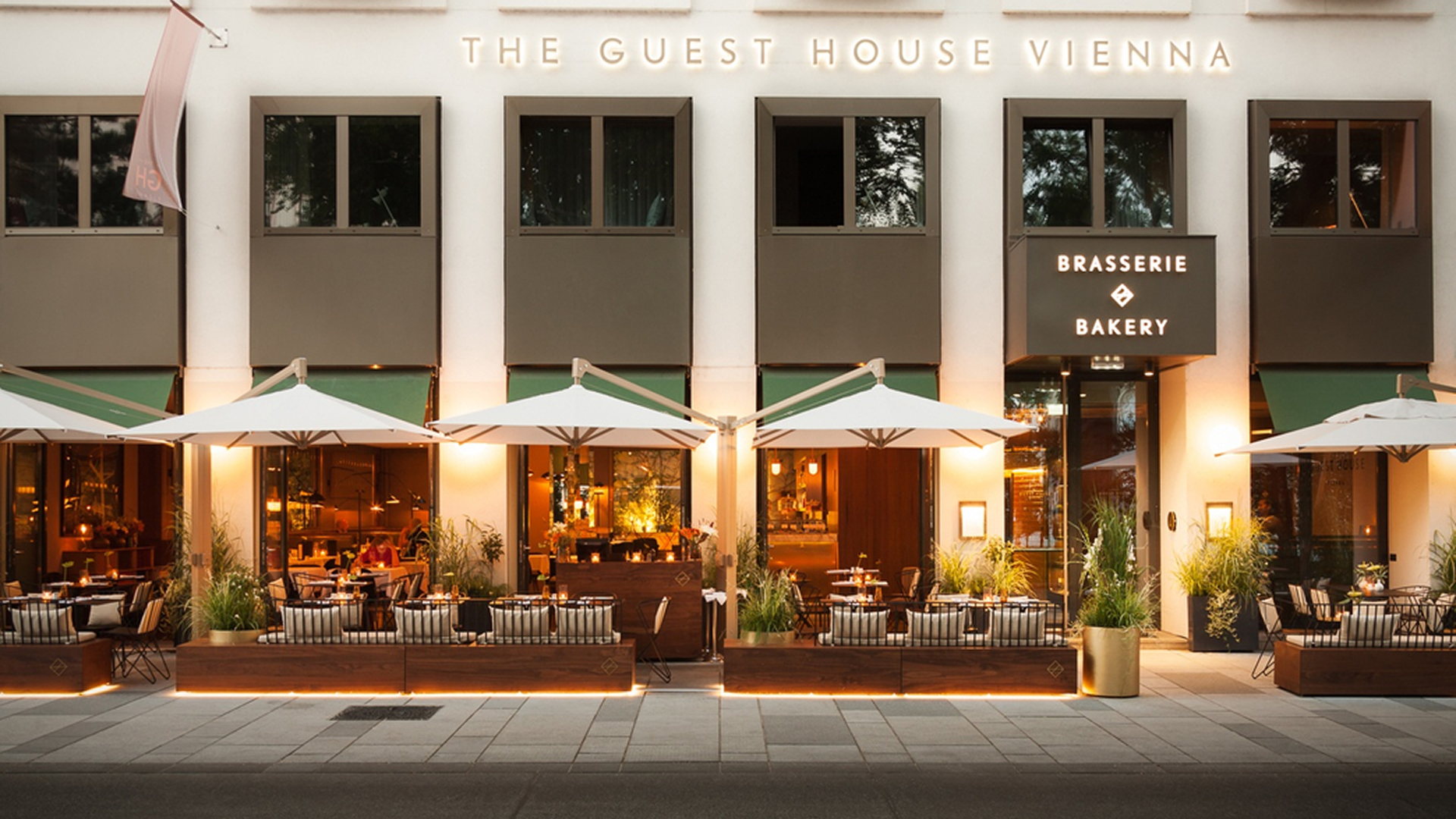
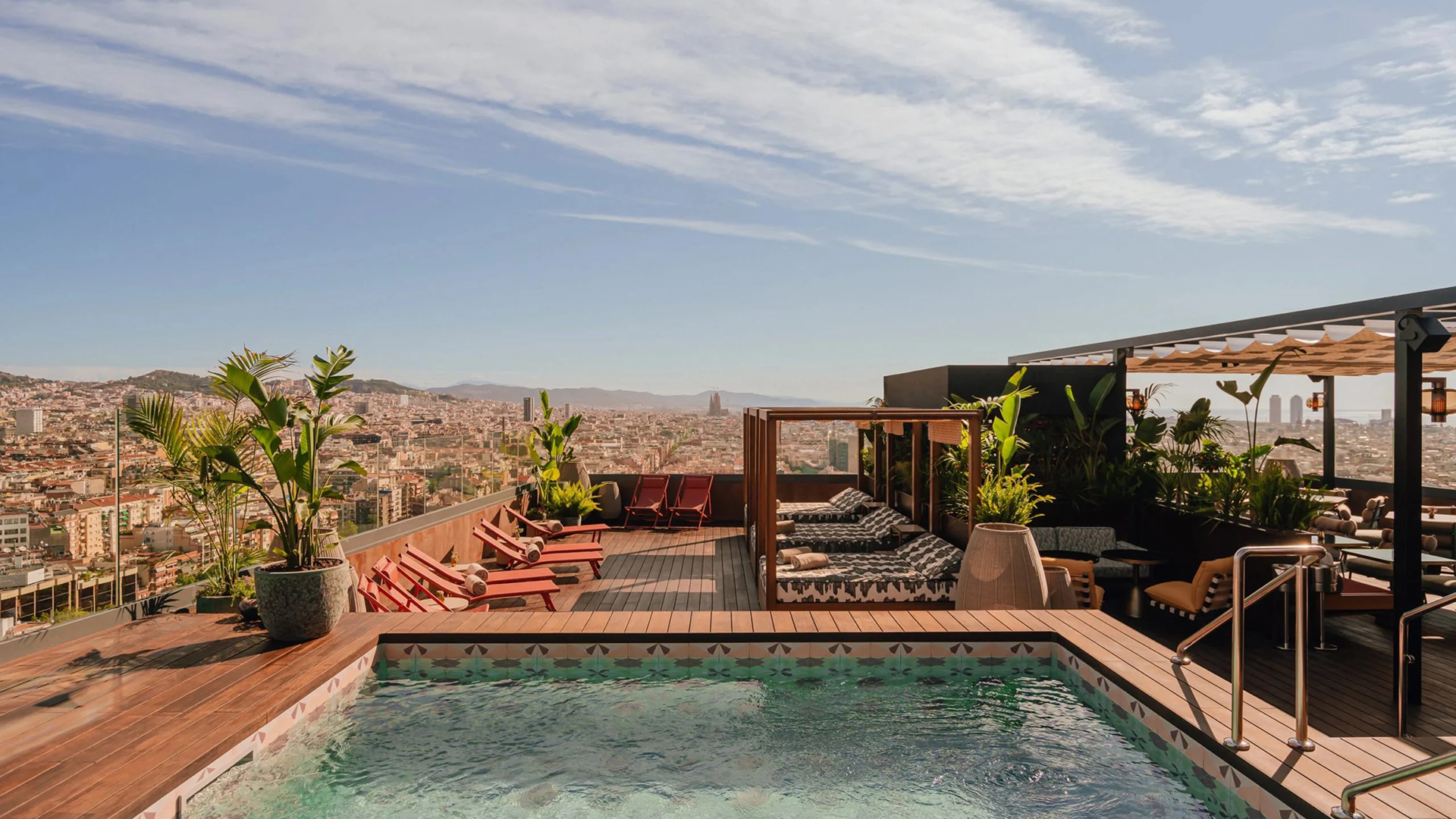
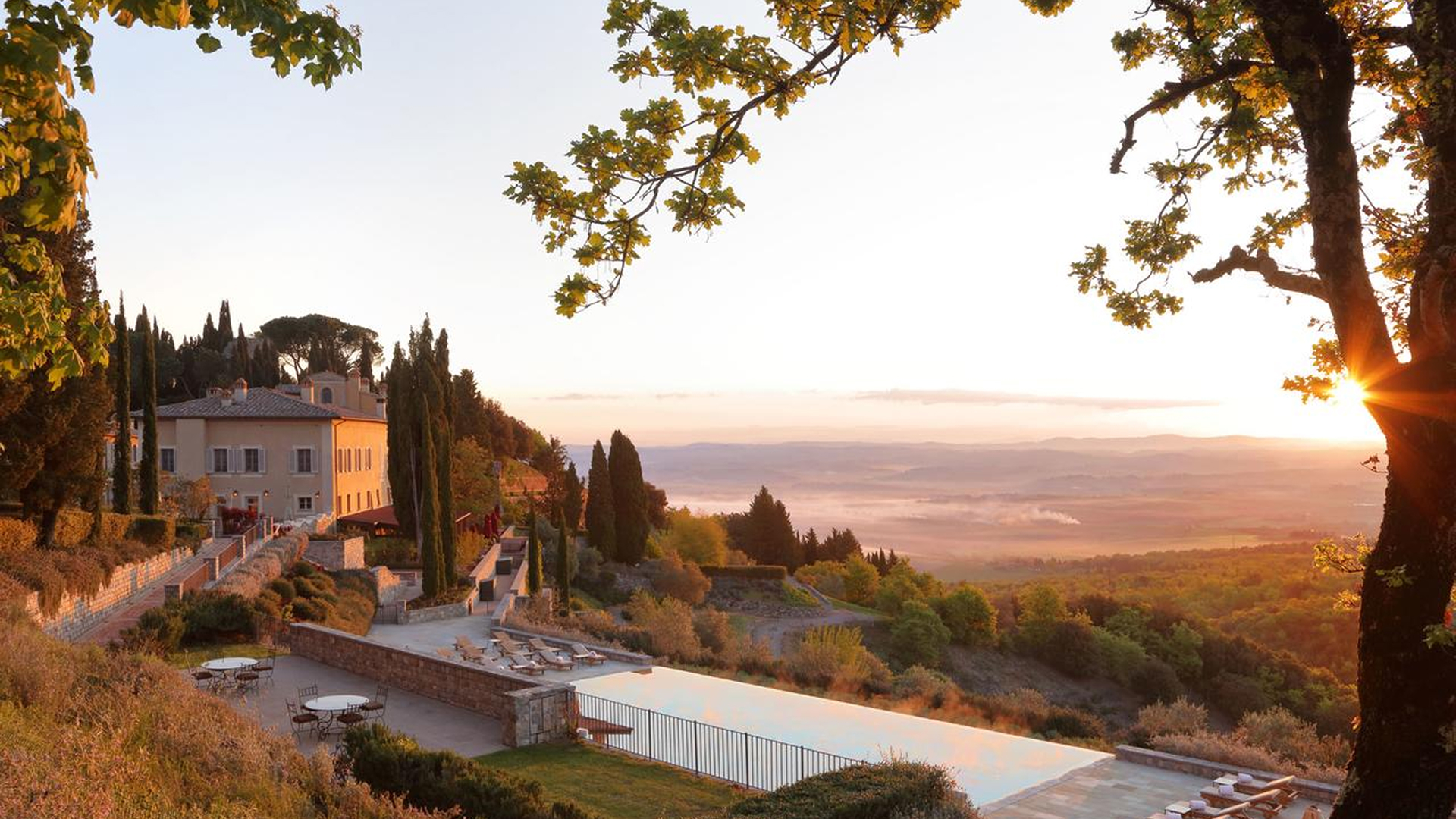
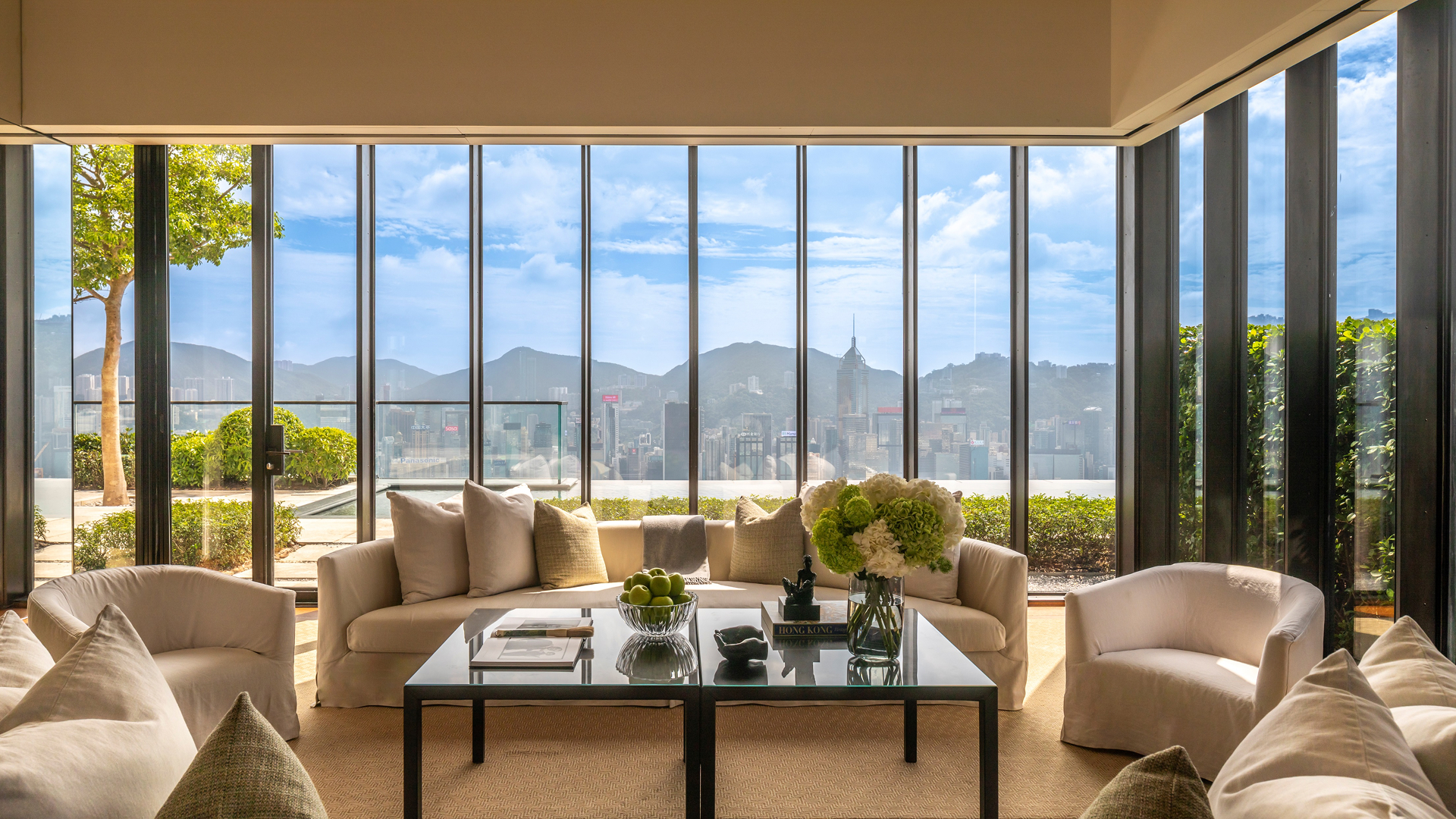
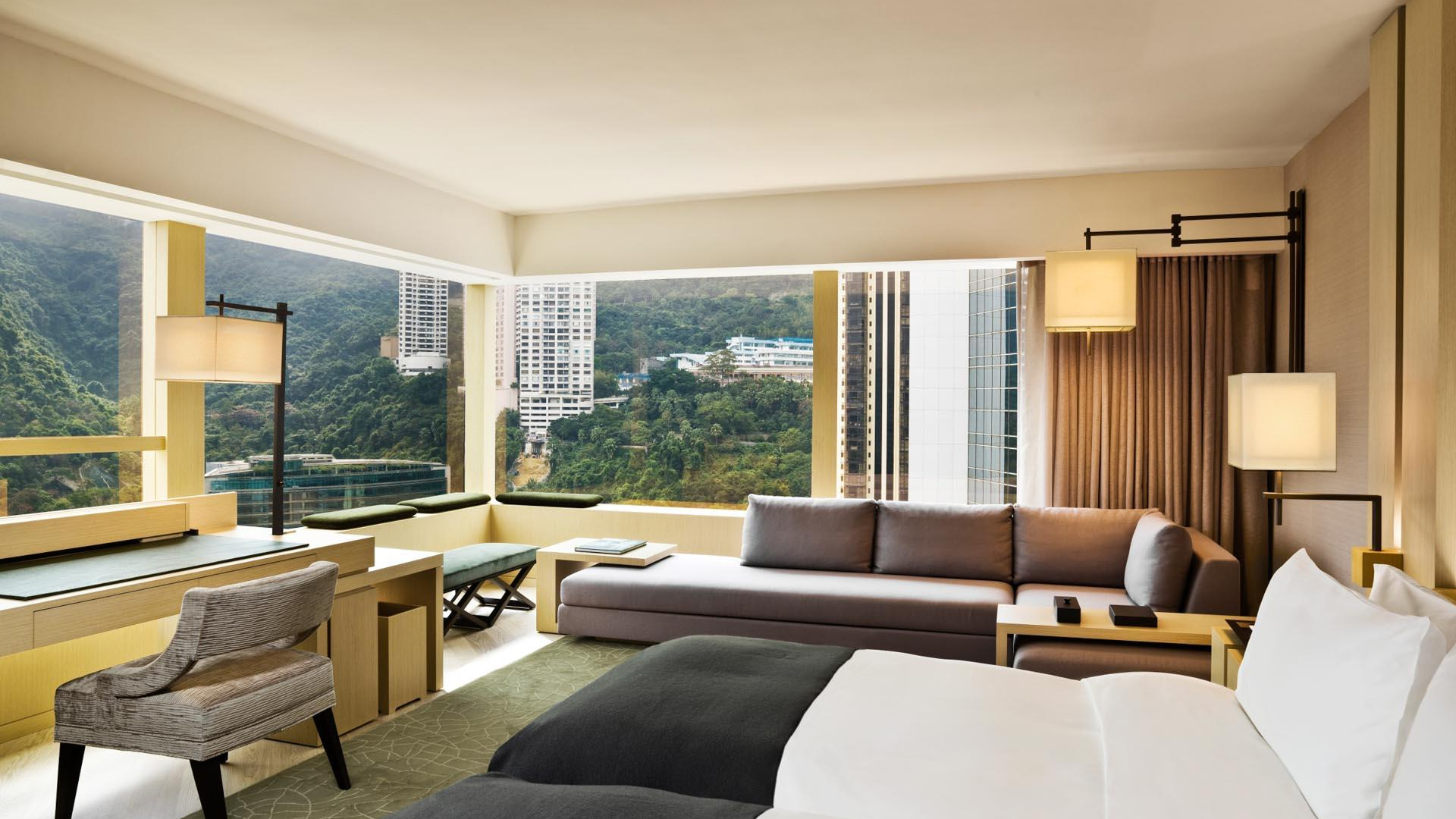
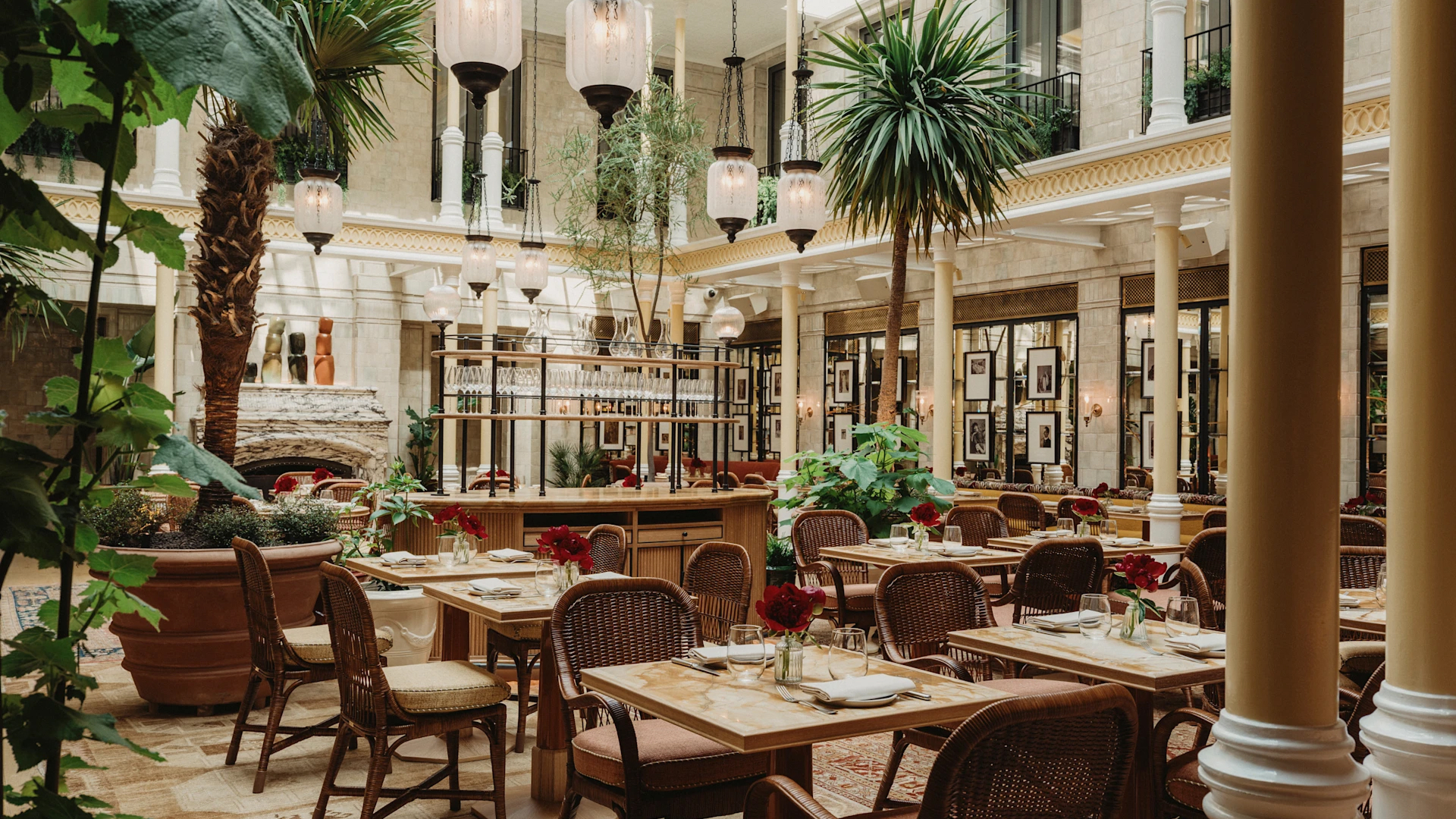
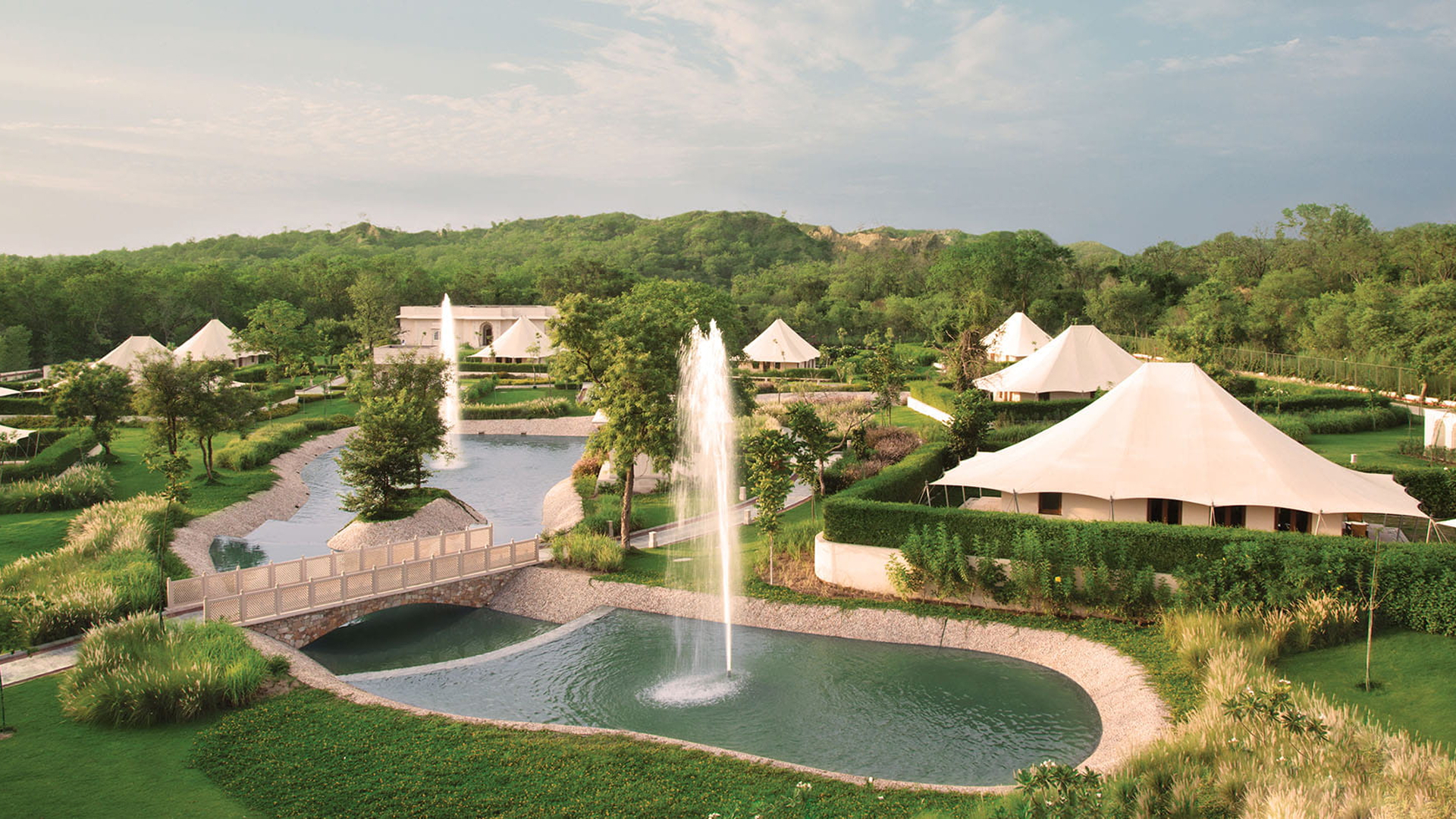
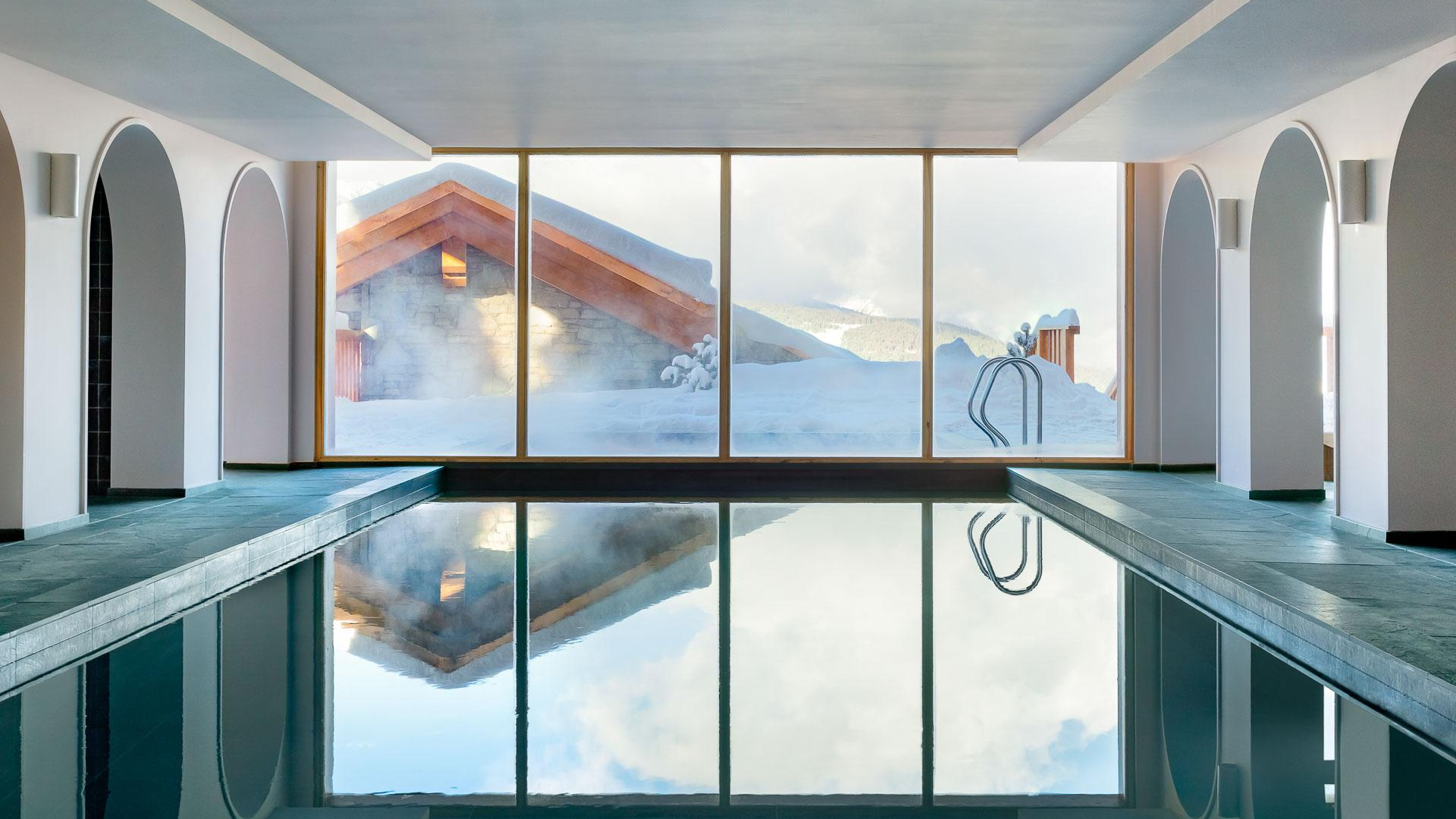
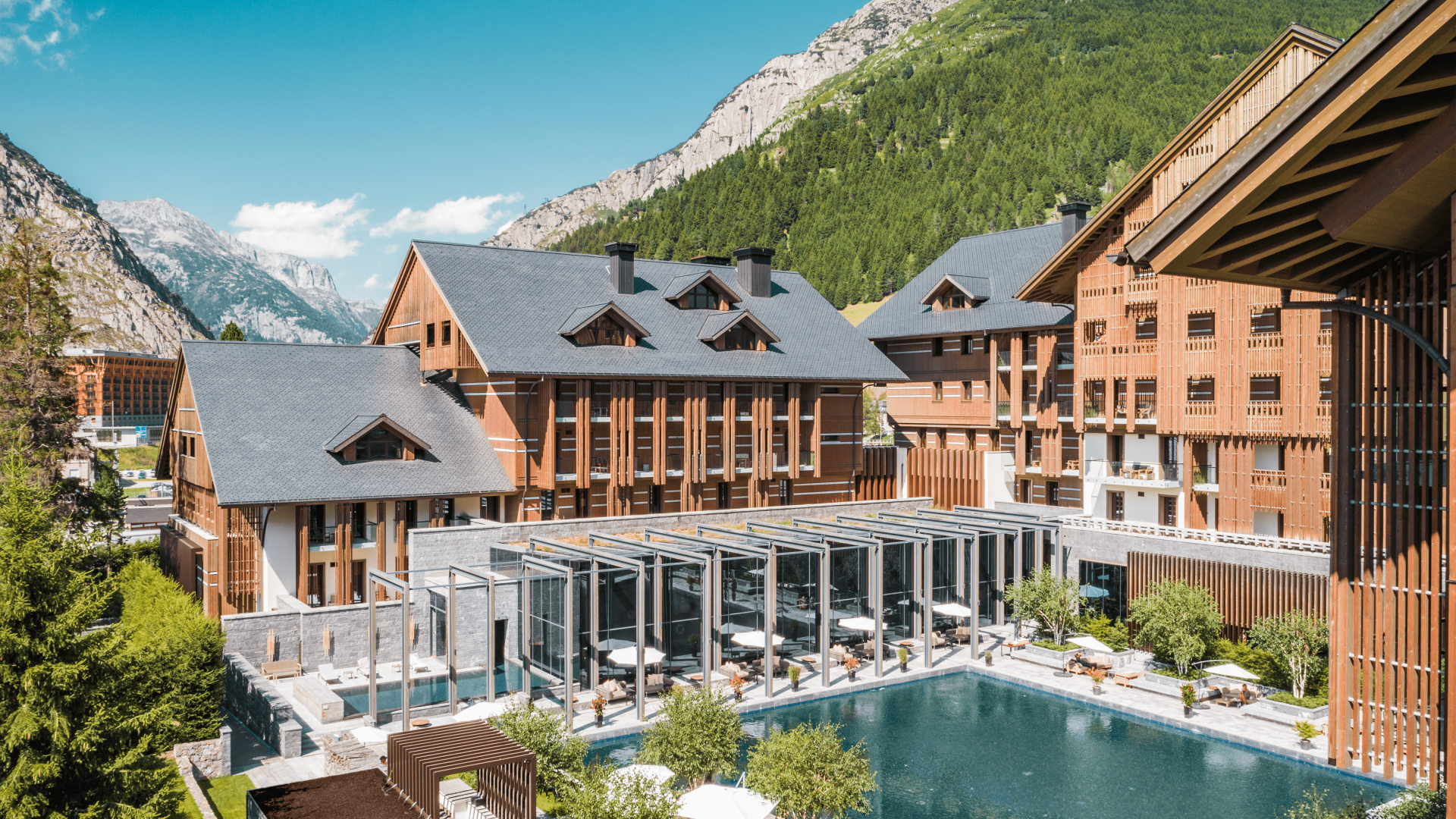
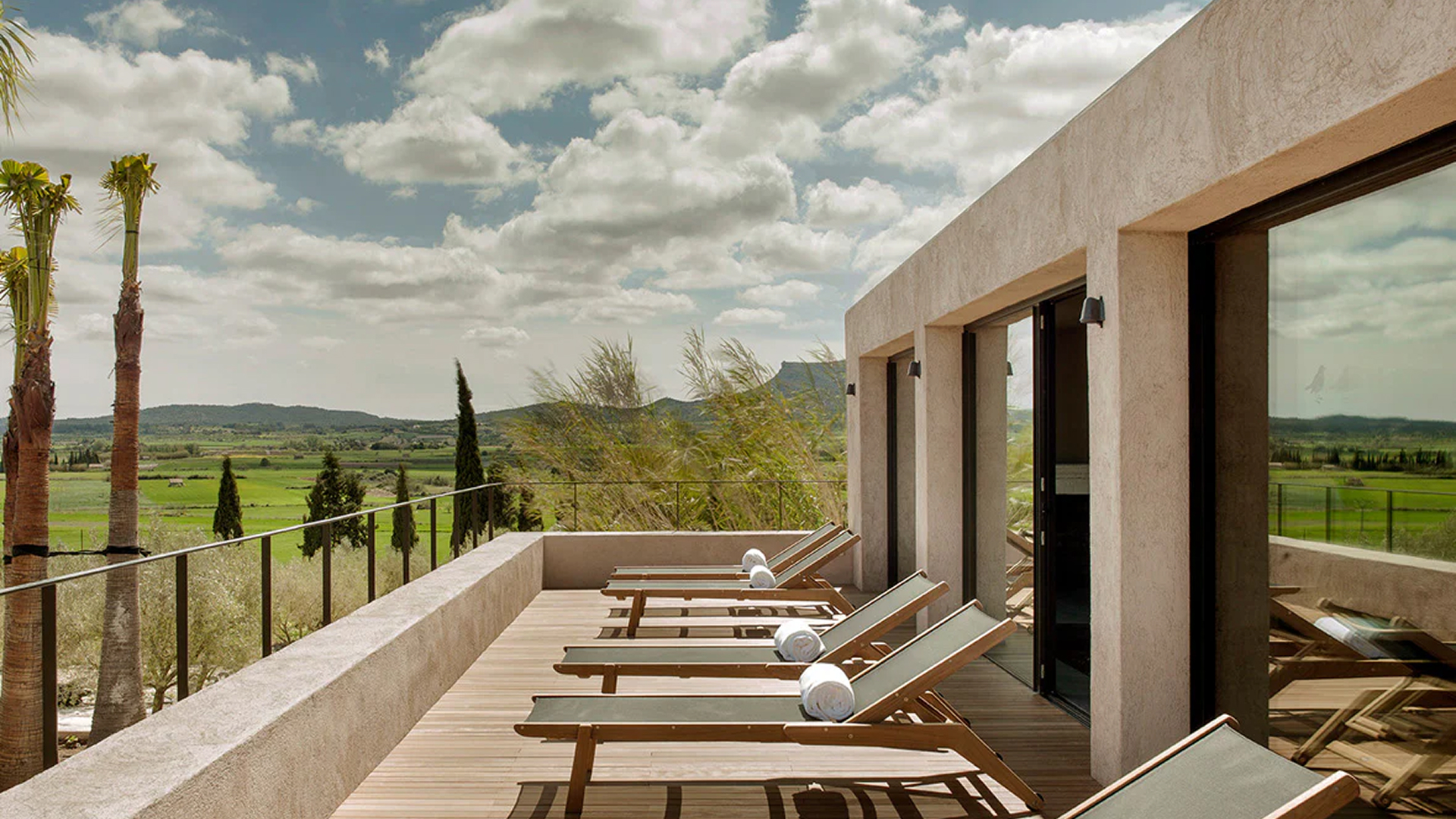
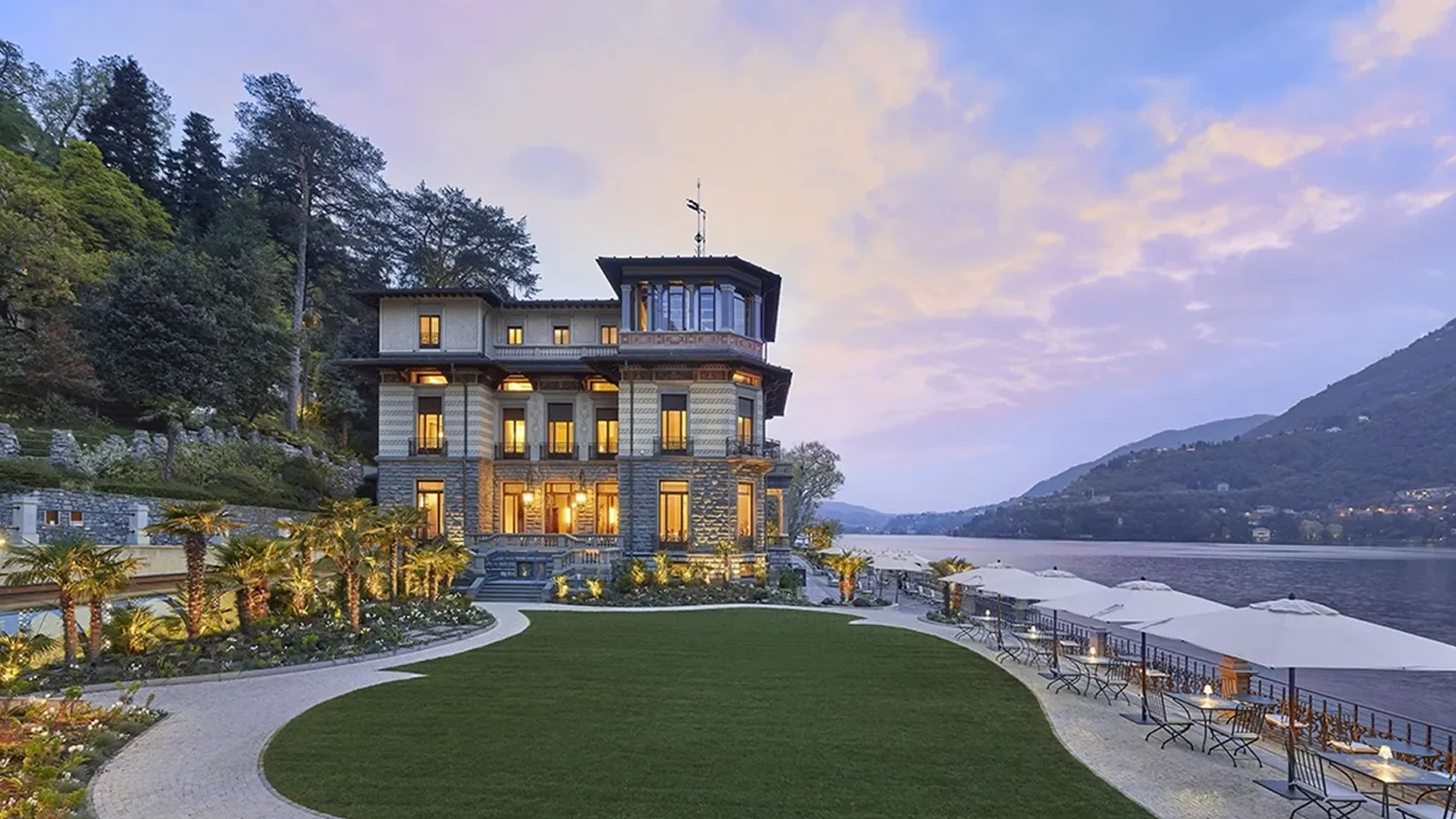
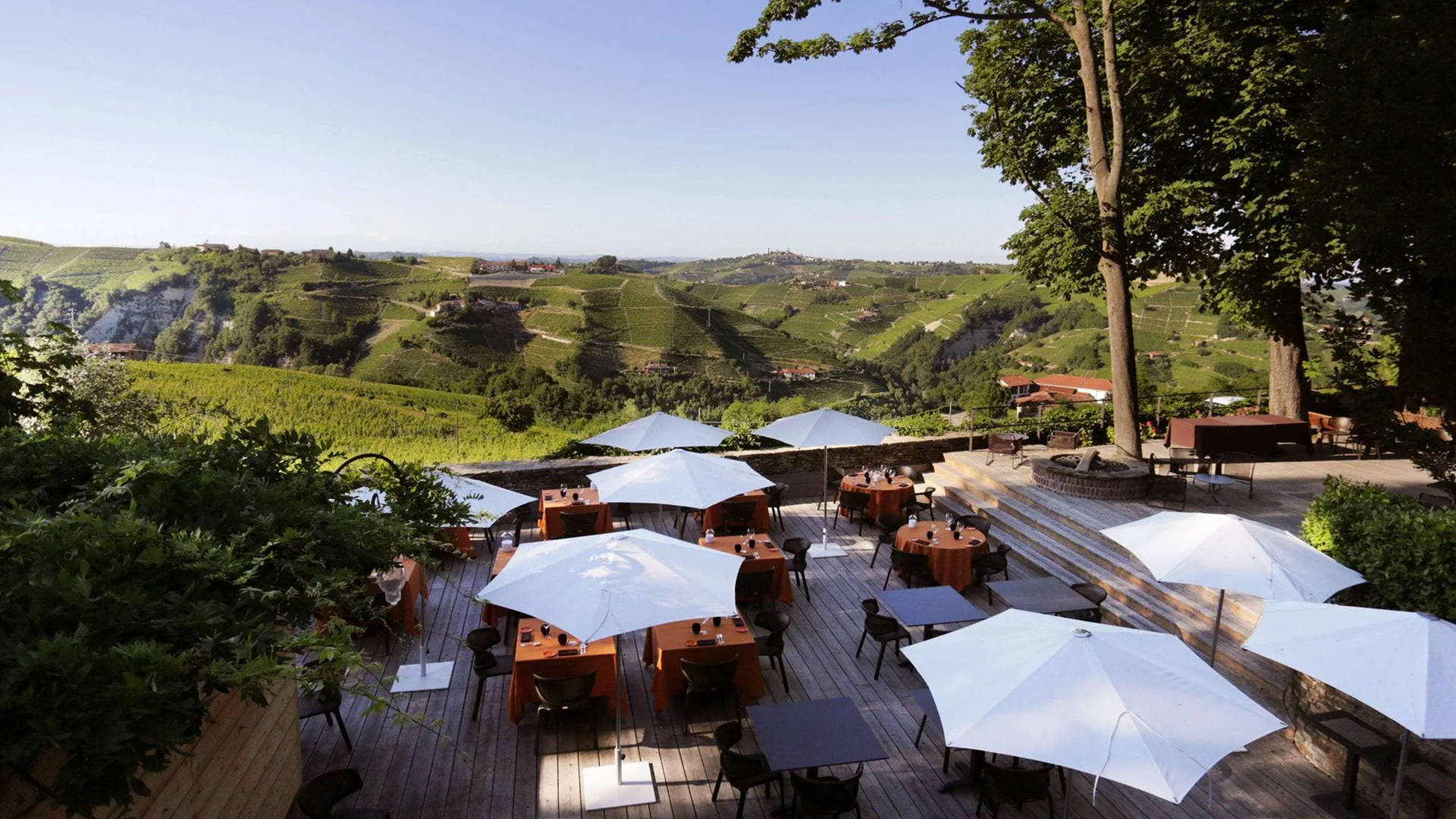
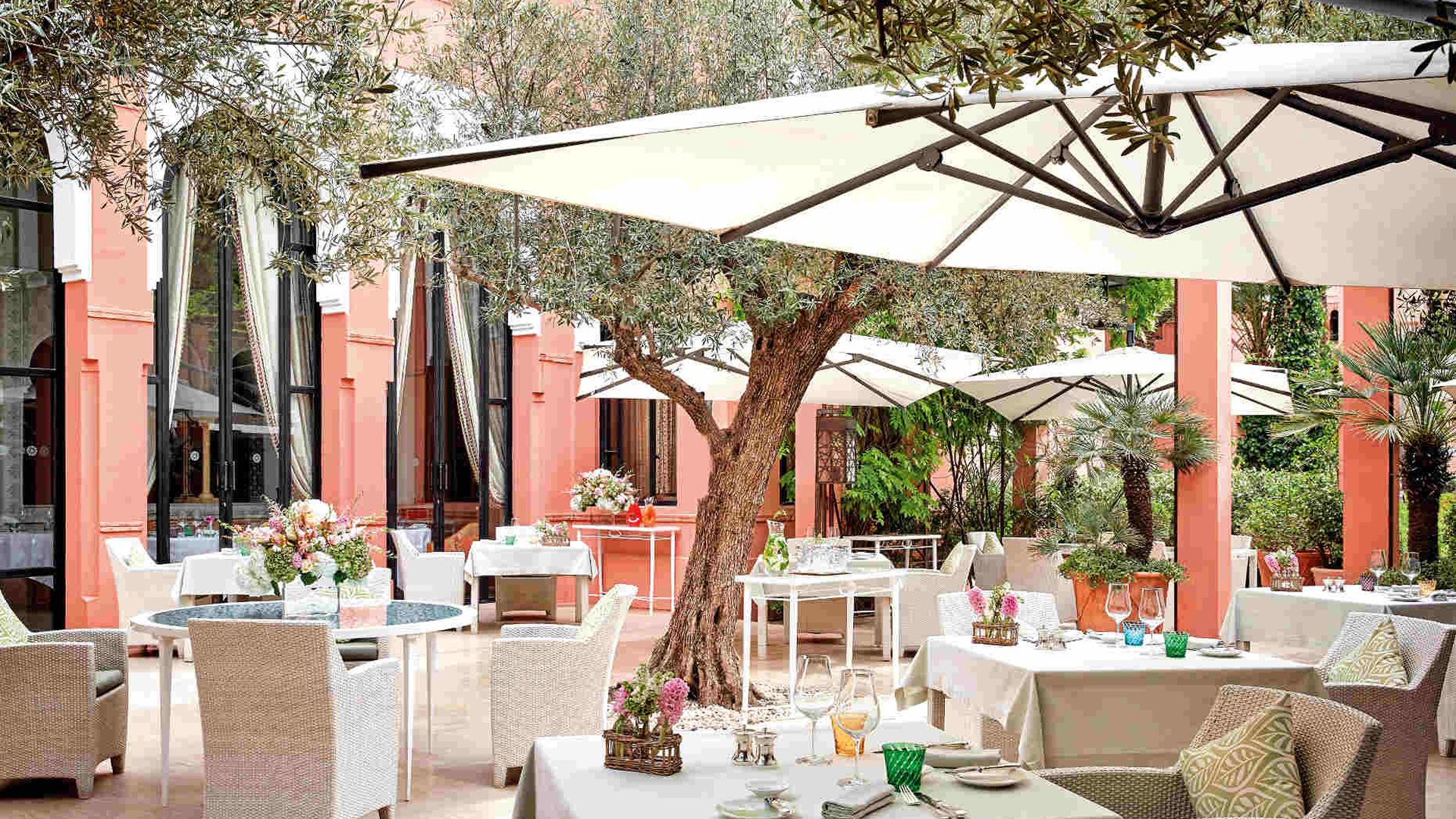
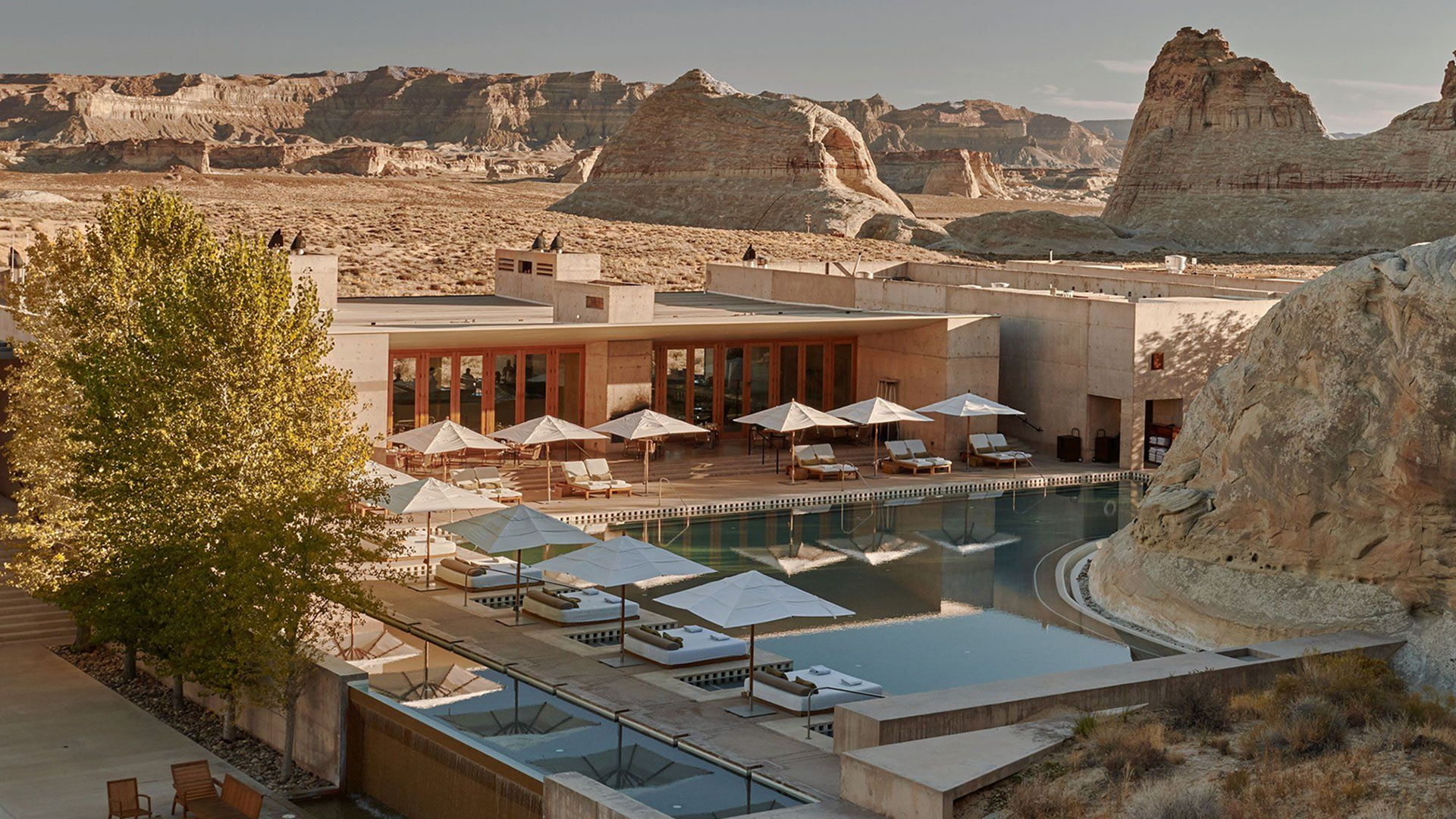
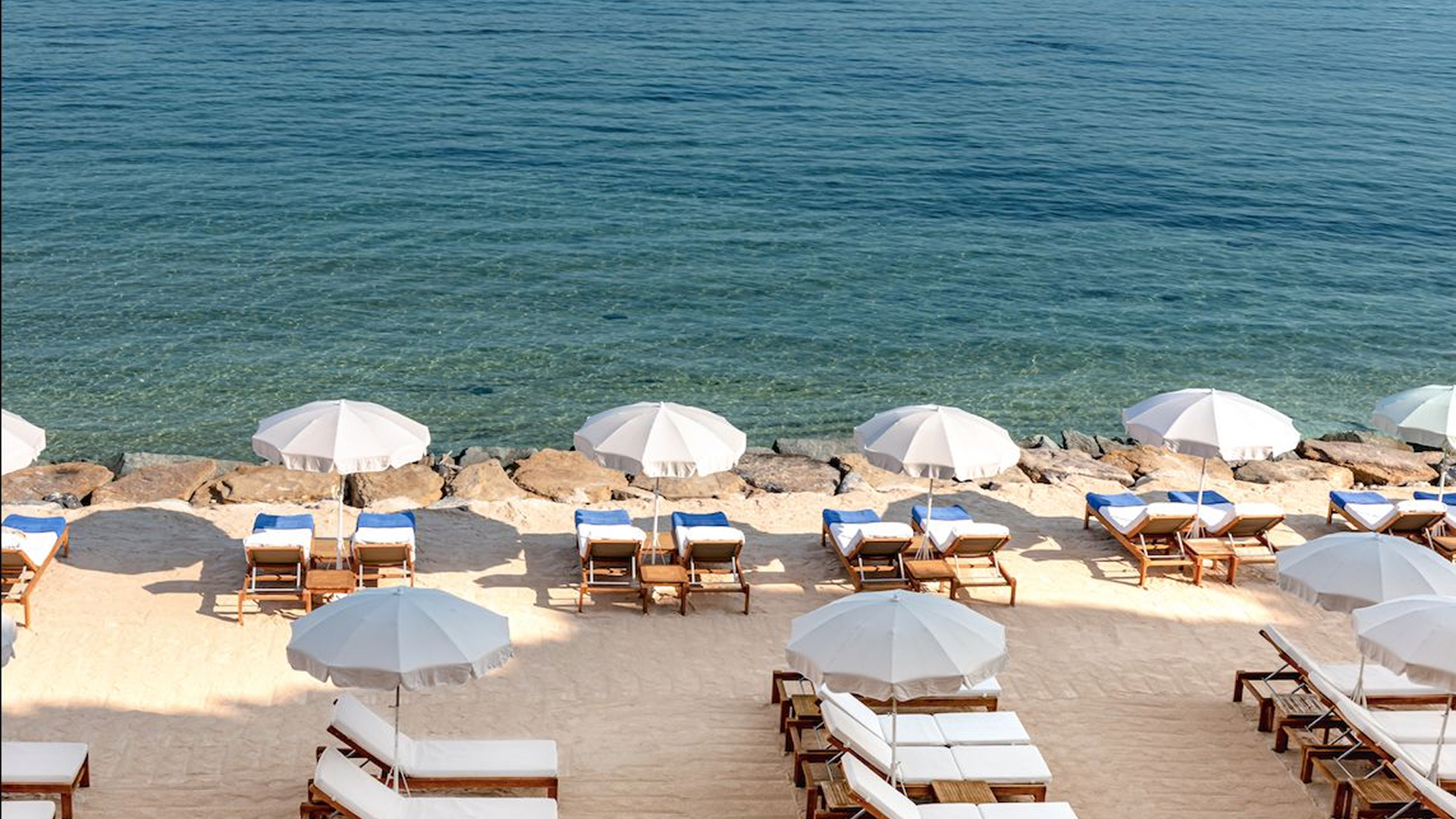
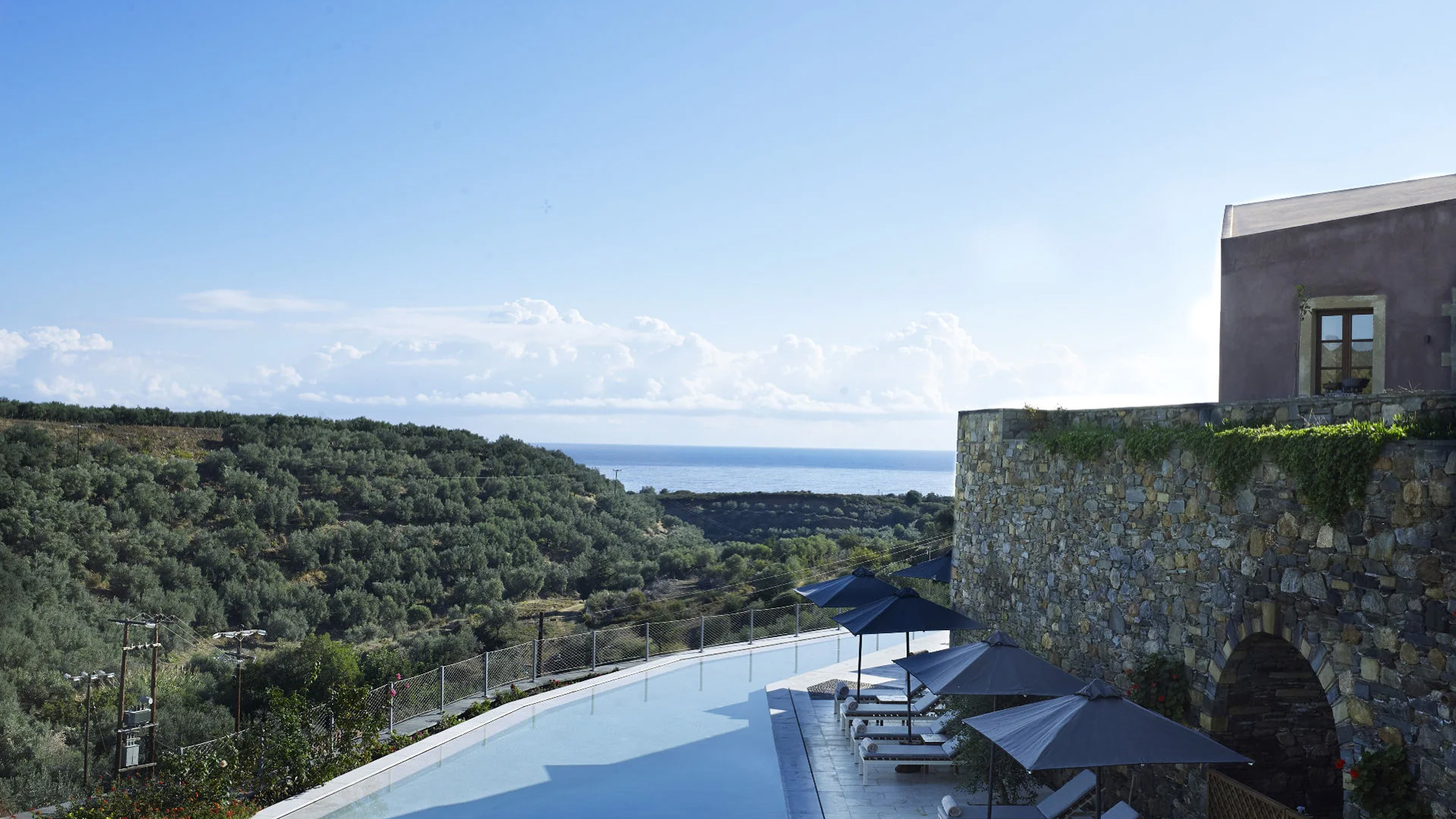
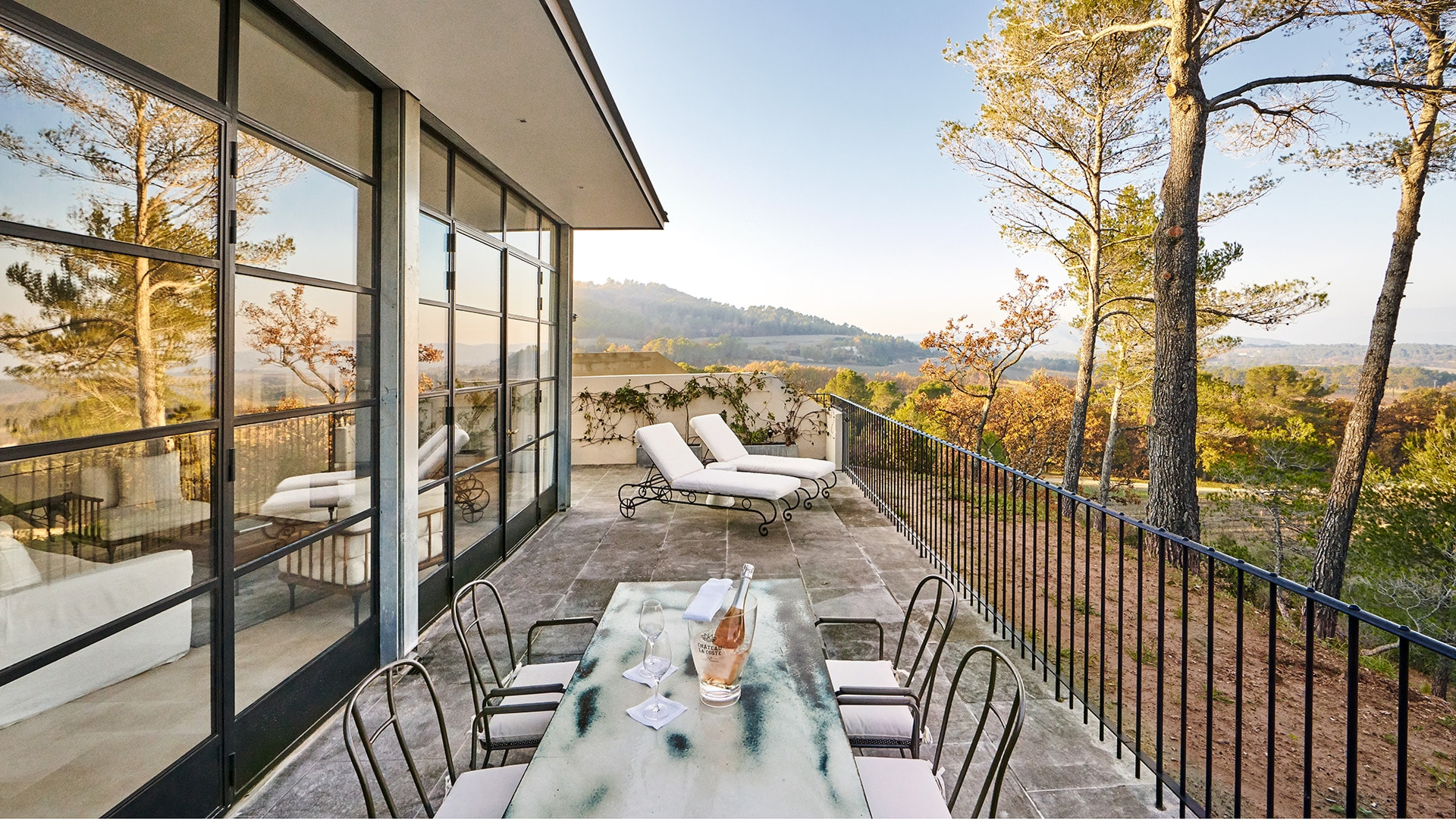
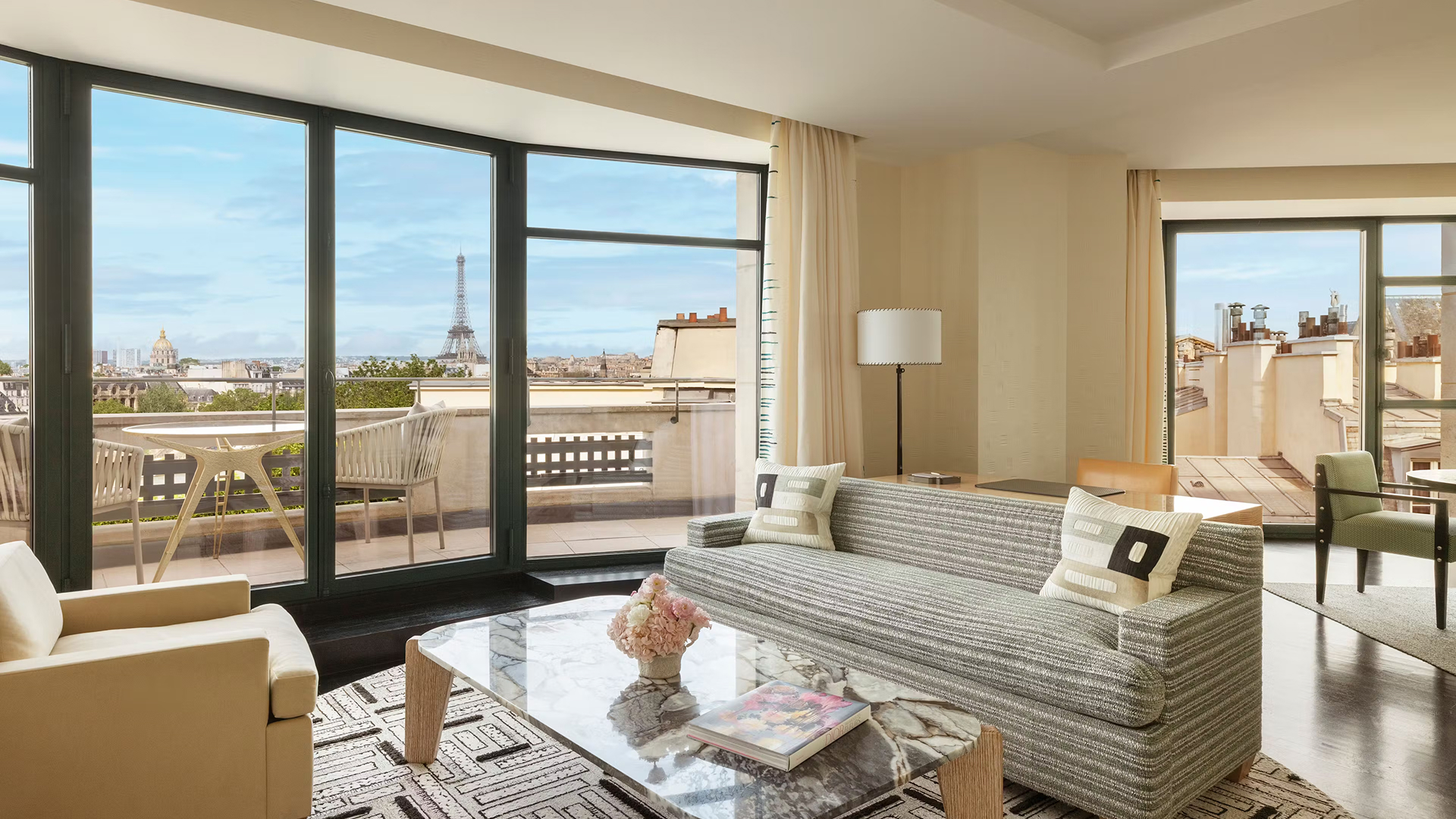
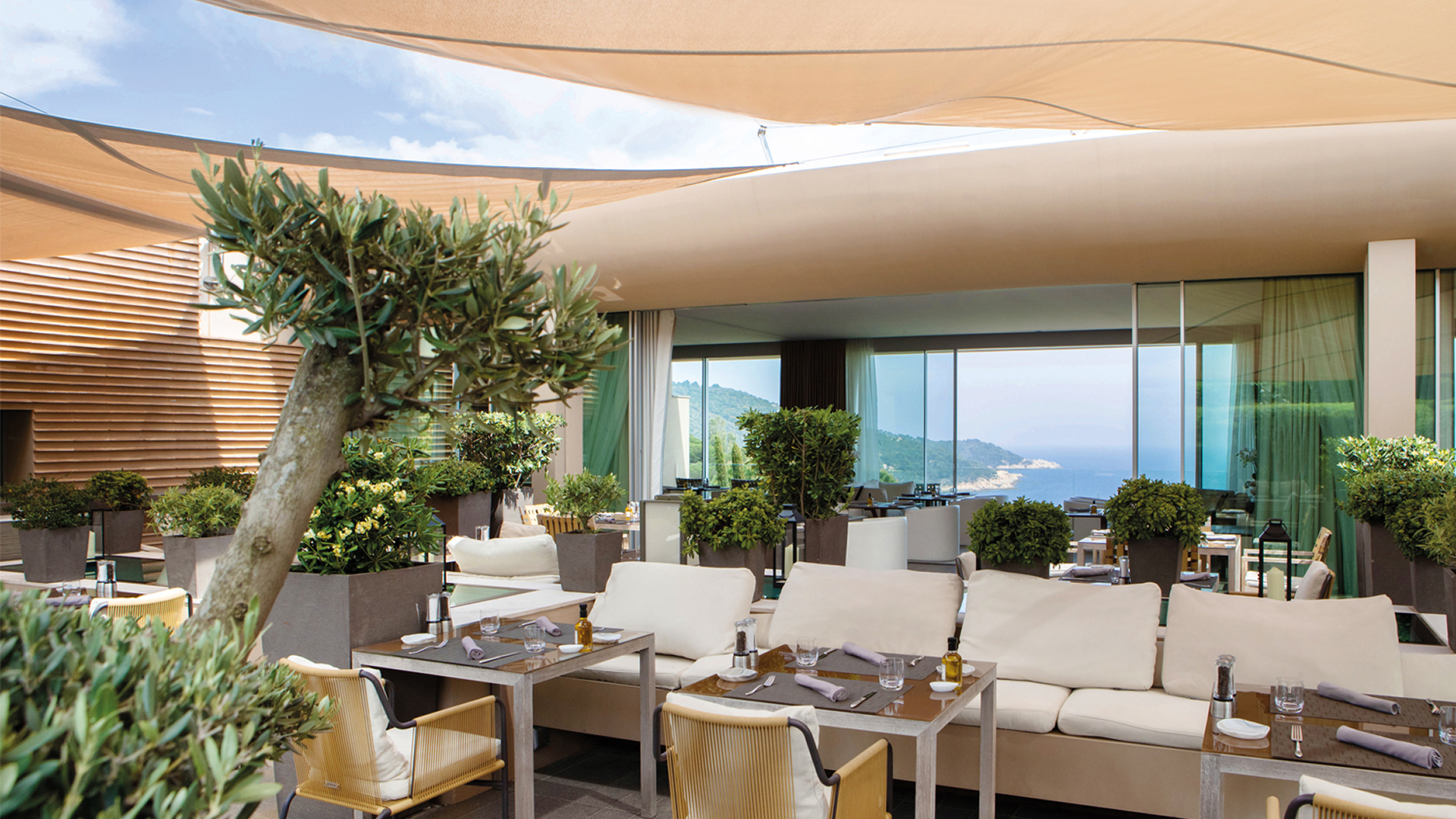
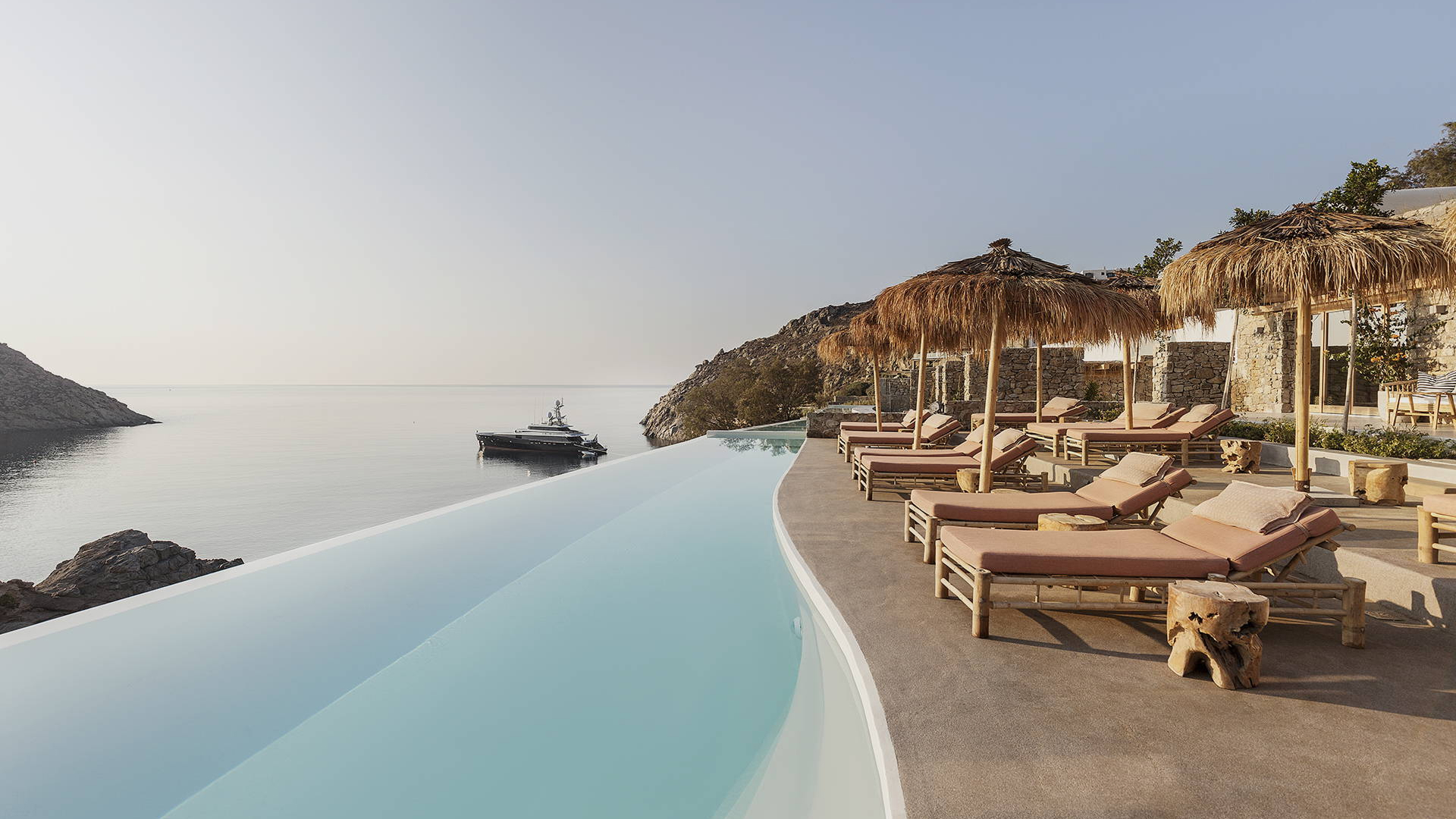
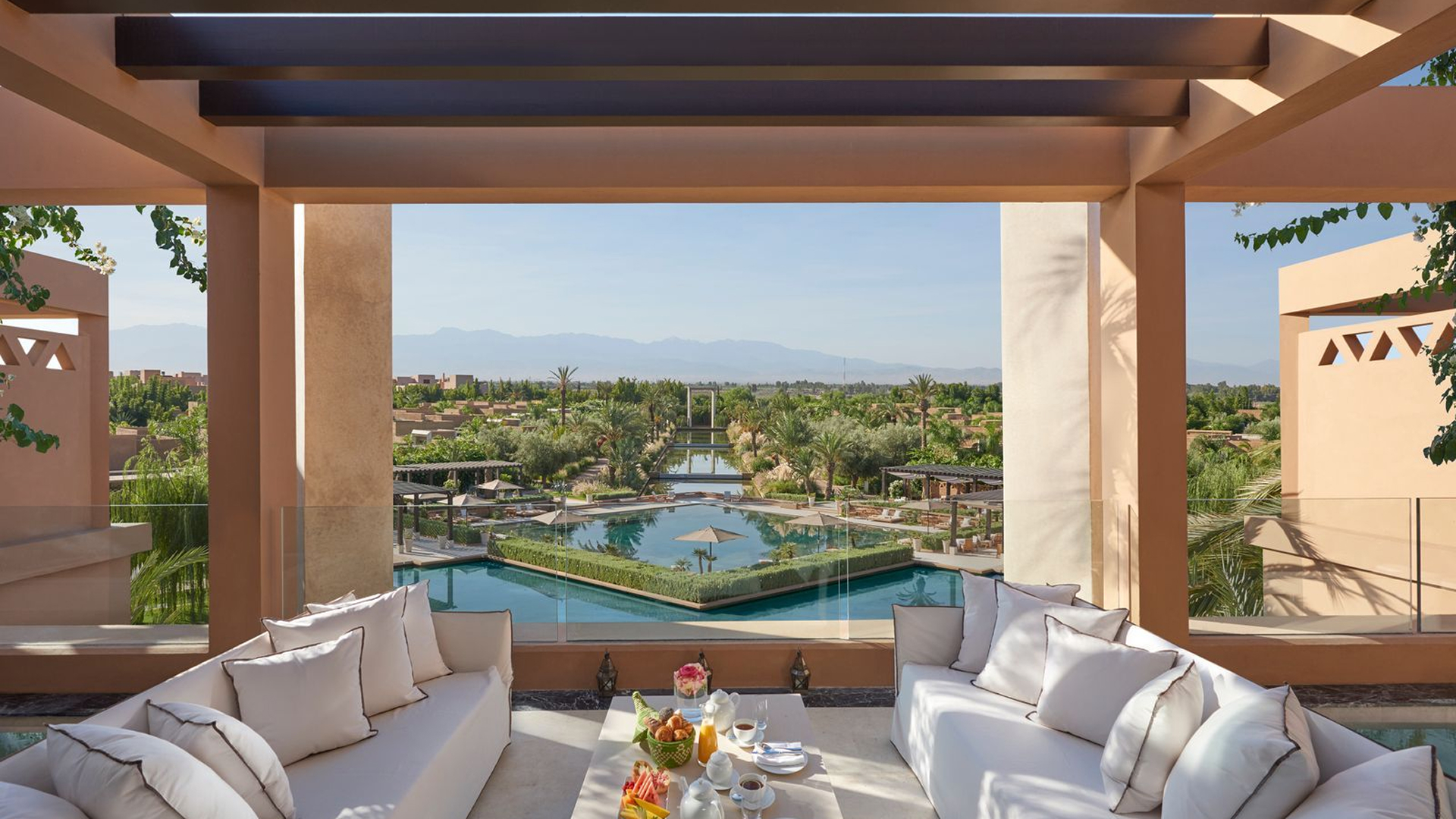
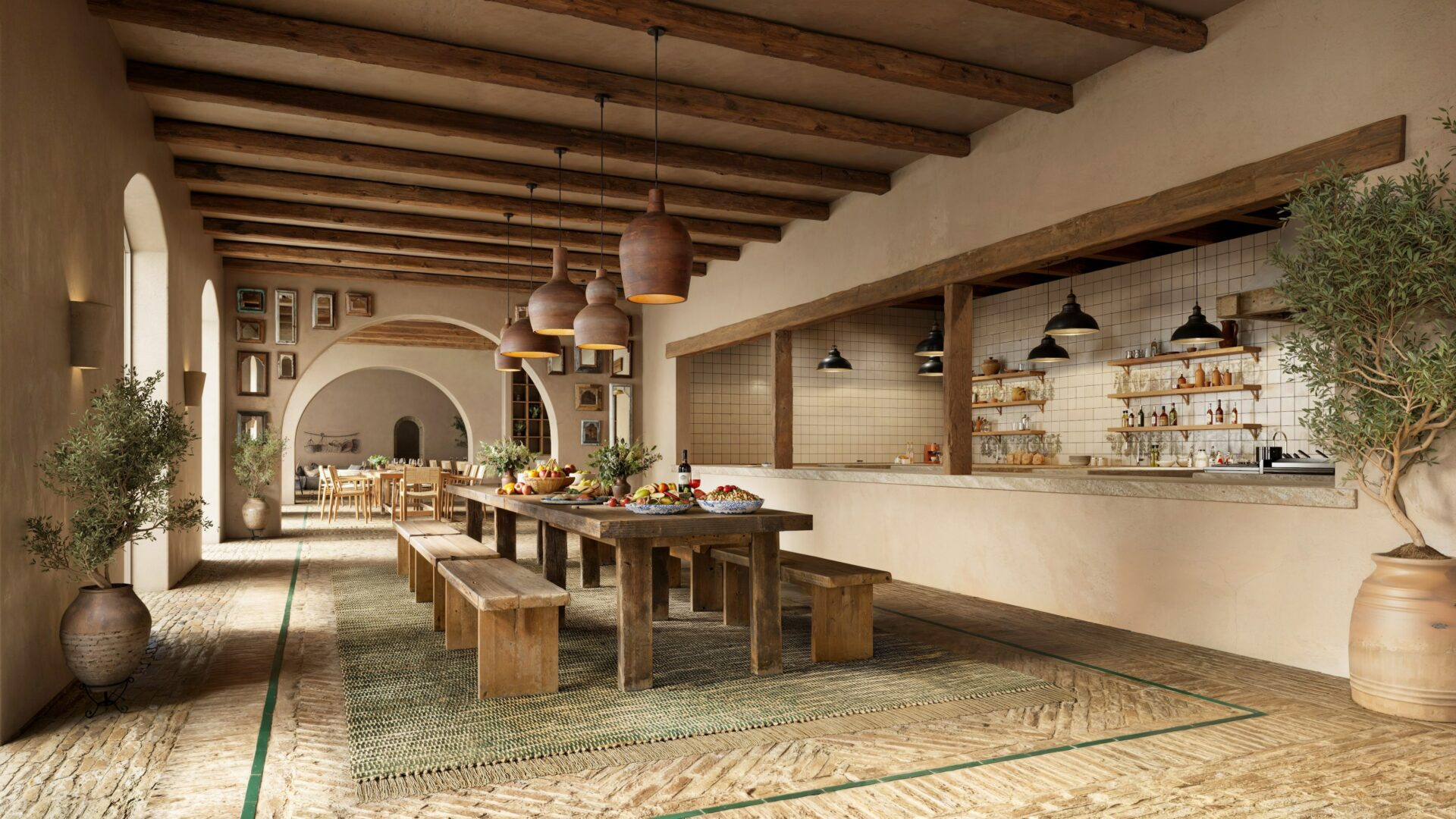
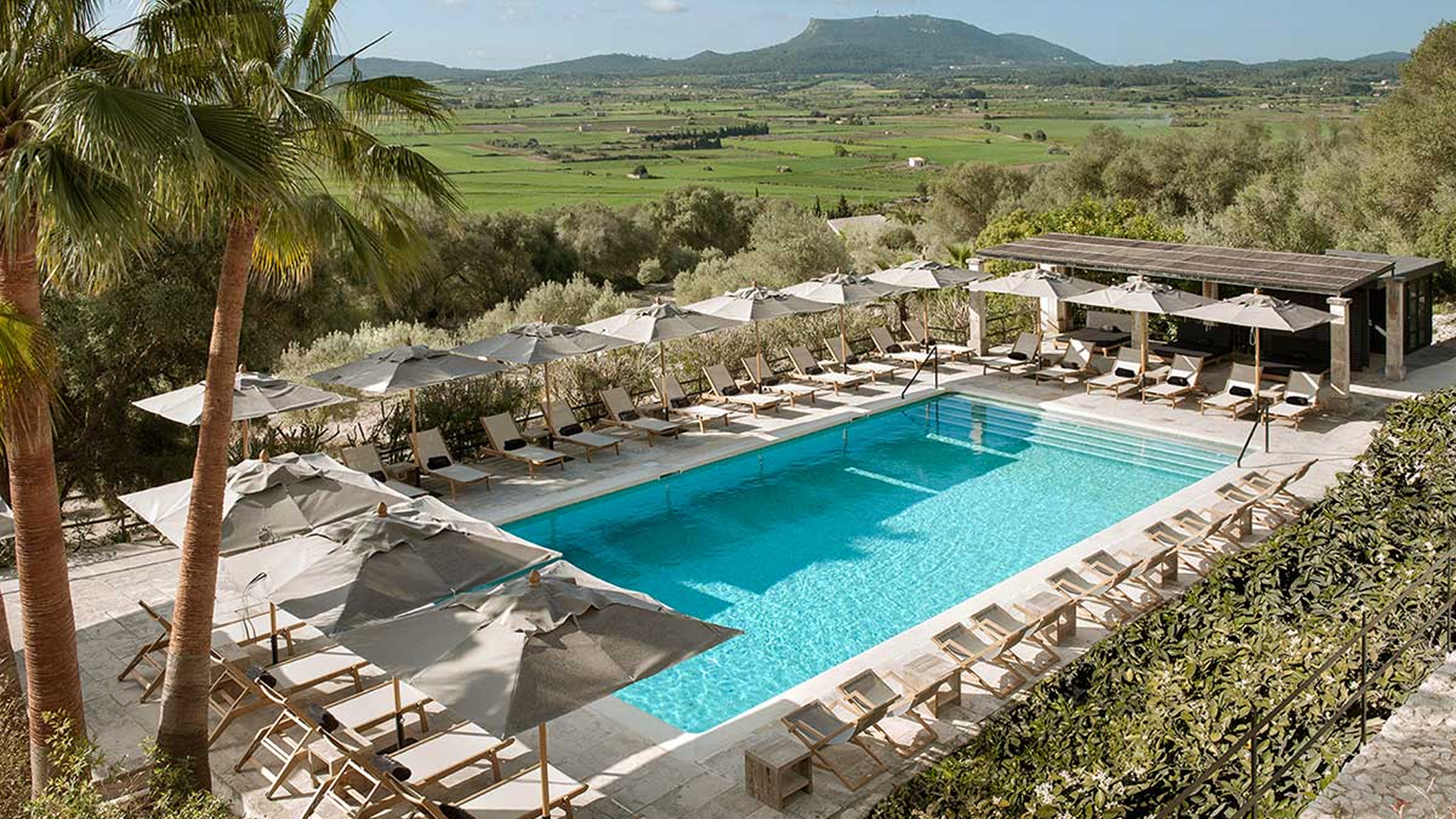
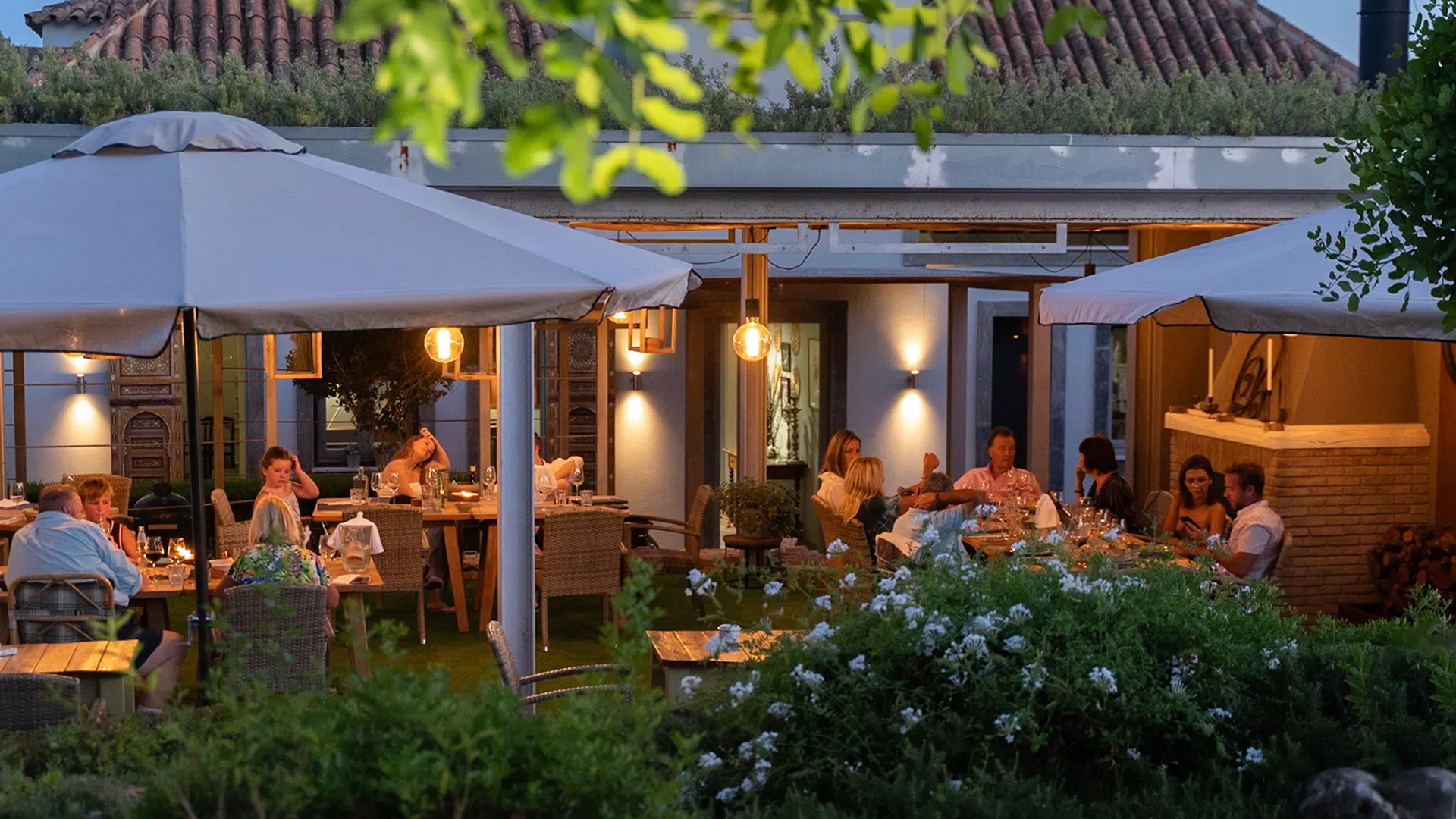
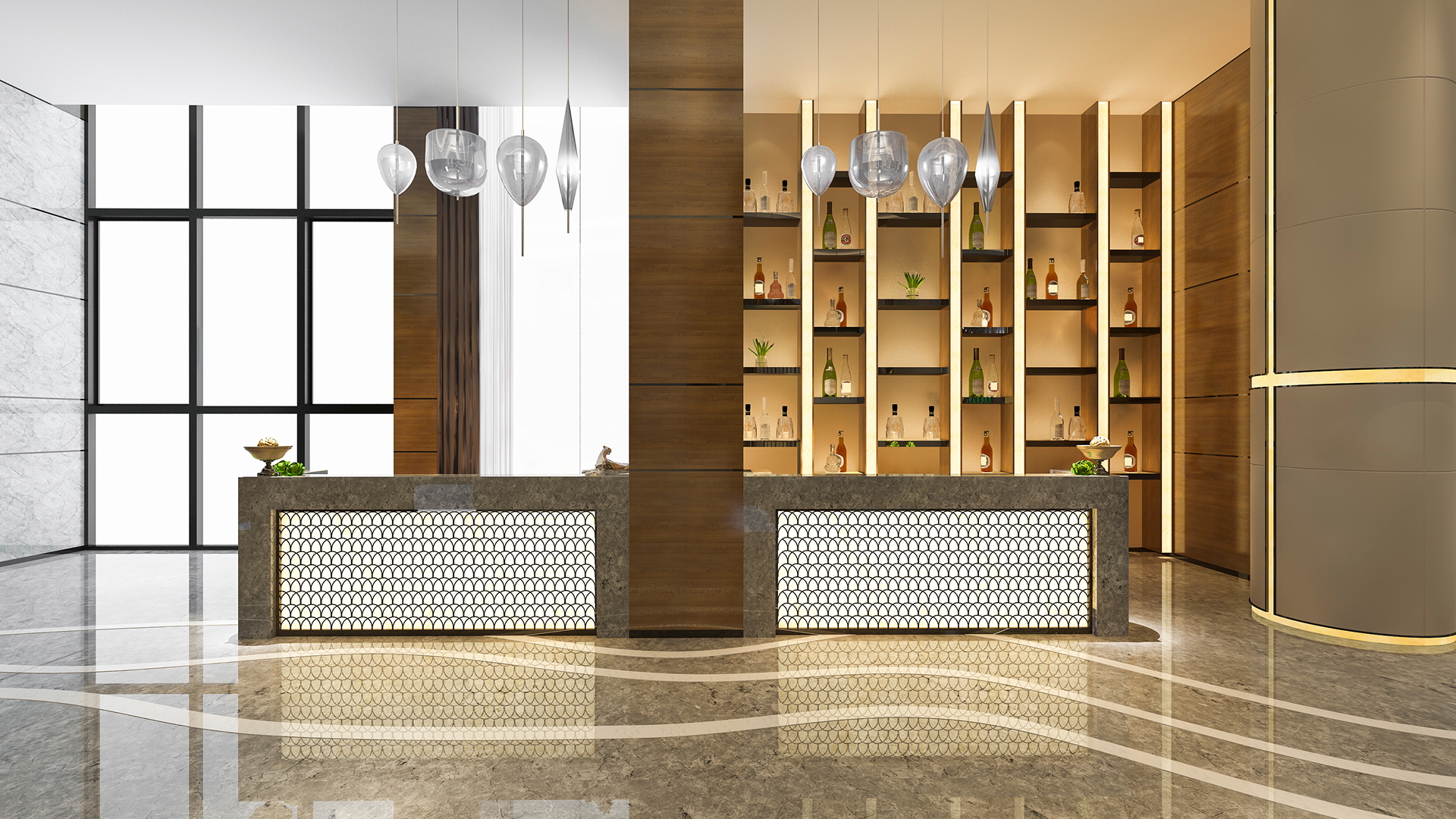
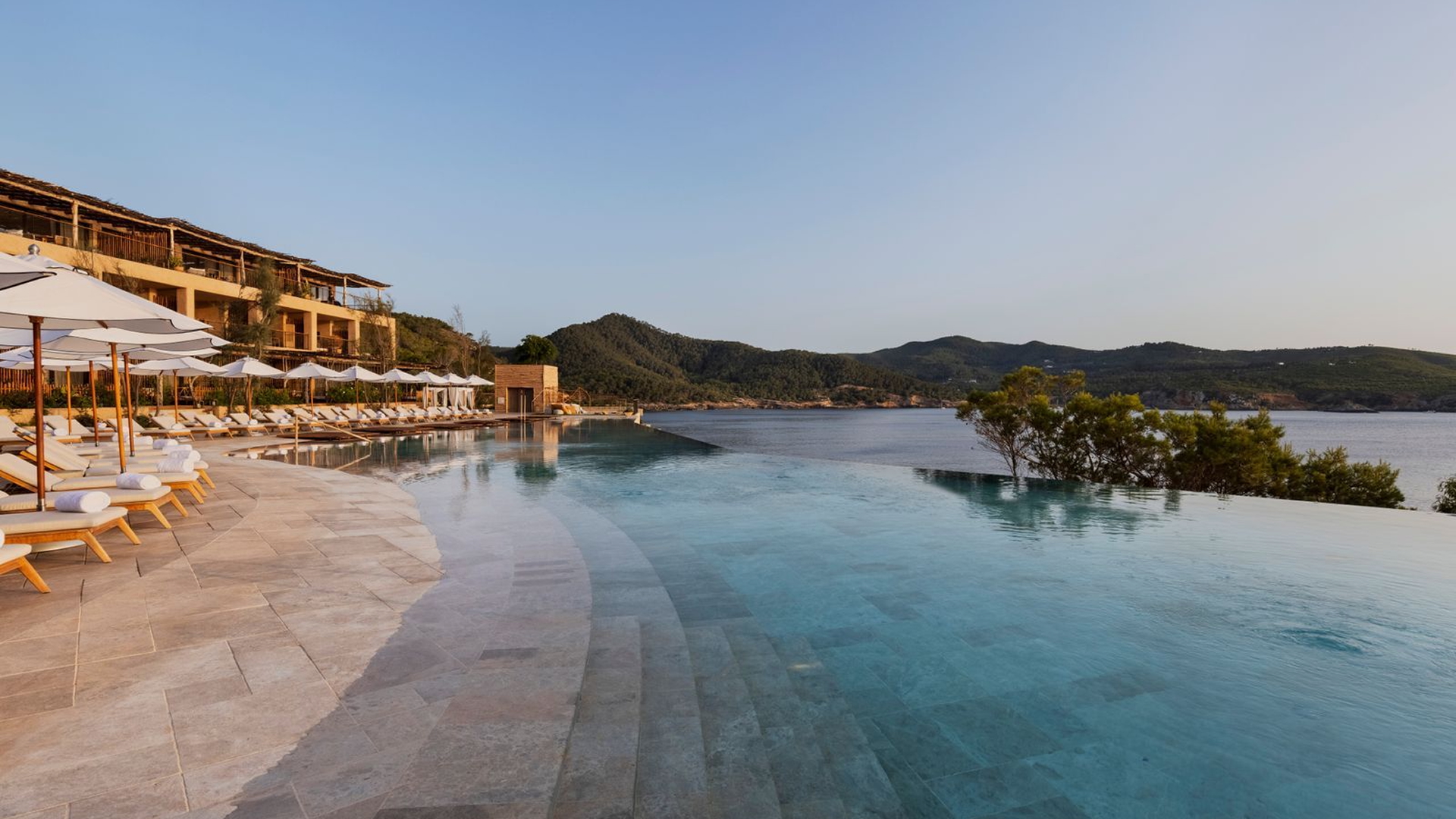
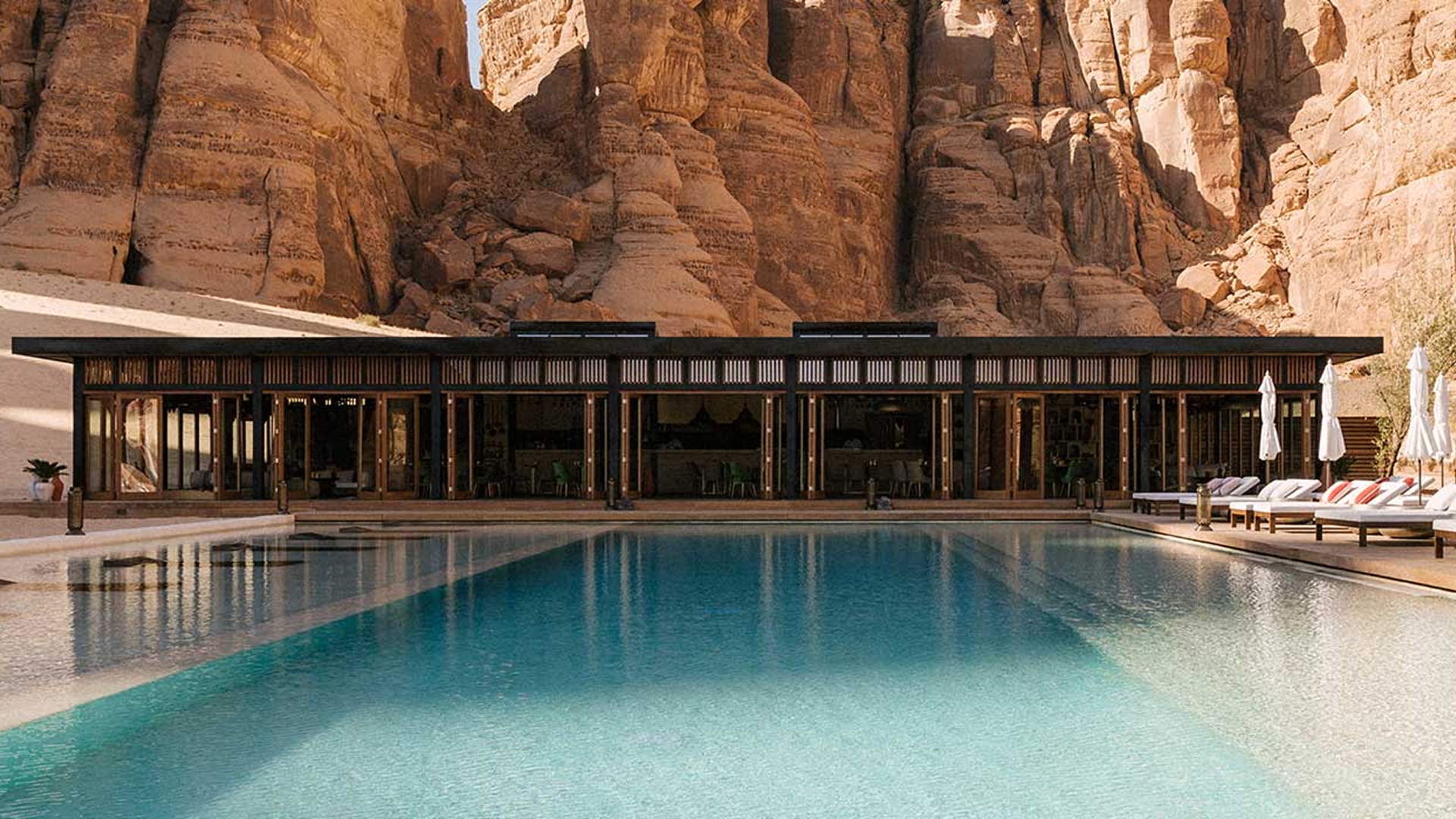
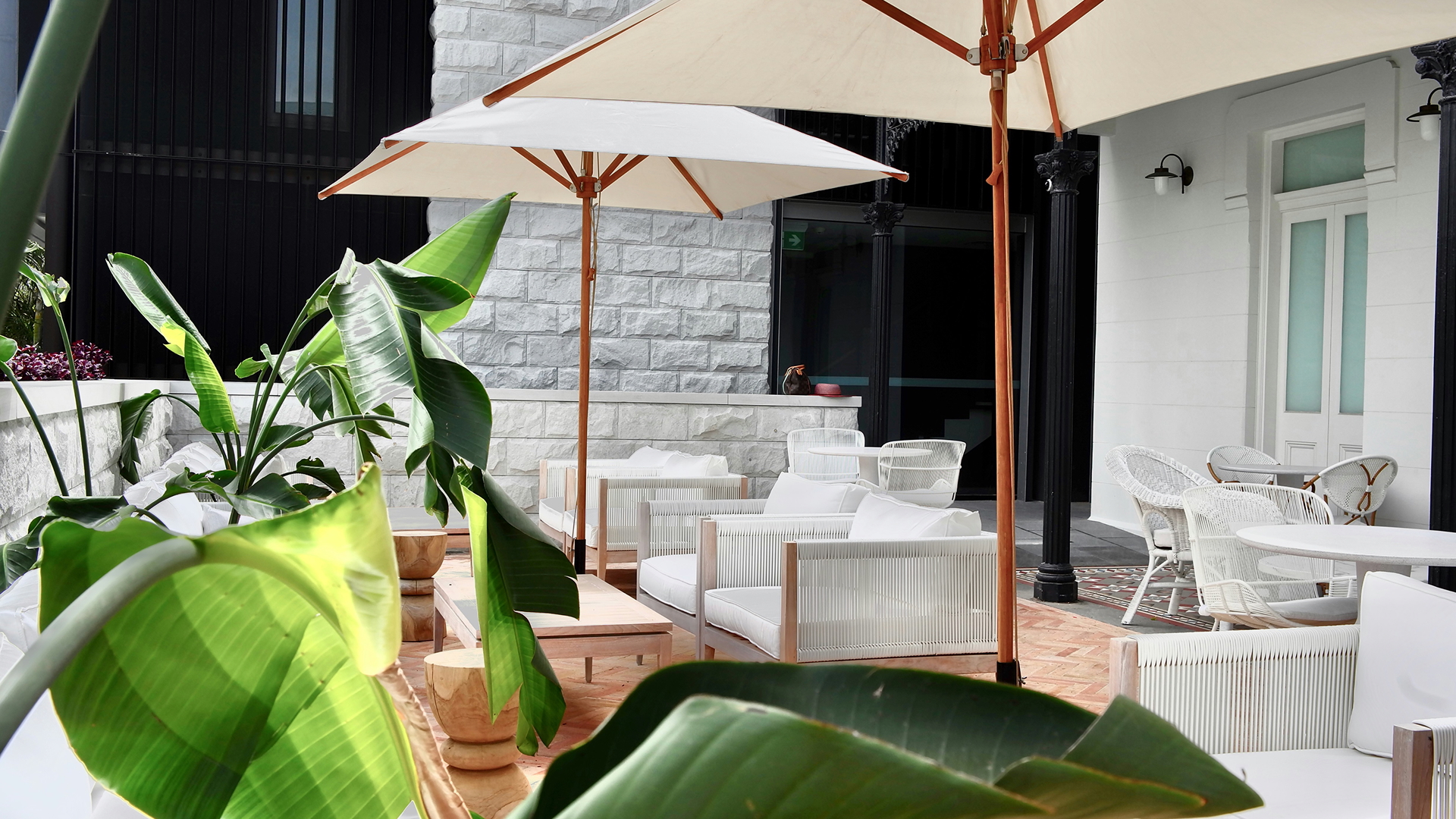
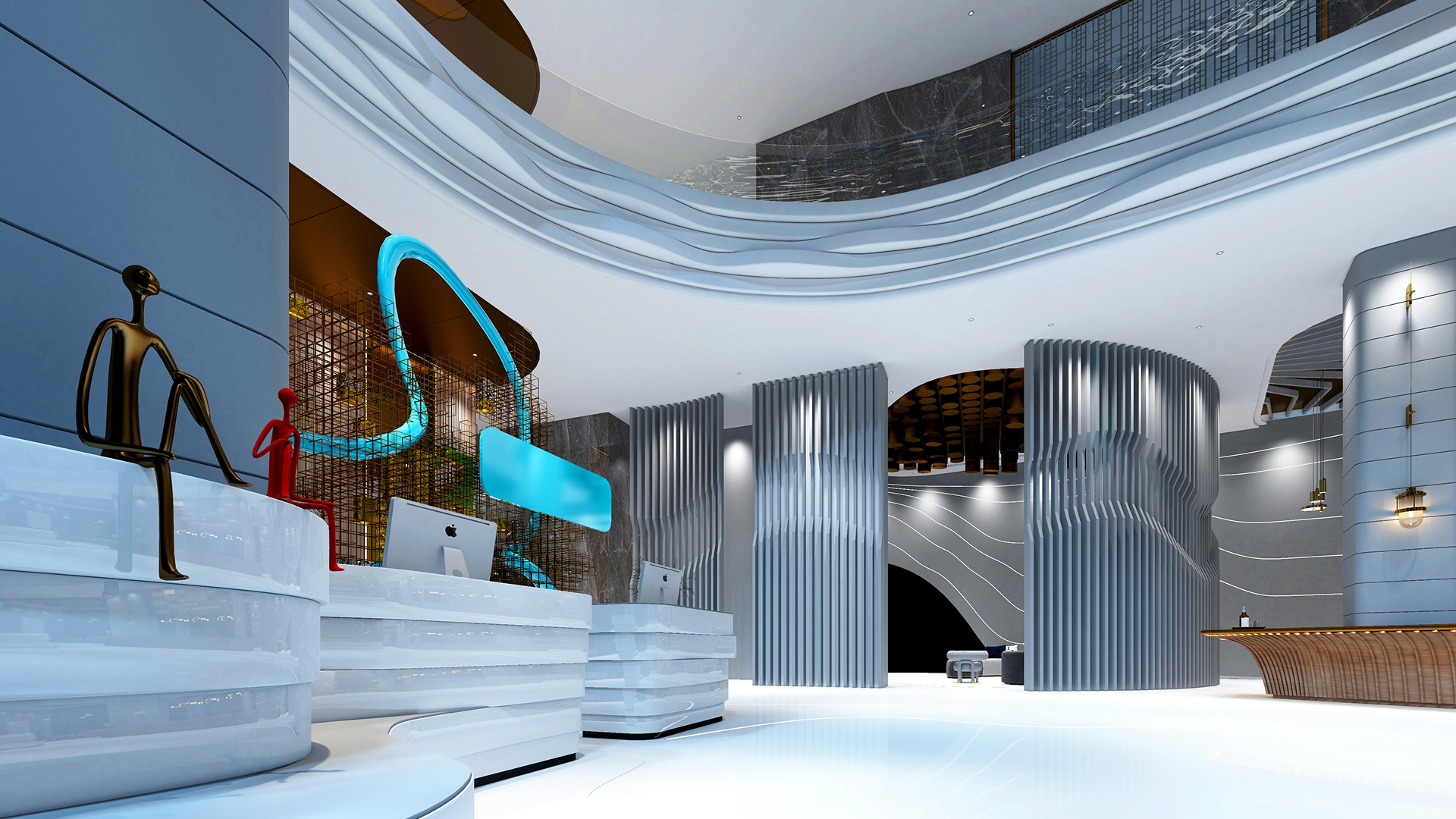
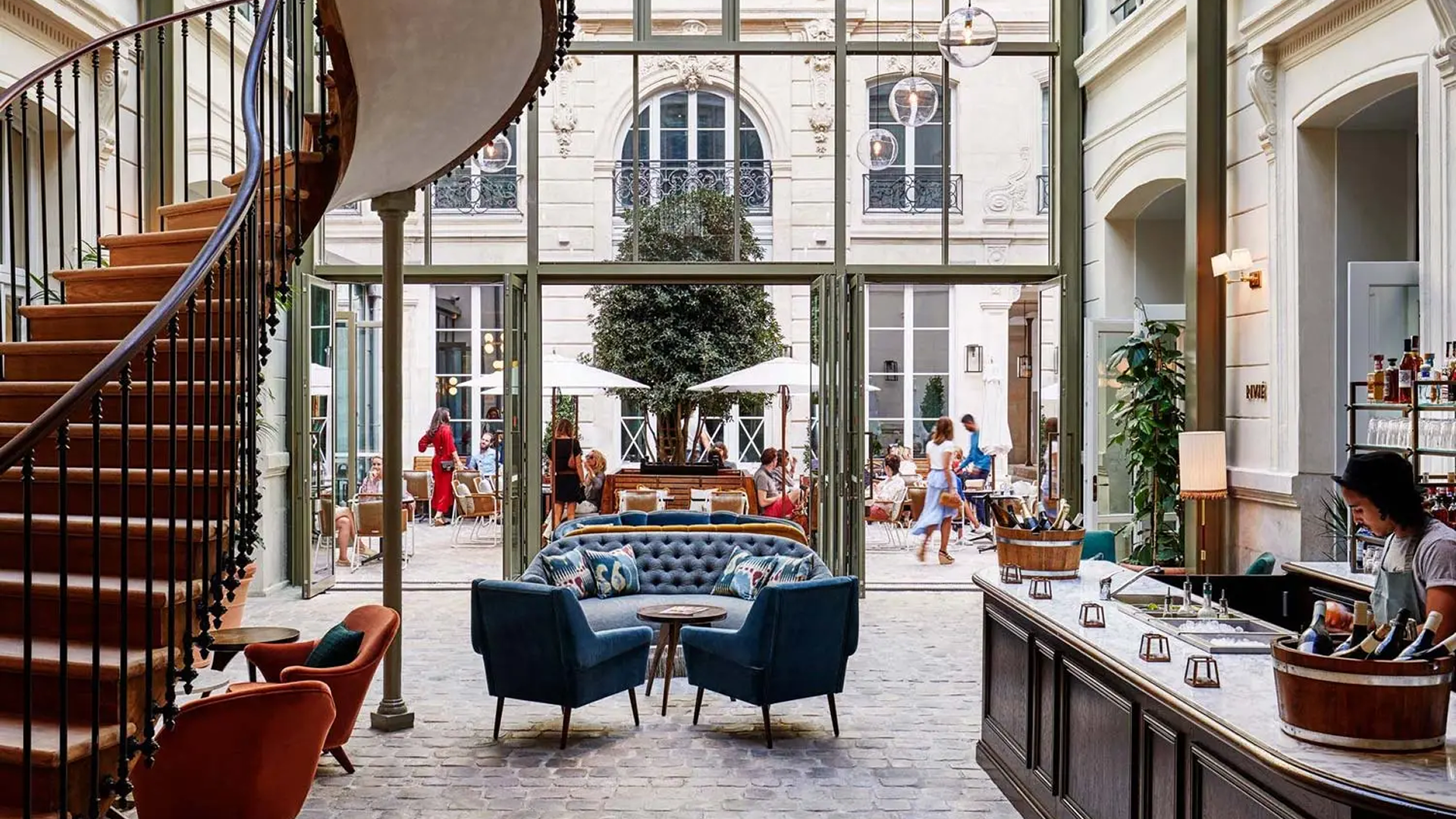
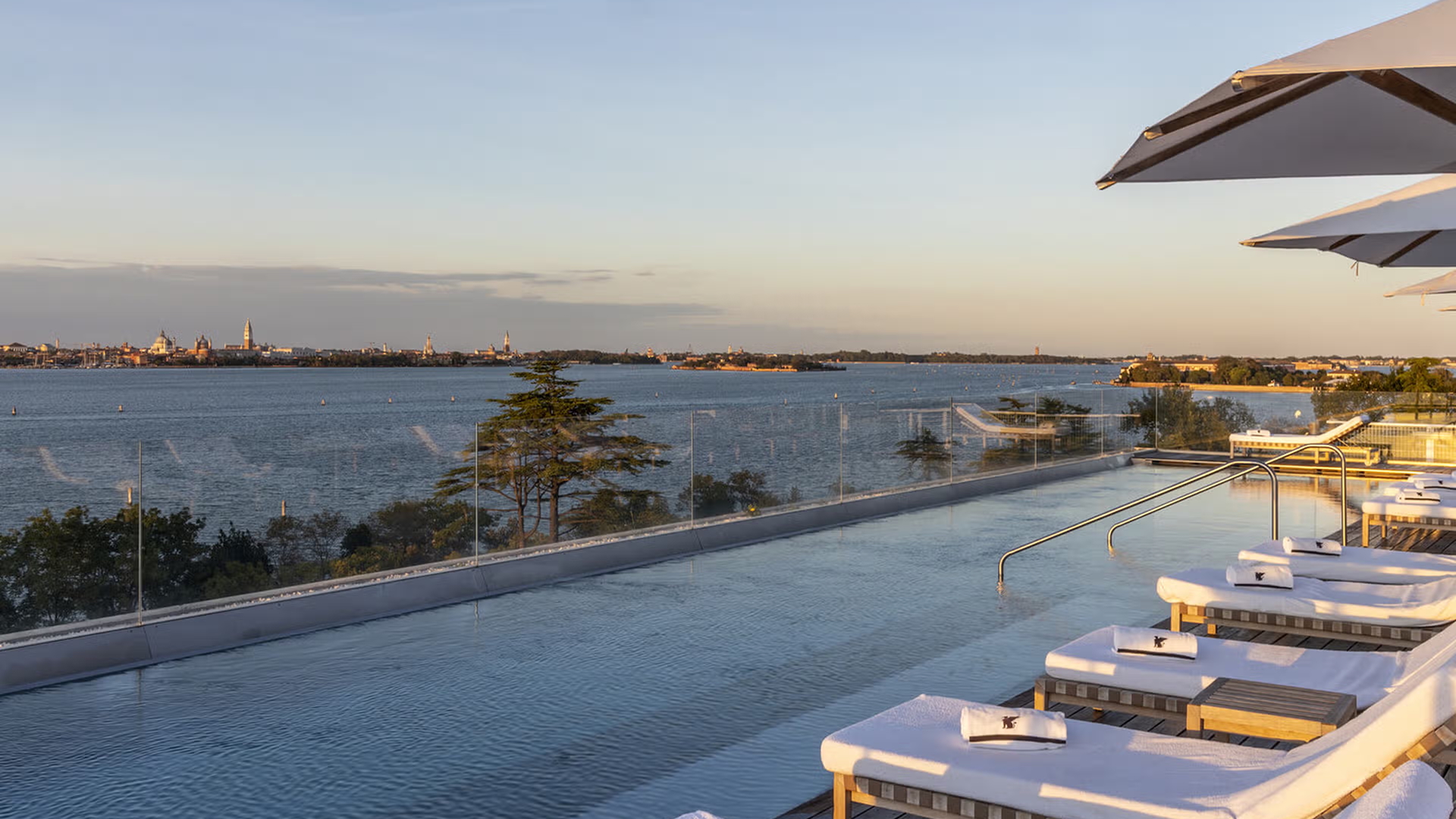
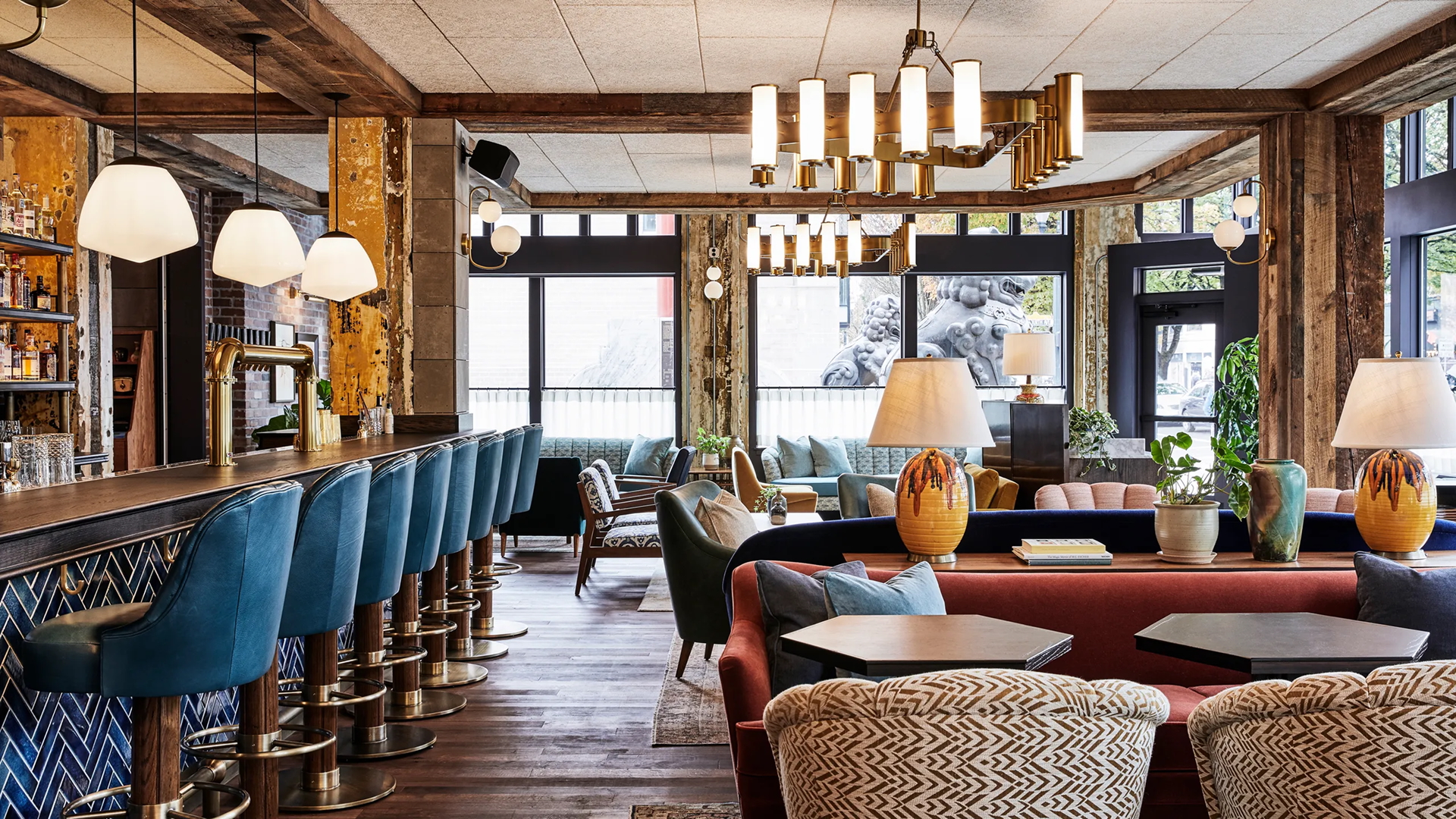
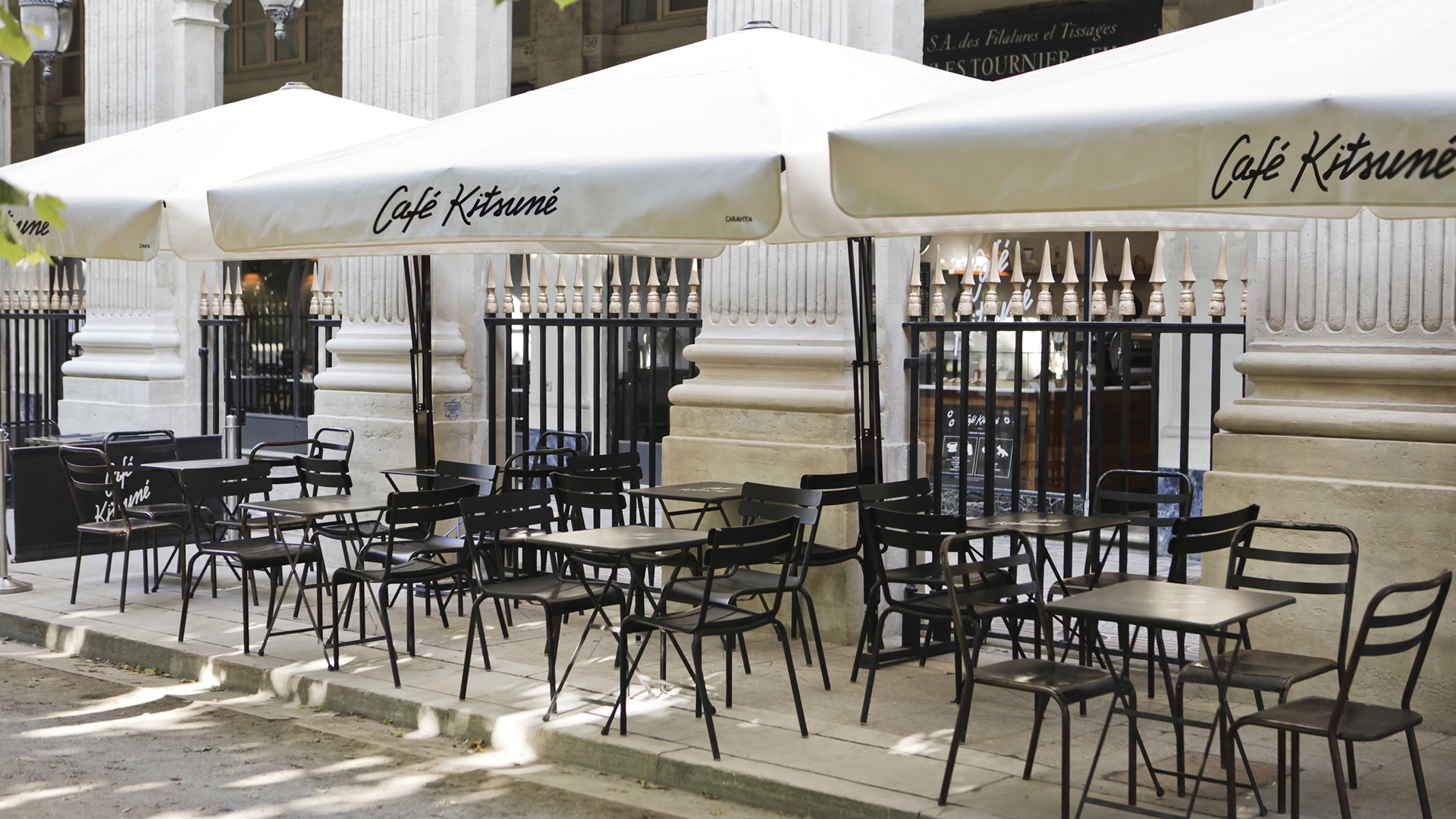
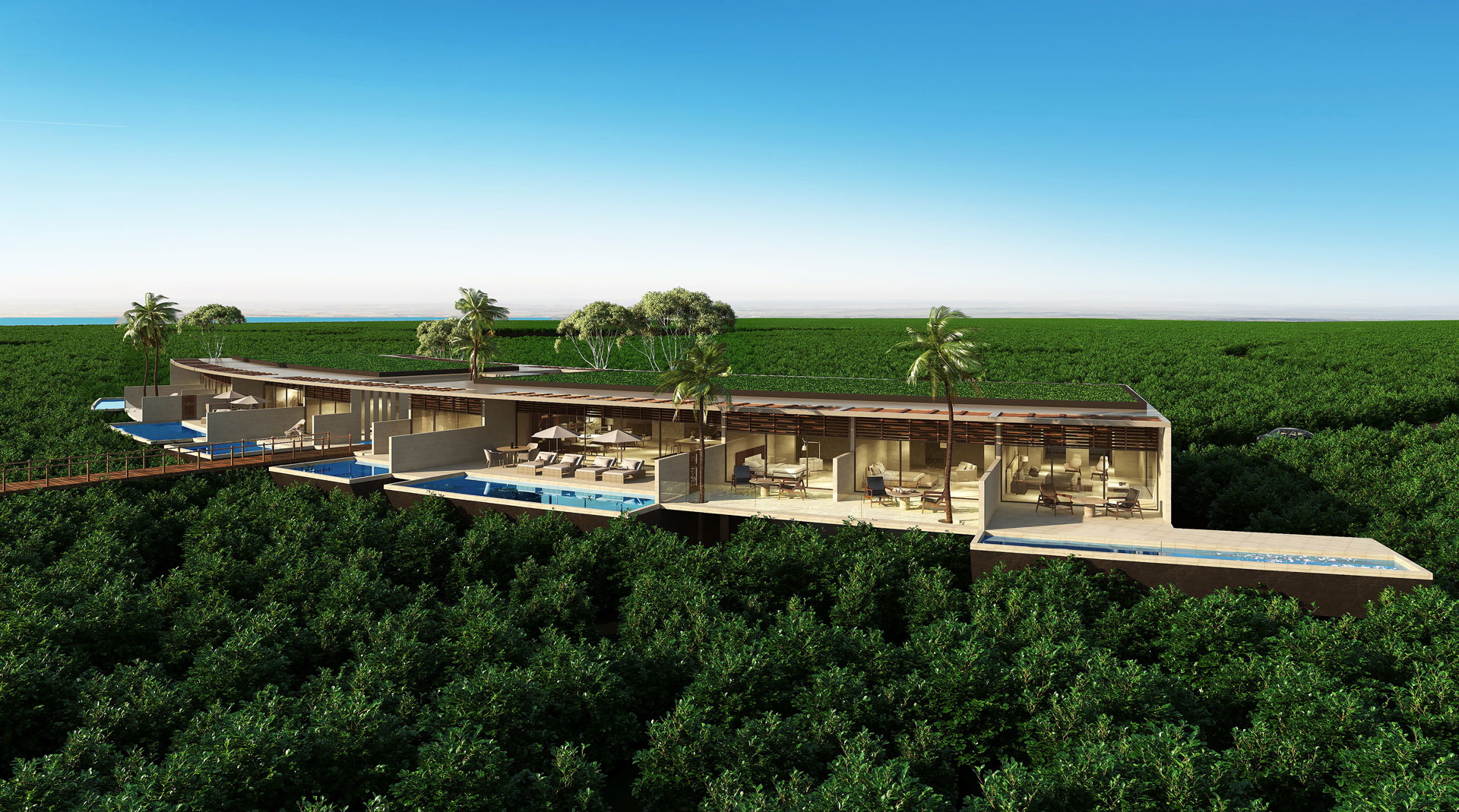
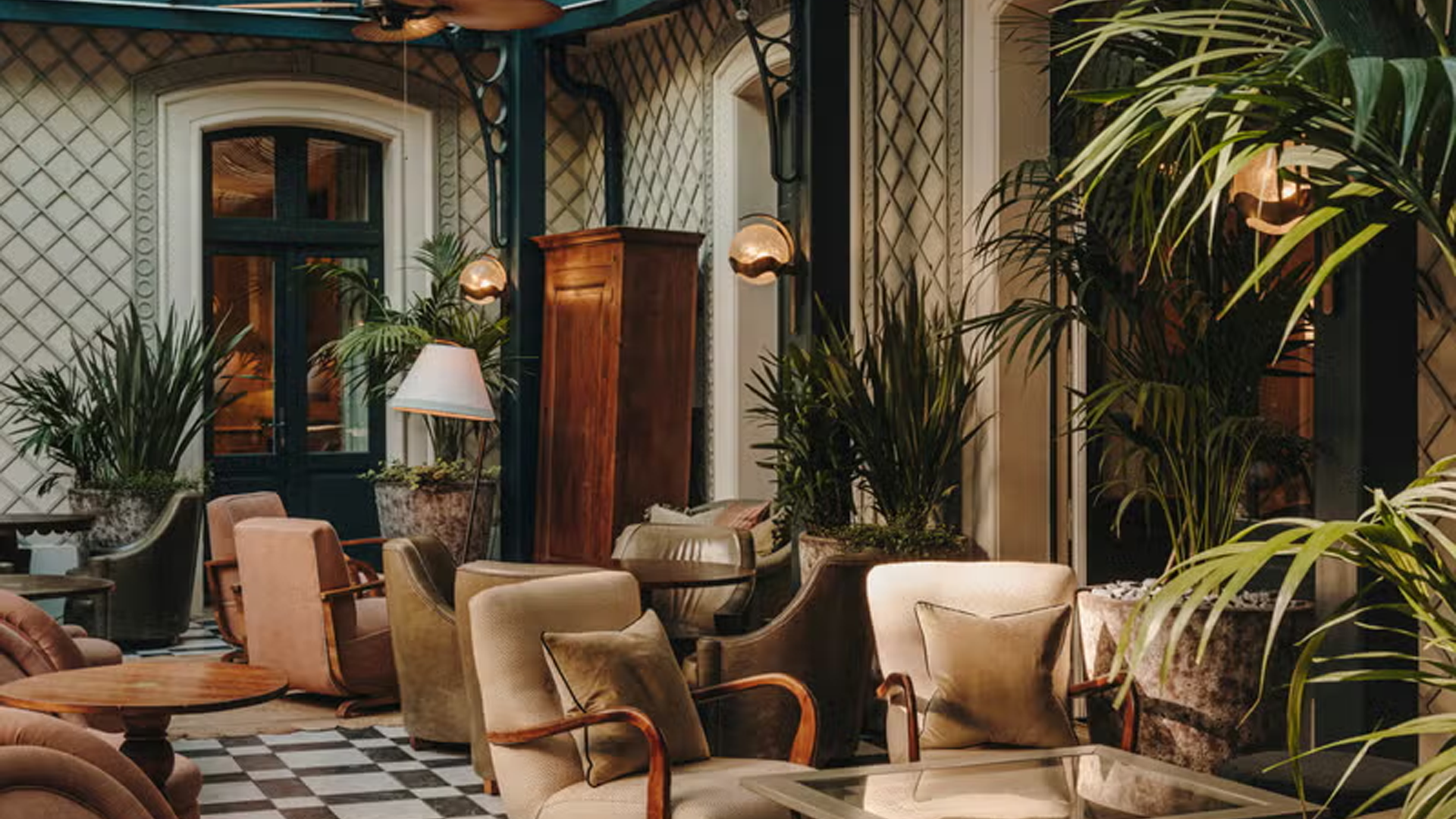
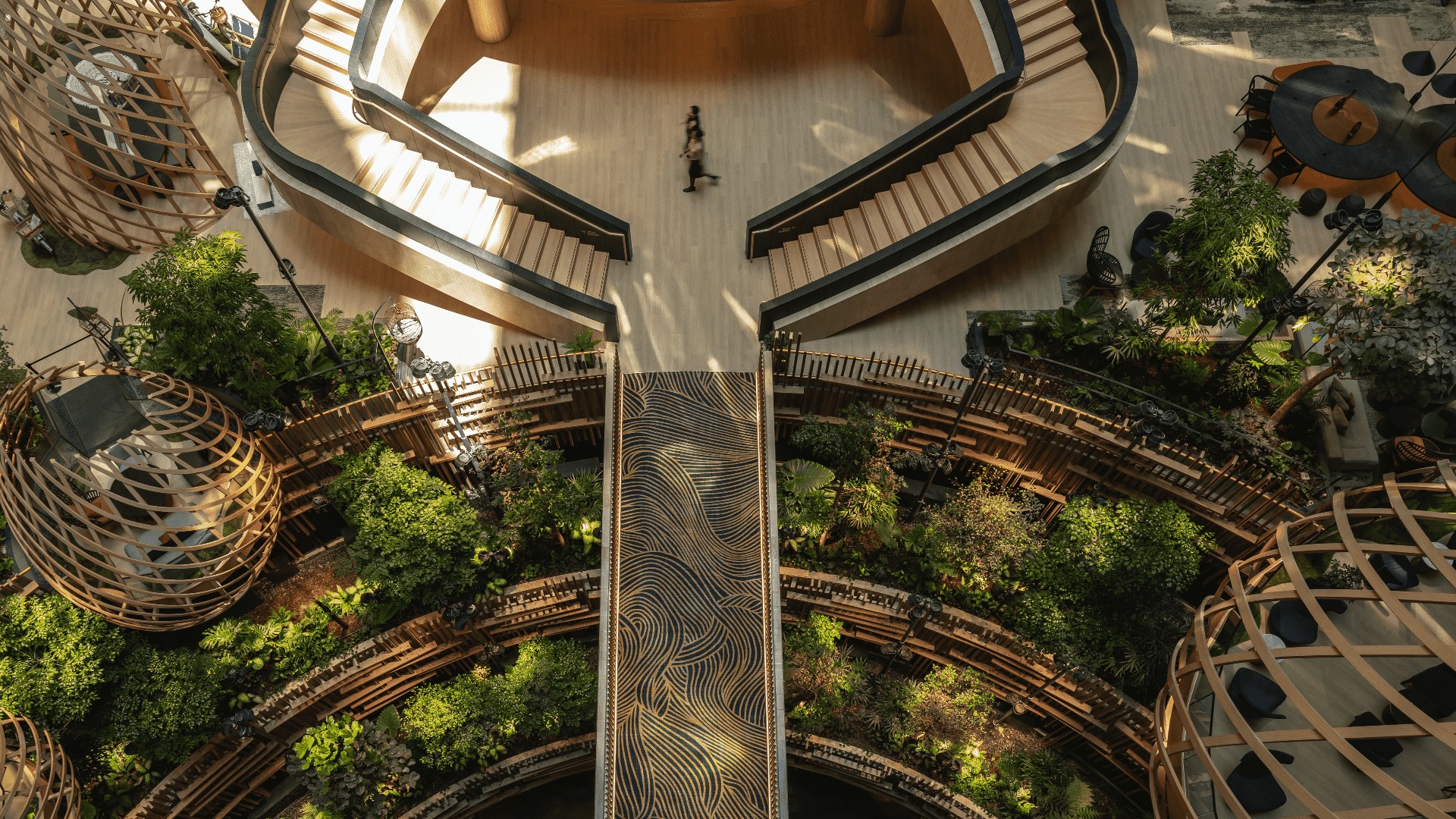
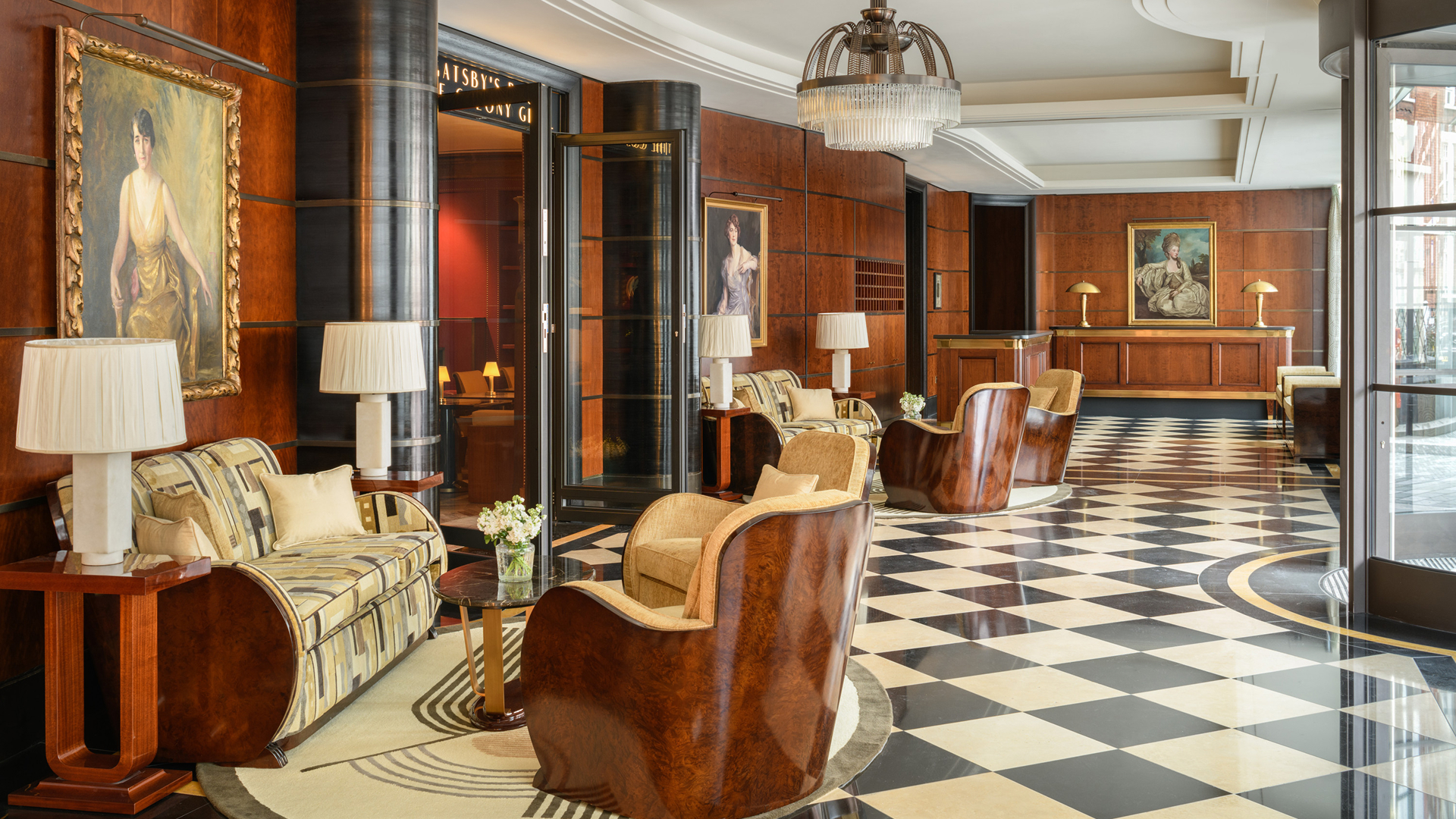
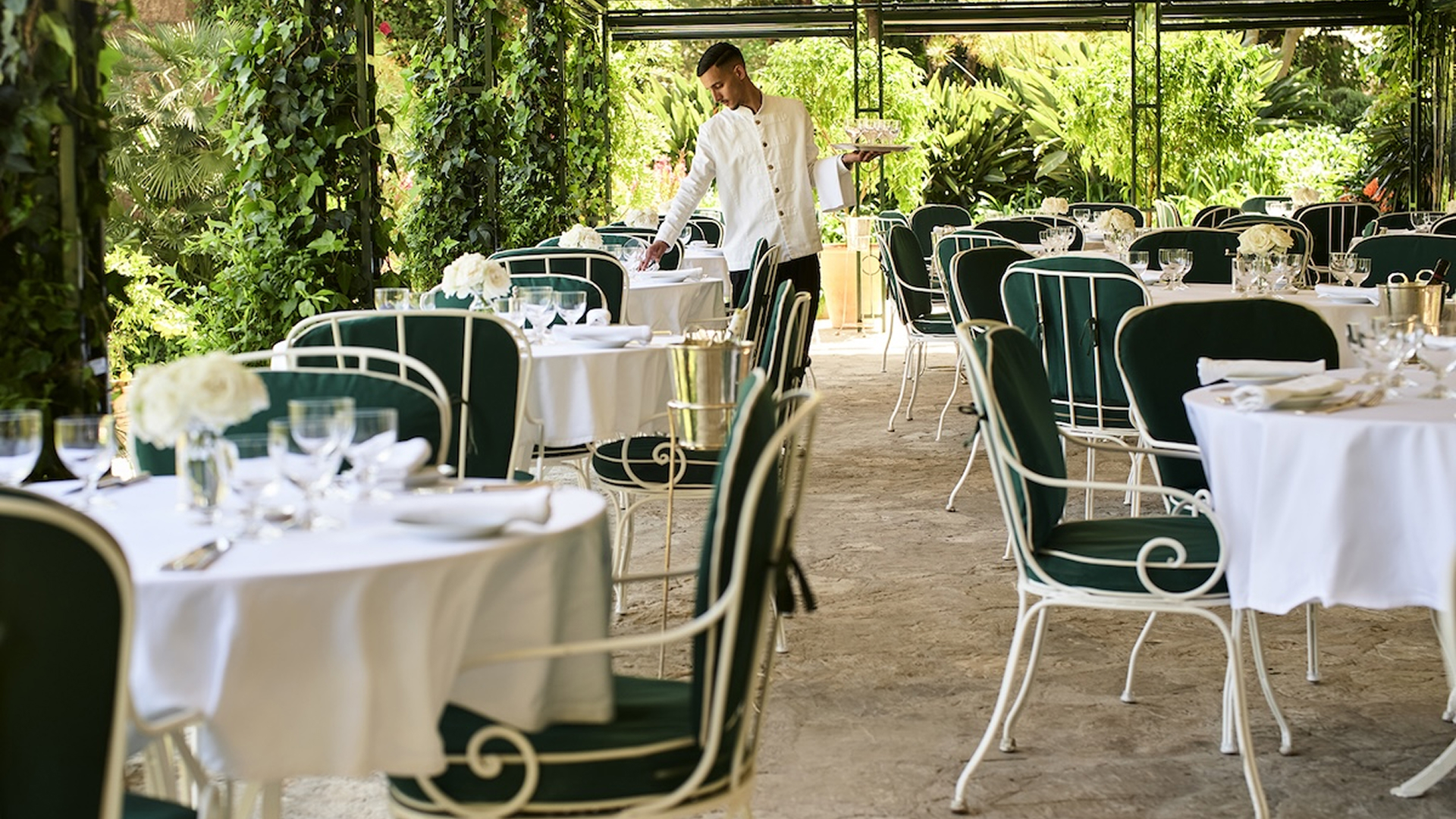
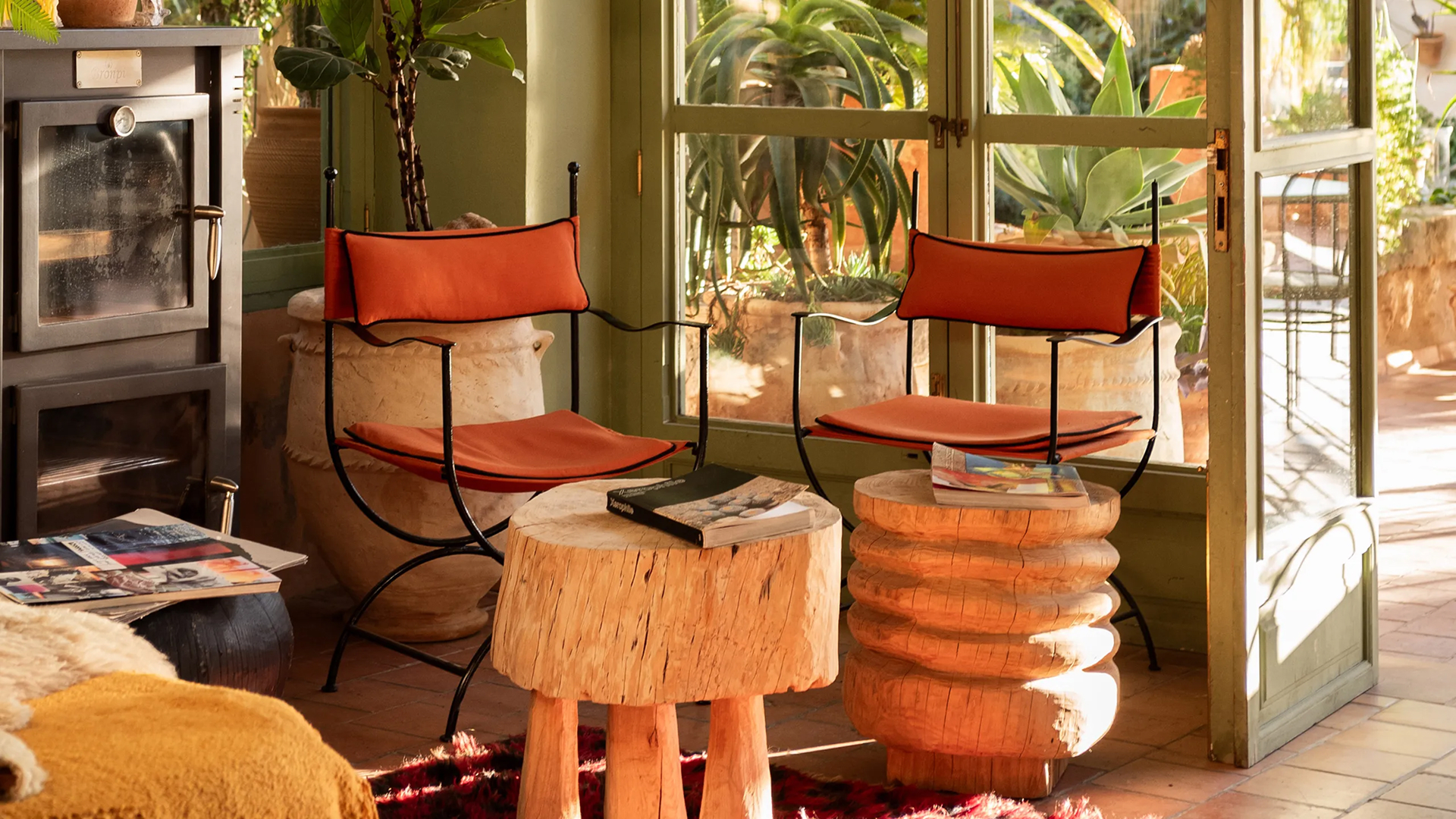
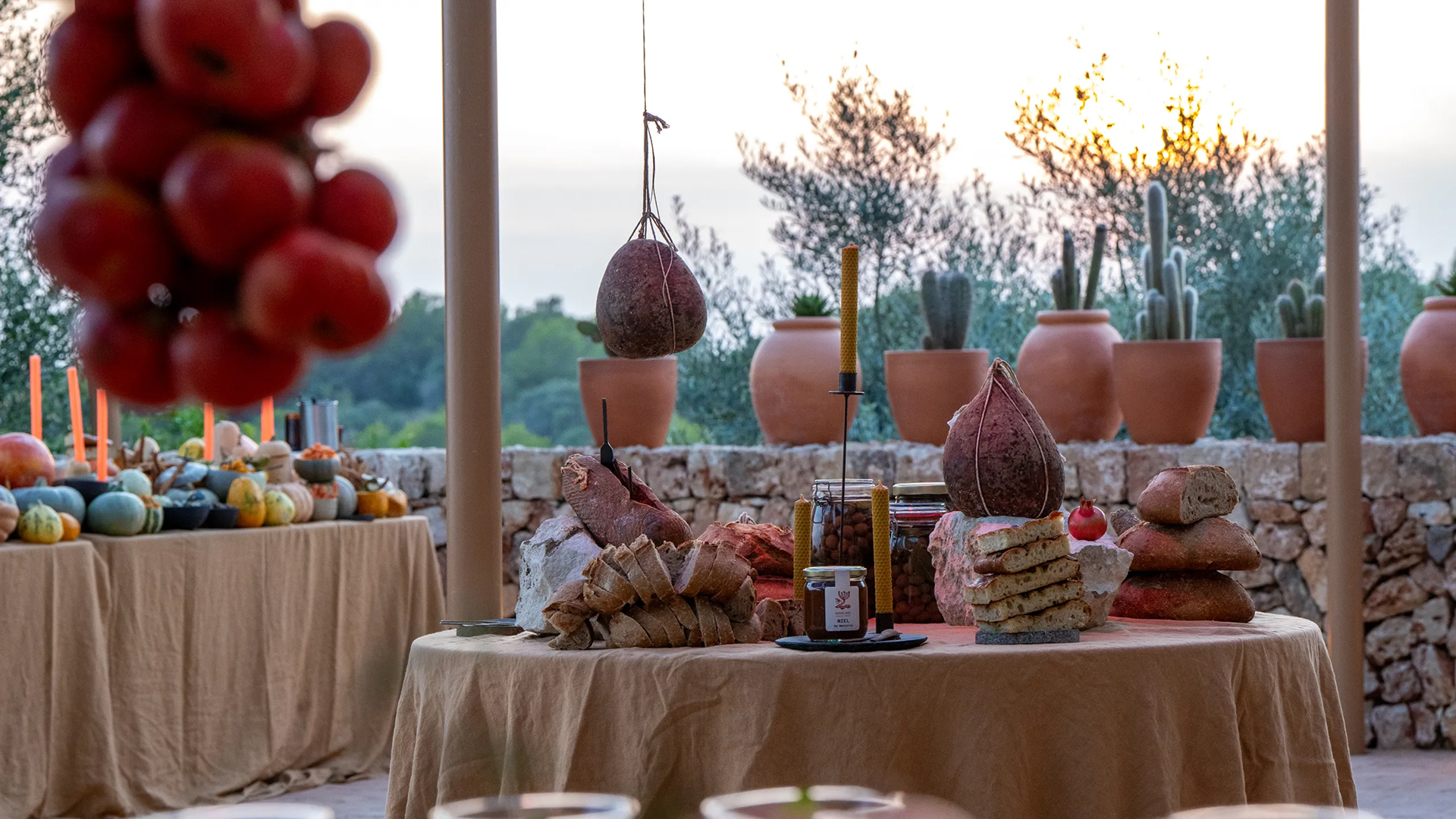
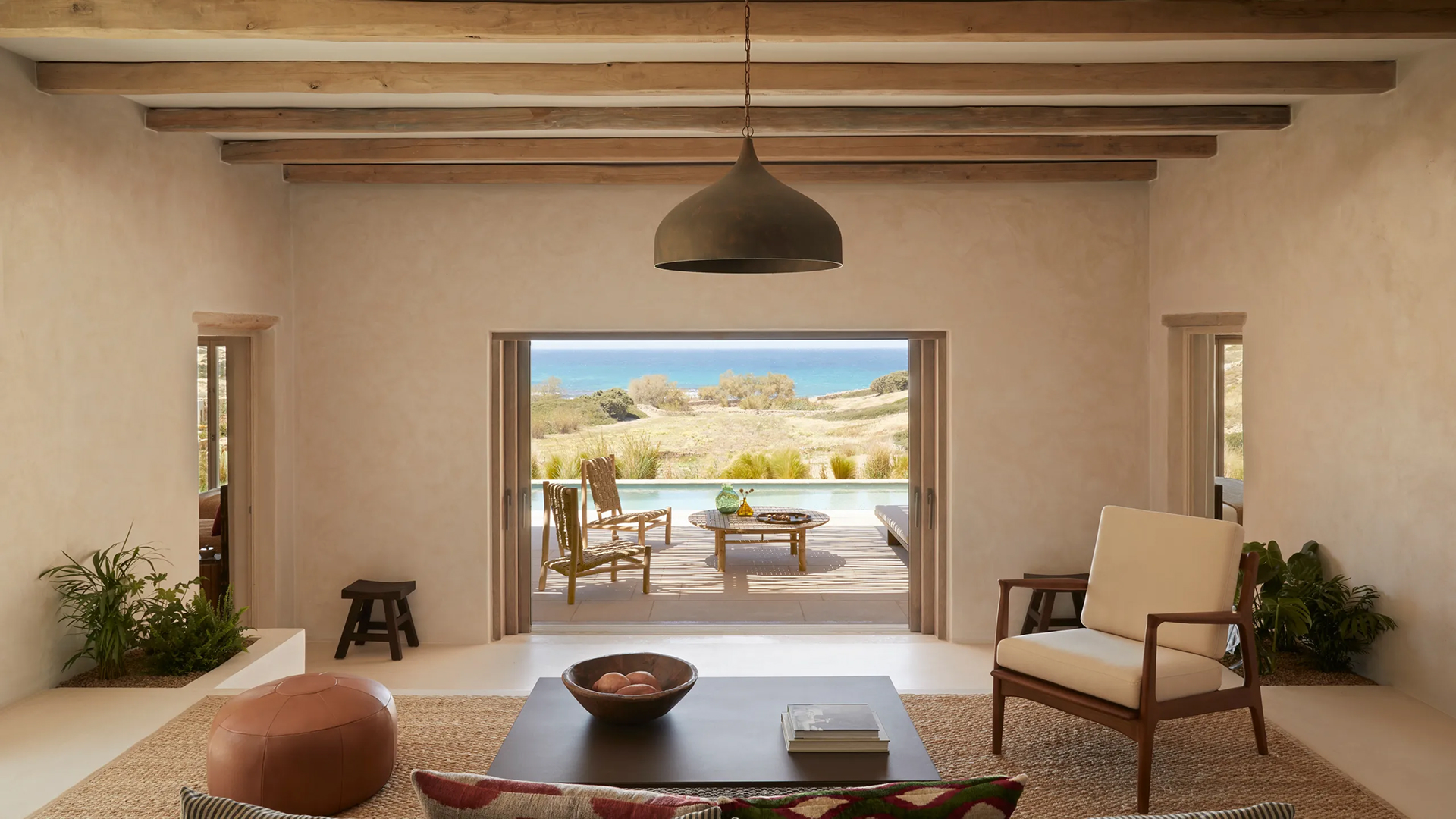
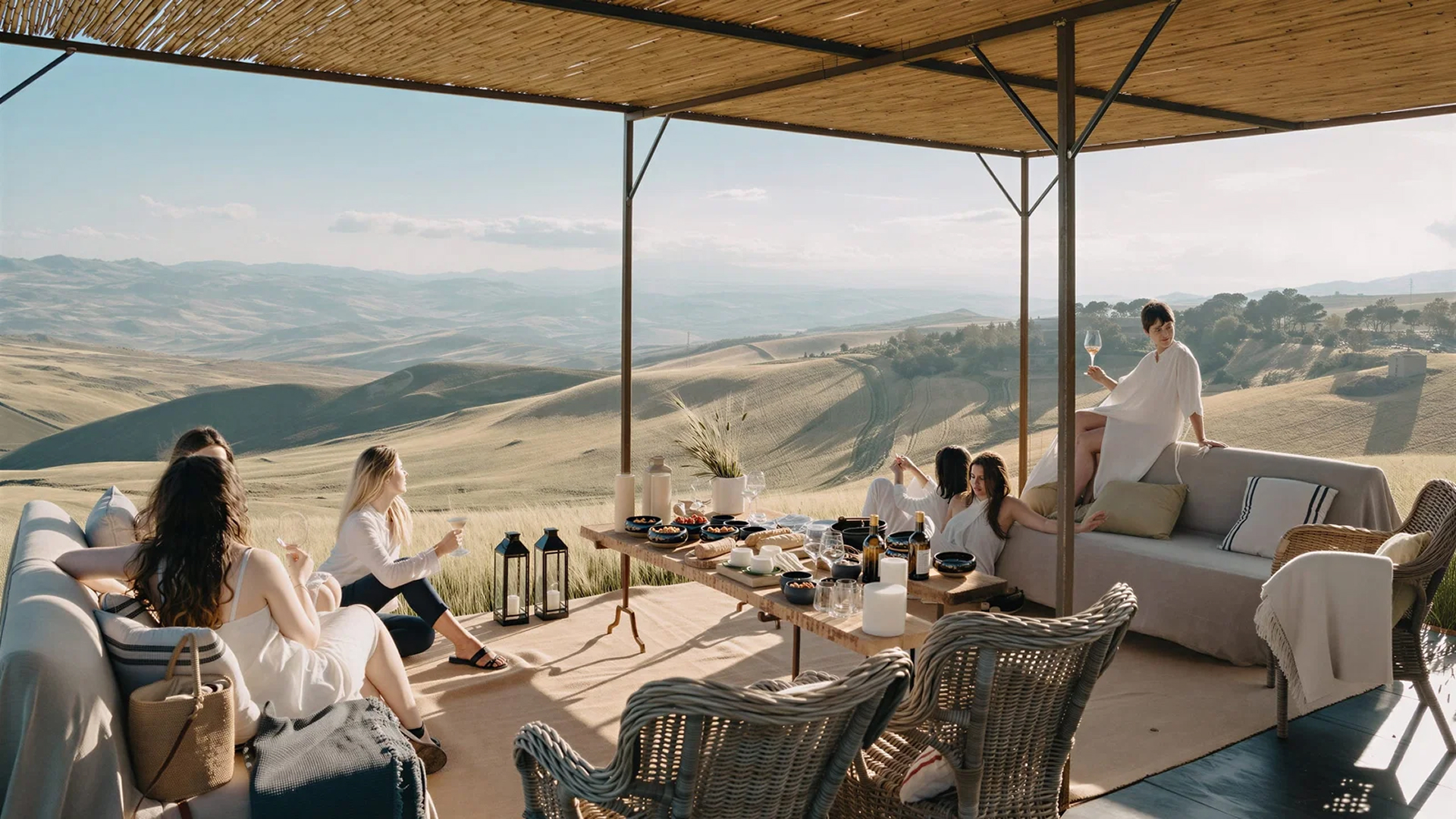
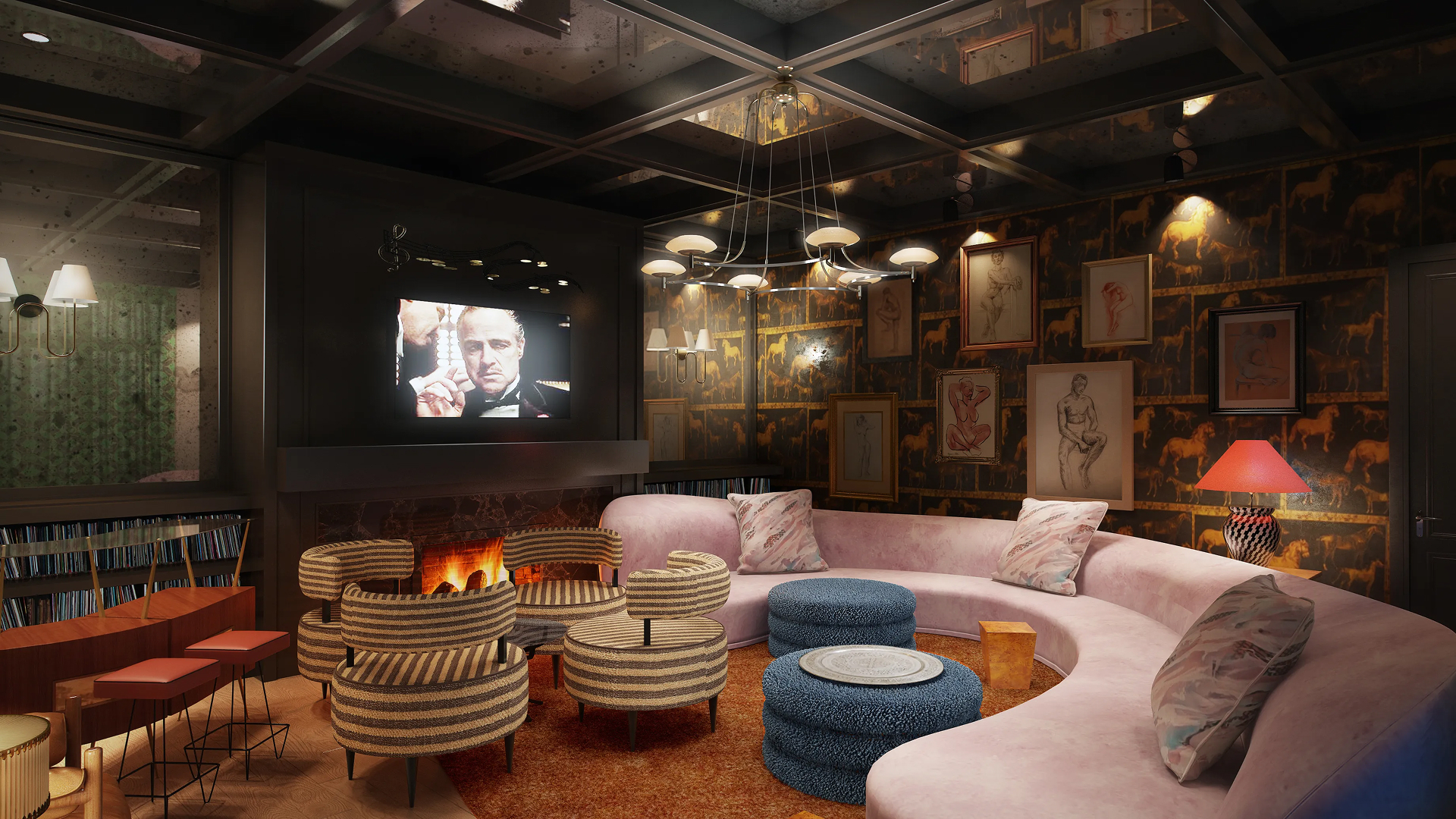
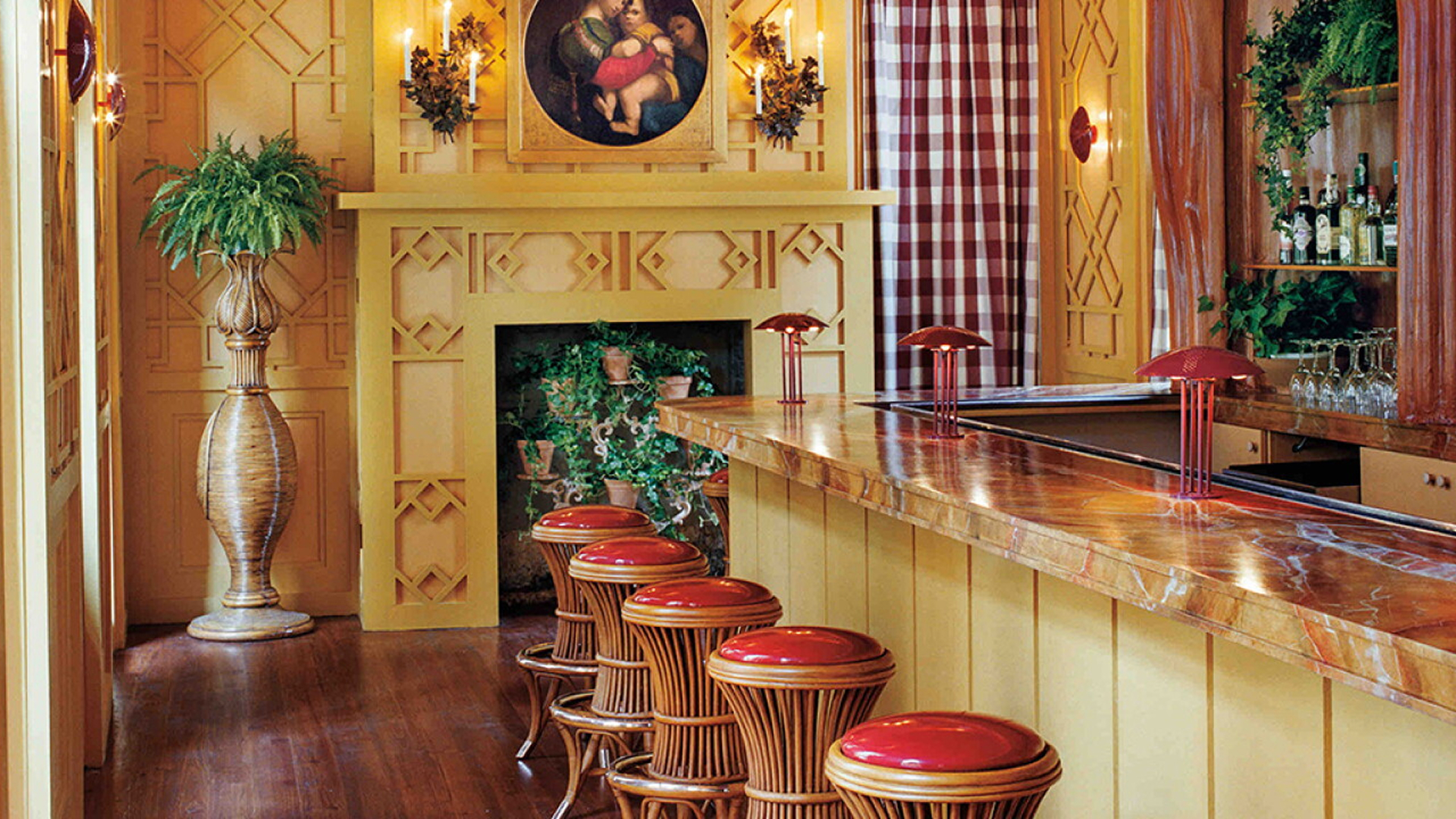
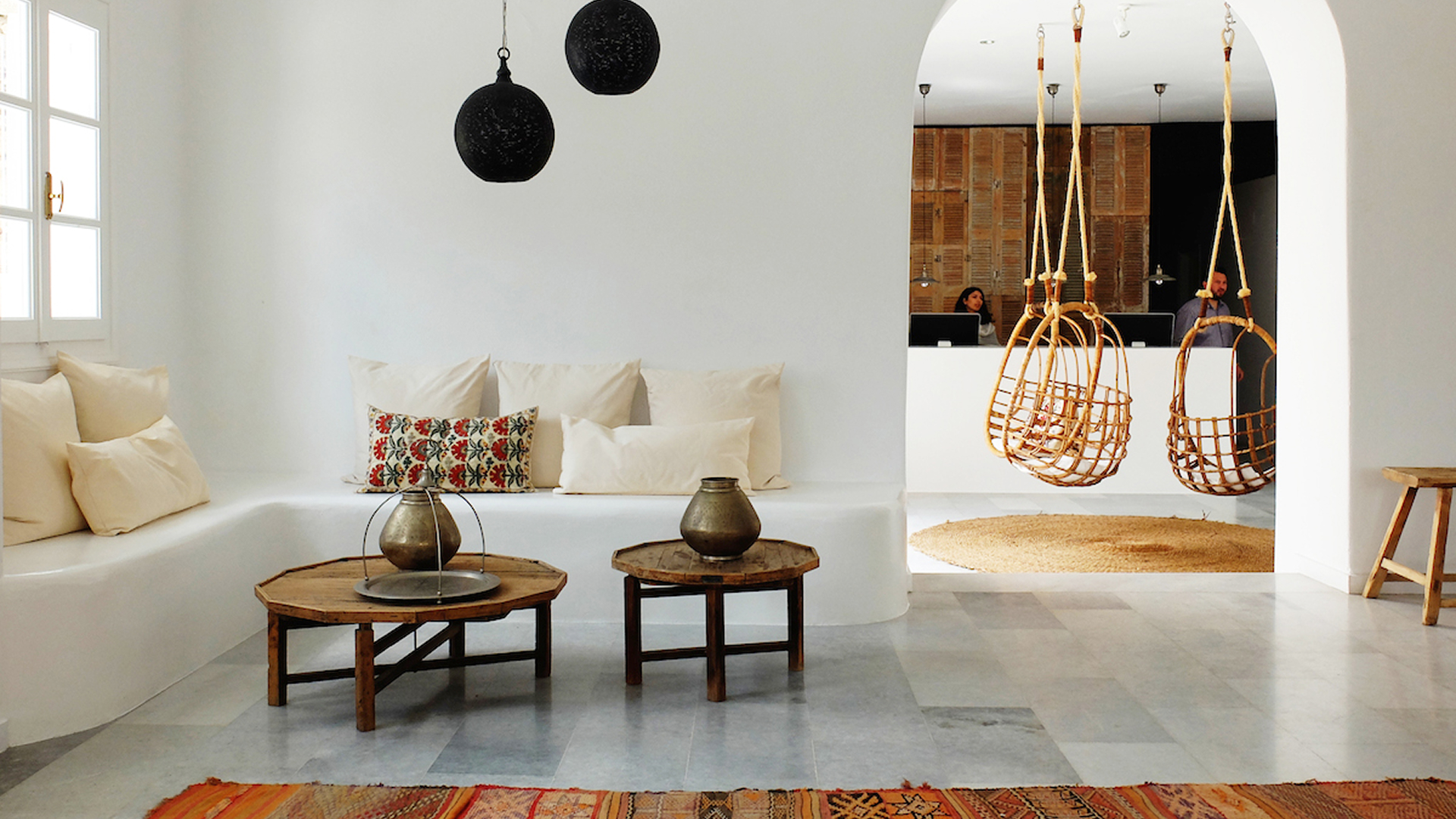
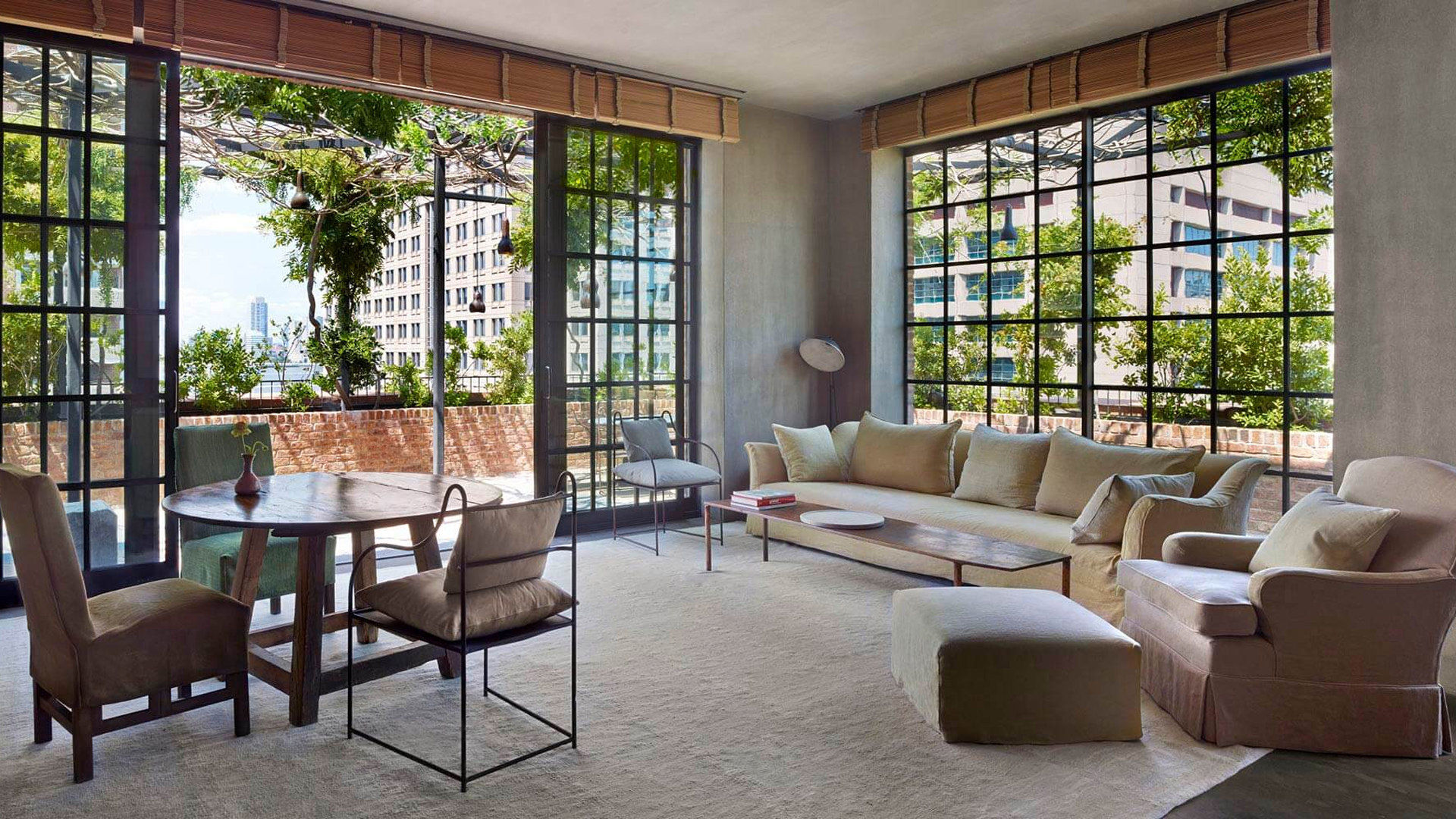
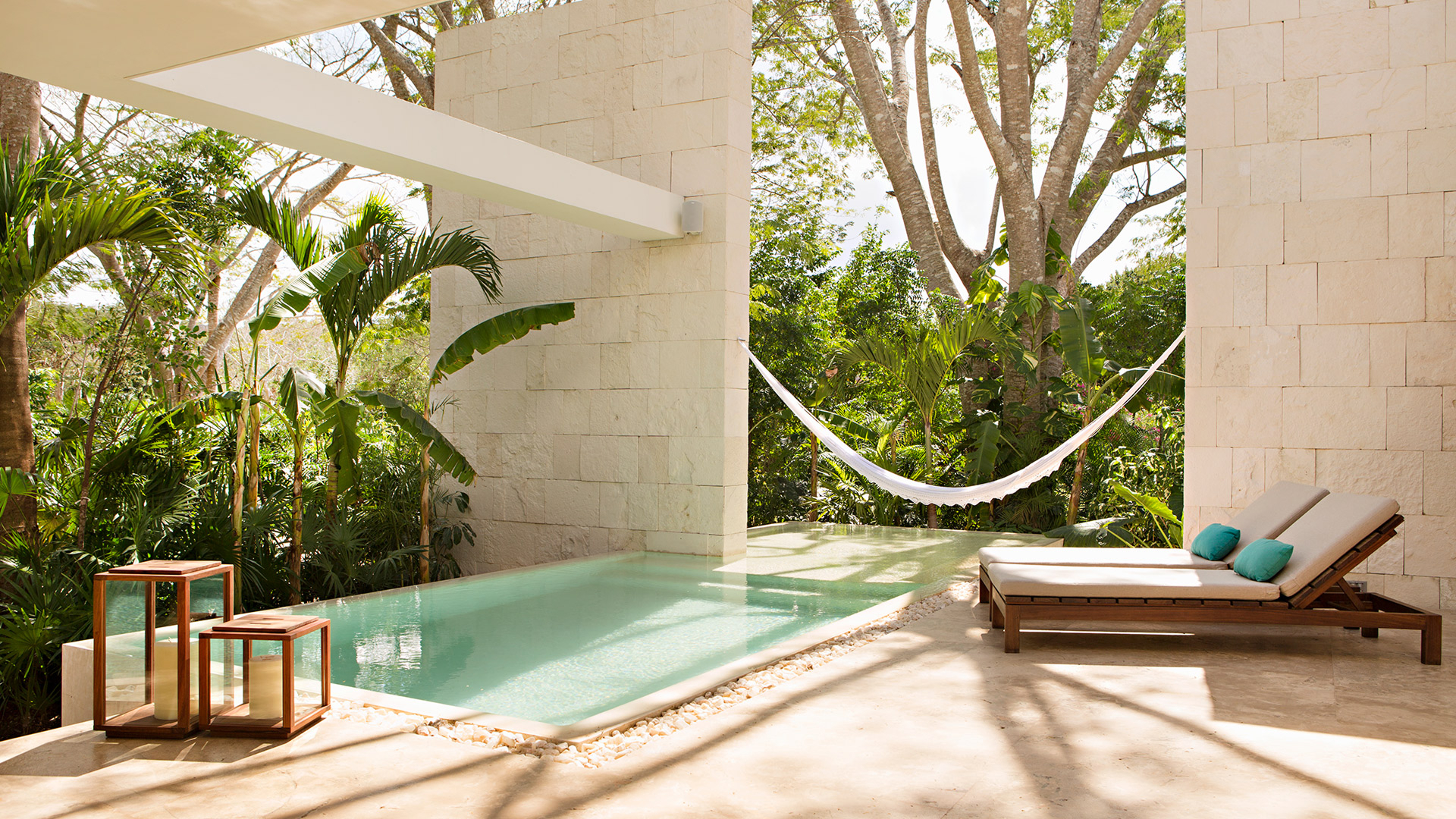
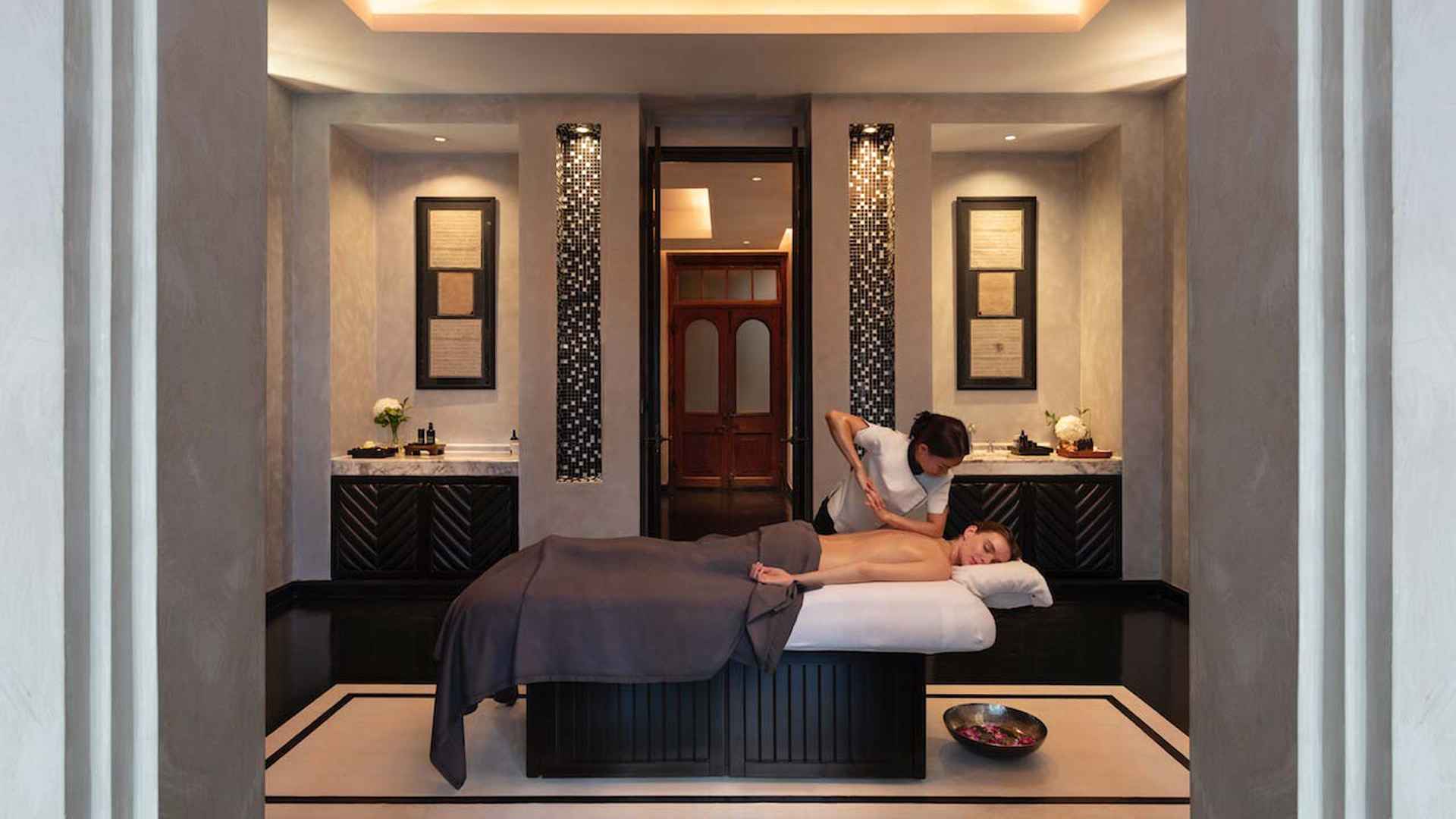
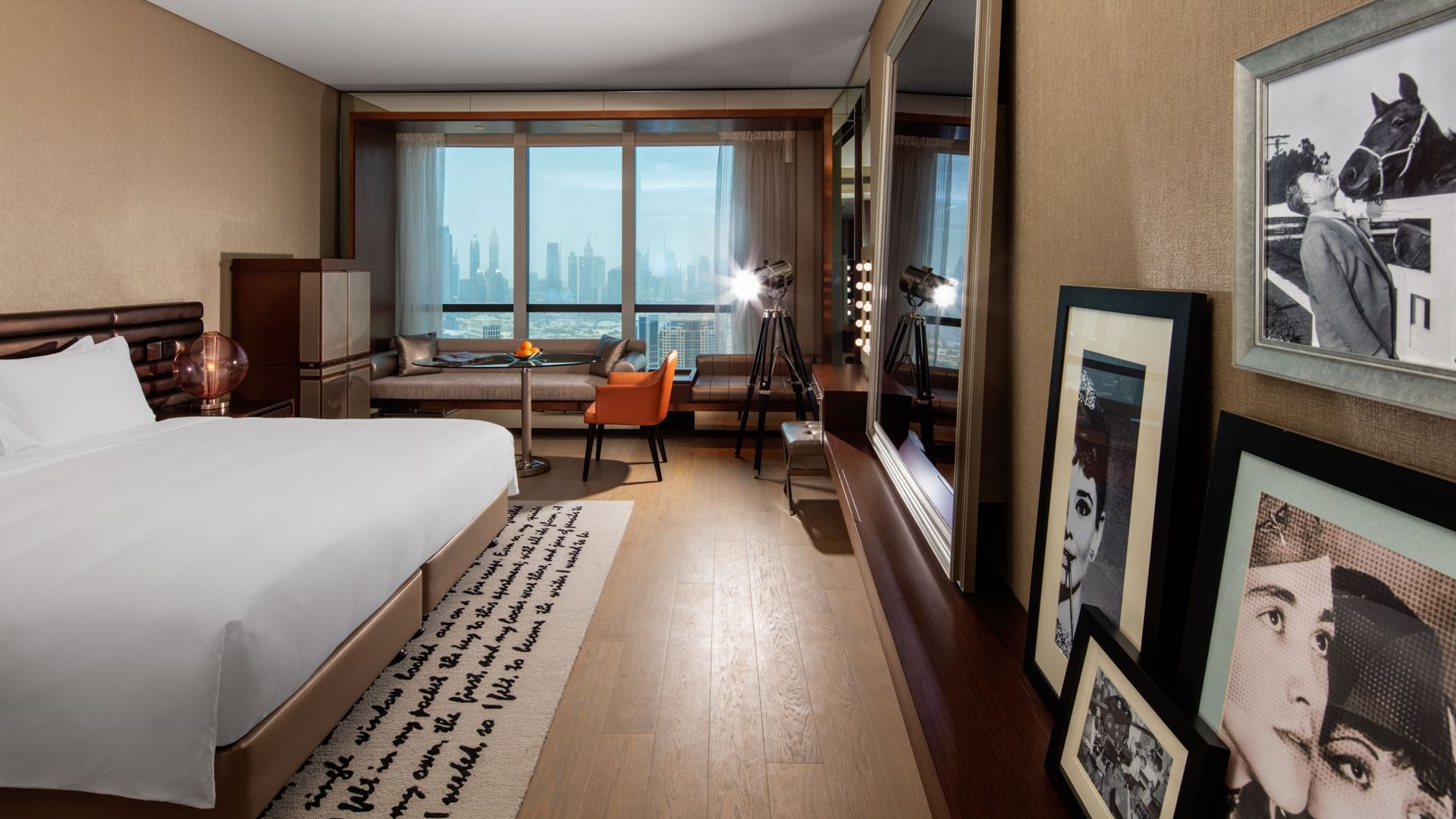
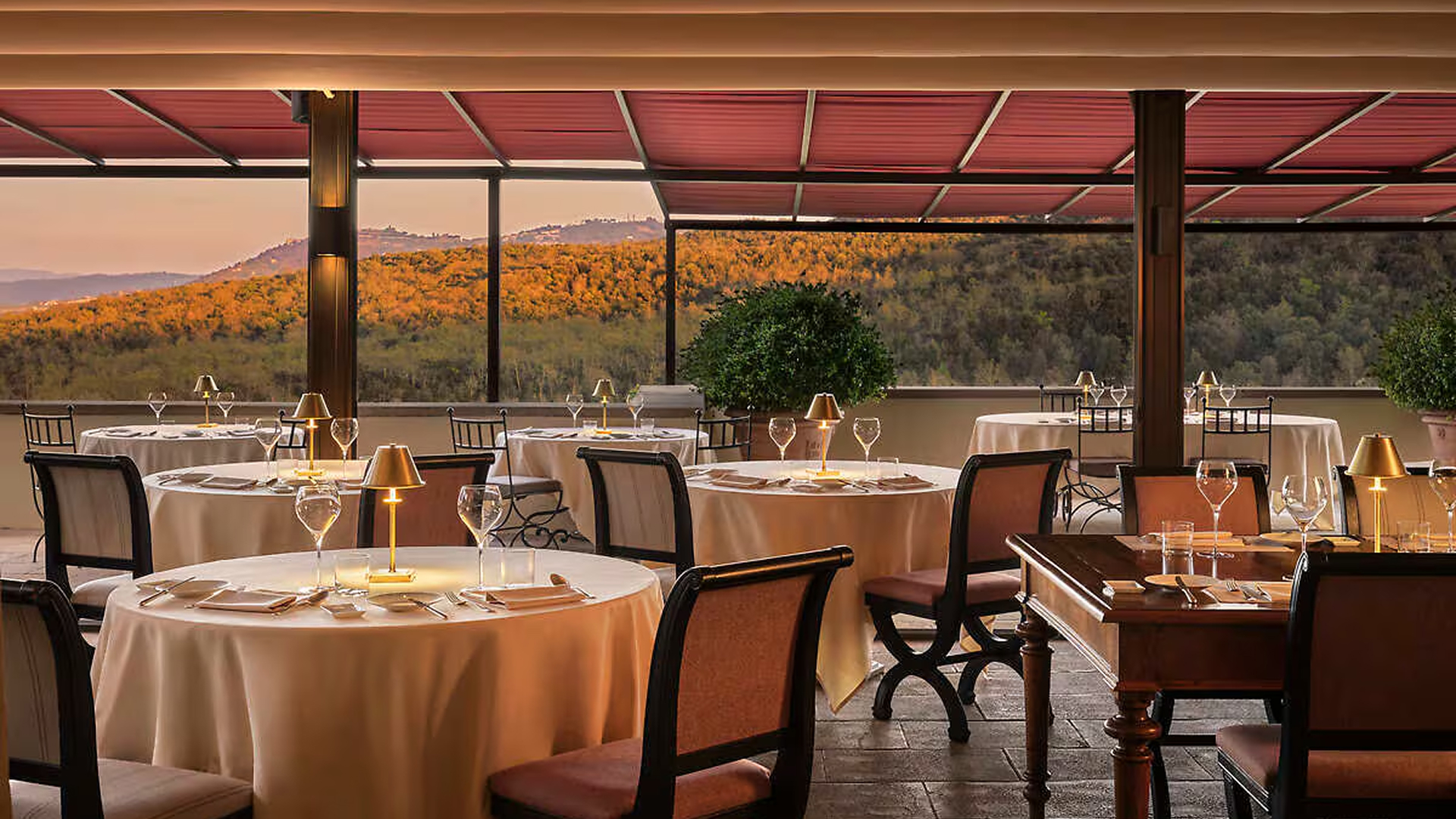
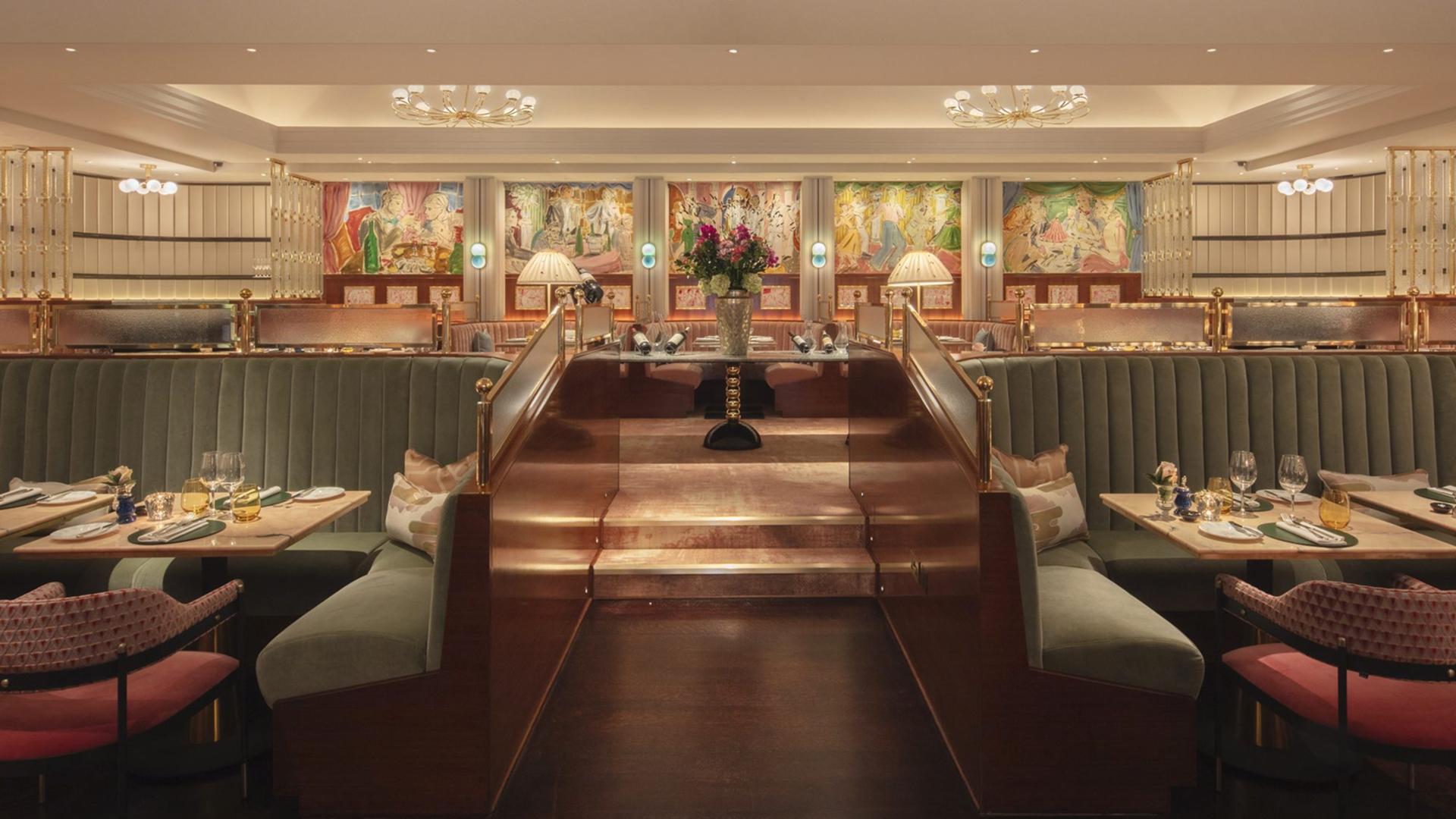
Guests react to materials instinctively before they interpret architecture, branding, or service. Stone, wood, linen, concrete, plaster, metal, and fabric all shape how a hotel feels physically and emotionally from the first interaction. Texture influences light, acoustics, temperature perception, and spatial atmosphere continuously throughout the stay. Materials therefore function as one of the clearest expressions of hospitality identity. The strongest hotels treat material selection as a strategic decision rather than a decorative layer added late in the design process. Materials must support positioning, guest rhythm, and environmental context simultaneously. When textures align with architecture, operations, and atmosphere, the experience feels coherent and emotionally stable. When materials contradict positioning or compete visually, guests perceive tension even if they cannot explain it consciously.




.jpeg)