Why storytelling creates stronger emotional connection
Travel is never just about geography. Guests seek meaning, memory and resonance, which only storytelling can offer. When brands speak the language of the destination, they transform into cultural bridges.
Anchoring the hotel in a broader cultural narrative
Great hotels no longer position themselves as islands of luxury removed from their context. They root their brand in the heritage and pulse of the destination. Patina Maldives celebrates the rhythm of island life through art, nature and architecture that mirrors local rhythms. This alignment builds emotional credibility, as guests don't just visit a hotel, they step into a narrative woven with culture and context.
From storytelling to myth-making
Narratives create identity. When a brand constructs a compelling story around a place, its artisans, landscapes, voices, it becomes a character in the guest's personal journey. Zannier Hotels achieves this through deep immersion in each locale's traditions, from Vietnamese craft villages to Namibian savannahs. The storytelling is not decorative, it is foundational, turning the hotel into a protagonist of the travel experience.
How storytelling strengthens brand differentiation
Destination storytelling is not decoration, it is strategy. In an industry saturated with visual sameness, a distinctive narrative lens helps cut through noise and build loyalty based on emotional alignment.
Bringing the unseen into the spotlight
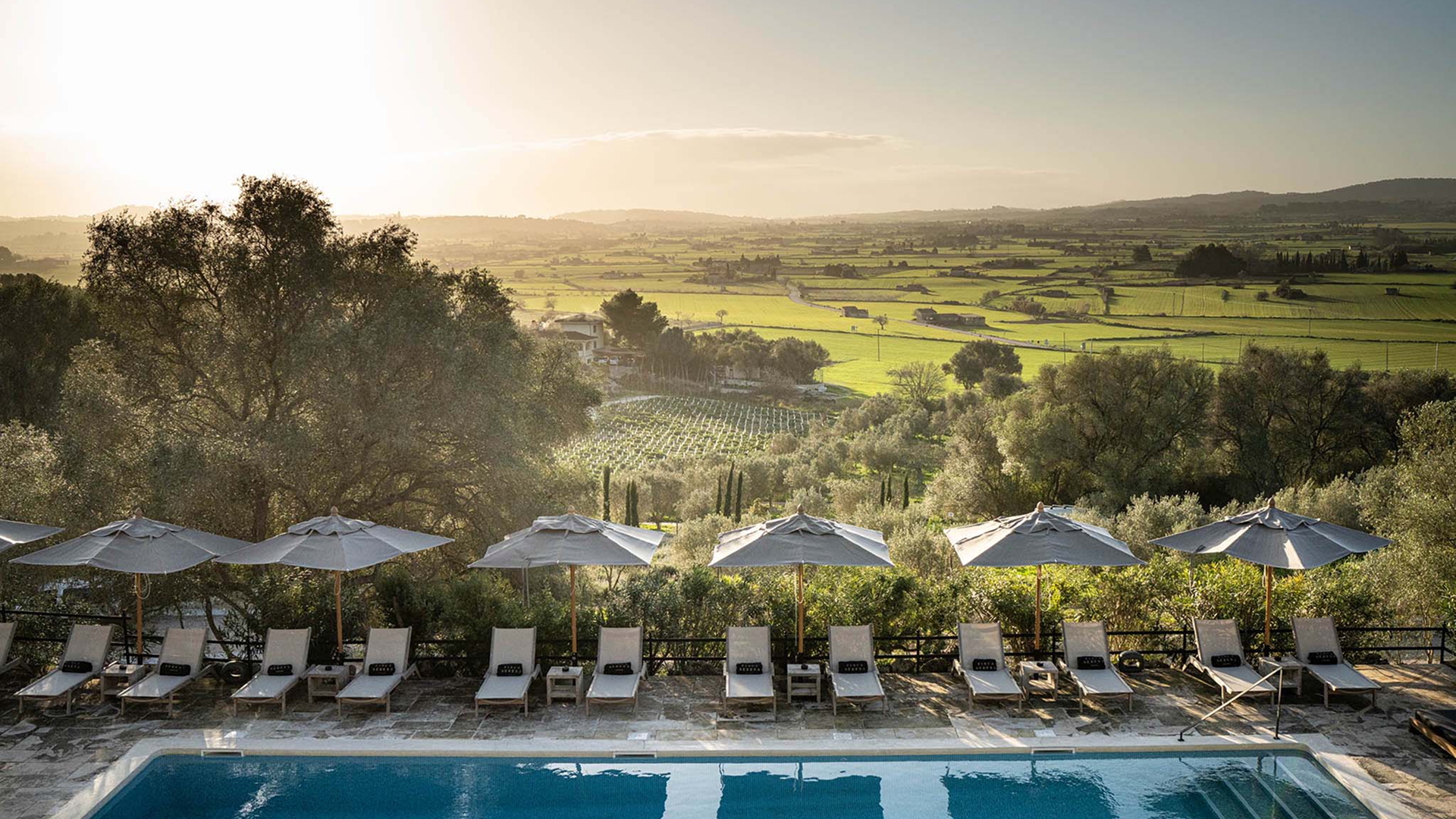
The art lies in revealing layers of a place guests might overlook. Finca Serena in Mallorca does this beautifully, narrating the island's rural serenity and culinary roots through poetic visuals, local collaborations and slow-paced content. This focus turns the stay into an act of discovery, where guests become part of the story rather than mere spectators.
Creating content ecosystems that live beyond the stay
Storytelling does not end at check-out. Brands like Aman extend destination narratives across digital, print and experiential channels, from documentaries to travel journals. This ecosystem reinforces brand identity through depth, not repetition, offering guests a way to stay connected to a destination long after departure. Such storytelling creates belonging, not just recognition.

How place-based storytelling drives long-term brand equity
In a world craving meaning, storytelling becomes the core of how luxury is perceived. Guests remember what moved them, not just what pleased them. Stories turn service into memory and design into identity.
Turning team members into storytellers
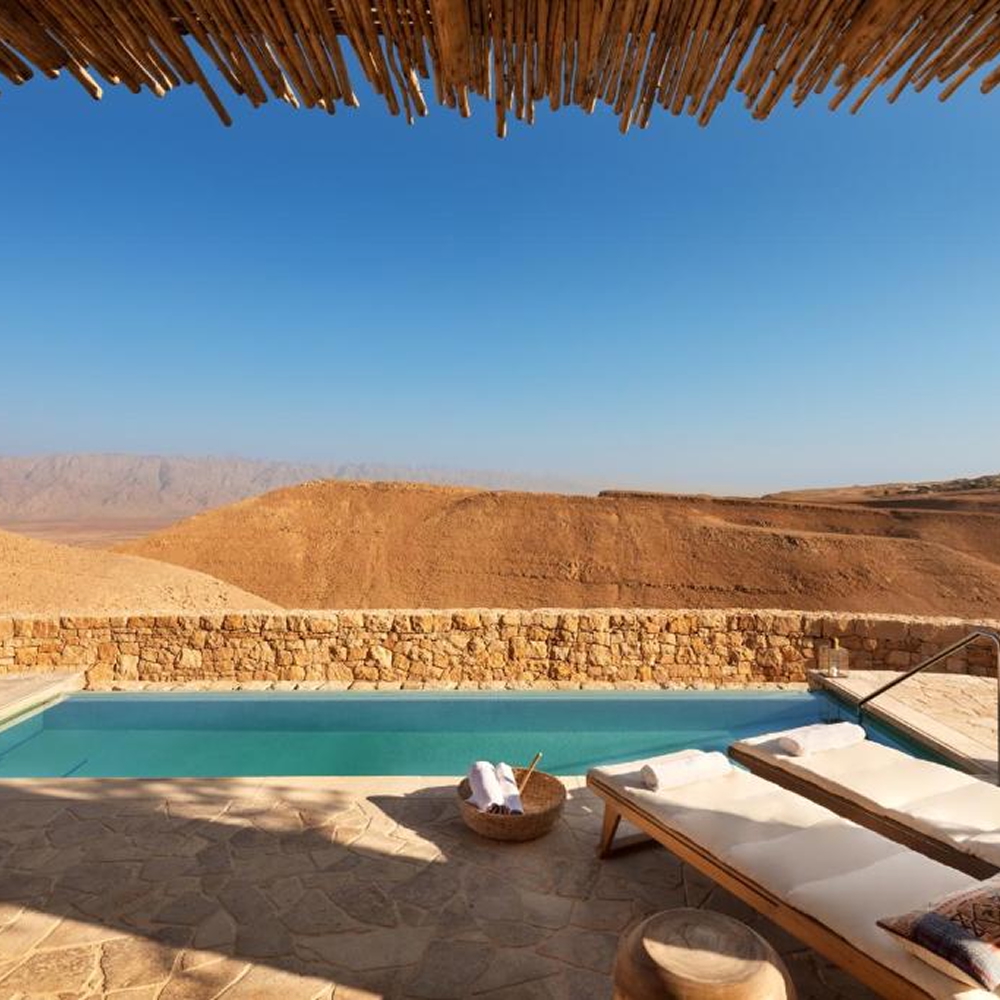
Staff trained to tell the story of the land, the ingredients, or the architecture become powerful cultural mediators. At Six Senses Shaharut, guides and hosts introduce guests to desert rituals, ancestral herbs and regional myths, creating a journey of transmission rather than consumption. This approach strengthens the guest bond and empowers teams to embody the brand through lived experience.
Story-driven brands shape tomorrow's hospitality icons
The next wave of hospitality leaders will be narrative brands, those who cultivate emotional relevance through meaning, not just beauty. These brands don't copy aesthetics, they cultivate signature voices rooted in their destinations. By building identity around place, not trend, they position themselves as timeless, distinctive and essential in the evolving travel landscape.