
Editorial strategy should begin with the brand, not the channels
Many hotels produce content by adapting to the requirements of individual platforms. Instagram receives photography, LinkedIn receives corporate updates, newsletters promote offers, and the website hosts occasional articles. While each channel may perform adequately on its own, the overall brand often lacks editorial consistency because every platform develops its own voice.
A hotel editorial strategy should instead begin with a central narrative that defines what the brand wants to contribute to its audience over time. Every format then becomes another way of expressing the same perspective rather than introducing a new one.
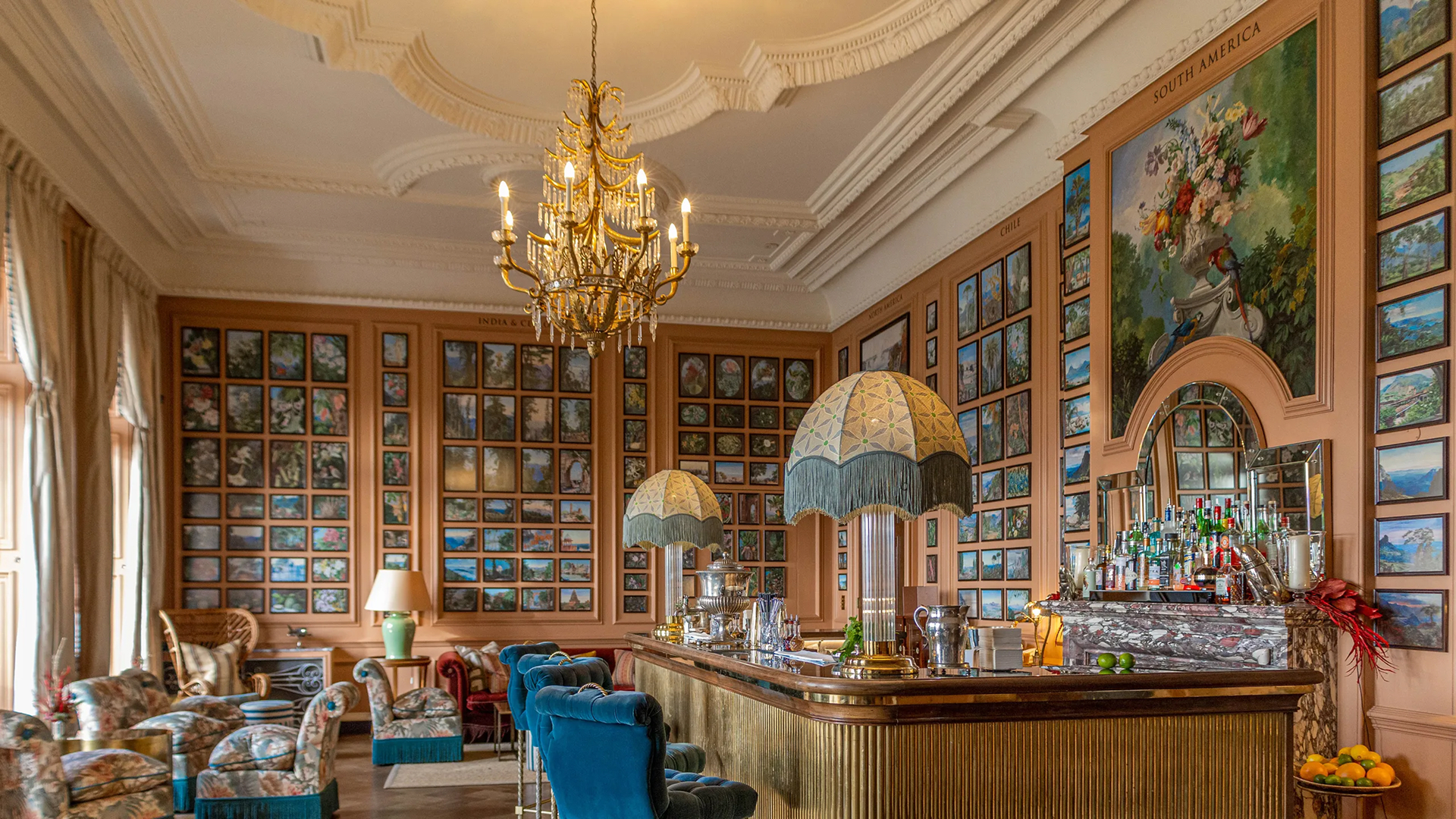
The Newt in Somerset has developed a rich editorial identity extending far beyond accommodation. Articles, films, seasonal stories, gardening content, food, history, and estate life all reinforce the same philosophy. Guests are invited into a broader cultural world rather than being presented with isolated marketing messages.
Editorial direction should reflect the guest experience
Content becomes more distinctive when it originates from the character of the property itself. Architecture, local culture, gastronomy, craftsmanship, wellness, nature, or design often provide stronger editorial foundations than promotional campaigns because they continue to generate meaningful stories over time.
This approach produces content that feels authentic to the hotel rather than adapted from generic hospitality marketing practices.
Every format should reinforce the same narrative
Different channels perform different functions, but they should never communicate different identities.
A destination guide, an Instagram carousel, a newsletter, or a short documentary should all strengthen the same positioning. Consistency across formats gradually builds recognition because audiences encounter one coherent editorial perspective regardless of where they engage with the brand.
Valuable content creates commercial value before it creates demand
Travellers rarely book a hotel after reading a single article or watching one video. Content influences decisions more gradually by reducing uncertainty, increasing familiarity, and helping prospective guests understand what makes a property different before they compare prices or room categories.
Editorial ecosystems therefore support multiple commercial objectives simultaneously. They improve organic visibility, increase direct traffic, strengthen guest confidence, and encourage visitors to spend more time interacting with the brand before booking.
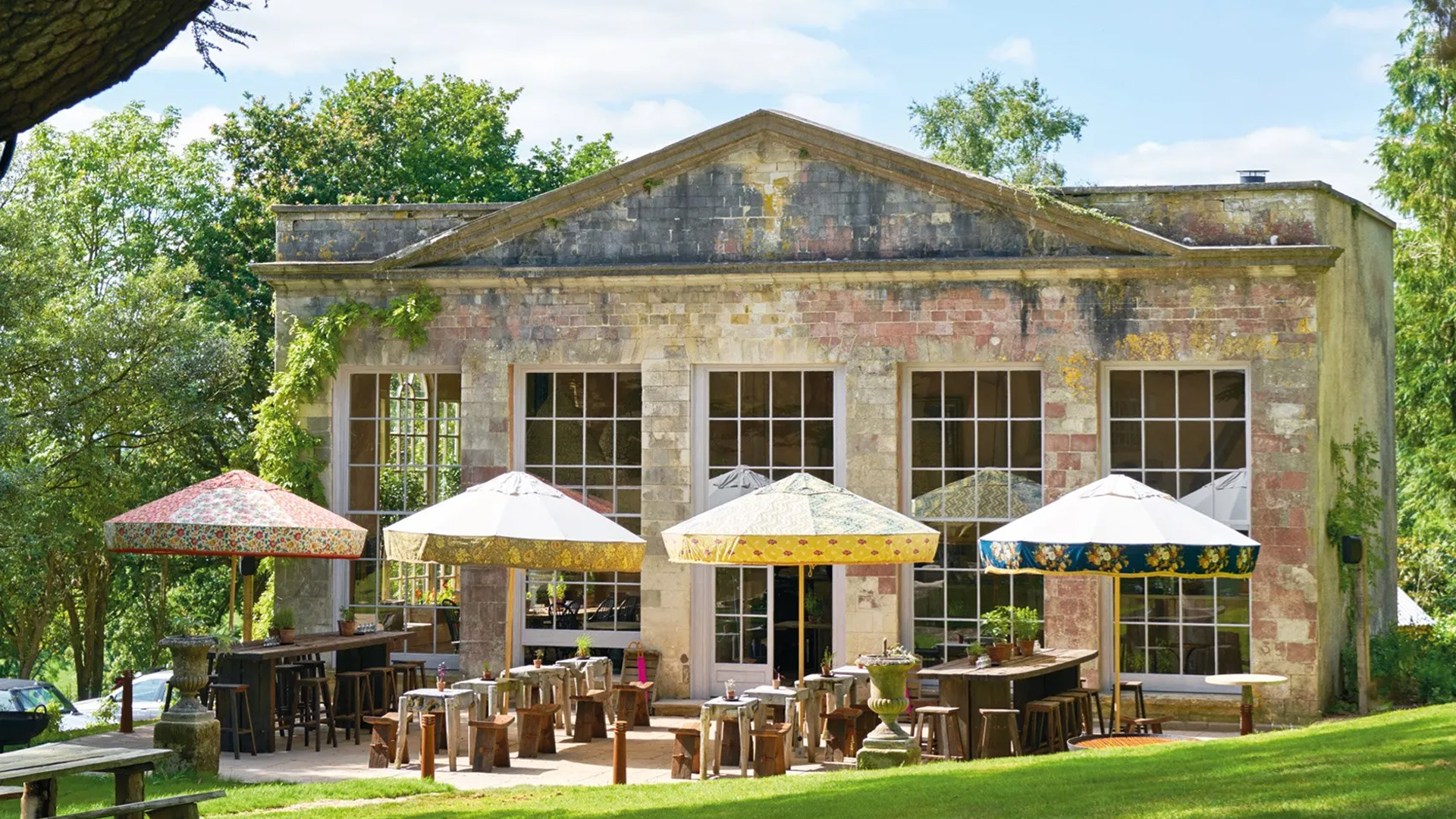
The Pig Hotels demonstrate this relationship particularly well through destination stories, recipes, kitchen gardens, seasonal features, and local supplier content. Rather than focusing exclusively on accommodation, the editorial strategy reflects the broader lifestyle associated with staying at the properties, making future reservations feel like the continuation of an already familiar experience.
Local content strengthens search visibility
Destination guides, neighbourhood recommendations, seasonal itineraries, and cultural articles attract audiences long before they search for accommodation directly.
This type of content supports hotel content marketing by expanding the range of search queries through which travellers discover the property. At the same time, it positions the hotel as a knowledgeable participant in the destination instead of simply another place to stay.
Newsletters maintain relationships between stays
Hospitality brands often communicate only when promoting offers or announcing new packages. Editorial newsletters create a more sustainable relationship because they continue delivering value regardless of whether the reader intends to book immediately.
Seasonal stories, interviews, recipes, behind-the-scenes features, local events, and destination updates keep the brand present between visits without reducing communication to promotional messages.

An editorial ecosystem extends beyond digital publishing
Hospitality content should not be confined to websites and social platforms. Every interaction capable of expressing the personality of the brand contributes to the editorial experience surrounding the property.
Printed journals, in-room reading materials, curated playlists, podcasts, documentary films, artist collaborations, interviews with local makers, and carefully selected recommendations all expand the narrative established before arrival. Together, they transform content from a marketing activity into part of the guest experience itself.
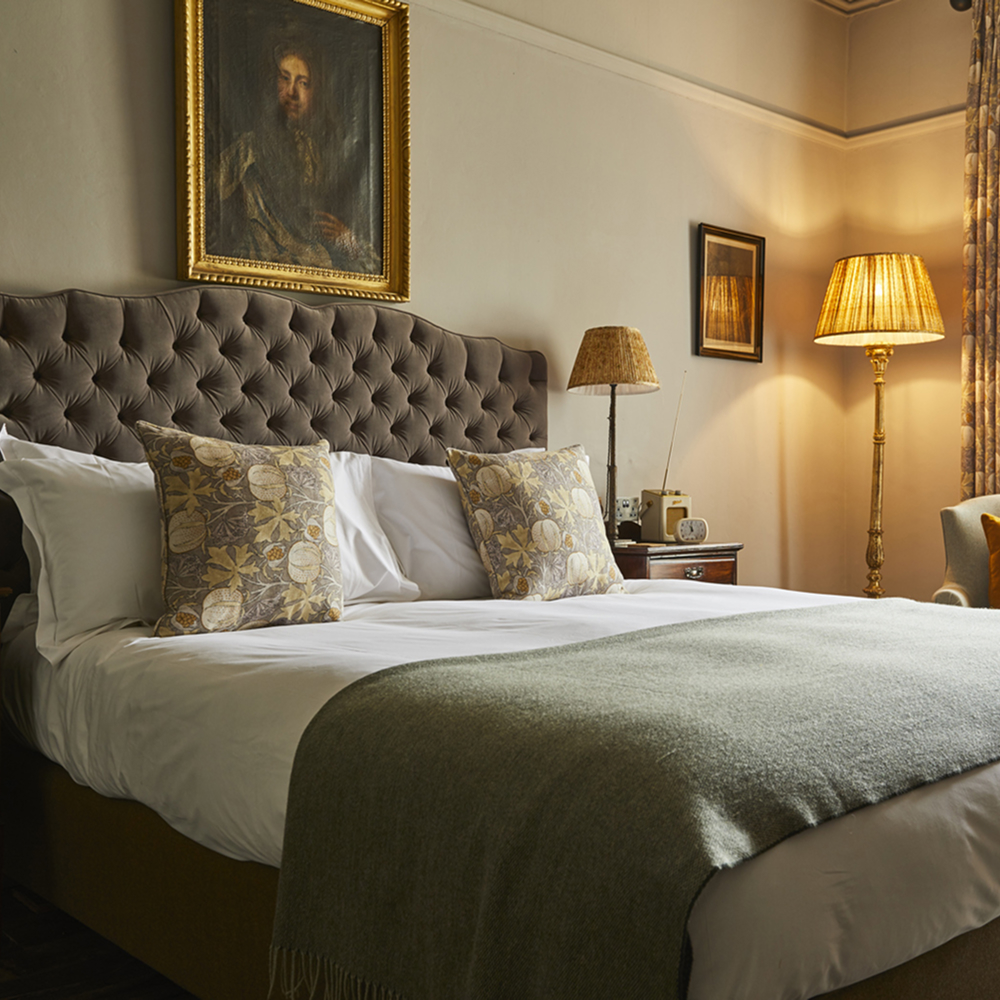
Heckfield Place exemplifies this broader editorial philosophy. Its communication combines regenerative agriculture, culinary expertise, craftsmanship, wellness, seasonal living, and conversations with collaborators into a continuous narrative that extends well beyond the reservation process.
Collaboration enriches editorial credibility
Editorial partnerships become valuable when they introduce expertise that naturally complements the positioning of the property.
Conversations with chefs, architects, artists, historians, producers, or local communities bring perspectives that the hotel could not credibly communicate alone. These collaborations deepen the editorial universe while reinforcing the authenticity of the brand.
Editorial consistency strengthens conversion
The commercial impact of content rarely depends on aggressive calls to action. It develops because repeated exposure increases familiarity and confidence throughout the booking journey.
Travellers who repeatedly encounter thoughtful articles, compelling photography, destination insights, and consistent storytelling often arrive at the booking stage with a much clearer understanding of the experience being offered. The reservation becomes easier because much of the decision-making process has already taken place through the editorial relationship established beforehand.
Hospitality content becomes more valuable when every piece contributes to a larger story
Publishing regularly does not automatically strengthen a hospitality brand. Lasting editorial value emerges when articles, guides, newsletters, photography, films, collaborations, and destination storytelling all contribute to one coherent narrative that reflects the identity of the property.
This editorial ecosystem improves far more than visibility. It supports search performance, nurtures long-term relationships with guests, reinforces brand recognition, and helps travellers understand the experience before they arrive. Rather than serving as a series of marketing campaigns, content becomes an integral part of the hospitality proposition itself.
For hotels seeking stronger organic growth and a more distinctive brand presence, the most effective editorial strategies connect SEO, storytelling, digital channels, and guest experience into one consistent ecosystem. That integrated approach continues to shape the hospitality content strategies developed by Epikure.