
A strong identity begins with a clear point of view
Many boutique hotels invest in logos, colour palettes, and visual assets before defining what the brand actually represents. This often produces attractive communication without a recognisable identity. Guests appreciate the aesthetic but struggle to explain what makes the property different from countless other independent hotels.
A strong hotel brand identity begins with a simple strategic question. What perspective does this hotel bring to the market that another property cannot replicate? The answer should shape every subsequent decision, from interior design and service philosophy to partnerships and communication.
The Largo in Porto demonstrates this discipline. Rather than presenting itself as a generic design hotel, it builds its identity around calm hospitality, architectural restraint, and a close relationship with the surrounding city. This positioning gives coherence to the interiors, editorial content, photography, and guest experience because each element reflects the same direction.
Brand identity should guide creative decisions
Creative work becomes significantly more effective when it follows a strategic framework instead of leading it. Photography, typography, graphic design, and copywriting should express an already defined identity rather than attempting to invent one.
This sequence produces stronger recognition because guests encounter the same personality regardless of the communication channel.
Positioning should remain visible throughout the experience
A boutique hotel’s identity should not disappear after the booking confirmation. Guests should recognise the same values during arrival, throughout their stay, and after departure.
When the physical experience diverges from the brand narrative, memorability declines because visitors perceive two different stories instead of one coherent experience.
Memorable brands are built through repeated signals
Guests rarely remember a hotel because of one spectacular feature. More often, they retain a collection of consistent impressions that gradually define the character of the property. Materials, language, service rituals, music, scents, uniforms, printed materials, and digital communication all contribute to this perception.
Branding becomes stronger when these details reinforce one another instead of operating independently. Every interaction should feel as though it belongs to the same hospitality philosophy.
Fogo Island Inn offers a compelling example of this approach. Local craftsmanship, furniture, architecture, food, and storytelling all express the same commitment to place and community. The guest experience feels distinctive because every detail supports one recognisable identity instead of introducing competing ideas.
Rituals strengthen recognition
Many memorable boutique hotels introduce small recurring moments that guests begin associating with the property itself. These rituals do not need to be elaborate. Their value comes from consistency rather than scale.
A carefully prepared evening tea, a locally inspired welcome, a signature breakfast presentation, or a daily gathering around a shared experience often leaves a stronger impression than expensive amenities because these moments become part of the hotel’s identity.
Editorial consistency extends the experience
Guests encounter a brand long before arrival through websites, newsletters, photography, and social media. These channels should express the same personality found inside the hotel rather than adapting to every communication trend.
Editorial consistency strengthens familiarity because travellers learn to recognise the brand without needing to see its logo.
Hospitality branding should influence every touchpoint
The strongest boutique hotel brands remove the distinction between branding and operations. Service culture, digital experience, physical design, and commercial communication all contribute to the same perception. Guests do not evaluate these elements separately. They experience them as one continuous journey.
This is why hospitality branding extends beyond marketing. It influences recruitment, partnerships, room presentation, guest communication, food and beverage concepts, and even the pace at which guests move through the property.
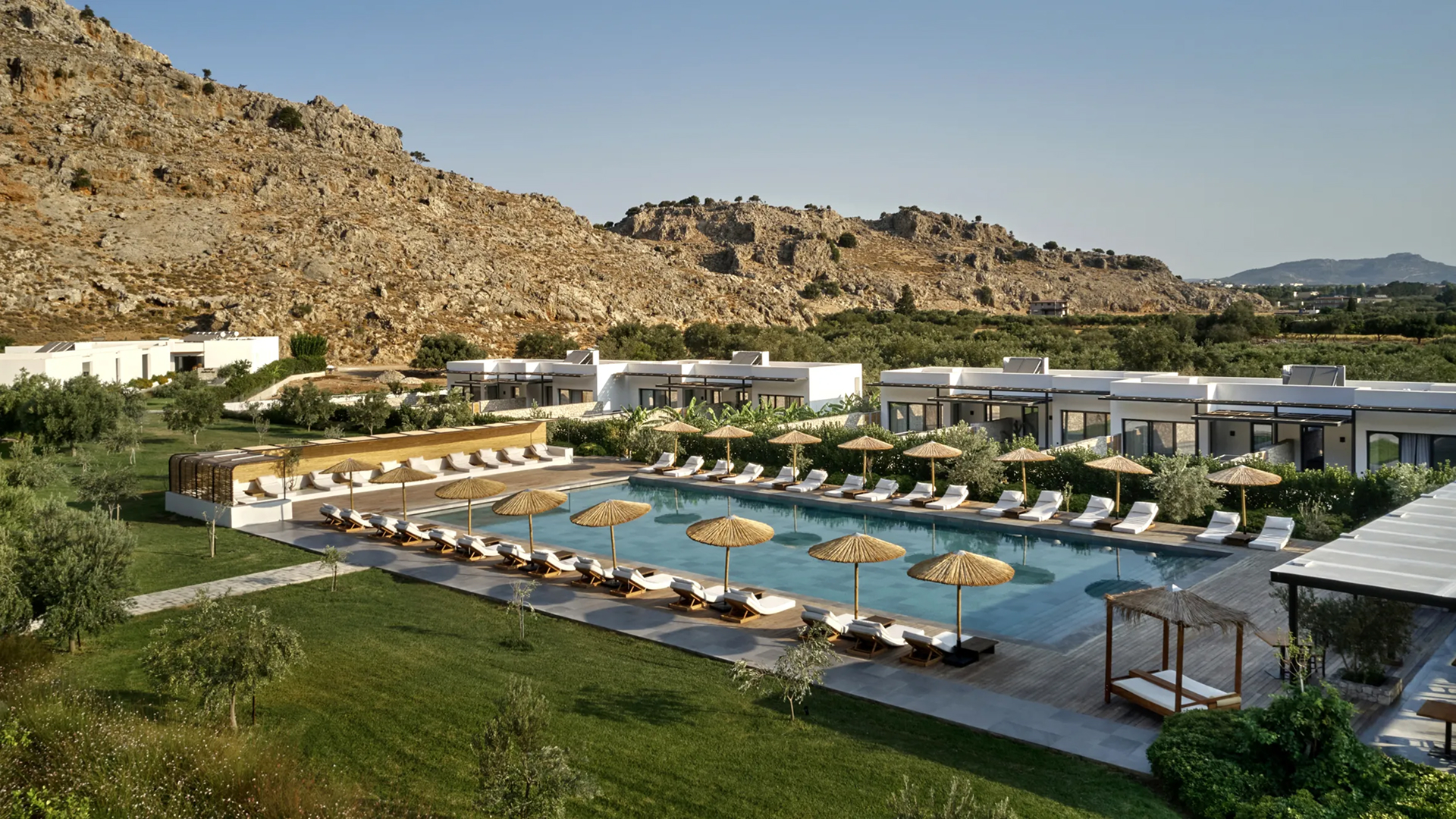
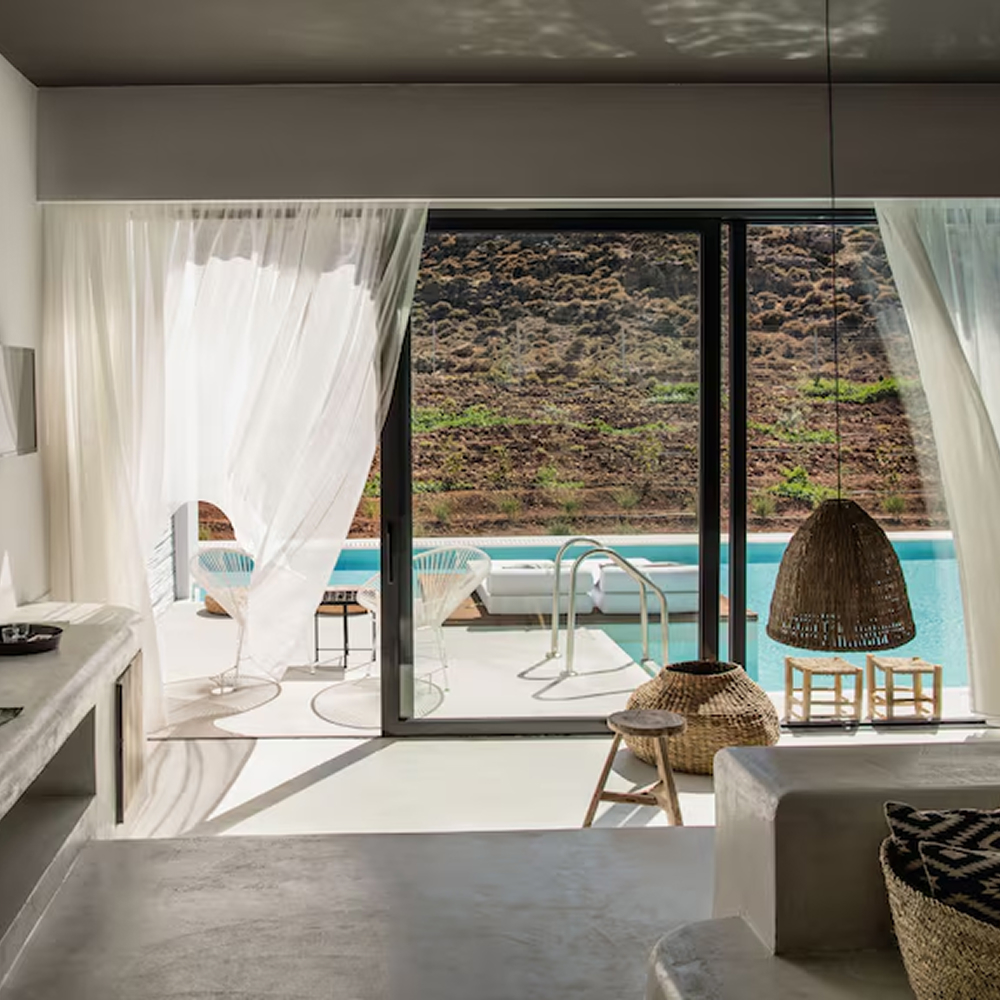
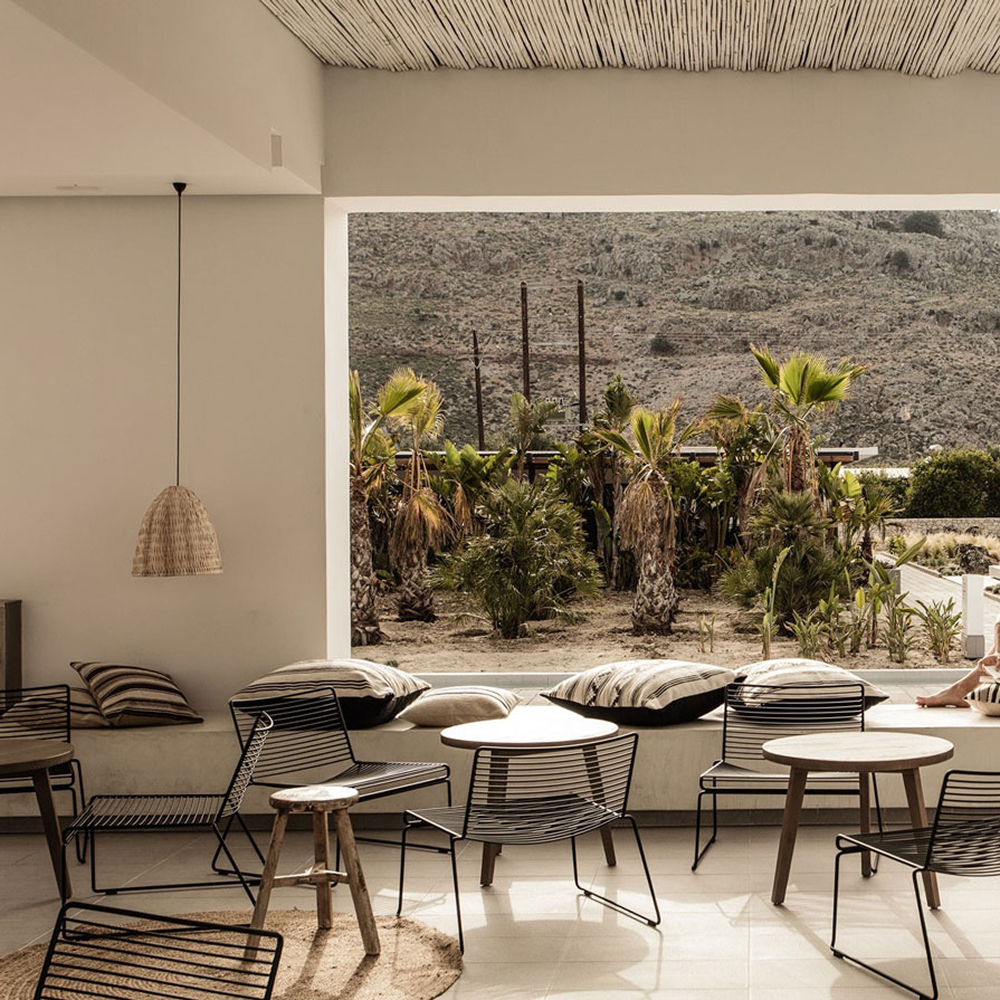
Casa Cook Rhodes has developed a recognisable identity by aligning architecture, wellness, food, photography, and digital communication around one coherent lifestyle proposition. None of these elements dominates the others. Together, they create a brand that remains immediately recognisable across every touchpoint.
Content should reinforce identity rather than fill channels
Publishing more content does not necessarily strengthen a boutique hotel brand. Every article, photograph, email, or social media post should contribute to the same narrative.
Hotels that pursue visibility without editorial discipline often dilute their identity because each publication introduces a different message. Consistency generates stronger recognition than frequency.
Recognition grows through coherence
Guests recommend hotels that are easy to describe. This rarely depends on luxury alone. It depends on whether the property expresses one clear idea that remains visible throughout the experience.
When architecture, service, storytelling, and communication reinforce the same positioning, the hotel becomes easier to remember because every interaction confirms the previous one.
Boutique hotel branding transforms a property into a recognisable brand
Successful boutique hotel branding does not begin with a logo or a visual identity. It begins with defining a distinctive perspective that guides every decision across the business. Design gives this perspective a physical form. Communication makes it visible. Guest experience makes it credible.
The most memorable boutique hotels are recognised because every touchpoint contributes to the same identity with consistency and precision. Guests leave with a clear understanding of what the property stands for, making recommendations more natural and future communication more effective.
For independent hospitality businesses seeking stronger differentiation, branding becomes most valuable when it aligns positioning, design, operations, and communication around one coherent vision. That strategic approach continues to guide the hospitality branding projects developed by Epikure.