
Visitors do not book when the value proposition remains unclear
The first seconds of a website visit determine whether travellers continue exploring or return to search results. Before comparing room categories or checking availability, visitors want a simple answer to one question. Why should this hotel deserve their attention?
Many hospitality websites immediately present cinematic videos, lifestyle imagery, or generic statements about luxury and exceptional service. While visually engaging, these elements rarely explain what distinguishes the property from competing alternatives. Visitors admire the website without understanding the experience.
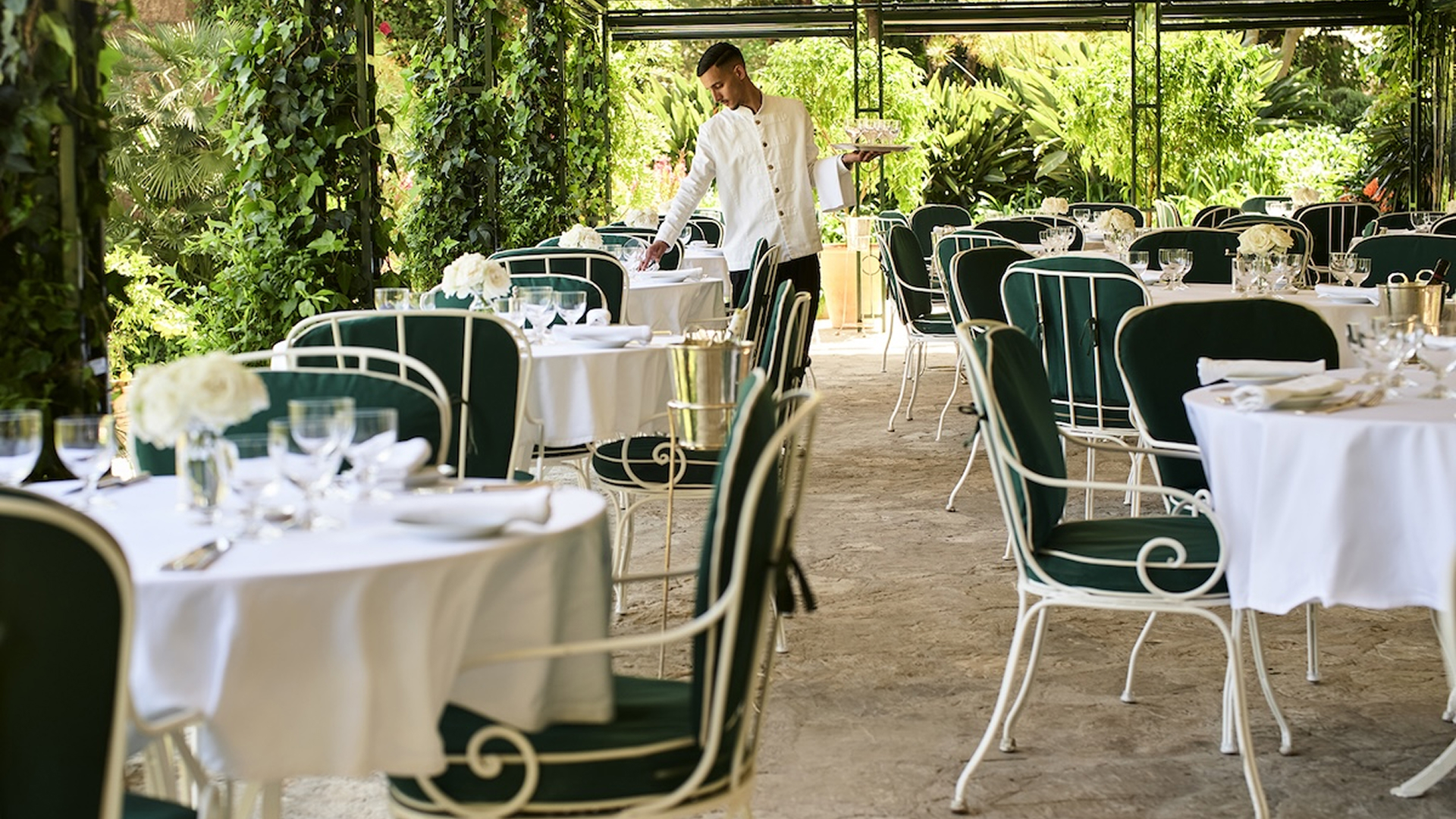
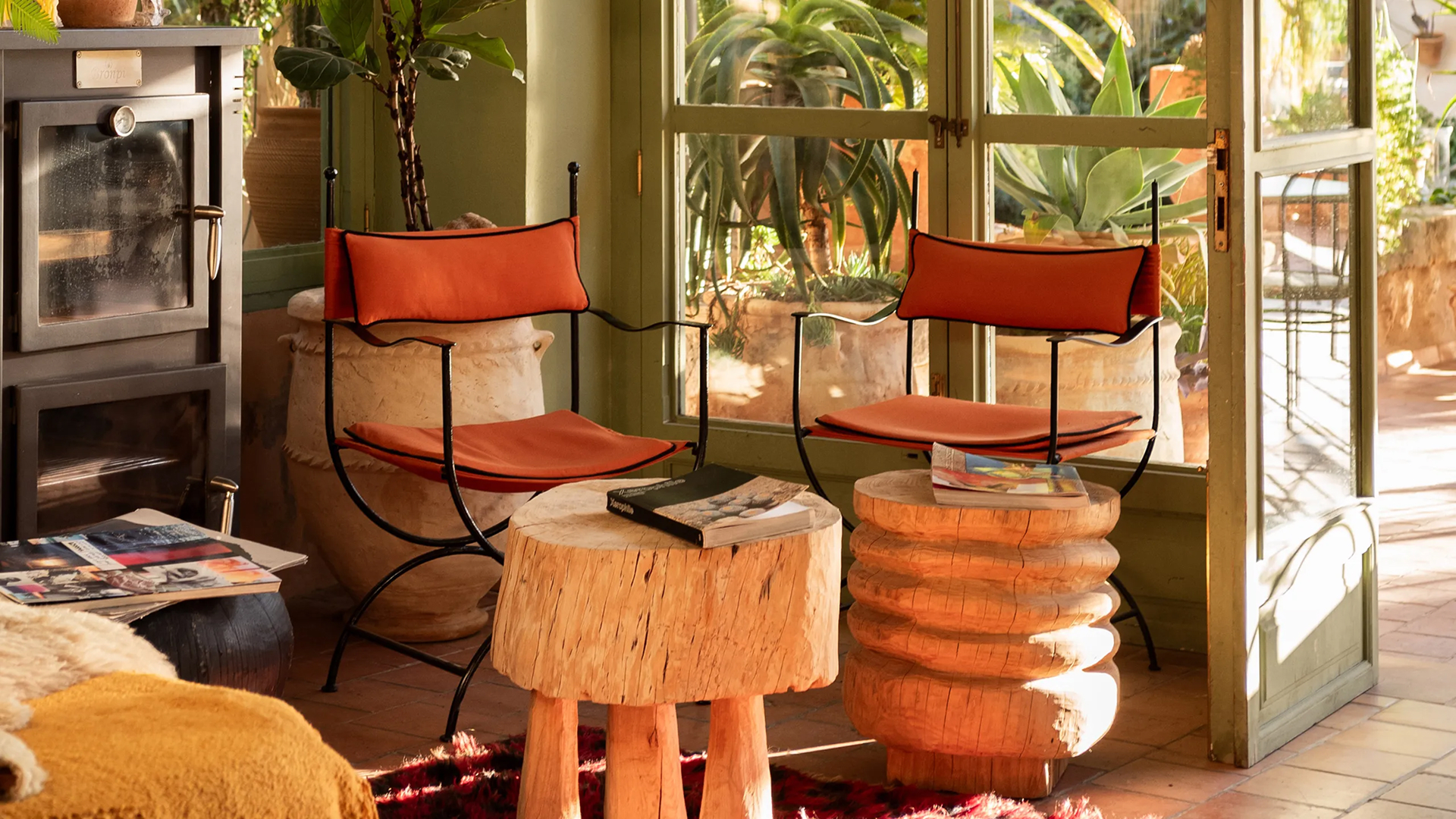
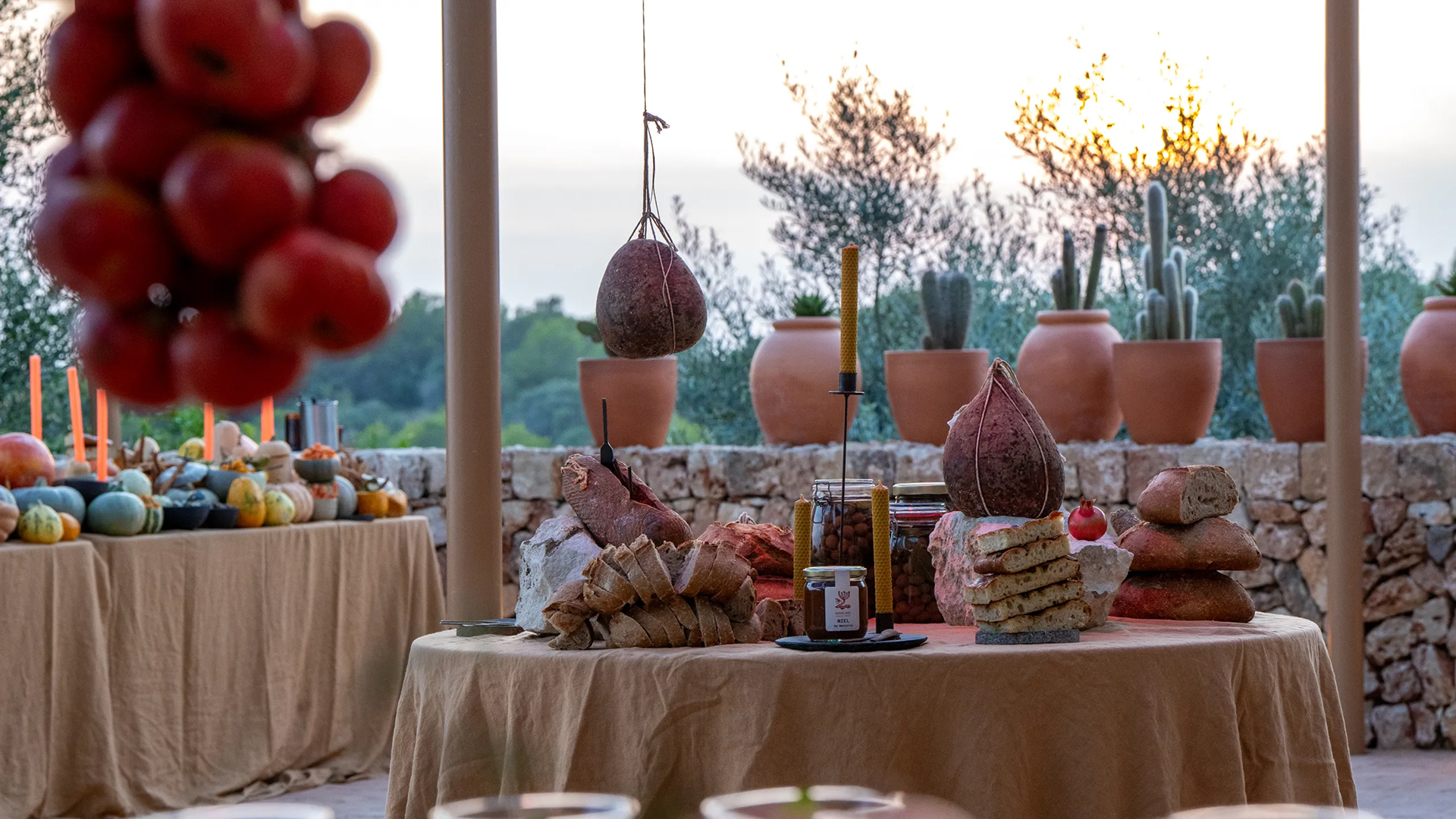
Son Blanc Farmhouse establishes its positioning from the first interaction. The website communicates its relationship with Menorca, regenerative hospitality, architecture, and slower living before presenting accommodation or experiences. Visitors understand the hotel’s identity before evaluating whether it corresponds to their expectations.
Beautiful design cannot replace strategic clarity
Visual identity strengthens recognition, but it cannot compensate for an unclear positioning. If visitors struggle to identify the hotel’s audience, atmosphere, or distinctive proposition, every subsequent page becomes more difficult to interpret.
The strongest hotel websites explain the experience before presenting its individual components. Rooms, restaurants, wellness facilities, and local experiences become more meaningful once visitors understand the broader promise connecting them.
Generic language weakens differentiation
Expressions such as luxury experience, unforgettable stay, personalised service, or exceptional destination appear across thousands of hospitality websites. Because they could describe almost any premium property, they contribute little to differentiation.
Effective copywriting replaces broad claims with precise explanations of what guests will actually experience and why the property offers something meaningfully different.
Every interruption reduces booking conversion
A booking journey rarely fails because of one significant problem. Conversion usually declines through a series of small moments that introduce hesitation. Navigation becomes confusing. Room categories feel difficult to compare. Practical information remains incomplete. The booking engine interrupts the browsing experience. Each interruption increases the likelihood that visitors postpone their decision.
Improving booking conversion therefore requires analysing the complete journey rather than evaluating individual pages independently.
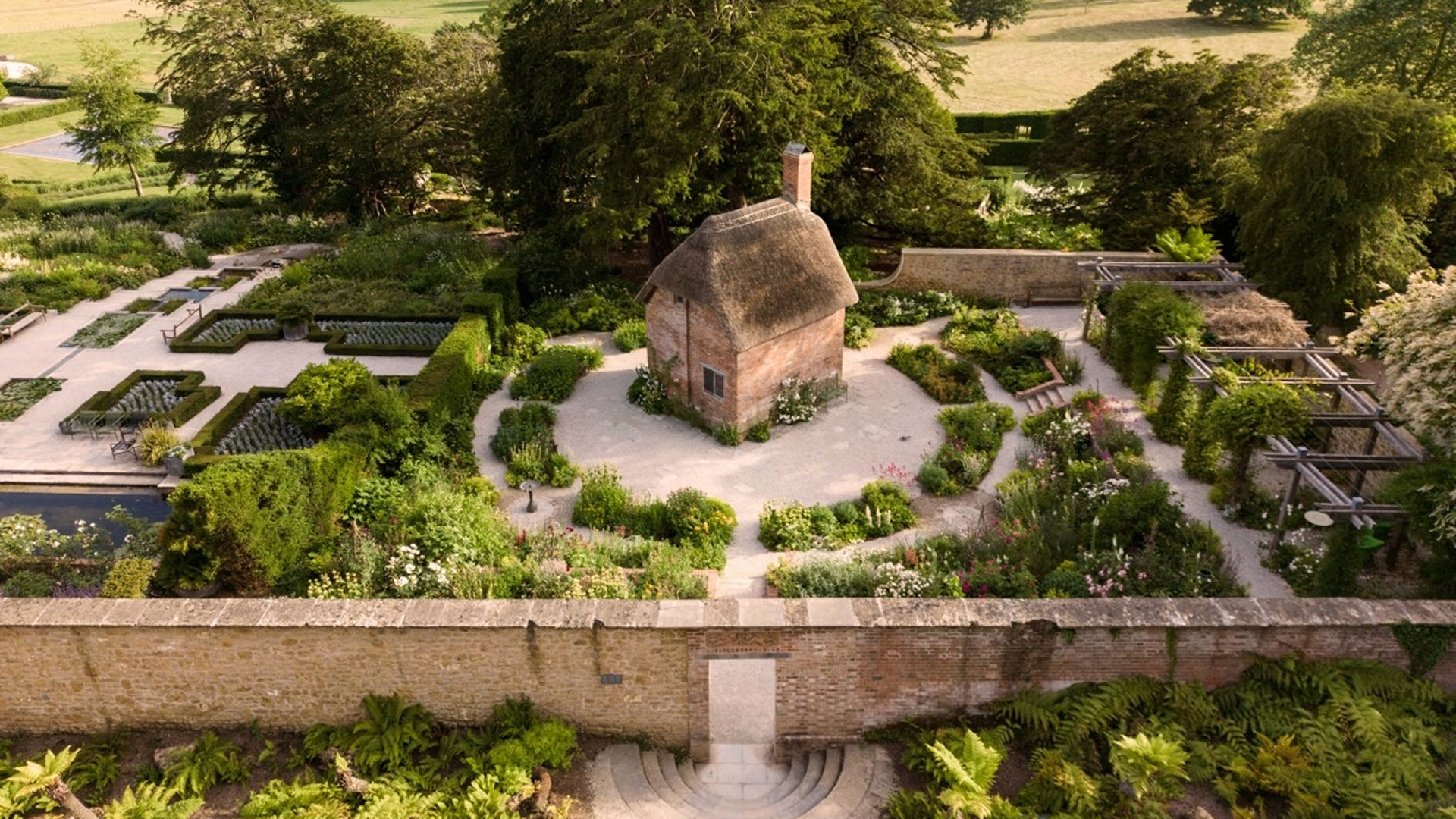
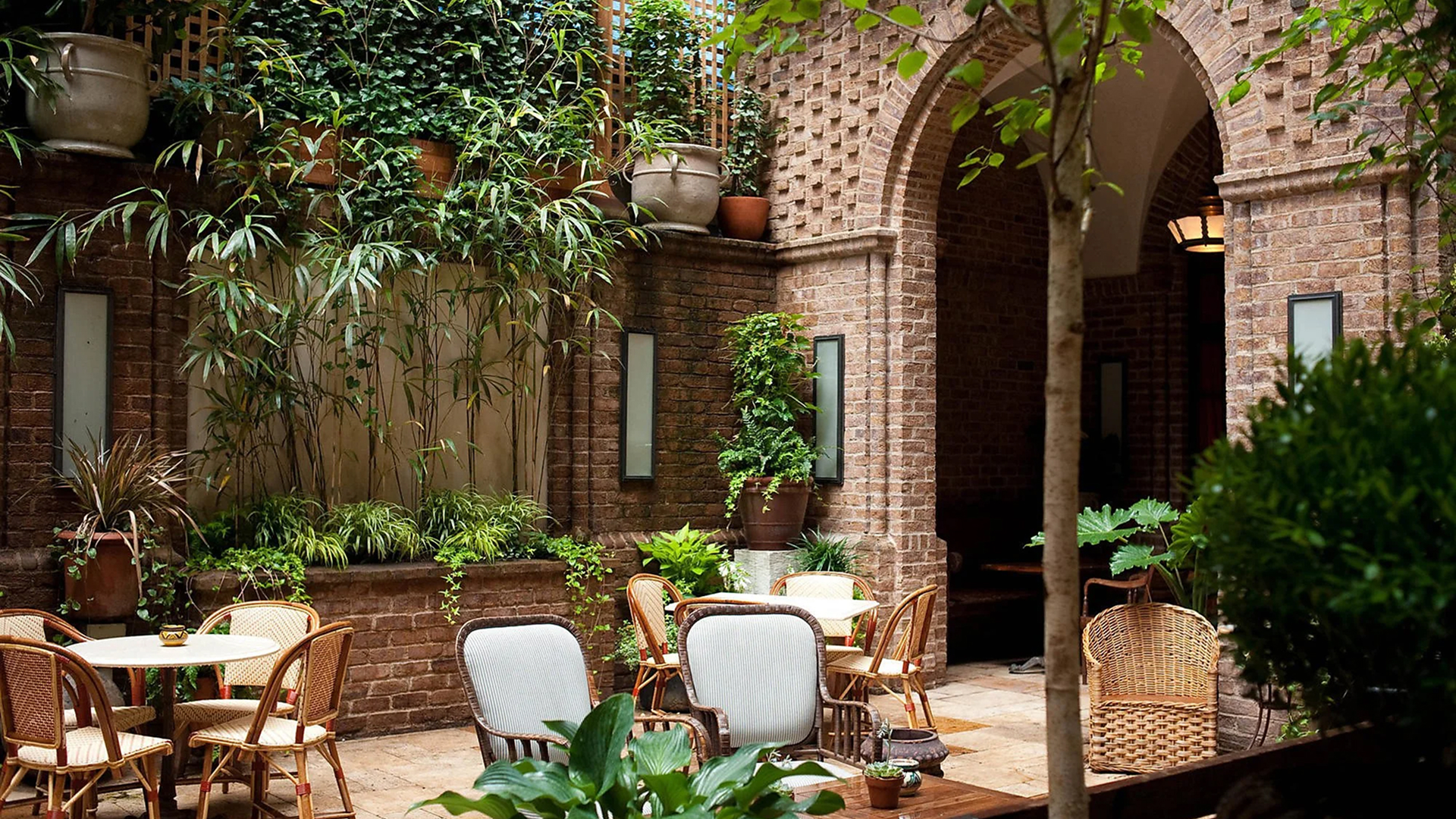
The Newt in Somerset structures its digital experience around progressive decision-making. Visitors can understand accommodation, dining, gardens, activities, and membership while maintaining continuous access to reservation options. Information appears when it becomes relevant instead of forcing users to search for it.
The booking engine should feel like part of the website
Many hospitality brands invest heavily in website design before directing visitors towards booking software with a completely different interface. Colours change, navigation disappears, layouts become inconsistent, and confidence declines precisely when visitors are preparing to book.
The strongest direct booking experiences maintain visual and functional continuity throughout the reservation process. Booking feels like the final step of the same experience rather than the beginning of a different one.
Mobile friction directly affects revenue
For many hotels, mobile devices account for most website sessions. Despite this reality, booking journeys often remain designed primarily for desktop navigation.
Reservation buttons become difficult to locate, booking forms require excessive scrolling, images slow page loading, and essential information disappears behind multiple menus. Every additional interaction reduces the likelihood of completing a reservation.
Trust determines whether visitors complete a reservation
Choosing a hotel involves financial commitment and emotional expectation. Before confirming a booking, travellers seek reassurance that the experience will correspond to what the website promises.
Trust develops gradually throughout the browsing experience. Clear cancellation policies, accurate room descriptions, transparent pricing, guest reviews, awards, and practical information all contribute to reducing uncertainty before visitors reach the booking engine.
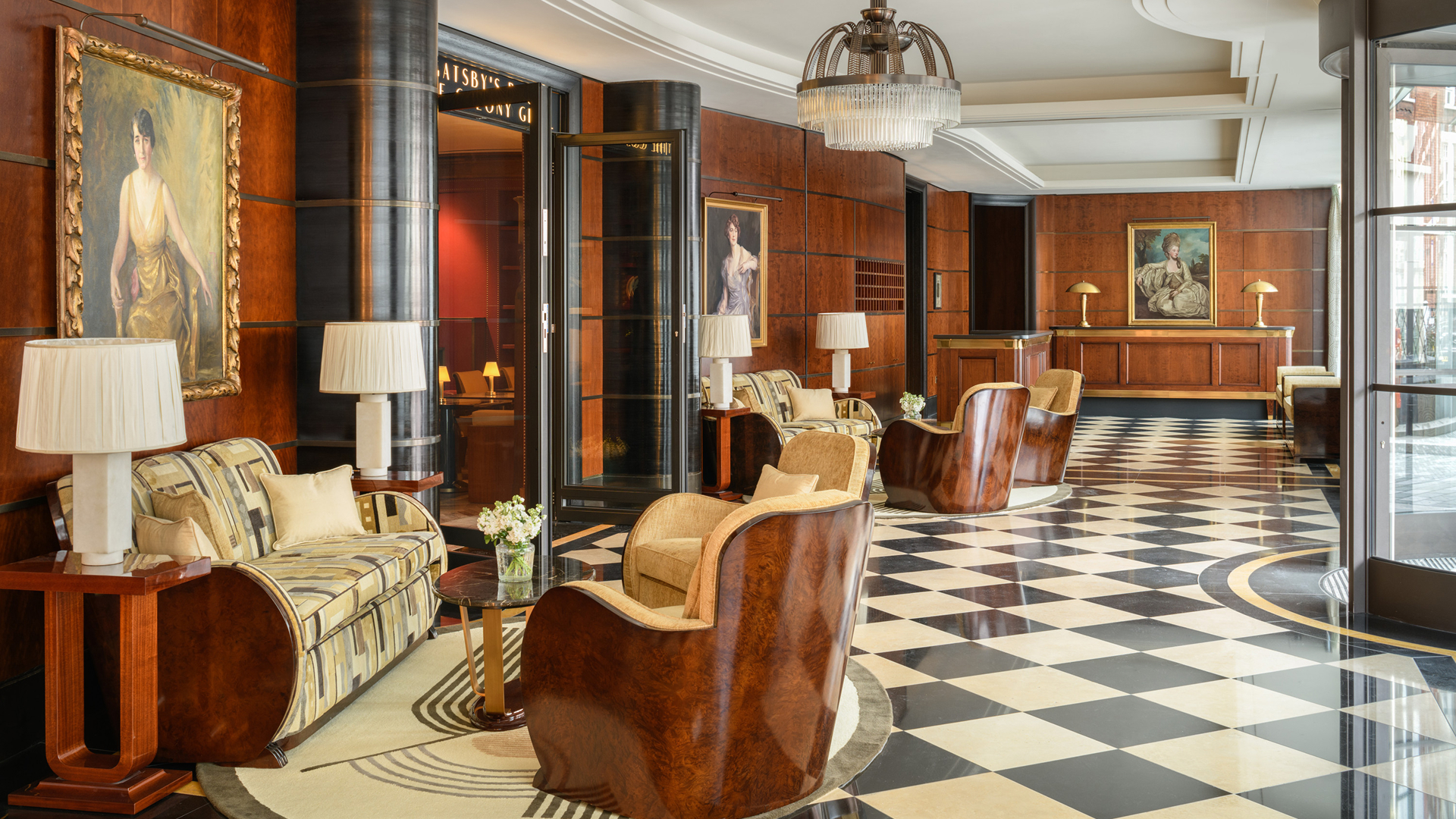
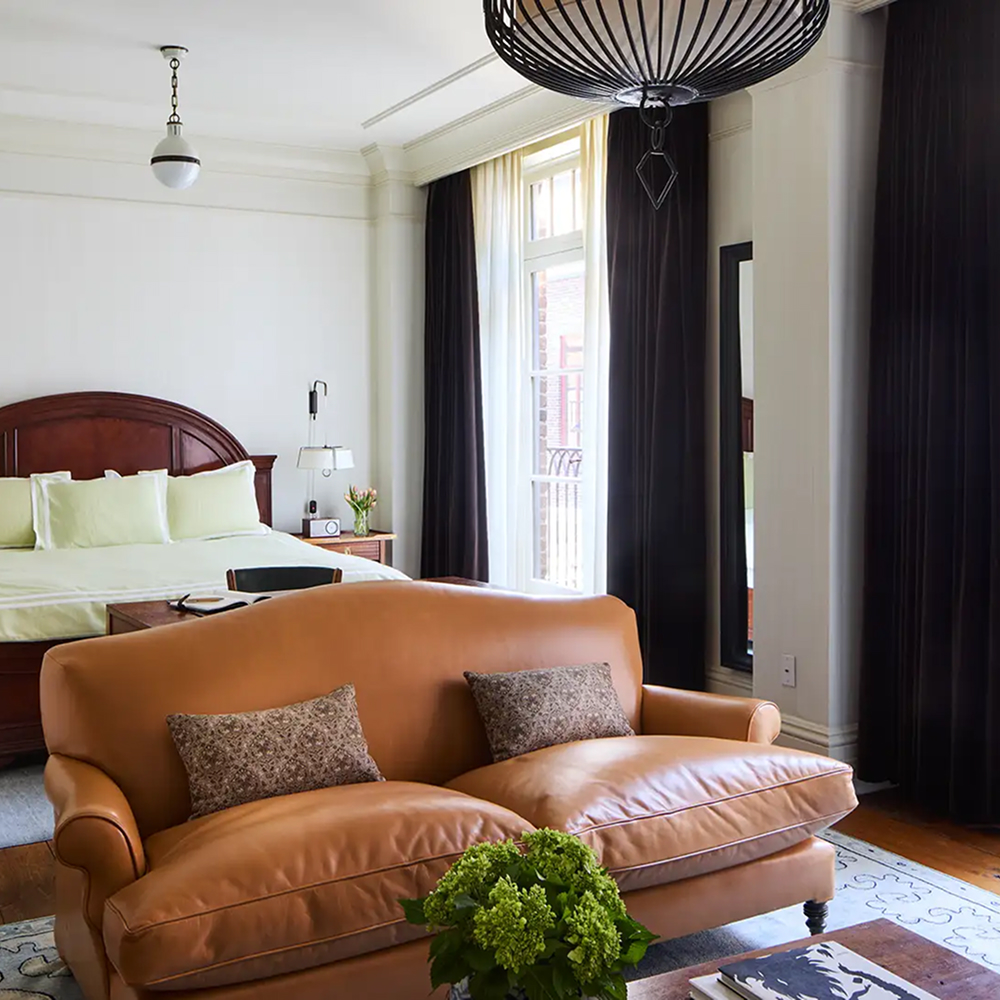
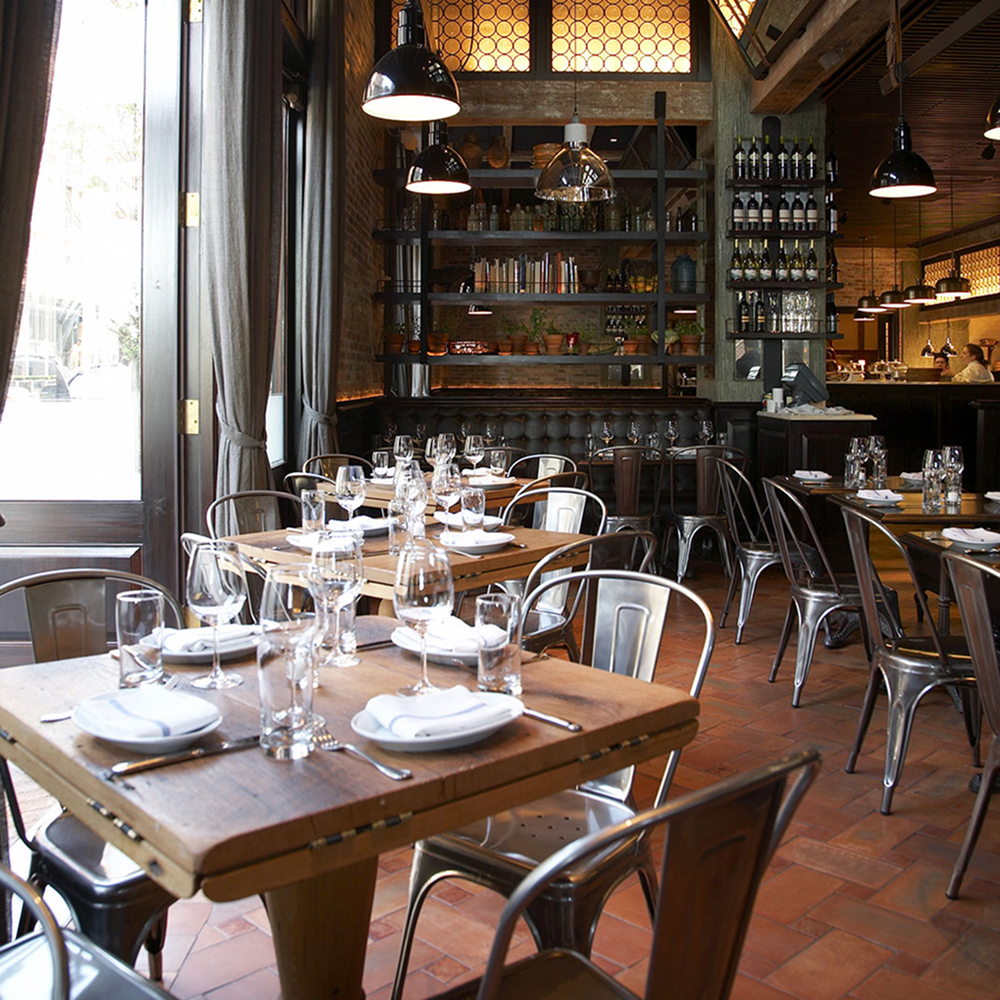
The Greenwich Hotel presents accommodation, neighbourhood context, dining, and practical information with the same level of clarity and consistency. Visitors gain confidence progressively because each section answers practical concerns without overwhelming the browsing experience.
Social proof should support decision-making
Guest reviews, press recognition, awards, and carefully selected testimonials reinforce credibility because they introduce perspectives beyond the hotel’s own communication.
The objective is not to overwhelm visitors with ratings or logos. Well-positioned evidence reassures travellers at key decision points, particularly before they enter the booking process.
SEO should attract visitors with genuine booking intent
Increasing website traffic alone rarely improves hotel website conversion. Commercial performance depends on attracting visitors already looking for the experience the property provides.
Destination pages, accommodation content, local guides, and editorial articles help search engines understand the website while attracting travellers with stronger purchase intent. Better qualified traffic generally converts more effectively because expectations already align with the hotel’s positioning.
Hotel website conversion depends on reducing uncertainty
Many hospitality websites underperform despite strong visual execution because they concentrate on attracting attention rather than supporting decision-making. Beautiful design encourages exploration, but reservations happen only when visitors understand the offer, trust the brand, and encounter no unnecessary friction between interest and action.
Improving hotel website conversion rarely requires redesigning everything from the beginning. Small improvements to positioning, navigation, mobile experience, booking integration, content quality, and reassurance often produce a significantly stronger commercial impact than additional marketing investment.
For hospitality brands seeking to increase direct bookings, the website should function as more than a digital brochure. It should become a commercial platform where every element guides visitors towards the same objective: completing a reservation with confidence. That principle continues to shape the hospitality website strategy developed by Epikure.