Circulation determines how exposed guests feel
Guests interpret privacy through movement long before they analyse architecture consciously. Arrival paths, elevator positioning, corridor visibility, and transitions between public and private areas influence whether the property feels calm or intrusive.
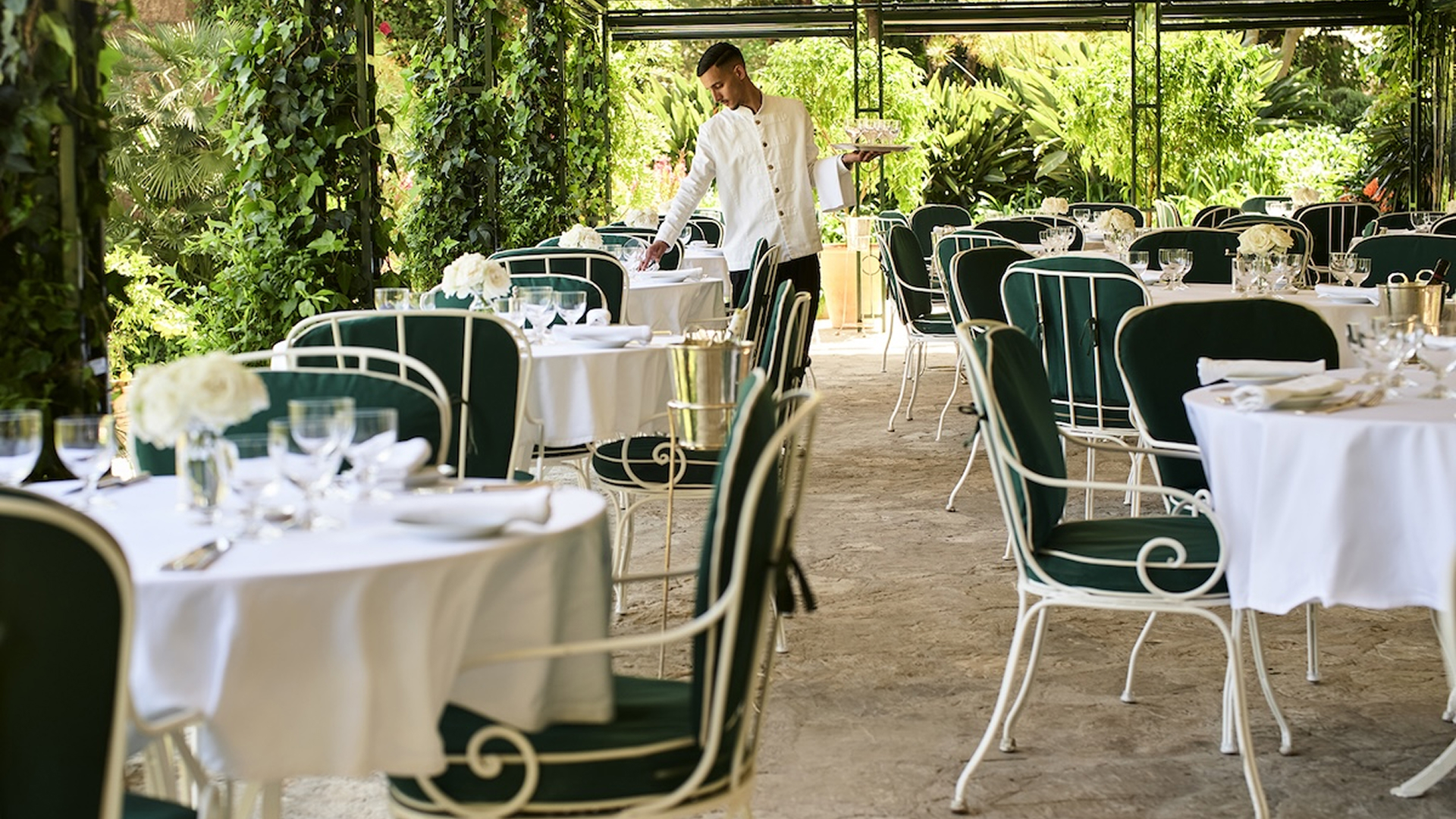
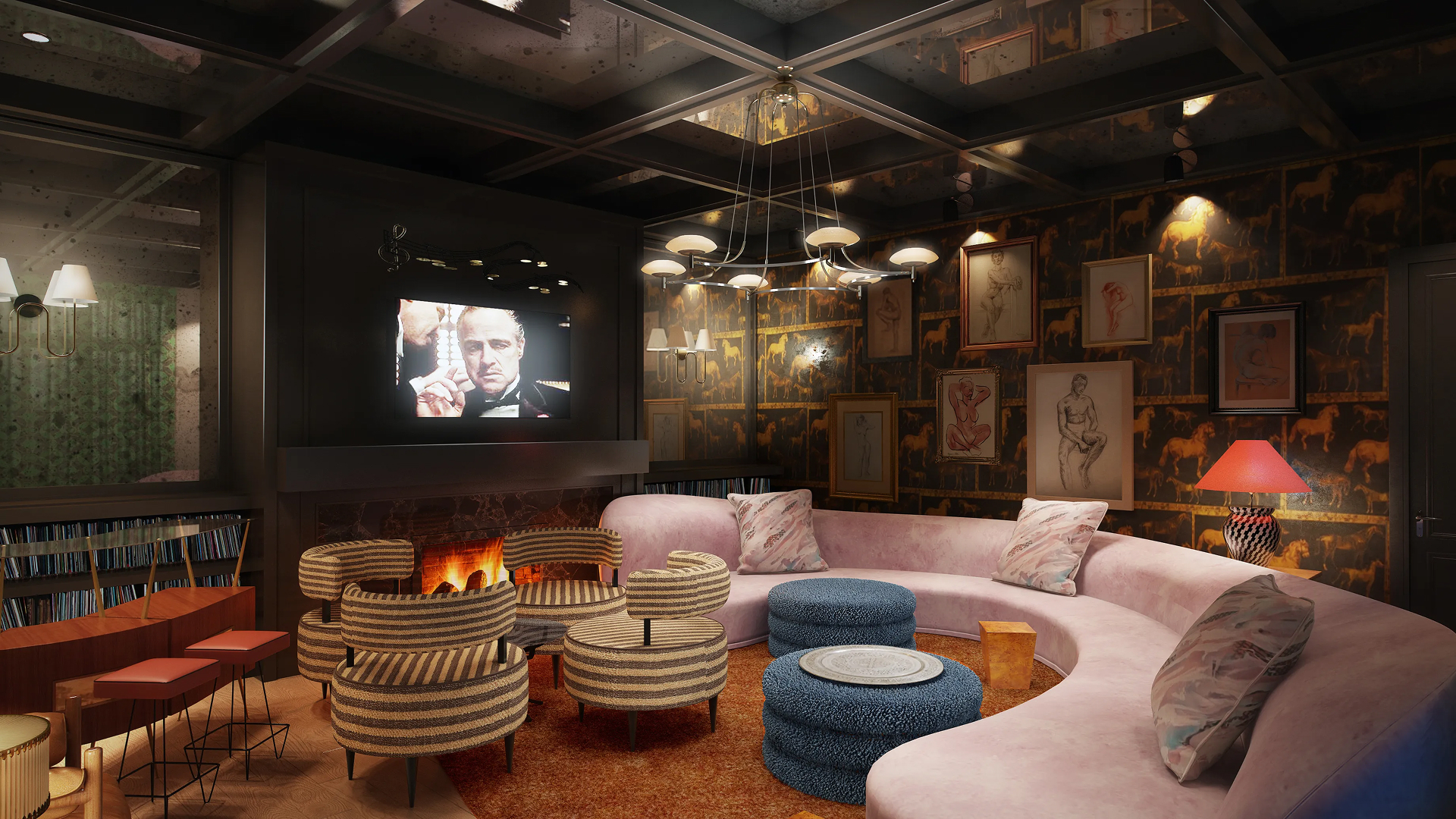
Airelles Château de Versailles, Le Grand Contrôle structures circulation through layered access points and controlled transitions that reduce visual exposure continuously throughout the property. Guests move between suites, dining areas, and wellness spaces without crossing dense public flows. This organisation reinforces exclusivity because movement feels protected and deliberate from arrival onward.
Separation between flows strengthens comfort
Luxury hotels often manage several operational realities simultaneously, including housekeeping, dining service, guest circulation, and external visitors. Privacy depends on how effectively these flows remain separated spatially and visually.
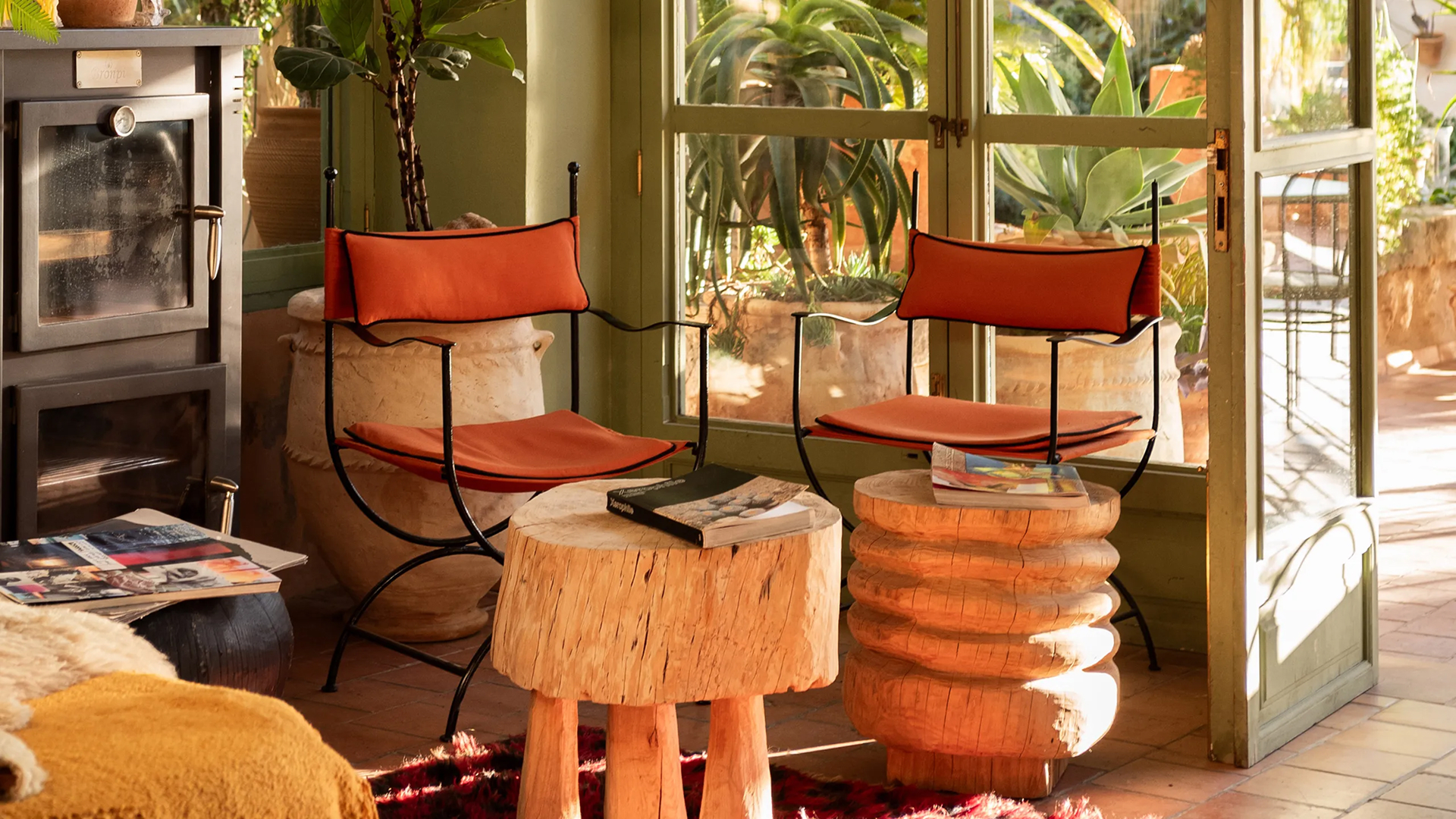
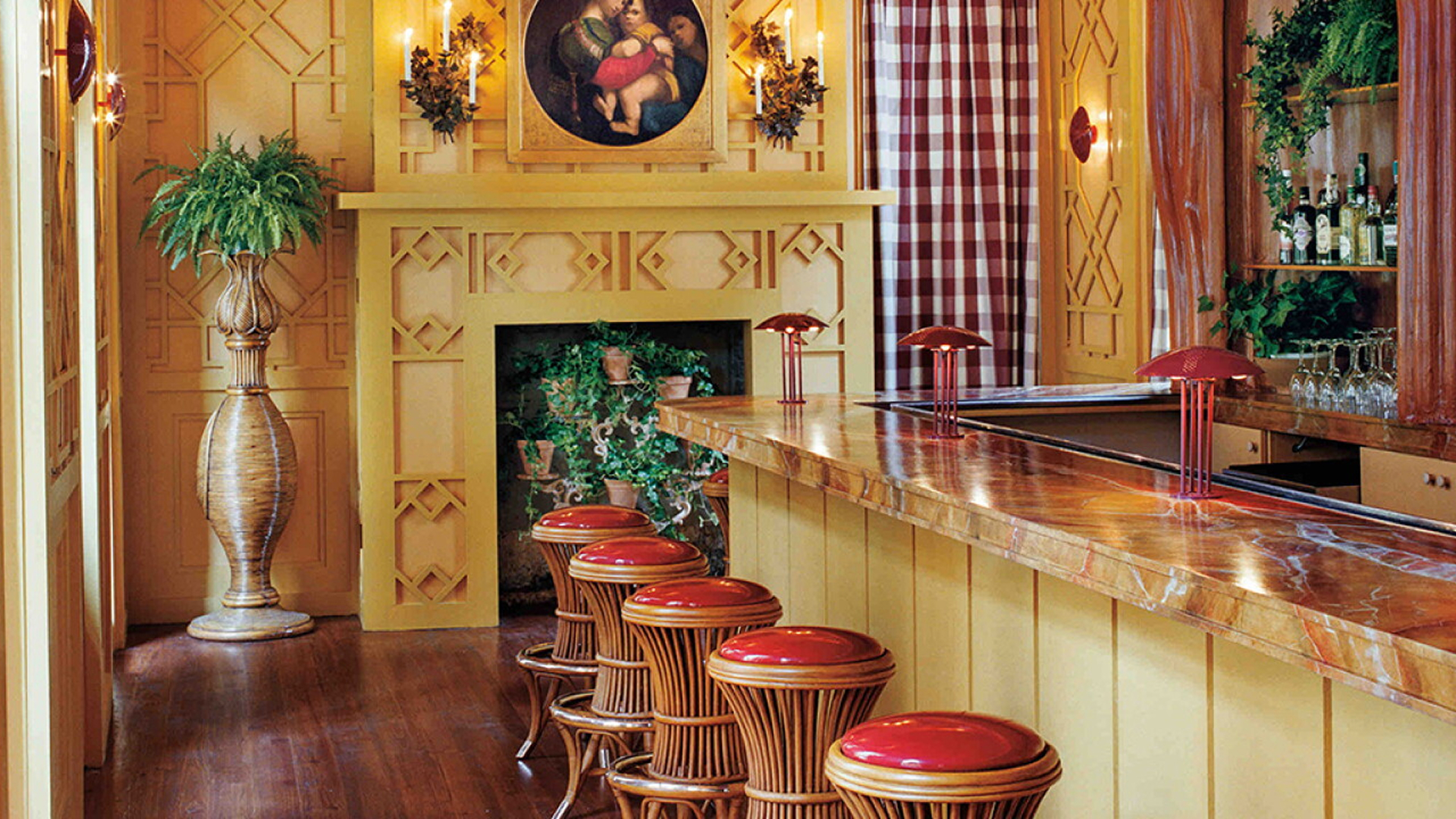
The Greenwich Hotel in New York structures entrances, lounges, and guest pathways in ways that minimise unnecessary overlap between residents, restaurant visitors, and hotel operations. Shared areas remain active while preserving intimacy because circulation hierarchy stays carefully controlled.
Visibility management matters more than isolation
Guests rarely seek total isolation inside a luxury hotel. They seek control over visibility and interaction. Public spaces can remain social while still feeling private when seating density, orientation, and spatial layering support selective exposure.
Hotels that position lounges, reception areas, or dining terraces too openly often weaken emotional comfort because guests feel constantly observed while moving through the property.
.jpg)
Spatial layering creates emotional protection
Luxury hospitality environments feel exclusive when architecture introduces gradual transitions between social and personal space. Layered environments allow guests to choose proximity, interaction, and retreat naturally throughout the day.
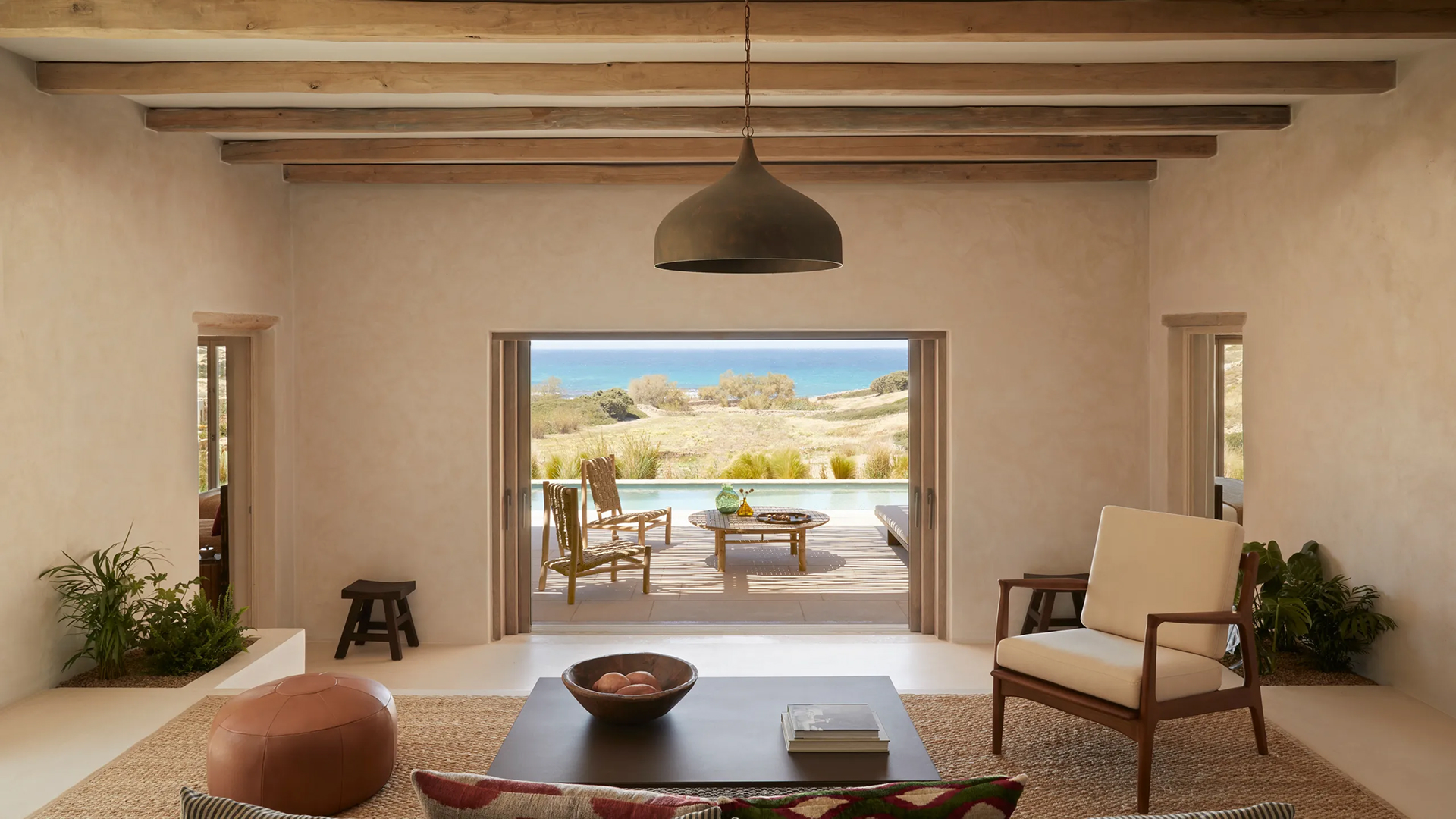
Parilio in Paros structures shared areas around courtyards, recessed seating, and measured spatial sequencing that soften transitions between collective and private zones. Guests remain connected to the atmosphere of the property while preserving personal comfort and distance.
Proportion influences intimacy
Oversized public areas often weaken privacy because guests feel visually exposed within large undifferentiated volumes. More restrained proportions support emotional ease by reducing the sense of constant visibility.
The Largo in Porto balances openness and intimacy through layered seating arrangements, controlled lighting, and smaller spatial sequences that encourage calm occupation of shared areas. Guests instinctively find spaces matching their preferred level of interaction.
Acoustic control shapes exclusivity
Privacy depends as much on sound management as on visual separation. Noise transfer between rooms, restaurants, corridors, and terraces weakens perceived luxury immediately because guests lose the feeling of environmental control.
Hotels that maintain visual refinement while neglecting acoustic comfort often generate tension despite strong architectural identity because sensory intrusion disrupts emotional stability continuously.

Operational discipline reinforces private atmosphere
Architecture alone cannot sustain privacy if operational rhythm contradicts spatial intent. Service timing, housekeeping visibility, concierge interaction, and restaurant pacing all influence how exposed or protected guests feel during the stay.
Canaves Oia Epitome structures service rhythm around discretion and controlled interaction that align with the calm spatial atmosphere of the property. Staff presence remains attentive without dominating shared areas or interrupting guest pacing unnecessarily. Privacy feels preserved because operations reinforce architectural restraint consistently.
Discretion requires behavioural consistency
Luxury hospitality relies heavily on behavioural discipline. Staff interaction, eye contact, timing, and movement patterns all contribute to how guests perceive exclusivity and emotional safety.
Properties with strong visual positioning but highly visible operational activity often weaken premium perception because guests become too aware of service mechanics and logistical flows.
Private atmosphere supports longer engagement
Guests stay longer in lounges, terraces, wellness areas, and restaurants when these spaces feel emotionally protected. Privacy therefore influences not only comfort but also behavioural engagement across the property.
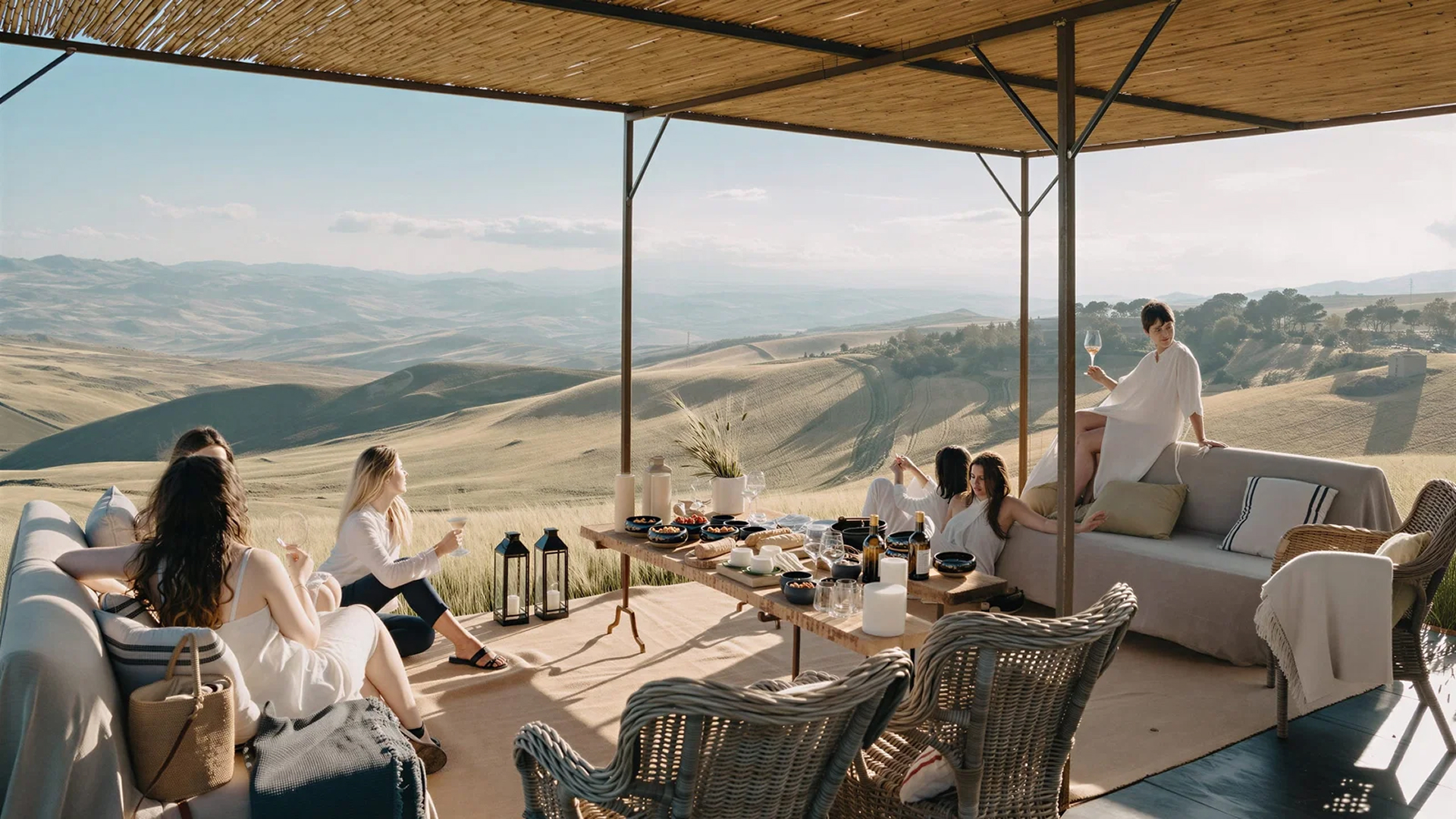
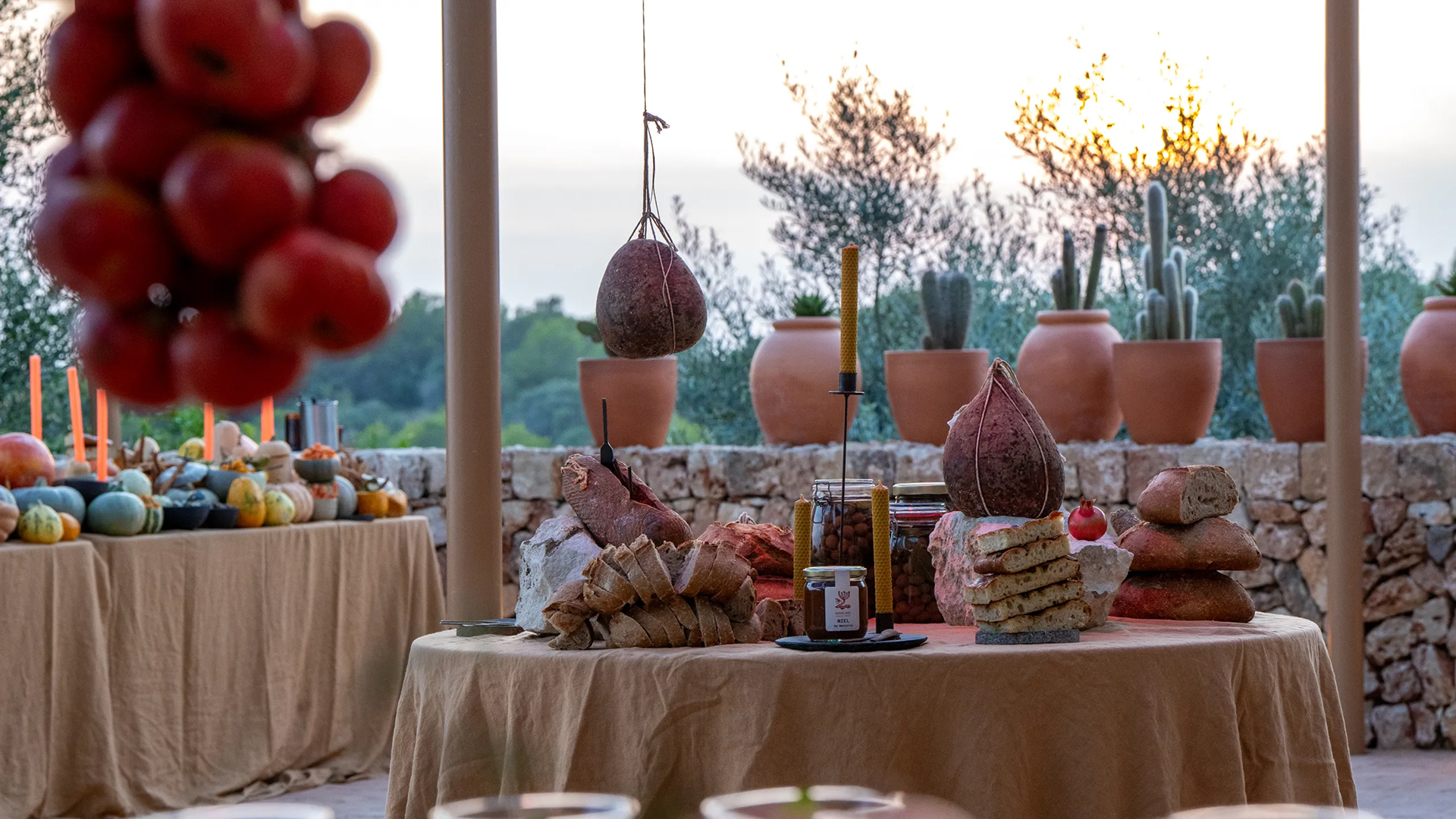
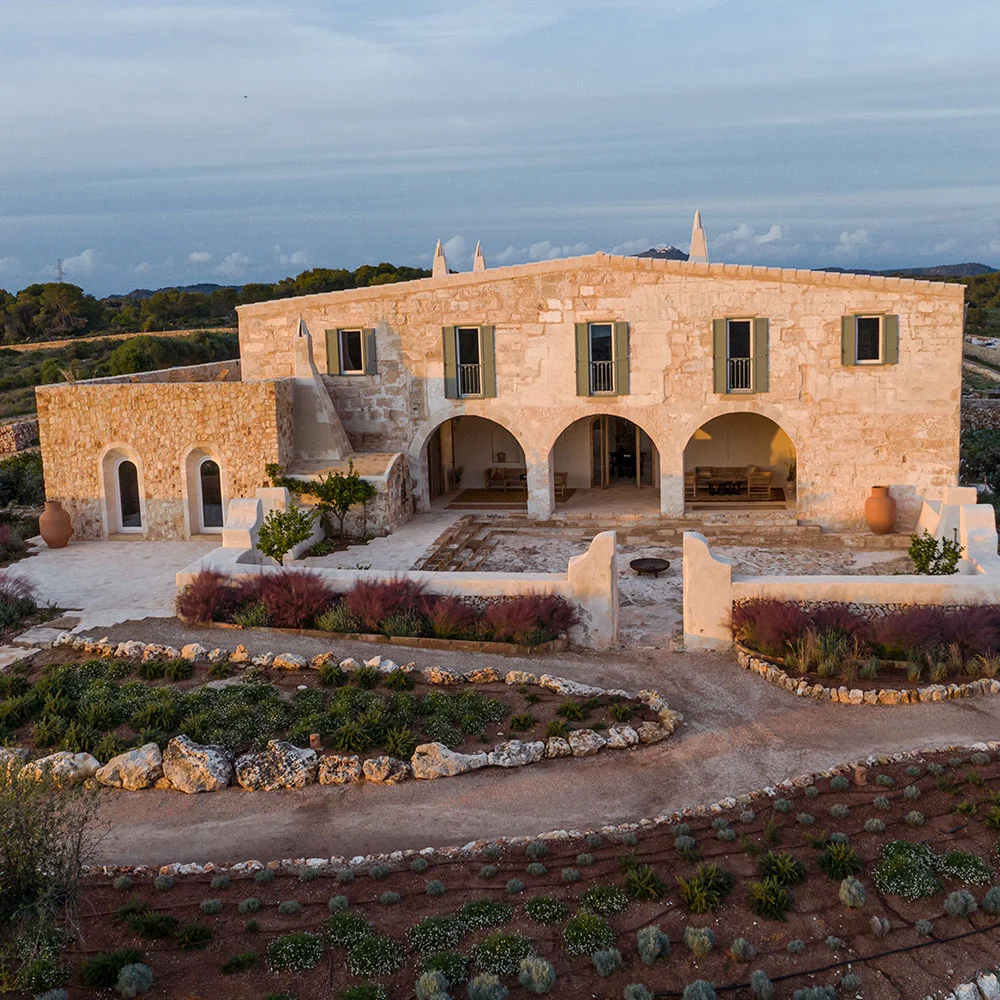
Son Blanc Farmhouse in Menorca structures shared spaces around low density occupation, environmental calm, and restrained operational visibility that encourage guests to inhabit the property slowly throughout the day. The atmosphere feels exclusive because spatial and operational rhythm reduce social pressure continuously.
Privacy transforms hospitality into emotional comfort
Luxury hotels strengthen exclusivity when architecture, circulation, acoustics, and operations work together to manage exposure naturally across the guest journey. Privacy emerges through spatial intelligence rather than through isolation alone.
The strongest hospitality environments allow guests to control interaction, visibility, and pace without conscious effort. Shared spaces remain active while preserving intimacy. Operational presence supports comfort without interrupting atmosphere. Guests then associate the property with emotional ease rather than with visible demonstrations of exclusivity.
For hospitality projects seeking stronger premium perception, analysing how circulation, spatial layering, and operational rhythm influence guest comfort often reveals deeper strategic value than increasing visual luxury codes or expanding physical scale alone, a perspective regularly informing the hospitality positioning work developed by Epikure.