
Discovery happens across multiple channels simultaneously
Hotels often try to identify the single channel responsible for generating bookings. In practice, travellers rarely rely on one source of information before making a decision. Instead, they assemble confidence progressively by combining different signals encountered throughout their research.
A destination article may create the first impression. Instagram may reinforce curiosity. Google Maps may confirm the location. Guest reviews may reduce uncertainty. The official website then allows visitors to evaluate whether the experience matches their expectations. None of these interactions necessarily triggers the reservation on its own. Their value comes from how they reinforce one another.
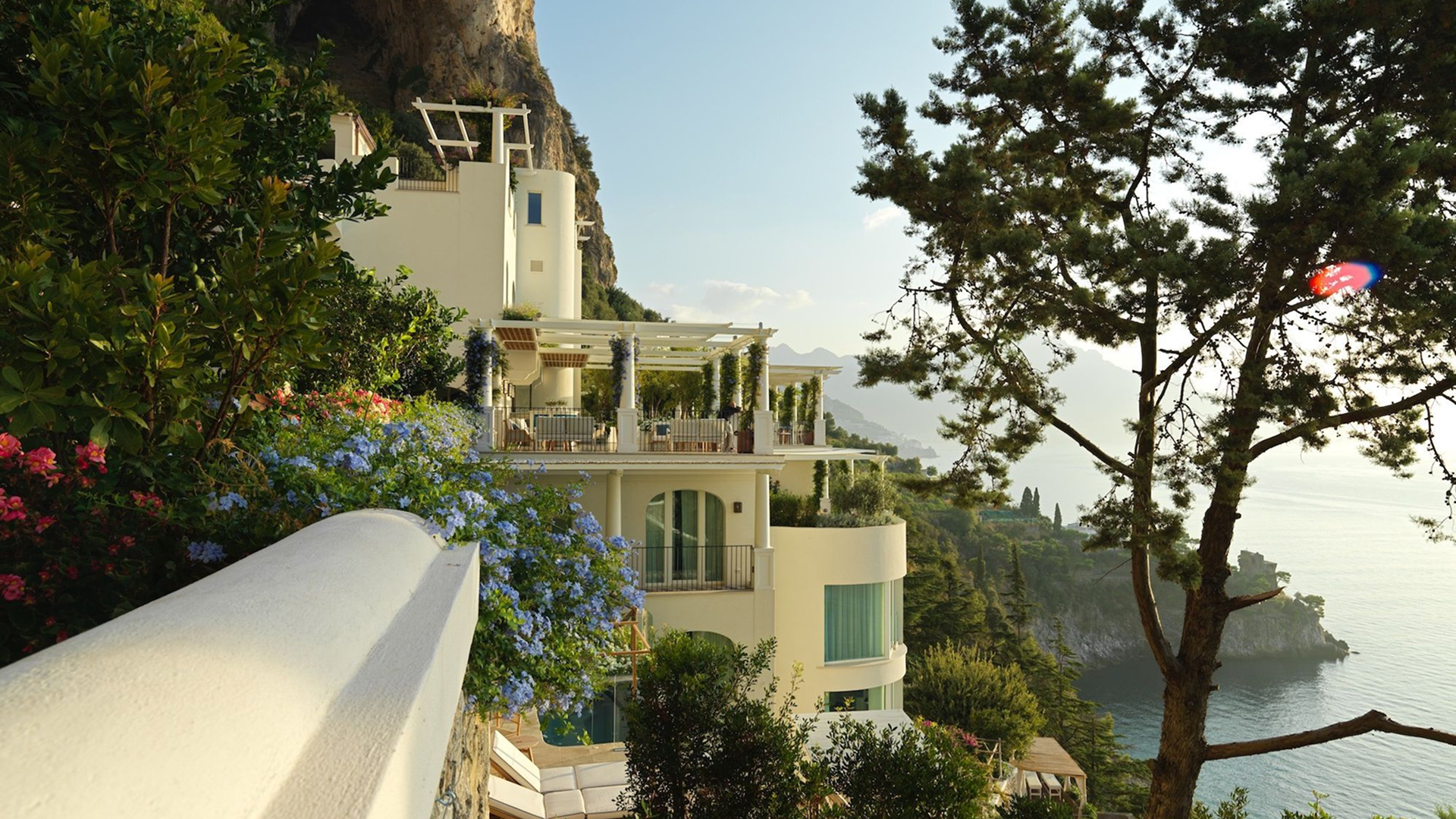
Borgo Santandrea illustrates this dynamic particularly well. Travellers often encounter the property through architectural photography, editorial features, or social media before exploring its website in greater depth. Each platform communicates the same identity, allowing visitors to move naturally between discovery and consideration without encountering conflicting messages.
Search remains a central stage of evaluation
Even when travellers first discover a hotel elsewhere, Google often becomes the next destination. They search for the property’s name, compare reviews, verify its location, explore photography, and assess whether the hotel appears as credible as the initial recommendation suggested.
Search therefore functions less as a discovery tool alone and more as an environment where confidence is tested. Hotels that invest in organic visibility, accurate local information, and high-quality branded search results strengthen this critical stage of the customer journey.
Social media accelerates early consideration
Visual platforms have become important sources of inspiration because they allow travellers to imagine experiences before they define travel dates or budgets.
Instead of promoting accommodation alone, social content often introduces the atmosphere surrounding a destination, the character of the property, and the lifestyle associated with staying there. This early emotional connection frequently influences which hotels travellers investigate more thoroughly later.
Confidence develops through repeated interactions
Booking a hotel involves financial commitment and personal expectations. Travellers therefore seek reassurance throughout the decision-making process rather than relying on a single source of information.
Every additional interaction either strengthens or weakens confidence. Reviews confirm service quality. Editorial content demonstrates expertise. Photography reveals the physical environment. The booking experience reflects professionalism. Together, these elements reduce perceived risk before payment is made.
Le Barn creates this continuity by maintaining a consistent relationship between its visual identity, editorial communication, guest reviews, and website experience. Visitors encounter the same hospitality philosophy regardless of where they interact with the brand, making the decision to book feel progressively more certain.
The website connects every stage of the journey
The official website no longer represents the beginning of the booking journey. More often, it becomes the place where travellers consolidate information collected elsewhere.
Its role extends beyond presenting accommodation. The website should answer questions generated during earlier research, clarify the positioning of the property, demonstrate credibility, and make the transition towards reservation as straightforward as possible.
Direct communication removes remaining uncertainty
Not every traveller completes a reservation immediately after visiting the booking engine. Questions regarding room categories, transfers, dietary requirements, celebrations, or flexible conditions often remain.
Email, telephone, live chat, and direct messaging allow hotels to address these uncertainties before they become reasons to abandon the booking altogether. Responsive communication therefore supports conversion while reinforcing the perception of attentive hospitality.

The relationship continues after the reservation
The customer journey does not conclude when payment is confirmed. Every interaction before arrival influences guest expectations, while every interaction afterwards shapes future demand.
Confirmation emails, pre-arrival communication, personalised recommendations, post-stay follow-ups, newsletters, and loyalty initiatives all contribute to extending the relationship beyond a single transaction. Hotels that maintain meaningful communication between visits gradually reduce their dependence on continuous customer acquisition because previous guests remain connected to the brand.
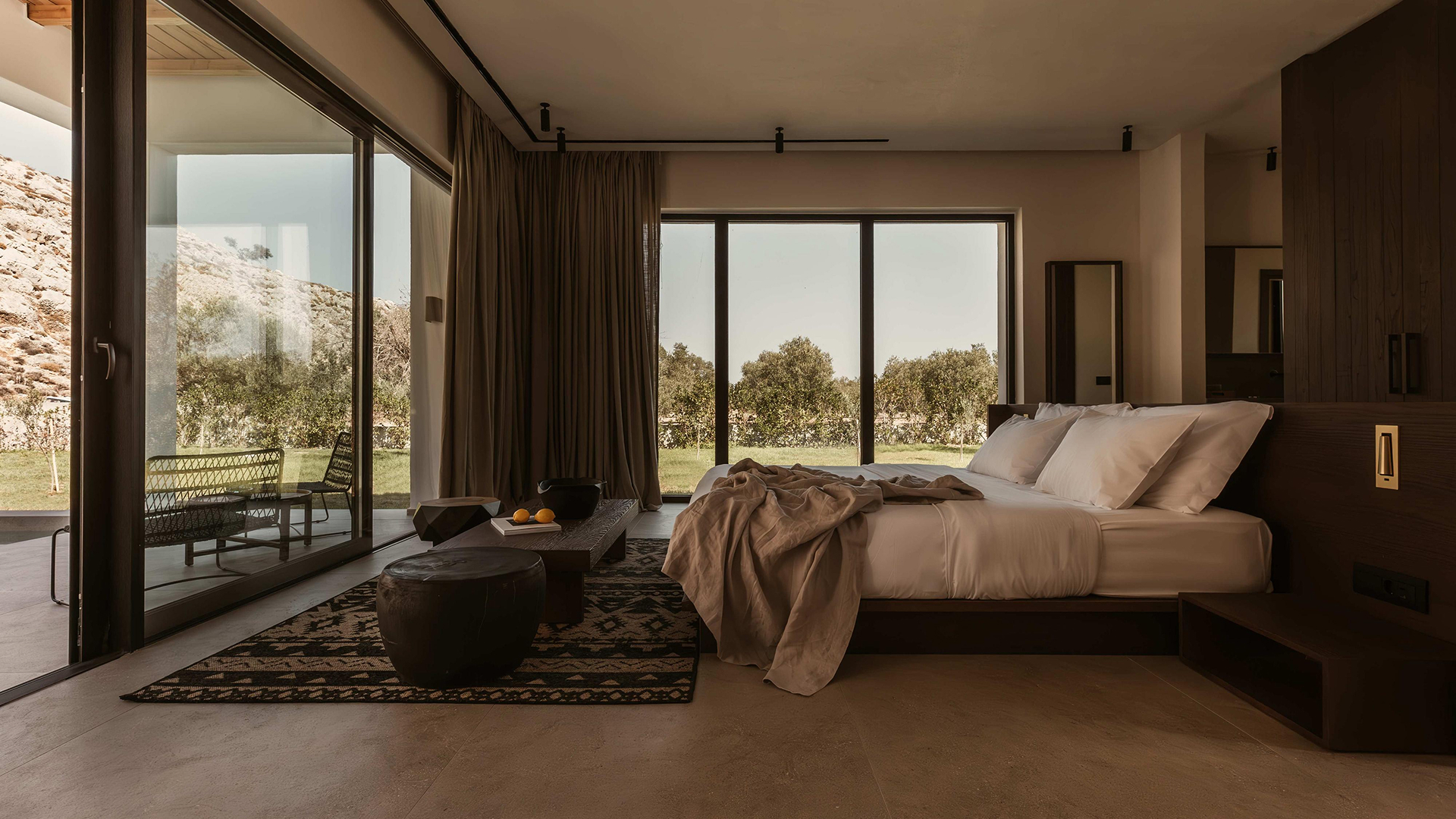
Explora Lodges demonstrates the value of this longer-term perspective. Its communication extends beyond accommodation to include destinations, exploration, conservation, and travel philosophy, allowing guests to remain engaged with the brand long after returning home.
CRM transforms isolated bookings into recurring relationships
Customer relationship management becomes significantly more valuable when it reflects the entire guest lifecycle instead of functioning solely as a promotional tool.
Travel preferences, previous stays, seasonal interests, and past interactions enable more relevant communication that feels connected to the guest’s relationship with the property rather than disconnected marketing campaigns.
Measurement should reflect the complete journey
Last-click attribution provides only a partial view of how bookings occur. A reservation attributed to branded search may have originated weeks earlier through social media, editorial content, public relations, or an email campaign.
Understanding the hospitality customer journey therefore requires analysing how different channels contribute collectively rather than evaluating each one in isolation. This broader perspective supports better investment decisions because it reflects how travellers actually behave.
Successful hotels create continuity across every touchpoint
The modern hotel booking journey is shaped by accumulation rather than sequence. Travellers move repeatedly between inspiration, research, comparison, conversation, and reservation before deciding where to stay. Every interaction contributes another layer of confidence, making consistency across channels more valuable than excellence within any single platform.
Hotels that understand this evolution build integrated customer journeys where search, social media, reviews, websites, direct communication, CRM, and post-stay engagement all reinforce the same positioning. Instead of managing separate marketing channels, they create one coherent experience that accompanies travellers from their first discovery to their next reservation.
For hospitality brands seeking stronger direct bookings and deeper guest relationships, aligning every touchpoint around a shared commercial and brand strategy has become one of the most important drivers of long-term performance. That integrated approach continues to shape the hospitality growth strategies developed by Epikure.