
A rebrand should respond to a strategic objective
Hotels often initiate a rebranding project after completing a renovation or appointing a new operator. While these milestones frequently justify revisiting the brand, they should not become the sole reason for changing it. A successful hotel rebranding responds to a broader commercial objective, whether that means attracting a different audience, strengthening price positioning, improving differentiation, or adapting to new market conditions.
Without this strategic foundation, rebranding risks becoming an aesthetic exercise. The property may look different, yet guests continue to perceive it in exactly the same way.
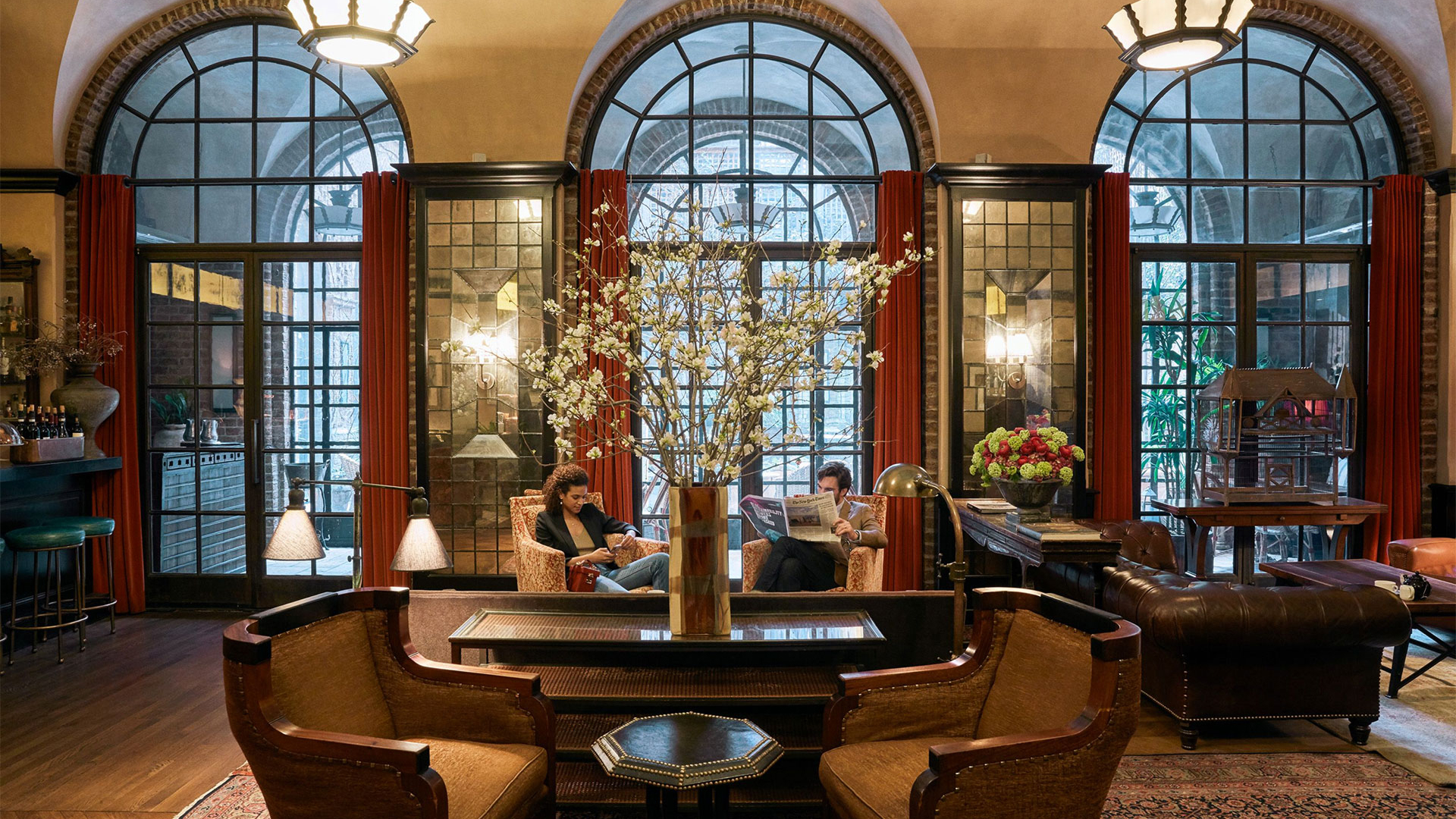
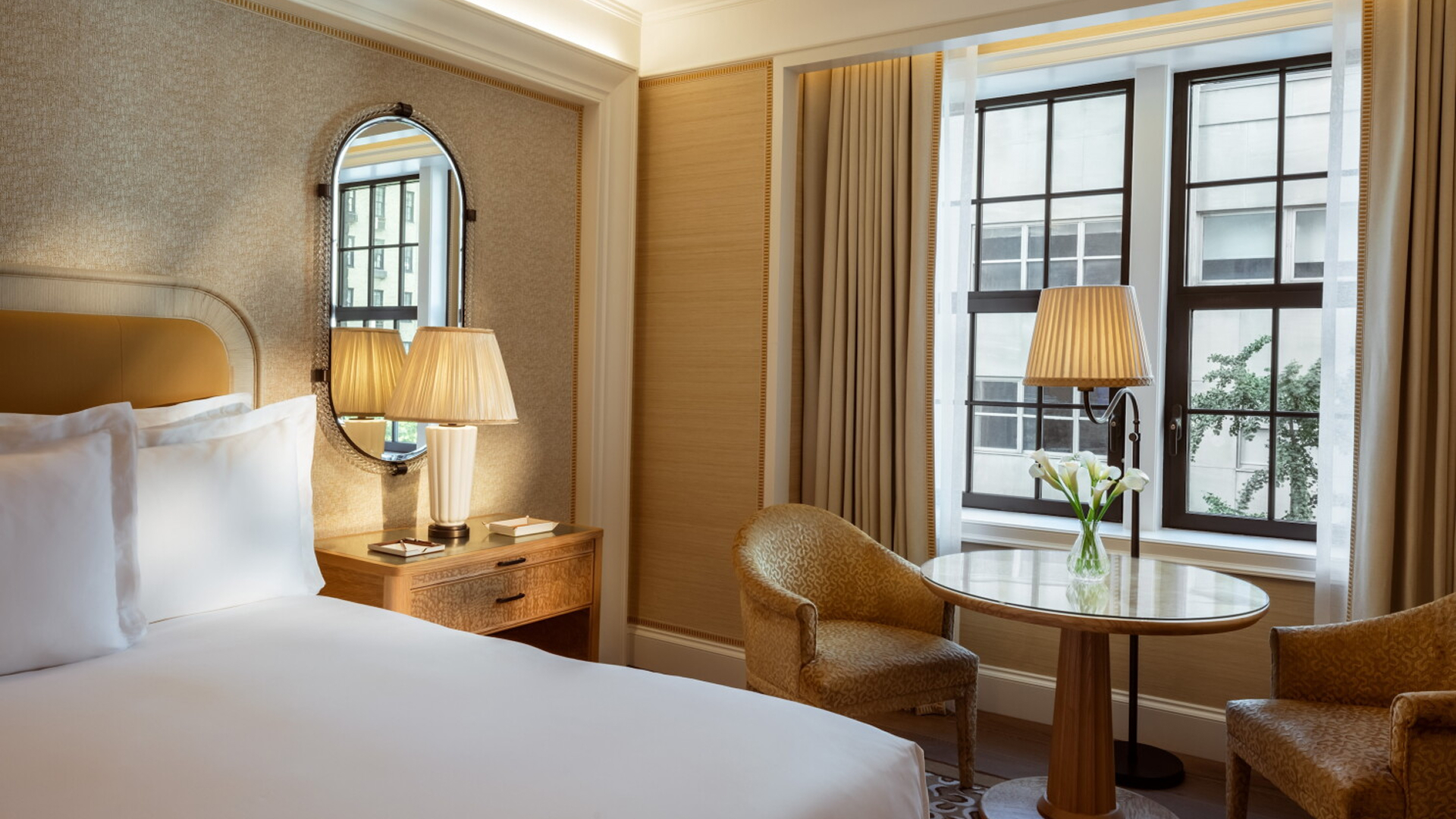
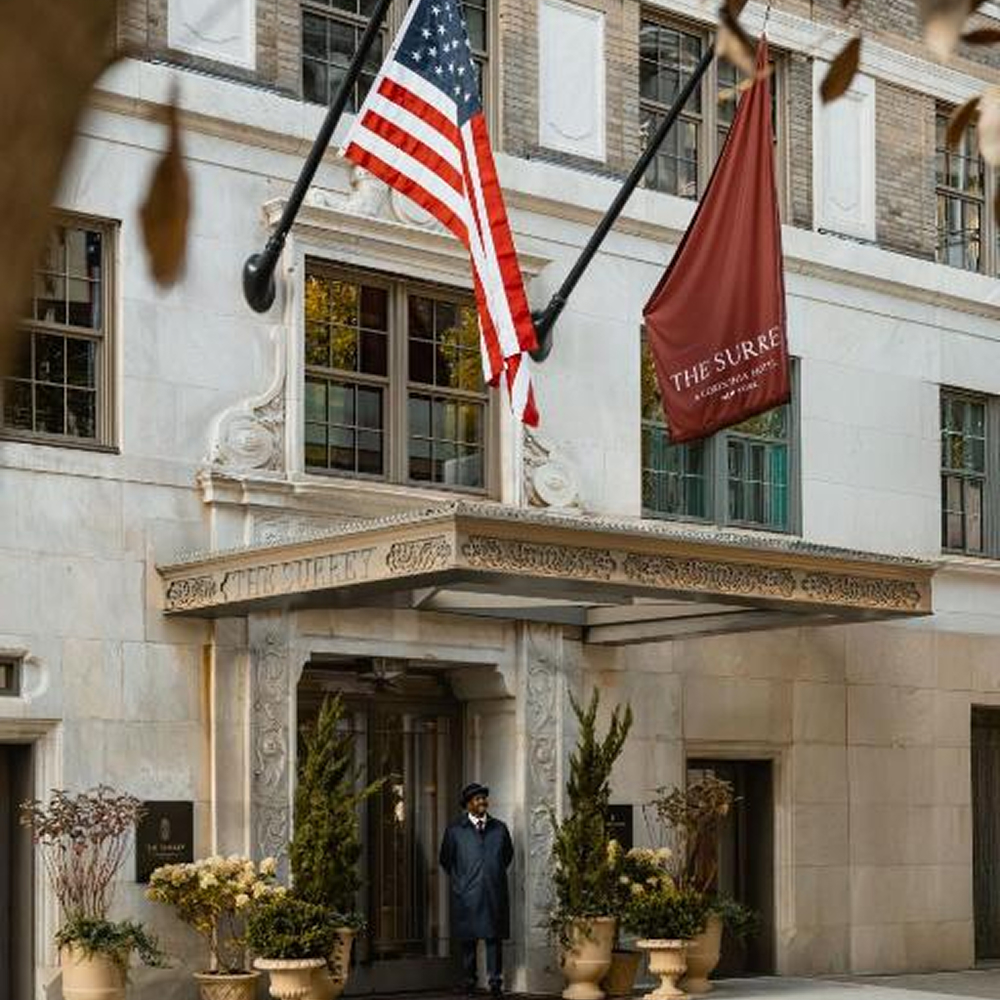
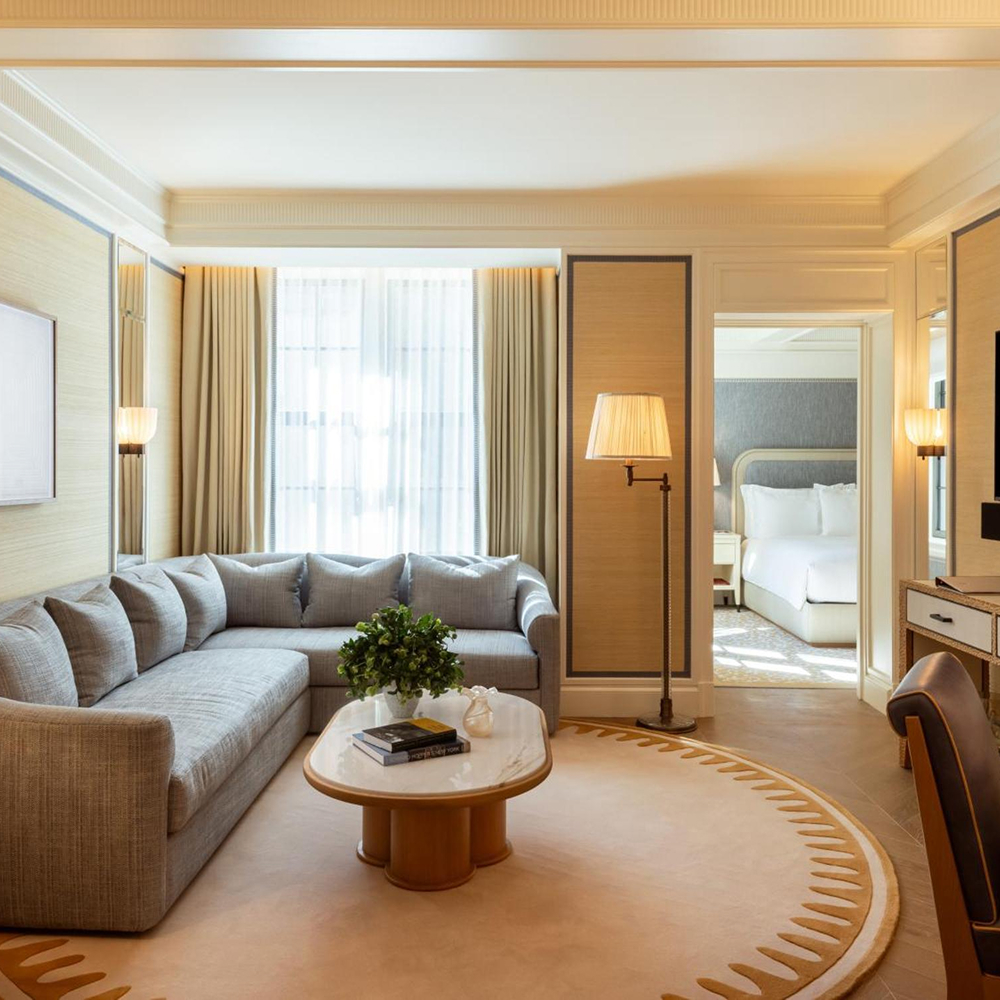
The Surrey, A Corinthia Hotel illustrates this transition. The property’s reopening was not limited to refreshed interiors or updated branding. It introduced a new positioning within New York’s luxury hospitality market, redefining the guest proposition alongside the physical transformation. The visual identity became the expression of a broader strategic evolution rather than the project itself.
Declining desirability often signals a positioning issue
Hotels do not always lose appeal because facilities become outdated. In many cases, the offer no longer reflects what the market expects or values.
A property may continue delivering a high standard of service while competing with brands that communicate a clearer identity or respond more effectively to changing traveller preferences. Revisiting positioning helps determine whether the challenge lies in the product itself or in the way it is perceived.
Market evolution changes competitive context
Destinations rarely remain static. New hotel openings, changing visitor profiles, improved transport links, or the emergence of new travel behaviours all reshape competitive dynamics.
A positioning that proved successful ten years ago may no longer provide sufficient differentiation today. Repositioning allows hotels to respond to these structural changes without abandoning the strengths that originally defined the property.
Repositioning comes before visual identity
One of the most common mistakes in hospitality rebranding is beginning with design. New logos, websites, photography, or brand guidelines may improve appearance, but they cannot define what the business stands for.
Hotel repositioning starts by identifying the audience the property intends to serve, the experience it wants to deliver, and the role it seeks to occupy within the market. Only once these decisions have been made can visual identity communicate them consistently.
The Fifth Avenue Hotel entered one of the world’s most competitive hospitality markets with a clearly articulated identity rather than relying solely on architectural distinction. Design, editorial tone, guest experience, and digital presence all reinforce the same positioning, allowing the property to establish recognition despite strong competition.
Branding should express strategic decisions
Brand identity becomes valuable when it reflects choices already embedded within the business. Typography, photography, graphic systems, and tone of voice gain meaning because they communicate a clearly defined positioning rather than attempting to compensate for its absence.
This sequence produces stronger recognition because guests encounter the same message across every interaction.
Guest experience should evolve alongside the brand
A repositioning project reaches beyond communication. Service culture, food and beverage concepts, programming, partnerships, pricing, and operational standards often require adjustment to support the new direction.
When the guest experience remains unchanged while communication promises something different, confidence declines because expectations and reality no longer align.
Successful hospitality rebranding requires consistency over time
A new identity becomes credible through repeated experience rather than through a launch campaign. Guests gradually form a new perception as they encounter consistent signals across digital channels, physical spaces, service interactions, and word of mouth.
This process takes time. Strong rebranding projects establish clear principles that guide future decisions instead of treating rebranding as a one-off marketing initiative.
The BoTree demonstrates this approach by combining architecture, neighbourhood positioning, food and beverage, partnerships, digital communication, and service philosophy into one coherent identity. The brand feels established because every touchpoint contributes to the same commercial direction.
Communication should explain the evolution
Returning guests often compare the new identity with the previous one. Explaining why the hotel has evolved helps reduce confusion and reinforces confidence.
Whether the transformation follows a renovation, a new ownership structure, or a revised positioning, communication should present the evolution as a logical progression rather than a complete break with the property’s history.
Rebranding should improve commercial performance
The success of a hospitality rebranding project should not be measured by visual appreciation alone. Stronger direct bookings, improved pricing power, higher-quality demand, increased guest loyalty, and clearer market recognition provide more meaningful indicators of long-term value.
When strategic positioning, operations, and communication evolve together, the brand becomes easier to understand and easier to choose.
Hospitality rebranding begins with redefining the business, not redesigning the brand
Hotels rarely strengthen their market position through visual identity alone. Sustainable change comes from reassessing who the property serves, what experience it offers, and how it should be perceived within an evolving competitive environment.
Once this strategic foundation is established, branding, digital experience, photography, editorial content, and guest interactions can communicate the same direction with consistency. Rebranding then becomes the visible outcome of a deeper commercial transformation rather than an isolated design exercise.
For hospitality businesses considering a repositioning, the greatest value often comes from aligning business strategy, guest experience, and brand identity before any creative work begins. That strategic approach continues to guide the hospitality branding and repositioning projects developed by Epikure.