
Direct bookings begin long before the reservation
Guests rarely decide where to book at the final stage of their journey. Their decision develops progressively through search results, local recommendations, digital content, reviews, maps, and previous interactions with the brand. Hotels that rely exclusively on their booking engine overlook the many moments that influence whether a traveller eventually books directly or chooses an intermediary.
A successful direct booking strategy therefore starts before visitors even reach the website. Every digital channel should contribute to building familiarity, reducing uncertainty, and increasing confidence before the reservation process begins.
The Pig Hotels have developed a strong direct relationship with their audience by combining editorial storytelling, destination content, newsletters, and a distinctive brand identity across every digital platform. The website becomes one element within a broader ecosystem rather than the sole driver of direct reservations.
Visibility should extend beyond online travel agencies
Hotels often compete aggressively within OTA platforms while investing comparatively little in the digital channels they control themselves. Organic search, local search visibility, editorial content, and brand recognition all influence whether travellers begin their journey with the hotel rather than with a marketplace.
Strengthening these channels gradually increases the proportion of visitors who already know the property before comparing offers elsewhere.
Google Business Profile influences booking behaviour
For many travellers, Google Business Profile represents the first interaction with a hotel. Photography, reviews, opening information, location, amenities, and direct website access all contribute to booking decisions before visitors even reach the homepage.
A well-maintained profile improves visibility in local search while encouraging prospective guests to continue their journey through the hotel’s own digital channels instead of defaulting to intermediary platforms.
Every direct channel should reinforce the others
Hotels frequently approach SEO, email marketing, social media, paid advertising, and CRM as separate activities managed independently. Commercial performance improves when these channels work together instead of competing for attention.
Each interaction should increase the likelihood of the next one. Organic search introduces the property. The website develops understanding. Email maintains the relationship. Social media reinforces familiarity. Returning guests receive personalised communication that encourages future direct reservations.
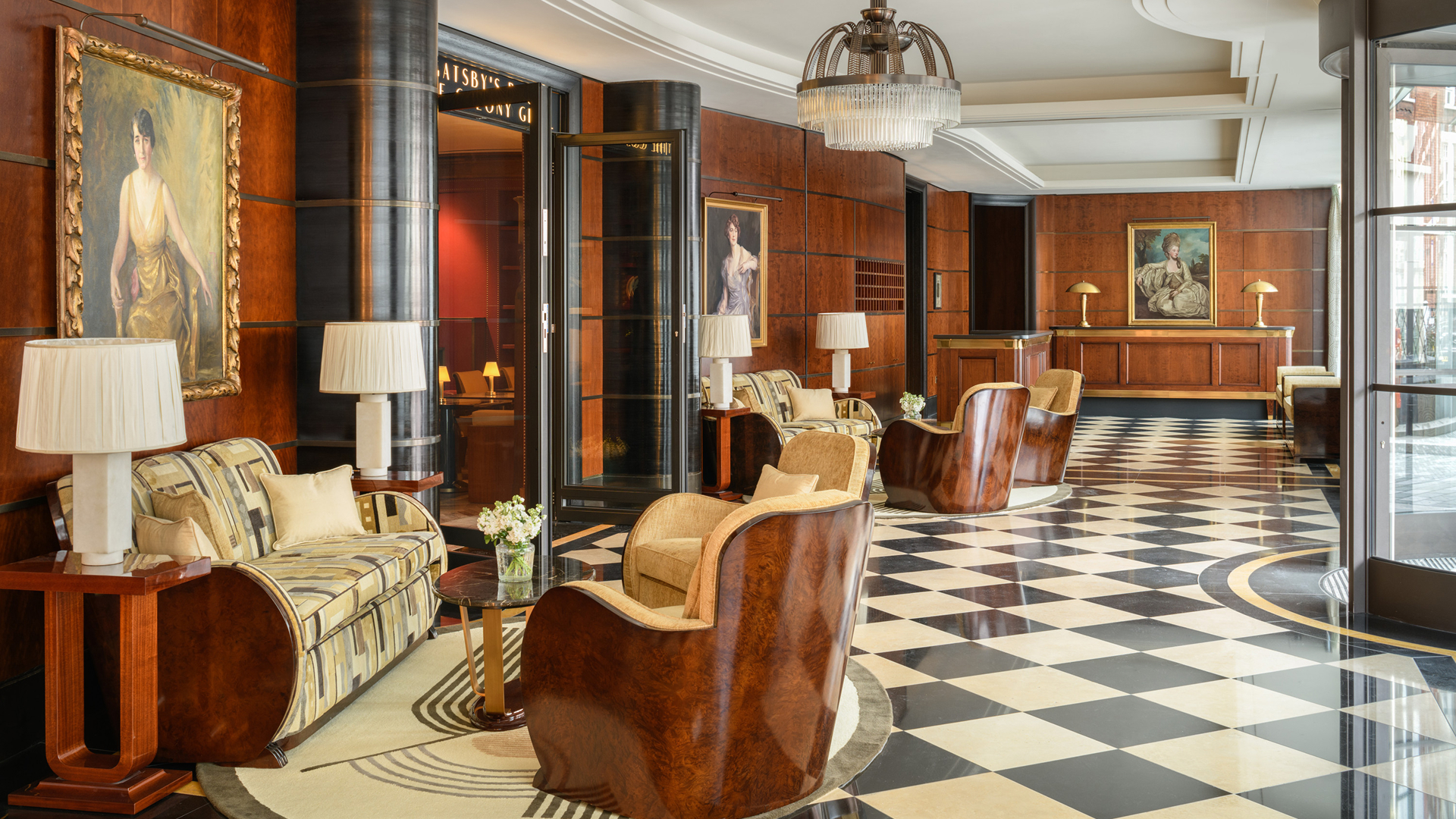
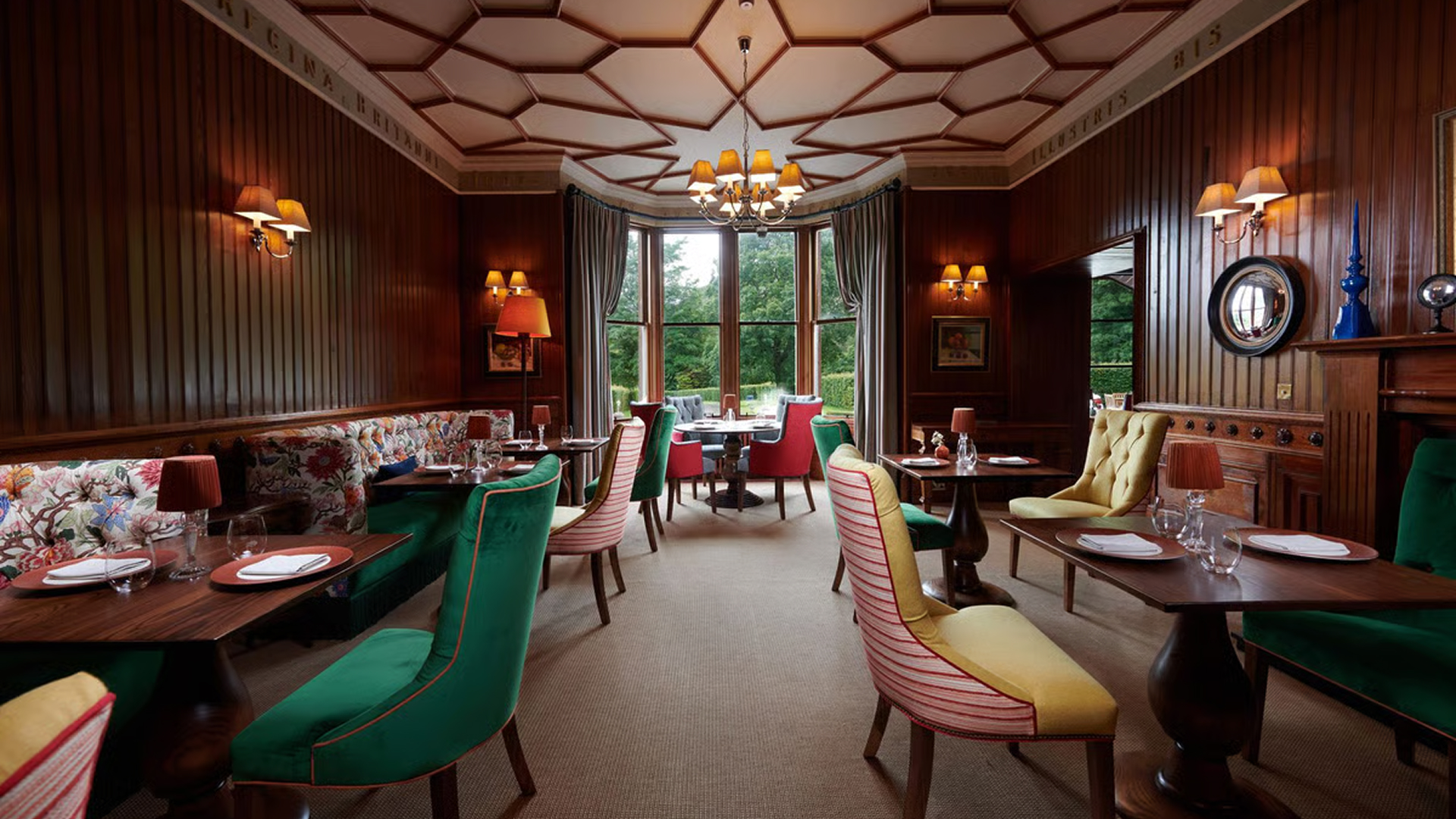
Beaverbrook illustrates this continuity through a digital presence where editorial content, experiences, accommodation, restaurants, and seasonal programming support one coherent brand narrative. Guests remain connected to the property long after their stay because communication continues beyond the initial reservation.
CRM transforms one booking into a lasting relationship
A guest who books directly provides more than immediate revenue. They create an opportunity to build an ongoing relationship based on permission rather than platform dependency.
Thoughtfully structured CRM programmes allow hotels to communicate before arrival, during the stay, and after departure with relevant information, exclusive offers, or destination updates. Over time, repeat bookings become less dependent on paid acquisition because the relationship already exists.
Landing pages improve commercial precision
Hotels often direct every campaign towards the homepage, regardless of visitor intent. Dedicated landing pages generally perform more effectively because they connect a specific audience with a specific proposition.
A traveller searching for a wellness retreat, a seasonal package, or a local event should arrive on a page answering that precise need instead of navigating through unrelated information before reaching the booking engine.
Distribution strategy should support commercial independence
Reducing OTA dependence is not only about attracting more visitors. It is equally about converting existing demand more effectively once travellers interact with the brand.
Every stage of the booking journey should minimise unnecessary friction. Reservation buttons should remain visible, the booking engine should feel fully integrated, pricing should be transparent, and tracking should identify where visitors leave the journey before completing a reservation.
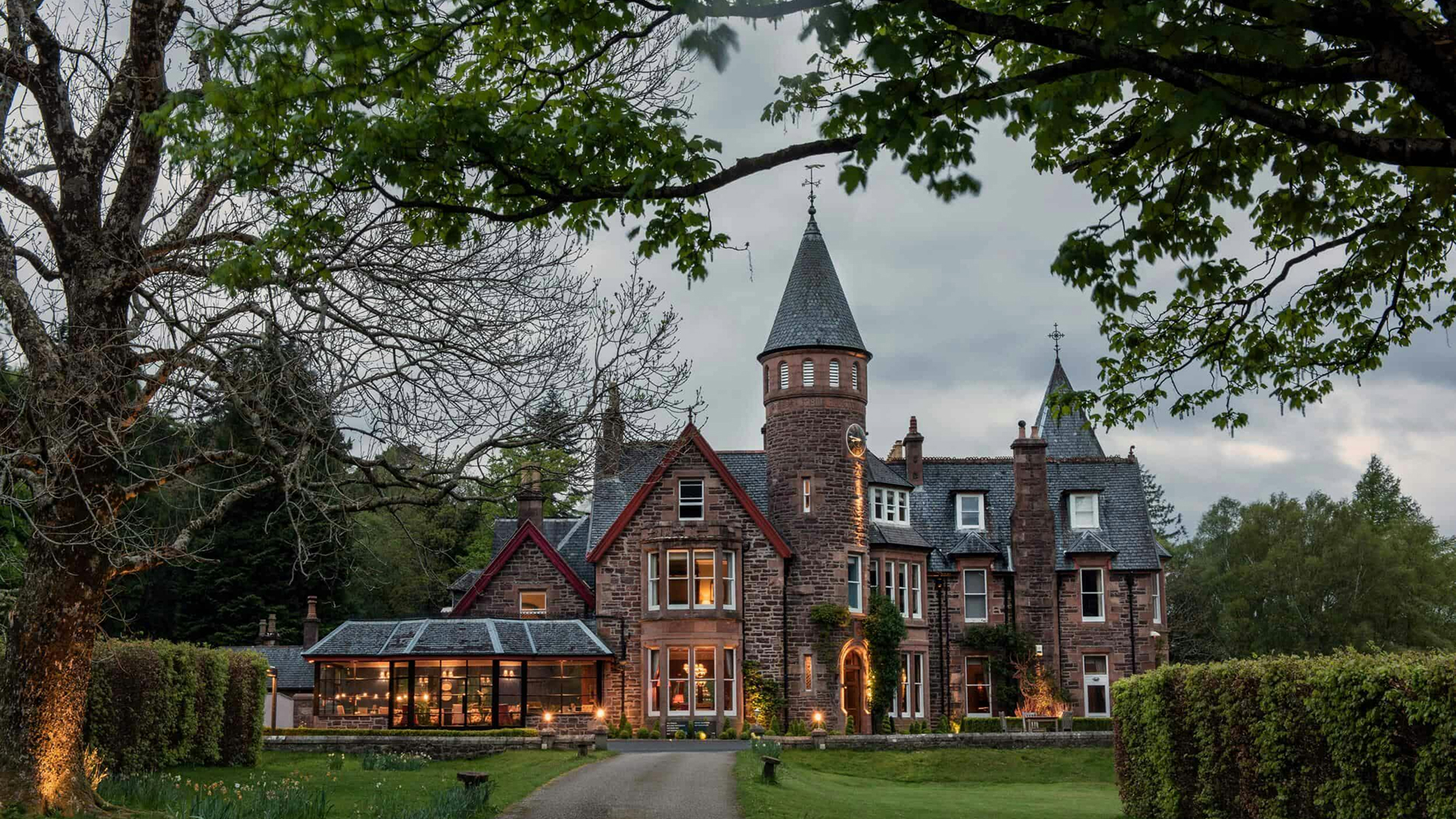
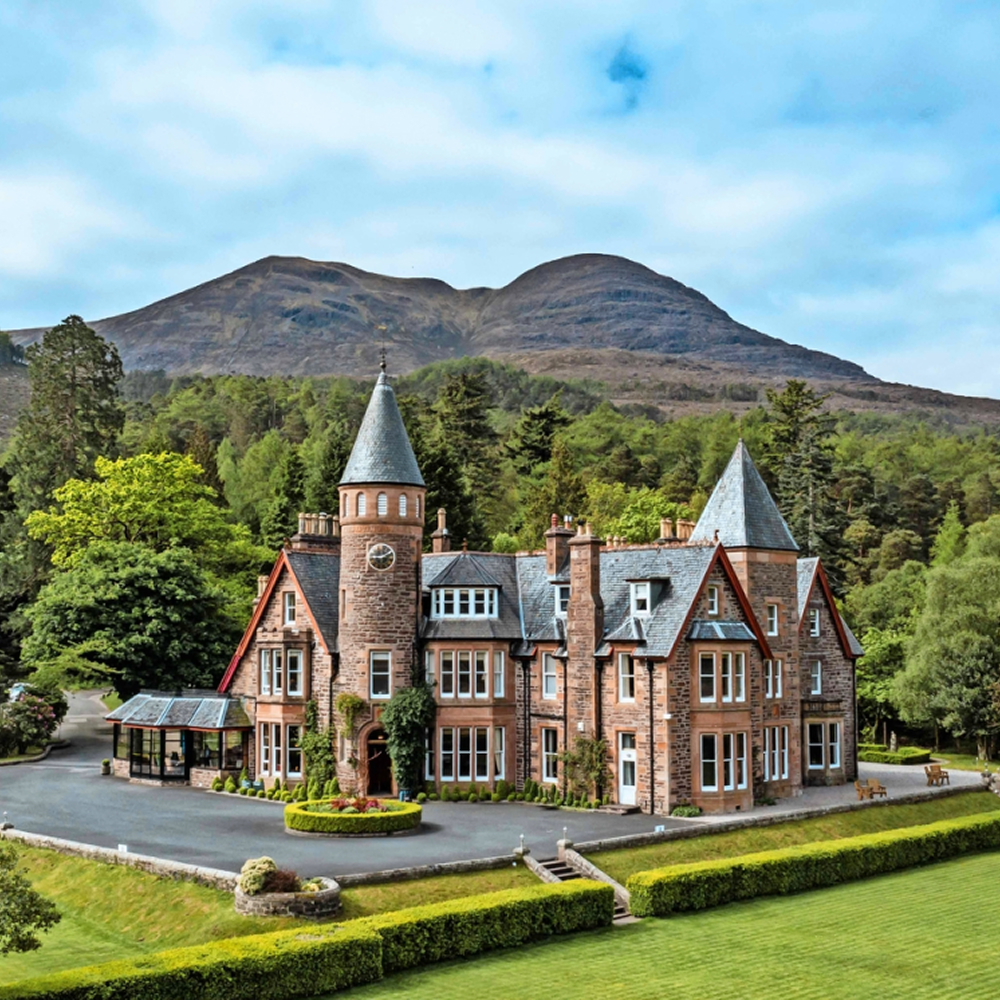
The Torridon demonstrates how a well-structured website can combine accommodation, dining, outdoor experiences, gift vouchers, and seasonal offers within one coherent booking environment. Visitors can move naturally between inspiration and reservation without encountering disconnected interfaces.
Measurement should guide commercial decisions
Hotels cannot strengthen direct bookings without understanding how visitors behave across digital channels. Tracking reveals where prospective guests arrive, which pages influence decisions, where they leave the booking journey, and which campaigns generate qualified reservations rather than simple traffic.
These insights allow marketing investment to focus on activities that improve direct revenue instead of maximising visibility alone.
The booking experience should reflect the brand
The reservation process forms part of the guest experience. Long forms, inconsistent interfaces, hidden costs, or unnecessary redirects weaken confidence during the final stage of the journey.
Hotels that maintain the same visual identity, tone of voice, and ease of navigation from the first website visit through booking confirmation strengthen both conversion and brand perception. The reservation process should feel like a natural continuation of the experience already presented elsewhere.
Stronger direct bookings come from stronger commercial ecosystems
Hotels rarely reduce OTA dependence through a single initiative. Sustainable progress comes from combining multiple channels into one coherent strategy where search visibility, Google Business Profile, website performance, CRM, email marketing, landing pages, social media, and booking technology reinforce one another continuously.
OTAs will remain an important distribution partner for many properties. The objective is not to replace them entirely, but to ensure they no longer define the commercial future of the business. As direct bookings grow, hotels gain greater control over customer relationships, pricing, data, and long-term profitability.
For hospitality brands seeking to strengthen their distribution strategy, the greatest opportunity often lies in connecting every owned digital channel into one consistent commercial ecosystem rather than optimising each channel independently. This integrated approach continues to shape the hospitality growth strategies developed by Epikure.