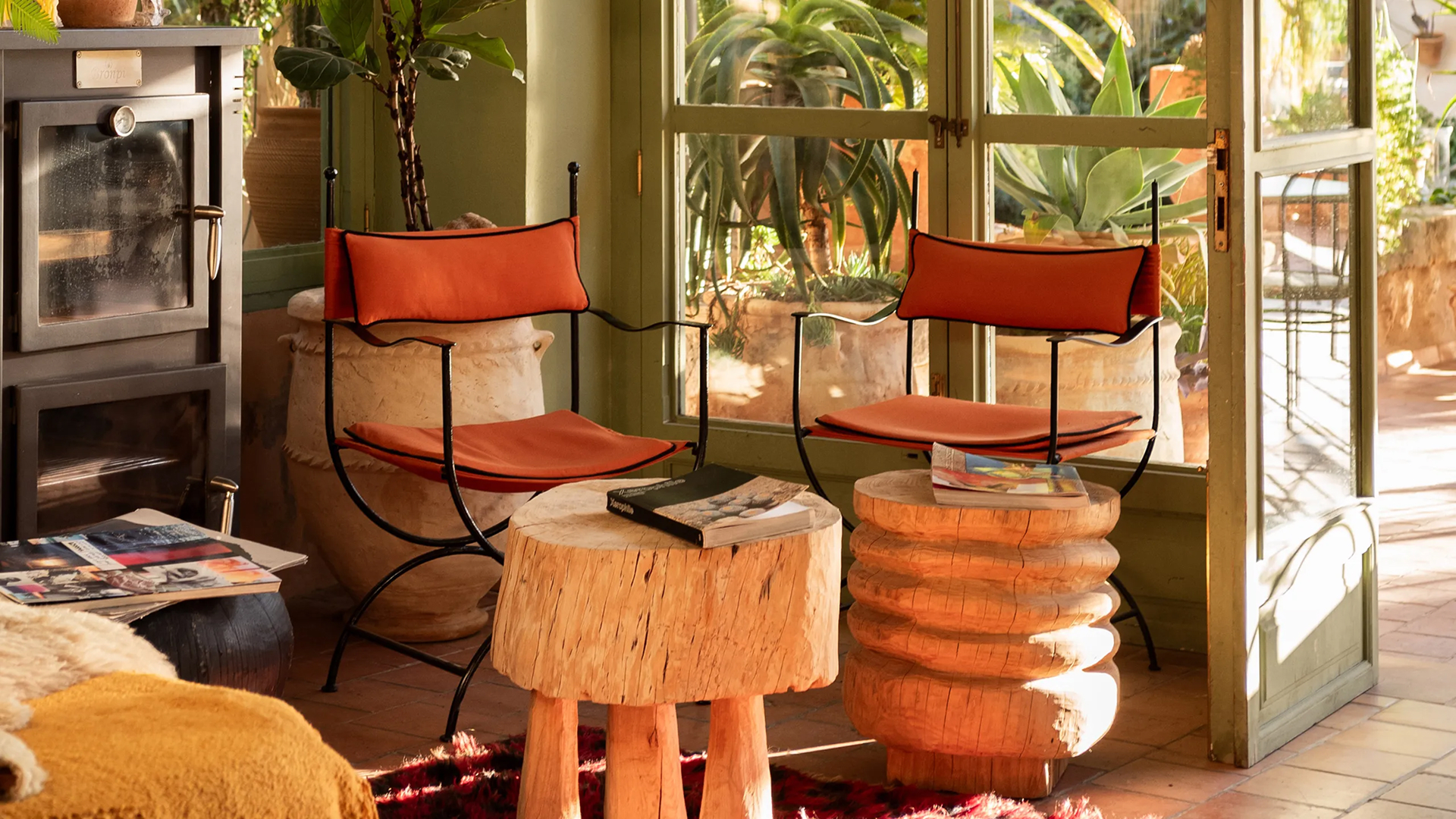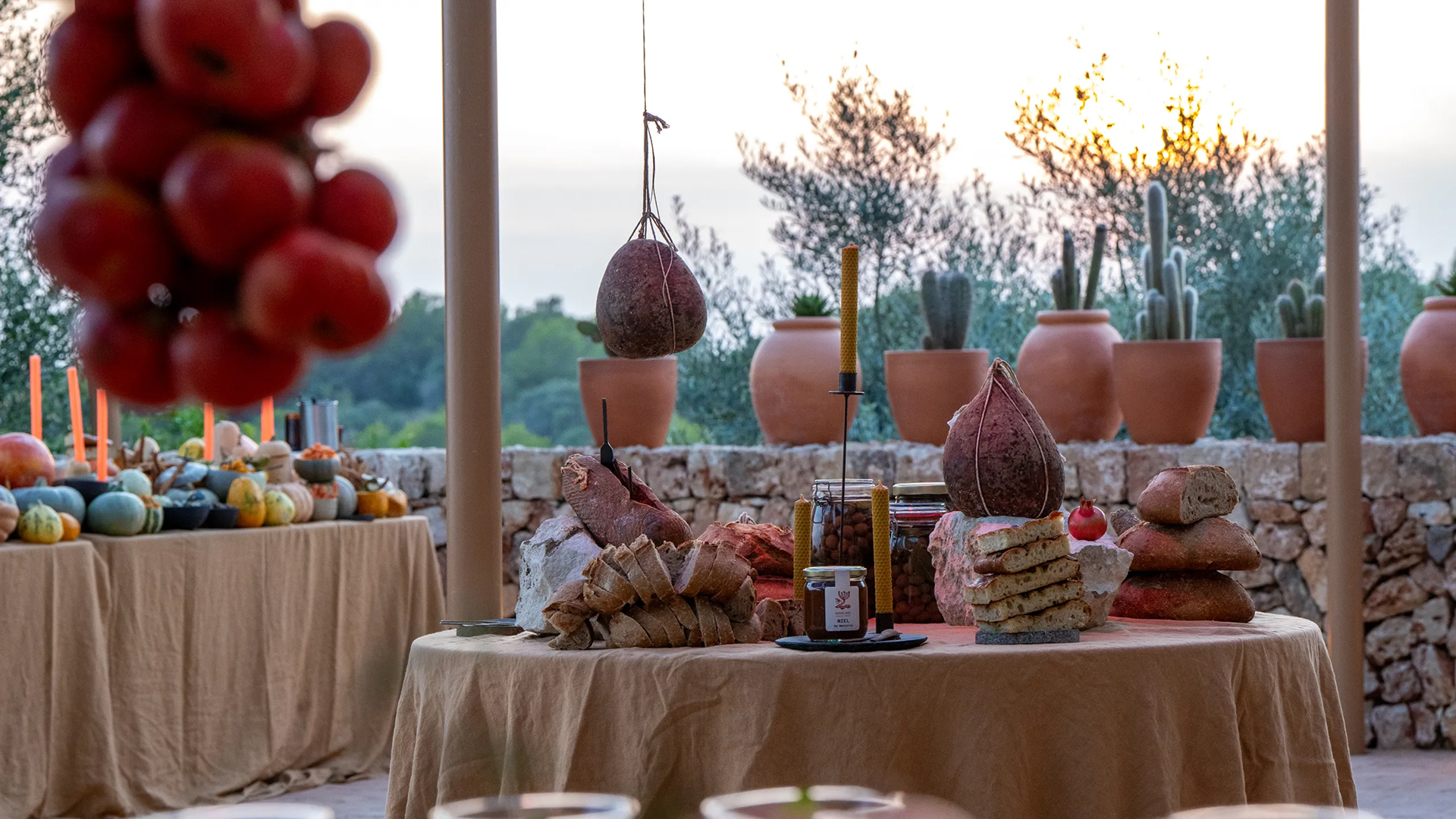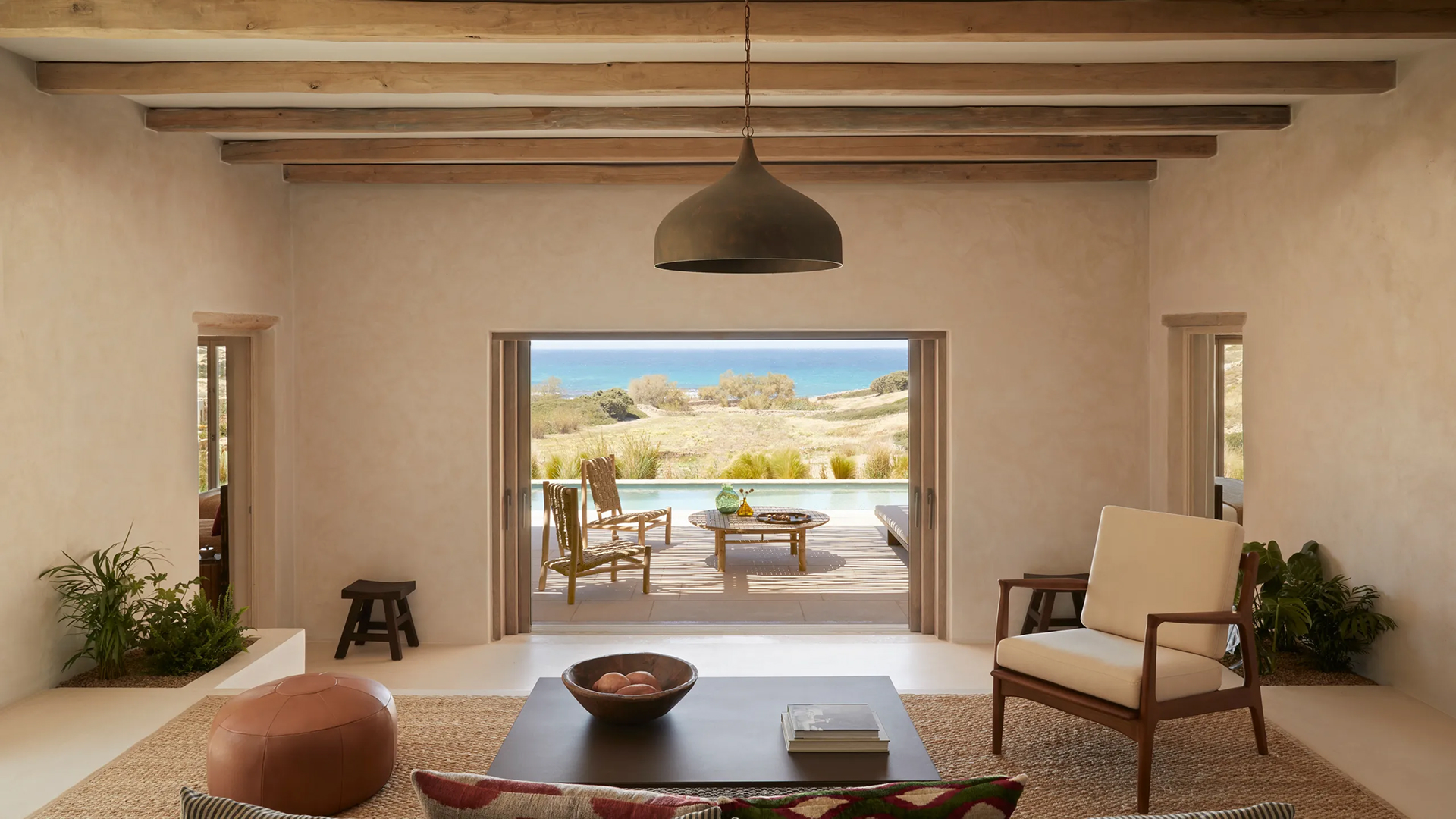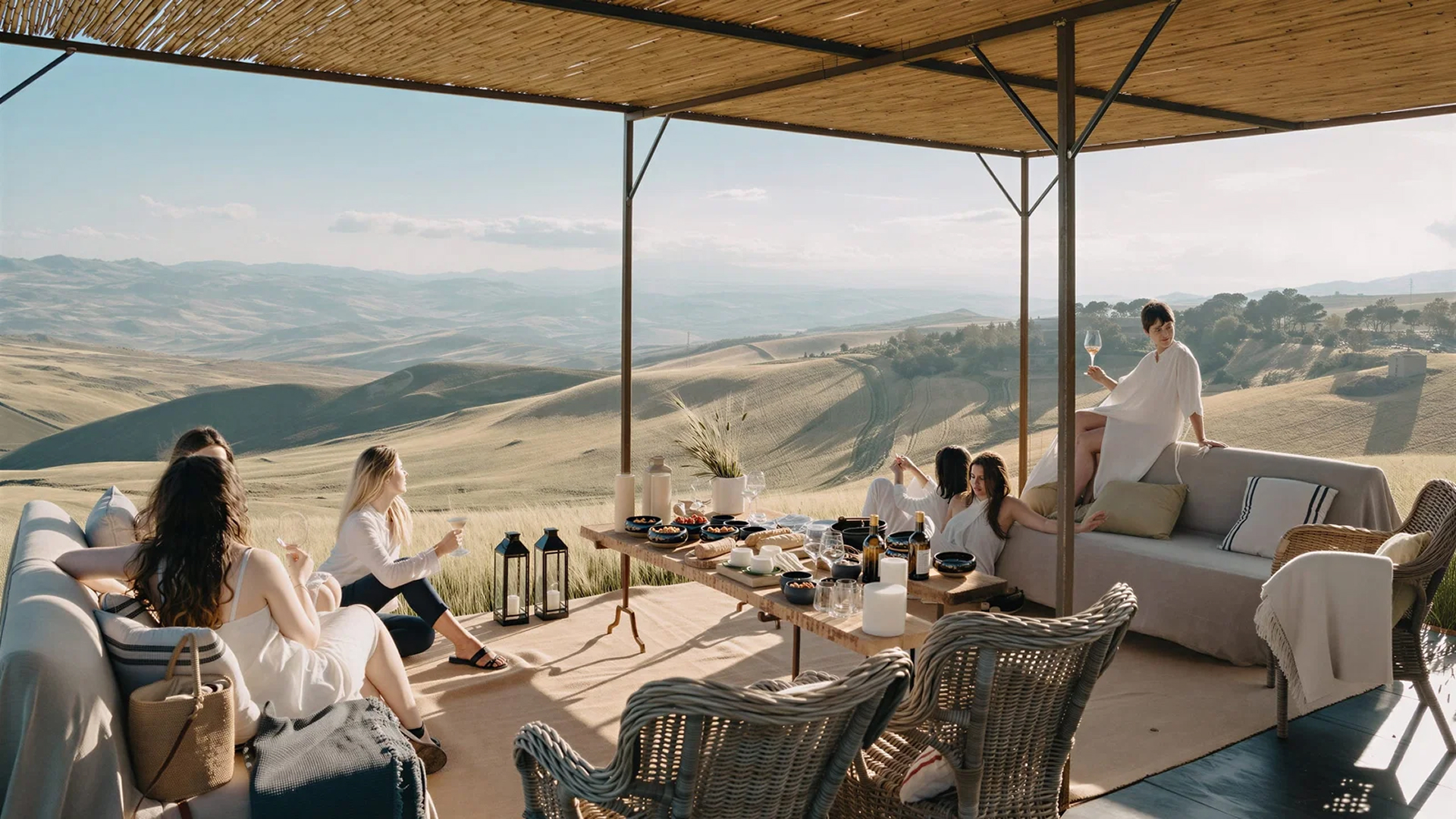
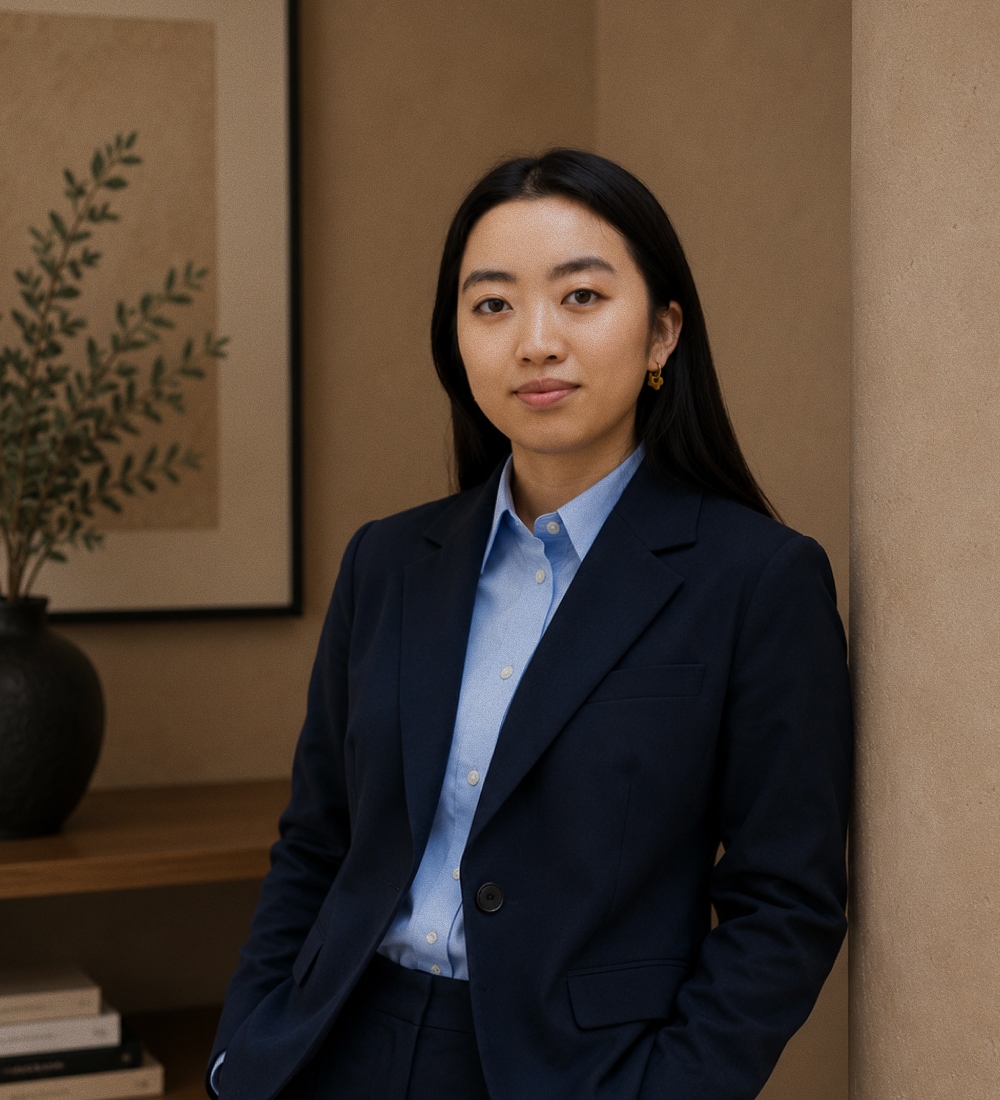
Materials define atmosphere before decoration
Guests understand the emotional direction of a hotel through surfaces and textures long before they focus on furniture or styling details. Materials establish whether a property feels calm, urban, grounded, residential, monumental, or intimate within seconds of arrival.
San Canzian in Croatia structures its identity around stone, timber, muted plaster, and restrained tonal contrast that reinforce the surrounding Istrian environment. Materials absorb light softly and support a slower visual rhythm across guestrooms and shared spaces. Guests perceive continuity because textures follow the same emotional logic throughout the property.
Texture shapes emotional comfort
Soft mineral surfaces, natural fibres, untreated woods, and matte finishes often produce calmer environments because they diffuse light and reduce visual tension naturally. Guests respond positively to spaces where texture supports sensory balance instead of overstimulation.
The Lodge Mallorca structures interiors around natural textures and restrained material transitions that reinforce quietness and spatial stability. The atmosphere feels controlled because materials support one consistent emotional direction without excessive variation.
Contradictory materials weaken positioning
Hotels often lose coherence when material choices follow trend accumulation instead of strategic clarity. A property positioned around simplicity and calm can quickly feel fragmented if reflective finishes, decorative contrasts, or unrelated textures compete for attention.
Guests notice these inconsistencies indirectly through discomfort, visual fatigue, or lack of emotional clarity even when individual materials appear luxurious in isolation.
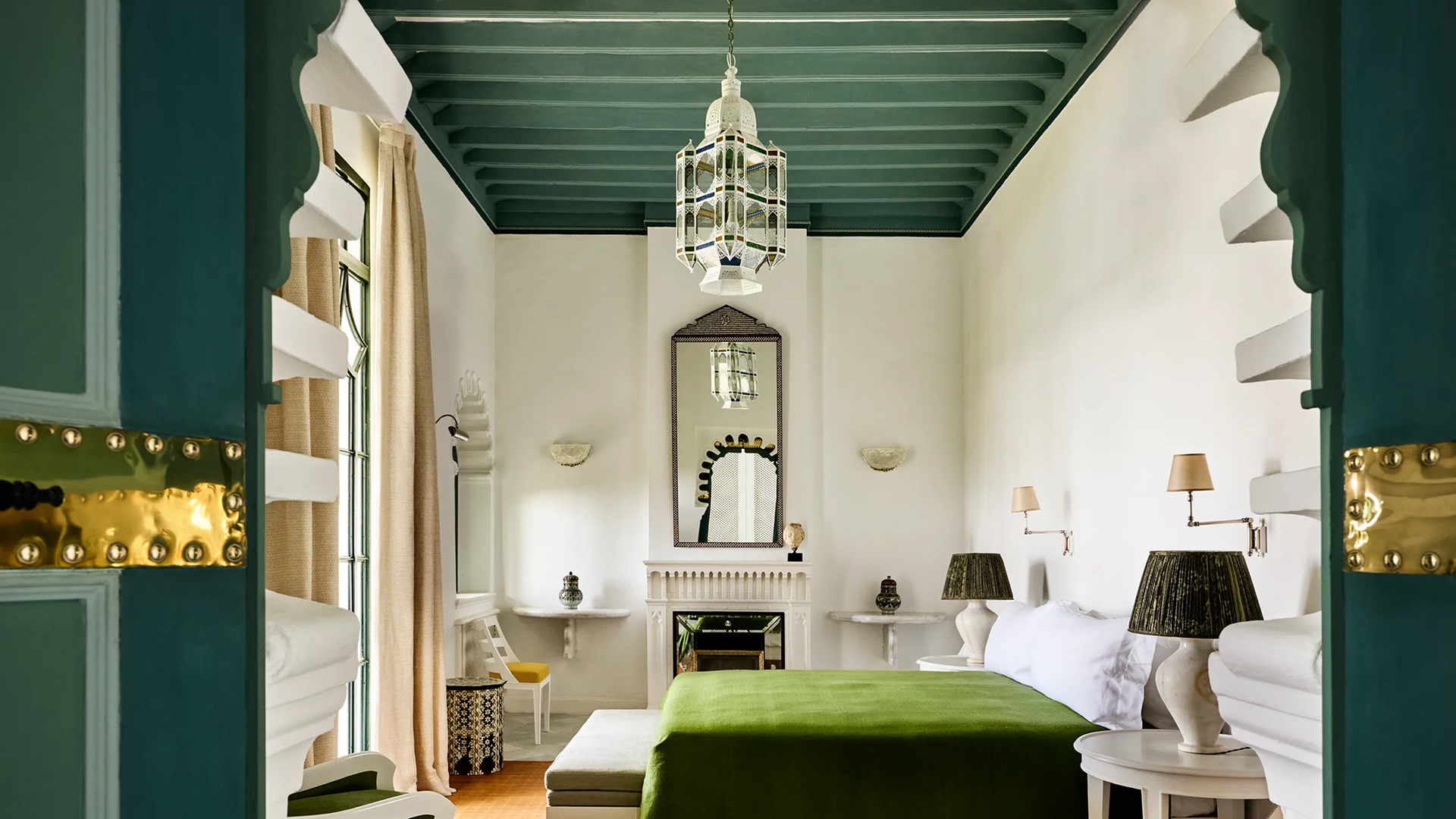
Material coherence strengthens brand recognition
Hotels build stronger identity when materials remain consistent across architecture, guestrooms, dining spaces, wellness areas, and circulation. Guests then associate the property with a recognisable tactile and visual language rather than with isolated design moments.
Son Blanc Farmhouse in Menorca maintains coherence through limewash surfaces, natural woods, stone flooring, and restrained detailing that extend across the entire guest experience. Materials connect every space to the same environmental and architectural logic. Guests experience the hotel as one unified atmosphere rather than as a sequence of disconnected interiors.
Materials communicate positioning directly
Hospitality positioning becomes easier to understand when textures align naturally with the intended guest experience. Heavy stone and dark timber generate different emotional expectations than pale linen, open grain oak, or polished concrete.
Casa TO in Puerto Escondido relies on raw plaster, mineral textures, and controlled tonal simplicity that support the architectural restraint of the property. Materials communicate calm and environmental integration immediately without requiring explanatory storytelling.
Durability influences perceived quality
Guests associate material integrity with long term quality because ageing surfaces reveal whether decisions were made for durability or immediate visual effect. Materials that improve with time strengthen trust and credibility.
Hotels built around fragile decorative finishes often lose perceived quality quickly because wear disrupts the original atmosphere and weakens coherence across the property.
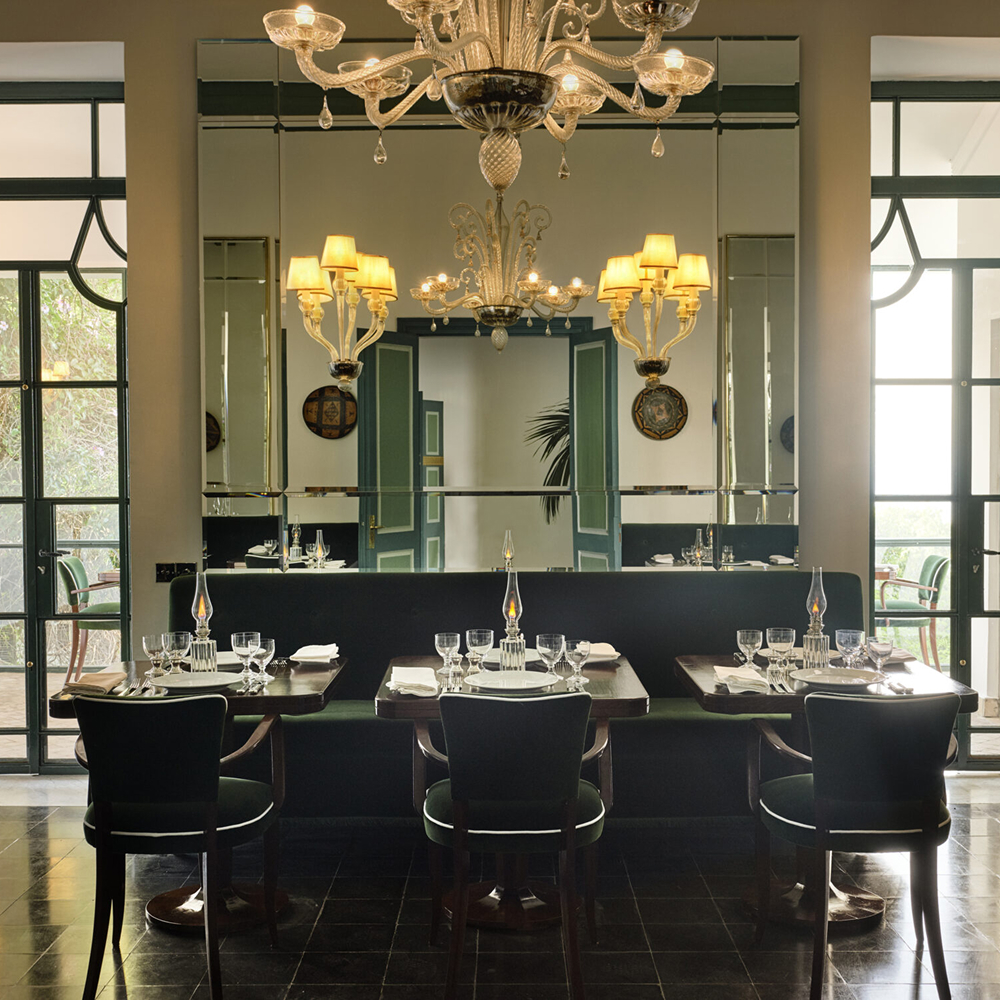
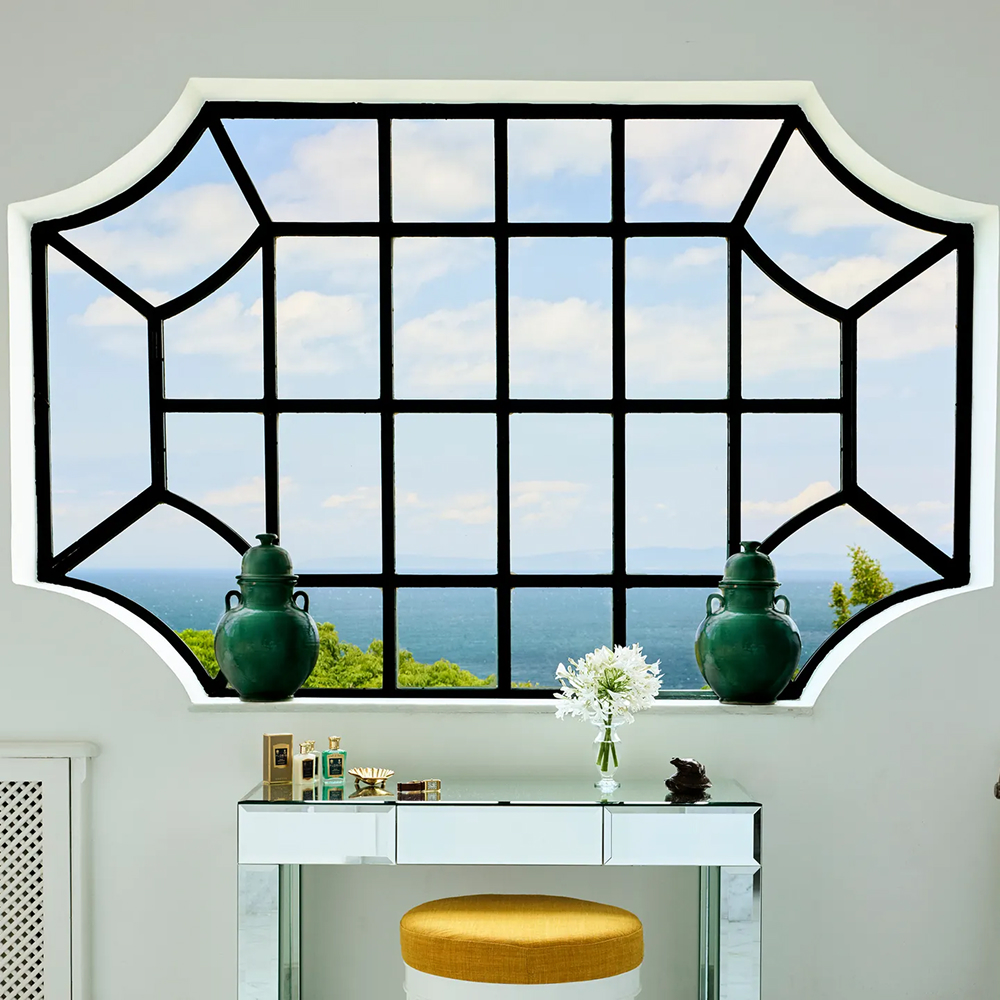
Materials influence how guests move through space
Textures shape behavioural rhythm as much as visual identity. Flooring, wall surfaces, seating fabrics, and tactile transitions all influence how guests circulate, pause, and inhabit different environments within the hotel.
Monteverdi Tuscany structures movement through stone pathways, textured walls, and restrained material variation that guide transitions naturally between guestrooms, terraces, and shared spaces. Guests move more slowly because textures support environmental continuity and reduce sensory fragmentation.
Tactile clarity supports spatial readability
Guests feel more comfortable in environments where material transitions help distinguish public, private, and transitional spaces intuitively. Texture becomes a subtle orientation tool that improves readability without relying on signage or visual excess.
Hotels with inconsistent material logic often feel harder to navigate emotionally because every space competes for its own identity instead of reinforcing the atmosphere of the whole property.
Materials shape memory
Guests frequently remember how a hotel felt physically rather than recalling specific decorative details. Warm stone underfoot, textured plaster catching evening light, or linen filtering sound all contribute to emotional memory more deeply than visible luxury gestures alone.
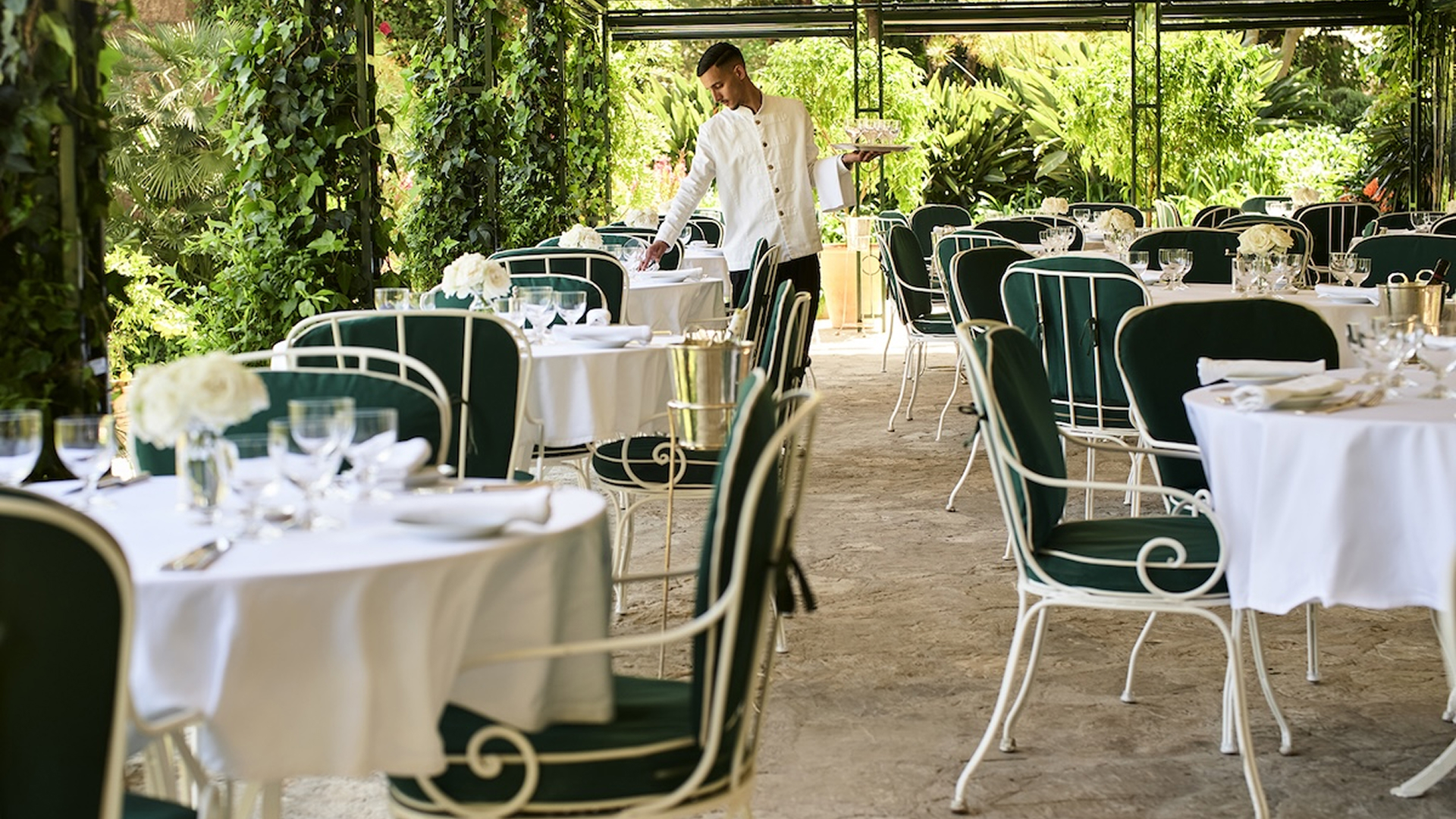
Villa Mabrouka in Tangier uses restrained textures and material continuity to reinforce atmosphere quietly across guestrooms, gardens, and public areas. Guests retain a sensory impression of calm because material choices support the same rhythm continuously throughout the stay.
Hospitality identity becomes tangible through materials
Materials influence hospitality perception at every level because they shape atmosphere, rhythm, comfort, and durability simultaneously. Texture defines how architecture interacts with light, how guests experience movement, and how the environment communicates positioning emotionally.
Hotels that approach materials strategically build stronger long term identity because every surface contributes to one coherent experience. Guests perceive this clarity instinctively through comfort, memorability, and emotional stability rather than through decorative impact alone.
For hospitality projects seeking stronger positioning, analysing how textures, finishes, and material transitions influence guest perception often reveals deeper strategic opportunities than visual styling or decorative additions alone, a perspective that continues to inform the hospitality design thinking developed by Epikure.