
Positioning is the foundation of every hotel marketing strategy
Hotels rarely build lasting recognition because they communicate more frequently than their competitors. They succeed because every interaction reinforces a distinctive proposition that guests immediately understand. Positioning establishes this direction by defining who the hotel serves, what experience it delivers, and why travellers should choose it instead of comparable alternatives.
Without this strategic foundation, marketing gradually becomes fragmented. Content addresses different audiences, paid campaigns attract visitors with conflicting expectations, pricing becomes harder to justify, and communication shifts according to individual channels rather than following one coherent direction. Visibility may increase temporarily, but recognition remains limited because the market struggles to associate the property with a clear identity.
Forestis demonstrates the value of this discipline. Every aspect of the brand revolves around the same principles of altitude, silence, architecture, and wellbeing. The website, editorial content, photography, partnerships, and guest experience all communicate this vision consistently. None of these touchpoints attempts to create a different perception from the one ultimately delivered on site, making the brand immediately recognisable despite relatively restrained communication.
A precise audience creates better business decisions
Hotels attempting to appeal to every traveller often dilute their competitive advantage. By contrast, properties with a clearly defined audience make more coherent decisions across pricing, partnerships, programming, communication, and investment because each initiative serves the same strategic objective.
The Madrona positions itself as a residential design destination rather than simply another luxury hotel in Northern California. This decision influences everything from its culinary programme and cultural partnerships to its visual language and editorial content. Marketing becomes clearer because it reflects a business model that already possesses a well-defined identity.
Brand identity is the consequence of strategic choices
Visual identity contributes to recognition, but it cannot create differentiation on its own. Logos, typography, and colour palettes become meaningful only when they represent decisions already visible throughout the guest experience.
The strongest hospitality brands develop credibility because positioning influences architecture, service culture, operational standards, and communication simultaneously. Marketing does not invent the identity of the hotel. It reveals one that already exists.
Marketing performance depends on operational consistency
Marketing creates expectations before arrival. Reputation depends on the distance between those expectations and what guests ultimately experience. The smaller this gap becomes, the more efficiently marketing performs over time because satisfied guests generate reviews, recommendations, and repeat bookings that gradually reduce dependence on paid visibility.
This dynamic explains why many independent hotels compete successfully against significantly larger hospitality groups despite more limited advertising budgets. Their commercial performance originates from operational consistency rather than promotional intensity. Every guest interaction reinforces the promise communicated during the discovery phase.
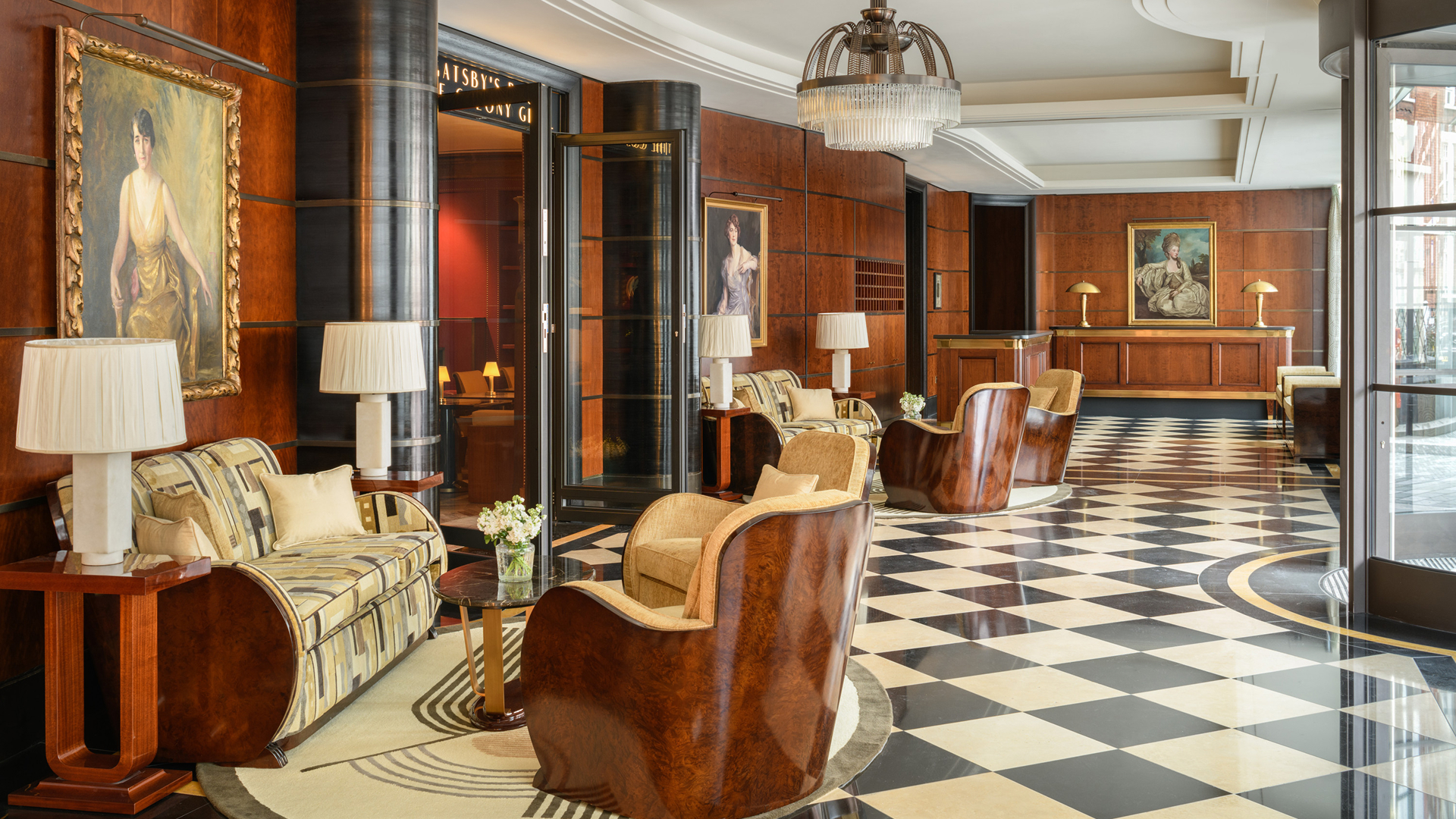
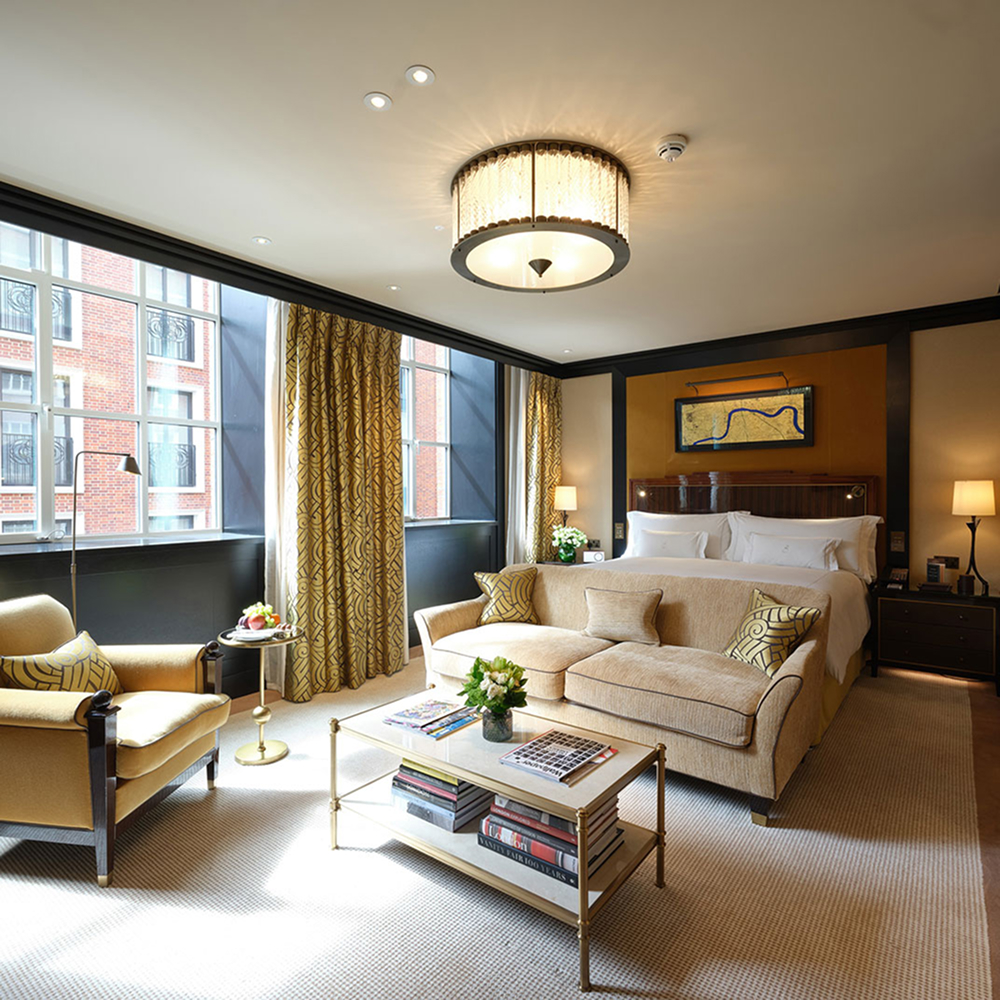
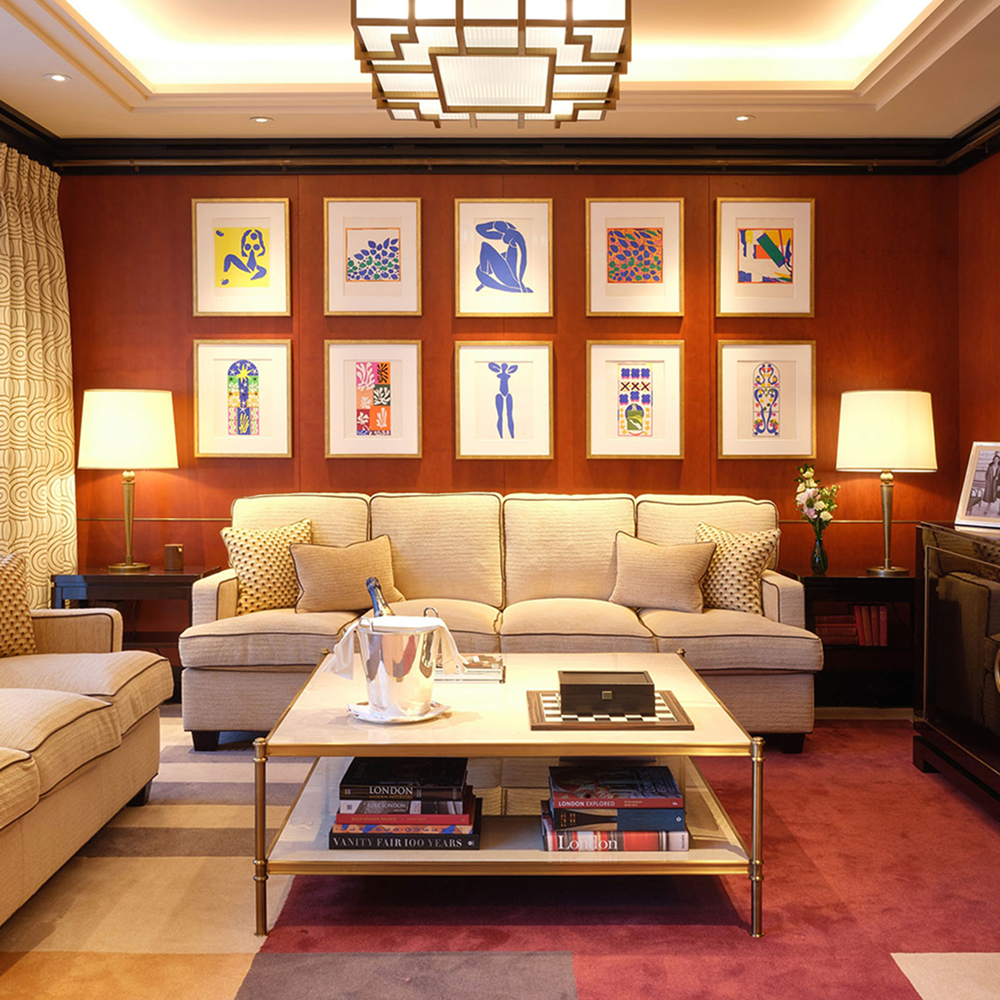
The Beaumont illustrates this alignment particularly well. Its communication consistently emphasises discretion, timeless elegance, and attentive service. Guests encounter precisely the same qualities after arrival, strengthening confidence in the brand and reinforcing long-term reputation through experience rather than marketing claims.
Content should reinforce reality rather than embellish it
Photography, video, editorial storytelling, and social media should help prospective guests understand how a hotel feels rather than simply presenting attractive imagery. The strongest hospitality content reduces uncertainty because it reflects the experience honestly instead of exaggerating it.
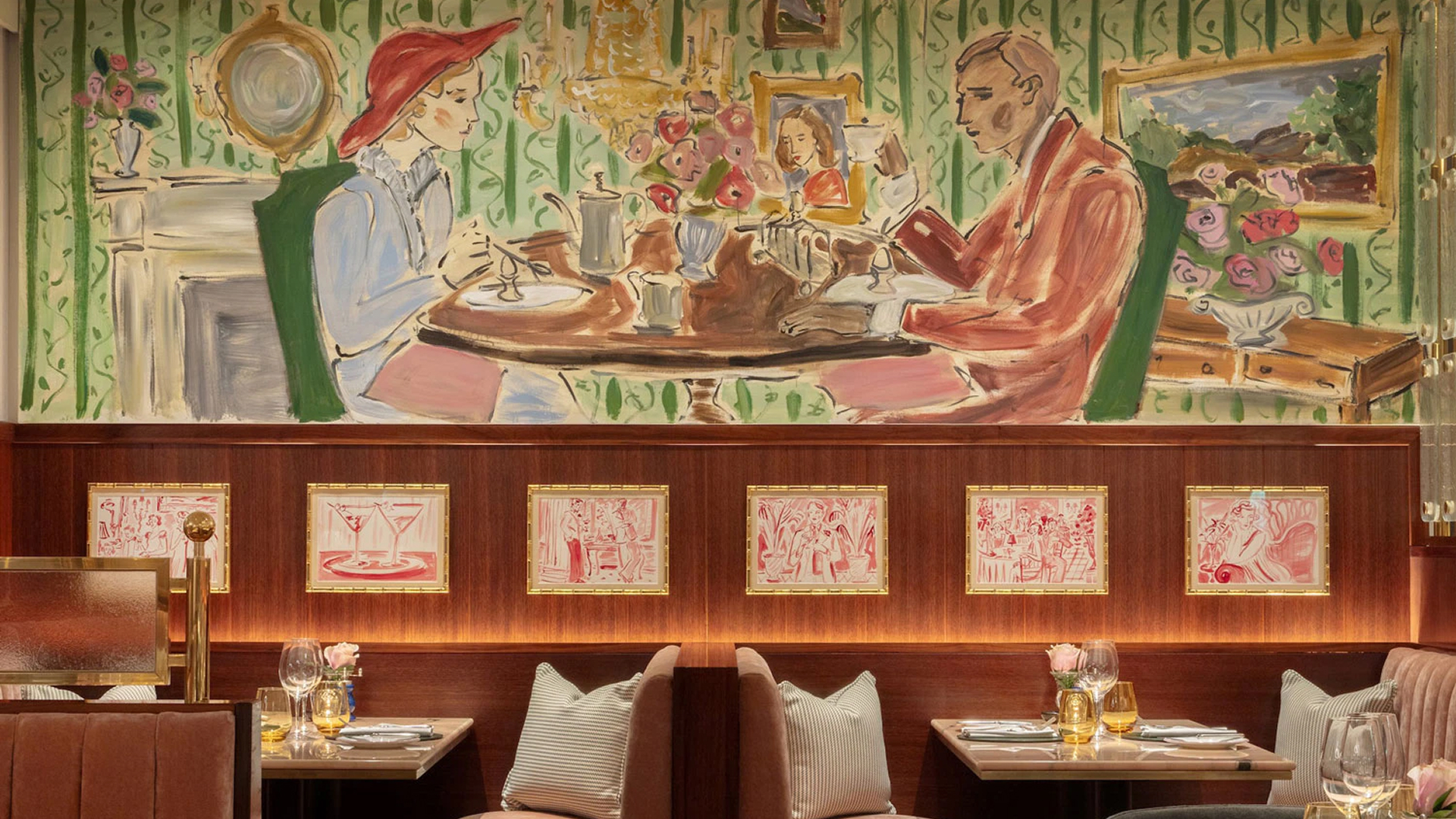
Hotel Marcel communicates its architectural heritage, environmental commitments, and design philosophy with remarkable consistency across every platform. Rather than relying on generic luxury imagery, the brand explains what distinguishes the property, allowing guests to make informed decisions before booking.
Reputation becomes a long-term commercial asset
Every positive guest experience contributes to future marketing performance. Reviews improve visibility, recommendations strengthen credibility, and repeat guests reduce acquisition costs over time. Reputation therefore becomes a commercial asset created operationally rather than through promotional activity alone.
Hotels that consistently deliver on their positioning strengthen every acquisition channel because communication becomes supported by independent guest validation instead of relying exclusively on advertising.
Acquisition channels cannot compensate for weak positioning
Search engine optimisation, paid media, email marketing, partnerships, public relations, and social media all play important roles within a hospitality marketing strategy. Their effectiveness, however, depends less on the channels themselves than on the quality of the strategy they communicate.
When positioning lacks clarity, larger advertising budgets simply distribute an inconsistent message to a wider audience. Conversely, hotels with a distinctive identity generally improve conversion across every channel because prospective guests understand the offer quickly and develop confidence before making a reservation.
Heckfield Place demonstrates this consistency particularly well. Its website, editorial journal, photography, and social platforms all communicate the same philosophy centred on craftsmanship, landscape, food, and slower hospitality. Each channel reinforces the others because they all originate from the same strategic foundation.
The website should reduce uncertainty
For many travellers, the hotel website represents the final stage before booking. Its purpose extends well beyond presenting guestrooms or amenities. It should explain the positioning of the property, organise information logically, answer practical questions naturally, and make the booking decision easier.
Hotels often redesign websites to improve aesthetics while overlooking clarity. Yet visitors rarely abandon a website because it lacks visual sophistication. They leave because they cannot immediately understand what differentiates the property or whether it corresponds to the experience they are seeking.
Every channel should communicate the same idea
Hospitality businesses frequently evaluate SEO, paid campaigns, social media, email marketing, and partnerships as separate disciplines. In practice, these channels become significantly more effective when they reinforce the same commercial message.
The strongest marketing strategies establish positioning first, shape the guest experience accordingly, and only then determine which channels should communicate that proposition. Distribution follows strategy rather than defining it.
Strong hospitality marketing begins long before communication
Hotels rarely improve commercial performance simply by adding new marketing channels or increasing advertising budgets. More often, sustainable growth comes from making every existing touchpoint communicate the same idea with greater clarity. Positioning defines the promise, operations validate it, content explains it, the website makes it understandable, and acquisition channels extend its reach.
A successful hotel marketing strategy is therefore not a collection of independent tactics but a commercial framework that aligns the offer, the brand, the guest experience, and communication around one coherent direction. Once this foundation is established, every marketing investment becomes more productive because each action reinforces the others instead of compensating for their inconsistencies.
For hospitality businesses seeking long-term growth, the greatest opportunity often lies in strengthening the relationship between positioning, guest experience, digital presence, and commercial strategy before increasing marketing activity. This integrated approach continues to guide the hospitality branding and marketing work developed by Epikure.