Timeless hotels rely on clarity rather than visual intensity
Hotels age more successfully when architecture and interiors focus on balance, spatial rhythm, and material continuity instead of highly expressive design gestures tied to one cultural moment. Guests continue to perceive these environments as relevant because the experience remains emotionally coherent across time.
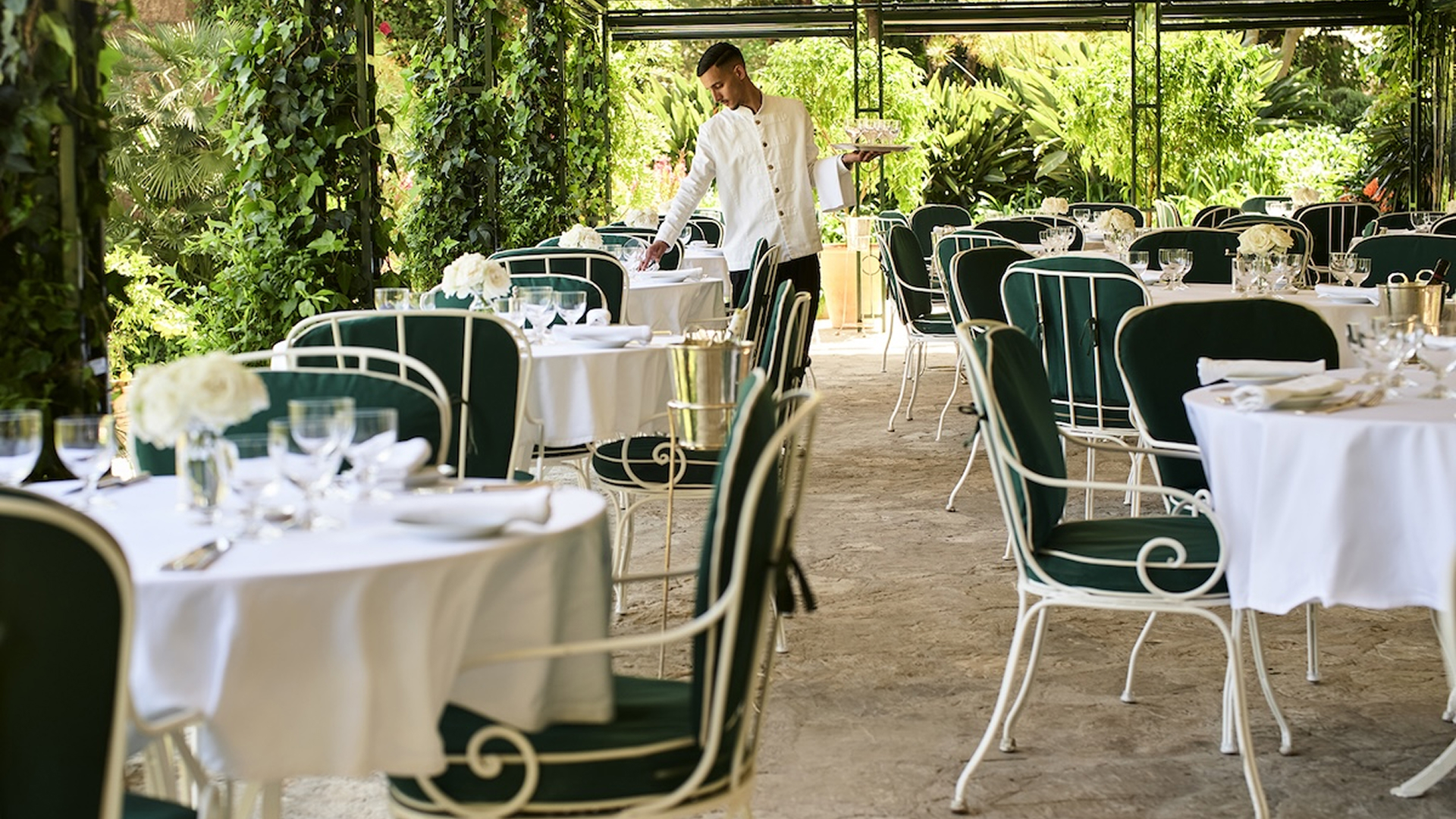
Hotel Il Pellicano maintains strong positioning because architecture, landscaping, and hospitality rhythm all reinforce the same understated Mediterranean atmosphere. The property evolves gradually through furniture, lighting, and operational refinement without disrupting its original identity. Guests experience continuity because the emotional logic of the hotel remains intact.
Design trends often reduce long term flexibility
Hotels strongly associated with one decorative movement frequently struggle to adapt naturally as guest perception evolves. Interiors built around excessive stylistic layering, highly specific colour palettes, or visually dominant trends often become difficult to update coherently over time.
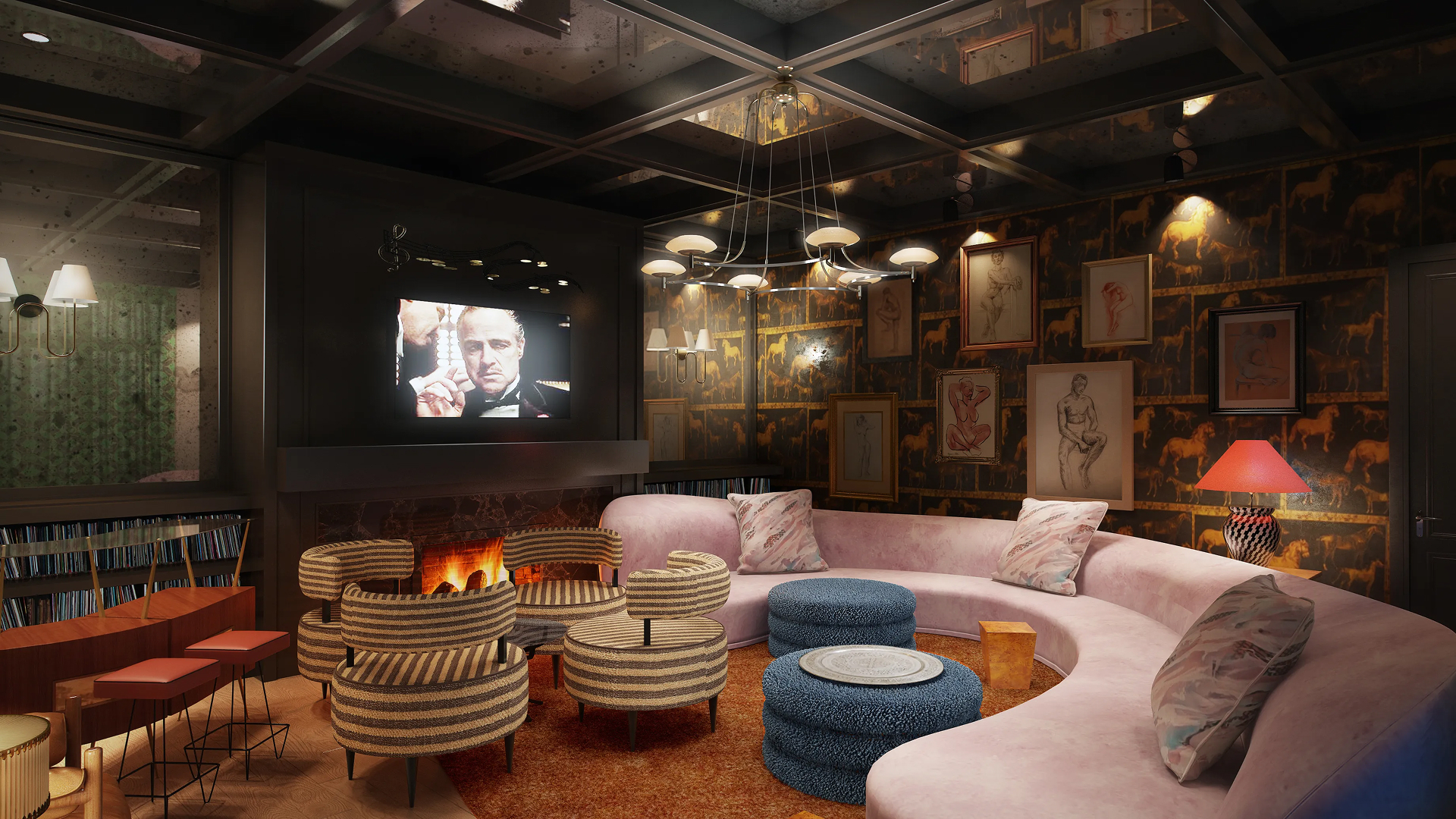
Some hospitality projects developed during the peak of industrial lifestyle design relied heavily on dark materials, oversized graphic elements, and dense decorative composition that now feel visually rigid. The issue does not come from age itself. It comes from dependence on temporary aesthetic signals instead of durable spatial principles.
Simplicity creates stronger longevity
Hotels structured around restraint and material clarity generally evolve more easily because adjustments can happen progressively without destabilising the atmosphere of the property.
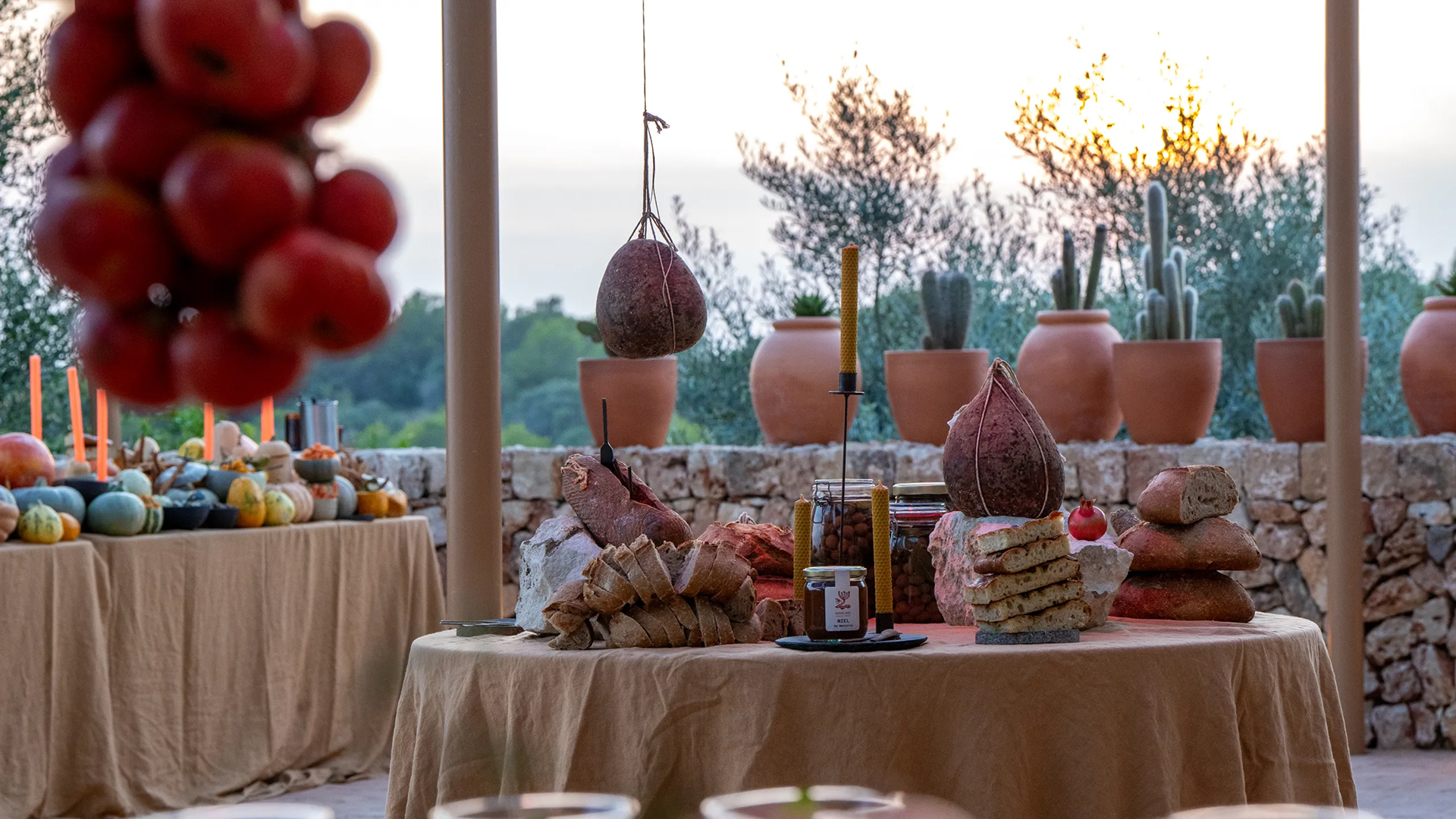
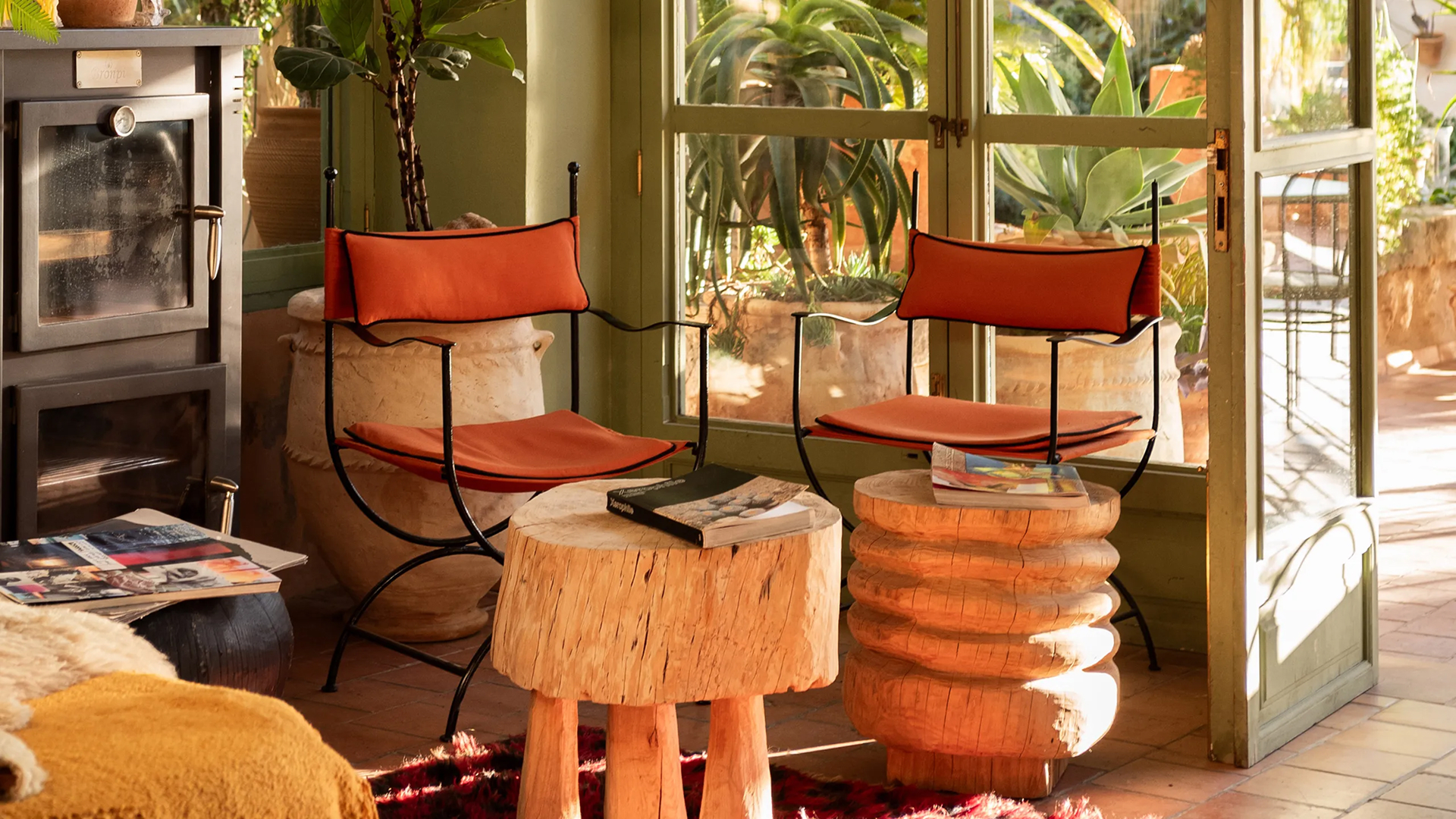
Hotel Corazón in Mallorca relies on spatial simplicity, controlled material contrast, and architectural calm that support gradual evolution naturally. The hotel feels contemporary without chasing novelty because the experience depends on coherence rather than visual effect.
Material choices influence how hotels age
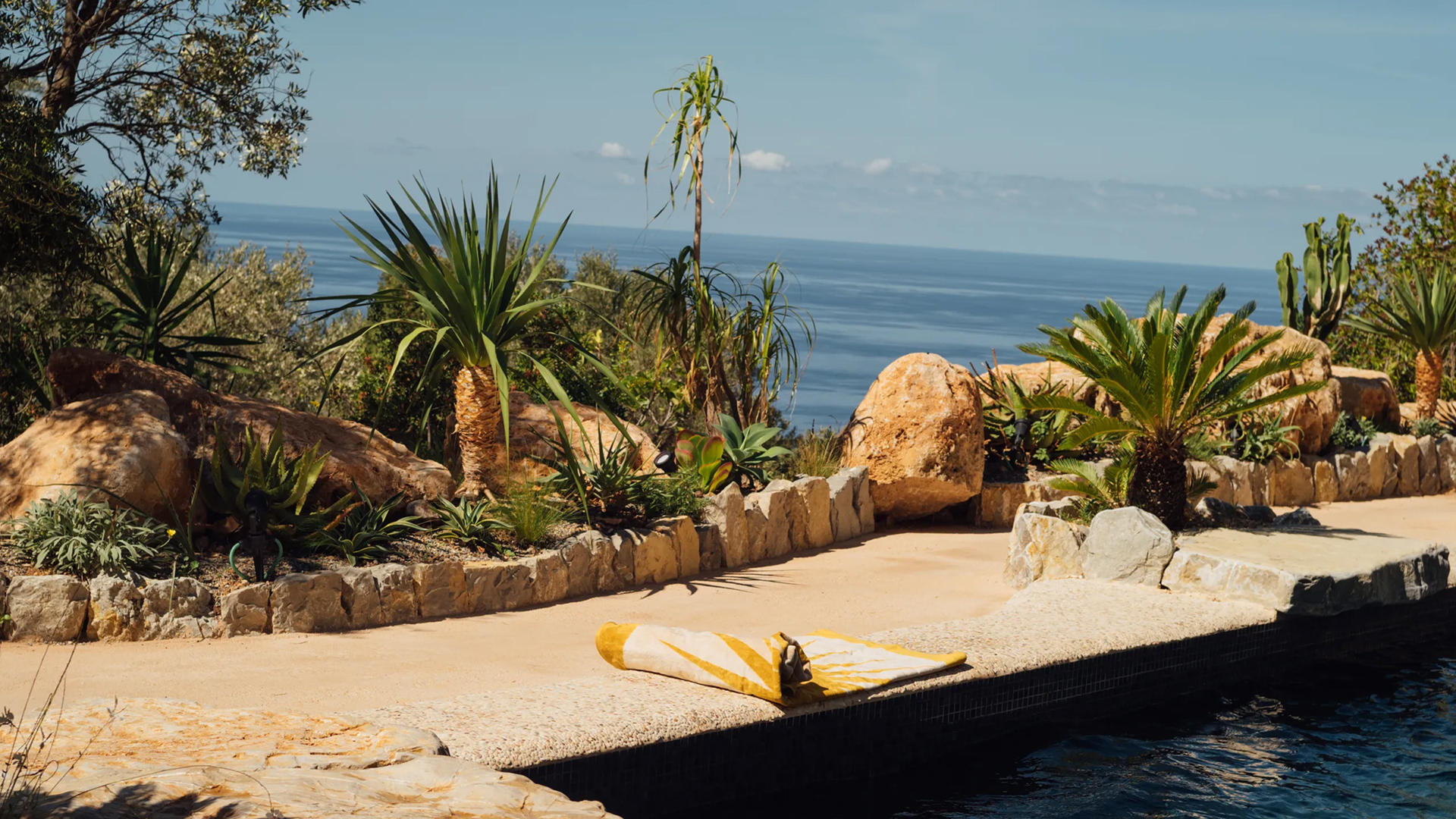
Materials shape long term perception more deeply than decorative accessories because they define texture, light behaviour, acoustic atmosphere, and physical interaction throughout the property. Hotels age more effectively when materials respond to climate, geography, and operational reality rather than short term aesthetic preference.
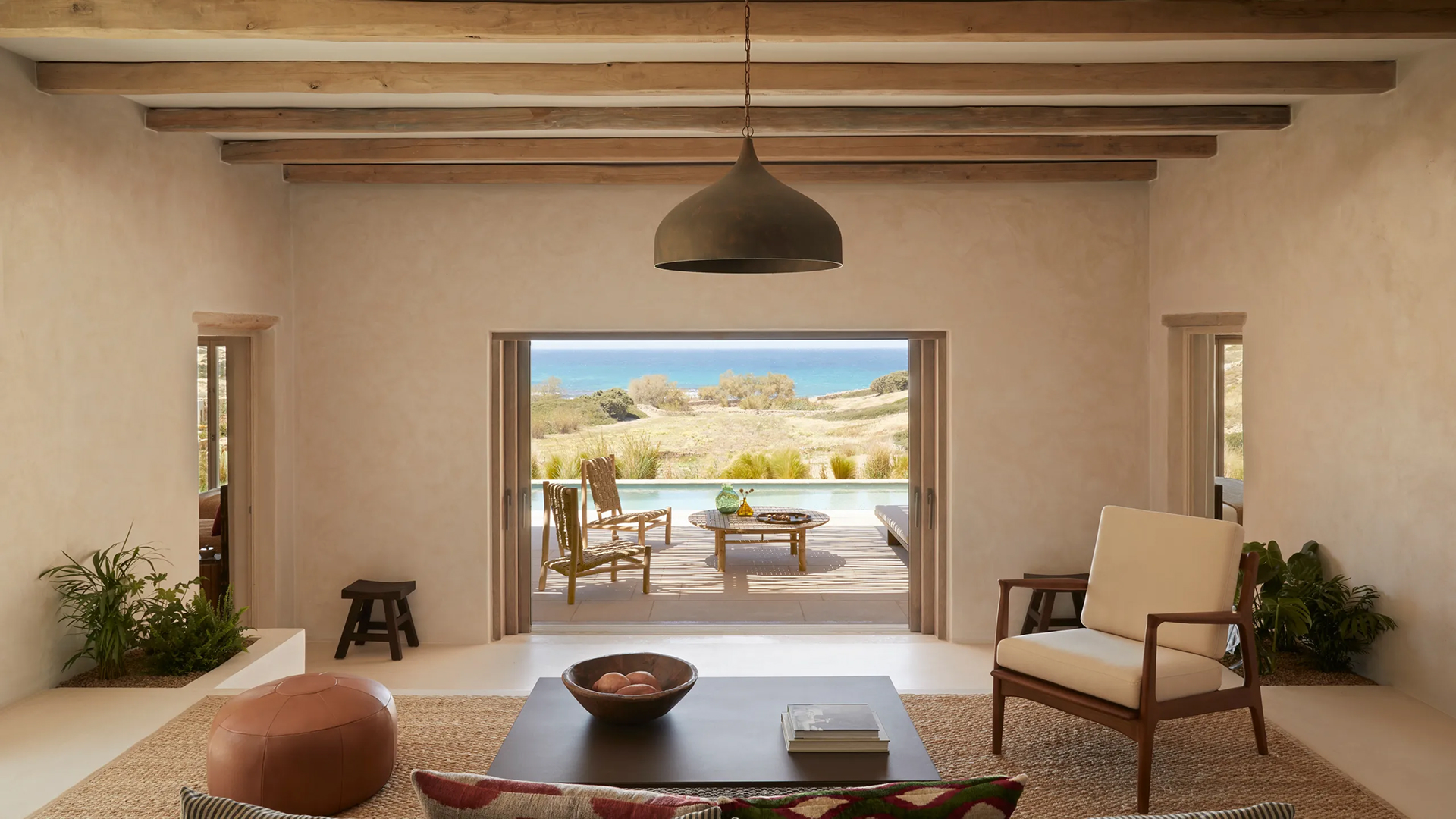
The Rooster structures its identity around mineral textures, restrained tonal variation, and environmental integration that align naturally with the island context. Materials support atmosphere quietly instead of competing for attention. Guests perceive durability because architecture and interiors feel grounded in place.
Excessive accumulation weakens durability
Hotels filled with competing textures, highly expressive furniture systems, or decorative density often lose visual clarity faster because the environment depends heavily on stylistic coordination that becomes fragile over time.
When every surface attempts to communicate identity simultaneously, ageing becomes more visible and updates become more difficult to integrate coherently. Timeless hospitality environments avoid this instability by allowing proportion, light, and material quality to carry the experience.
Contextual architecture remains credible longer
Properties connected strongly to local geography and construction logic tend to maintain stronger long term positioning because the environment continues to feel appropriate regardless of changing design trends.
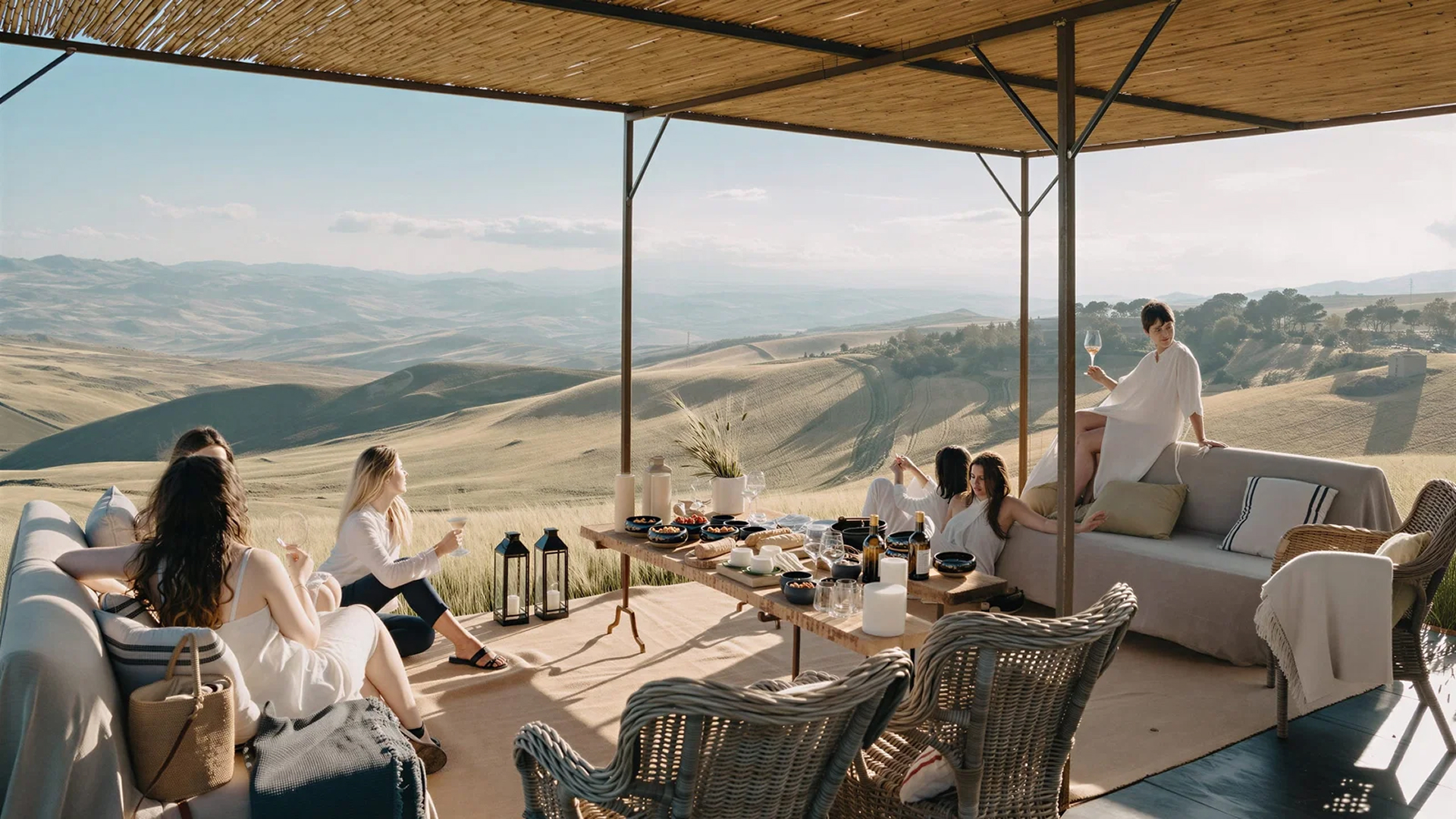
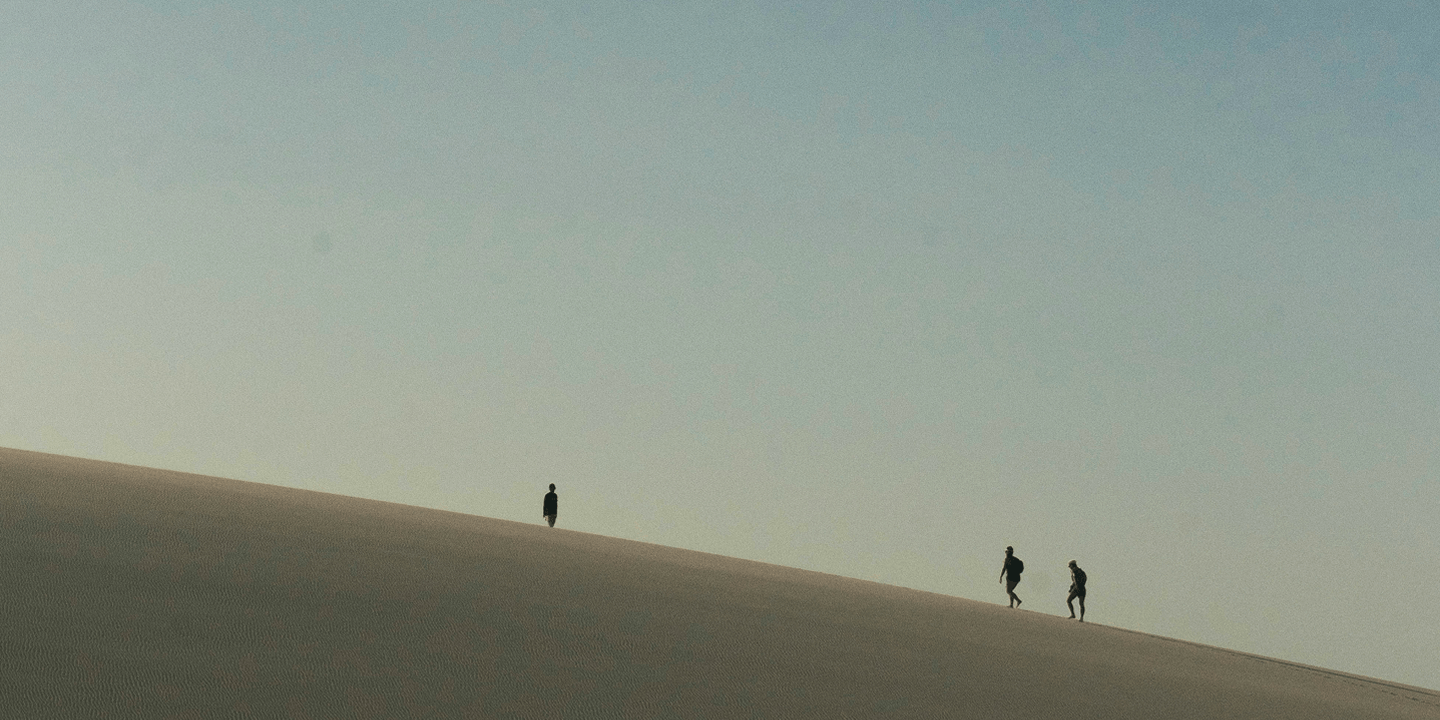
Dar Ahlam in Morocco relies on earthen textures, restrained volumes, and environmental continuity that remain credible because architecture follows climate and landscape conditions directly. Guests experience authenticity through contextual coherence rather than through decorative interpretation.
Timeless positioning matters as much as design
Hotels age successfully when operational philosophy and guest experience remain aligned with the original concept over time. Positioning built around emotional comfort, atmosphere, and behavioural clarity generally remains more durable than concepts driven mainly by visibility or trend alignment.
The Greenwich Hotel in New York maintains relevance because residential intimacy, material warmth, and discreet service continue to guide the guest experience consistently. Operational adjustments happen without altering the emotional identity of the property.
Hotels designed for visibility often require reinvention
Properties built primarily around social visibility or trend driven lifestyle positioning frequently require continuous aesthetic renewal to maintain attention because the original concept depends heavily on novelty and external validation.
Hotels grounded in atmosphere and operational coherence sustain stronger long term memorability because guests associate them with emotional stability rather than with a specific cultural moment.
Coherence protects long term relevance
Timeless hospitality design emerges when architecture, operations, materiality, and positioning continue reinforcing one another years after opening. Guests trust these environments because the experience feels resolved rather than reactive.
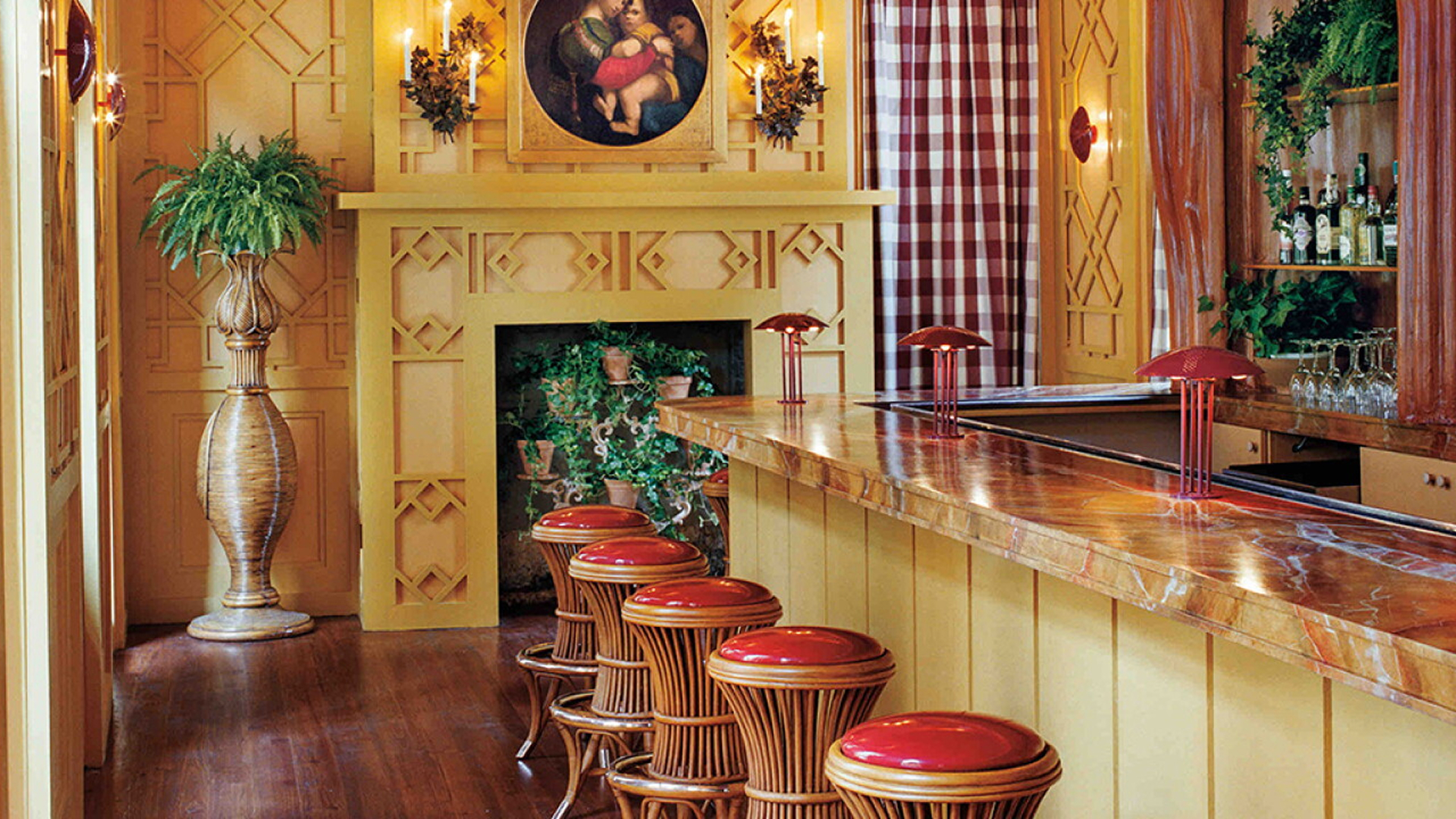
La Colombe d’Or in Saint Paul de Vence demonstrates this continuity through architecture, art integration, and hospitality rhythm that remain aligned across generations. The property evolves naturally while preserving the atmosphere that defines its identity.
Timeless hospitality begins with disciplined early decisions
Hotels that maintain strong long term perception rarely depend on visual spectacle or temporary design language. They rely on proportion, contextual understanding, material clarity, and operational consistency established early in the conception process.
The strongest hospitality concepts continue feeling relevant because architecture and guest experience support the same emotional direction over time. Guests perceive stability, coherence, and confidence because every layer of the property follows one durable logic rather than reacting constantly to changing trends.
Hospitality projects seeking stronger longevity often benefit more from refining foundational decisions around positioning, spatial rhythm, and material coherence than from pursuing short term aesthetic differentiation, a perspective that continues to inform the strategic hospitality work developed by Epikure.