Luxury brands sell a perspective before they sell a stay
Luxury travellers rarely make decisions based solely on location or facilities. They look for brands that express a clear identity and whose values correspond to their own aspirations. The hotel becomes the expression of a particular lifestyle, aesthetic, or cultural perspective rather than simply a place to spend the night.
This explains why many premium properties communicate relatively little about room dimensions or technical specifications. Their marketing focuses instead on atmosphere, craftsmanship, cultural identity, or the quality of the environment because these elements establish emotional preference before rational comparison begins.
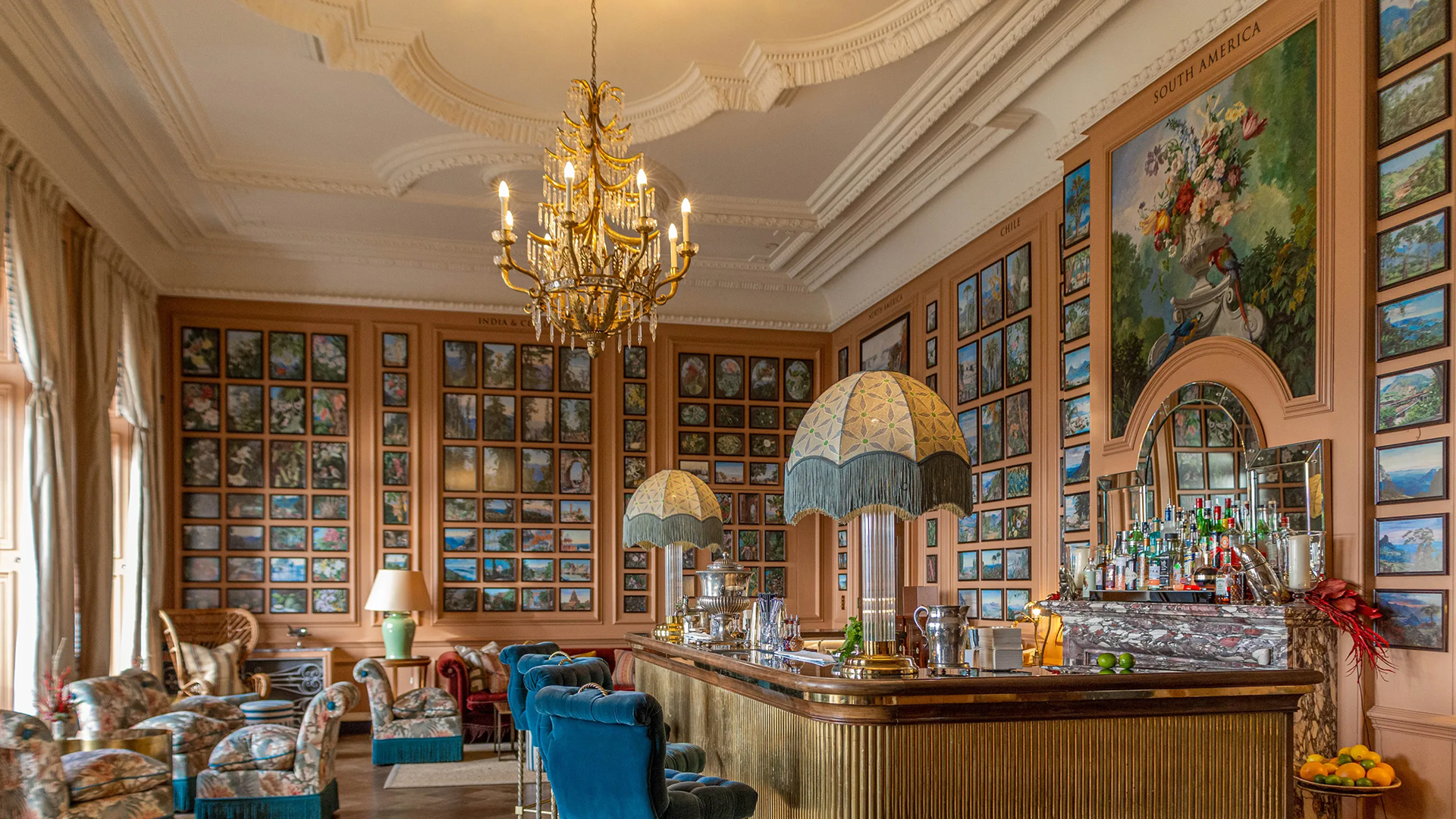
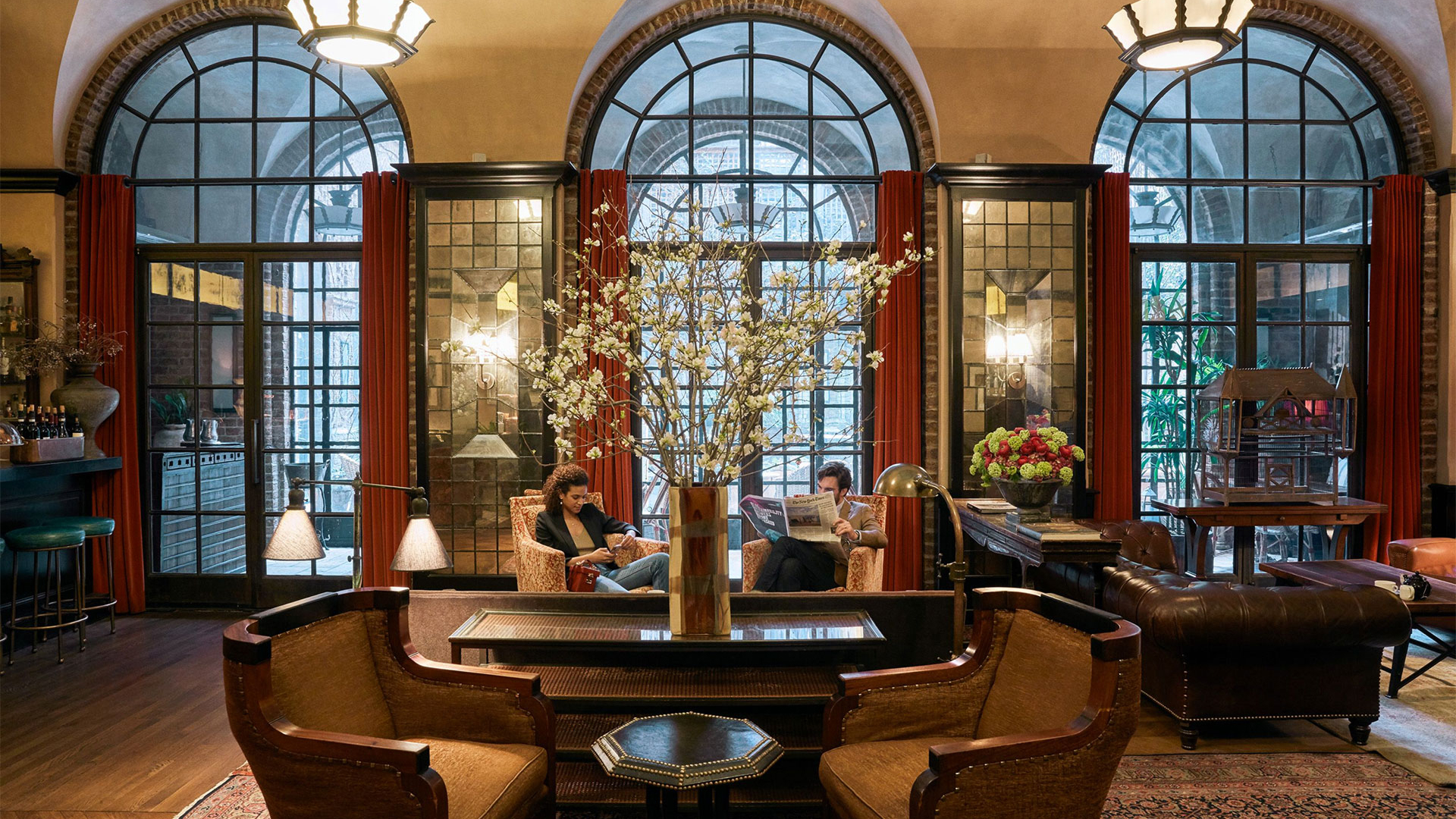
Ett Hem has built its identity around the feeling of staying in a private residence rather than a conventional luxury hotel. Every photograph, editorial text, and digital interaction reinforces this residential philosophy. The brand does not attempt to communicate every feature of the property. It concentrates on expressing one recognisable experience consistently.
Storytelling should originate from the brand itself
Effective storytelling does not invent narratives around a hotel. It explains the decisions, values, and ideas that already define the property. Architecture, local heritage, craftsmanship, gastronomy, landscape, or the founder’s vision often provide stronger foundations than generic brand messages.
When storytelling reflects genuine characteristics, communication becomes more distinctive because competitors cannot easily reproduce the same narrative.
Desire grows through consistency
Luxury brands rarely depend on isolated campaigns to remain desirable. Recognition develops progressively because guests encounter the same identity across every interaction.
The website, photography, editorial content, social media, and guest experience should reinforce one another continuously. Consistency builds familiarity, and familiarity strengthens preference over time.
Every visual decision influences brand perception
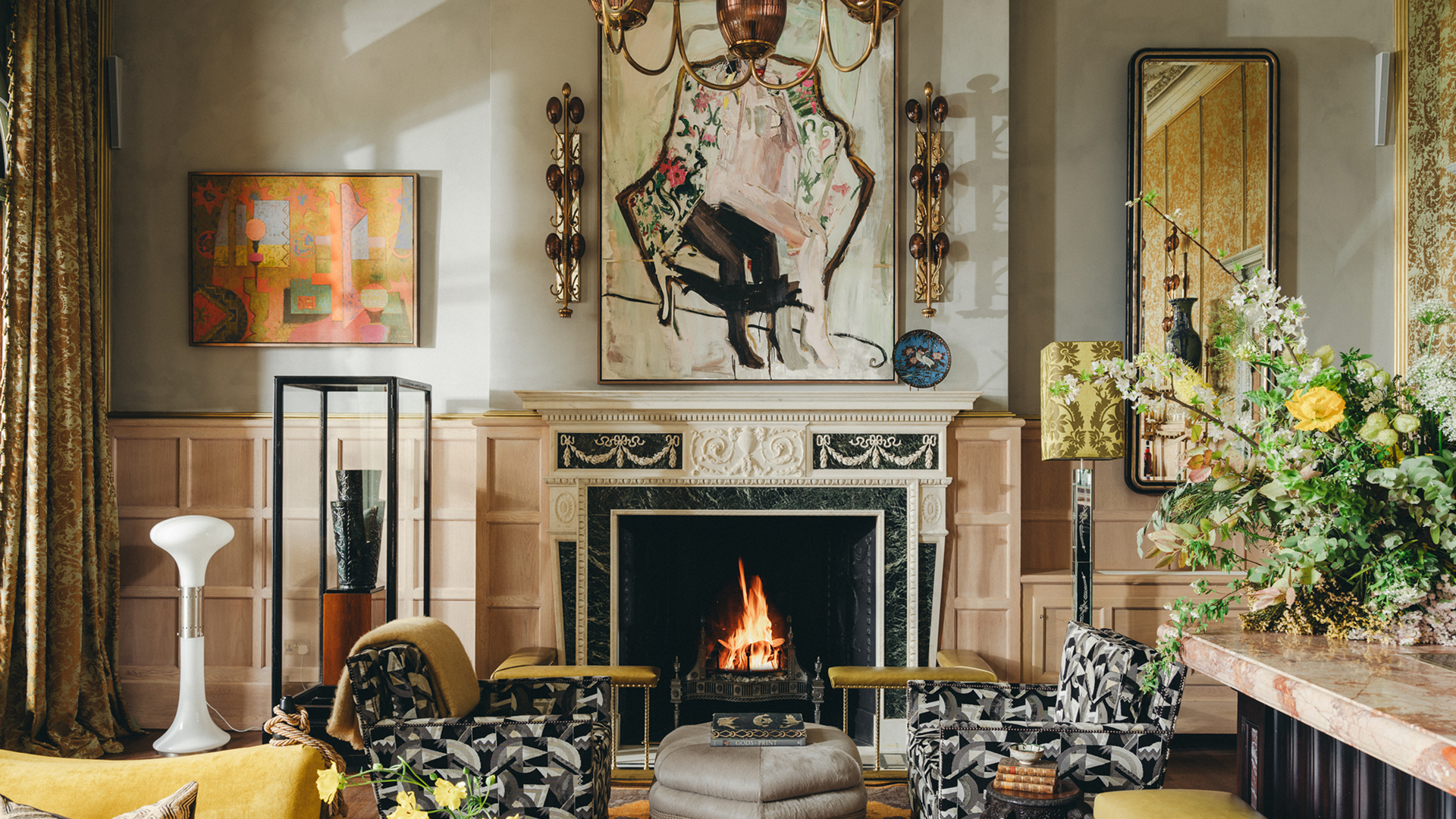
Photography occupies a unique position within luxury hospitality marketing because it often forms the first emotional connection between the guest and the property. Images should communicate atmosphere, proportion, materiality, light, and rhythm rather than simply documenting spaces.
The strongest hospitality photography leaves room for interpretation. Instead of presenting every detail immediately, it invites visitors to imagine how the property feels through carefully selected moments that reflect the positioning of the brand.
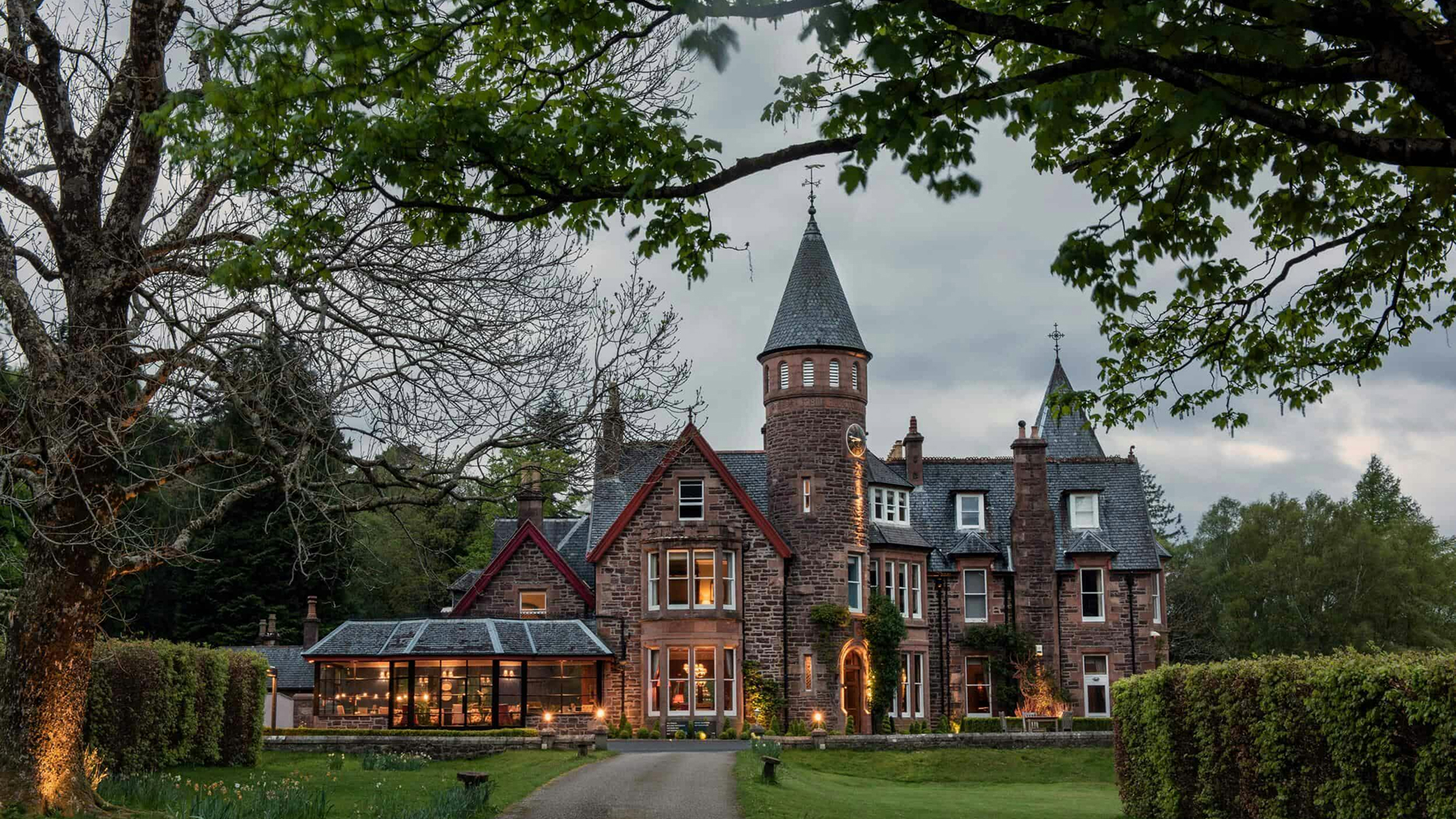
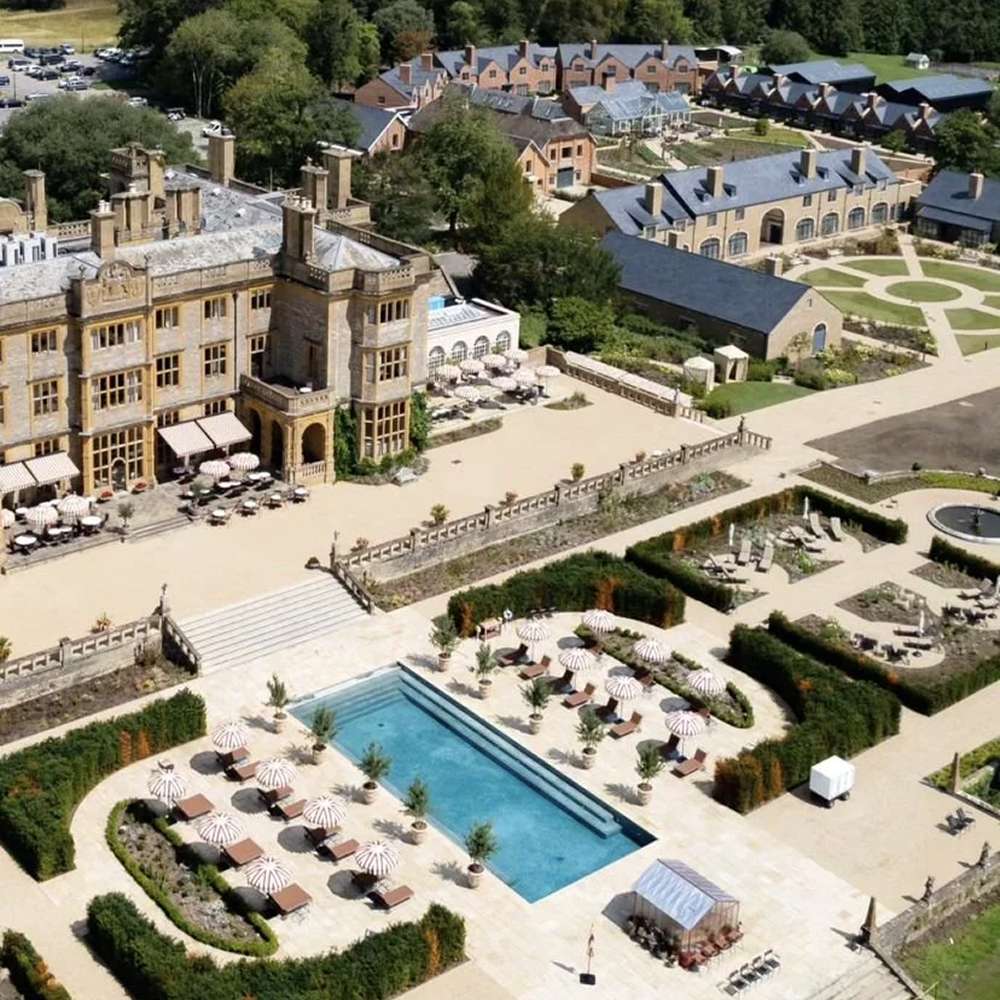
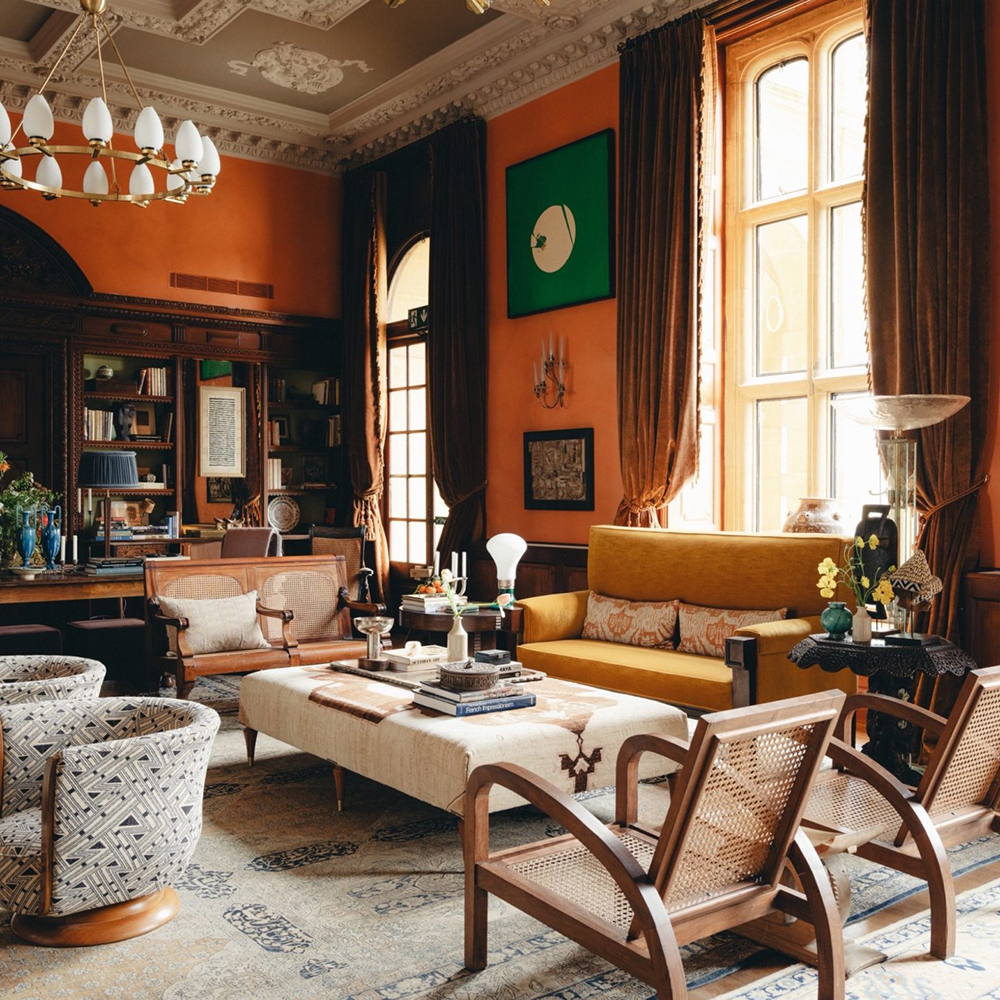
Estelle Manor demonstrates this discipline through imagery that balances architecture, interiors, landscape, and human presence without relying on staged luxury codes. The visual language communicates refinement through restraint rather than abundance.
Editorial tone defines personality
Luxury hospitality branding extends beyond visual identity. The language of a brand shapes how guests interpret the experience before they arrive.
Hotels with a distinctive editorial voice develop stronger recognition because every piece of communication reflects the same perspective. Whether describing accommodation, dining, wellness, or local experiences, the tone remains coherent with the positioning of the property.
Collaborations should strengthen positioning
Partnerships with chefs, artists, designers, cultural institutions, or local makers generate value when they reinforce the identity of the hotel rather than expanding its visibility indiscriminately.
Successful collaborations feel inevitable because they reflect the same philosophy already visible throughout the property. They deepen the story instead of introducing unrelated narratives.
Marketing succeeds when the experience confirms the promise
Luxury hospitality branding reaches its full value only when the guest experience validates the expectations established online. Every inconsistency weakens confidence because premium travellers expect a high degree of coherence between communication and reality.
The reservation process, arrival experience, service culture, dining, housekeeping, and departure all contribute to confirming the perception established before booking. Marketing becomes significantly more effective when guests recognise the same atmosphere throughout their stay.
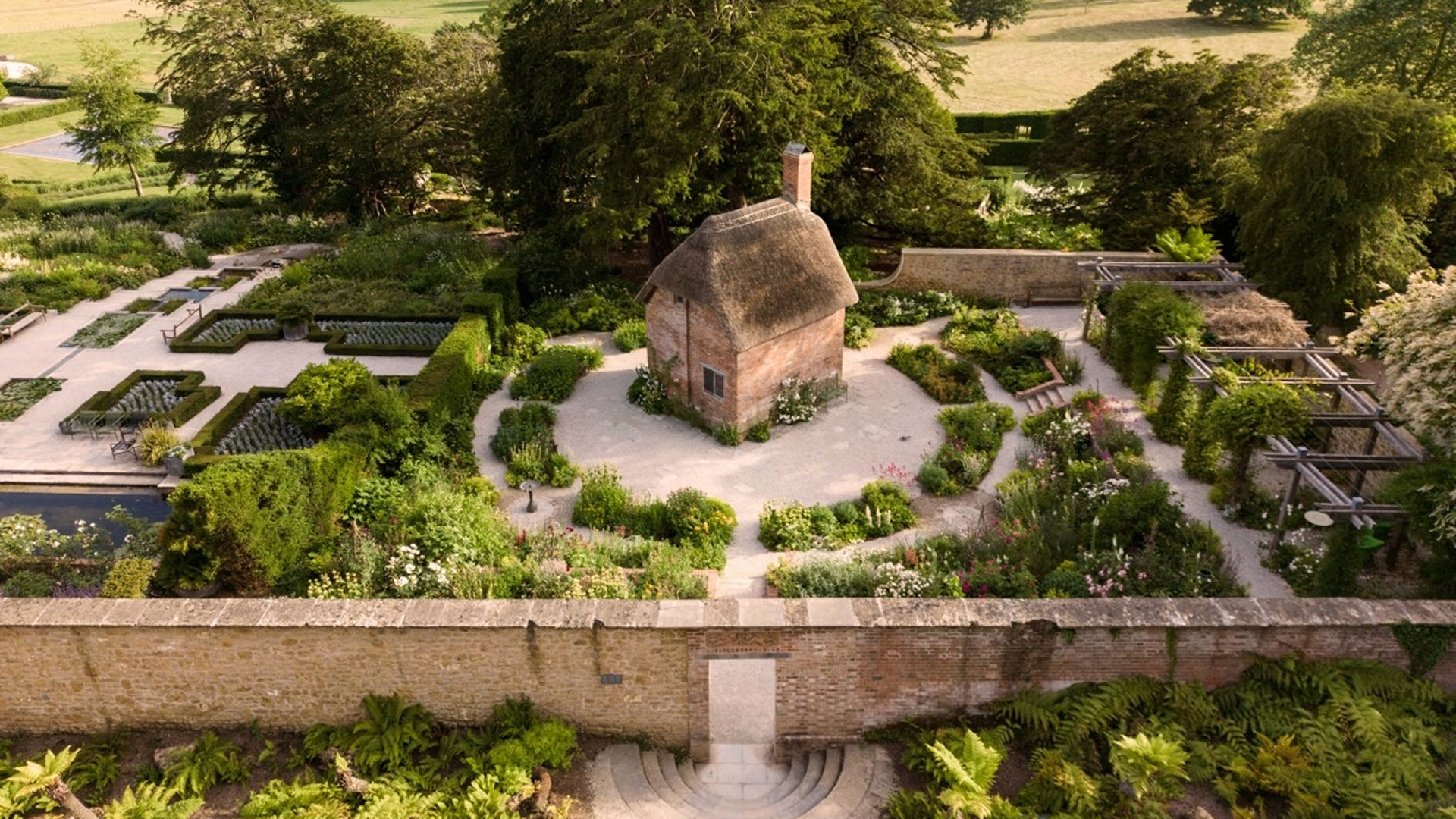
Passalacqua demonstrates this continuity particularly well. The visual identity, website, editorial content, and guest experience all communicate the same appreciation for Italian hospitality, craftsmanship, and timeless elegance. Guests encounter an experience that feels entirely consistent with the perception developed before arrival.
Social media should extend the brand experience
Social platforms perform best when they continue the narrative already established elsewhere. Rather than following short-lived trends or pursuing constant visibility, premium hospitality brands often prioritise editorial consistency and image quality.
Each publication contributes to a recognisable visual and editorial language that strengthens long-term brand perception instead of focusing exclusively on immediate engagement.
Every detail contributes to desirability
Luxury hospitality marketing rarely depends on one defining campaign. Guests form their perception through the accumulation of small signals encountered throughout the booking journey.
The quality of the photography, the pace of the editorial content, the clarity of the website, the tone of confirmation emails, and the consistency of the guest experience all influence whether the brand feels credible. Individually, these details appear modest. Together, they shape the level of trust and desire that surrounds the property.
Luxury hospitality marketing is built through coherence rather than promotion
Premium hotels become desirable because every expression of the brand communicates the same identity with discipline. Storytelling explains the vision, photography captures the atmosphere, editorial content develops familiarity, collaborations reinforce positioning, and the guest experience confirms the promise made before arrival.
Luxury hospitality marketing is therefore less concerned with generating attention than with building lasting preference. The brands that perform best over time are those that maintain coherence across every touchpoint, allowing guests to understand the experience before booking and recognise it immediately once they arrive.
For hospitality businesses seeking stronger positioning in the premium market, the most valuable marketing investment often lies in aligning brand strategy, visual identity, digital experience, and operational execution around one clear vision. That integrated approach continues to shape the luxury hospitality branding work developed by Epikure.