
Every hospitality concept should solve a market opportunity
Strong concepts rarely emerge from creative inspiration alone. They respond to a gap between existing supply and changing demand. Understanding this opportunity requires analysing the destination, competitive landscape, visitor behaviour, and future market dynamics before defining the experience itself.
A project entering a mature leisure destination cannot compete using the same proposition as neighbouring hotels. Likewise, an urban property targeting business travellers requires a different operational model from a rural retreat centred on longer stays. The concept should respond to a specific commercial opportunity rather than attempting to satisfy every audience simultaneously.
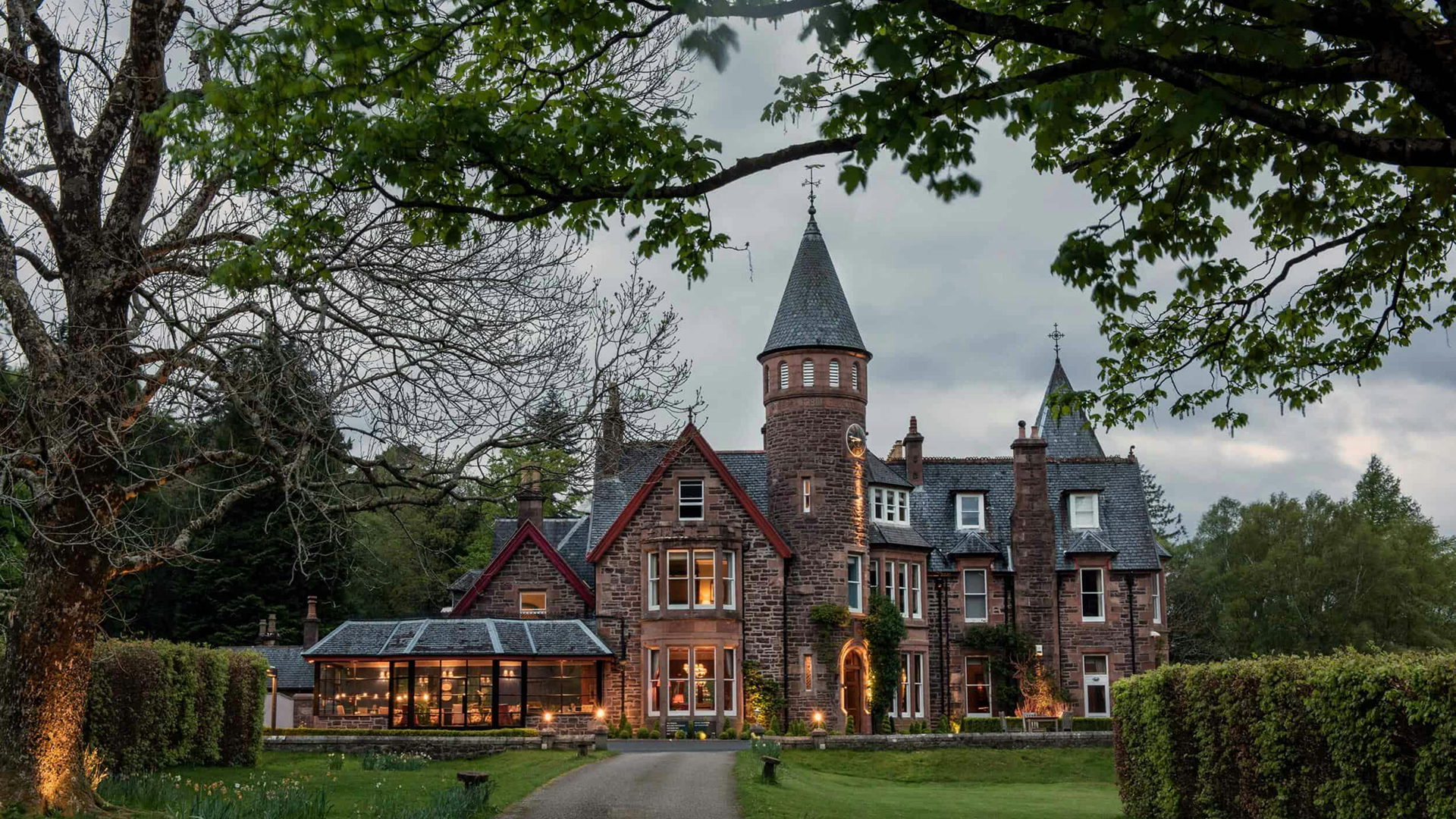
Wildhive Callow Hall illustrates this approach by combining countryside hospitality, outdoor experiences, wellness, and contemporary accommodation into a proposition that differs from both traditional country house hotels and conventional luxury resorts. The concept reflects an identified market opportunity rather than a decorative theme.
The target audience should shape every decision
Guest profiles influence significantly more than marketing. They determine room configuration, public spaces, food and beverage, pricing, programming, digital communication, and staffing requirements.
Projects that define their audience early make more coherent decisions because every investment supports the same commercial objective. Those attempting to attract every traveller often accumulate contradictory features that weaken the overall proposition.
Positioning should remain commercially credible
Differentiation only creates value when guests recognise its relevance. A concept may appear original while addressing little genuine demand, making long-term performance difficult to sustain.
Successful hospitality concepts balance originality with commercial realism. They introduce a distinctive perspective while remaining closely aligned with the expectations of the audience they intend to attract.
The guest experience should support the business model
A hospitality concept only becomes meaningful when it can be delivered consistently. Every operational decision should reinforce the promise made before arrival while remaining economically sustainable over time.
Guestrooms, public spaces, food and beverage, wellness, retail, programming, and service culture should function as complementary parts of the same experience rather than independent revenue streams. The objective is not to multiply amenities but to ensure that every component strengthens the positioning of the property.
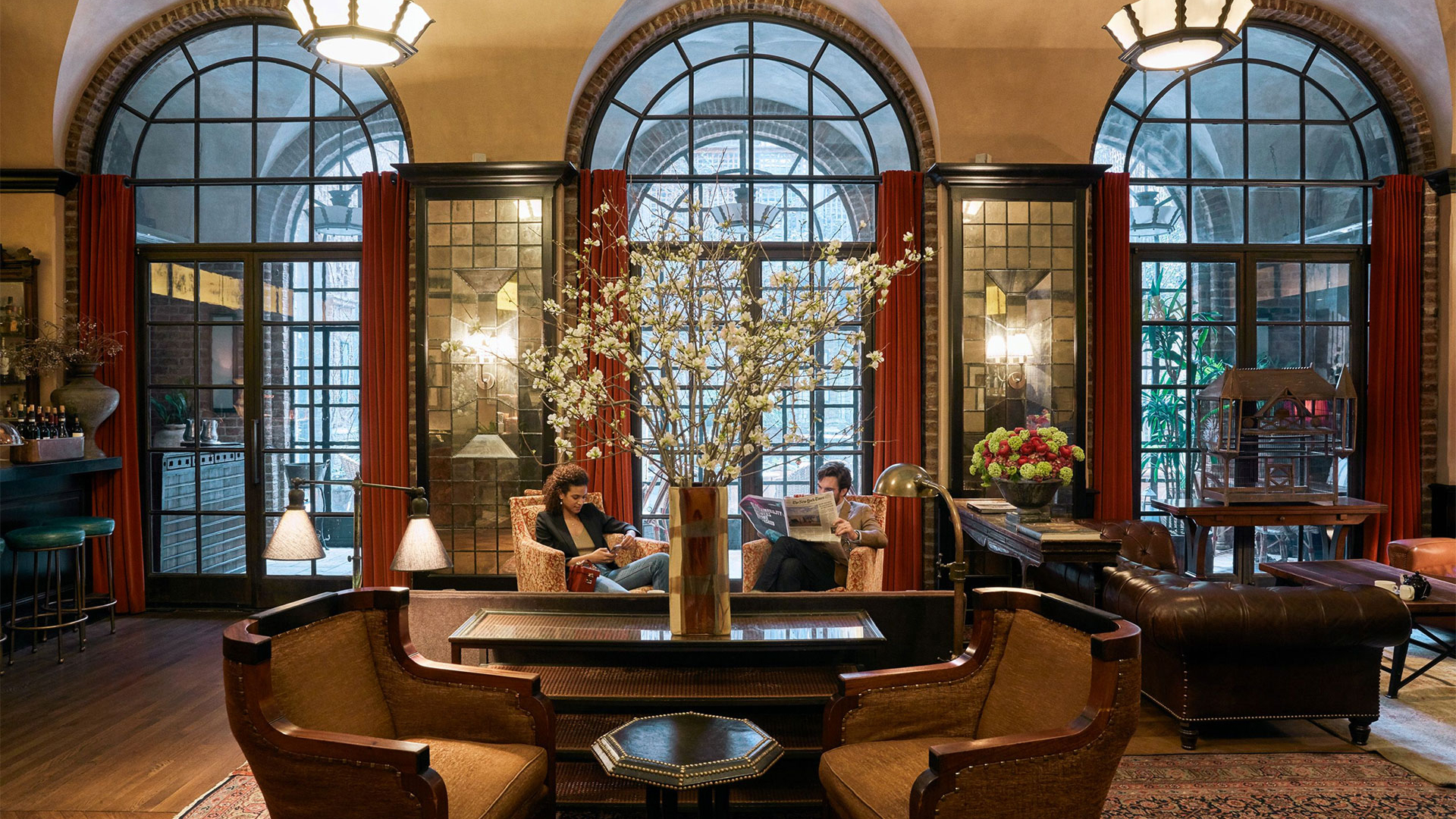
The Ranch at Rock Creek demonstrates how accommodation, outdoor activities, dining, and service culture combine into one operational model. Each experience reinforces the broader concept instead of competing for attention, making the property easier to understand and easier to remember.
Food and beverage should extend the concept
Restaurants often become one of the strongest expressions of a hospitality brand. Their role extends beyond generating revenue. They influence local visibility, guest perception, and the identity of the property itself.
Whether the concept centres on regional cuisine, destination dining, or community gathering, the food and beverage strategy should support the positioning of the hotel rather than operating as an unrelated business.
Operational feasibility determines long-term success
Concepts frequently become weaker during execution because operational complexity exceeds available resources. Highly personalised experiences, extensive programming, or sophisticated service models require staffing structures and operational processes capable of delivering them consistently.
A concept that cannot be executed reliably eventually loses credibility, regardless of how compelling the original vision may appear.

Design should express the concept, not define it
Architecture and interiors give physical form to a hospitality concept, but they should not become its foundation. Design gains meaning because it reflects strategic decisions that already exist.
This distinction explains why visually similar hotels often produce entirely different guest experiences. Materials, furniture, lighting, and spatial organisation influence perception, yet their effectiveness depends on whether they reinforce the broader positioning of the property.
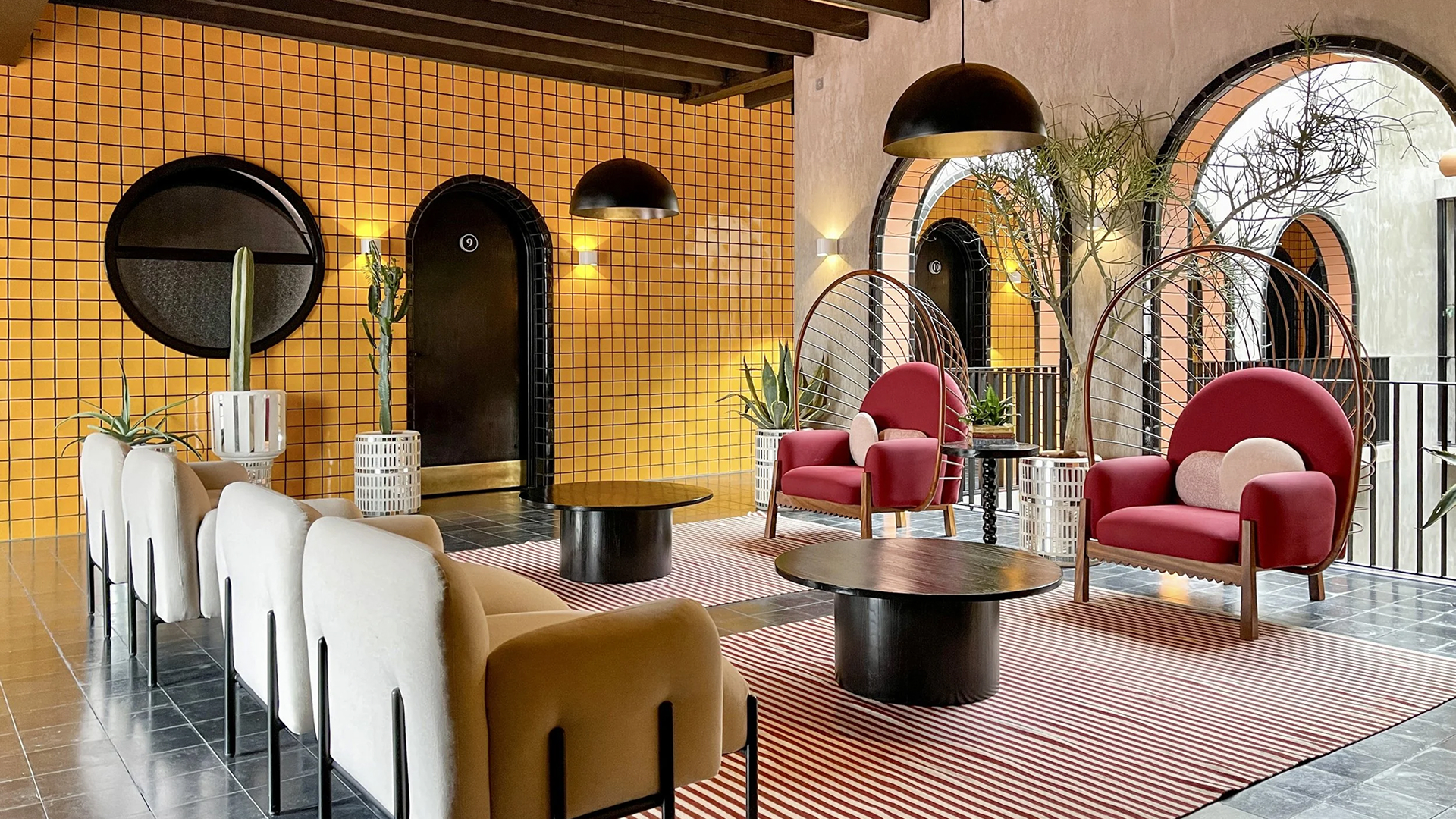
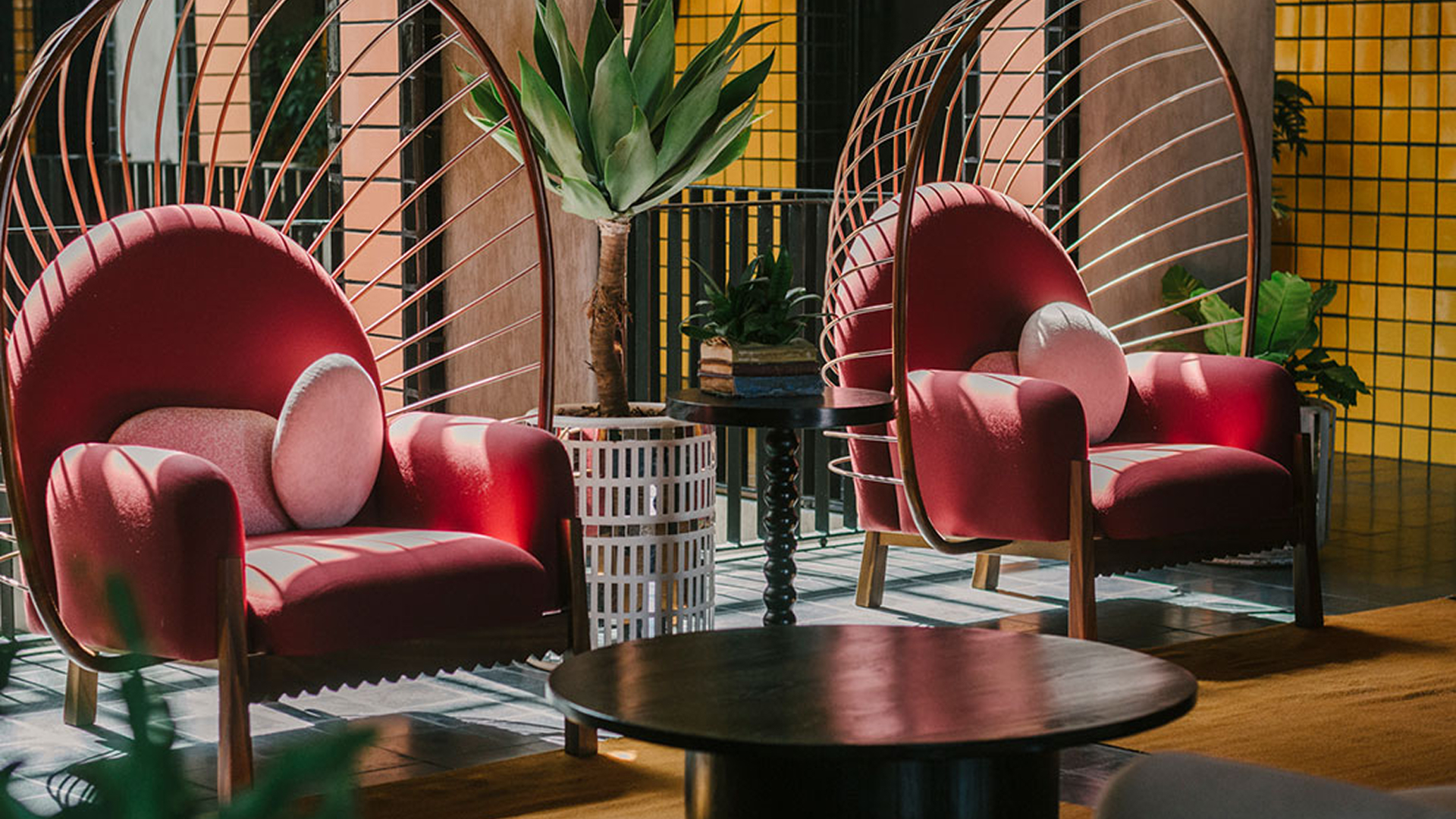
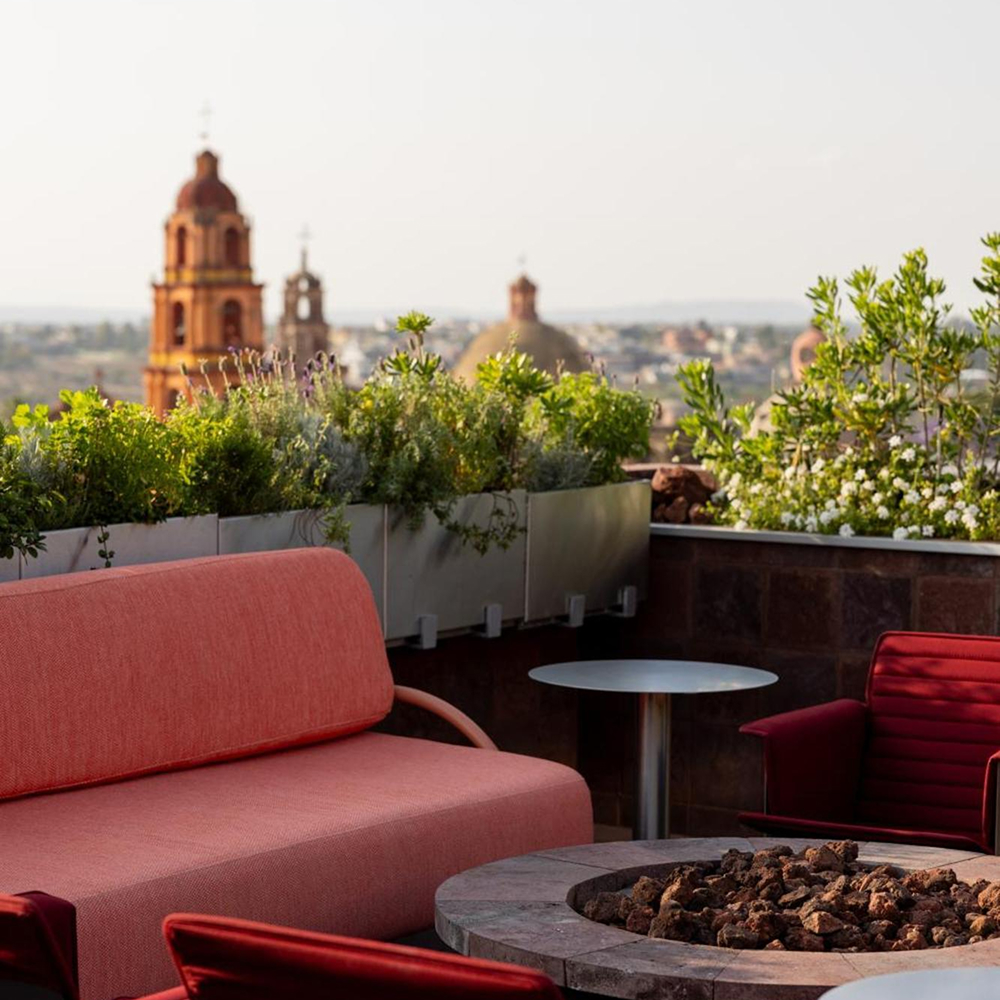
Casa Hoyos in San Miguel de Allende demonstrates this relationship particularly well. Architecture, local craftsmanship, contemporary design, and cultural references all support one coherent identity rooted in the destination rather than functioning as isolated aesthetic choices.
Content should communicate the same vision
A concept reaches prospective guests through websites, photography, editorial content, social media, and public relations long before arrival. These channels should explain the philosophy of the property rather than simply presenting amenities.
Communication becomes more effective when every story, photograph, and campaign reinforces the same strategic direction established during concept development.
Distribution should reflect the positioning
The commercial strategy should remain consistent with the concept itself. Pricing, booking channels, partnerships, search visibility, and direct marketing all influence how the property is perceived.
Hotels seeking to build a premium identity, for example, often benefit from prioritising direct relationships, editorial visibility, and carefully selected partnerships instead of relying exclusively on broad distribution channels. Distribution is not only a sales decision. It also shapes brand perception.
Lasting hospitality concepts combine creativity with commercial discipline
The hospitality concepts that remain relevant over time are rarely those with the most dramatic architecture or the boldest visual identity. They succeed because every decision supports the same strategic direction, from market analysis and positioning to operations, design, distribution, and guest experience.
Concept development is ultimately an exercise in alignment. A clear audience informs the business model. The business model shapes the guest experience. The experience influences design, food and beverage, communication, and commercial strategy. When these elements evolve together, the concept becomes easier to operate, easier to understand, and more resilient as markets change.
For hospitality businesses developing new hotels, resorts, or mixed-use destinations, the strongest concepts emerge when strategy, operations, branding, and design are considered as one integrated process rather than as separate phases of development. That multidisciplinary approach continues to guide the hospitality concept development work delivered by Epikure.