A booming market: why exclusivity sells
The numbers behind the trend
According to a report by Knight Frank, the global ultra-high-net-worth population grew by 9% in 2023, driving demand for hyper-personalized experiences. Members-only clubs have capitalized on this shift, with Soho House alone growing its membership base to over 176,000 across 41 locations. Meanwhile, New York’s ZZ’s Club, backed by Major Food Group, has a reported waiting list in the thousands, showcasing the high demand for exclusivity.
From coworking to curated lifestyle
Initially fueled by the success of WeWork and The Wing, private clubs have evolved beyond networking spaces. Now, venues like The Arts Club in London and Casa Cipriani in New York offer luxury hospitality with Michelin-starred dining, wellness facilities, and exclusive cultural programming. This evolution aligns with changing consumer behavior, where members seek a blend of business, leisure, and status in one place.
Designing exclusivity: the role of aesthetics and identity
Bespoke interiors and architectural storytelling
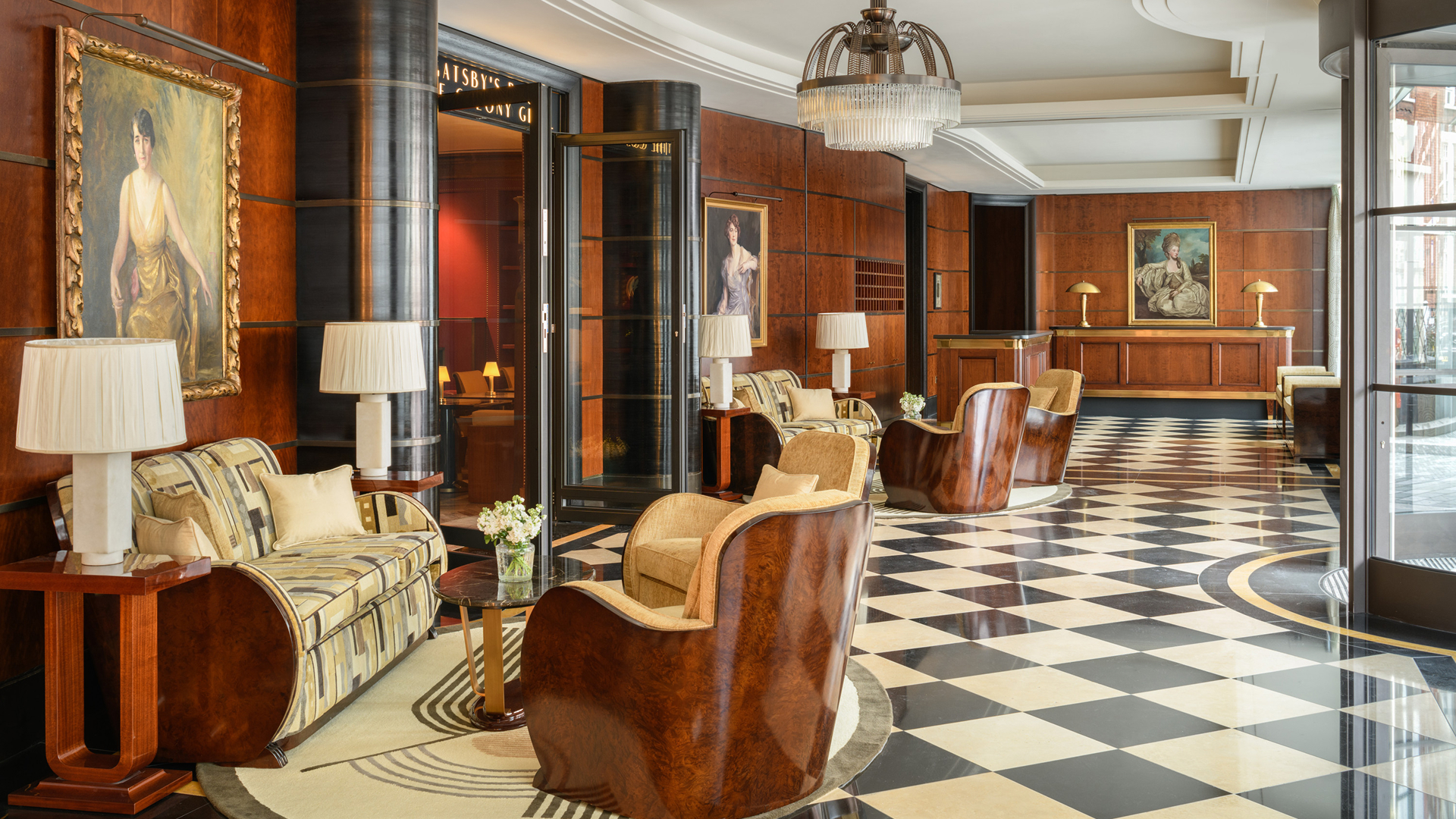
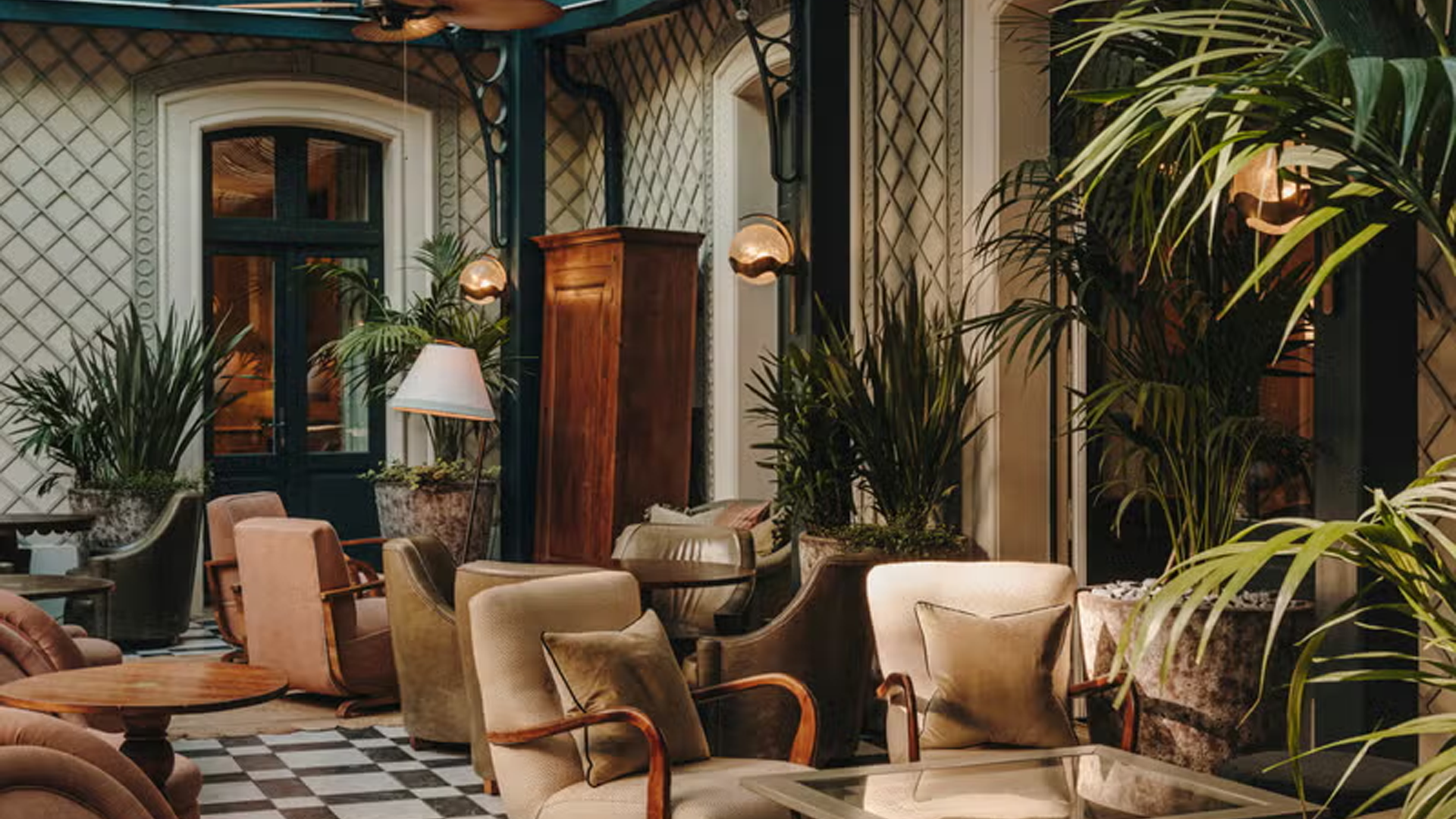
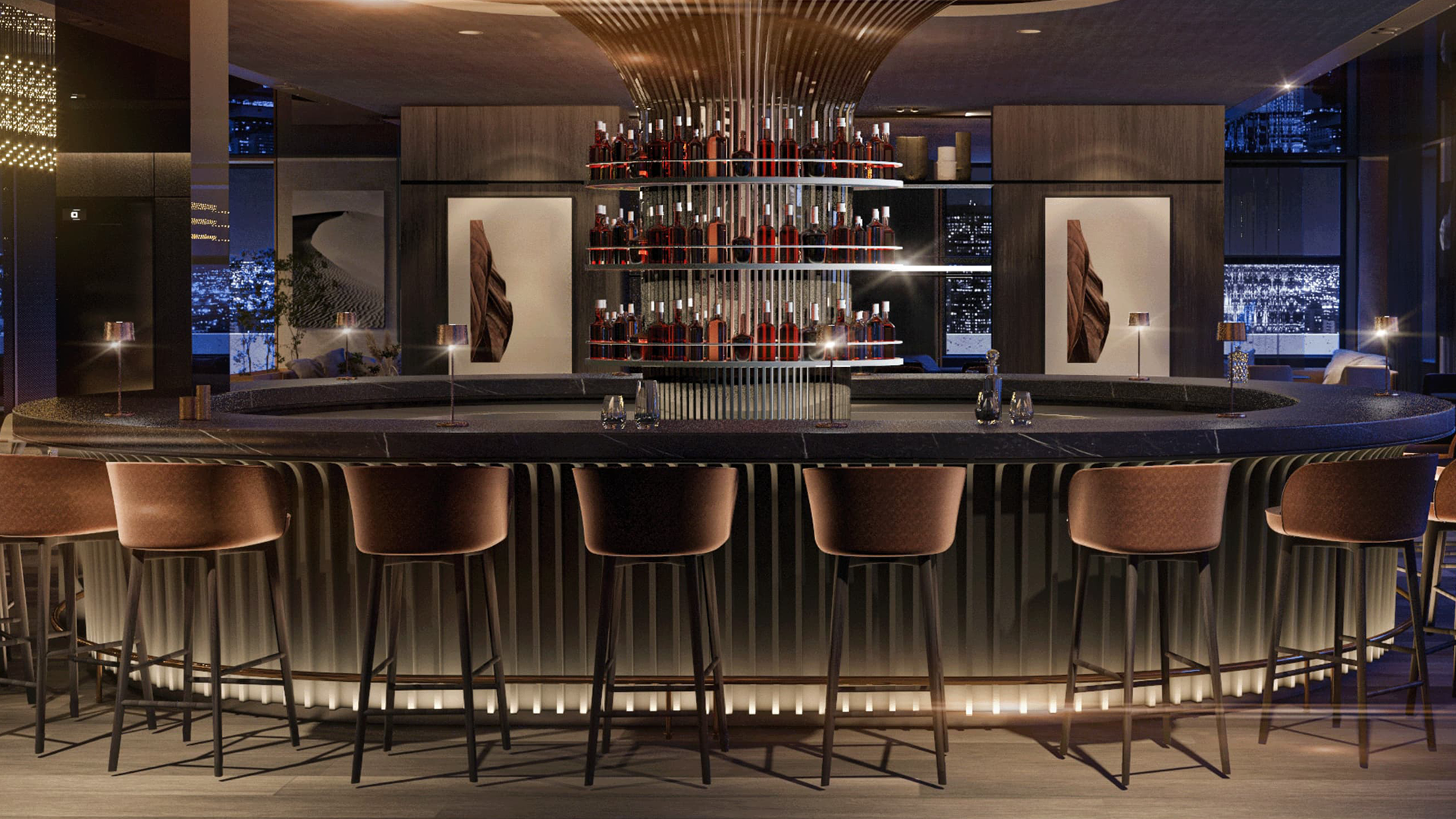
Luxury members-only clubs invest heavily in design to reinforce exclusivity. For example, Annabel’s in London underwent a $100M redesign by Martin Brudnizki, featuring opulent interiors inspired by classical European luxury. In contrast, Zero Bond in New York offers an industrial-chic aesthetic catering to the city’s creative elite.
Digital gatekeeping and tech-driven personalization
With the rise of AI and data analytics, clubs now leverage technology to enhance exclusivity. The CORE Club in NYC uses AI-driven curation to tailor events and experiences to members’ tastes. Meanwhile, Soho House’s app allows members to book bespoke services and access exclusive content, reinforcing a sense of privilege beyond the physical space.


Sustainability and social responsibility in private clubs
While luxury and exclusivity often go hand in hand, sustainability is becoming a key factor in modern members-only clubs. The Conduit in London integrates social impact into its business model, hosting discussions on climate change and ethical business practices. Similarly, Habitas champions eco-conscious hospitality, using sustainable materials and prioritizing regenerative tourism in its clubhouses.
The rise of members-only clubs reflects a larger shift in luxury hospitality, where exclusivity, personalization, and community define premium experiences. As high-net-worth individuals continue seeking unique, immersive spaces, the private club model is set to expand globally, transforming urban landscapes and redefining social status in the process.