Shift from output to structure and internal clarity
Editorial activity becomes stronger when shaped by structure rather than pressure. A plan that defines cadence, formats, and responsibilities reduces noise and ensures every message has purpose. Hotels that work this way create content that reflects their brand consistently and serves real booking paths. The objective is to establish a rhythm that teams can follow throughout the year, supported by clear processes, aligned calendars, and shared tools that connect marketing with operations seamlessly.
Define a monthly cycle and reduce pressure
Aligning the editorial calendar with the natural rhythm of the property brings balance to production. A monthly cadence suits most teams as it leaves space for ideation, writing, design, and review while connecting with real booking cycles. A newsletter about seasonal menus, an article on wellness offers, or a story about a past event all gain impact when prepared in advance. Château Saint-Martin & Spa aligns content with seasonal highlights, maintaining consistency while ensuring each message feels timely and relevant.
Use clear formats to reduce decision fatigue
Defining repeatable formats simplifies the creative process and preserves consistency. Choose a limited set of content types such as one article, one newsletter, and one social post per month, or one weekly theme around booking, service, story, and experience. This structure helps the team focus energy on quality rather than volume. Saint James Paris illustrates this approach by centering its content on elegance, service, and place, with recurring themes that strengthen its voice without overloading guests with unnecessary messages.
Set a quiet review rhythm to improve quality
A well-defined review process elevates the quality of content while avoiding delays. Assign clear roles for production and review, with time reserved for reading aloud, checking links, and aligning tone. Archive all published content in a shared library with dates and links, giving teams easy access to references and avoiding duplication. Bulgari Hotel Milano follows this principle by keeping consistent editorial standards across newsletters, website updates, and campaigns, ensuring each message reflects the same voice and precision.
Make every piece answer a question or booking hesitation
Guests value content when it provides answers that support their decisions. An article, a newsletter, or a social post becomes useful when it addresses a need directly related to the stay. Content should highlight services, experiences, and benefits in a way that removes hesitation. This guest-first perspective makes communication part of the service, strengthens trust, and increases the chance of conversion by aligning editorial work with real intent rather than arbitrary marketing schedules.
Start from real questions, not themes
Building content from the most frequent guest queries makes each message practical and relevant. Collect input from front desk conversations, guest emails, and reviews, then shape topics around these signals. Each piece should focus on one precise question. L'Hôtel des Grandes Rousses applies this method by producing seasonal content about ski gear, local routes, or altitude experiences, providing clarity for potential guests. This practice makes the blog a tool for decision-making and reinforces the sense of care provided by the property.
Keep content aligned with real-time availability
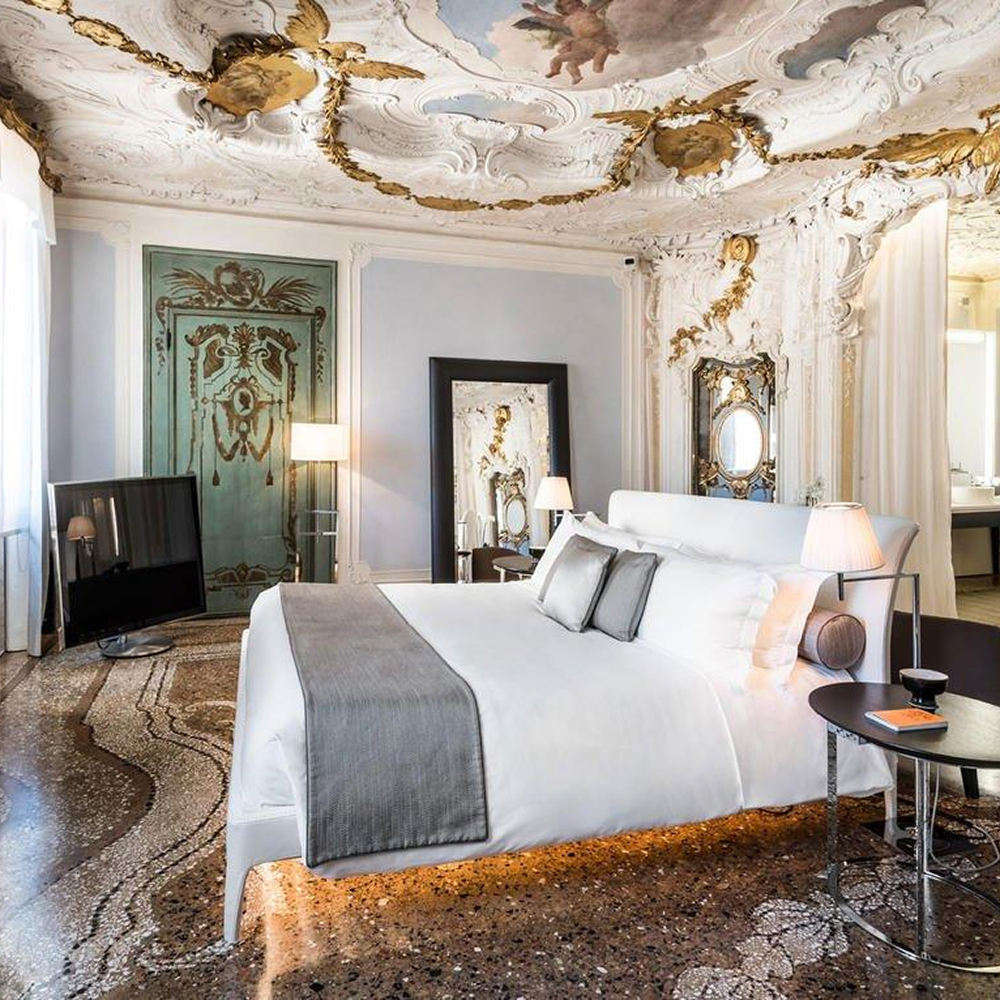
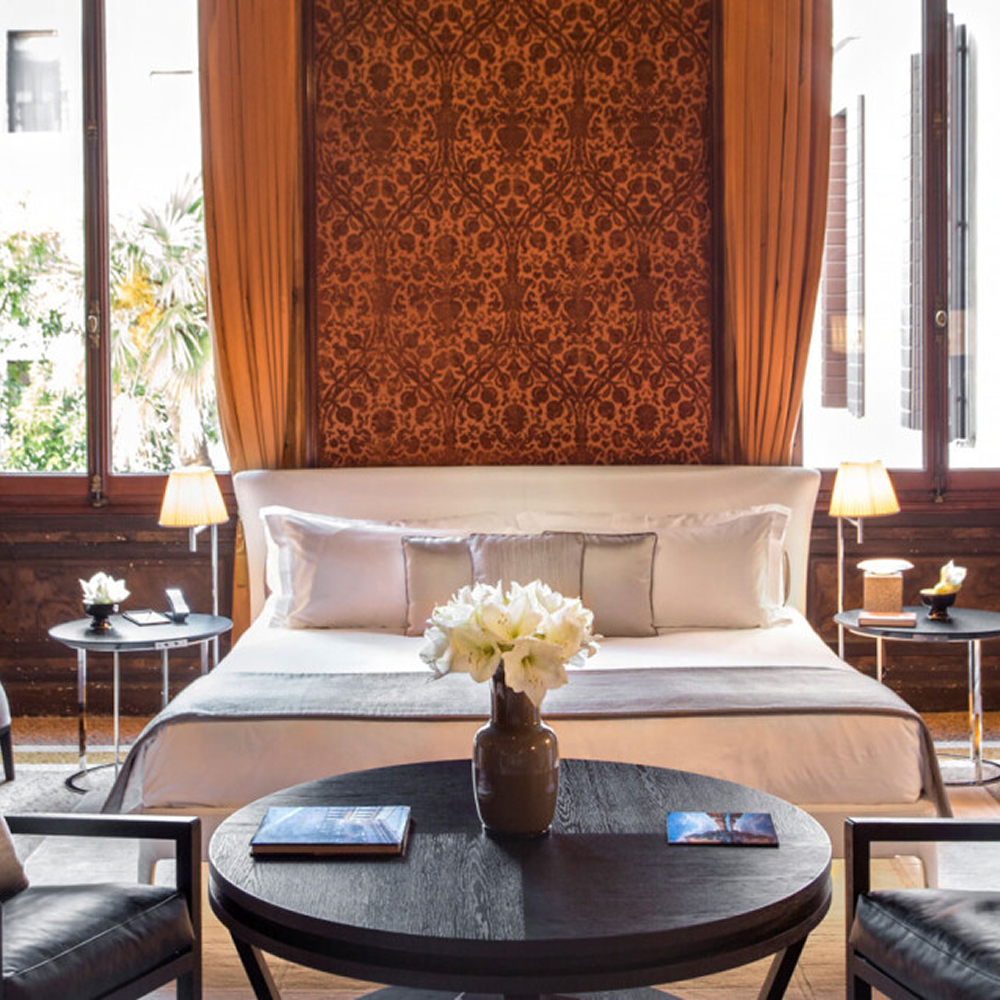
Editorial planning gains strength when aligned with what the property offers at the moment of communication. A seasonal menu, an opening date, or a new service should be published in direct connection with availability. The Gritti Palace illustrates this through updates tied to dining events and cultural occasions in Venice, ensuring content feels relevant to booking opportunities. This discipline reinforces trust and positions communication as reliable and useful to the guest.
Distribute gently across the right channels
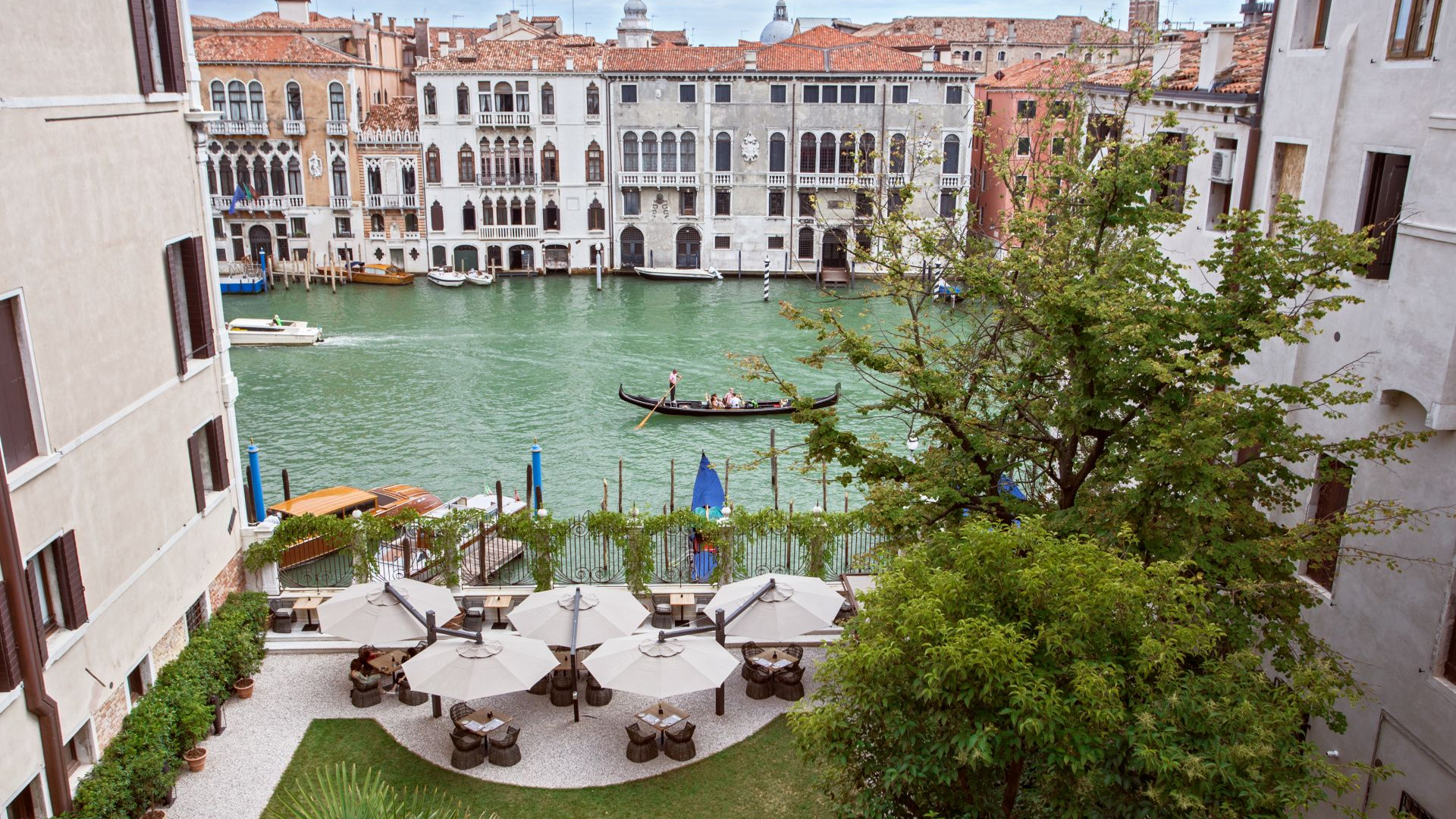
A thoughtful distribution rhythm preserves the value of each piece over time. Select the most relevant channels for each message such as a newsletter, a homepage section, or Instagram. Share content slowly and intentionally, without saturating every platform at once. Encourage internal teams to distribute within their networks when relevant. Aman Venice demonstrates this approach by releasing editorial material gradually, extending the life of each post while maintaining exclusivity and precision in guest communication.
Set a calm editorial rhythm with Epikure
Publishing less with more focus allows each message to reach the right audience with clarity. A defined rhythm brings alignment between teams, improves the guest experience, and strengthens brand voice across all platforms. Each post, article, or email becomes a tool that informs, supports, and converts. Contact us to align your editorial rhythm with your business goals.