Why the inbox creates a deeper guest experience
Email remains one of the only digital spaces where brands can express their voice without interference or algorithmic noise. A well-written message can recreate the calm, attentive tone of an in-person welcome, offering guests a moment of clarity in a world filled with distractions.
Repetition fosters recognition and trust
Brands that show up with regular updates, seasonal inspiration or curated experiences build a kind of quiet loyalty over time. The Standard Hotels use email as a cultural diary, sharing music, creative stories and city guides that reflect their universe. Each message becomes a soft reminder of the brand’s personality and presence.
Personalisation mirrors real hospitality gestures
Thoughtful emails can replicate the feeling of being recognised by name, offered a room upgrade or remembered for a previous stay. Platforms like Revinate allow boutique hotels to build sequences that align with guest journeys, from a welcome message with spa tips to a follow-up note after departure. These touches transform a digital note into something that feels intimate and human.
Creating a narrative from booking to memory
The best email campaigns follow the rhythm of the guest’s experience, echoing the phases of anticipation, arrival and remembrance. Each step offers a moment to engage the guest emotionally while reinforcing the identity of the place.
Emails as extensions of place and atmosphere
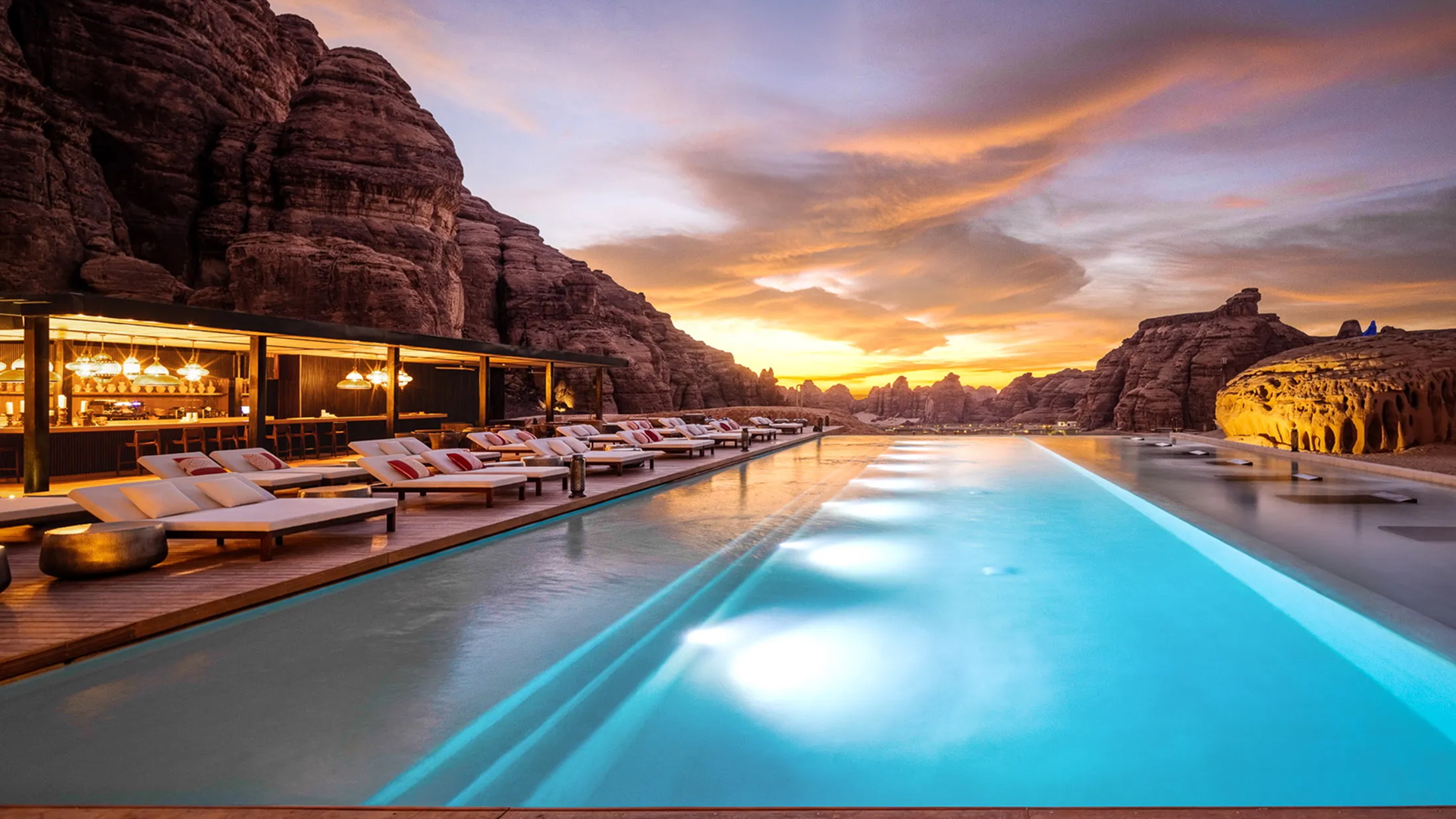
Habitas treat their emails as immersive journals. They share stories of nature, wellness rituals or artistic collaborations that resonate with their values and destinations. These emails are not just informative, they bring the reader back to a moment of peace, a sunset, or a conversation that left a mark.
Moments that stay with the guest beyond their stay
A welcome email filled with curated experiences, a message before departure that offers one last tip, or a note a week later with a playlist from the bar, all these touchpoints enhance the memory of the stay. They don’t interrupt but enrich the emotional landscape that connects the guest to the property.
Designing emails with elegance and rhythm
Just as a boutique hotel pays attention to music, lighting and scent, a strong email strategy relies on atmosphere, intention and flow. The goal is not to push offers, but to create a space of thoughtful exchange.
Choosing editorial value over promotional urgency
Sending a monthly letter that highlights local makers, seasonal recipes or upcoming events invites guests into the story of the brand. Maison Flaneur for example crafts emails like lifestyle magazines, offering readers a window into interiors, craftsmanship and travel inspiration. This rhythm builds desire without shouting.
Inviting guests to stay connected through relevance
The most effective newsletters begin with a reason to subscribe. Whether offering a travel guide designed for curious explorers, an invitation to a wine tasting or an article about local architecture, brands should focus on offering value before asking for attention. A list built on trust becomes an audience that listens.