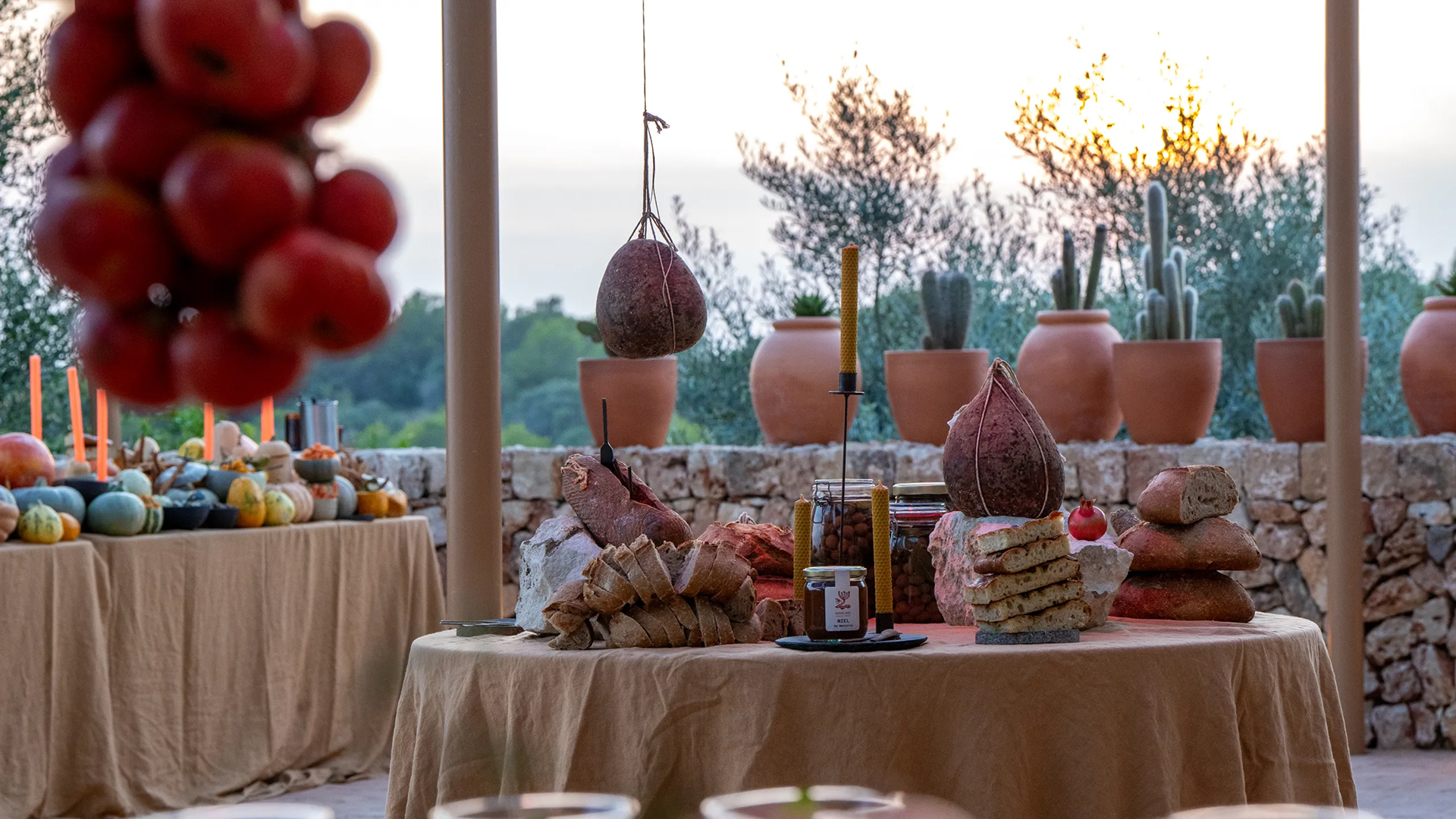
Naming as a form of spatial orientation
Names guide perception in the same way layout guides movement, by helping guests situate themselves emotionally before they move physically through a space. When naming reflects place, rhythm, and intent, orientation begins before arrival and reduces friction throughout the stay. Words create context and allow guests to project themselves without effort.
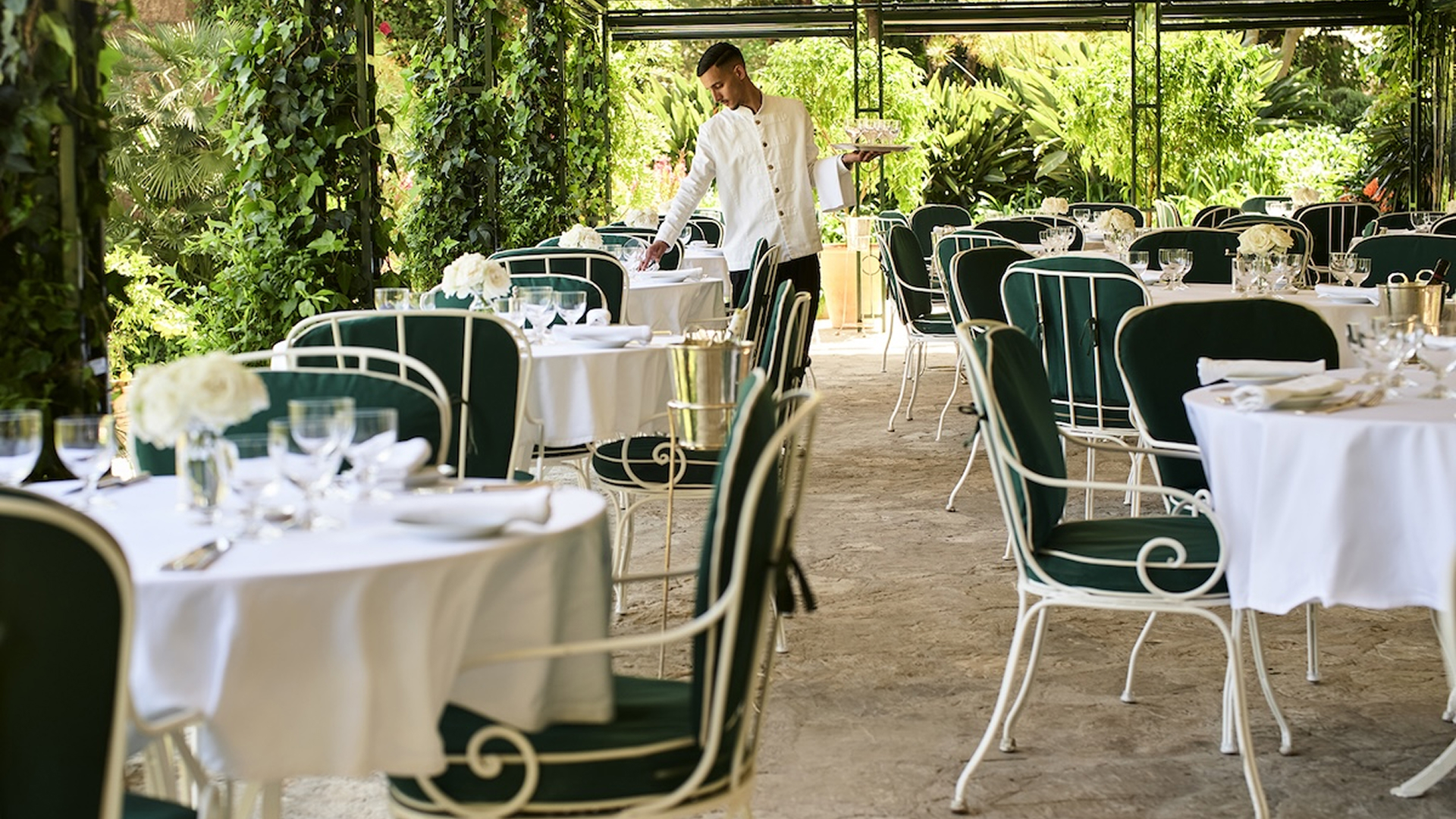
At Les Sources de Caudalie in Bordeaux, suite names draw directly from landscape, vineyards, and light. Guests read atmosphere through language alone and understand the spirit of the place before seeing it. This legibility builds confidence because expectations align naturally with experience, proving that naming decisions influence perception as strongly as spatial design.
Suite names as emotional signals
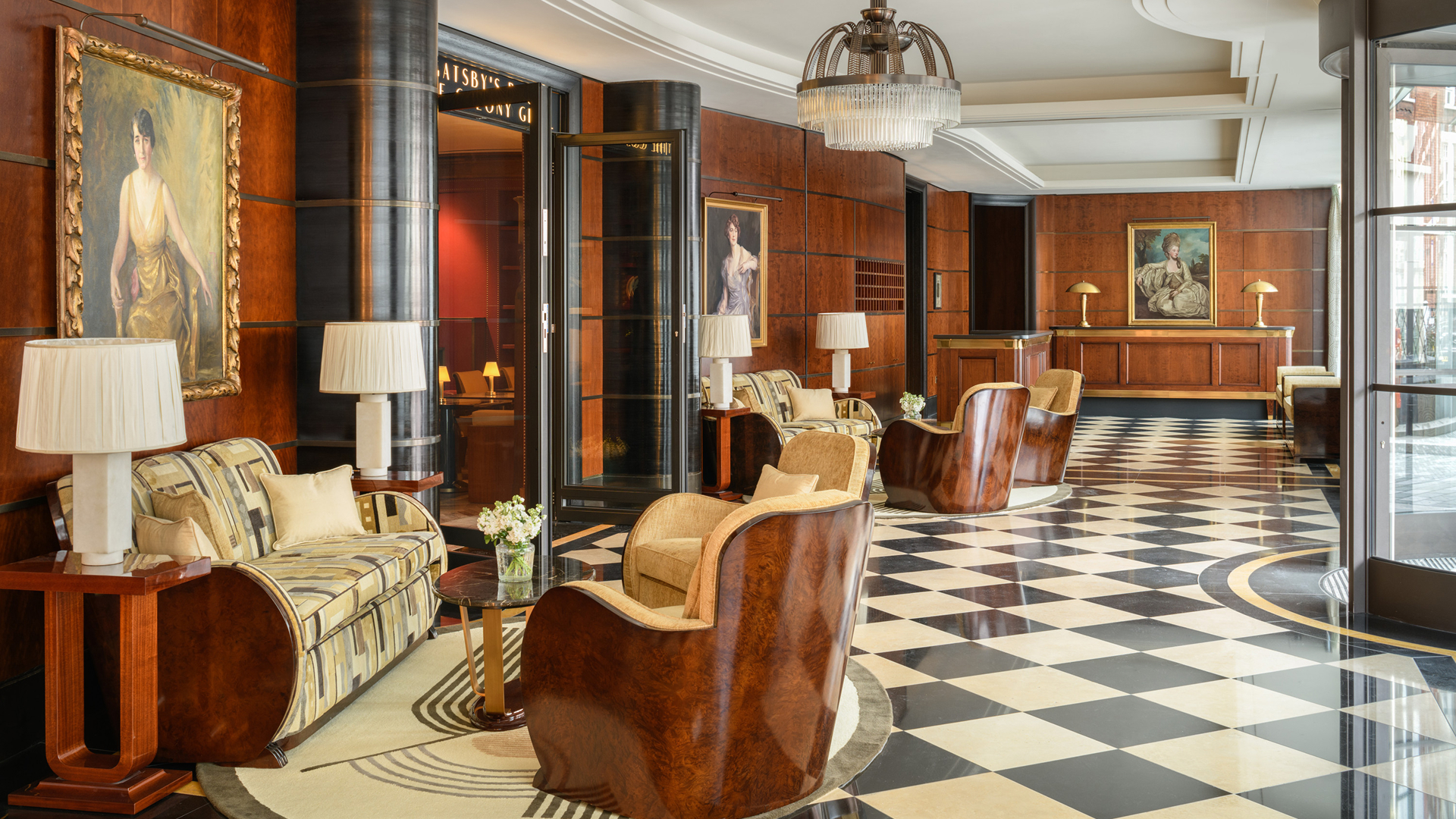
A suite name communicates tone, scale, and intention long before the door opens. At Hotel Café Royal in London, naming reflects heritage and intimacy rather than hierarchy or excess. Vocabulary remains concise and culturally grounded, allowing guests to sense refinement without explanation. Each name prepares an emotional state that matches the interior experience, demonstrating how language shapes comfort and anticipation with precision.
Experience titles as narrative entry points
Experiences gain meaning through precise titles that describe intention rather than promise. Amanera in the Dominican Republic names activities through rhythm, place, and sensation. Titles remain clear and direct, allowing guests to understand the experience immediately without interpretation. Language becomes invitation rather than persuasion, reinforcing trust and positioning the property as thoughtful and composed.
Controlled vocabulary as a tool for coherence
Premium hospitality brands rely on a stable vocabulary across all touchpoints, because consistency in language creates continuity in experience. A controlled lexicon aligns suites, services, and communication into one recognisable voice, reducing confusion and strengthening identity.
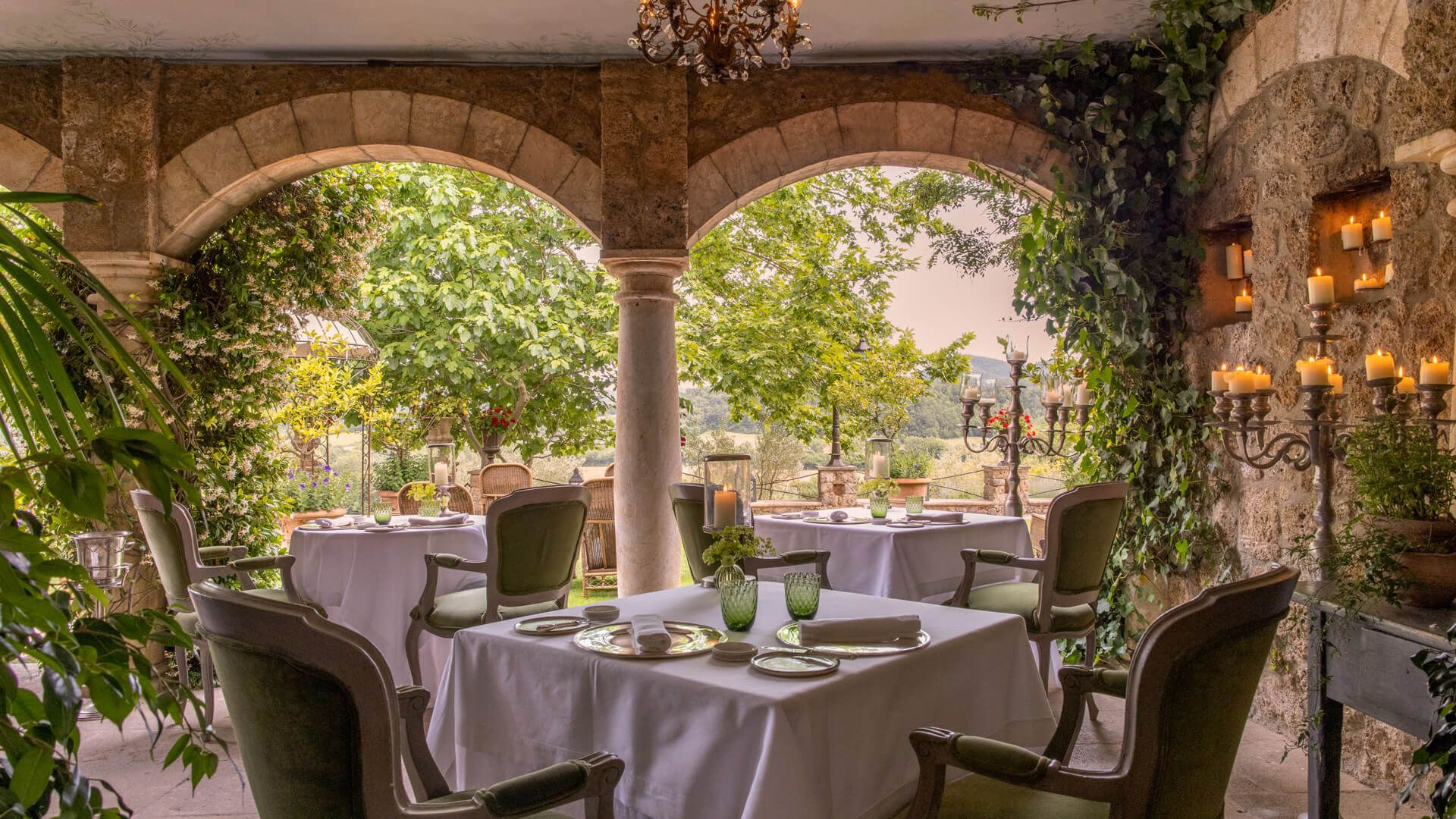
Borgo Santo Pietro applies a consistent vocabulary across rooms, gardens, dining spaces, and digital presence. Words remain calm, descriptive, and rooted in nature and craft. Repetition builds familiarity and reinforces emotional continuity. Guests feel coherence because the same language frames every moment of the stay, from discovery to departure.
Tone of voice as operational discipline
Tone shapes how information feels and how service is perceived. The Lowell in New York balances formality and warmth through measured language applied consistently across website copy, in room materials, and guest communication. This disciplined tone signals control and maturity. Language functions as a service standard, reinforcing trust through clarity rather than performance.
Digital language as the first hospitality gesture
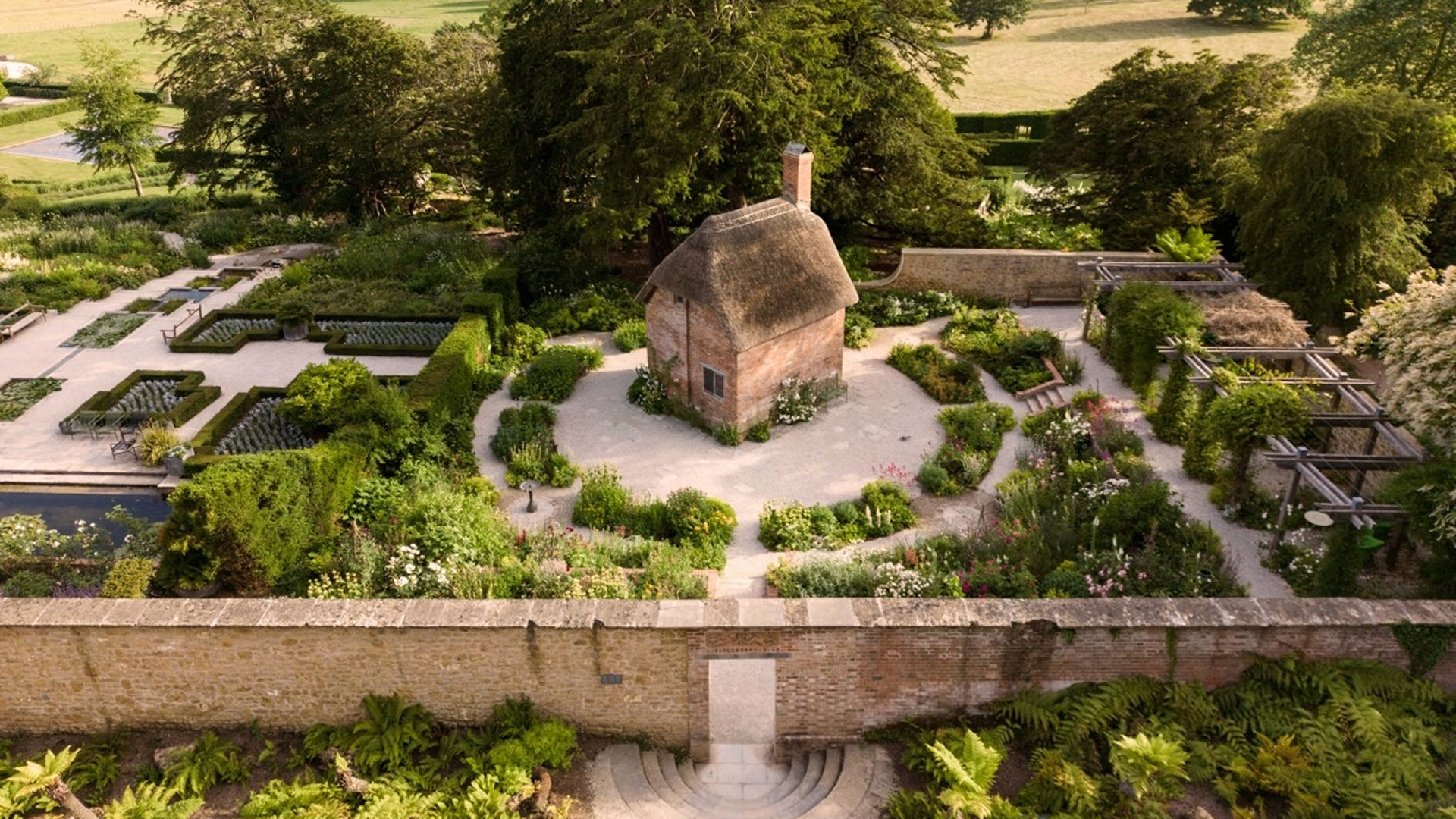
Online wording often forms the first emotional contact with a brand and sets expectations immediately. Heckfield Place demonstrates how digital language mirrors physical experience through simple structure, natural rhythm, and vocabulary inspired by landscape and season. Guests sense the pace of the property before arrival. Language sets tempo and prepares emotional alignment, acting as the first welcome gesture.
Language as strategic infrastructure
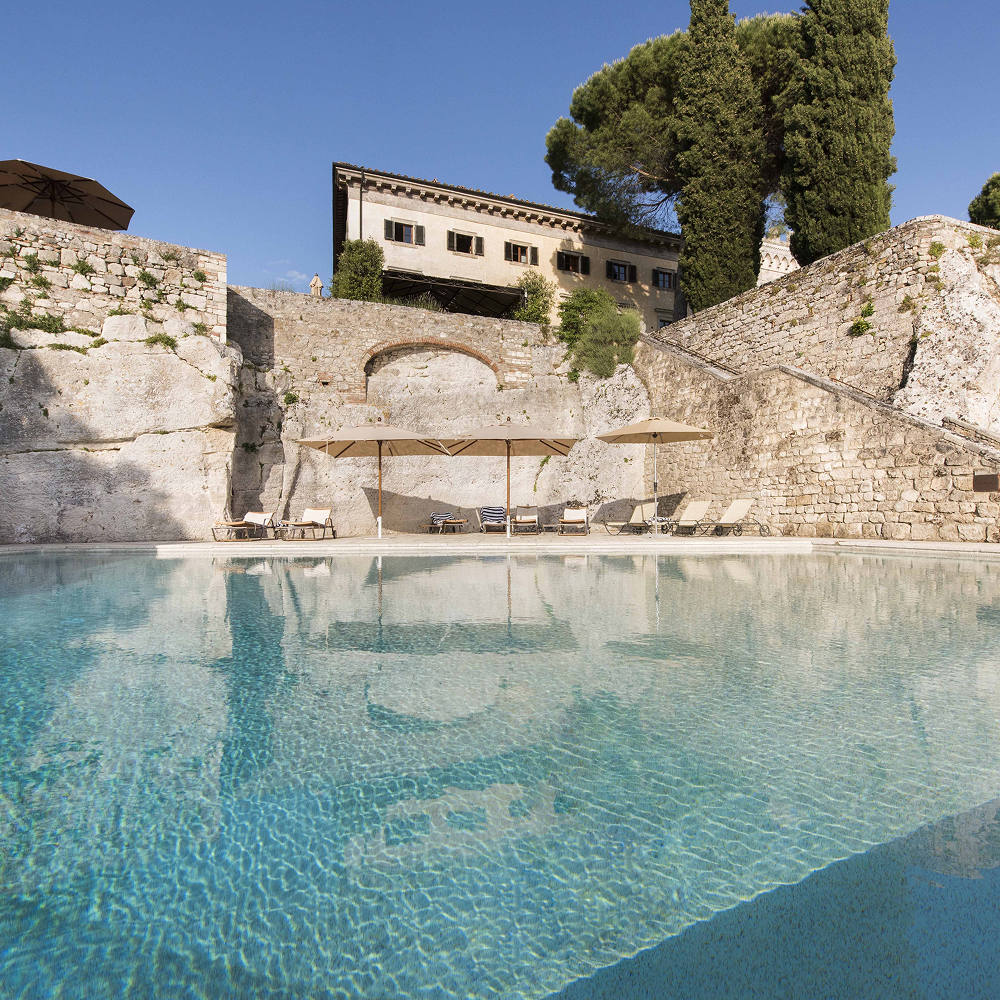
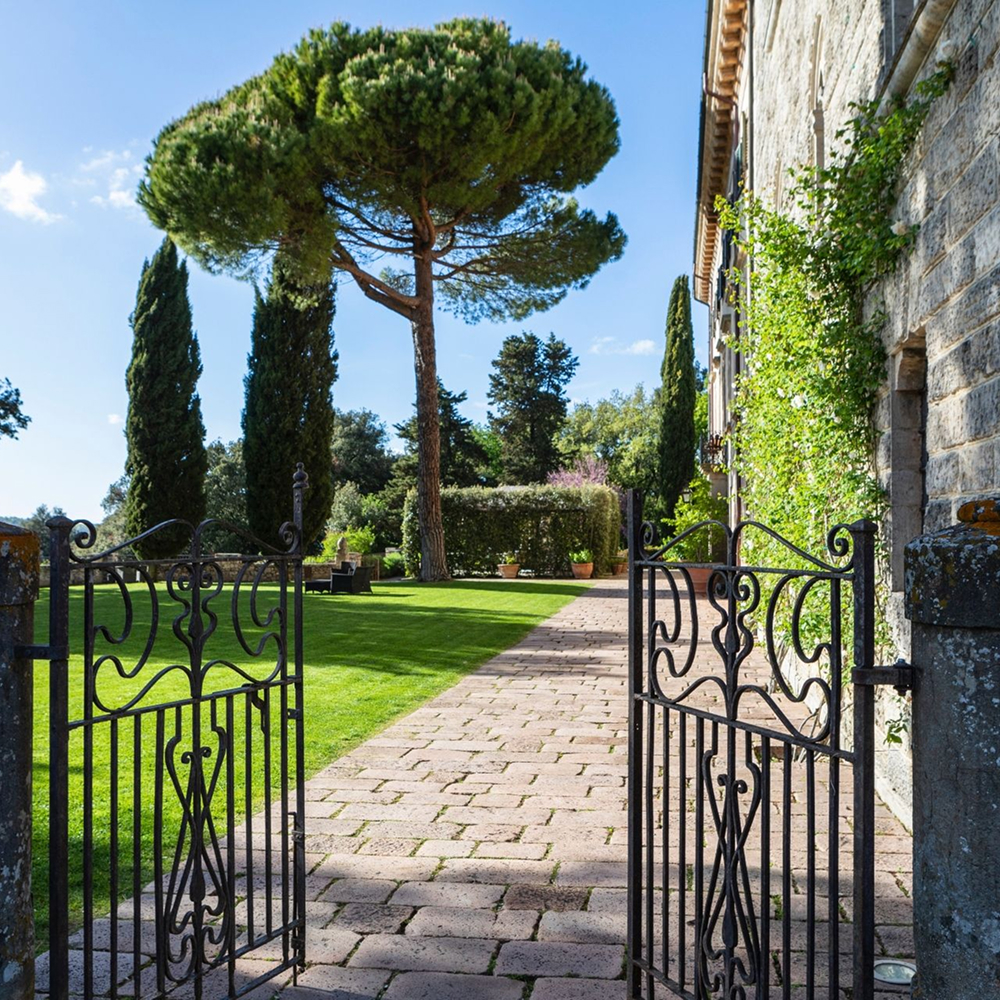
In premium hospitality, language defines positioning with the same precision as architecture, because it aligns teams, clarifies intent, and preserves identity over time. At Borgo Pignano, naming expresses stewardship, locality, and continuity across rooms, experiences, and landscapes. Vocabulary remains grounded and consistent, allowing guests to read sincerity and care through words alone.
Language becomes infrastructure when it supports every decision and prevents drift during growth, renovation, or digital evolution. Guests trust brands that speak with clarity because clarity signals mastery and intention. Epikure helps hospitality brands structure their language so that naming, tone, and storytelling align with design and service. You can begin this work through the Epikure contact page, where vocabulary becomes a strategic tool rather than an afterthought.