Terroir as a foundation for experience
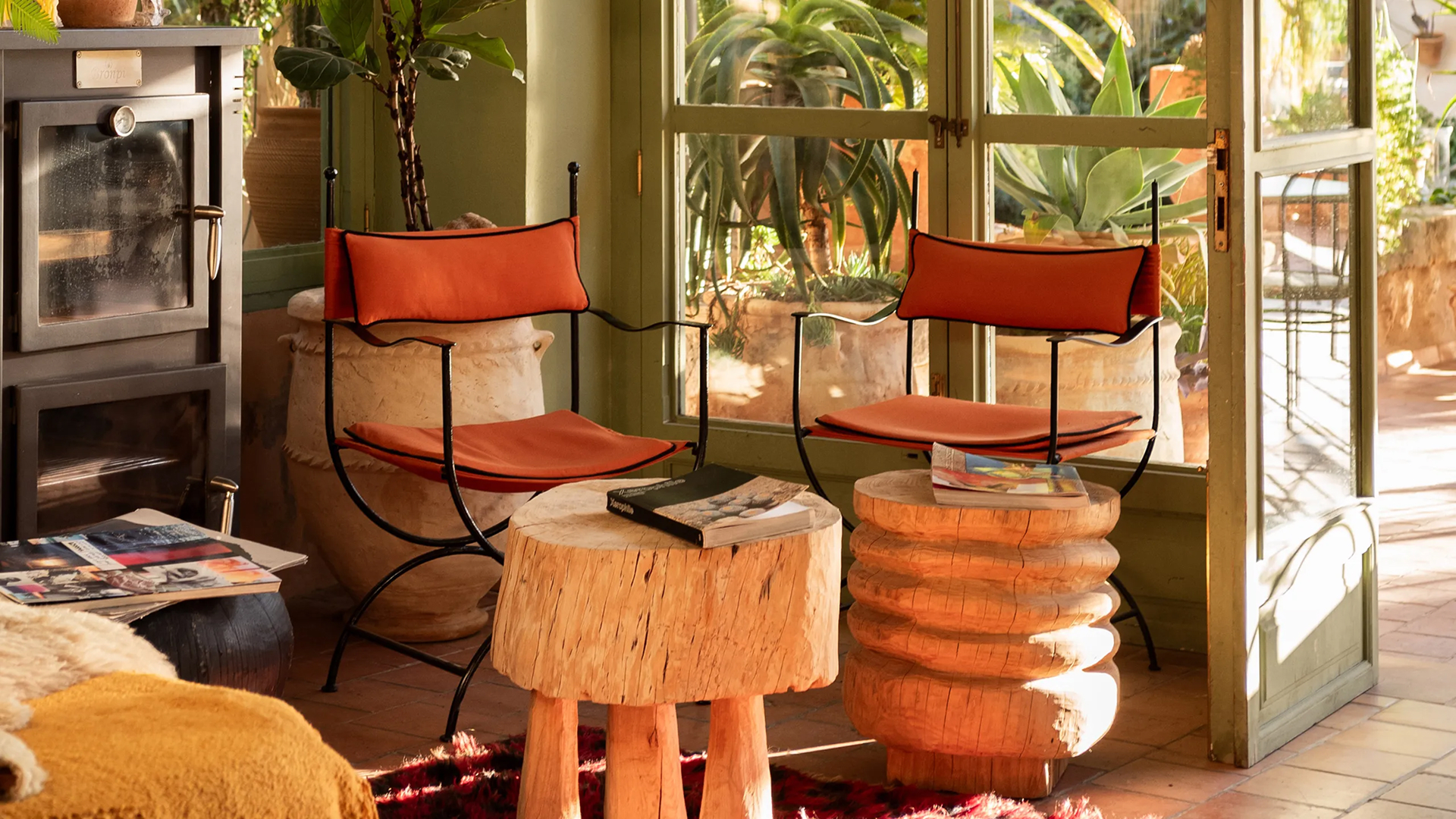
Vineyard hospitality begins with authenticity. The rhythm of the vines defines the calendar, the menu, and the pace of life. Castello Banfi Il Borgo in Tuscany embodies this principle. Restored stone buildings frame views of the Montalcino hills, and each element, from the olive oil to the furniture, comes from the estate itself. The experience is complete because it remains local in every sense. Guests engage with the land through architecture that listens rather than dominates.
Architecture shaped by landscape
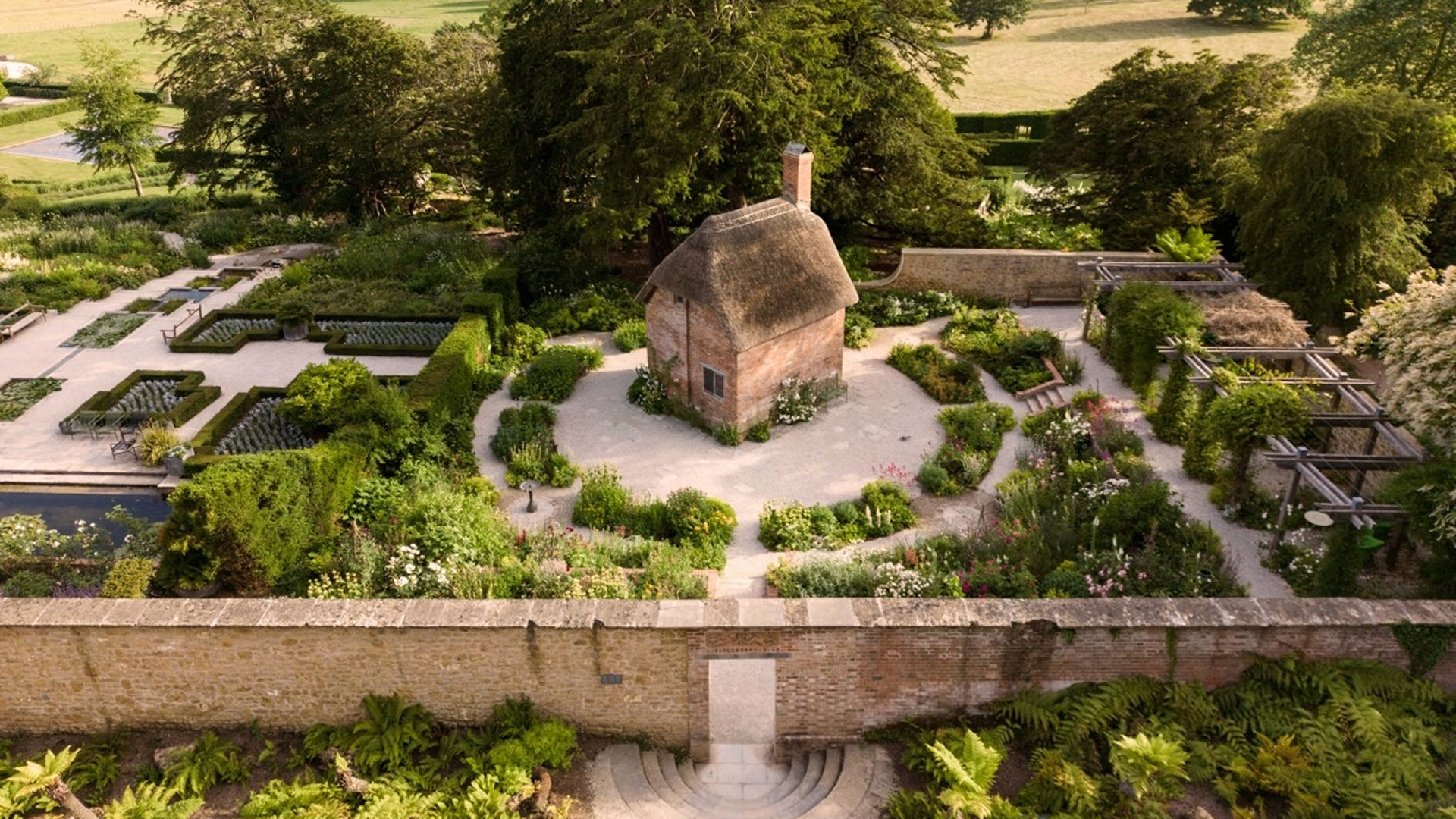
The best vineyard properties build with respect for geography. Quinta da Corte in Portugal sits quietly above the Douro Valley, its terraced walls echoing the rhythm of the vines. Interiors designed by Pierre Yovanovitch translate rural simplicity into geometric calm, using wood, stone, and light to reflect the surrounding topography. Each detail reminds guests that design here serves the terrain, not the other way around. The result is immersion, not display.
Rhythm as a form of luxury
Seasonality defines the guest experience. At Château Smith Haut Lafitte near Bordeaux, activities follow the vineyard's lifecycle. Guests join harvest walks, taste fresh must, and dine beside the cellars. Time becomes a visible element of design. The connection between hospitality and viticulture reinforces the idea that refinement lies in rhythm, the patience of growth mirrored in the cadence of service.
Taste as architecture and storytelling
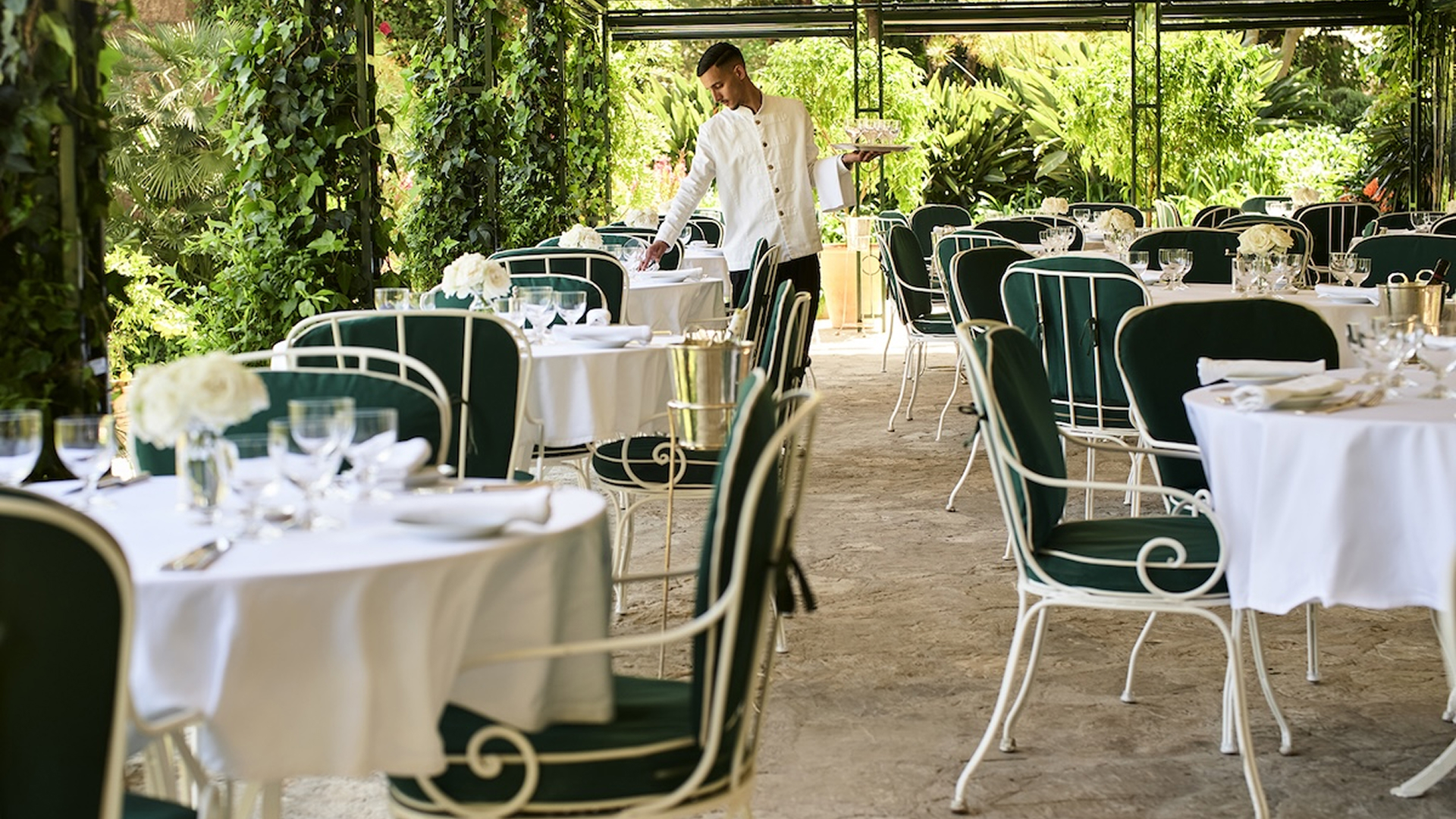
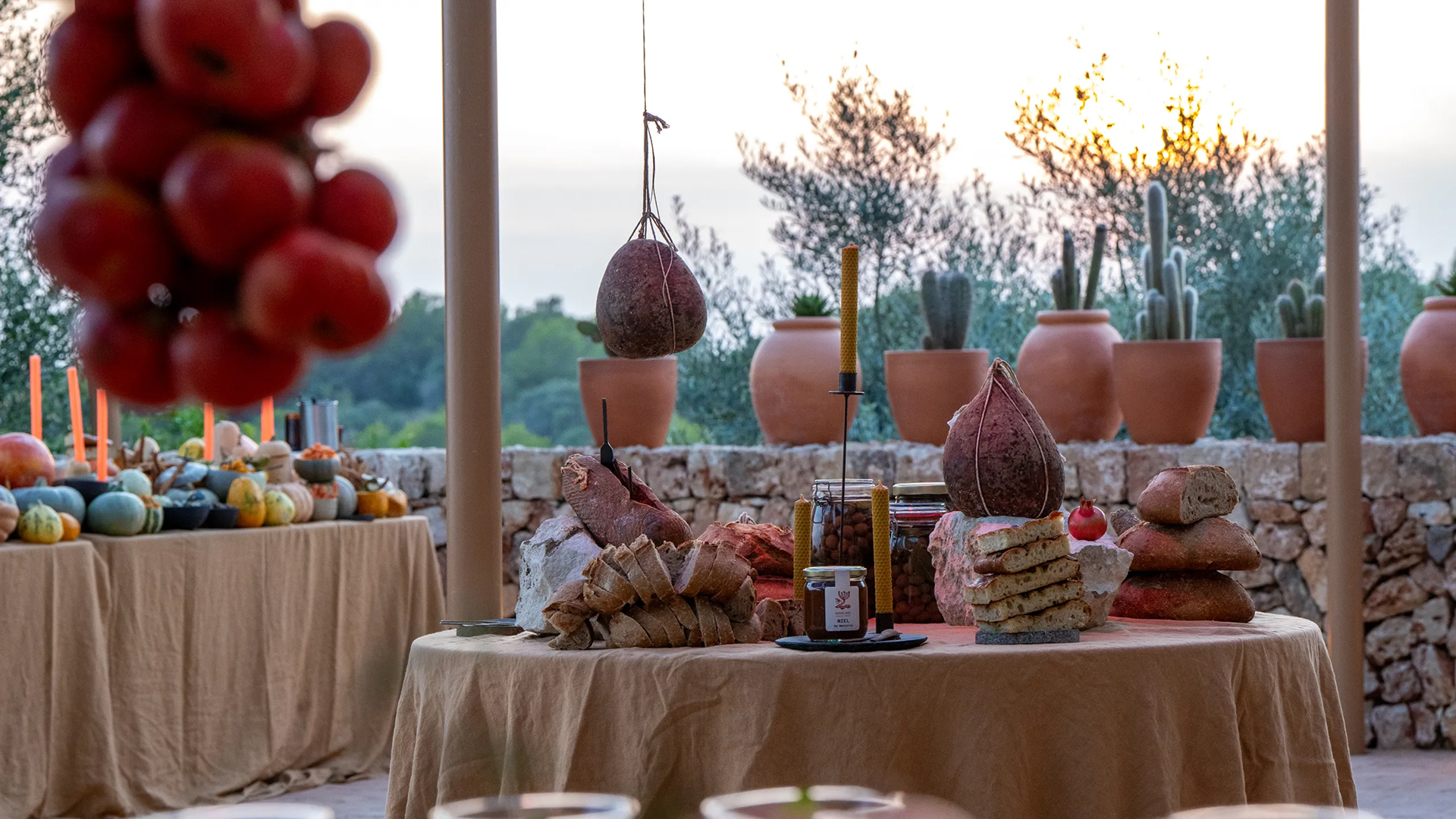
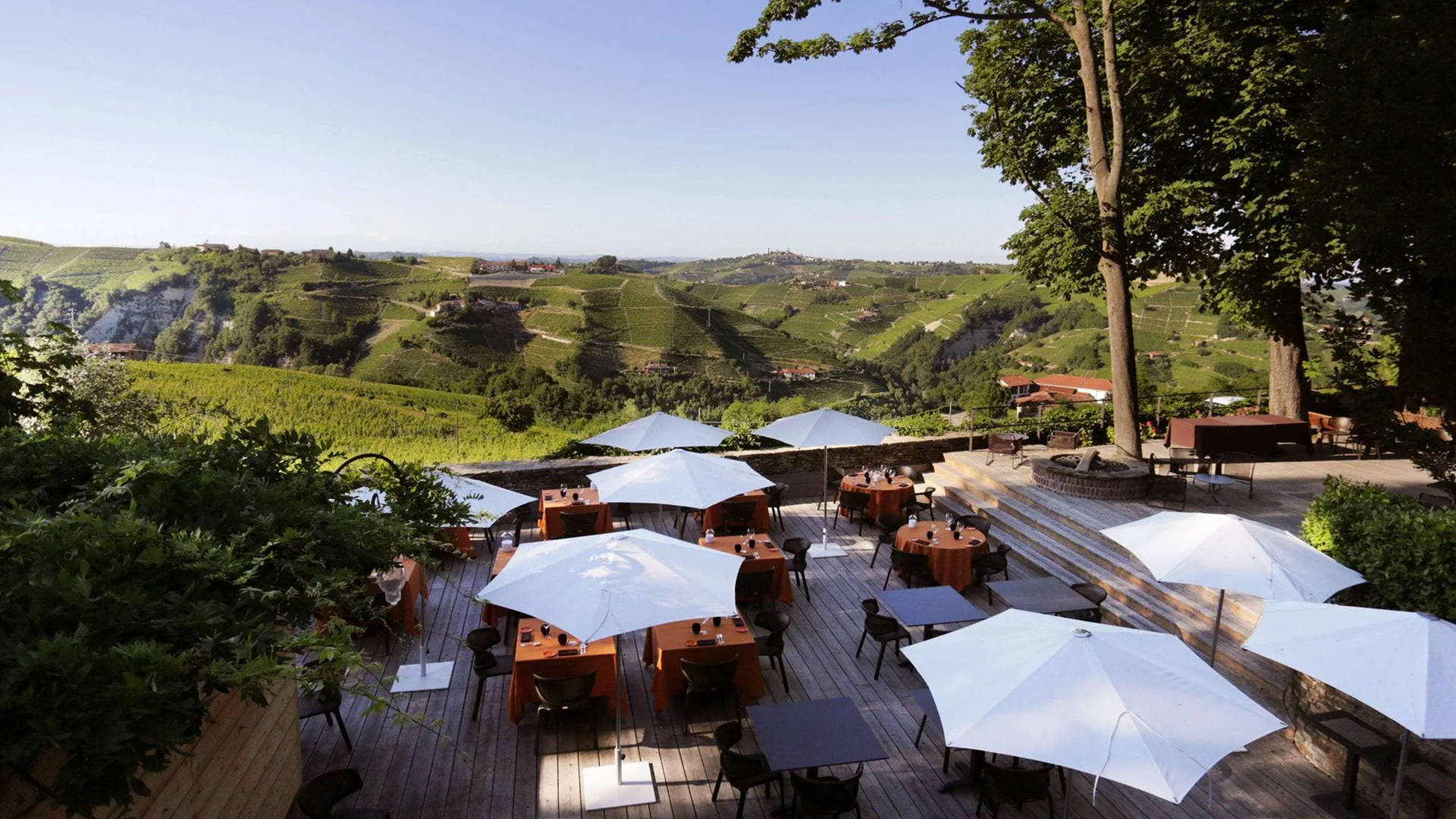
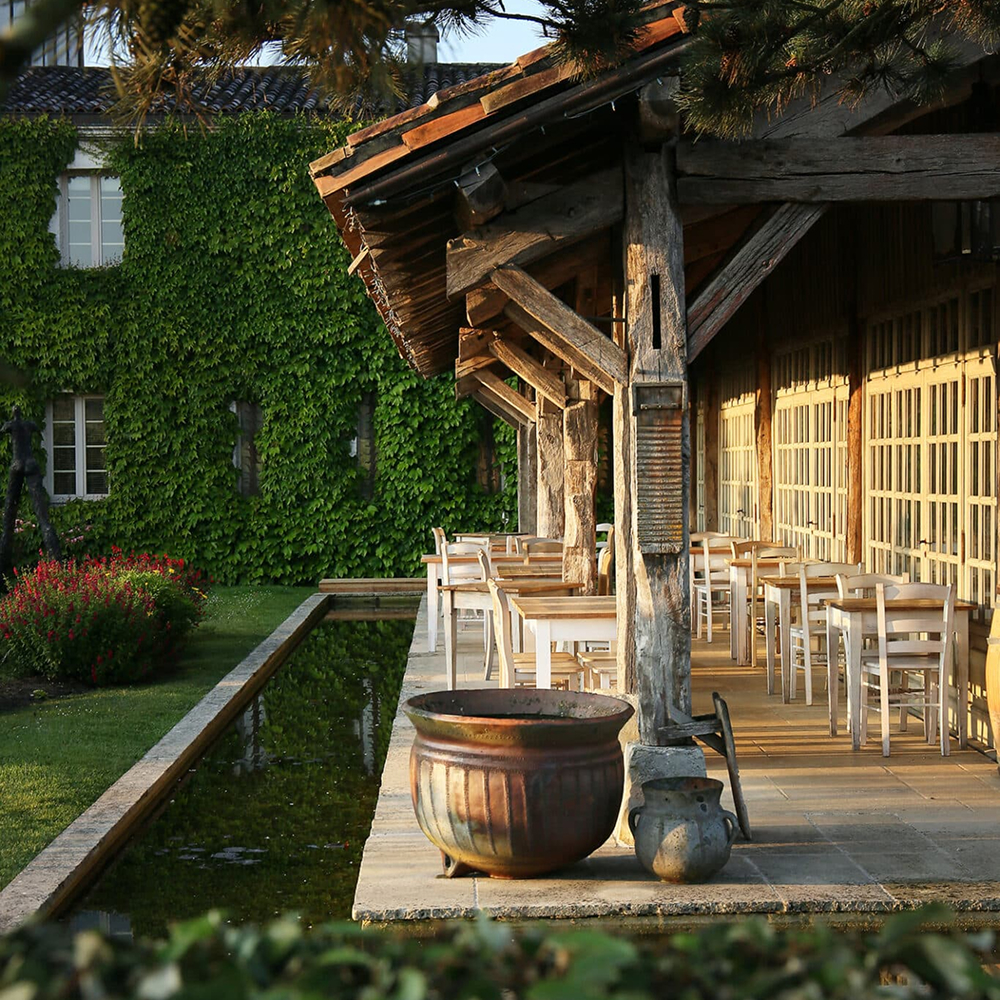
In vineyard hotels, flavour becomes space. Tasting rooms, restaurants, and terraces are designed to frame views, scents, and textures. Each area functions as an extension of the cellar. The Louise in South Australia's Barossa Valley exemplifies this union of gastronomy and design. Minimal interiors open directly onto the vines, while the menu translates the landscape into dishes that express soil, weather, and memory. Guests experience coherence between what they see, taste, and feel.
Culinary identity as brand narrative
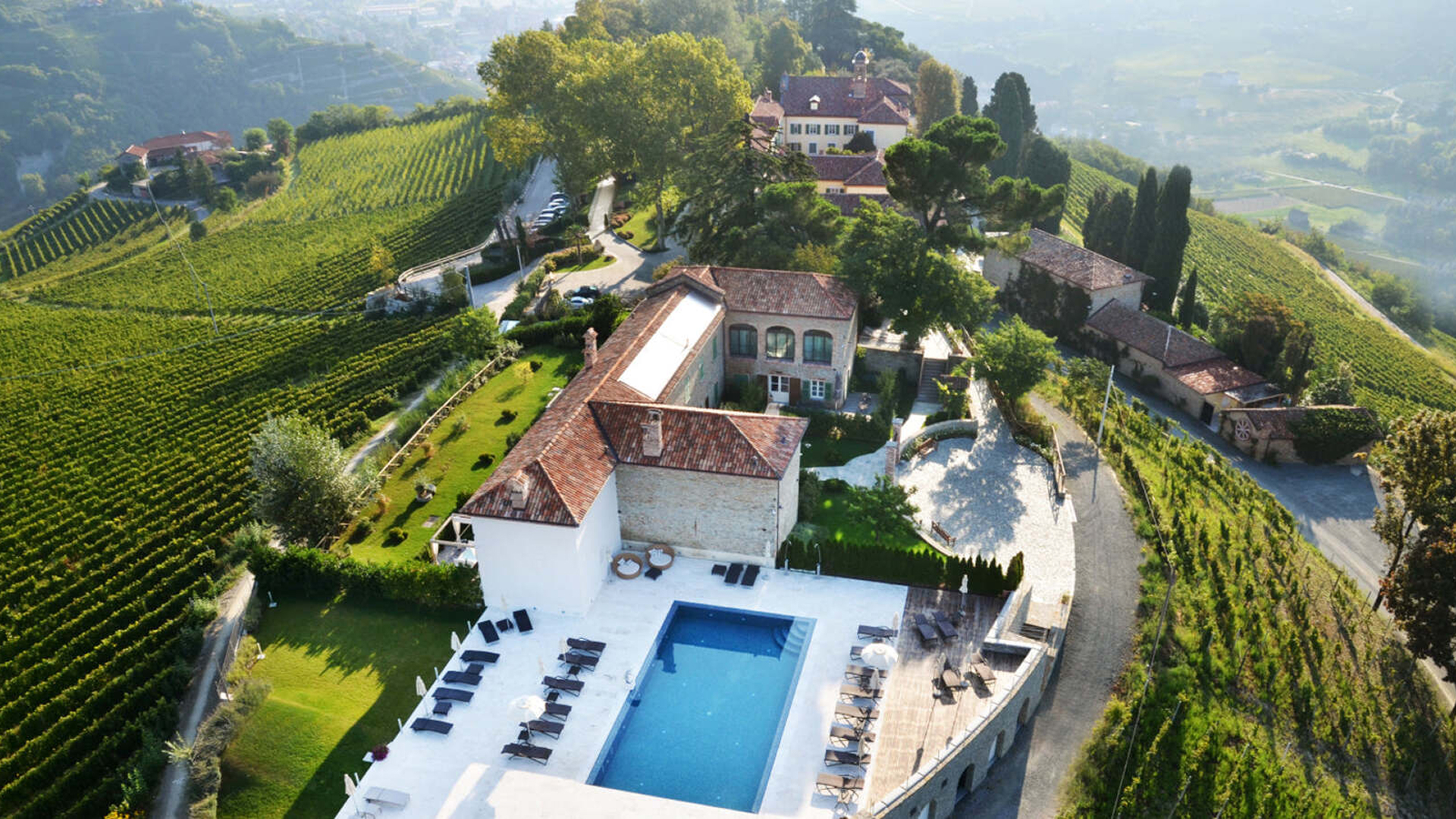
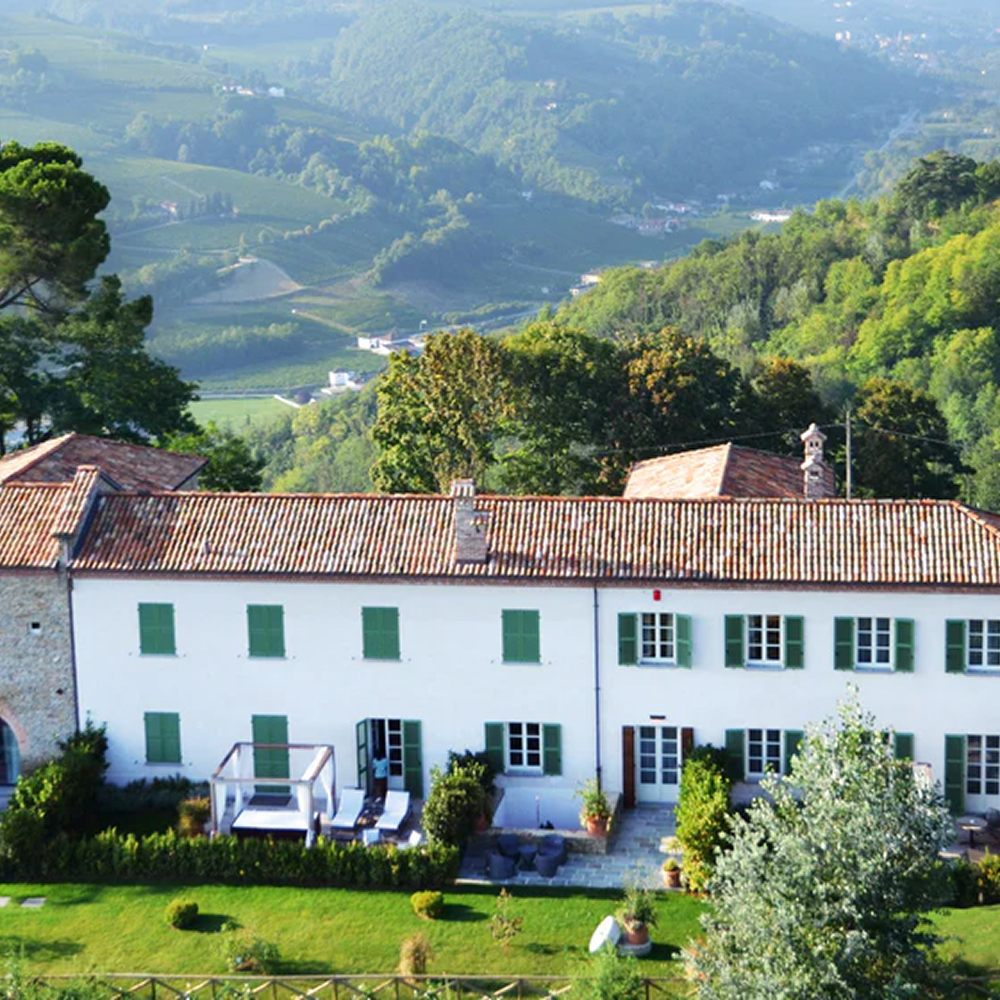
A strong vineyard property unites its culinary philosophy with its cultural roots. Relais San Maurizio in Piedmont demonstrates this through regional produce, local truffles, and architecture that recalls monastic origins. The restaurant's design uses natural materials and soft acoustics to highlight the food's origin. Cuisine becomes a narrative device that connects culture, place, and people into one continuous story.
Wine as emotional connection
Tasting in context transforms appreciation into belonging. Delaire Graff Estate in South Africa combines art, viticulture, and hospitality in seamless dialogue. Each wine expresses the mountain slopes that surround the property. Guests feel the precision of craftsmanship in both the cellar and the suites, where materials echo vineyard hues. Wine becomes a form of memory, a tangible link between emotion and environment.
Culture, craft, and continuity
Vineyard hospitality extends beyond comfort. It represents continuity between agriculture, design, and culture. Rosewood Castiglion del Bosco in Tuscany transforms a working estate into a complete environment, where guests experience the full chain of creation from soil to table. Architecture, farming, and service share the same discipline: attention to time and respect for place.
Craft defines atmosphere. From handmade ceramics to barrel-aged scents, every detail supports the story of the land. Guests leave with a deeper sense of locality, understanding that hospitality becomes most powerful when it grows directly from its soil. Epikure helps properties translate terroir into identity, connecting design, gastronomy, and experience. Contact us to align your brand with the rhythm of your landscape.