Inviting the community into the guest experience
Designing hyper-local experiences begins by rethinking the hotel not as a closed system, but as a living stage where local culture, crafts and characters come to life in everyday moments.
Partnering with makers and artisans for immersive touchpoints
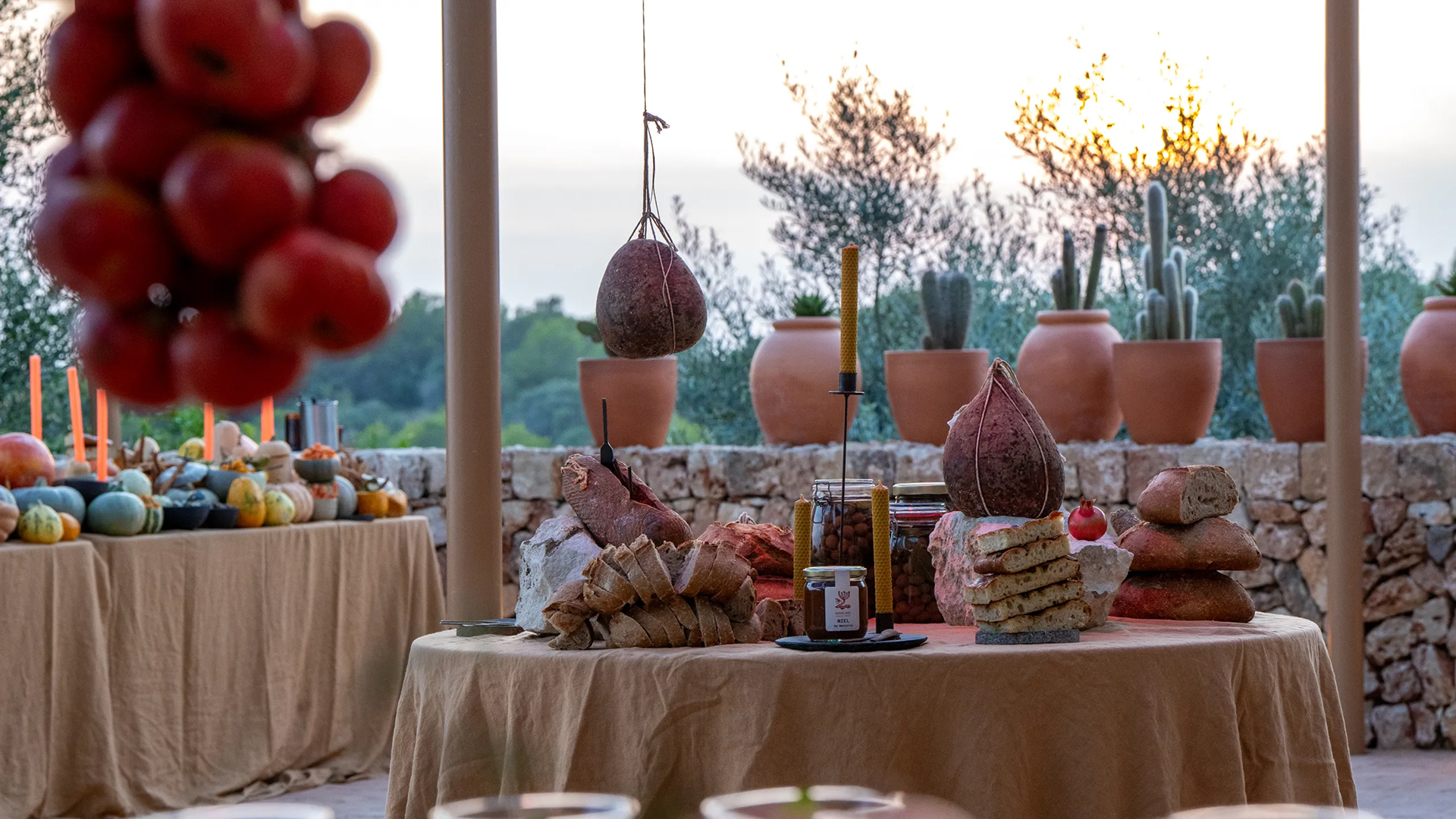
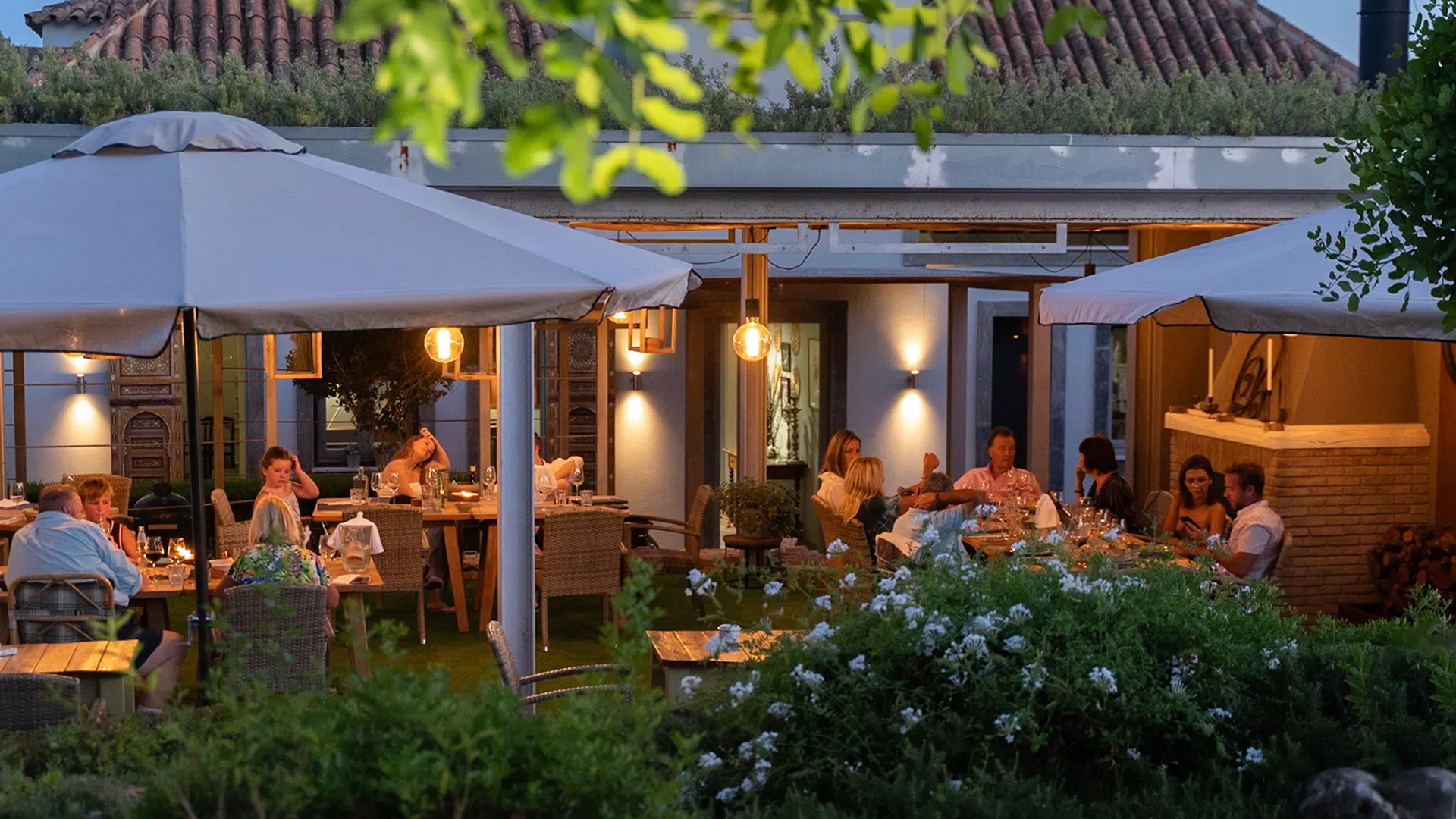
At Fazenda Nova in the Algarve, the guest experience weaves in partnerships with nearby ceramists and olive oil producers whose work is not just showcased but explored through tastings, studio visits and co-hosted workshops. These collaborations transform a simple product placement into an ongoing dialogue between guest and place, enriching the stay with depth and curiosity.
Rethinking hospitality as cultural facilitation
A hotel becomes a powerful cultural bridge when it invites local experts to share their own stories with guests, whether through guided hikes, poetry walks or music sessions under the stars. This level of integration shifts the focus from tourist entertainment to shared learning, where both hosts and visitors gain from the exchange. The role of the property evolves into that of an orchestrator of meaningful presence.
Rooting programming in nature, place and rhythm
True hyper-locality respects the cadence of the land and the people who inhabit it. Rather than imposing a schedule or template, these experiences respond to seasonal abundance, community events and natural cycles.
Seasonal stays that follow the local calendar
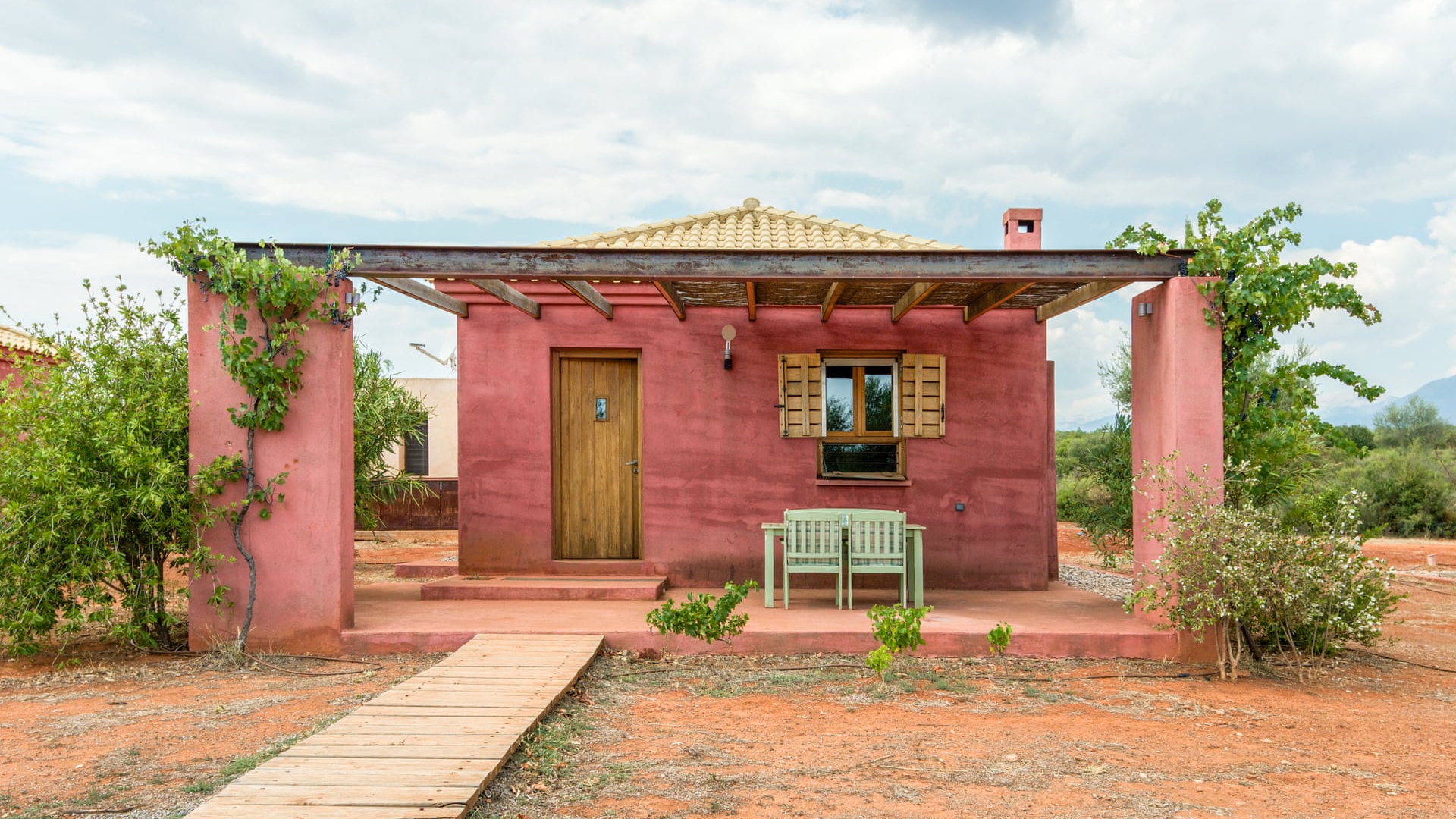
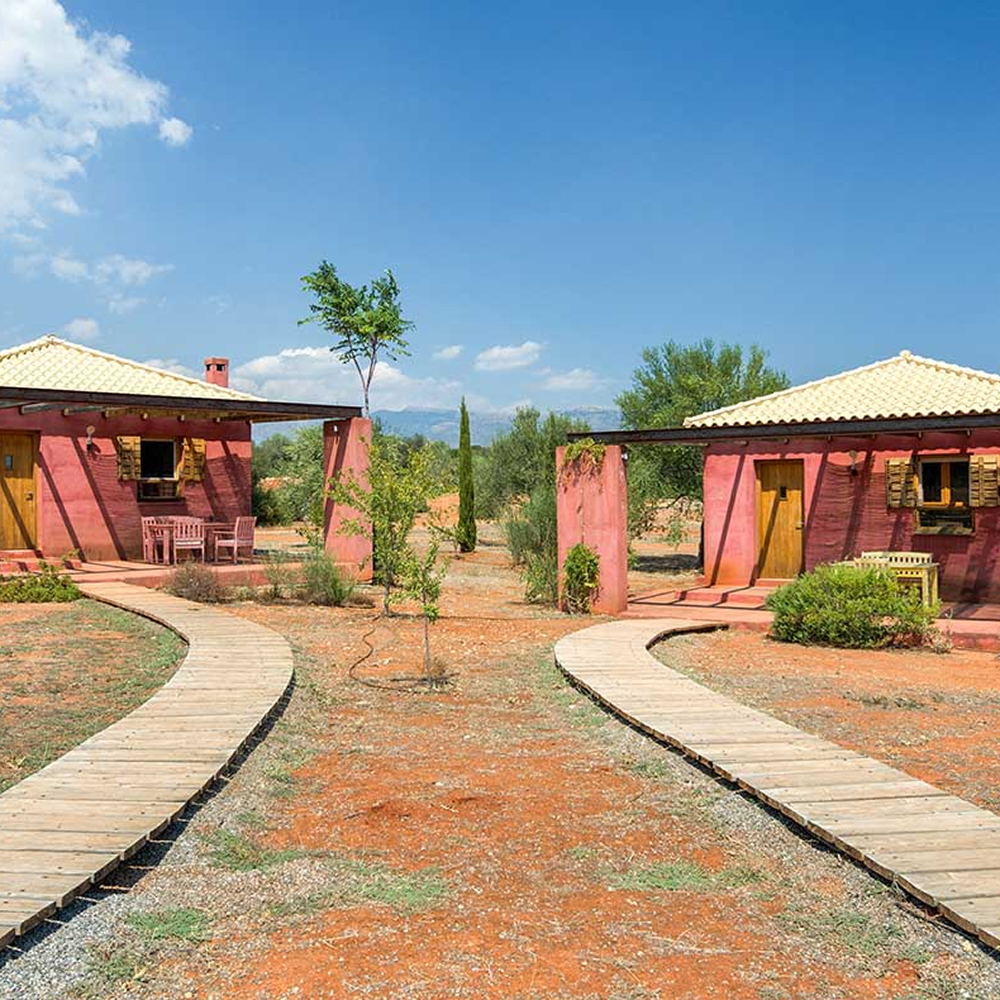
At Eumelia in Greece, the olive harvest is not just an agricultural activity but a guest ritual. Visitors can participate in harvesting, pressing and tasting, guided by the farmers themselves. This type of seasonal engagement grounds the experience in the present moment and allows guests to feel part of the rhythm of rural life rather than just observing it from the sidelines.
Designing slow itineraries with local guides
By collaborating with naturalists, herbalists or fishermen from the surrounding area, hotels can shape itineraries that feel unhurried and rooted in real knowledge. A walk becomes more than a scenic photo opportunity when it includes plant lore, ecological insight or stories passed through generations. These encounters allow the landscape to unfold slowly and meaningfully.

Hospitality that leaves a trace in the local memory
Beyond the guest’s experience, hyper-local collaborations can nurture a sense of reciprocity within the community, allowing the stay to support artisans, amplify heritage and contribute to long-term sustainability.
Shared value through co-created offerings
When hotels open their kitchens to visiting chefs from the region or stock their minibars with goods from neighborhood producers, they circulate value back into the community. These micro-decisions shape a more ethical and grounded form of hospitality that creates loyalty not just from guests, but from locals who see their culture celebrated with respect.
Celebrating the identity of place through creative formats
From artist residencies to storytelling nights hosted by elders, the formats for co-creation are as diverse as the people involved. When programmed with care and authenticity, these experiences become not just part of the hotel’s marketing narrative but a genuine contribution to the cultural life of the area.