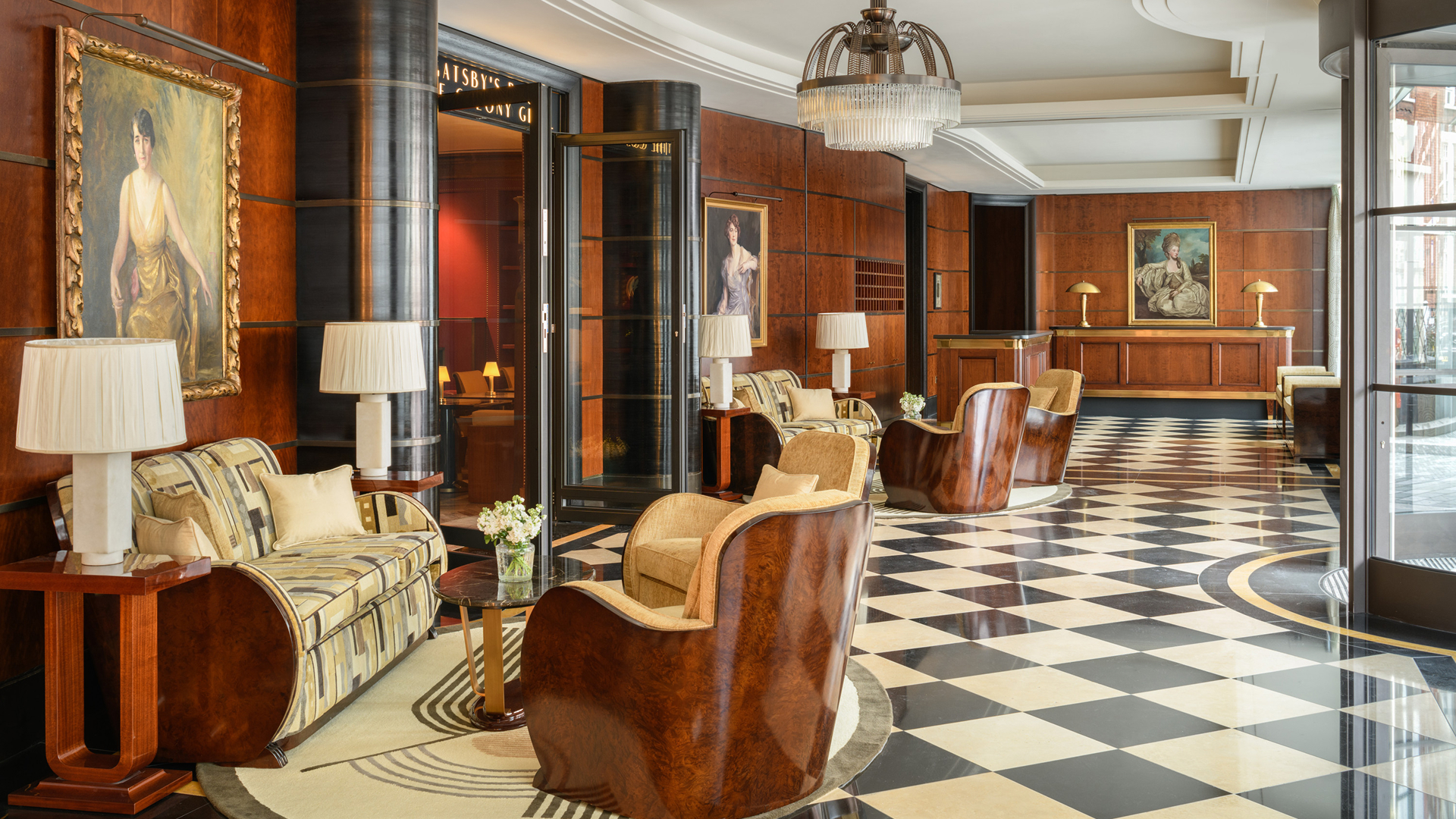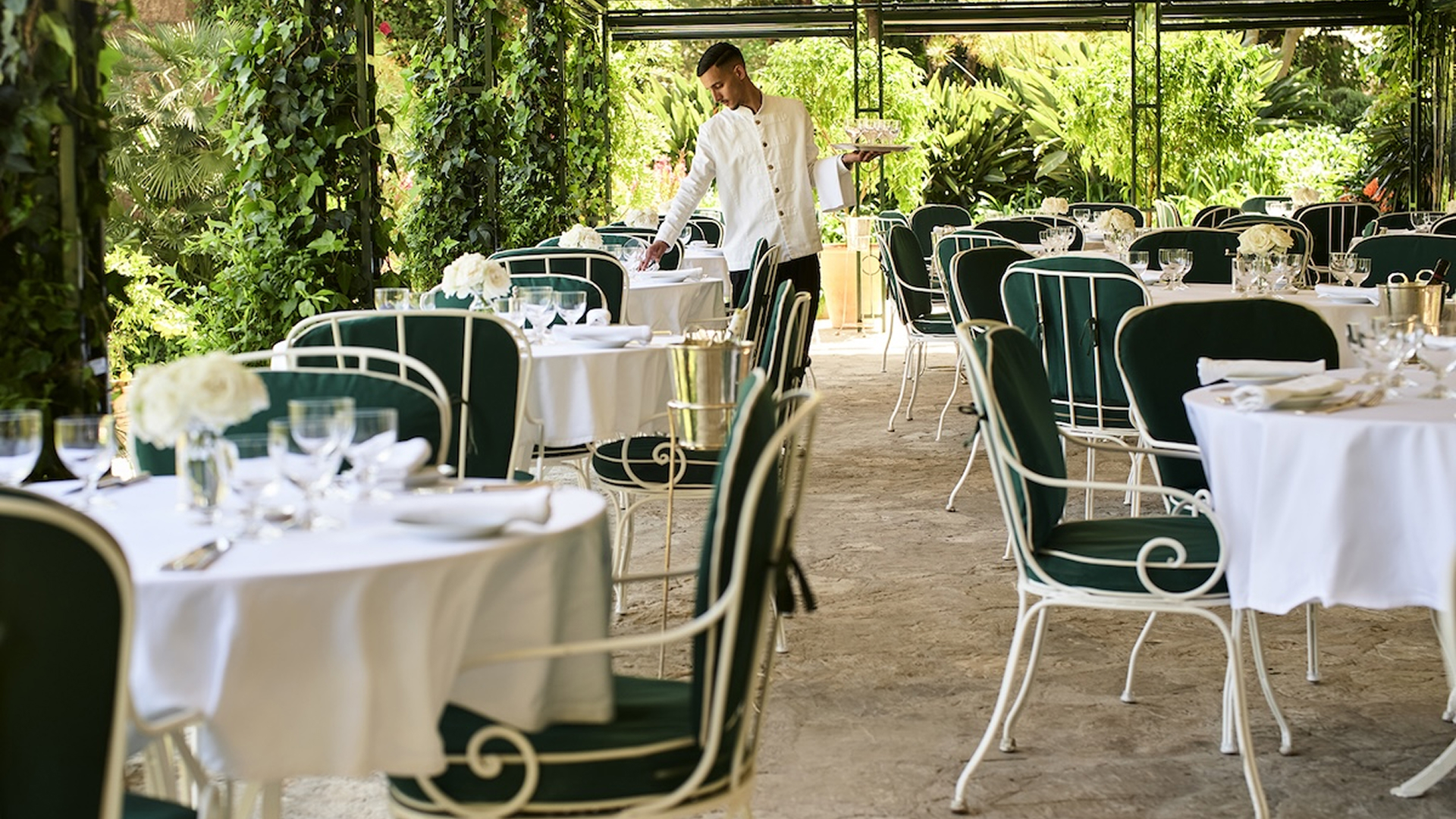
Curate what confirms your positioning
Guests look for validation that aligns with their expectations. A carefully chosen review or photo reassures them that the experience matches the positioning you present. Every element must be placed with purpose, in a way that highlights value and avoids distraction. Curation means defining clear rules and ensuring that each piece of content reflects the service and atmosphere of the property consistently, with no excess or unnecessary signals.
Choose excerpts that reflect the core experience
Select reviews that directly confirm your main value proposition. A couple planning a stay in a quiet setting appreciates a quote about calm and privacy. Guests looking at your spa offering gain confidence from feedback that mentions treatments by name. Content that speaks about irrelevant details should be excluded, as it does not guide the decision. Le Roch Hotel & Spa integrates concise guest comments about location and atmosphere at the end of product pages, reinforcing booking decisions with subtle validation.
Credit guests with care and context
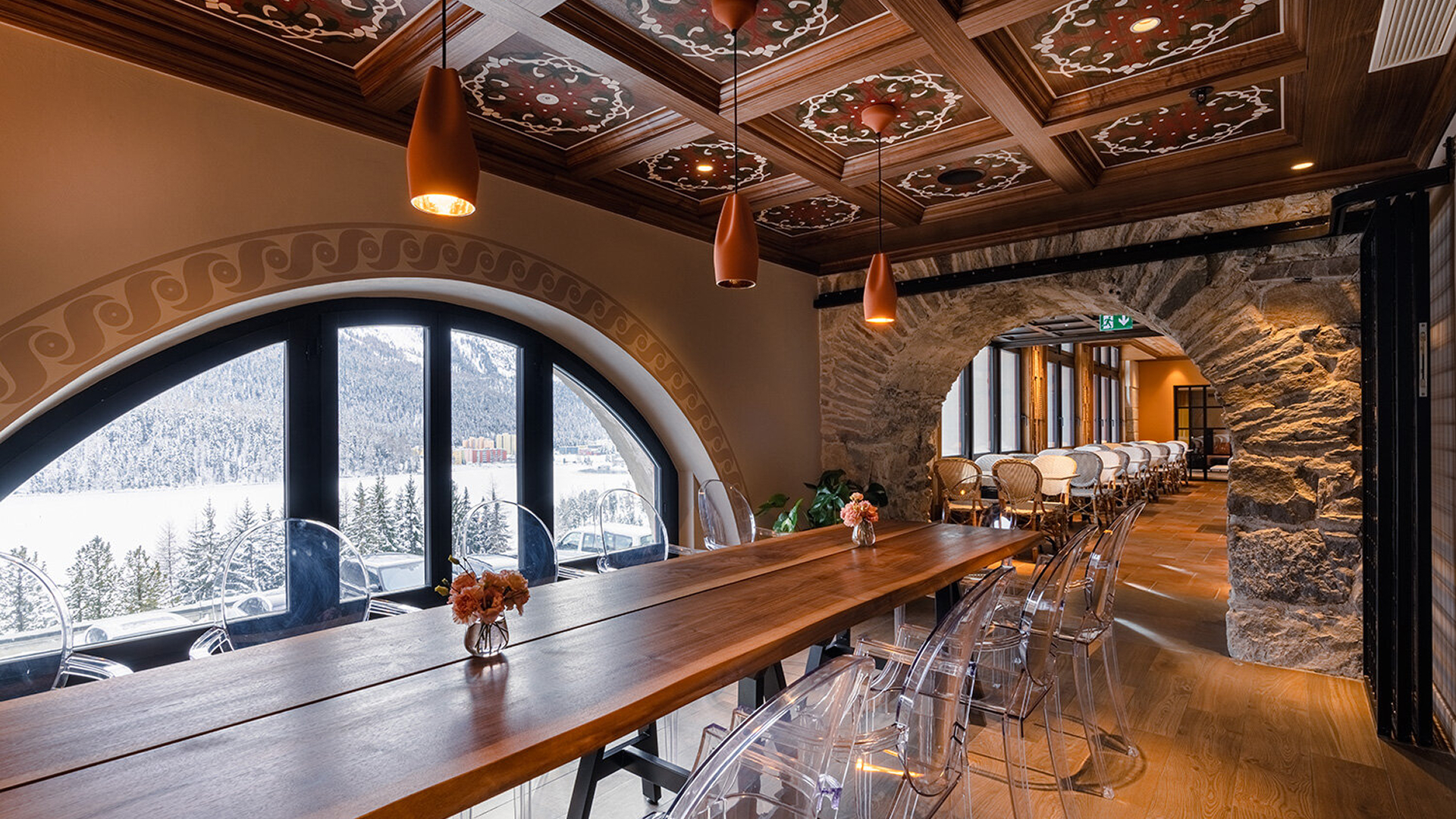
Attribution builds transparency while protecting privacy. First names or initials provide a human touch without revealing too much. Placement matters as well: a short review positioned at the end of a suite description strengthens trust without distracting from visuals. Adding a link to the original platform brings authenticity. Badrutt's Palace highlights selected guest comments alongside photography, placing them in the right context to strengthen credibility without overwhelming the booking path.
Keep homepage signals discreet
Trust signals on the homepage should remain simple and quiet. A single badge, a reference to awards, or one rating near the booking button gives reassurance without cluttering the design. Press mentions or longer reviews can live on a dedicated page, leaving the homepage clear for promise, proof, and conversion. Hotel Lutetia integrates a subtle reference to recognition in the footer, balancing the need for trust with the elegance of the homepage structure.
Use UGC photos in discreet and structured ways
User-generated photos add an authentic layer to your communication when curated with care. They confirm quality and show real experiences, but they need framing to remain aligned with your brand. A process of selection and integration ensures that guest visuals strengthen the overall narrative instead of reducing impact. When presented selectively, UGC becomes a tool that validates the experience and supports the decision to book.
Select visuals that confirm quality and tone
Go through guest content systematically and select images that reflect your spaces with accuracy. Choose visuals that align with your own photography style in terms of light, framing, and atmosphere. If your brand aesthetic is neutral and calm, avoid oversaturated filters or heavy editing. Six Senses Ibiza curates guest content carefully, presenting only visuals that reflect the real atmosphere of the resort and integrating them into newsletters or features with consistency.

Place visuals within booking paths
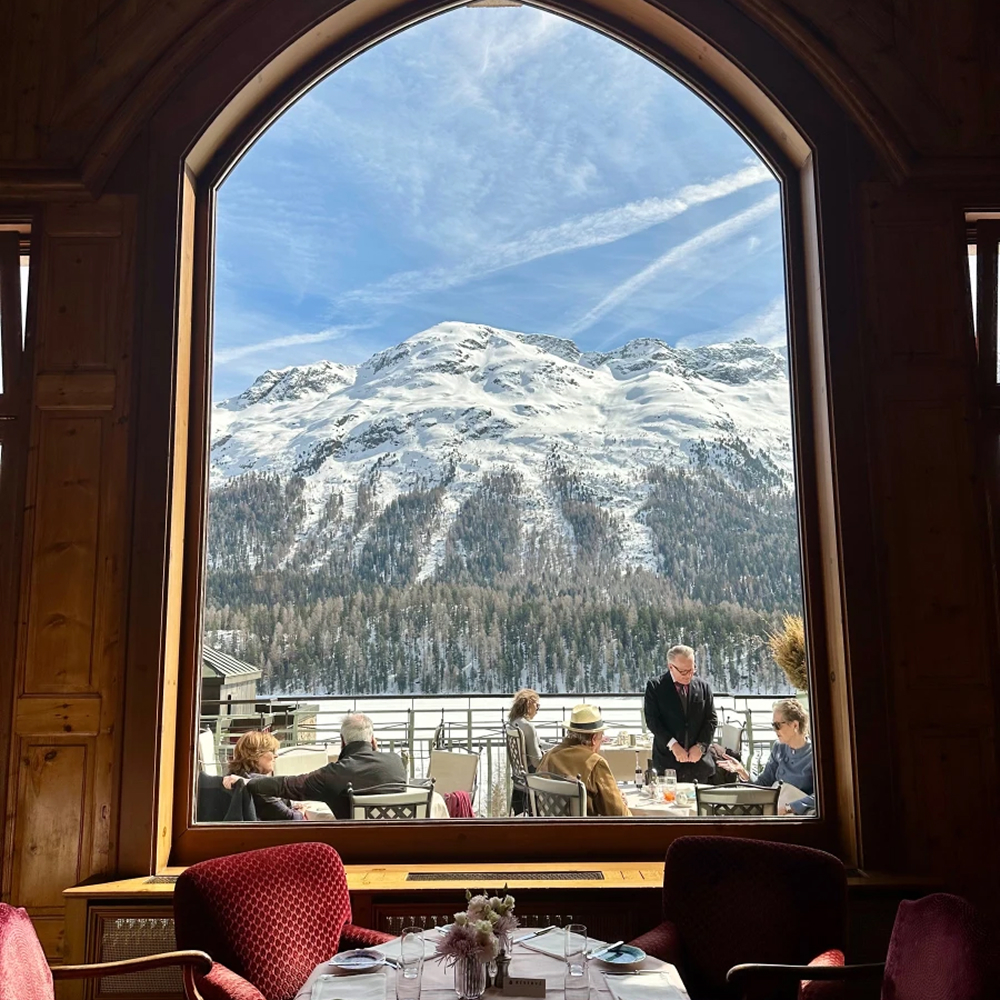
Guest images work best when integrated into the booking journey. A breakfast table photo fits within the dining section, while a room view taken by a guest complements suite content. This context makes UGC part of the proof. Hotel des Grands Boulevards applies this method, featuring selected guest photos in newsletters and Instagram stories connected to seasonal offers, ensuring that content feels relevant and well positioned.
Review content regularly to keep it current
Guest content benefits from ongoing curation. Establish a review cycle to remove outdated visuals or quotes. Replace images that no longer match your current furniture, menus, or atmosphere. Update reviews when they mention services that have changed or staff members who are no longer part of the property. Belmond Villa San Michele applies this discipline by refreshing guest content across its channels to ensure alignment with present reality and to maintain credibility.
Let Epikure help you filter and refine
Guest reviews and UGC strengthen trust when curated with intention. Selection, placement, and review cycles make them assets rather than distractions. Epikure helps properties refine what to highlight, where to place it, and how to align it with brand values and guest expectations. Contact us to review your content and ensure that every element supports booking confidence.