Structure each stage around what matters to the guest
The quality of an email depends on how well it responds to a guest's immediate need. Messages that feel generic or too promotional get ignored. A good lifecycle anticipates the logic of the stay, offering clarity when needed and silence when not. From confirmation to reactivation, each step should be designed with restraint, balancing brevity with utility. This requires precision in tone, careful timing, and a deep understanding of what each communication is meant to achieve.
Prepare the guest with clarity, not pressure
The booking confirmation and pre-arrival emails set the tone. They should focus on practical information: access, check-in time, parking, and useful local details. Properties like Hotel du Cap-Eden-Roc in Antibes send clean confirmations with minimal visuals, followed by one concise pre-arrival note that shares transfer options, dining reservations, or a seasonal update. This approach avoids clutter and positions the hotel as efficient and attentive. The guest starts the journey reassured, without facing unnecessary upselling or promotional distractions.
Add calm support during the stay
In-stay emails are often overlooked, but when designed with intent they extend hospitality beyond the front desk. A morning email with spa availability, pool hours, or restaurant reminders gives structure without intrusion. A short update later in the day on activities, weather, or flexible check-out options shows attentiveness. At The Connaught in London, subtle in-stay communications highlight guest services and curated experiences without any excess. These gestures reflect the property's identity and demonstrate that care extends beyond physical interaction.
Close the loop with restraint and intention
The first post-stay message should be a thank-you. A direct, personal note within 24 hours signals attention and leaves a strong impression. Feedback requests should be integrated softly in the same message. A second message after one or two weeks can share a seasonal event, a discreet memory from the stay, or an update on the property. Aman Tokyo uses this rhythm with rare, carefully written emails that maintain a direct line to their community. Long-term reactivation is limited to key moments in the year, making each message more valuable.
Make email a service channel before a sales tool
The purpose of email is to support the guest. It should reduce friction, confirm details, and extend care at each stage of the journey. The most effective emails are often the simplest, built to resolve a step in planning or a small uncertainty. When consistency is maintained, these messages help direct bookings while reinforcing loyalty. Email is not a separate marketing tool. It is part of the service chain, and the tone should reflect the same precision and care offered during the stay.
Prioritise timing over frequency
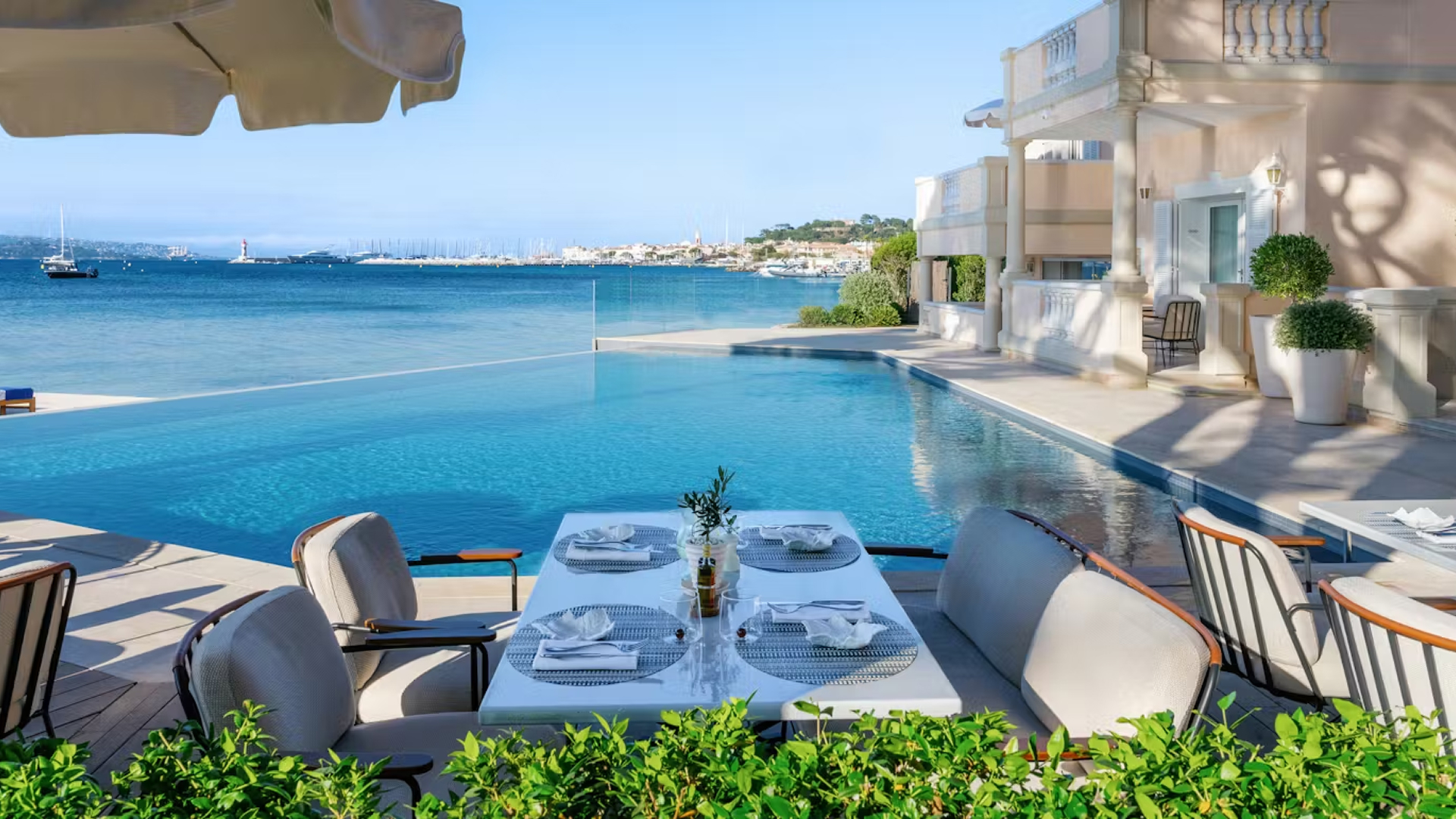
What matters is when an email arrives, not how many are sent. An early reminder gets ignored, a late one frustrates. The lifecycle should follow the natural sequence of booking, arrival, stay, and departure, with automation adjusted quarterly to keep relevance. Cheval Blanc St-Tropez adapts its seasonal messages to the pace of their guests, focusing on relevance and timing. Each communication is meaningful and linked to the stay, not to a calendar routine.
Match the tone to the guest's expectations
The voice of your emails must align with the identity of the property. A tranquil retreat should communicate with calm precision, while a vibrant urban hotel requires a sharper, more dynamic style. Every message should sound like an extension of the stay. At Badrutt's Palace in St. Moritz, messages reflect a refined, discreet tone that matches the guest experience on site. Consistency reinforces trust, showing that every detail has been considered with the same discipline.
Connect emails with useful direct paths
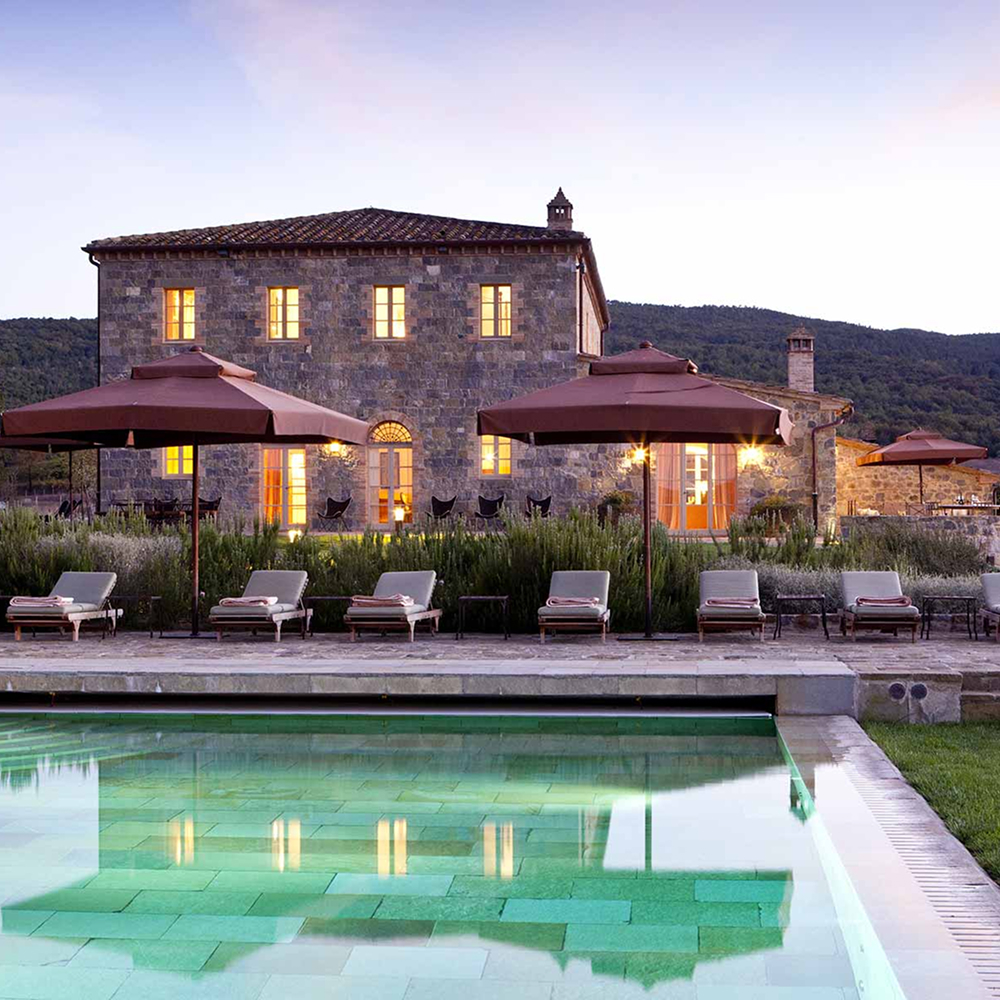
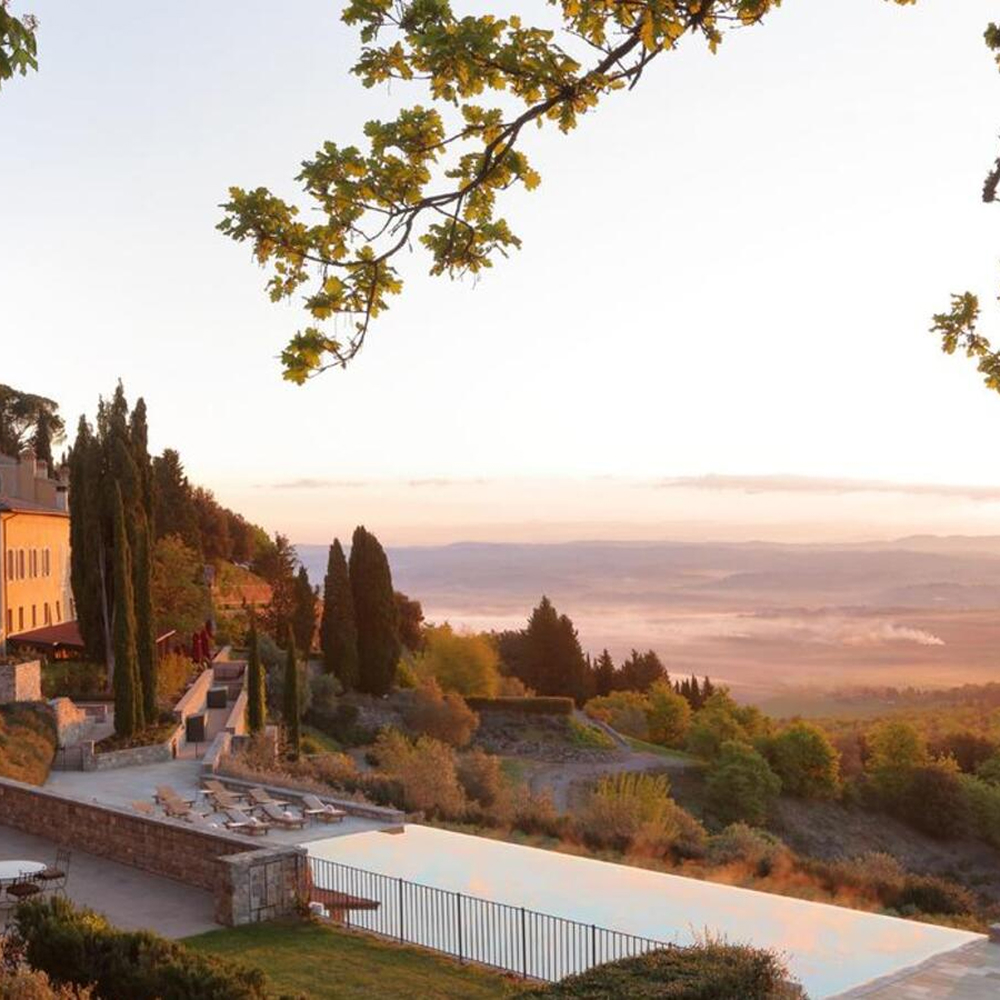
Each email is an opportunity to bring the guest back to your channels with purpose. Links should lead to practical tools, not promotions: a booking form for the spa, a dining menu, a map, or a calendar of seasonal events. Rosewood Castiglion del Bosco integrates direct paths to curated experiences that help guests plan without feeling pushed. The links are subtle, mobile-friendly, and always relevant to the stage of the stay. Outdated or irrelevant links damage trust, so each one must be regularly reviewed.
Refine your lifecycle to reflect guest rhythm and property values
An email lifecycle is not about sending more, but about sending better. Each message should have a purpose: to inform, reassure, support, or reconnect. When designed with precision, it reduces the pressure on operational teams, improves guest satisfaction, and strengthens direct booking performance. Properties that treat email as a service channel, aligned with their values, see stronger long-term loyalty. Review your lifecycle with care, remove what adds no value, and keep only what reflects your service promise at every stage of the guest journey.