From footprint reduction to ecosystem activation
Hospitality leaders once centered their efforts around minimising energy consumption, limiting single-use plastics, or introducing LED lighting, but regeneration demands deeper engagement with the ecosystem itself. At Playa Viva in Mexico, the property supports coastal reforestation, regenerative agriculture and wildlife conservation, giving guests the opportunity to learn from nature while actively contributing to its preservation and revitalisation during their stay.
Hospitality as a catalyst for community wellbeing
Regenerative approaches place humans at the heart of the experience, viewing hospitality not just as a service but as a connector between guests and the local context. Fogo Island Inn in Canada reinvests all its profits into community development, helping to sustain traditional craftsmanship and strengthen regional resilience, while offering guests a deeply personal, culture-rich encounter with a destination that is proud of its identity.

Designing regenerative systems, not just spaces
Regeneration invites designers, operators and stakeholders to rethink hospitality not as a sequence of curated aesthetics but as a living system where every material, habit and layout contributes to environmental intelligence and guest awareness. These spaces inspire more than rest, they cultivate responsibility and belonging.
Materials that carry meaning and continuity
The sourcing of materials becomes an act of storytelling when designers embrace local traditions and ecological intention. The Lodge at Blue Sky in Utah demonstrates this with its use of reclaimed timber, stone from nearby quarries and plantings based on native species, transforming each room into a physical narrative of the surrounding landscape, and aligning construction choices with a broader mission of regional preservation and emotional resonance.
Human-centered rhythms that heal
More than silence and retreat, regenerative stays involve a conscious realignment with time, light, and presence. Eremito in Umbria removes all digital distractions and allows guests to reconnect with ancient monastic rhythms, replacing artificial stimulation with sensory clarity. This approach helps reset internal balance while fostering an atmosphere of mindfulness that lingers long after departure.

How regeneration becomes a hospitality differentiator
Regeneration creates new standards by weaving environmental innovation, ethical supply chains and community engagement directly into the guest experience. The properties that embrace this approach generate long-term trust and cultural relevance that cannot be imitated by surface-level green marketing.
Guests as co-stewards of place
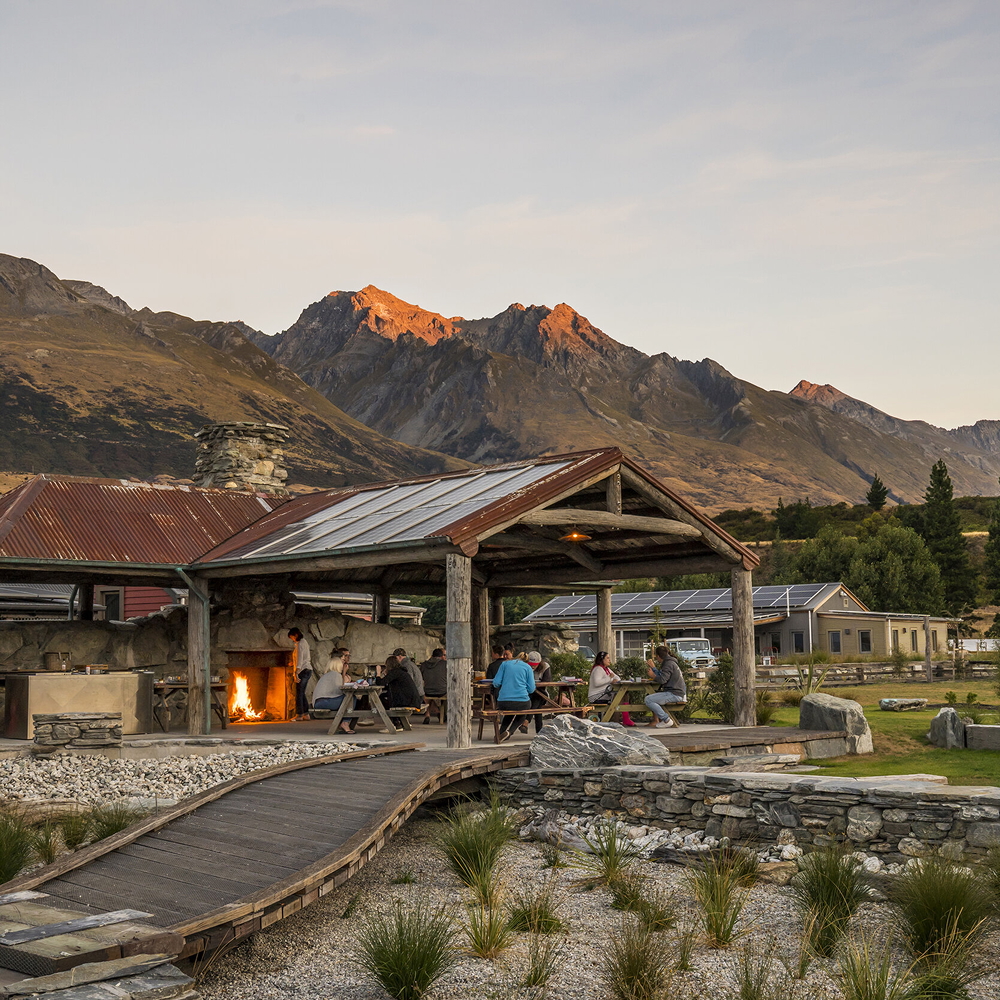
Regenerative hotels cultivate participation by involving guests in tangible initiatives that reflect the property's commitment to positive impact. At Camp Glenorchy, travellers can explore detailed dashboards tracking energy usage, composting efficiency and water savings, making them active contributors to a wider ecological experiment rather than passive consumers of a curated setting.
Investment in legacy over image
Some pioneering properties are redirecting investments away from short-term visibility and toward high-impact regenerative outcomes, such as forest restoration, educational access or artisanal knowledge preservation. These actions not only build lasting equity for the communities involved but also elevate the hotel's positioning, making it a destination of purpose as well as beauty.