Reclaiming control over rate strategy
In an era where algorithms dominate visibility and competition is fierce across OTA platforms, boutique hotels have an opportunity to take back control over their pricing narratives by embracing dynamic pricing that reflects more than just numbers, one that tells a story about value, uniqueness and timing.
Shifting perception with direct booking advantages
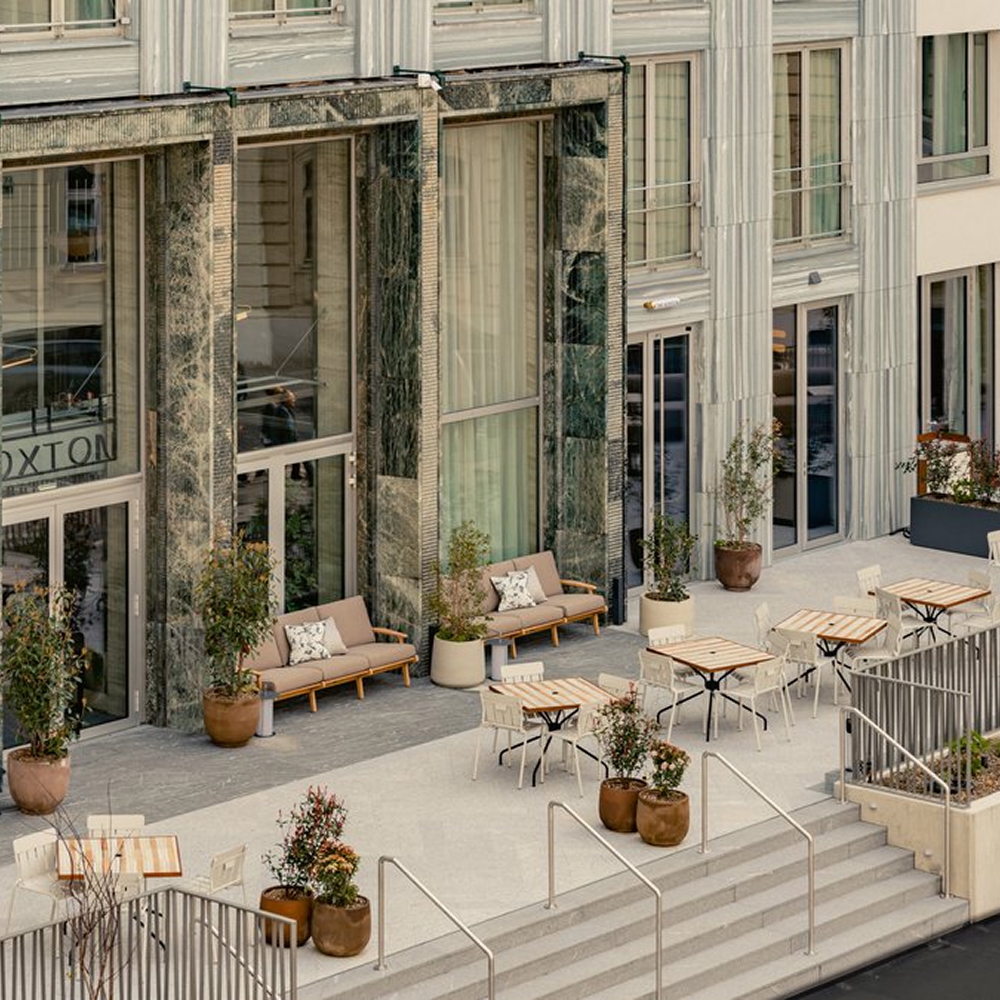
Boutique hotels that invest in direct channels benefit not only from healthier margins, but also from stronger guest loyalty and improved control over brand communication. Hotels like The Hoxton strategically reinforce direct booking with exclusive incentives such as flexible check-in, dining credits or early access to limited offers, creating a perception of insider access that OTA listings cannot replicate and reinforcing the importance of brand-first interactions.
Synchronizing price with seasonal and local rhythms
The most effective pricing strategies move in harmony with the tempo of the destination. Rather than simply adjusting rates based on occupancy forecasts, thoughtful boutique hoteliers align their offers with cultural events, seasonal weather patterns or local harvest cycles, as seen in places like vineyard hotels in Tuscany or surf lodges in Biarritz, where prices echo the pulse of the landscape and invite guests to participate in meaningful moments of the region.
Combining technology with intuitive revenue thinking
While automated pricing tools are invaluable for optimizing occupancy and identifying patterns, boutique hotels retain a competitive edge when they use these tools as guides rather than decision-makers, blending data with intuition to create rate structures that feel both intelligent and intentional.
Finding the right tools for independent hotels
Solutions such as RoomPriceGenie and Beyond provide accessible platforms tailored to the needs of smaller teams, enabling hoteliers to analyze performance, test rate elasticity and automate adjustments, all while preserving oversight. The key is to select tools that empower creativity and strategy, rather than impose rigid pricing logic disconnected from brand DNA.
Leveraging segmentation to design precision offers
Instead of broadcasting the same message to all guests, boutique hotels benefit from segmenting their audiences by travel motivation, booking window, group size or length of stay. A guesthouse near a concert venue may craft tailored offers for weekend visitors, while also nurturing weekday stays from business travelers or digital nomads. This granular approach helps maximize RevPAR while delivering a curated experience that aligns with each guest's journey.
Crafting value that extends beyond the number
Guests do not choose boutique hotels solely based on price; they are drawn by story, emotion and a sense of place, which is why pricing must be connected to the broader identity of the hotel and thoughtfully integrated into the guest journey from the very first click to the final check-out.
Designing packages that reflect intention and experience
Rather than offering standard discounts or last-minute deals, boutique hotels can elevate their rate strategy through experiential offers that blend accommodations with curated touches, private workshops with local artisans, bespoke dining experiences, or personalized wellness rituals. Properties like Le Barn near Paris have built loyalty through such packages, making each stay feel like a tailored escape rather than a transaction.
Building trust with transparency and emotional clarity
In a landscape saturated with comparison sites and promotions, guests are increasingly sensitive to clarity and fairness. Offering flexible terms, clearly communicating what is included in the rate, and presenting value with emotional resonance helps boutique hotels differentiate themselves. When pricing becomes part of a broader narrative that reflects care, quality and purpose, it becomes a magnet for the right kind of guest.