Blurring the lines between welcome and experience
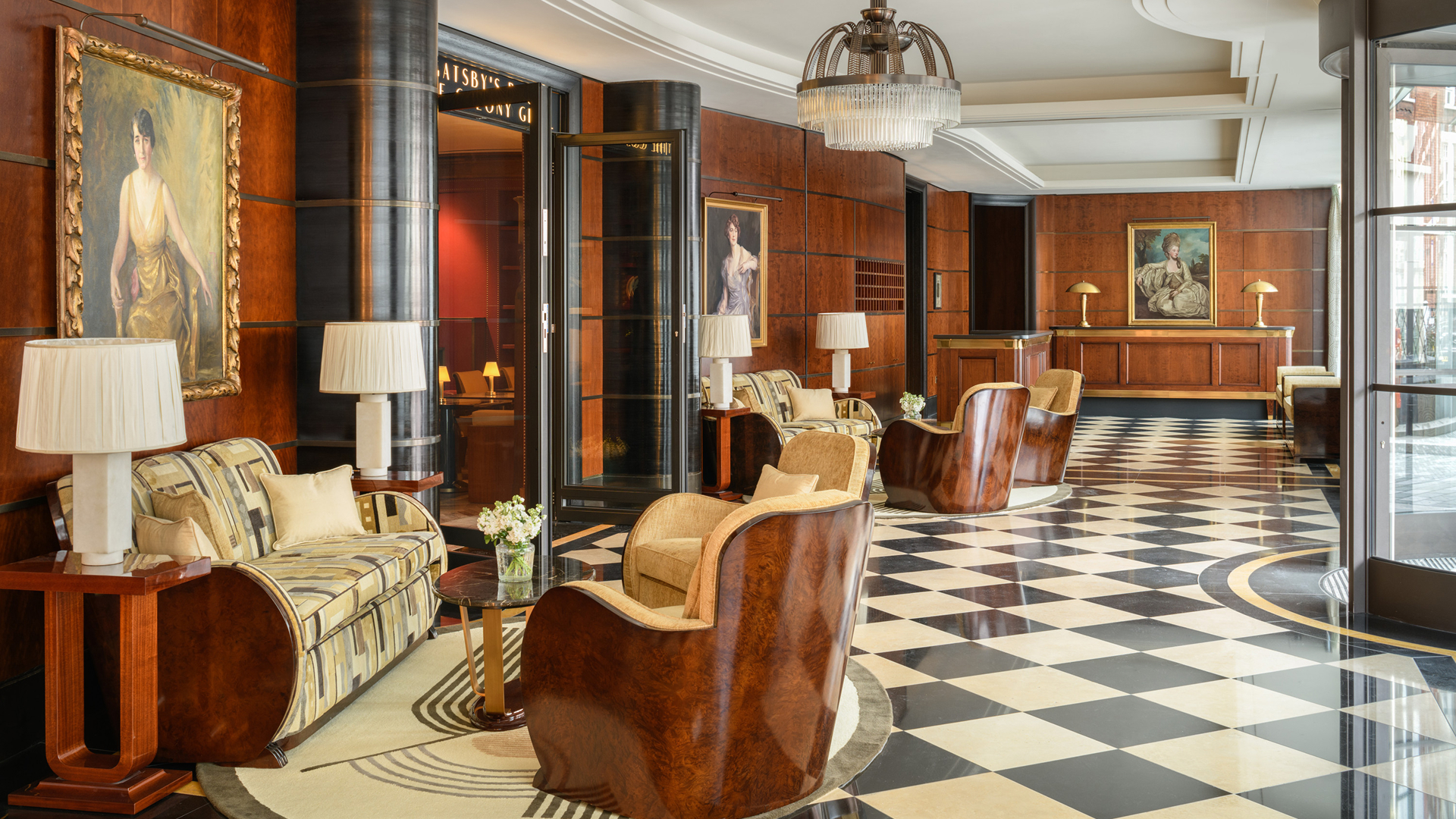
Lobbies are no longer static checkpoints. They are curated environments that spark first impressions, extend the guest journey and invite spontaneous encounters. Every texture, scent and light source contributes to a layered sense of presence.
Designing with intention, not convention
Instead of grandiose scale or traditional symmetry, forward-thinking hotel lobbies focus on human-centric design. At The Hoxton, open layouts, warm lighting and local artwork create an inviting atmosphere that dissolves hierarchy between staff and visitors. These lobbies feel like living rooms where each object carries meaning and each layout encourages pause or dialogue, rather than movement alone.
Materials that reflect nature and local context
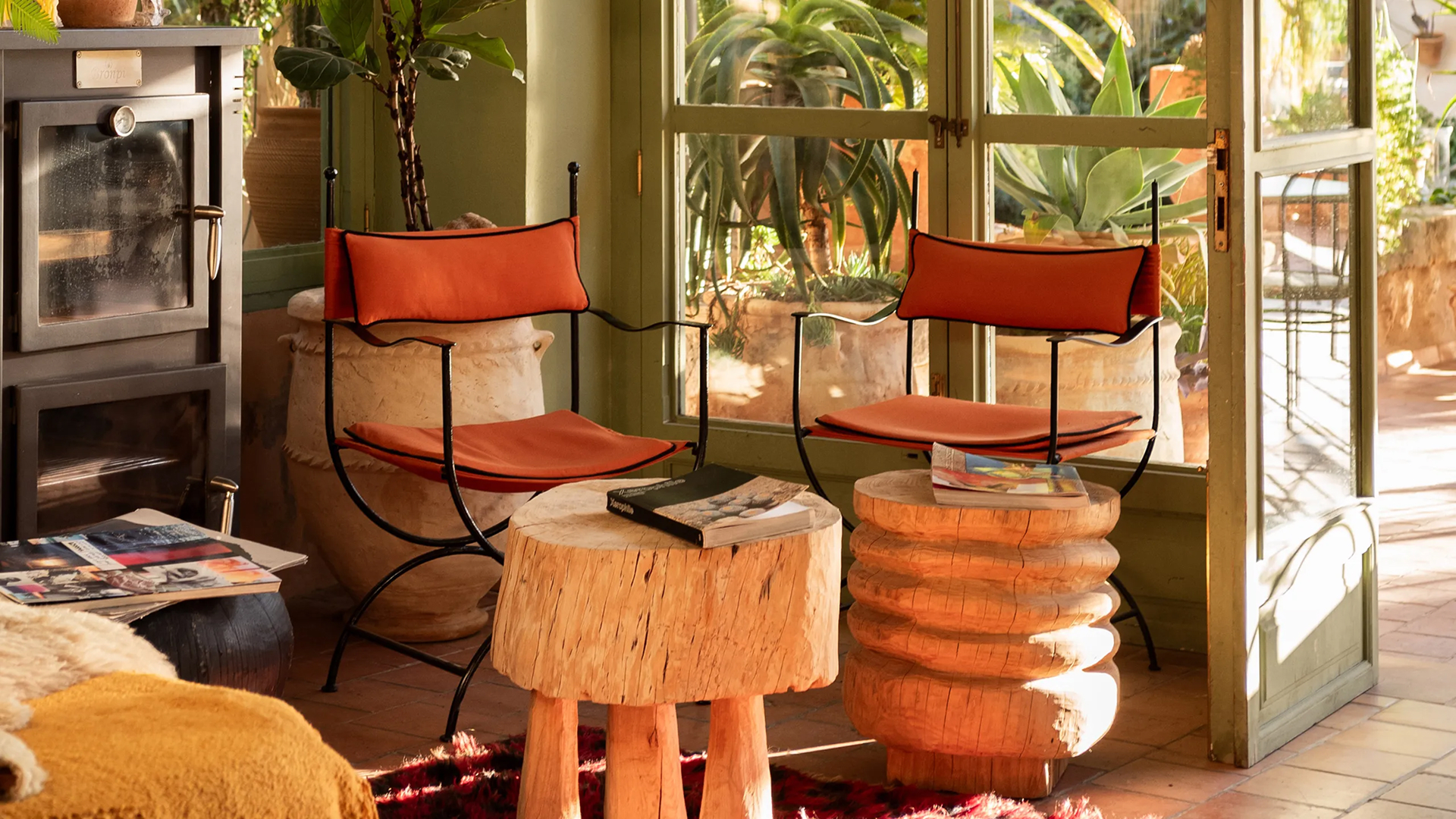
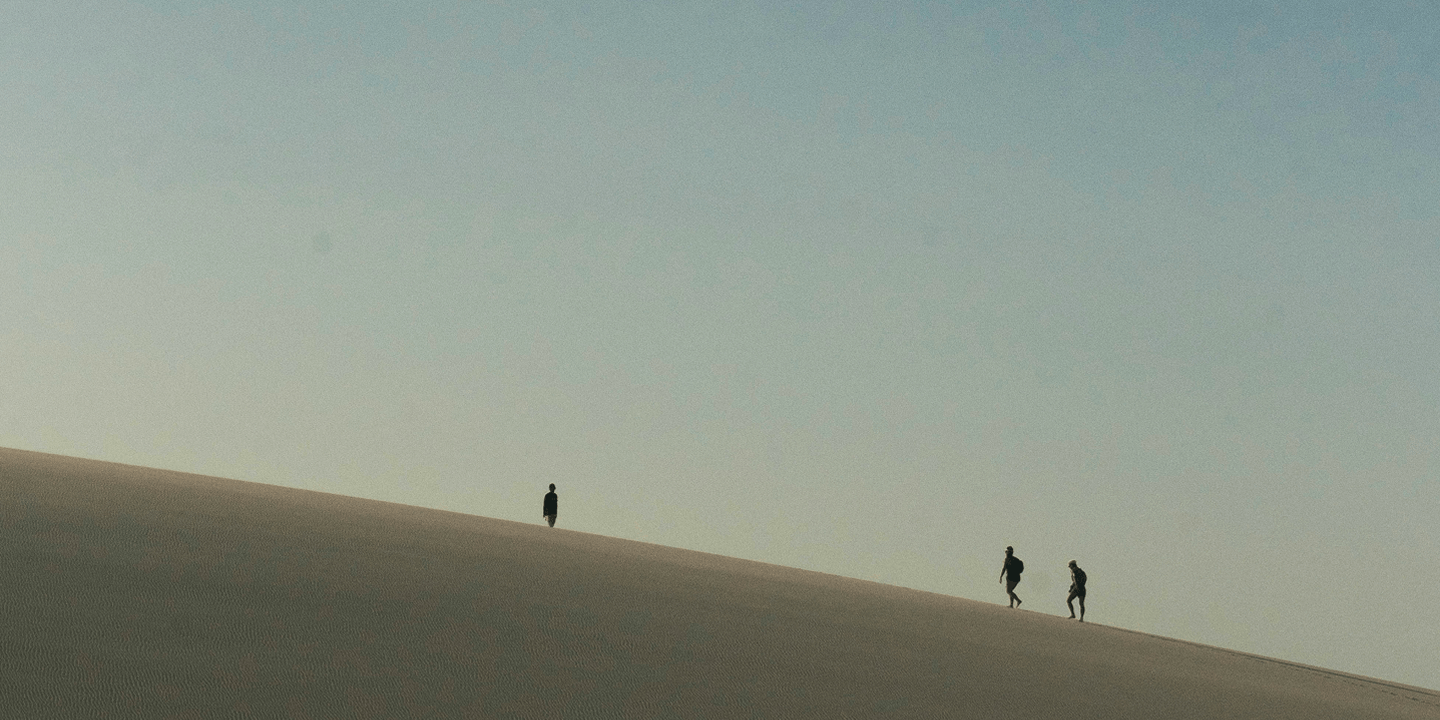
Natural stone, reclaimed wood, biophilic installations and handwoven textiles infuse lobbies with emotional texture and cultural memory. Amangiri in Utah weaves sandstone, desert tones and low-slung seating into an architectural embrace of its surroundings, dissolving the boundary between indoors and the vastness of the landscape. These material choices ground the guest immediately in place, without explanation.

Creating multifunctional spaces with fluid energy
Modern lobbies are becoming platforms for interaction and activation. By integrating retail corners, coworking tables, artist residencies and wellness rituals, hotels turn underutilized space into strategic storytelling tools.
Programming as a guest engagement layer
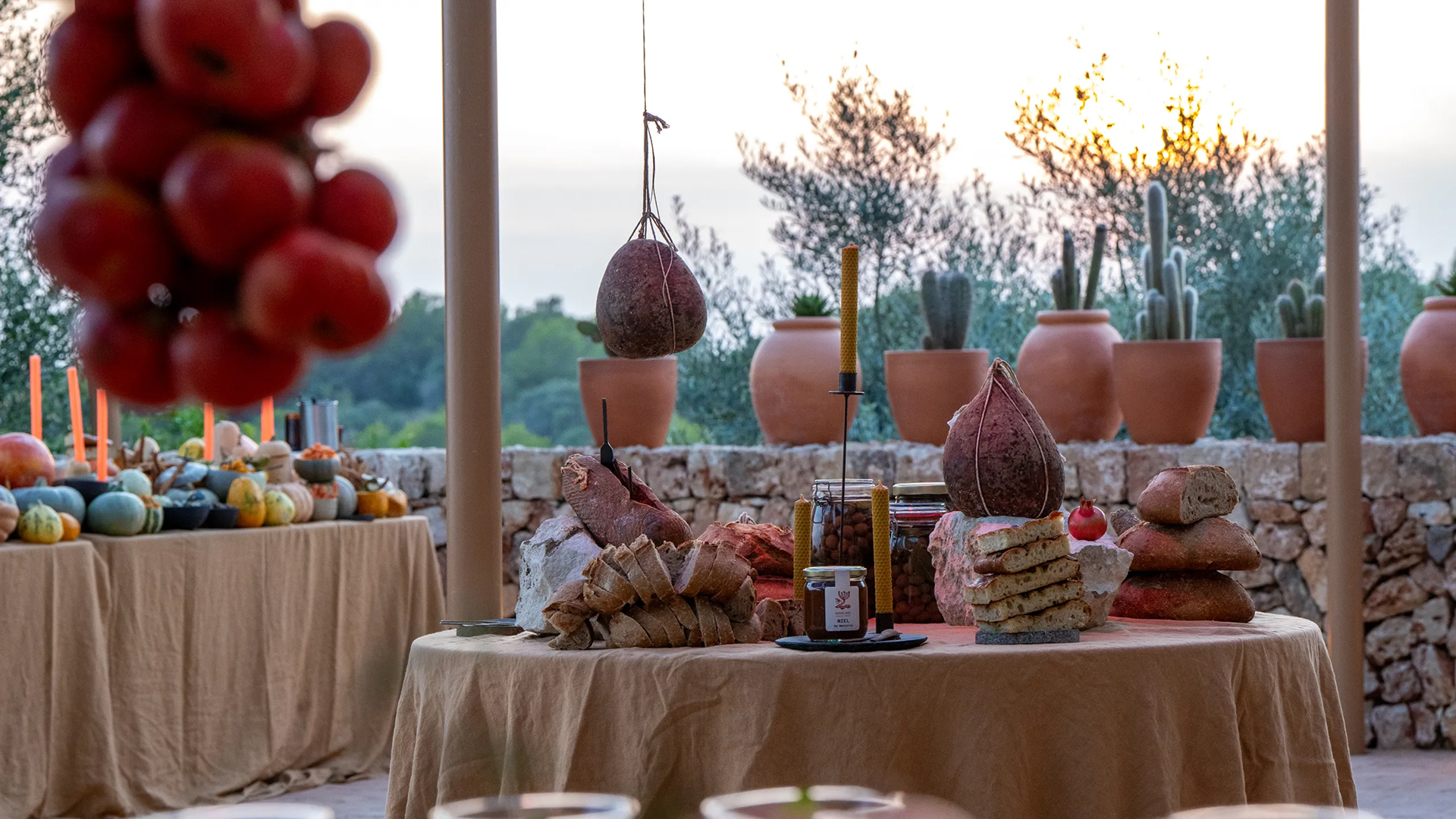
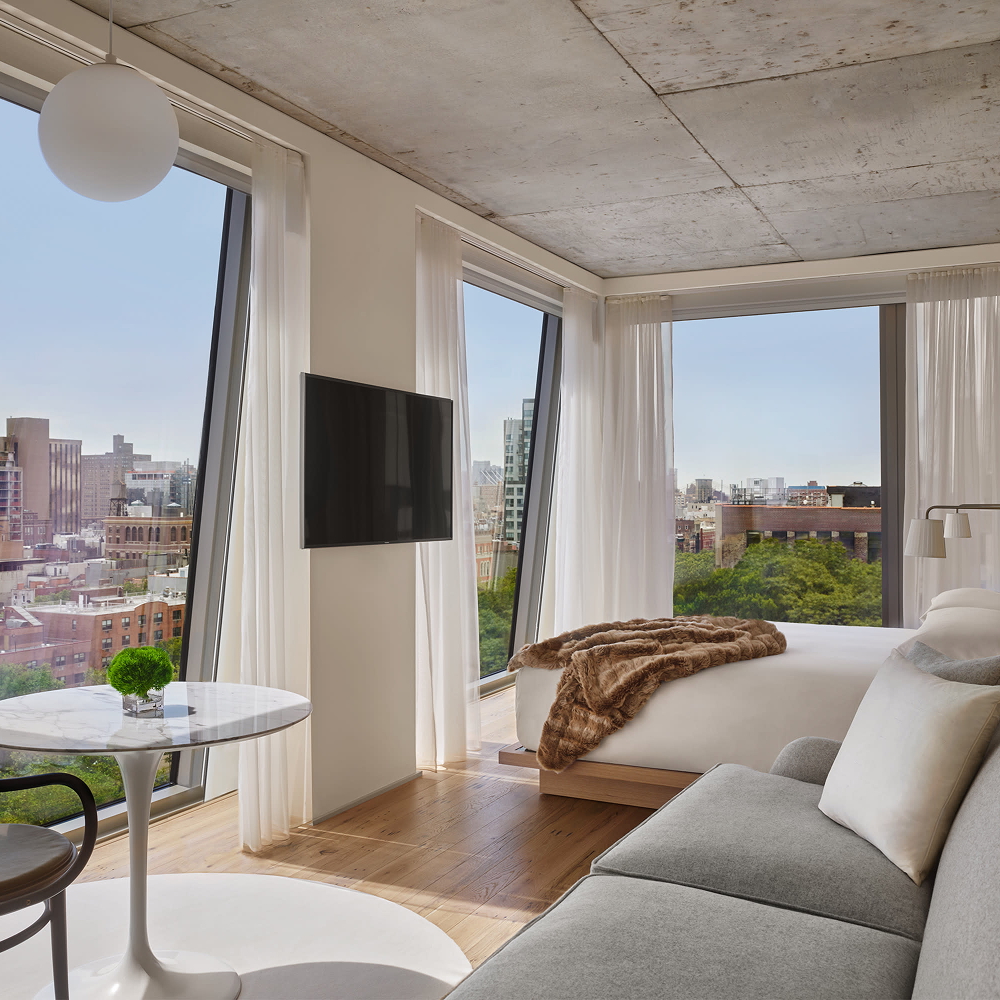
The lobby at Public Hotel in New York offers rotating DJ sets, readings and pop-up markets that reflect the city’s creative pulse. Rather than programming for spectacle, they create intimacy and rhythm, allowing locals to blend in organically with international guests. This layered approach transforms passive guests into active participants, extending time spent on site and deepening brand memory.
Seating and lighting that invite variation and presence
Instead of one large lounge, the best lobbies segment space into zones of activity and stillness. At Zoku, modular furniture and adaptable lighting encourage work, rest or play at any time of day. Daylight filters through greenery, textures soften acoustics and surfaces reflect the natural cycle of light, creating a sensory choreography that welcomes without overwhelming.

A new hospitality ritual begins at the threshold
As travel trends shift toward deeper connection, hotel lobbies become more than design statements, they become thresholds into new worlds. A well-crafted lobby offers cues of comfort, possibility and openness before the first word is exchanged. It extends hospitality into architecture, making the welcome not only seen but felt.
By placing nature, community and storytelling at the core of their lobby concepts, hospitality brands are building spaces where memories begin and linger. These redesigned entry points create emotional alignment between guest and place, unlocking a loyalty that flows from atmosphere rather than promotion.