Design as a foundation for intention
The new wellness experience begins with architecture that guides emotion. Euphoria Retreat in Greece demonstrates how design translates philosophy. Spherical rooms, curved walls, and natural light foster reflection and stillness. The structure becomes a map of inner balance, leading guests through space as they would move through thought. The environment teaches rhythm: arrival, release, renewal.
Material and light as emotional tools
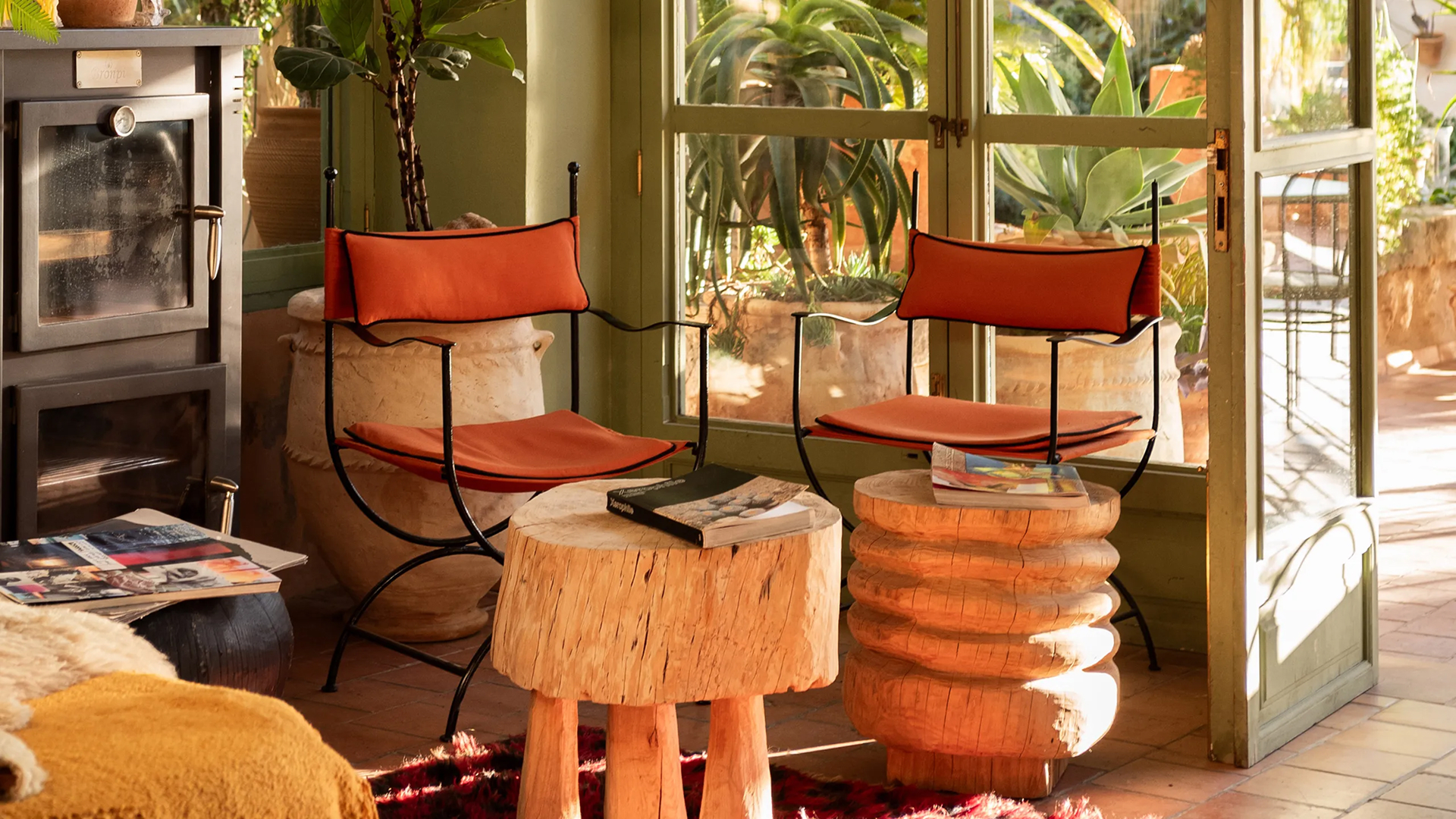
Calm emerges when materials and light carry purpose. SHA Wellness Clinic in Spain balances glass, stone, and vegetation to express clarity. Natural light filters through warm interiors, creating harmony between health and hospitality. Each corridor, terrace, and window has been measured to support calm focus. Guests perceive wellness not as treatment but as architecture.
Proportion as invisible guidance
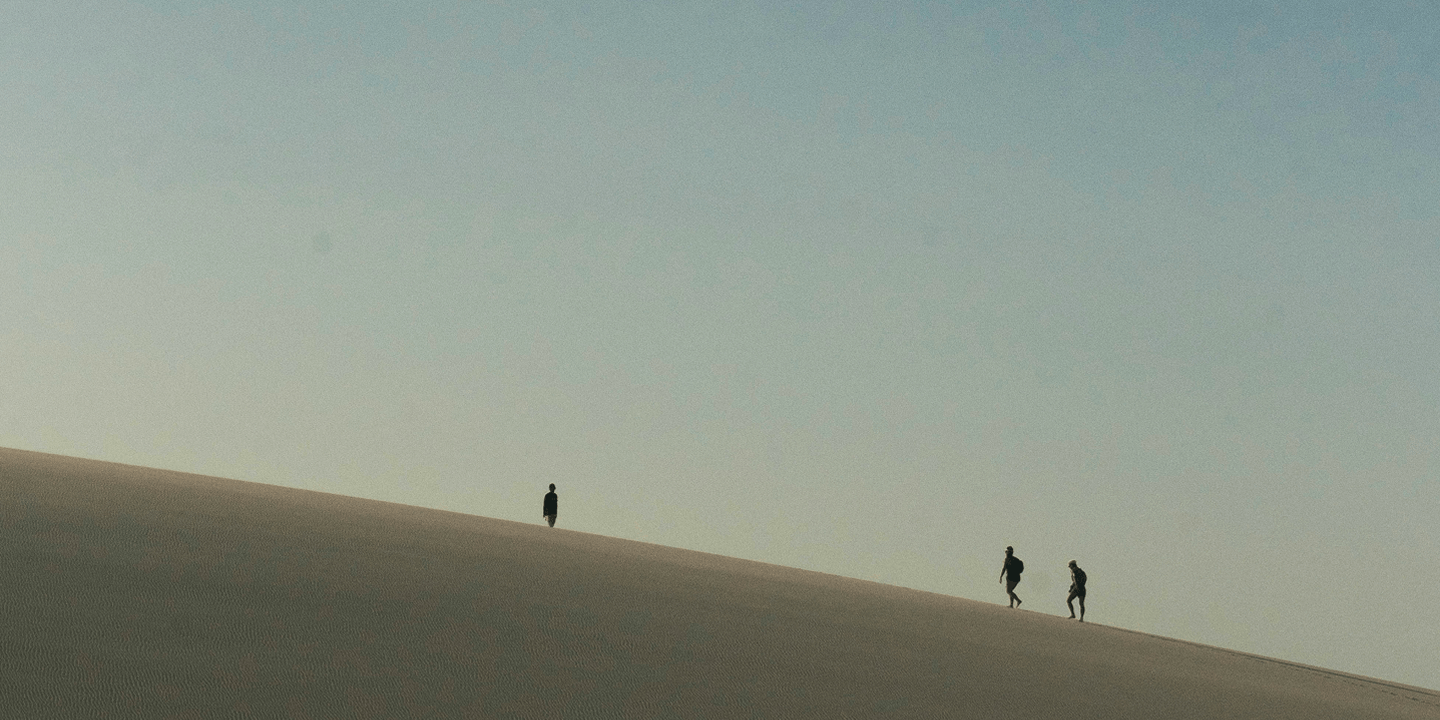
The proportion of space shapes perception. Kamalaya Koh Samui in Thailand achieves this through a natural sequence of open and enclosed areas. Paths follow the slope of the hill, connecting pavilions through greenery and silence. The geometry of the property invites mindful movement and slows breathing. The design aligns body and landscape in one continuous rhythm.

Ritual as a structure for consciousness
Modern retreats build loyalty through habit rather than novelty. When experiences repeat with purpose, they become rituals that guide guests beyond relaxation. Ananda in the Himalayas in India illustrates this idea. Programs follow daily cycles of yoga, meditation, and nutrition shaped by Ayurvedic principles. Guests return not only for wellness but for the familiarity of rhythm. Repetition becomes trust, and calm becomes identity.
Nature as a medium for reflection
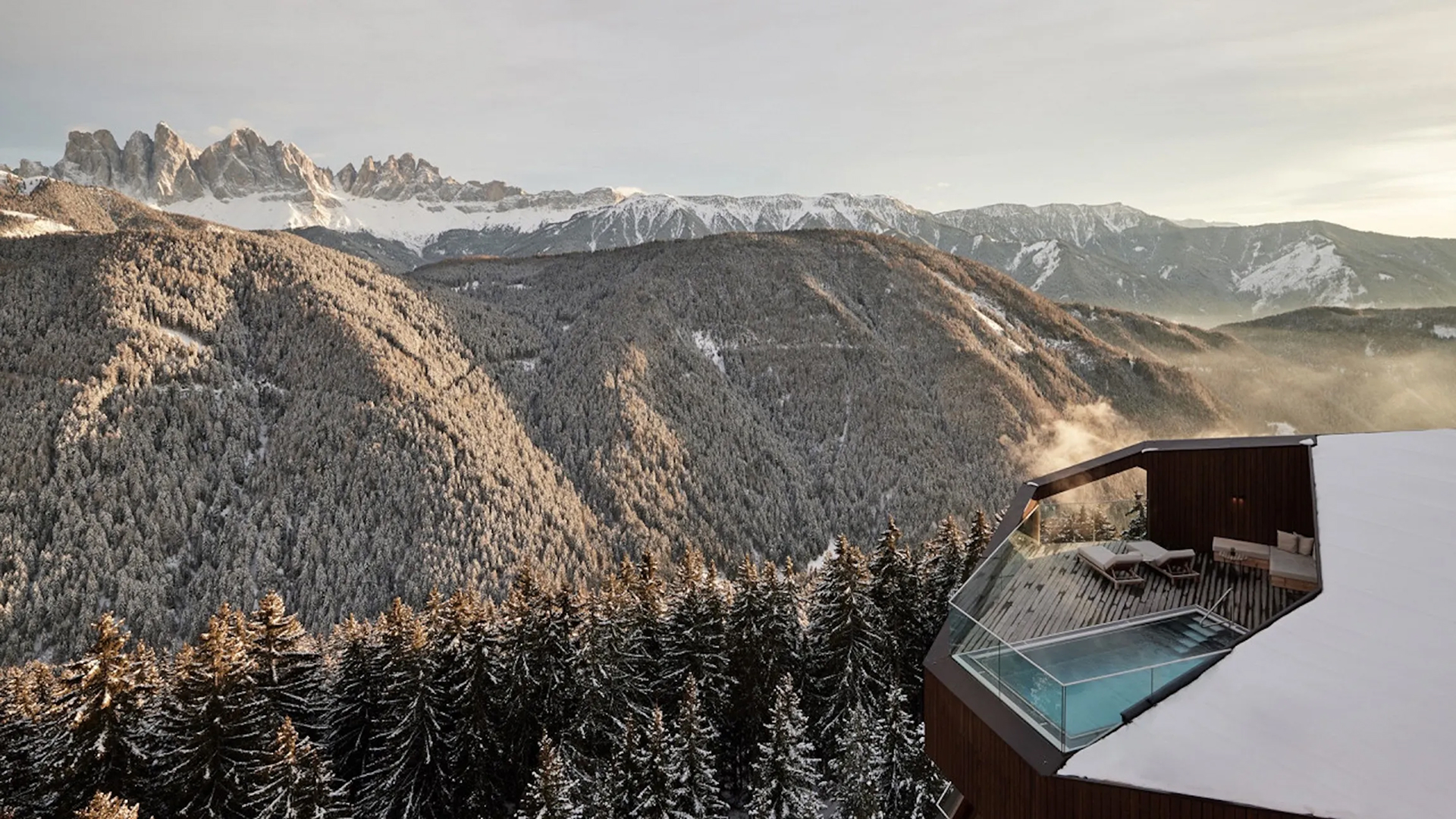
Natural surroundings intensify ritual by grounding attention. Forestis Dolomites in South Tyrol integrates altitude, forest, and light into its concept. Minimal interiors direct focus outward, framing mountain horizons as part of meditation. The balance between air, sound, and temperature builds continuity between inner and outer stillness. Each stay feels both personal and collective, an experience shared through silence.
Sensory detail as emotional anchor
Transformative stays depend on sensory precision. Aro Hā Wellness Retreat in New Zealand refines simplicity through tactile experience. Linen, wood, and water form a consistent palette. The scent of cedar and the sound of lake wind create memory through repetition. Every element contributes to awareness. The space becomes a sensory map of mindfulness, where perception itself becomes the ritual.

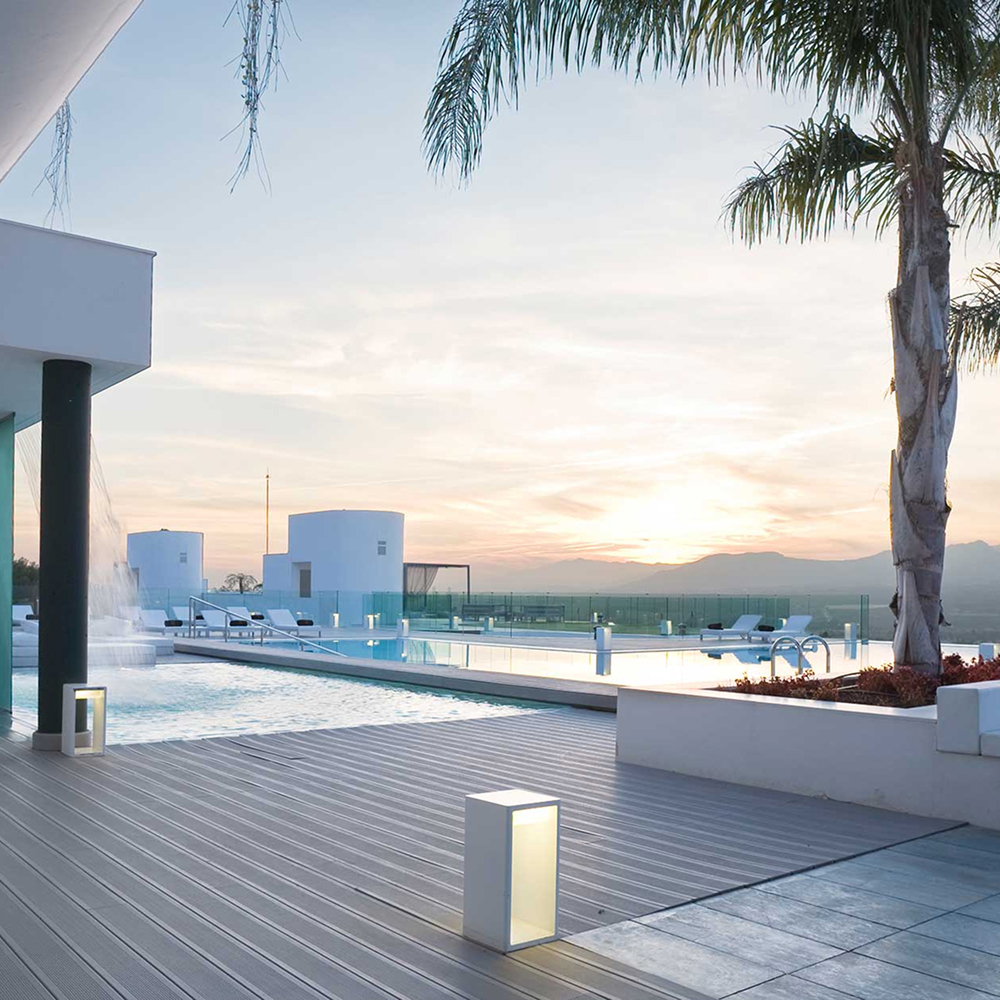
Conscious design as the new form of luxury
Transformative hospitality replaces display with depth. Properties that value presence over performance create environments where care feels continuous. Shou Sugi Ban House in the Hamptons embodies this transformation. Architecture and wellness programming follow the same discipline: clarity, balance, and restraint. Light materials and elemental rituals evoke belonging through serenity.
Luxury no longer depends on accumulation but on coherence. Each detail reflects attention, and each gesture reinforces presence. Epikure helps hotels design spaces and programs where wellness becomes structure, not service. Contact us to integrate intention, rhythm, and emotion into your next retreat.