Vision before form
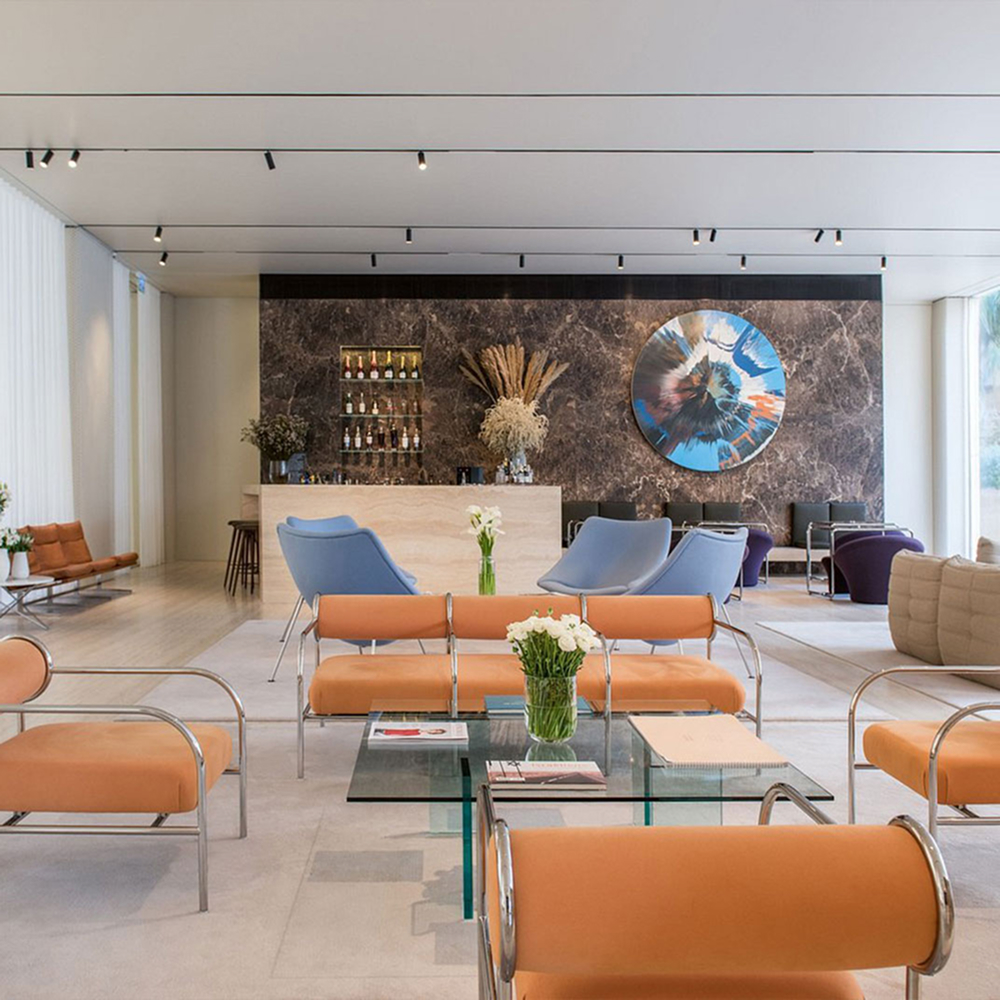
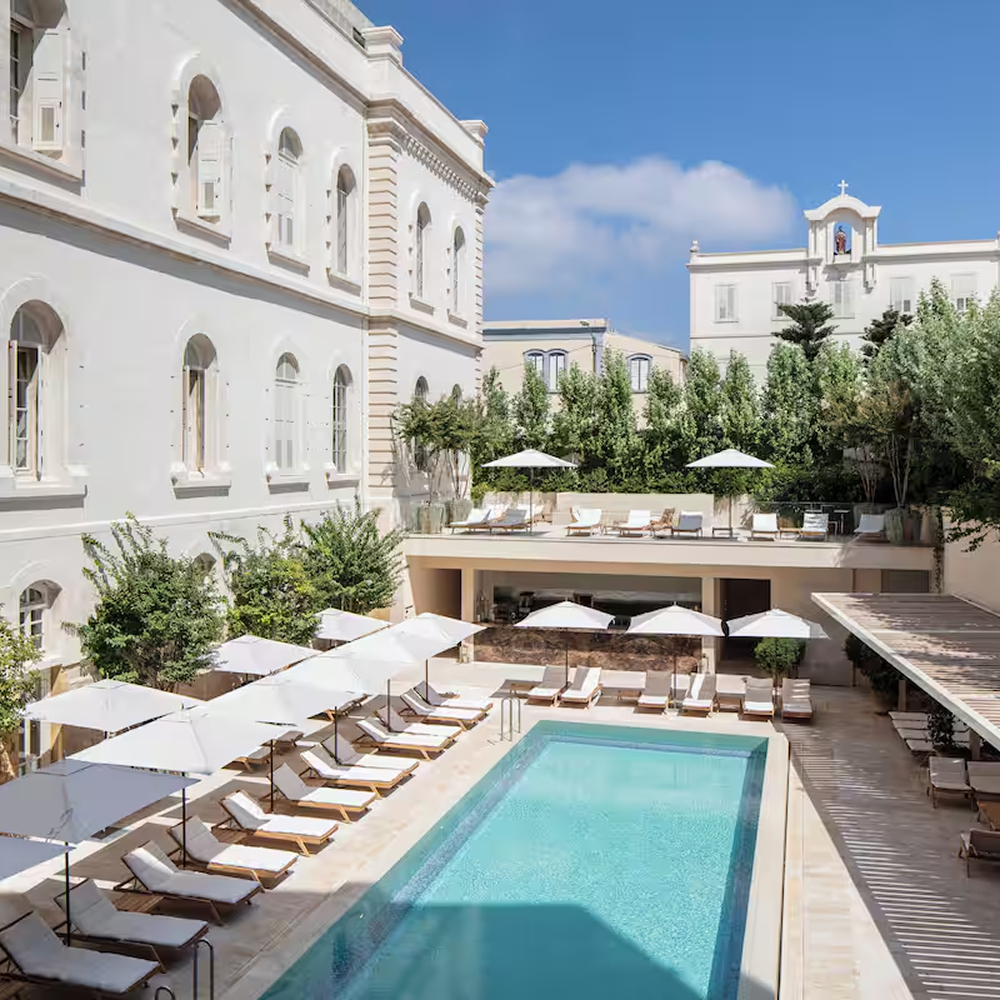
Architectural identity grows from clarity. Properties that begin with a defined brand narrative achieve emotional depth that pure design cannot replicate. The Jaffa Tel Aviv shows this precision. The project started with a conceptual story of contrast between heritage and renewal. The architecture by John Pawson translates this duality through proportion and restraint, balancing ancient stone with minimal geometry. The result feels calm, assured, and consistent with its positioning as a place of reflection in a dynamic city.
Defining tone as spatial language
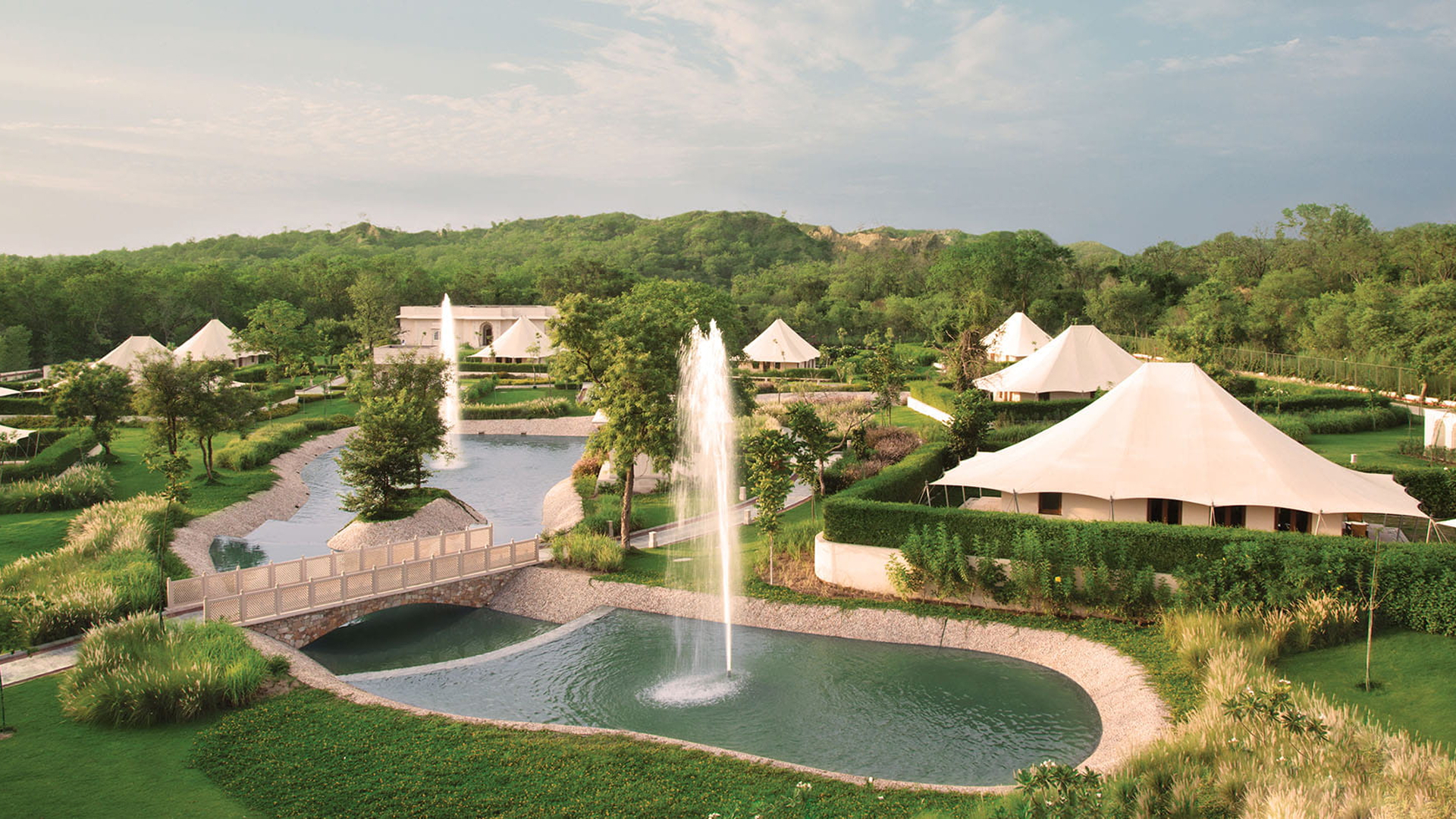
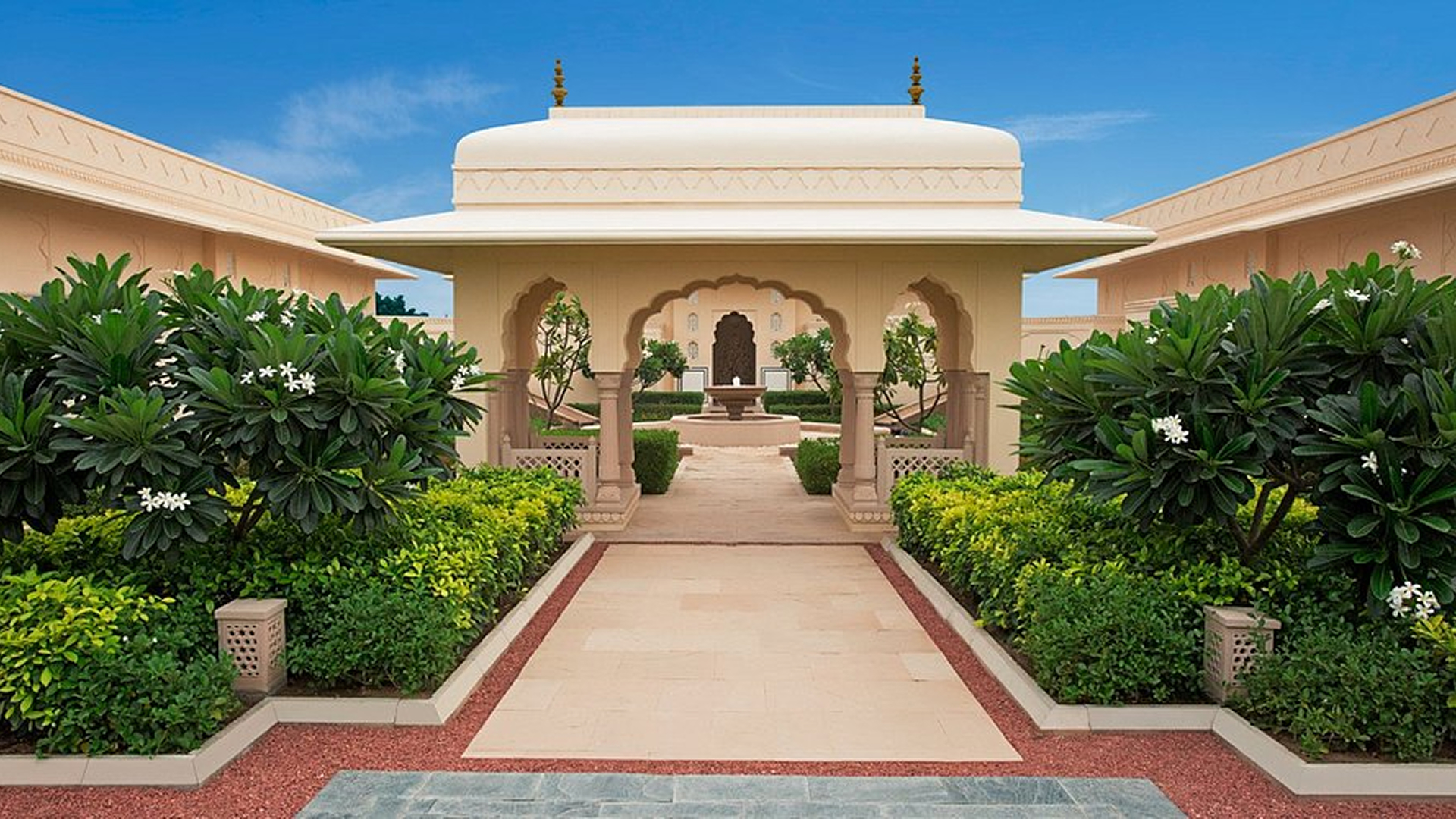
Tone in architecture comes from rhythm. The Oberoi Sukhvilas Spa Resort in India embodies this principle by translating wellness into proportion. The repetition of arches, light patterns, and courtyards follows the same meditative tempo as the brand voice. Every detail, from landscaping to service flow, reinforces balance. The tone remains constant across architecture, experience, and communication. The brand message is not spoken, it is built.
Strategic intent as creative compass
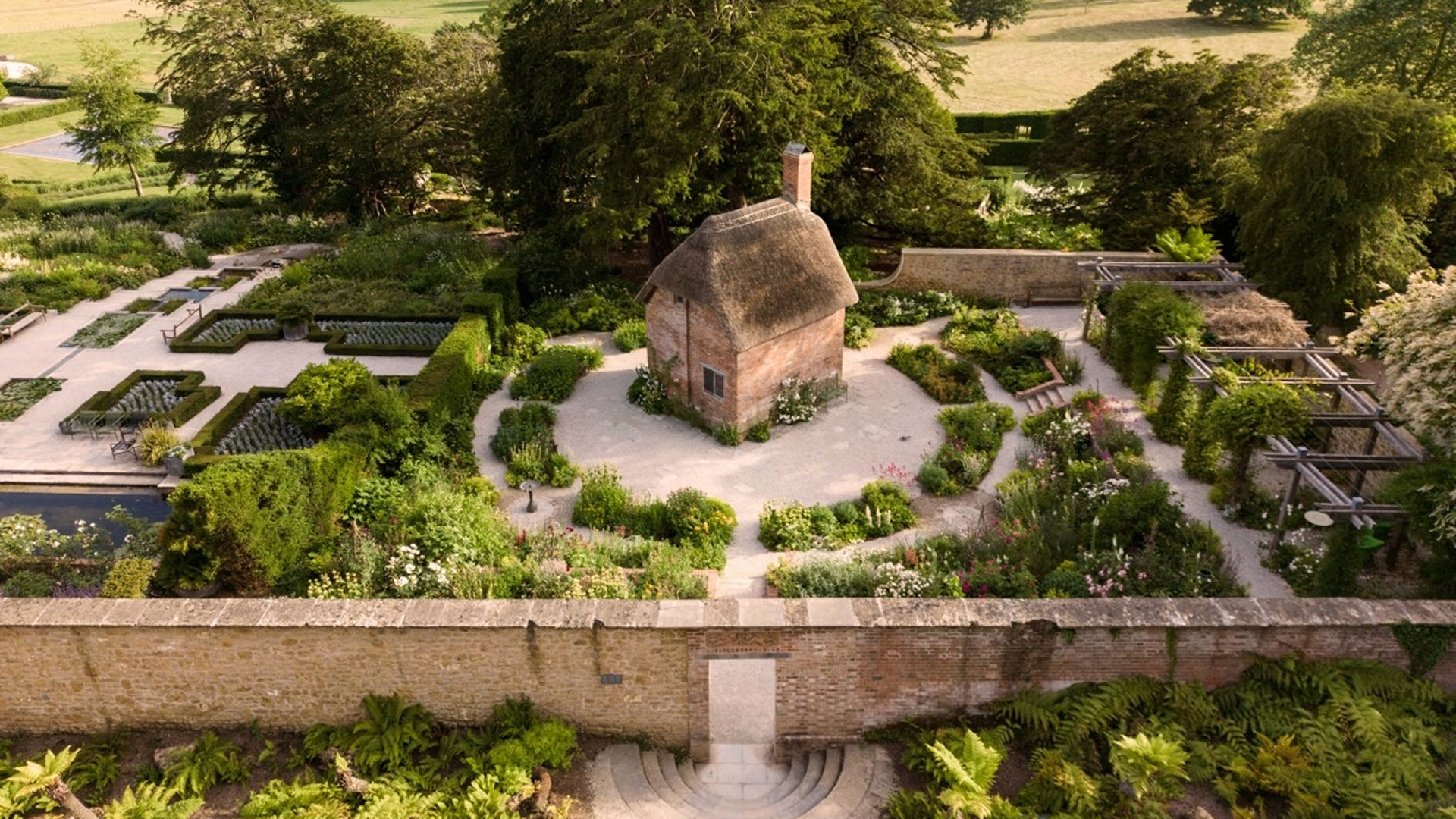
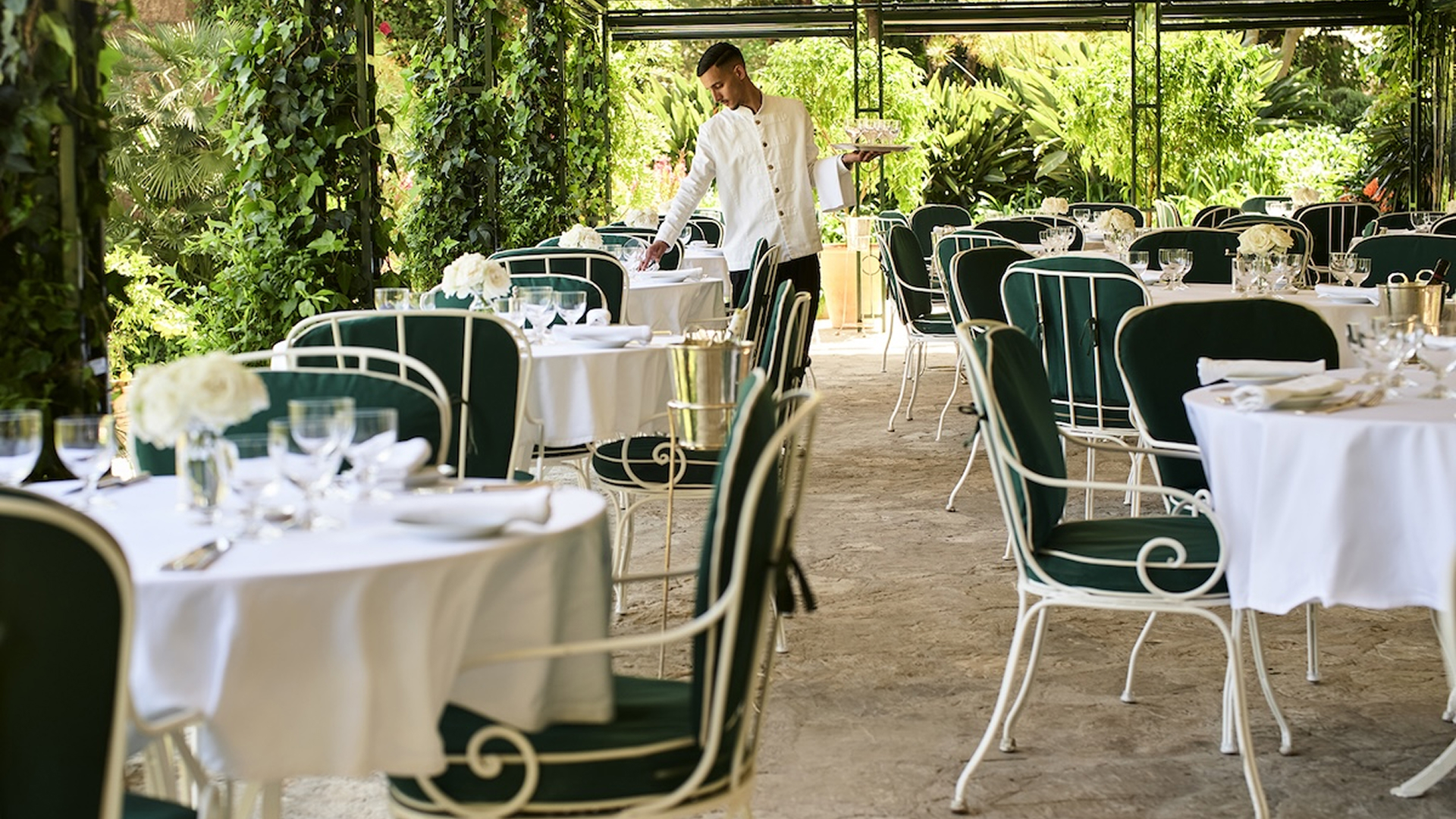
A defined strategy gives freedom to create with direction. Cap Rocat in Mallorca illustrates how strategic thinking anchors creativity. The former fortress has been transformed into a luxury retreat that celebrates isolation and protection. The brand's core idea of shelter guides every decision, light remains soft, walls stay intact, and materials evoke permanence. Architecture, communication, and guest experience share one emotion: serenity through security.
Storytelling through built identity
Architecture communicates when it continues the brand narrative. Monteverdi Tuscany developed its design philosophy around cultural revival. The project restored an entire medieval village to express the idea of timeless continuity. Each stone house, path, and interior reflects the same story: renewal rooted in history. The coherence between naming, concept, and visual rhythm makes the property feel inevitable, as if it always existed in this form.
Naming as structural decision
Naming influences design by defining mood and proportion. The Lake House on Canandaigua in New York expresses hospitality through simplicity. The brand name evokes calmness, and the architecture follows that promise with open lines and soft palettes. Each material, from wood to linen, repeats the same intention. The identity feels grounded, and the building becomes an extension of the name.
Story as operational framework
A coherent story organizes daily rhythm as much as visual style. Tierra Patagonia Hotel & Spa aligns its operations, architecture, and narrative around immersion in landscape. Every guest touchpoint, from window orientation to color palette, supports the brand's central story: connection to place through simplicity. The brand defines the experience from blueprint to service ritual, ensuring that no detail feels detached from purpose.
Coherence as long-term value
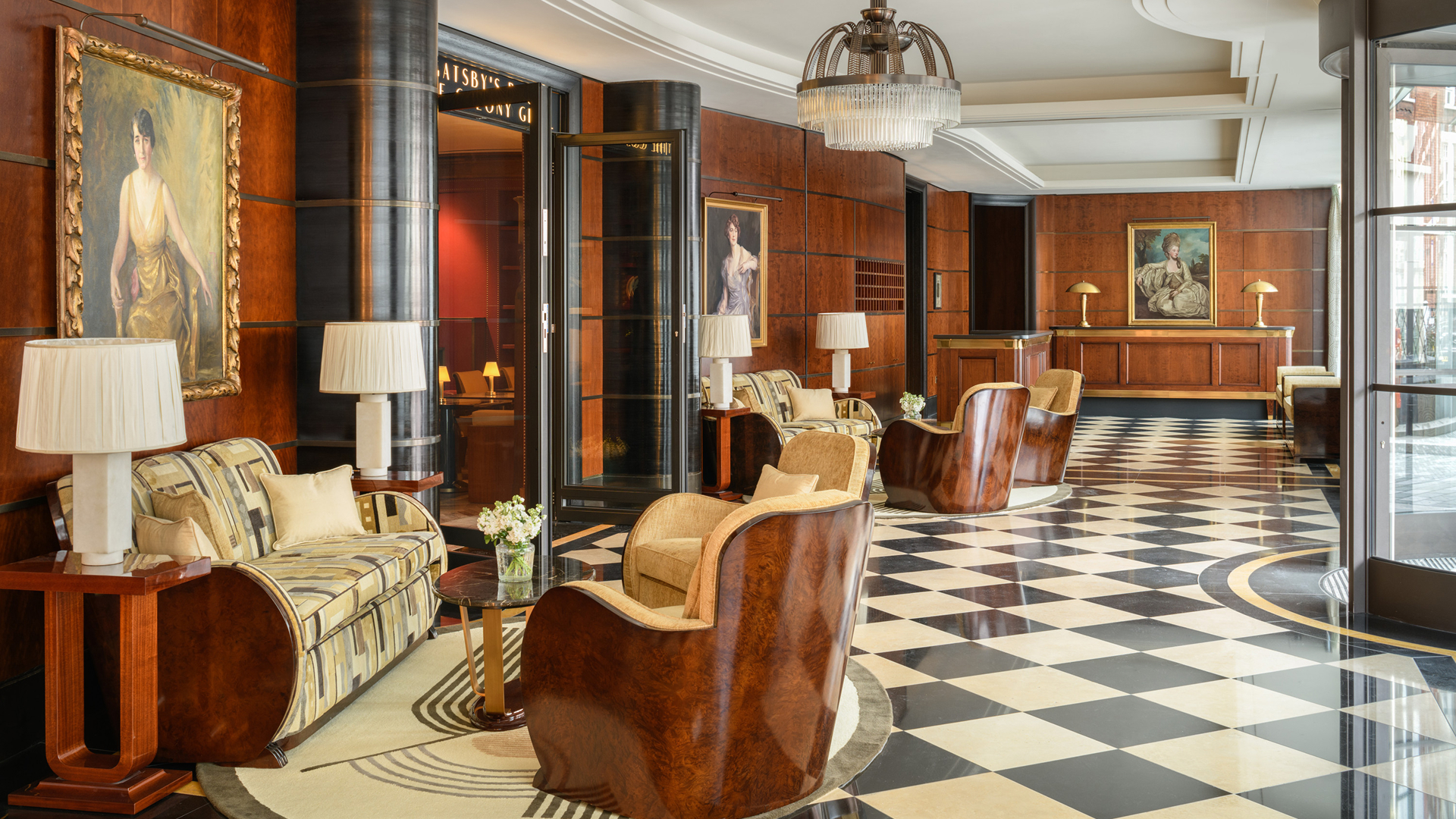
Early brand alignment transforms architecture into legacy. When brand, space, and experience evolve together, the result endures beyond trends. The Chedi Andermatt embodies this principle through precision and continuity. The identity established before construction defined the materials, music, and atmosphere that still guide operations today. Guests perceive calm and control because the property never drifts from its original intent.
Coherence builds emotional clarity. A guest senses harmony without needing explanation. Architecture becomes brand, and brand becomes atmosphere. Epikure helps properties define this foundation from the earliest stage, ensuring that every future decision aligns with the same emotional truth. Contact us to align brand vision and architecture from concept to completion.