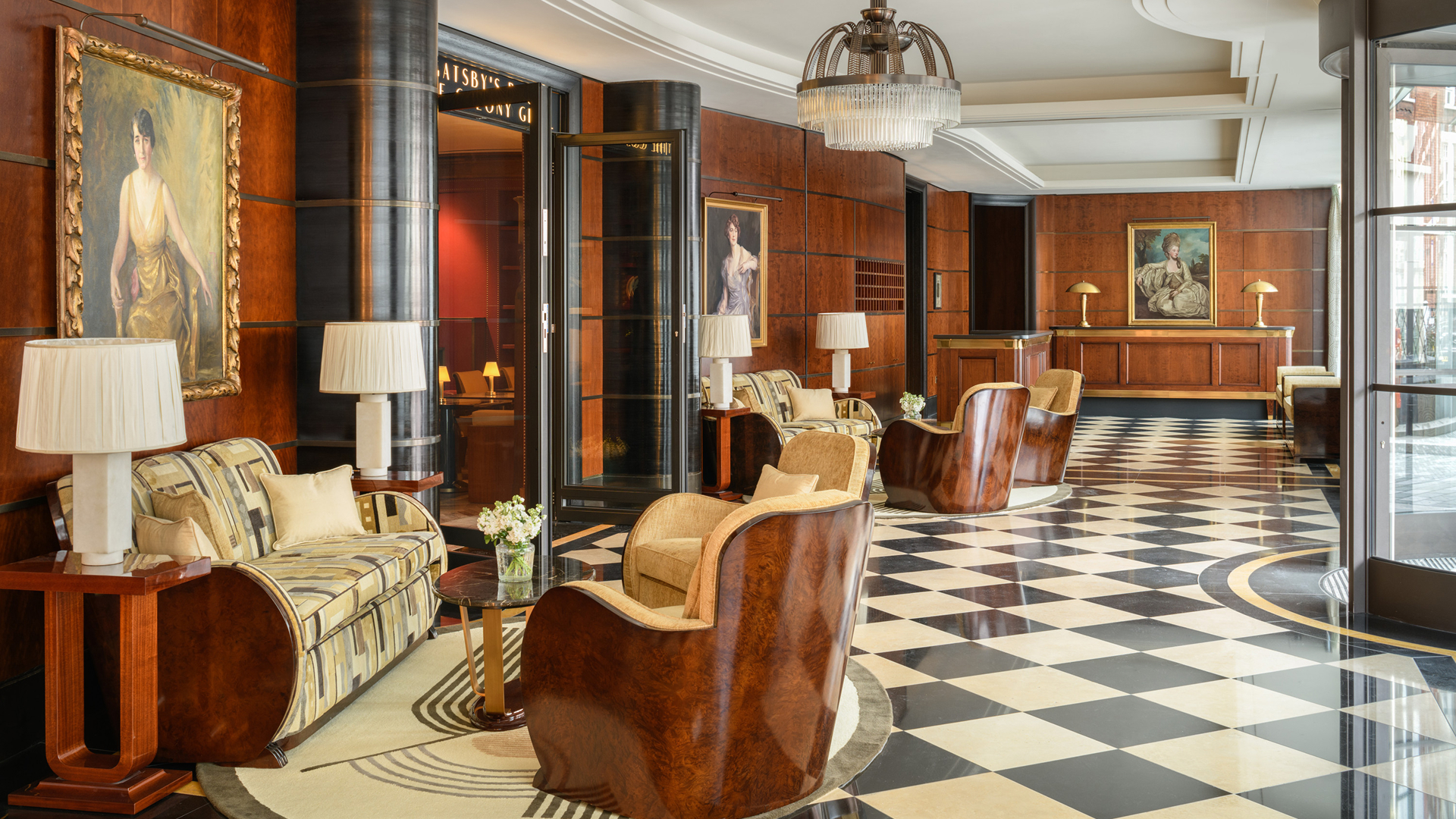
Clarity guides action without effort
You enter a booking path with a precise objective that rarely changes, since you want to check availability, review conditions, and confirm your stay within a coherent sequence. When interfaces present competing messages or layered actions, attention fragments and hesitation grows, which explains why Baymard Institute research on checkout usability consistently identifies unclear steps and excess choices as leading causes of abandonment in high value transactions.
Effective booking flows reduce visible decisions while keeping essential information accessible and readable, ensuring that dates, rates, and conditions remain present without dominating the interface or competing for attention. Progress feels linear because each step resolves a single task within a stable sequence, which lowers cognitive load by limiting what you process at any given moment while maintaining a clear sense of direction. The booking path at Fogo Island Inn reflects this discipline through a sequence that prioritises order over persuasion, since availability, room selection, and conditions appear in a stable progression with consistent wording that never introduces a new logic mid journey.
Predictability builds confidence at each step
You trust what behaves consistently across time and context, because buttons that remain in place, labels that stay unchanged, and summaries that persist across steps signal control and preparation. When elements shift, reset, or disappear unexpectedly, doubt appears even if the visual design remains refined, as predictability removes the need to reorient yourself and protects momentum during the decision phase.
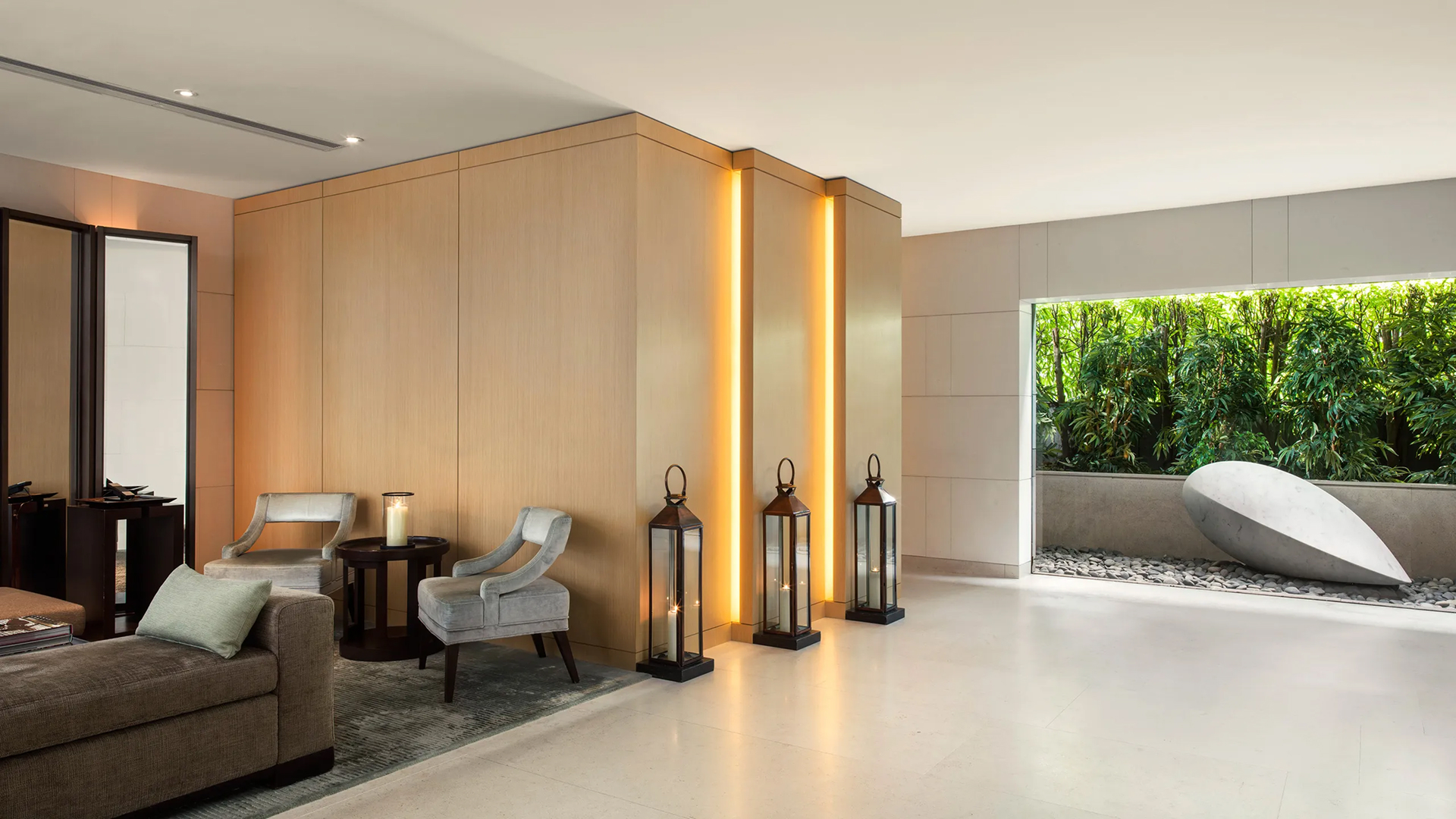
Google UX research shows that predictable interaction patterns reduce decision time and improve task completion, which in hospitality translates directly into stronger direct booking performance as confidence replaces hesitation. At The Upper House, the booking flow maintains the same structure across desktop and mobile environments, with calls to action remaining visible and rate information staying aligned from discovery to confirmation, allowing you to proceed without friction because the system behaves exactly as expected.
Absence of doubt reinforces perceived value
You hesitate when information feels incomplete, unstable, or difficult to confirm, because unclear cancellation terms, shifting prices, or hidden conditions introduce risk at the exact moment when reassurance matters most. Clear policies reduce this tension by remaining visible, readable, and written in direct language that supports understanding rather than negotiation.
McKinsey research on premium consumer behaviour shows that clarity during the decision phase supports price acceptance by reducing perceived risk, which explains why confidence increases when transparency remains constant from first click to final confirmation. The booking experience at Royal Champagne Hotel & Spa demonstrates this stability through consistent presentation of inclusions, payment terms, and cancellation rules, ensuring that nothing changes between intention and payment and that continuity supports commitment without urgency cues.
Thoughtful UX supports direct booking performance
Direct bookings grow when reassurance replaces pressure, because a fast interface that introduces doubt underperforms a slower path that feels controlled and considered. When each interaction confirms alignment between promise and process, you complete the journey with confidence rather than acceleration.
Skift data on direct booking behaviour shows that premium travellers favour brand websites offering calm navigation and transparent conditions over aggressive incentives, which protects margin by reducing reliance on discounts and artificial urgency. At Heckfield Place, the booking experience prioritises stability over speed through a path that remains readable and anchored, allowing you to feel guided without being pushed while trust strengthens and direct conversion follows naturally.


Modern luxury as a frictionless decision
Luxury in digital hospitality now expresses itself through ease rather than elaboration, because you rarely notice an interface when it works well and instead notice the absence of friction that allows decisions to feel obvious. A booking path that respects your attention signals operational maturity and consideration for your time.
Reassurance engineering aligns strategy, experience design, and digital execution around a single objective, which is to reduce cognitive load so that decision making feels natural and uninterrupted. When the booking journey reflects the calm of the stay itself, direct bookings follow as a consequence rather than a target. You strengthen performance when structure replaces persuasion and predictability replaces pressure, an approach that Epikure supports by aligning strategy, experience design, and digital execution around clarity rather than complexity.