Build pages that match intent and support real action
High-intent visitors look for confirmation that you can host their specific plan. Weddings, retreats, or exclusive stays require information that is easy to process and aligned with how decisions are made. A well-structured page tells a story, presents proof, and closes with a clear step. The purpose is not to impress with design or adjectives. It is to align content with the guest's mindset so that the path from interest to enquiry feels seamless.
Use the guest's language and timeline
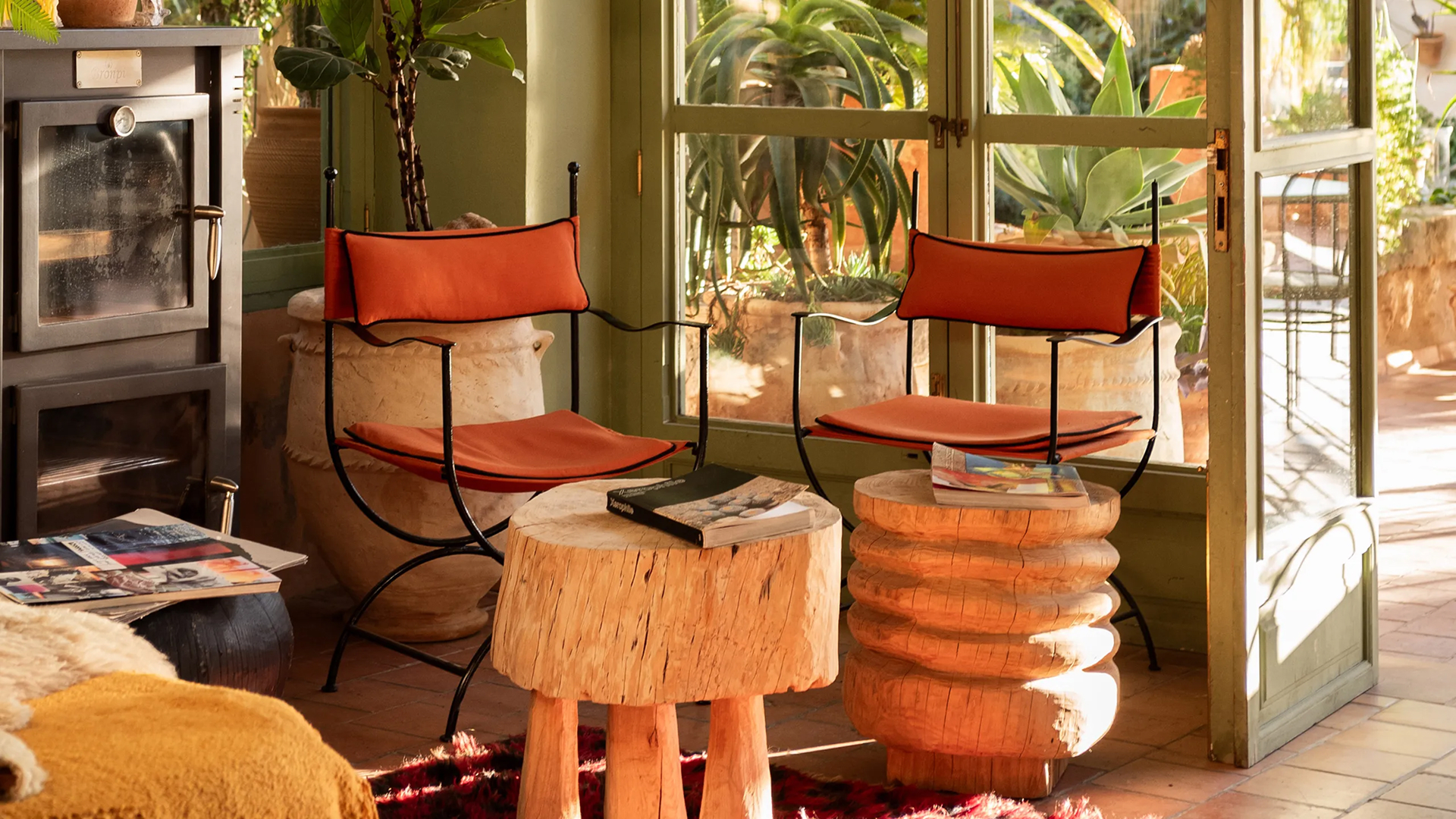
Content must reflect how guests frame their request. Couples may search for "estate wedding," groups may look for "private retreat." Match that language directly in your page. Structure the information to follow their decision path: venues, sample menus, and capacities for weddings; seclusion, optional services, and travel access for retreats. La Granja Ibiza captures this approach by aligning tone, design, and navigation on its retreat page, so visitors immediately recognise themselves in the offer and progress naturally toward contact.
Replace generic descriptions with owned proof
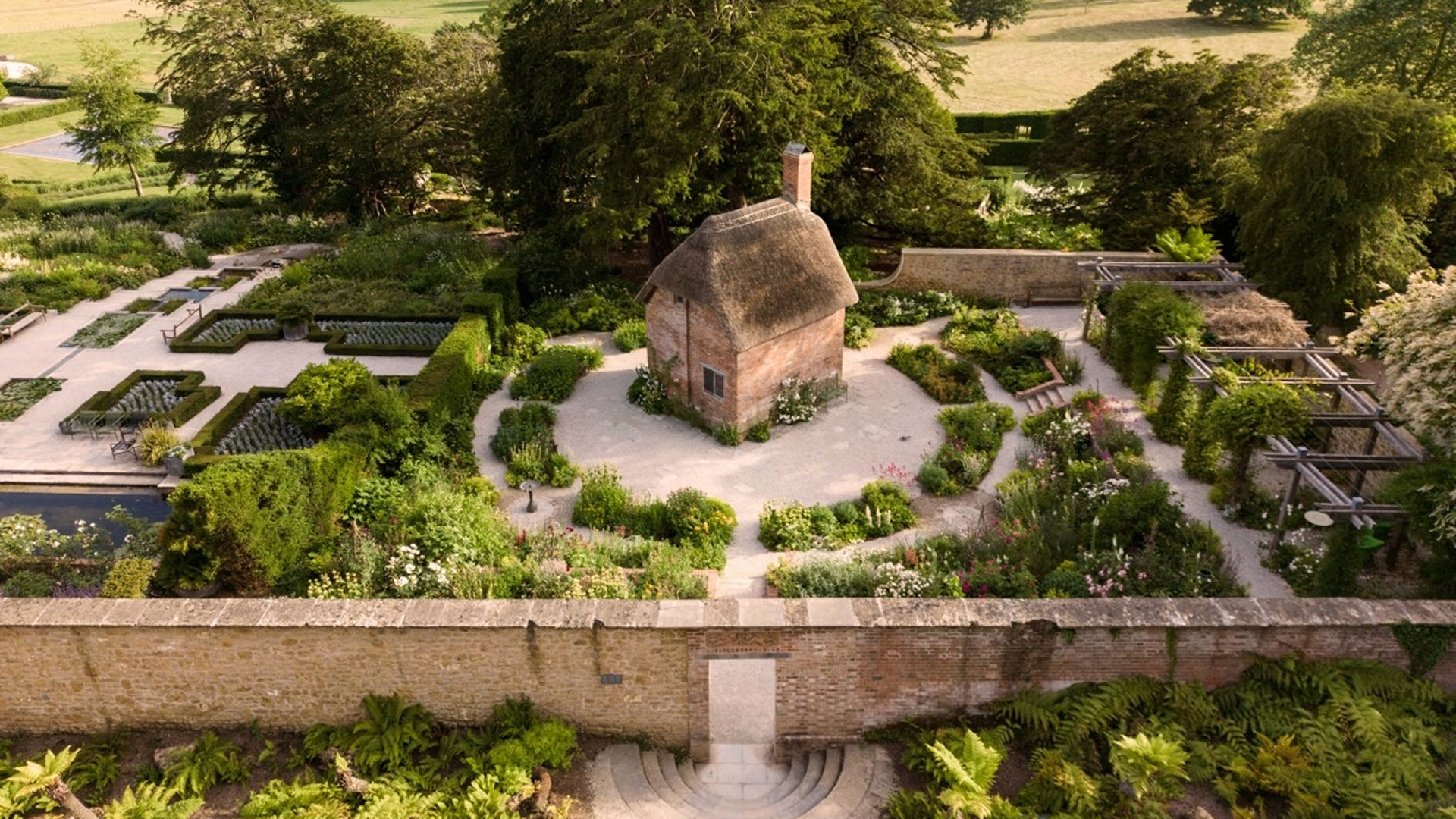
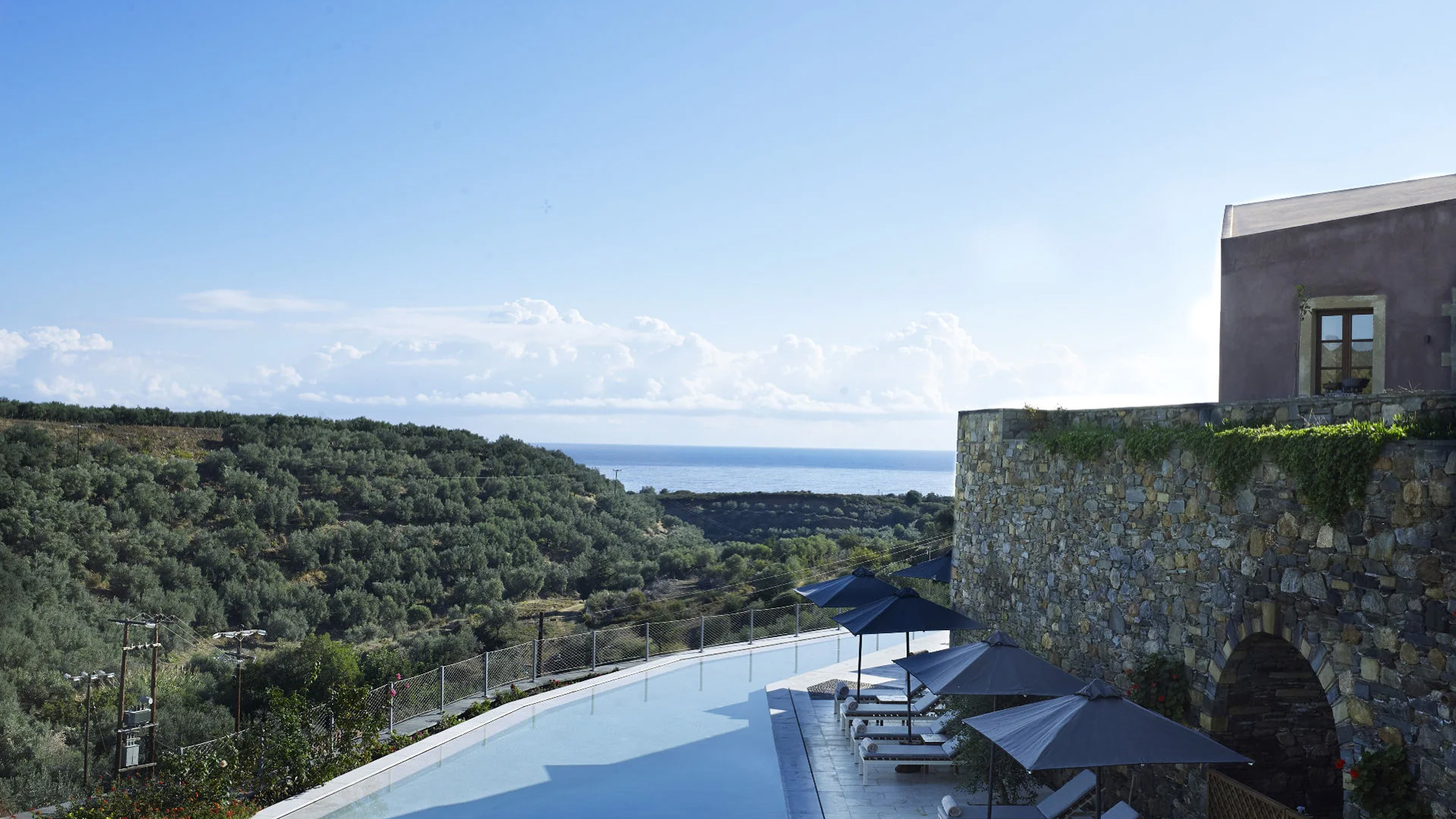
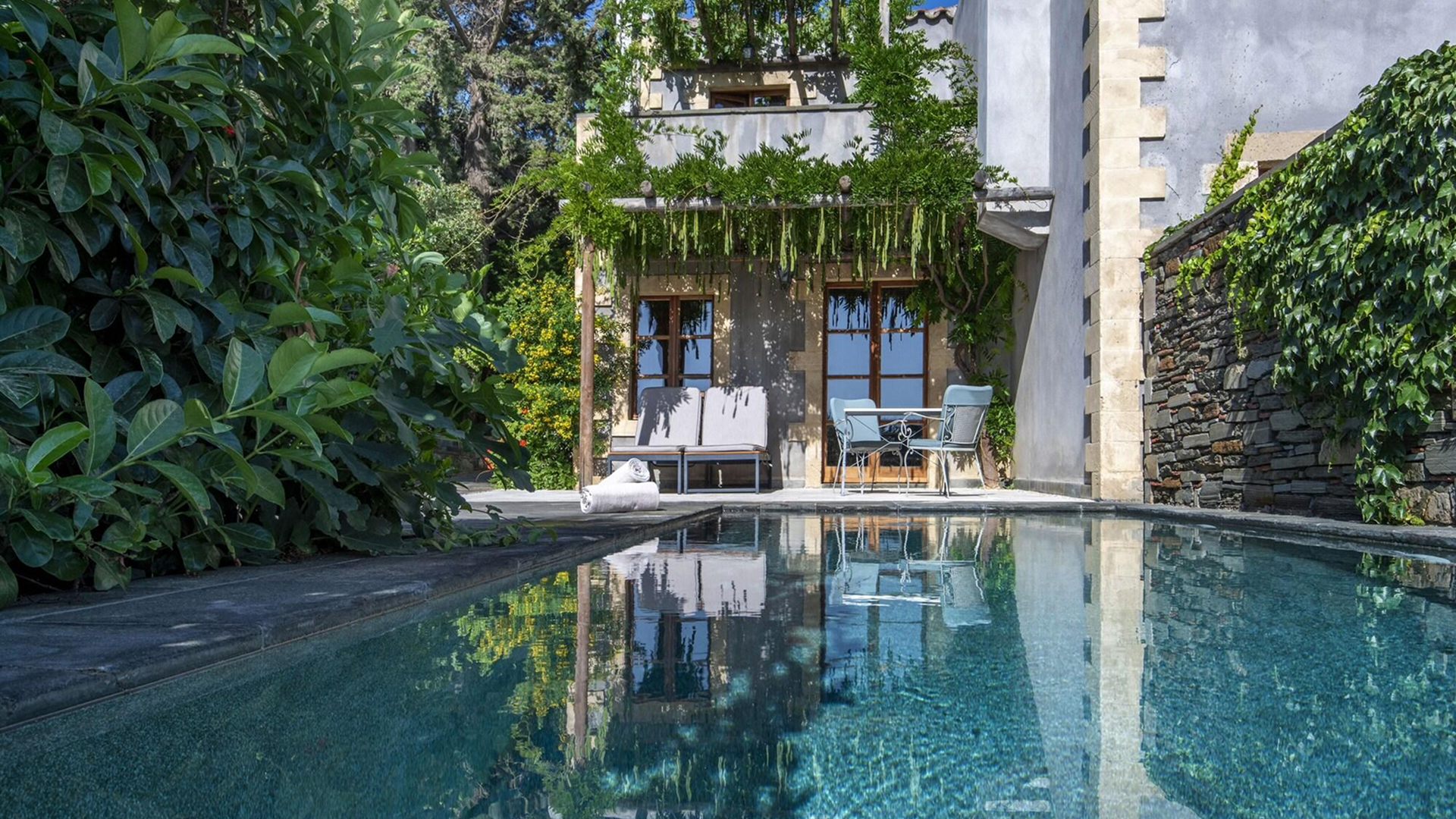
Guests do not convert from vague claims. They convert from proof. Replace long paragraphs with specific assets: photography of past events, examples of menus, names of trusted vendors, and short testimonials. Add a gallery that reflects real experiences. Outline logistics with precision, from ceremony flow to service options. The Kinsterna Hotel wedding section uses heritage images alongside detailed breakdowns of ceremony spaces, helping couples imagine their event with confidence. Specifics signal professionalism and reduce doubts before enquiry.
Design the contact form to brief your team
The page should not create extra work for your staff. Build a form that captures the essentials: date, number of guests, event type, and logistical needs. Limit open fields to only what helps qualify the request. Add clarity on response time and contact person. This design reduces delays, improves accuracy, and sets expectations for the guest. Properties like Belmond Villa San Michele integrate structured forms into their event pages, ensuring enquiries reach the right team with enough detail to provide a fast, precise answer.
Create a layout that gives context, confidence, and clear steps
A page must work as a complete journey. From headline to contact, it should give context, present proof, and close with a direct call to action. The layout should not overwhelm with visuals or scattered messages. It should move logically, with clear sections and consistent design. Each block must support the main goal: turning intent into action. When the structure is clean, guests remain engaged and confident, and teams handle enquiries with less friction.
Use real photography and current formatting
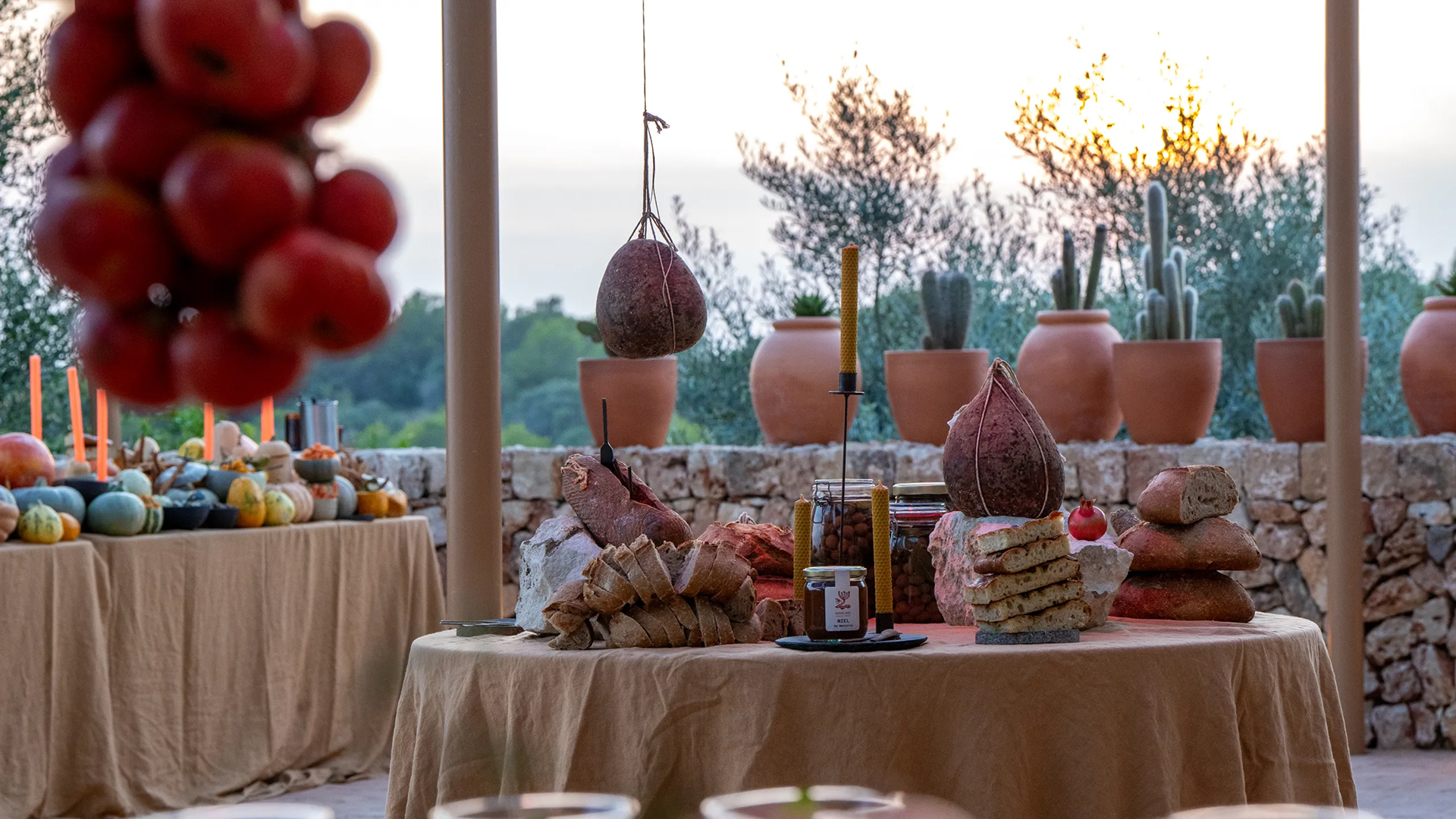
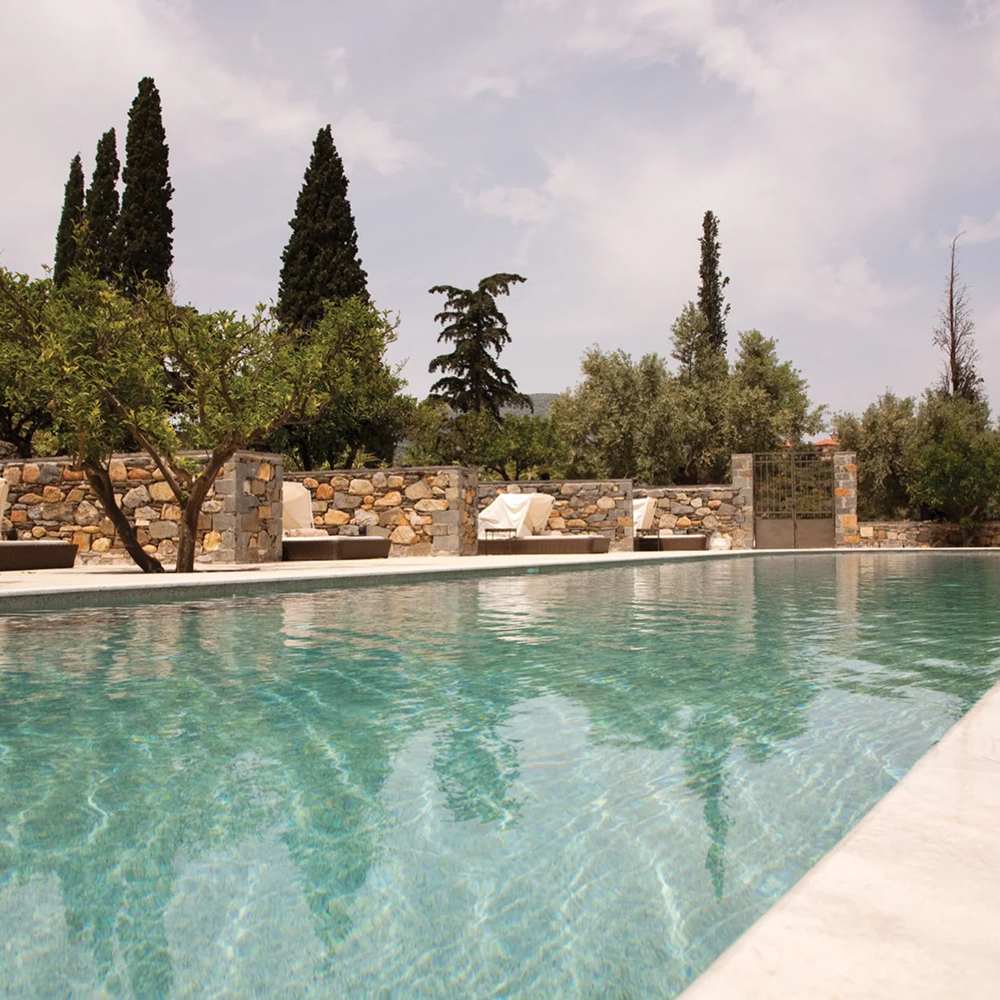
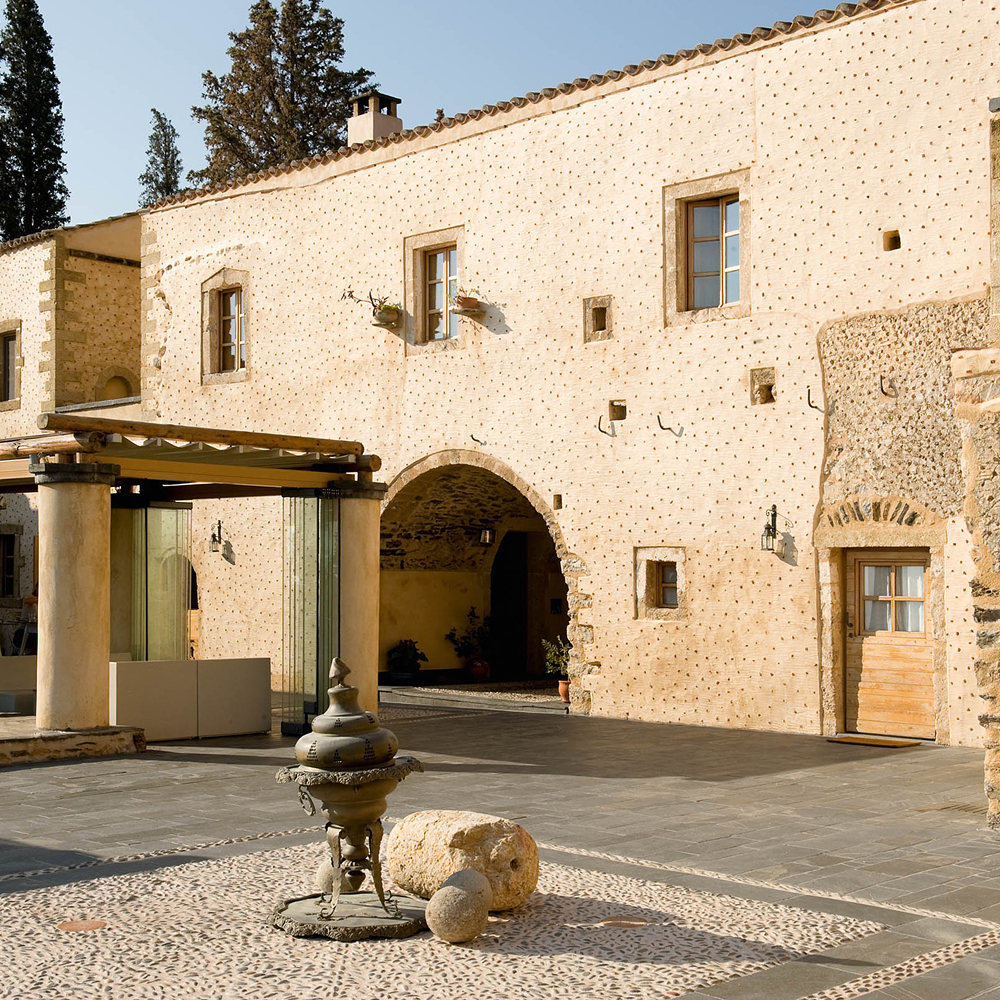
Guests with clear intent are sensitive to detail. They notice when photography feels staged or outdated. Replace stock visuals with authentic images that reflect the real atmosphere. If you show a reception dinner, ensure the setup still exists. If you promote wellness retreats, use active scenes instead of empty rooms. Masseria Moroseta applies this principle by showing true-to-life photography across its microsites, reinforcing trust through visual accuracy and consistent tone.
Integrate the page into your SEO and menu structure
A high-intent page must be easy to find. Place it in your main navigation or footer, and link it internally from relevant sections like rooms, dining, or spa. Optimise metadata, headings, and URLs for searches that reflect guest wording. A wedding page should rank on queries about hosting weddings at your location, not be buried under a generic offers tab. Six Senses Ibiza integrates event and retreat pages clearly into its structure, ensuring visibility both through search and internal navigation.
Measure intent, contact quality, and follow-up rhythm
Your page is only the beginning. Track how visitors arrive, how they move, and what actions they take. Measure form completion and assess the quality of the enquiries. Review response speed and guest satisfaction during follow-up. Align workflows internally so that these leads receive priority handling. Properties like Borgo Egnazia ensure that retreat and wedding enquiries are routed directly to specialised teams. This coordination transforms digital intent into confirmed bookings with fewer delays and stronger guest perception.
Review your priority pages to match intent and improve results
Pages designed for high-intent actions demand more than aesthetic quality. They need alignment with guest expectations, operational readiness, and a structure that reduces friction. When design, content, and workflow work together, conversion improves and teams operate with efficiency. We help hotels refine their most strategic pages so that guest intent translates into action with clarity and consistency. Contact us to review and strengthen the pages that matter most.