
Restaurants often define the public identity of a hotel
Many hotels gain stronger recognition through their dining spaces than through architecture or accommodation alone. Restaurants generate repeat local traffic, social interaction, and cultural visibility that keep properties active beyond transient hotel occupancy.
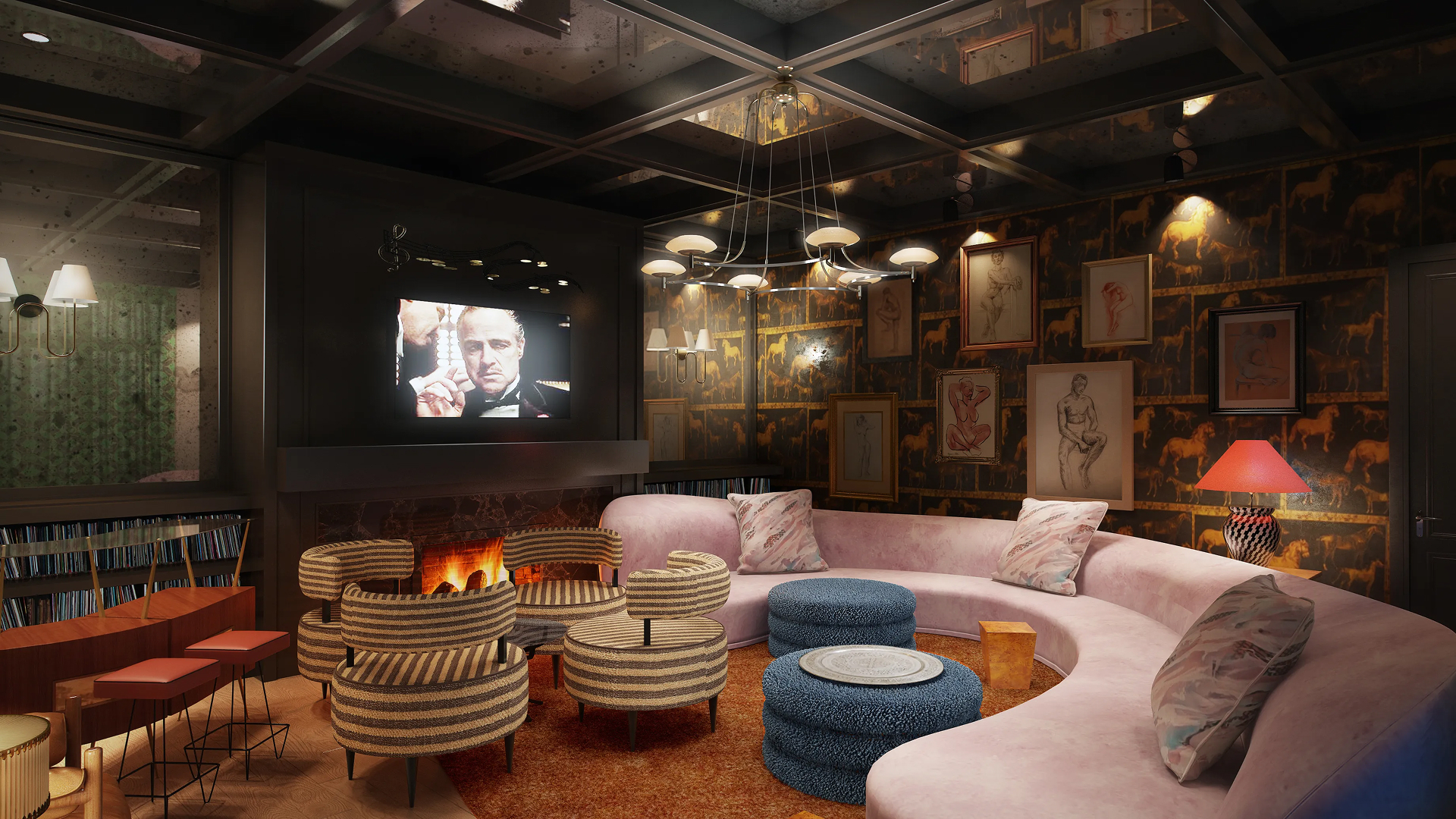
Château Voltaire in Paris structures its restaurant and public spaces around a residential atmosphere that attracts both hotel guests and local visitors continuously throughout the day. Dining, bar rhythm, lighting, and circulation reinforce the same intimate positioning expressed in the guestrooms. The restaurant strengthens the hotel brand because it extends the experience naturally into the social life of the city.
External audiences reinforce brand visibility
Hotels become more culturally present when restaurants attract guests who are not staying overnight. This external traffic increases visibility while strengthening perception of relevance and local integration.
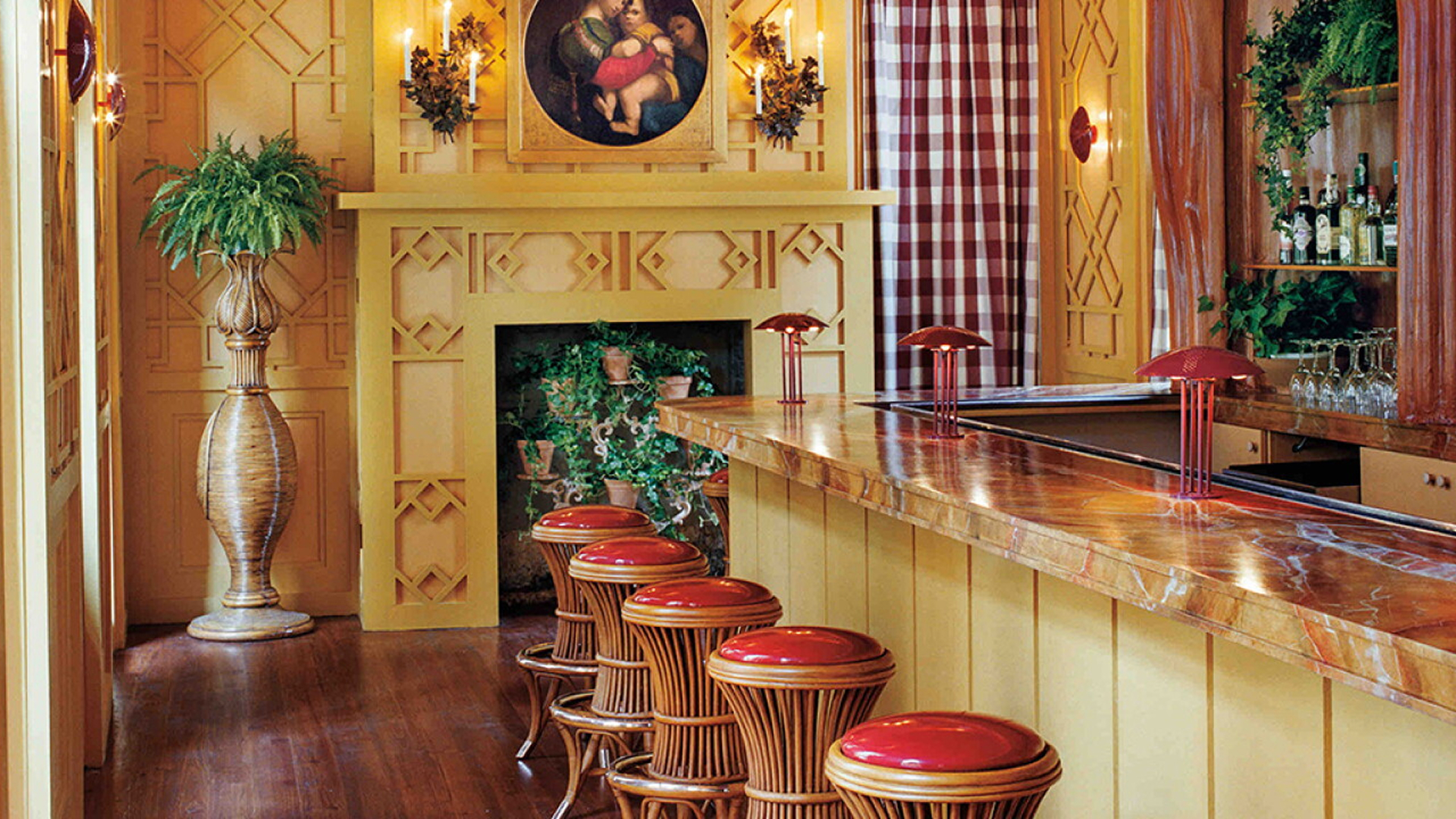
The Fife Arms in Scotland integrates gastronomy, art, and local culture into a hospitality environment that functions as both destination hotel and regional gathering space. The restaurant contributes directly to the property's identity because it attracts visitors independently from accommodation demand.
Dining atmosphere shapes emotional memory
Guests often remember the rhythm and atmosphere of restaurant spaces more vividly than guestrooms because dining concentrates social interaction, lighting, sound, and sensory perception within one environment.
Hotels with highly standardised dining concepts frequently weaken memorability because the restaurant experience feels disconnected from the identity of the property itself.
Strong F&B concepts reinforce positioning
Hotel restaurants strengthen positioning when gastronomy, architecture, service posture, and atmosphere reinforce one coherent identity. Dining then becomes part of the strategic narrative rather than an isolated operational component.
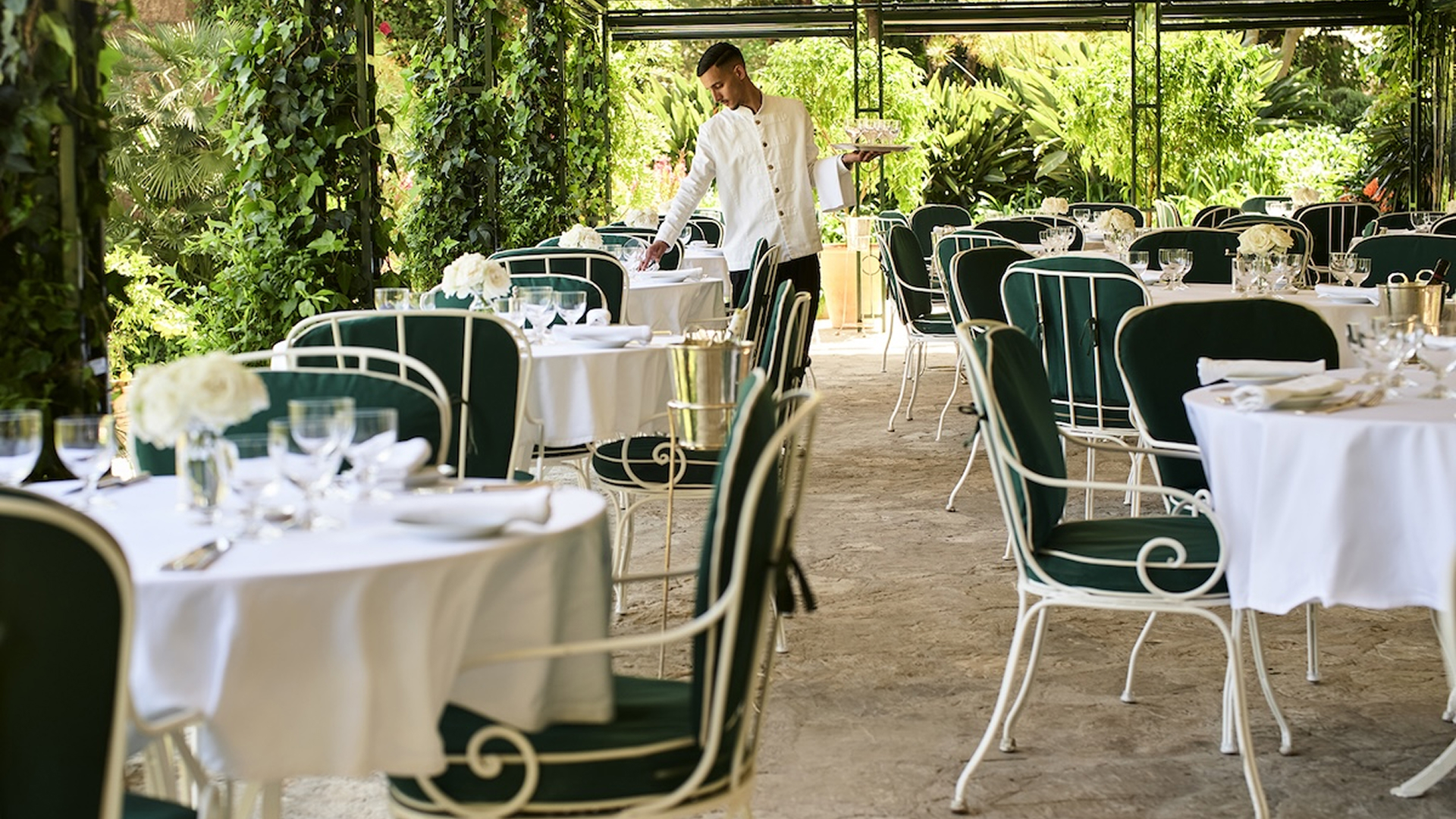
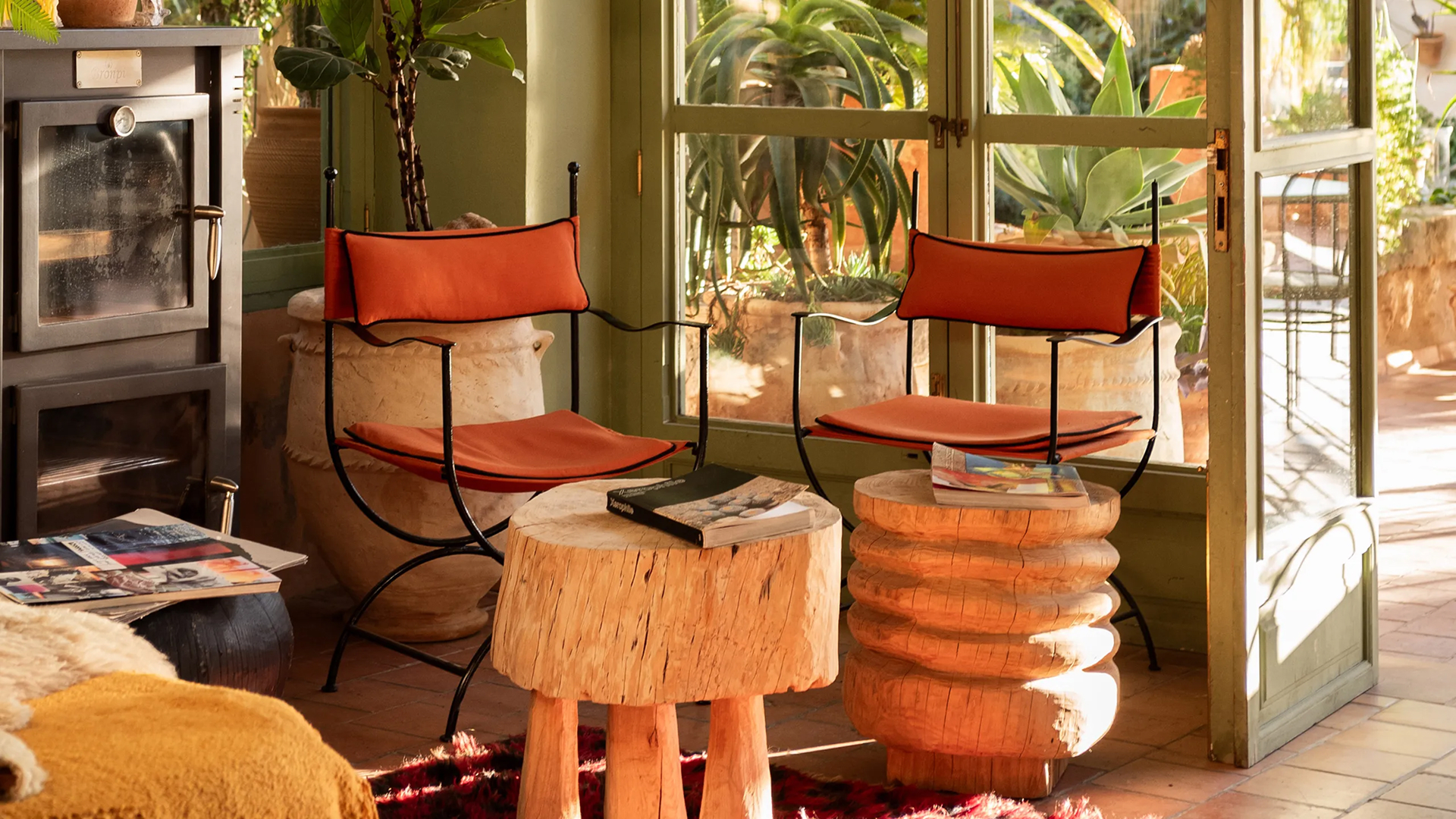
Villa Mabrouka in Tangier structures its culinary experience around garden rhythm, Moroccan influences, and restrained residential hospitality that align closely with the atmosphere of the property. Guests experience continuity because architecture, pacing, and gastronomy follow the same emotional direction.
Restaurants communicate positioning faster than rooms
Many guests evaluate a hotel's identity through a single meal or drink before experiencing accommodation directly. Restaurants therefore act as compressed expressions of the broader hospitality philosophy.
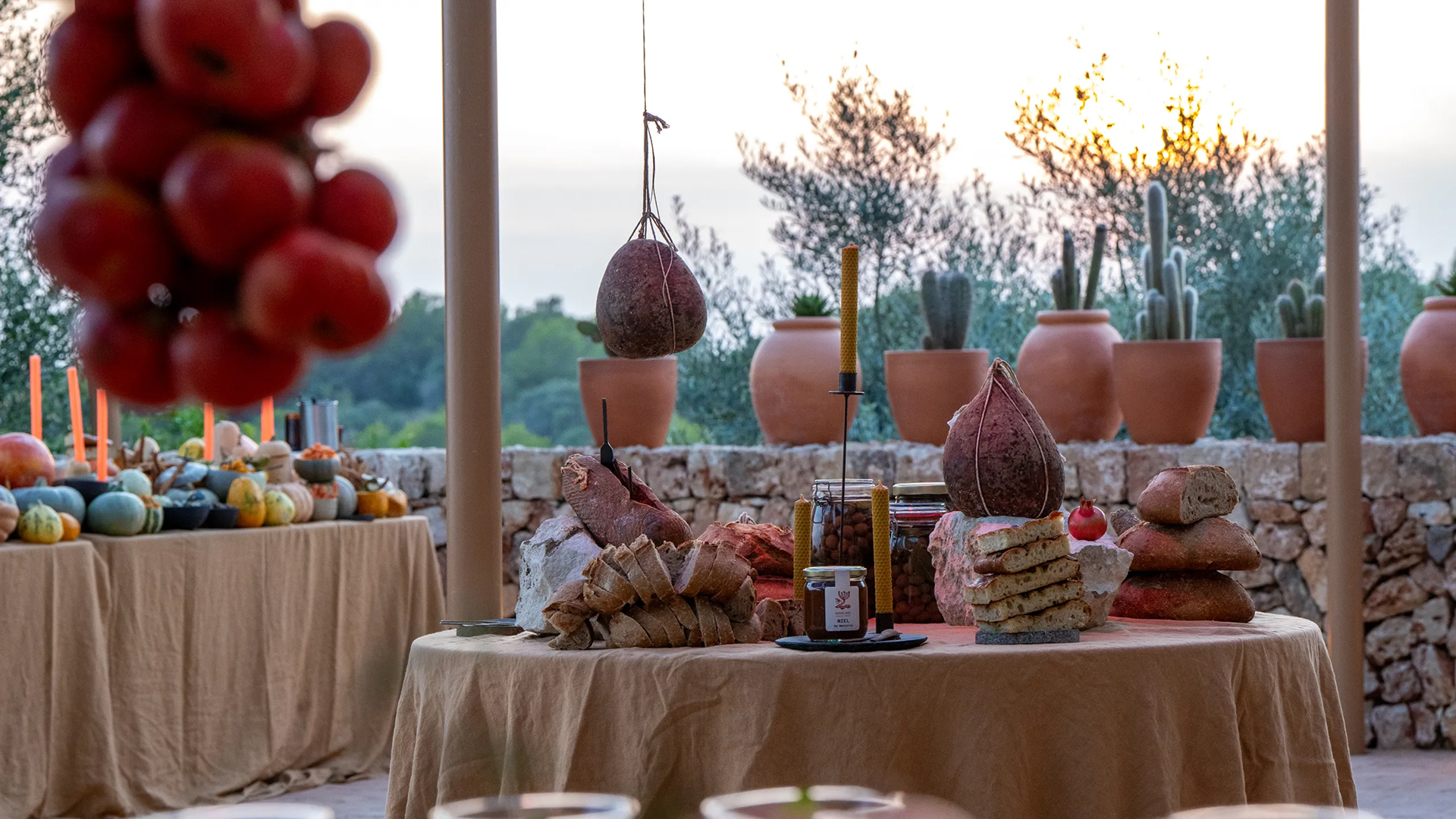
Hotel Il Pellicano maintains a culinary atmosphere that reflects the same understated Mediterranean elegance expressed through architecture, service rhythm, and guest interaction. The restaurant reinforces positioning because every detail contributes to one stable perception.
Culinary identity strengthens differentiation
Hotels competing within similar pricing categories often differentiate themselves more effectively through food and beverage strategy than through room design alone. Strong culinary concepts generate recognition that extends beyond traditional hospitality channels.
Properties that replicate generic luxury dining formats without contextual identity often struggle to establish memorable positioning despite strong operational execution.
F&B spaces extend guest engagement inside the property
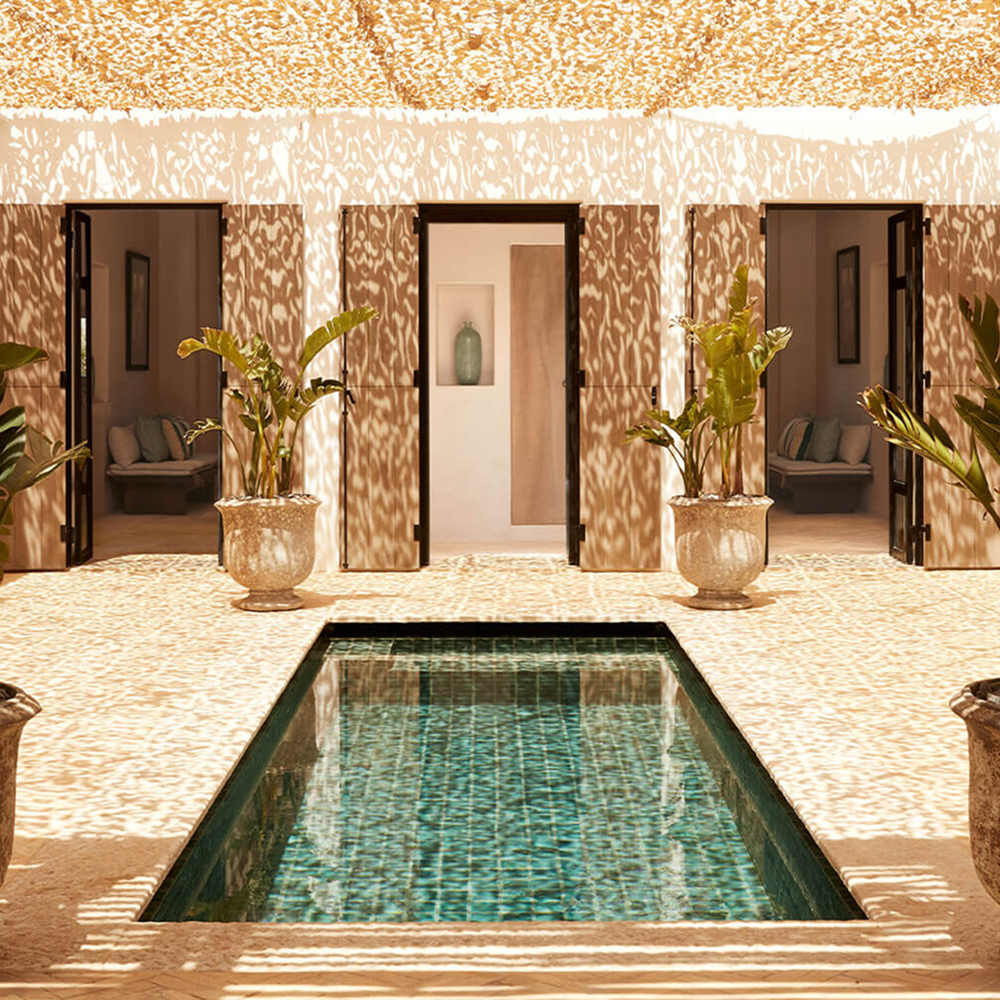
Restaurants, bars, and terraces increase the amount of time guests spend inside the hotel when atmosphere, social energy, and operational rhythm remain aligned. Successful dining environments encourage guests to inhabit the property rather than treat it only as accommodation.
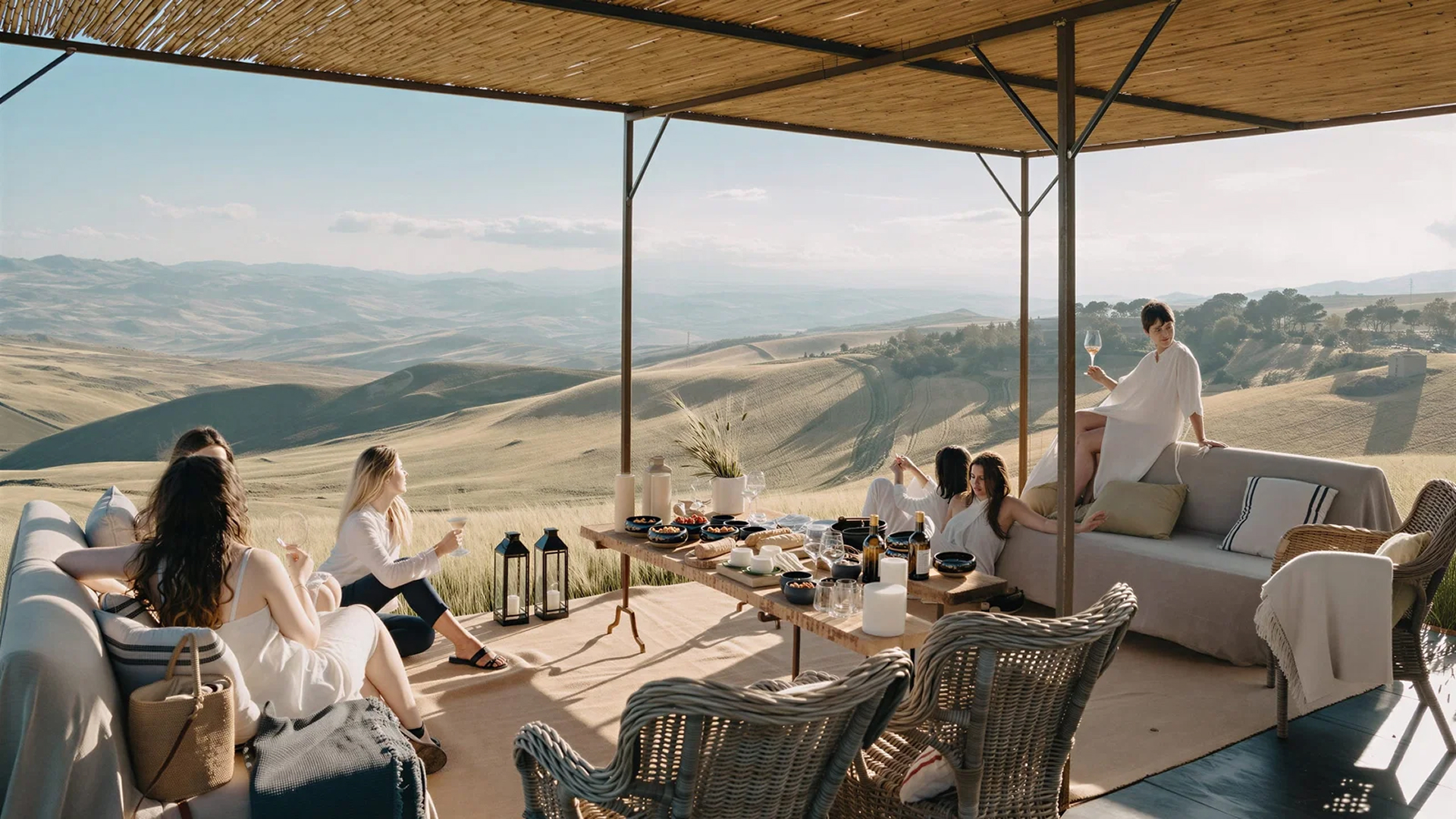
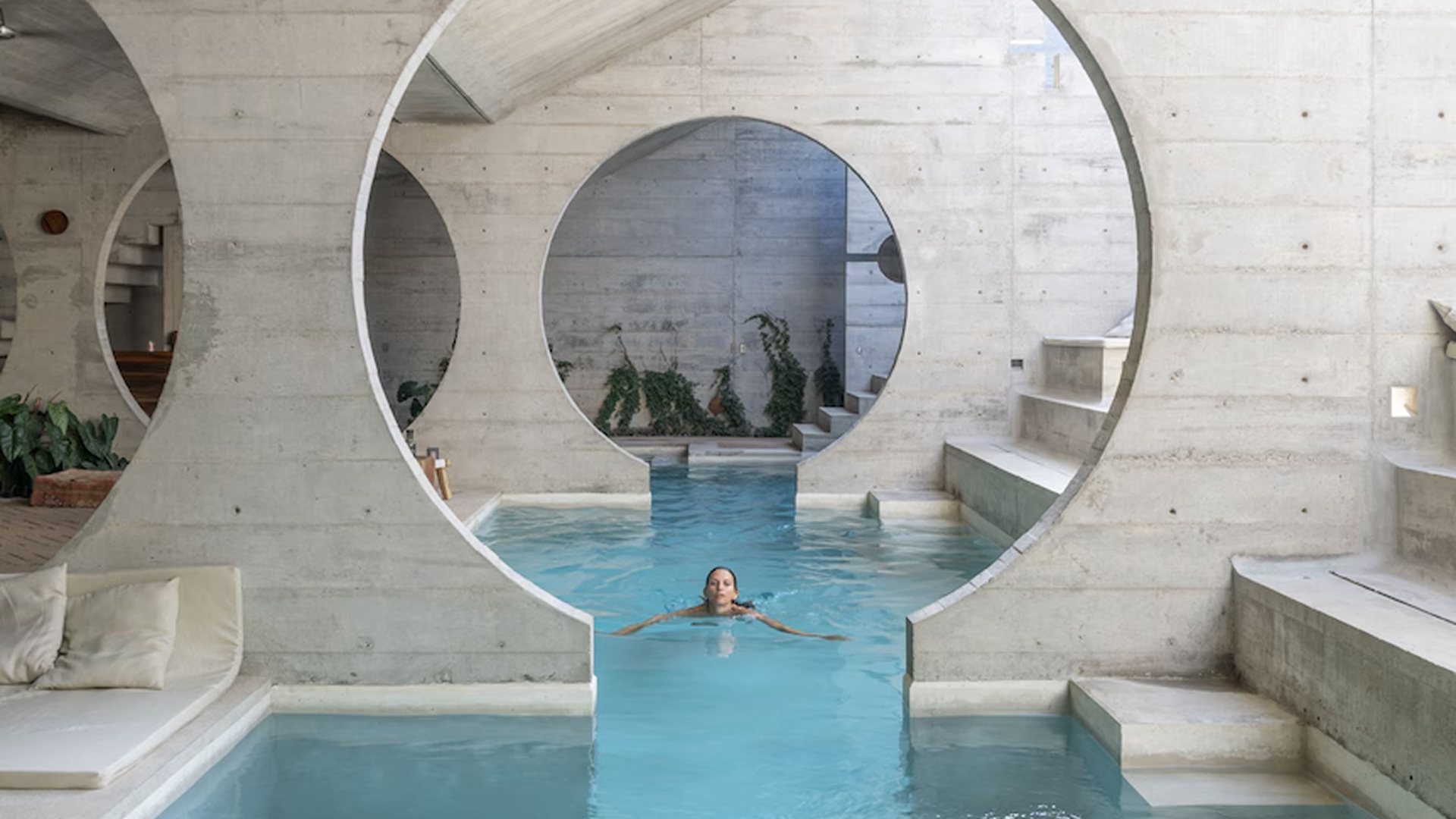
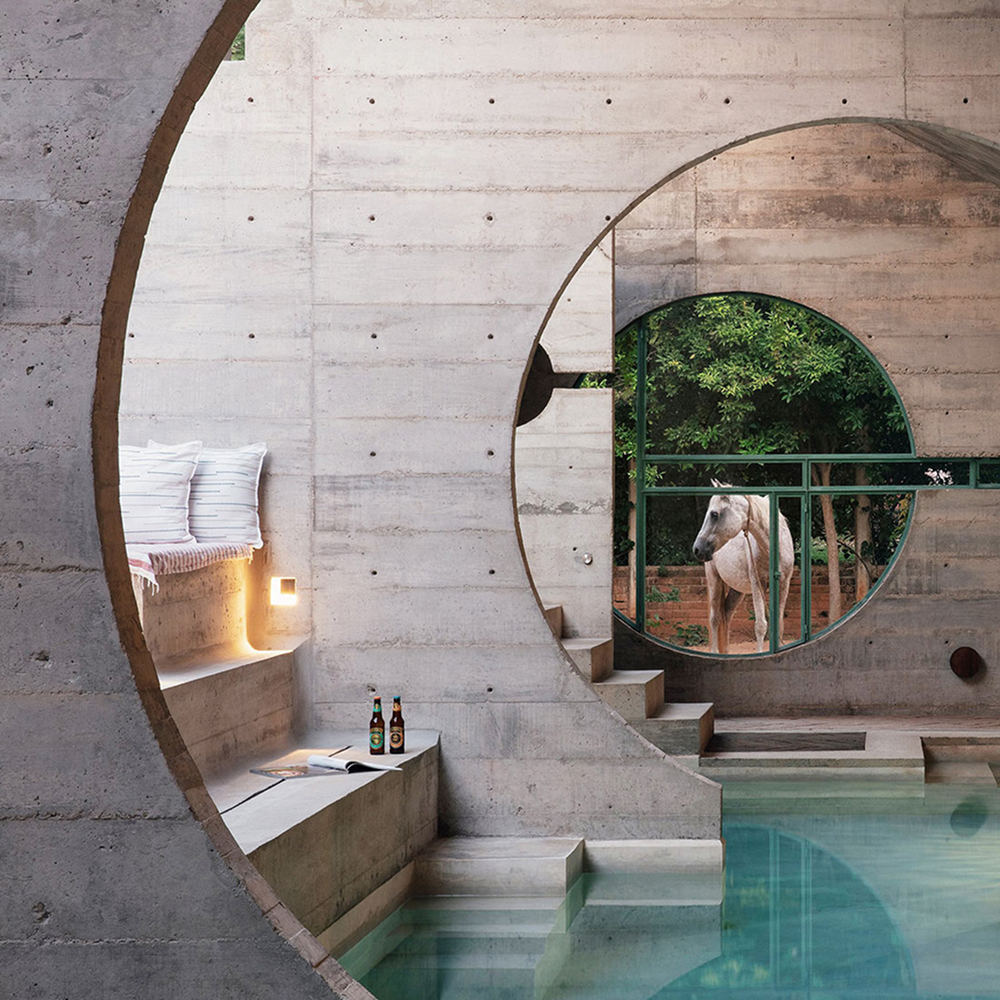
Casa TO in Puerto Escondido structures dining and shared spaces around open circulation, restrained architecture, and environmental continuity that encourage long stays throughout the day. Guests move gradually between hospitality and dining experiences because the atmosphere remains coherent across the entire property.
Restaurants influence the rhythm of the hotel
Breakfast pacing, evening energy, lighting transitions, and terrace occupation all contribute to how guests perceive the emotional tempo of a property. Dining operations therefore shape atmosphere continuously beyond food itself.
Hotels with disconnected restaurant concepts often create abrupt emotional shifts between guestrooms and public spaces, weakening overall coherence.
Operational consistency matters as much as cuisine
Strong menus alone do not build hospitality value. Service posture, acoustic balance, seating density, and circulation influence dining perception equally because guests evaluate the full environment rather than food in isolation.
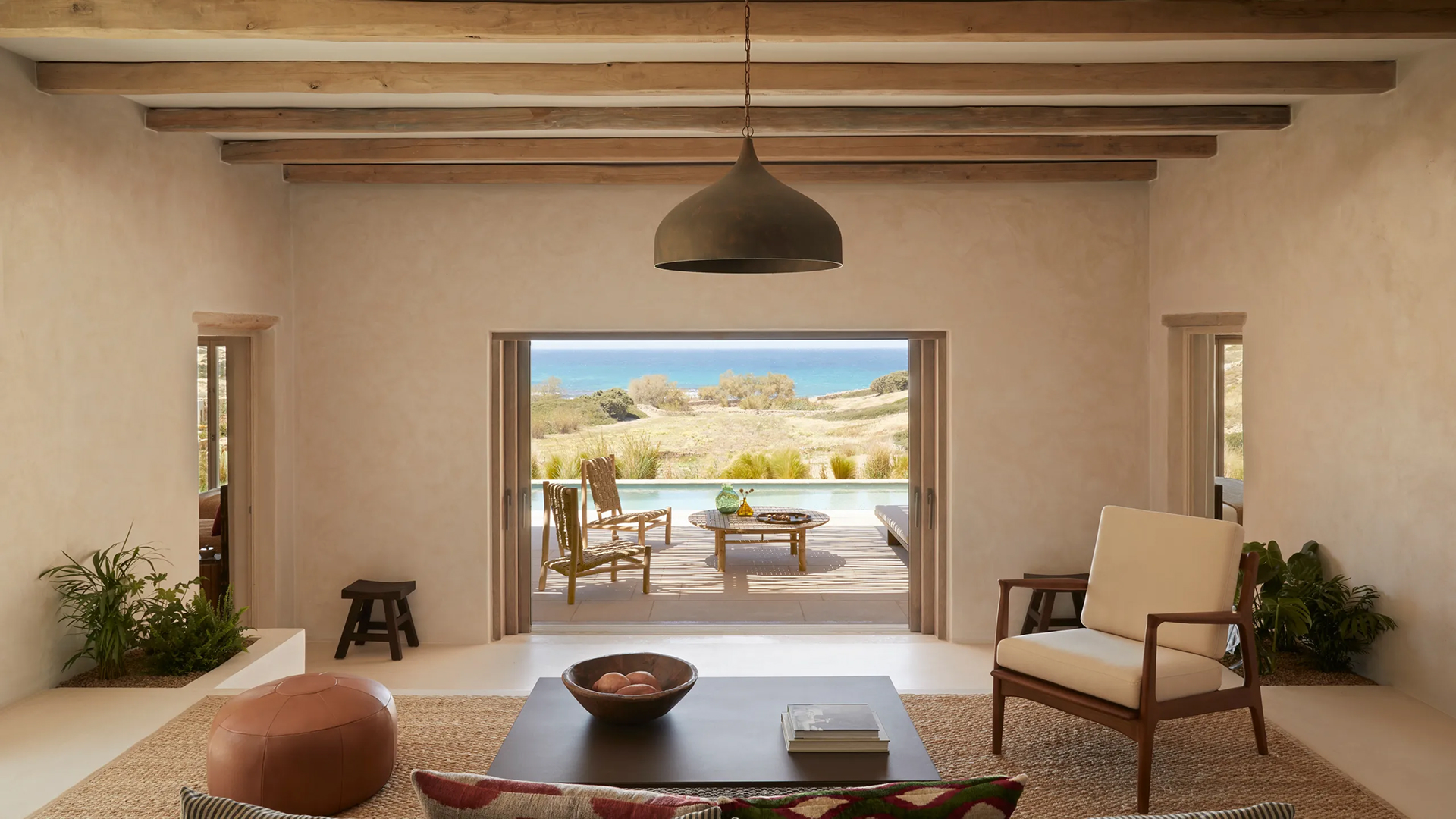
The Rooster in Antiparos aligns gastronomy, spatial calm, and operational restraint within one cohesive rhythm that reinforces the broader positioning of the property. Guests experience continuity because dining behaves as an extension of the hotel rather than as a separate commercial entity.
Hotel restaurants shape perception far beyond dining revenue
Food and beverage strategy influences visibility, memorability, and brand identity across the entire hospitality experience. Restaurants attract external audiences, extend guest engagement, and reinforce positioning when architecture, gastronomy, atmosphere, and service follow one coherent direction.
The strongest hospitality brands treat dining spaces as strategic assets capable of expressing identity more publicly and more frequently than guestrooms alone. When restaurants become destinations in their own right, they strengthen the cultural presence and long term relevance of the property itself.
For hospitality projects seeking stronger positioning, analysing how food and beverage spaces contribute to visibility, atmosphere, and guest behaviour often reveals opportunities that extend far beyond operational revenue alone, an approach regularly explored through the strategic hospitality work developed by Epikure.