Why pre-stay communication shapes the guest journey
First impressions no longer happen at check-in. Guests judge hospitality brands from the moment they book, and this early phase is fertile ground for thoughtful touchpoints that shape satisfaction, loyalty and even revenue.
Building anticipation with personalized content
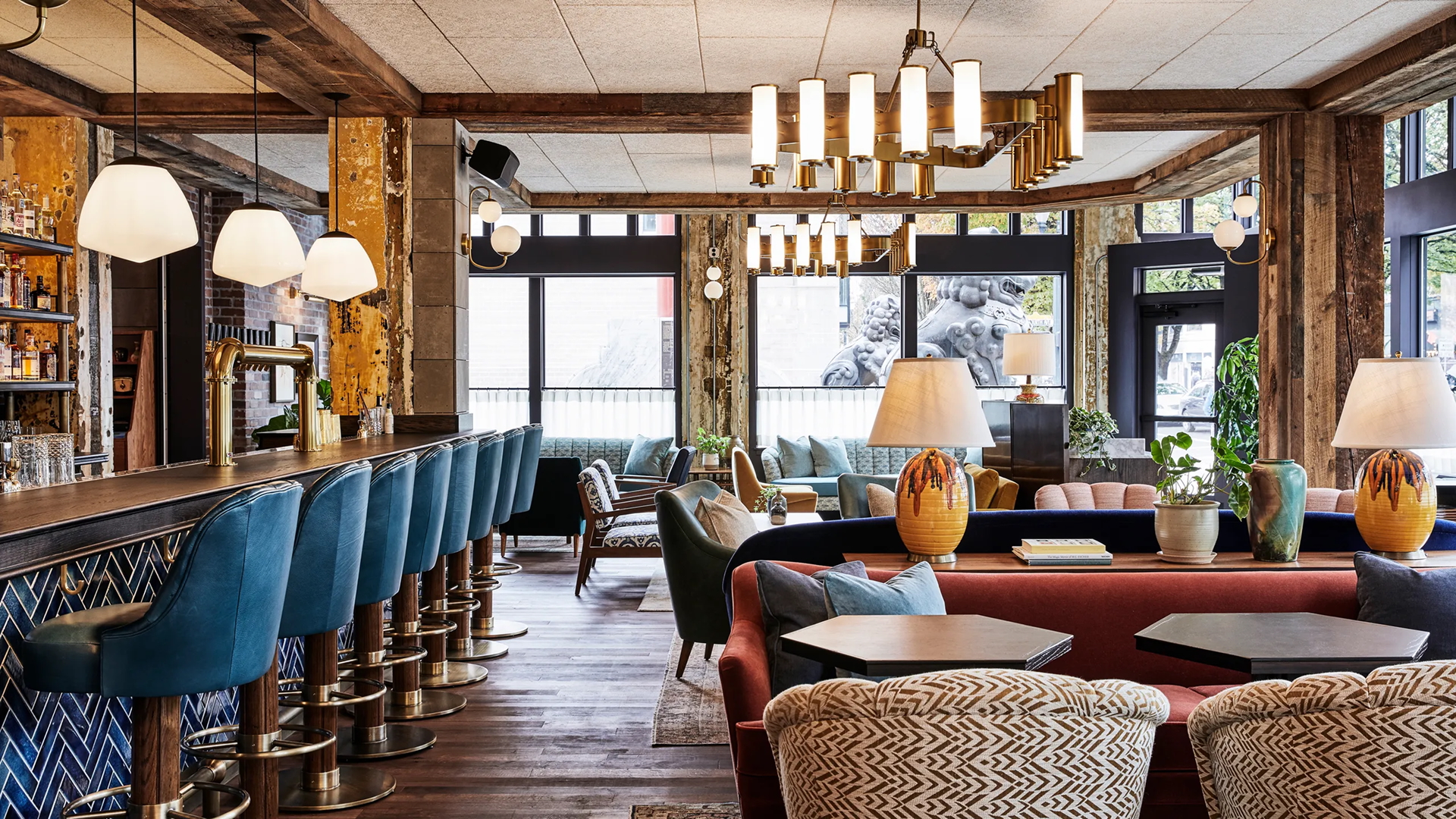
Pre-arrival emails should feel like a continuation of the hotel's identity. More than confirmation messages, they can include curated playlists, room previews or a welcome from the general manager. The Hoxton Hotels send warm, witty pre-stay emails featuring neighborhood tips and design stories, setting the tone for a stay rooted in local life. This helps guests feel seen, not processed, while reinforcing the brand's personality with style and sincerity.
Using upsell moments to enrich the stay
Pre-stay is a prime window to offer added experiences, from spa appointments to in-room dining or transportation. Tools like Oaky enable dynamic upselling based on guest preferences and stay profile. This approach enhances both satisfaction and spend, as guests feel guided rather than pushed. When personalized correctly, upselling becomes part of the journey's value, not just a sales tool.
%25201.jpeg)
Designing tools that empower guest autonomy
Digital content should be thoughtful and beautifully branded, not transactional. Providing resources that help guests plan, explore and dream reinforces the hotel's role as a host, not just a service provider.
Curated city guides that reflect the brand ethos
Rather than offering standard tourist lists, hotels can curate custom city guides aligned with their identity. Maison Mère in Paris shares handpicked local spots through a beautifully designed app, combining hidden gems with editorial storytelling. This content turns the hotel into a cultural curator and builds trust, as guests know they're getting recommendations that reflect taste and authenticity, not paid placements.
Branded apps that blend function and emotion
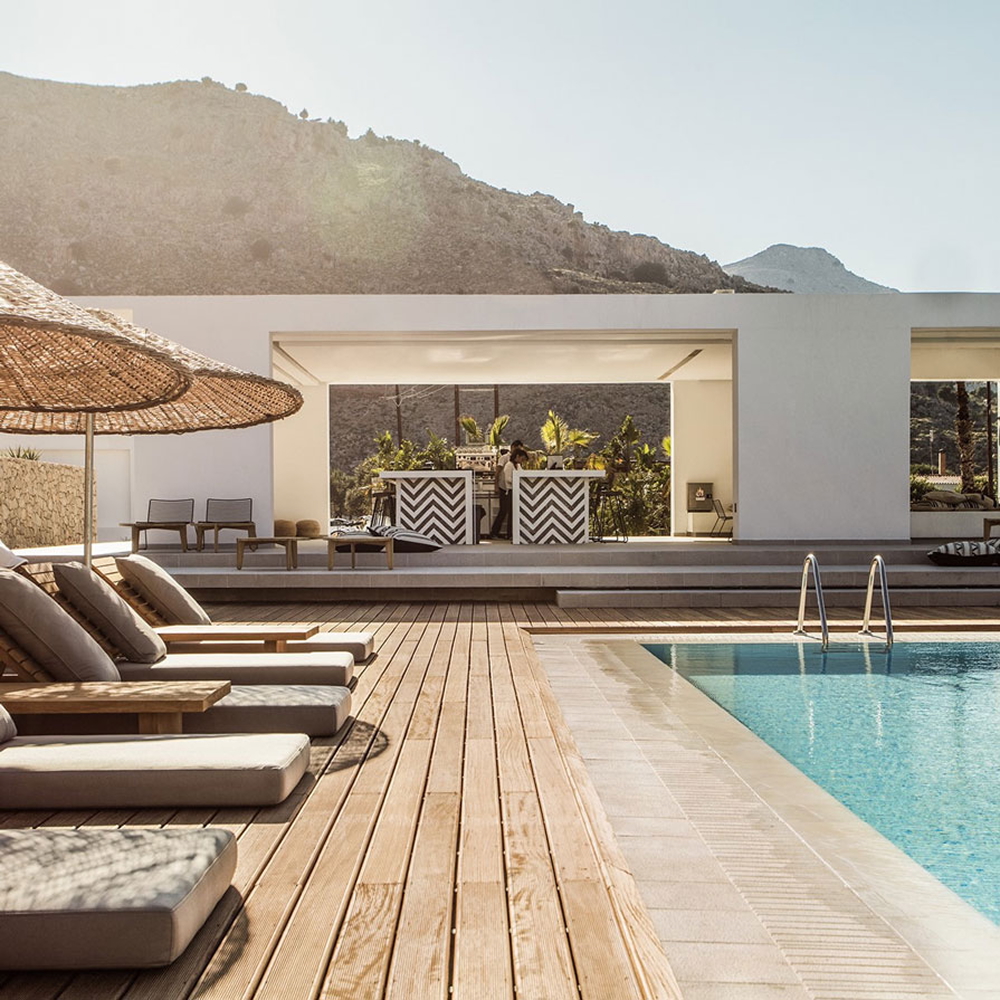
Many hotels now offer custom apps, but few integrate emotion into their UX. Casa Cook Hotels combine minimalist design with soulful content, guiding guests through moodboards, playlists and wellness rituals. The app becomes a pre-stay immersion into the brand's lifestyle, not just a booking tool. It sets expectations for the kind of experience guests will live, priming them to connect more deeply with the hotel upon arrival.

How the pre-stay phase builds long-term loyalty
This early touchpoint is more than a logistical moment. It is a chance to create memory before the stay even begins. Hotels that master this phase turn transactional moments into relational ones, anchoring the guest experience in attention, intention and emotion.
Creating emotional continuity across touchpoints
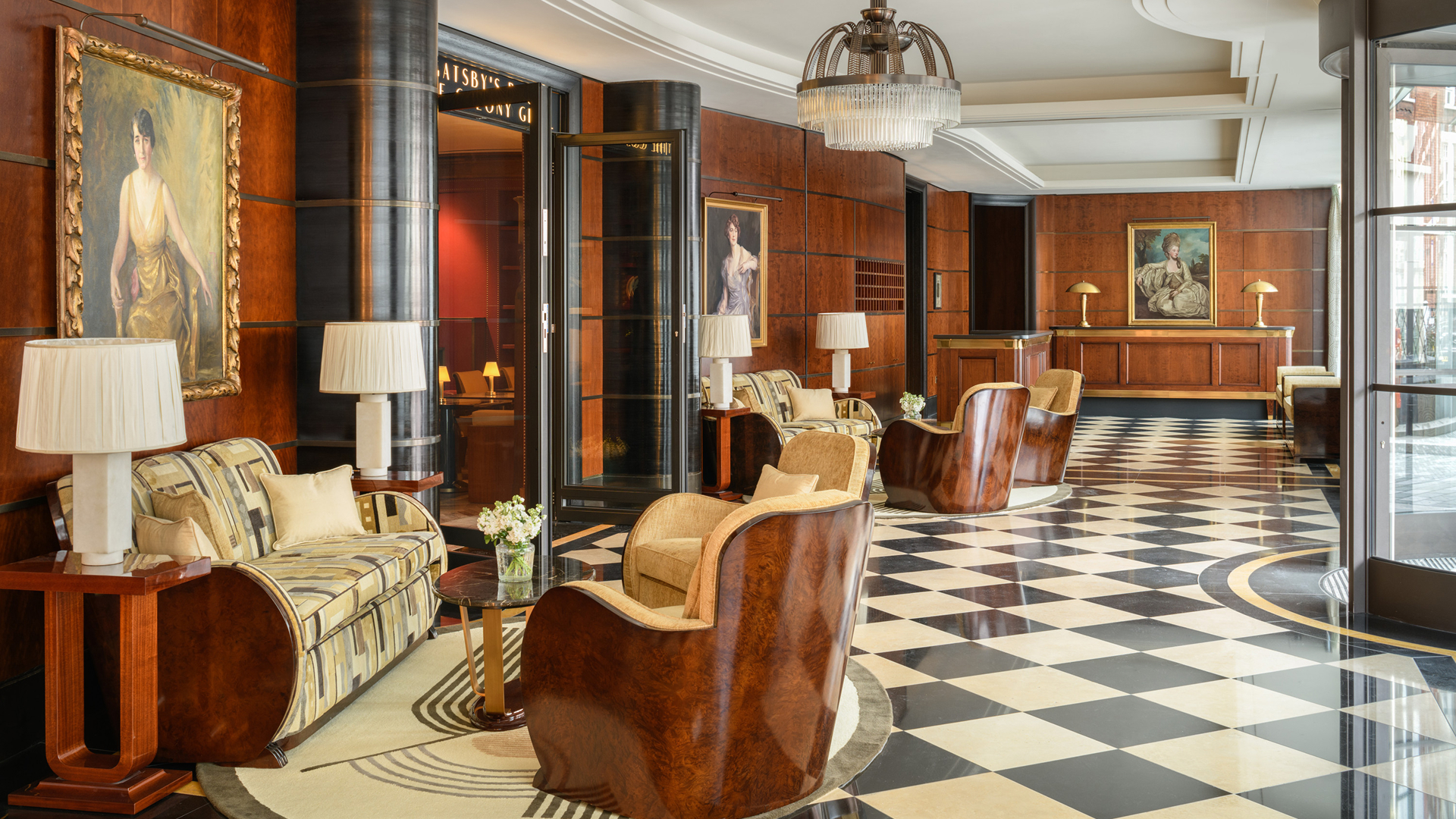
A guest who feels recognized before stepping into the lobby arrives with heightened anticipation. Thoughtful communication, such as addressing preferences, referencing previous visits, or inviting them to an upcoming event creates a seamless sense of belonging. Properties like The Ned or Le Sirenuse use elegant tone and pre-stay rituals to build narrative and elevate their identity. These signals help transition guests from daily life into a curated experience.
Turning early engagement into storytelling fuel
Photos, links, playlists and suggestions sent before arrival don't just inform, they inspire. Many guests share pre-stay content on social media, especially when it's visually appealing or unique. This makes the hotel part of the trip story even before it starts, increasing reach and anticipation. These touchpoints build a storyline that begins not with check-in, but with curiosity and that emotional lead-in defines the memory they'll take home.