Lay the digital foundations 6 months before launch
The six-month mark is when the structure becomes visible. Each step you take here supports what follows. You need a clear name, a working domain, and the first outlines of your visual and editorial identity. This early setup will guide every message, every campaign, and every booking.
Name and domain alignment sets the tone
The name of the property should be more than a label. It should hold meaning, support your positioning, and be legally clear. Once validated, register the domain and lock your handles across key platforms. Choose a consistent naming logic between property, domain, and socials. A mismatch here can hurt recall and SEO. For example, Fleur de Loire secured a coherent presence across all channels before launch, reinforcing its luxury positioning and regional identity from the first announcement.
Visual assets should be owned, not sourced
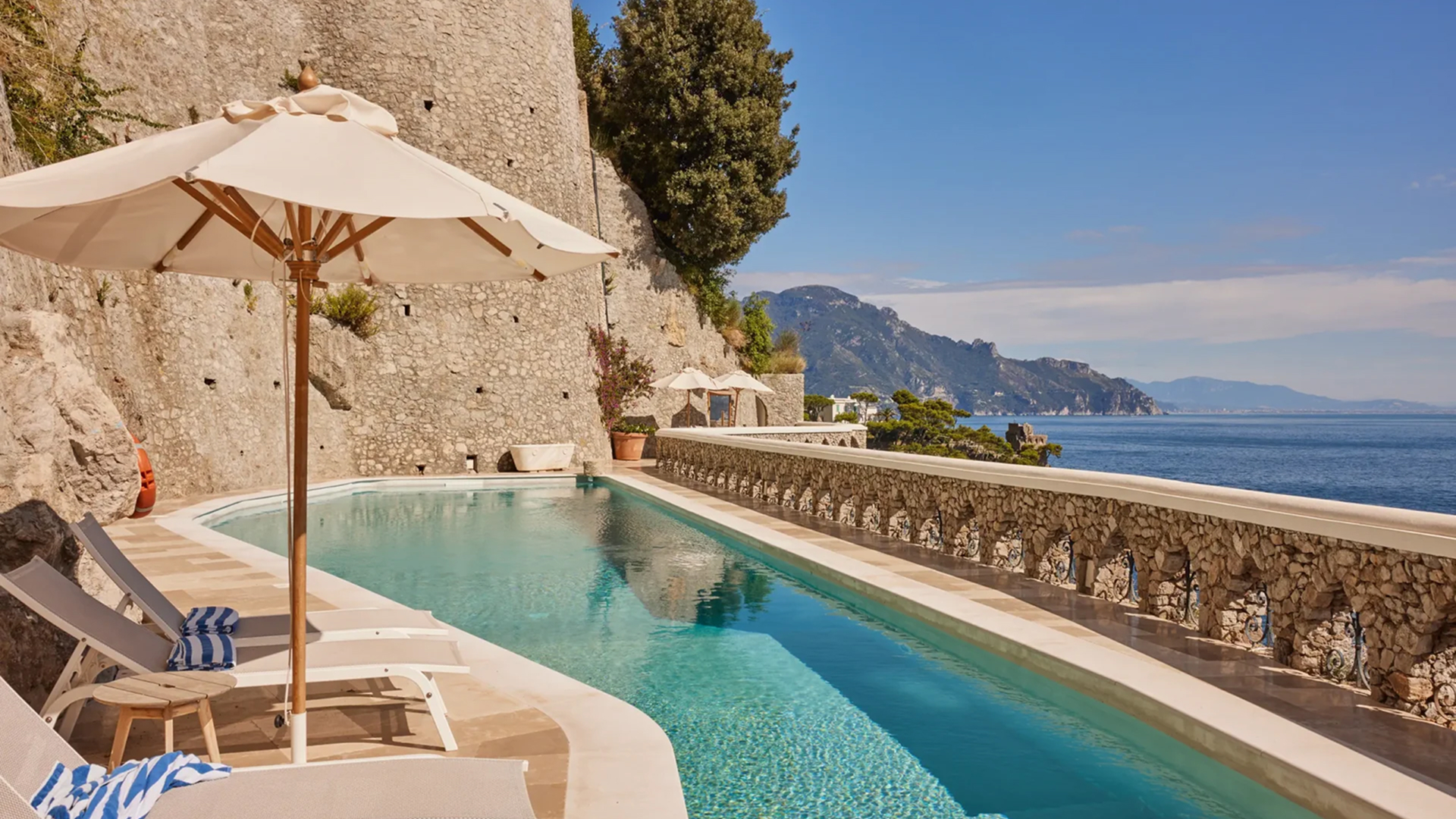
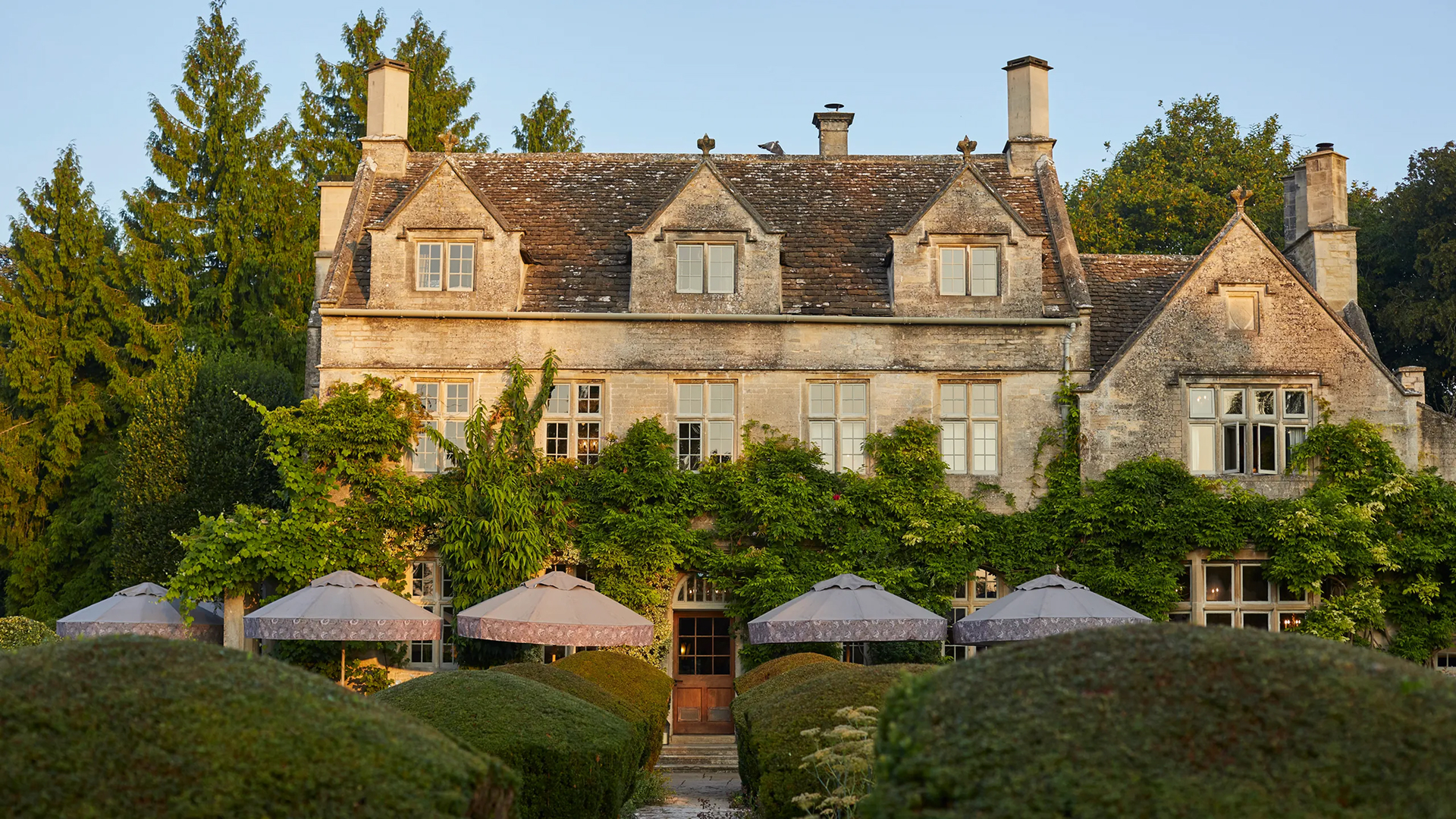
Avoid relying on placeholders or renders. Commission your key visual assets in advance, using real materials and spaces when possible. Even if the property is under construction, capture images that reflect its light, location, and intent. Owned visuals perform better across all channels and give your team full control of quality and consistency. The team behind La Nauve Hôtel & Jardin documented the building process to build anticipation without relying on generic images.
Map key touchpoints in advance
Before launching any content, map the guest journey across channels. Identify where each first impression happens, and how you will control it. Focus on the five core pillars: Google Business Profile, Instagram bio and feed, Booking.com listing, direct website homepage, and early PR mentions. Ensure that all five reflect the same positioning and visuals, and that each leads to a page where a guest can act or book. Gaps or contradictions here lower trust.

Launch core tools 3 months before go-live
With three months to go, shift focus to tools and pages. The objective is not to push content broadly, but to build a minimum viable presence that is precise, functional, and ready to convert. Your site, listings, and communications must be clear and direct. This is where timing becomes essential.
The website must reflect the real stay
Publish a lean but functional website that reflects the stay experience with accuracy. Avoid using future tenses. Every image and sentence should help the guest picture their stay as if it were already available. Keep the sitemap simple: homepage, rooms, experiences, contact. Add rates, booking conditions, and a contact form that actually works. The team behind Villa Saletta focused on these essentials before expanding the site structure, which allowed early guests to book with confidence even before the full offer was live.
PR and listings should share one clear message
Coordinate PR outreach and listings with one shared brief. Use the same tagline, same property description, and same selection of visuals. Avoid sending journalists a different narrative than what appears on OTAs. This consistency builds trust and multiplies impact. For example, Le Moulin ensured every mention from media to booking platforms followed one clear storyline: countryside, cuisine, and comfort, aligned across all channels.
Test the full booking path before announcing
Before any public announcement, test the full guest path from interest to confirmation. Click through your own links. Search your name on Google. Try booking from a phone with no Wi-Fi. Check if confirmation emails are clear and timely. Any friction at this stage can lead to missed bookings. Properties that perform well at launch often run internal simulations to ensure readiness.
Monitor and adjust calmly during the first month
Once live, avoid the temptation to scale everything at once. Focus on observing guest behavior, checking analytics, and adjusting what matters. A launch is not a race. It is a sequence. The goal is to ensure each step functions properly before adding more.


Observe guest flow and attention
Look at where guests land, how they scroll, and where they drop off. Identify which pages convert and which ones confuse. Focus on the essentials. If the dining page is not ready, make sure the rooms page carries the message clearly. The team at Château d'Estoublon monitored guest engagement closely during its launch period, and refined its pages to guide traffic toward key booking actions.
Improve clarity before reach
Before investing in advertising or influencer campaigns, refine your copy, check your forms, and update your listings. Repetition without clarity only increases bounce rate. Review your headlines, update your image alt-text, and align call-to-actions across platforms. Guest confidence comes from consistency, not volume.
Epikure helps you plan and launch with control
We support hotels and retreats from naming to launch. Our method helps you sequence each step with logic and clarity. From choosing a domain to finalizing the booking path, we bring calm and precision to the digital pre-opening process. Work with us to review your roadmap and prepare your J-180 → J+30 with the confidence your team needs.