Discipline as the foundation of beauty
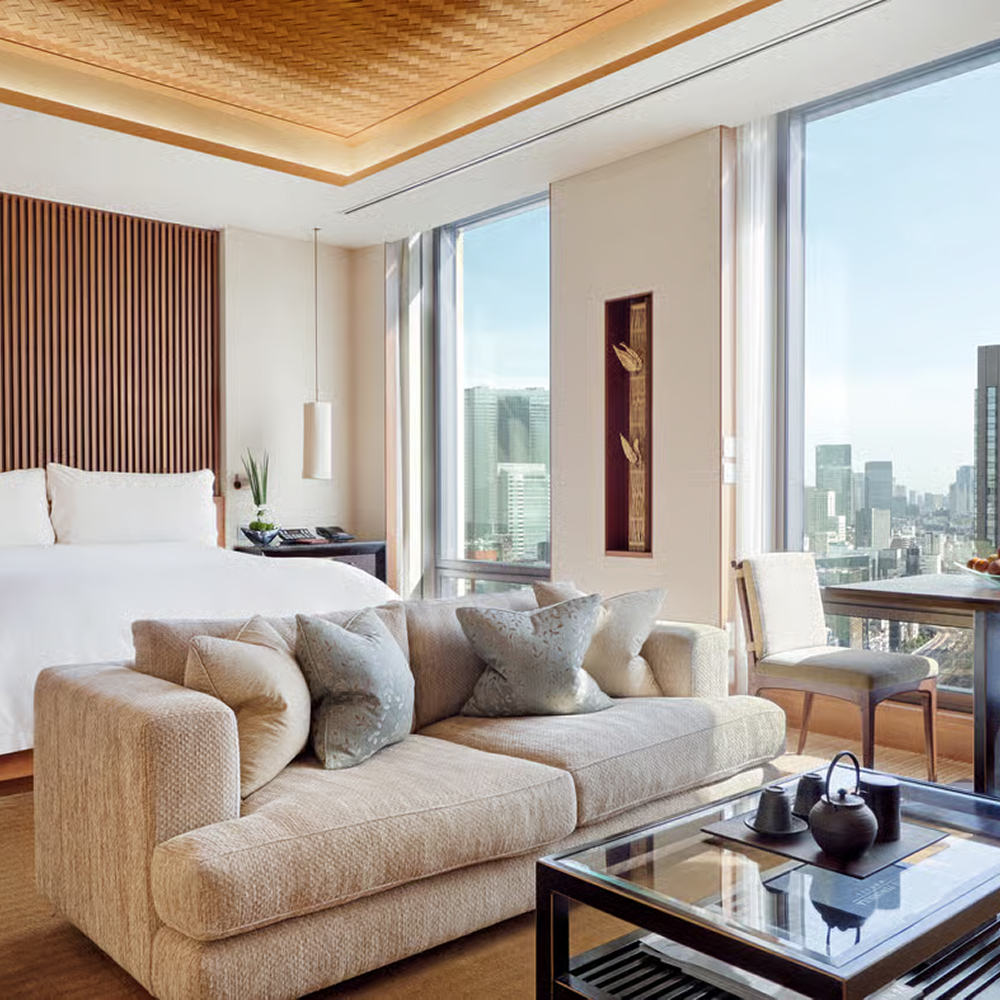
Operational calm begins with discipline. Maintenance, service, and rhythm define the quality guests perceive before they ever notice design. The Peninsula Tokyo illustrates this mastery through consistency. Every element, from lighting to linen, follows a clear sequence of control. Rooms appear effortless because each action behind them is rehearsed. Structure replaces improvisation, giving both staff and guest the comfort of predictability.
Maintenance as a daily ritual
True elegance depends on upkeep that preserves integrity. The Connaught in London treats maintenance as part of design. Polished wood, carpets, and brass fixtures reveal care through their permanence. No gesture feels rushed. Teams follow a rhythm that aligns with guest movement, ensuring the property remains alive yet undisturbed. The discipline of preservation translates into quiet authority, a form of beauty born from patience and repetition.
Rhythm as invisible choreography
Service excellence resembles choreography more than reaction. Aman Venice demonstrates this balance. Staff movements follow spatial logic; arrivals and departures flow without visible coordination. The calm atmosphere results from invisible timing. Each sound, door, and step aligns with rhythm. The guest experiences serenity without understanding why, sensing harmony behind every transition.

Human precision as emotional comfort
Luxury operations rely on people who interpret excellence as presence. Teams act with control and empathy, observing without intrusion. The Upper House in Hong Kong expresses this principle through a service style based on tone and timing. Words remain measured, and gestures feel sincere. The absence of strain builds trust. Human precision transforms procedure into hospitality, showing that warmth grows from mastery rather than spontaneity.
Housekeeping as architecture in motion
Housekeeping shapes the invisible architecture of the stay. Badrutt’s Palace Hotel in St. Moritz achieves this through meticulous coordination between departments. Every adjustment, from bedding to scent, follows sequence and intention. Rooms retain freshness because teams move with rhythm, not urgency. Cleanliness becomes atmosphere, order becomes comfort. The guest senses alignment through the consistency of touch and timing.
Communication as silent structure
Operational calm depends on communication systems that anticipate rather than respond. Cheval Blanc Courchevel maintains excellence through precision in coordination. Information flows invisibly across teams, linking service, maintenance, and guest relations into a single voice. This coherence creates continuity from morning to evening, turning daily routine into ritual. The absence of friction produces harmony the guest perceives as serenity.
Rigor as the new definition of luxury
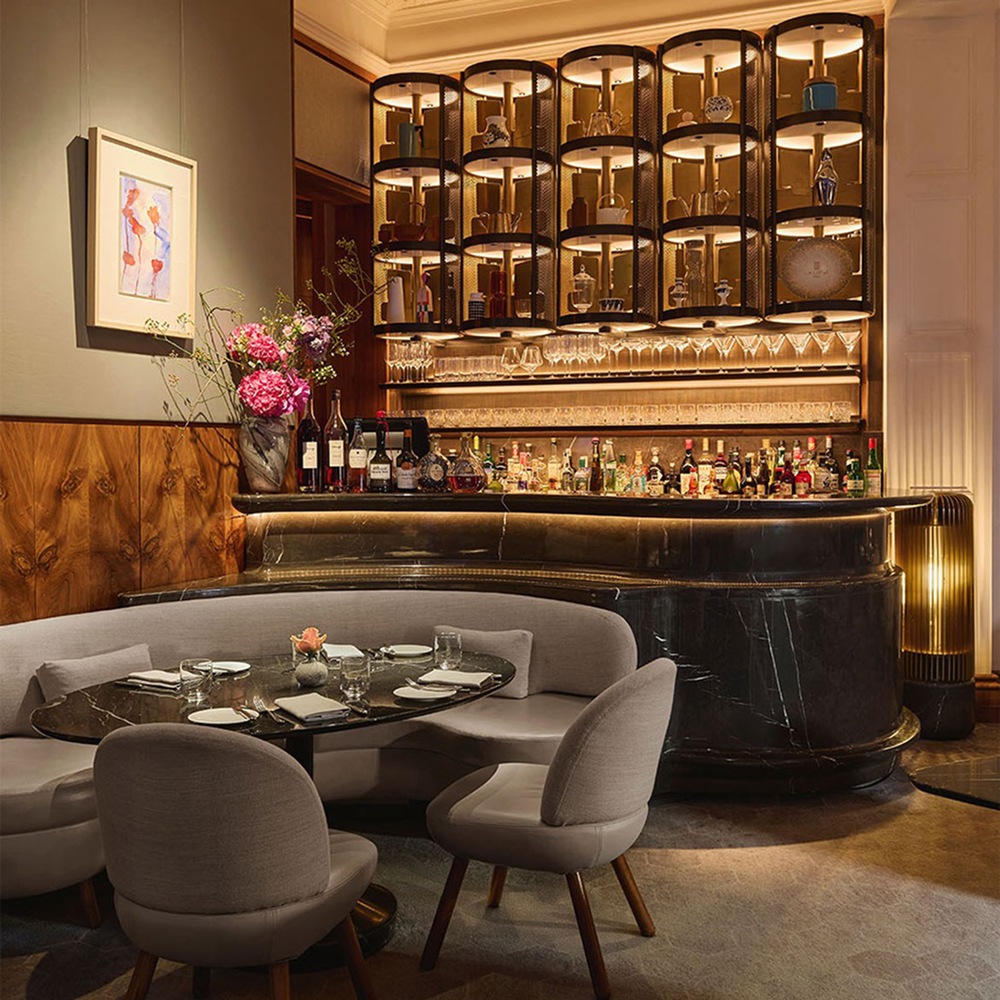
Luxury grows from rigor, not excess. Properties that achieve lasting impact treat operations as design. La Réserve Paris Hotel and Spa embodies this belief. The environment feels timeless because every detail is controlled yet natural. The alignment between housekeeping, service, and maintenance creates a sense of stillness that defines elegance. Guests remember calm more than comfort, and precision more than opulence.
Operational mastery builds reputation silently. The guest never sees the system but feels its presence in every line, sound, and temperature. True refinement depends on the discipline that sustains beauty long after decoration fades. Epikure helps hotels translate this operational precision into brand culture, aligning process and perception. Contact us to build invisible excellence that becomes your signature.