Small misalignments shift the trajectory
Hospitality strategy must translate into architecture, service model, pricing, and digital structure. Each operational and design decision either reinforces the founding intent or shifts it. When these decisions occur without a shared reference point, fragmentation appears.
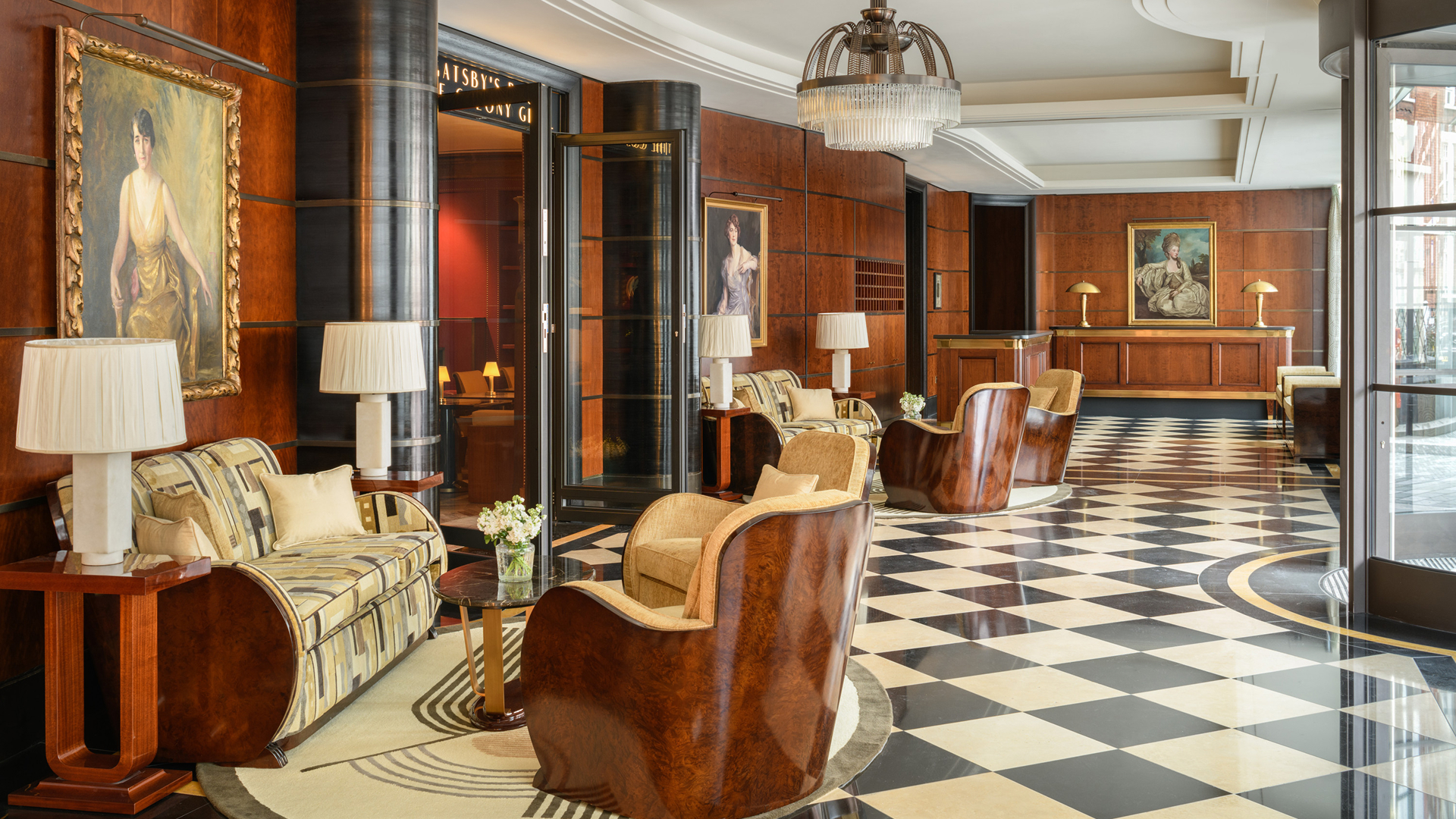
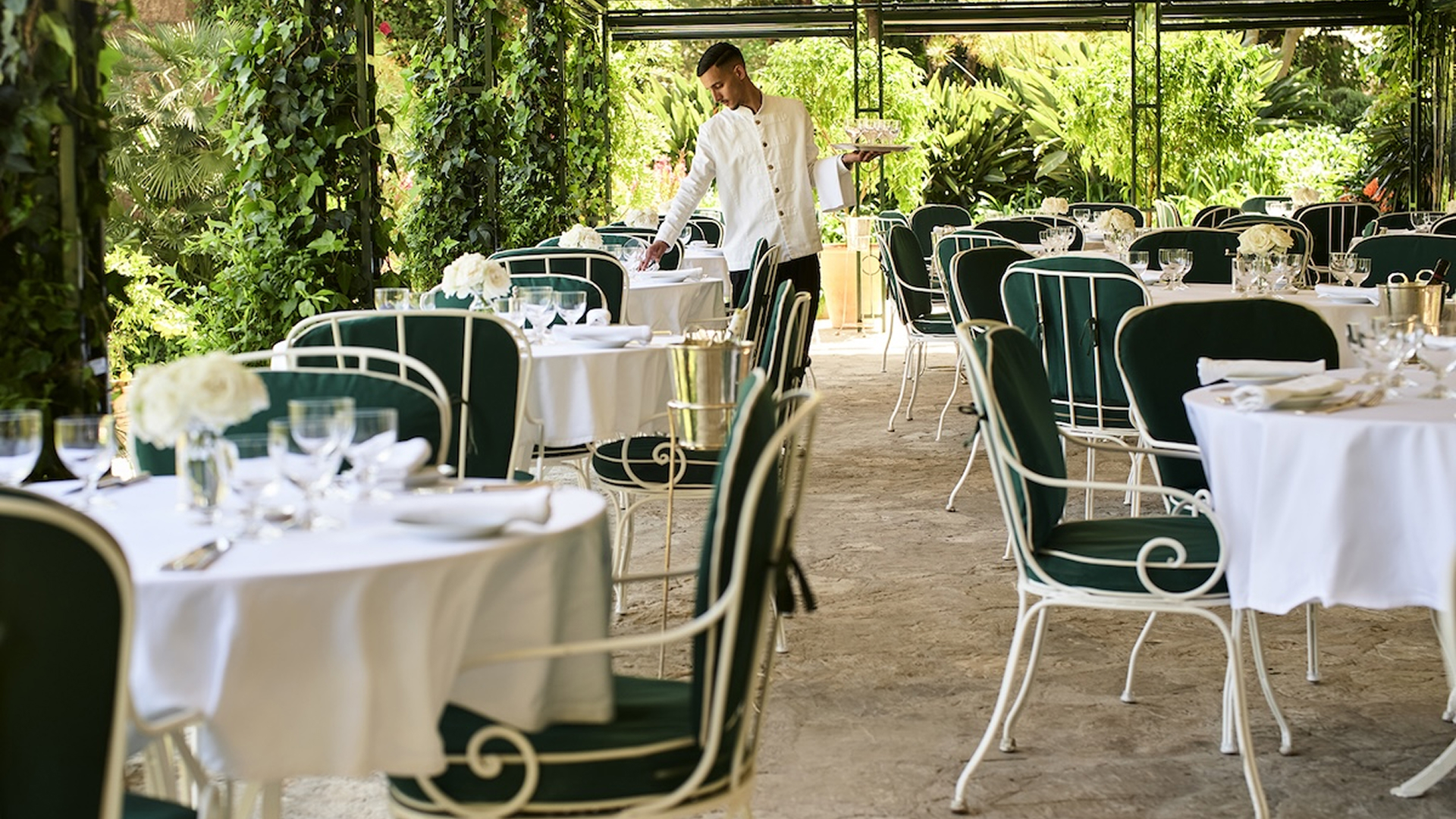
At Hôtel Saint-Delis, scale, interior rhythm, and service posture align around intimacy and discretion. Room count supports privacy. Circulation protects calm. Digital expression mirrors the same restraint. The property maintains coherence because execution decisions follow the original positioning rather than reinterpret it.
Material substitutions alter perception
Budget revisions often trigger material changes that seem minor from a technical standpoint yet reshape emotional impact. Finishes influence light, acoustics, and spatial perception. When these substitutions multiply, the atmosphere shifts away from the intended tone.
At Les Sources de Cheverny, renovation decisions preserve alignment between architectural heritage and contemporary comfort. Materiality, proportion, and detailing reinforce the original narrative. Procurement follows positioning rather than convenience. This discipline sustains clarity.
Service design must match the promise
A concept positioned around tranquillity requires service rhythm that respects silence and privacy. A socially driven hotel requires a different posture. When staffing, training, and operational sequencing diverge from positioning, tension appears.
The Setai Miami Beach aligns architecture, service choreography, and digital tone within one coherent framework. Guest interaction reflects spatial calm. Operational structure reinforces identity. Consistency protects the strategic core.
Compromises accumulate late in development
Strategic drift often accelerates near completion. Pressure to optimise revenue introduces additional amenities. Expanded targeting broadens marketing language. New facilities appear to strengthen competitiveness. These additions reshape spatial hierarchy and brand clarity.
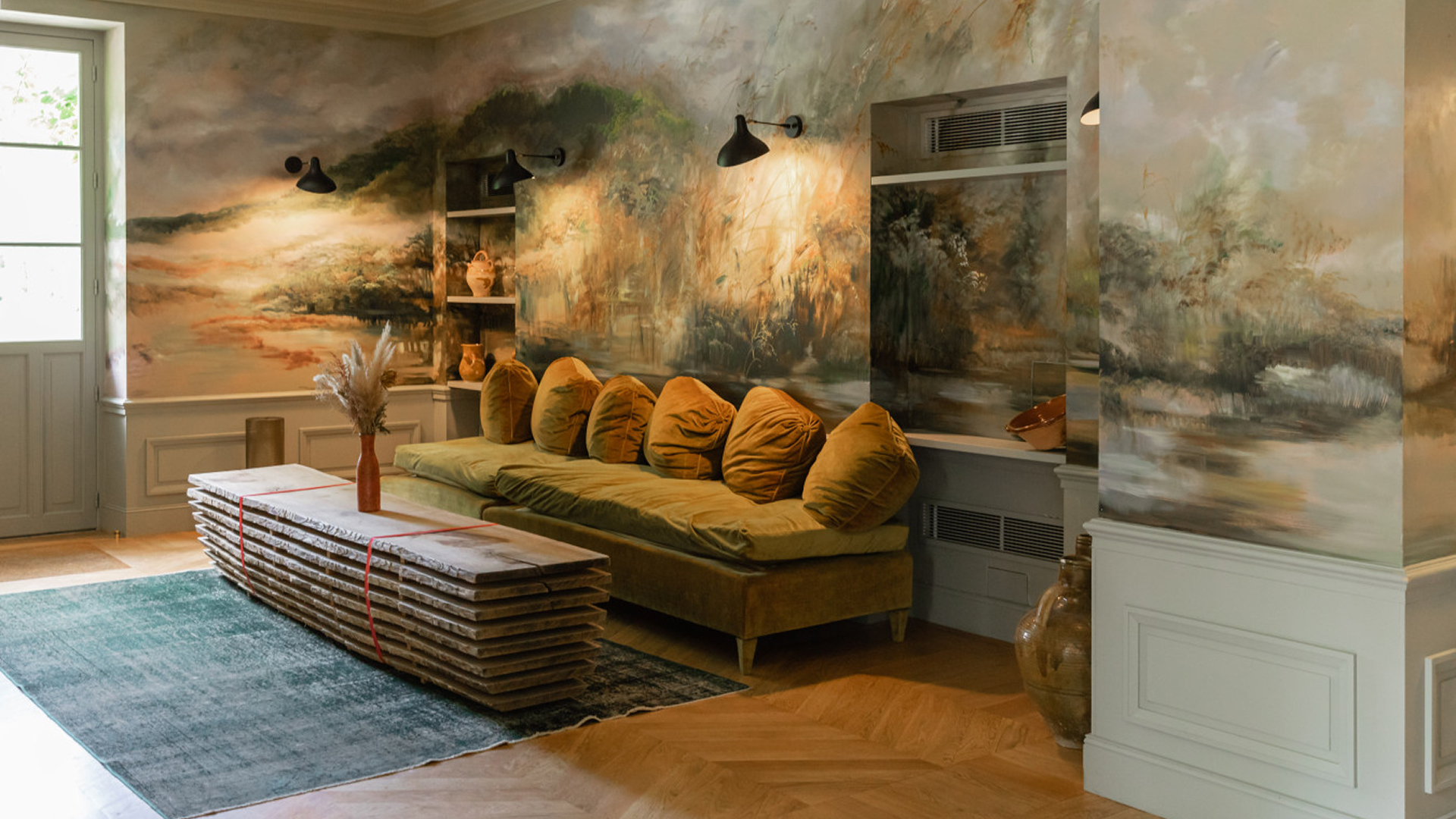
At Finca Cortesin, growth integrates within a defined Mediterranean identity. Dining, wellness, and golf operate within one architectural and experiential logic. Expansion supports the core narrative rather than redefining it. Additions strengthen coherence because they follow a disciplined framework.
Expanding audiences dilutes positioning
When a property attempts to serve divergent guest segments simultaneously, pricing logic and service standards lose precision. A retreat defined by introspection cannot operate as a high volume event venue without tension. Strategic clarity demands selection.
Hoshinoya Karuizawa maintains a focused positioning around nature immersion and rhythm. Programming, accommodation, and communication follow one logic. Guests understand the offer quickly because nothing competes for attention.
Digital reframing exposes inconsistency
Websites and booking flows often reveal strategic erosion. If digital language broadens targeting beyond the original concept, perception shifts. If booking logic emphasises volume instead of positioning, credibility weakens.
Il Sereno Lago di Como maintains digital structure aligned with architectural restraint. Navigation remains concise. Language reflects contemporary precision. Online experience confirms the strategic vision rather than expanding it.


Coherence requires active protection
Strategy functions as a living discipline rather than a static document. Leadership must evaluate each decision against the founding principles. Architecture, procurement, partnerships, staffing, and digital deployment require structured alignment reviews. Without this governance, compromise accumulates.
At Aman Tokyo, architectural proportion, service posture, and communication maintain continuity over time. Adaptations occur within defined boundaries. This stability demonstrates that coherence results from active protection rather than initial inspiration.
Establish non negotiable principles
Projects benefit from clearly defined strategic criteria that guide approval processes. These principles filter ideas and preserve positioning. Teams gain speed because they share a common reference for decision making.
Revalidate alignment at every milestone
Concept review should extend beyond early presentations. Design development, procurement phases, recruitment strategy, and digital launch require structured checkpoints. Regular alignment ensures that practical constraints do not reshape identity unintentionally.
Strategy survives through disciplined execution
Hospitality strategy succeeds when vision translates into consistent decisions across space, service, and digital presence. Strong concepts erode when incremental compromises remain unexamined. Coherence functions as an active process that demands continuous attention.
Projects that protect alignment strengthen differentiation, simplify execution, and build long term value. Discipline preserves intent. Strategic clarity at every stage ensures that the delivered property reflects the original vision with precision.
Epikure works with hospitality leaders to safeguard coherence from concept definition through implementation. You can initiate this structured alignment through the Epikure contact page and ensure that your project moves from vision to reality without losing its strategic foundation.