Design a clear digital structure for your offers
Many properties add offers over time, often without reviewing what already exists. Over the years, this creates clutter. Guests are shown long lists of seasonal deals, experience menus, or private options without knowing what matters most. The result is fatigue. A streamlined structure allows each offer to stand on its own.
Organise by intent, not by internal categories
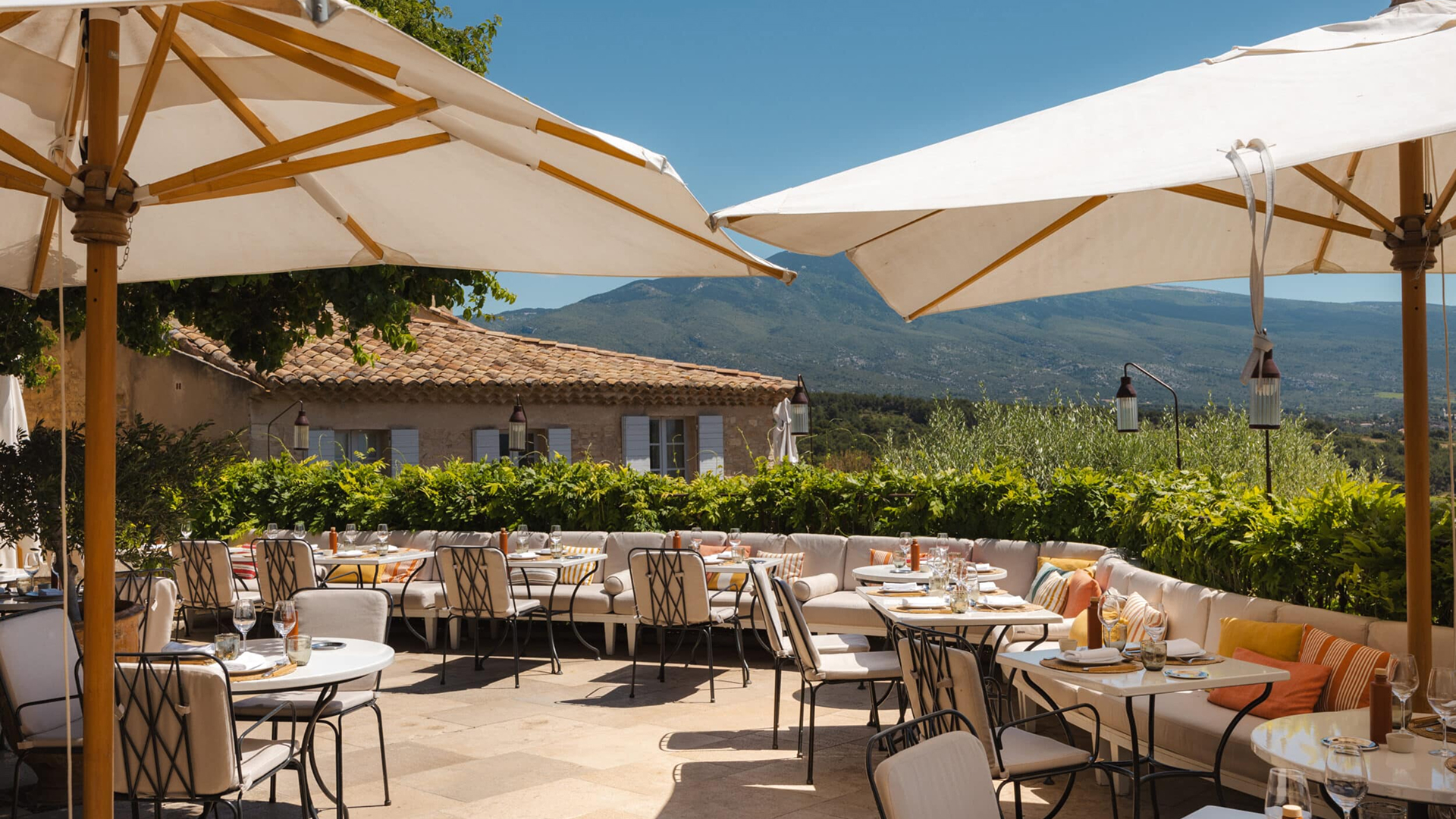
Avoid structuring content by department. Guests do not think in terms of revenue centers. They look for meaningful moments. A spa treatment for couples during a weekend stay belongs with stay-related experiences, not on a separate spa page. At Les Sources de Caudalie, the offer architecture is built around experiences that match guest intent, with spa, dining, and seasonal moments integrated smoothly into the stay journey.
Reduce duplication between website and Google profile
Your Google Business Profile often mirrors your website without curation. Menus, deals, or experience titles are copied without adapting to the format. This adds visual noise. Choose two or three clear offers to feature. Keep the language direct and tone aligned with the rest of your brand. The result is easier to scan and more likely to trigger action.
Focus the homepage on one timely option
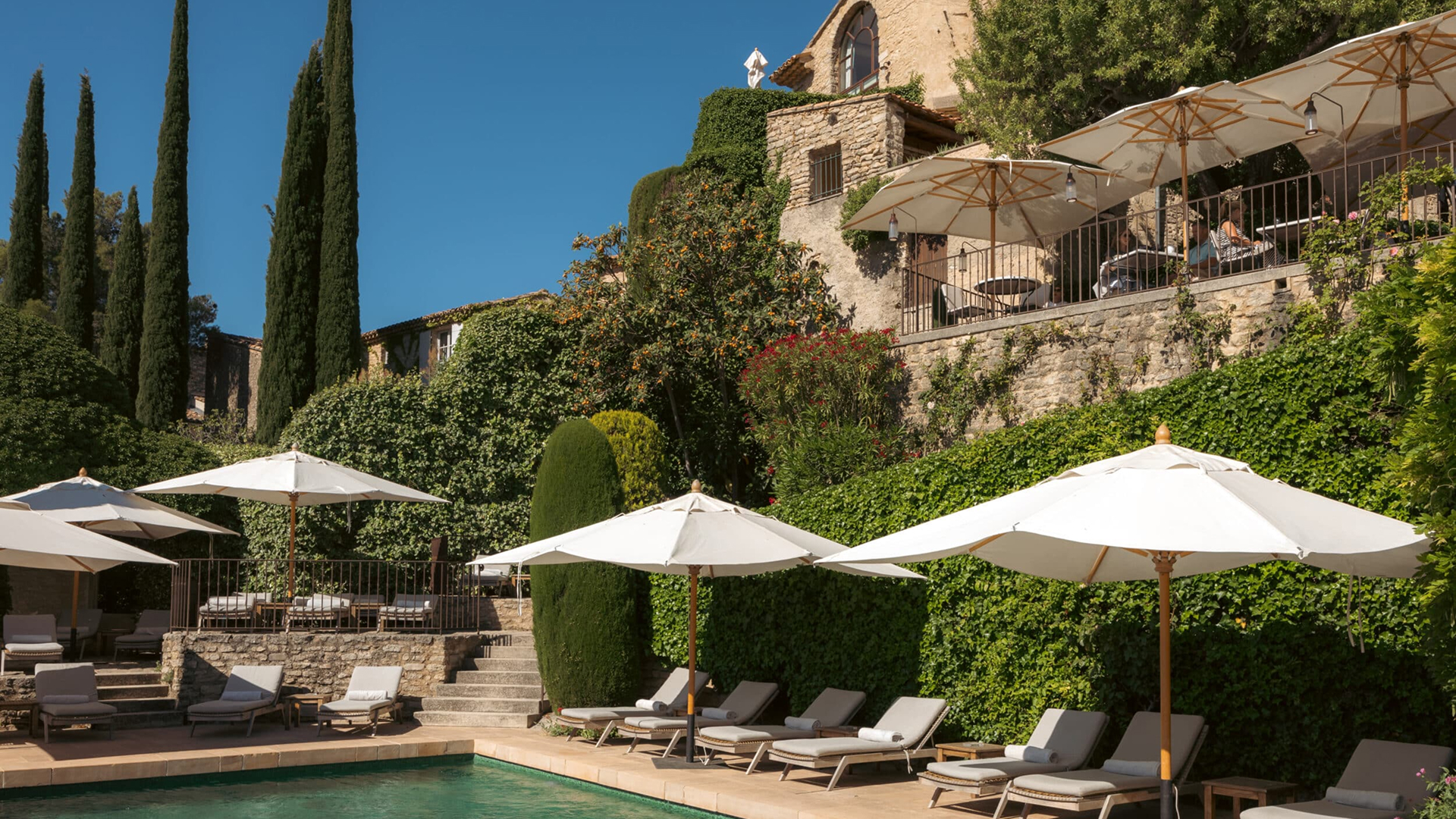
The homepage should not become a billboard for all seasonal offers. Focus on one that fits current demand. Whether it is a winter tasting menu, a long-stay incentive, or a wellness upgrade, highlight it with restraint. At Domaine des Etangs, the homepage focuses on atmosphere and only introduces offers once the guest shows interest in booking. This protects brand value while improving attention to each offer.
Refine naming, timing, and placement logic
Guests read fast and decide faster. Clear names, good timing, and proper placement ensure that offers are noticed without overwhelming the flow. Instead of listing every possible benefit, select a few that carry meaning. Curated presentation builds perceived value.
Keep naming simple and consistent
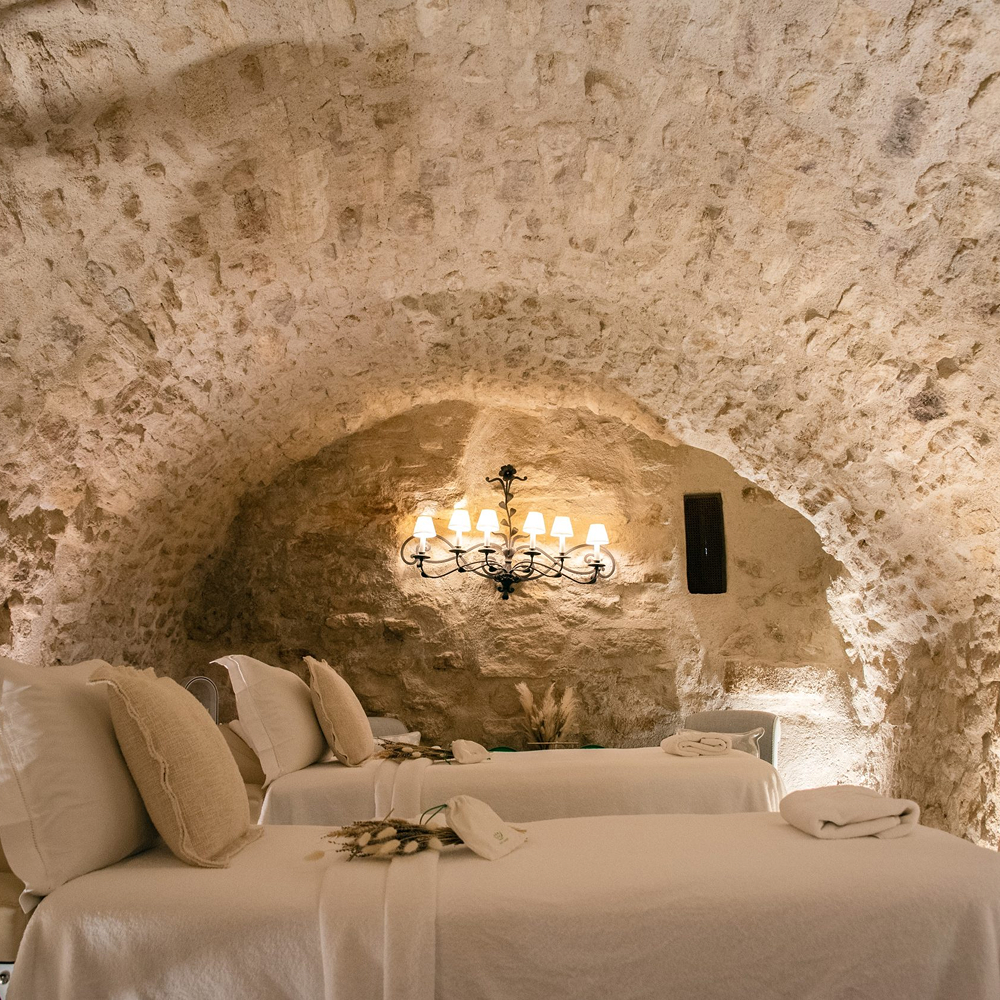
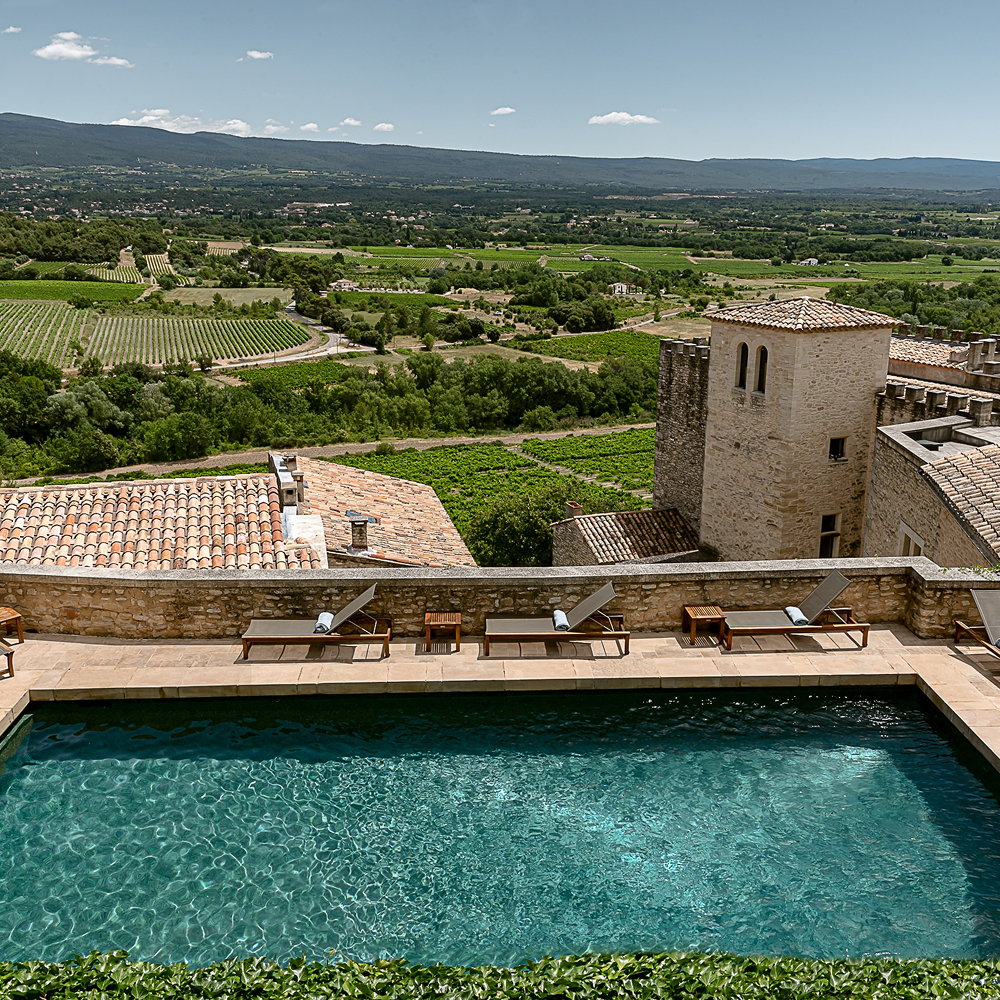
Avoid marketing terms. Replace "Experience the magic of our winter escape package" with "Three-night winter stay with breakfast and massage." Each word should help the guest project themselves into the offer. Keep tone and length consistent across all pages. At Hôtel Crillon le Brave, names are short, direct, and listed in a format that respects the pace of reading.
Match offer visibility to the guest journey
Display offers only where they add clarity. Do not present a tasting menu in the same section as the booking engine unless it can be reserved immediately. Move seasonal experiences higher on the page when their relevance peaks. In email campaigns, position each option below a clear booking link, not before. This order supports the decision path rather than complicating it.
Link extras to real decisions, not to decoration
Extras work best when attached to moments of choice. Add dining upgrades within the room booking path. Offer spa treatments at checkout for guests who reserved two nights or more. Do not scatter callouts across the site. Centralising them around actual decisions improves engagement. Clean presentation reflects care and improves the perceived value of what you offer.
Schedule a merchandising pass for better alignment
Digital presentation shapes guest expectations. A clean offer structure, with simple names and aligned placements, improves both clarity and conversion. Epikure works with boutique hotels to refine digital merchandising across website, Google profile, and campaigns. Reach out to schedule a precise pass and align your offers with the way your guests decide.