Place identity is built through spatial logic
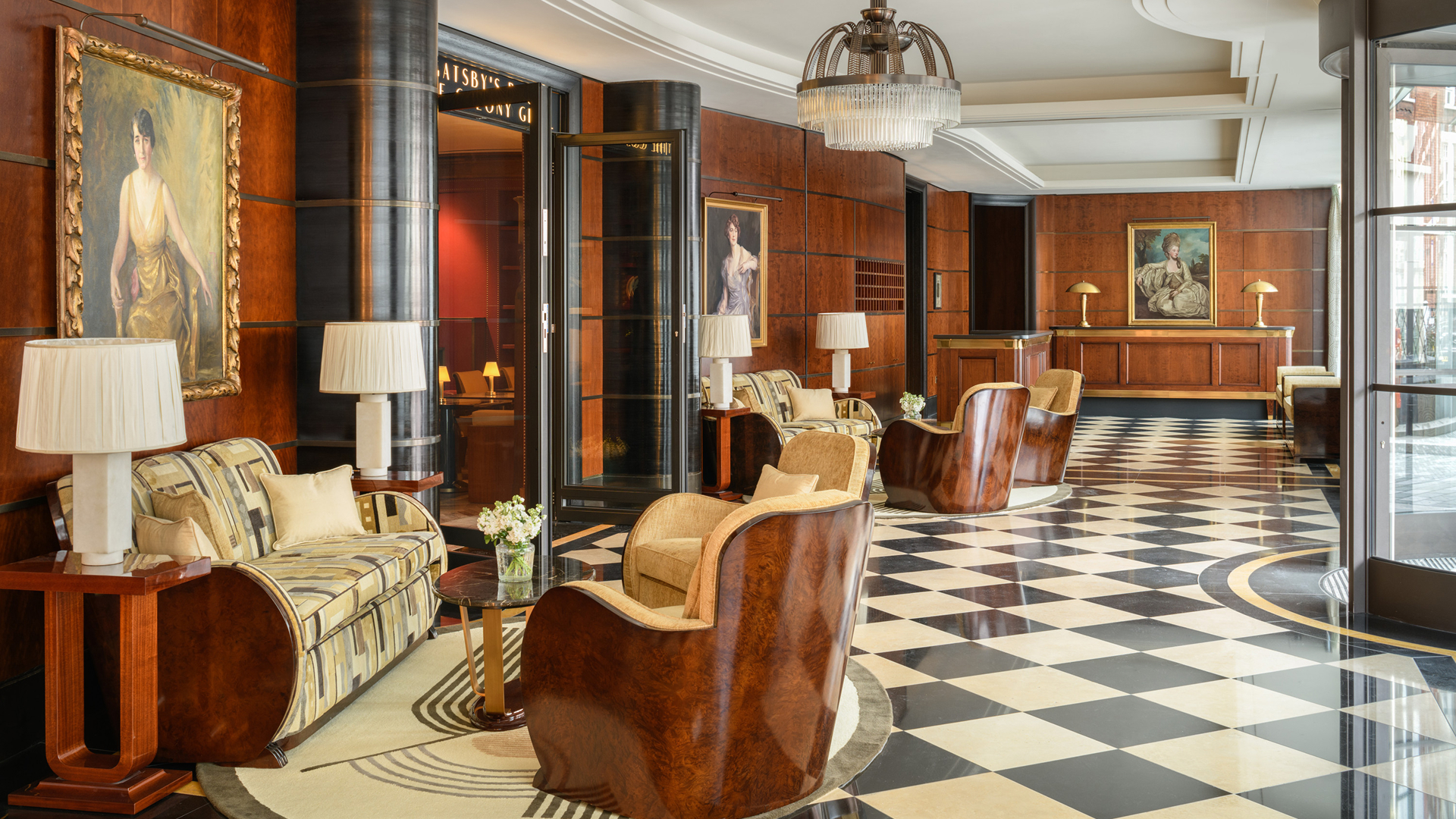
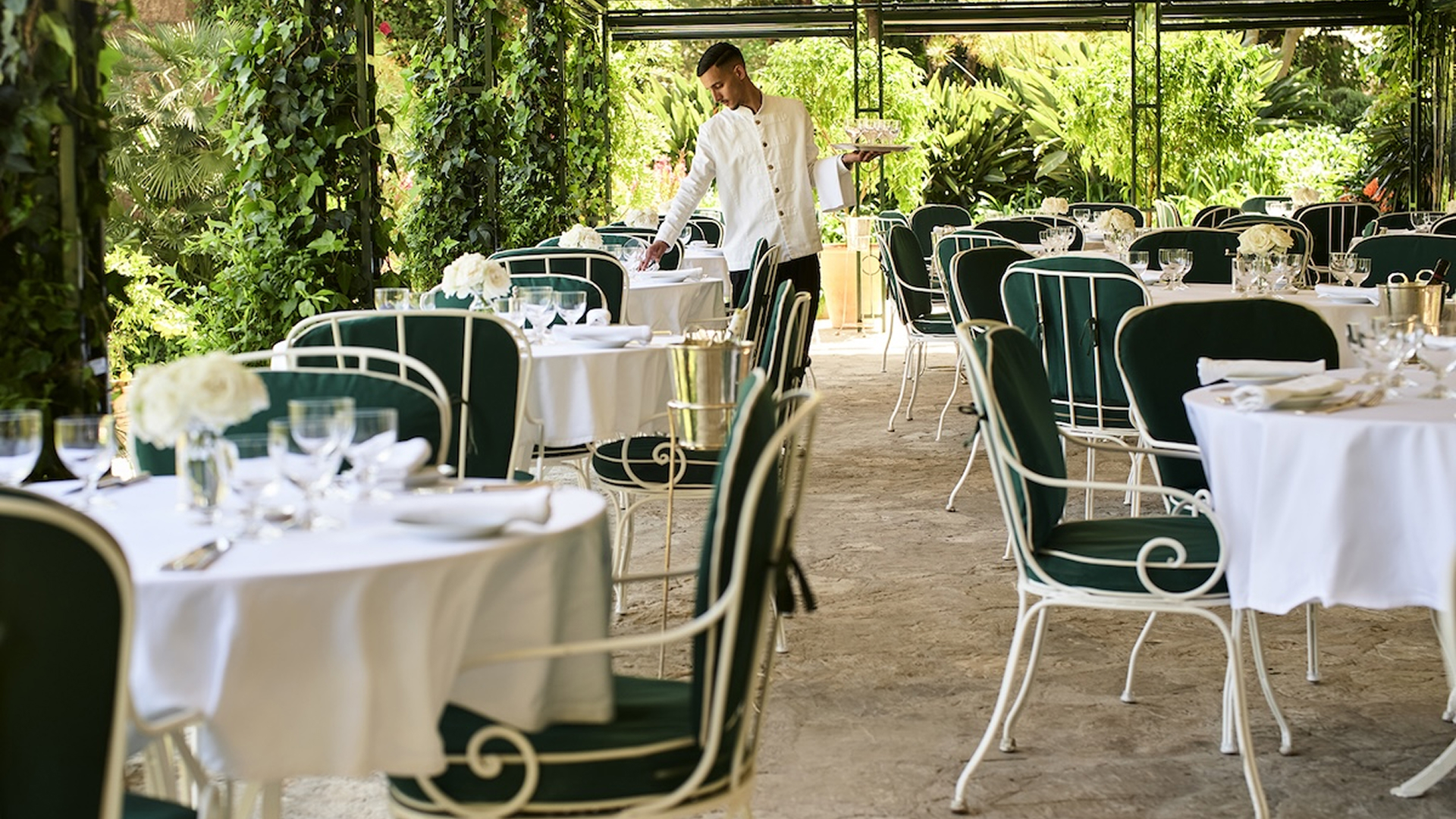
Architecture communicates through orientation, proportion, and sequence, because these decisions guide how you move, pause, and read a place instinctively. When volumes relate clearly to each other and to their surroundings, the identity of the property becomes legible and stable. This spatial clarity gives digital storytelling a solid foundation rooted in reality rather than interpretation.
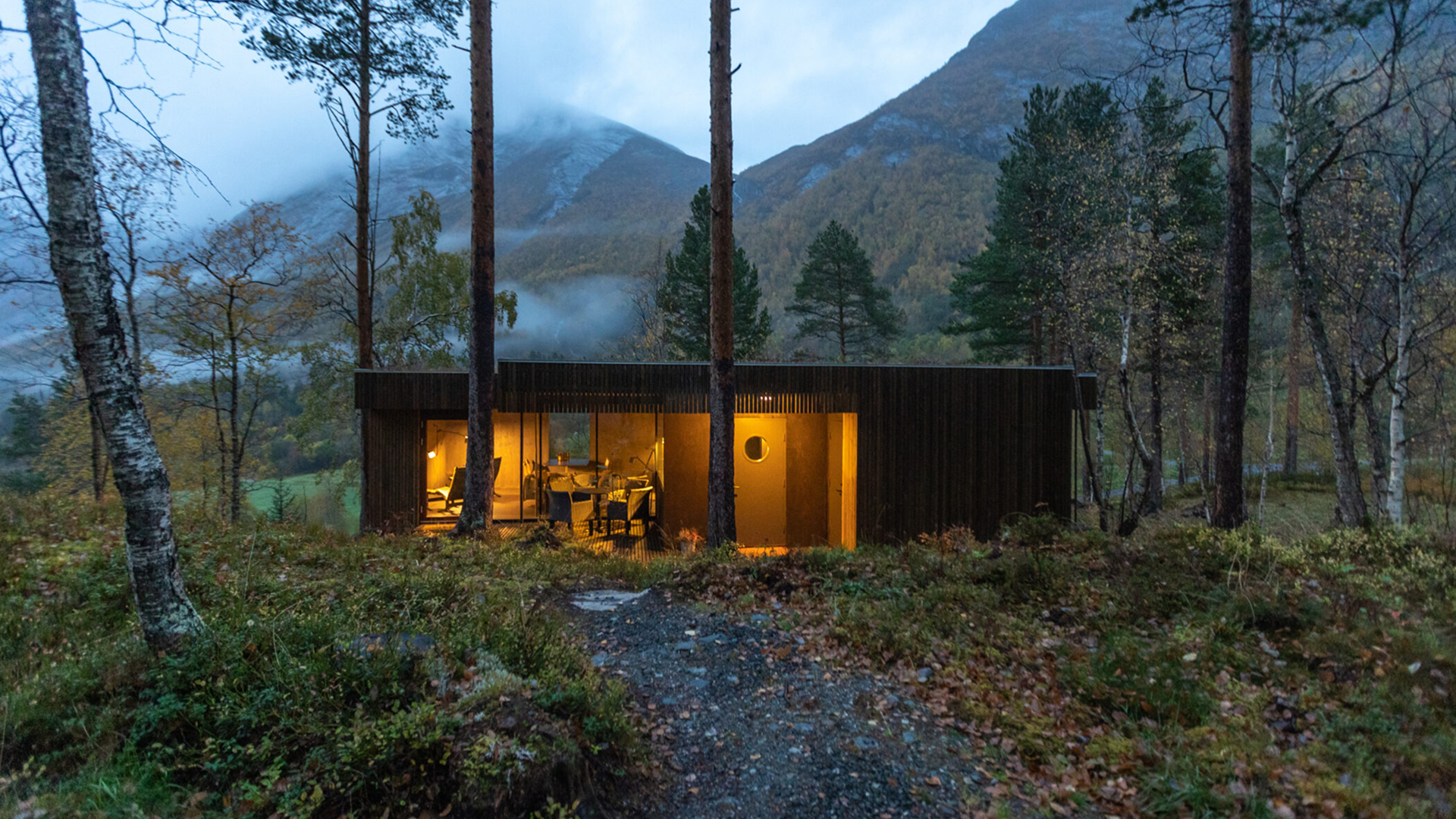
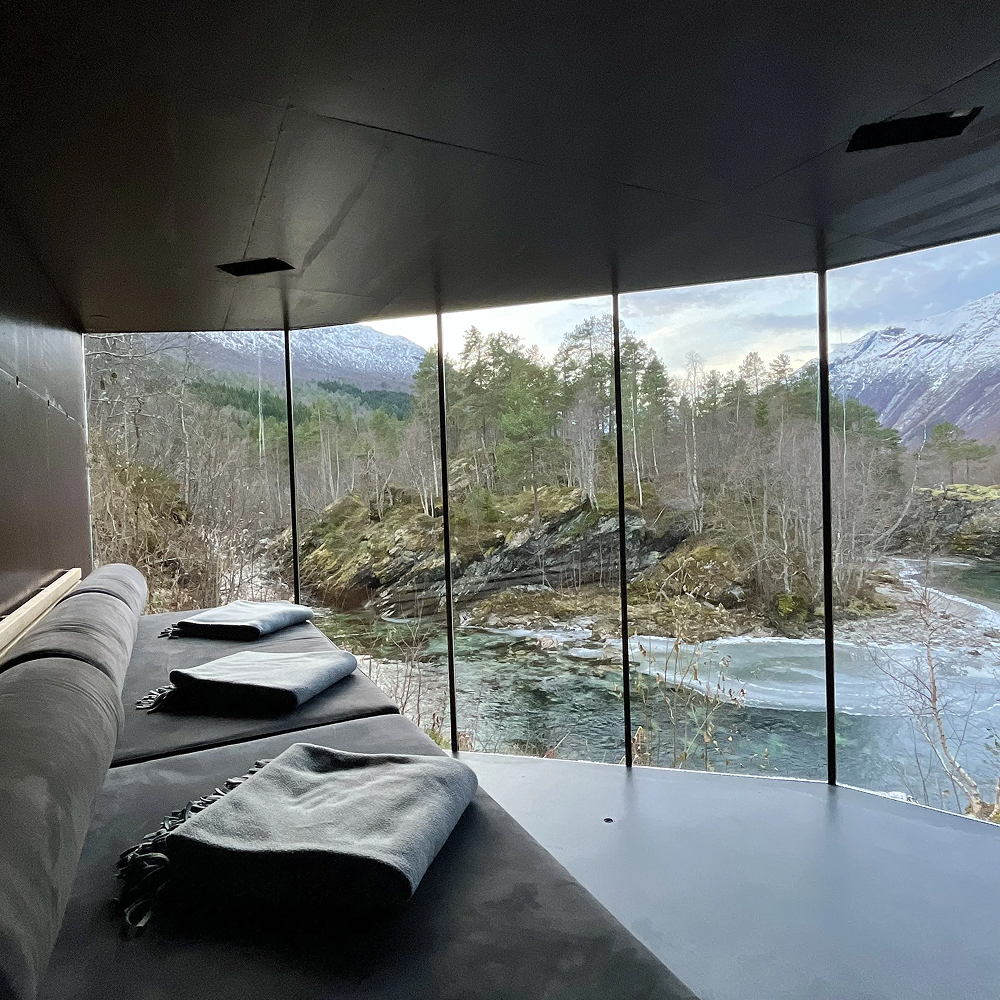
On the site of Juvet Landscape Hotel, architectural decisions respond directly to the environment through controlled volumes and deliberate orientation. This precision produces a readable identity that needs no narrative compensation. Digital content relies on space, light, and context rather than staged scenes, because the architecture already carries meaning that translates naturally online.
Proportion defines digital hierarchy
Proportion determines how content should be framed and ordered, because spatial scale influences how images breathe and how text flows. Wide volumes call for generous spacing, while tighter sequences require controlled pacing. When websites respect architectural proportion through image ratios, margins, and scroll rhythm, reading effort decreases and emotional continuity strengthens throughout the discovery phase.
Orientation shapes narrative sequence
Spatial orientation already defines an order, from arrival to circulation to pause. When digital pages follow this same sequence, navigation feels intuitive and calm. Visual predictability supports comprehension and reduces hesitation, which matters in premium hospitality contexts where attention remains selective and expectations are high.
Materials and rhythm guide visual consistency
Materials establish tone through texture, contrast, and repetition, while rhythm defines how fast or slow an experience feels. These elements must guide photography, copy, and pacing online so that digital channels remain credible and aligned with the physical environment. When material logic drives content choices, recognition strengthens and trust builds without persuasion.
On the website of Kenoa Exclusive Beach Spa & Resort, restrained materials and horizontal volumes define a measured rhythm that carries directly into digital expression. Images remain wide and composed, text stays concise, and transitions feel controlled. This coherence reinforces confidence, because what you see online reflects what the place expresses in reality.
Rhythm controls attention and pace
Architectural rhythm defines repetition and variation, which sets tempo across spaces. When digital storytelling follows this cadence, pages feel balanced rather than dense. Attention lasts longer and emotional absorption remains clear, without visual saturation.
Material accuracy reduces perceived risk
When materials appear truthfully online, without excessive retouching or artificial staging, perceived risk decreases. Accurate representation supports trust because expectations stay aligned from first impression to arrival, reducing friction in the decision process.
Architecture becomes content through intentional translation
Architecture turns into content when photography and copy follow intent rather than trend. Angle selection, light conditions, and sequencing matter more than quantity, because each image should confirm the same story the space tells in person. Consistency replaces spectacle.
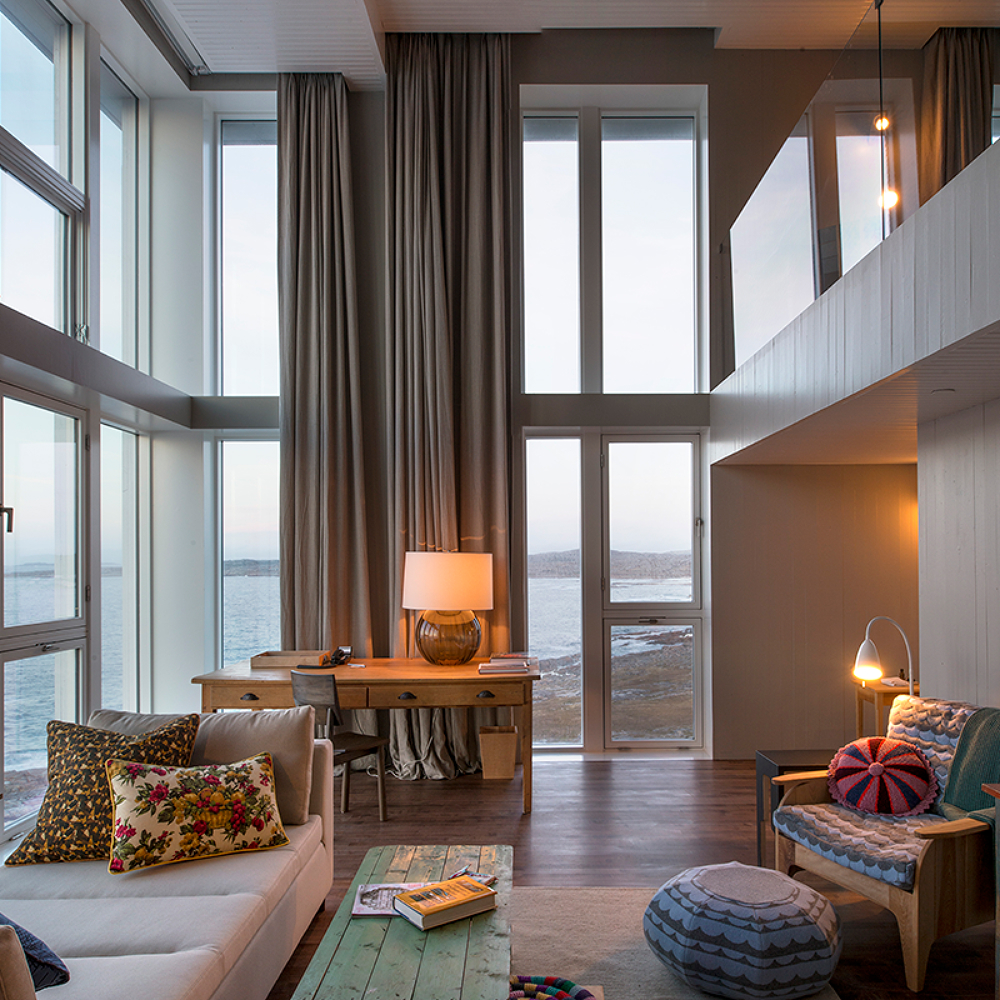
The digital presence of Fogo Island Inn focuses on scale, distance, and restraint, reflecting architectural intent rather than lifestyle staging. This disciplined approach reinforces credibility because content follows structure instead of convention, which supports clear positioning over time.
Digital structure mirrors spatial experience
Websites perform best when navigation replaces circulation and hierarchy replaces spatial order. When you move through pages as you would through spaces, understanding improves and hesitation decreases. Digital structure feels architectural rather than promotional.
Physical identity supports digital performance
When architectural identity translates accurately online, expectations align early and decision making feels easier. Clear representation reduces friction and supports confident engagement, because digital channels confirm the physical experience instead of reinterpreting it.
Luxury as the ability to translate place into emotion online
Luxury in hospitality depends on coherence rather than spectacle. Emotion forms when physical reality and digital expression follow the same logic, without distortion or excess. Architecture defines identity through site context, materials, rhythm, and proportion, and digital channels must transmit this identity with the same discipline.
Hotels that treat architecture as the source of digital storytelling build clearer positioning and stronger emotional connection, because content reflects structure rather than moment. This alignment requires strategic framing, disciplined experience design, and precise digital execution working together, an approach supported by Epikure when hospitality brands seek to transform place identity into a durable and meaningful digital asset.