Water as a structural rhythm
Proximity to water gives architecture a natural tempo. Each surface interacts with light differently, and each material responds to humidity, shadow, and sound. The Chedi Andermatt in Switzerland uses dark stone, wood, and glass to echo the surrounding alpine streams. The balance between warmth and stillness defines its mood. Water flows under bridges and courtyards, connecting interior and landscape through motion and reflection. The result feels continuous and effortless, like a dialogue between precision and silence.
Architecture that listens to the tide
In coastal properties, rhythm depends on the sea's pulse. Amanoi in Vietnam frames the South China Sea through terraces that shift with elevation. Pavilions overlook water without dominating it, creating a gradient of intimacy from public to private. Each reflection reinforces a sense of stillness. Guests sense the balance between openness and shelter, where architecture mirrors the ocean's cadence rather than opposing it.
Balance through proportion and distance
Scale defines calm near water. Lake House Daylesford in Australia demonstrates how proportion shapes comfort. Low structures and deep verandas extend toward the lake, drawing the horizon into each room. Interiors remain soft and fluid, using fabric and matte finishes to absorb light. The atmosphere communicates rest through proportion and shadow, proving that serenity depends on spatial rhythm as much as on view.
Reflection as emotional architecture
Water refracts more than light; it reframes perception. Reflection doubles the environment, creating visual symmetry that the mind reads as balance. Juvet Landscape Hotel in Norway embodies this concept. Glass cabins sit above a riverbed, blending architecture into landscape. Reflections blur the line between interior and exterior, dissolving hierarchy. Guests experience immersion without confinement, a sense of belonging shaped by perspective rather than proximity.
Light as a living element
Sunlight moving across water animates architecture. Six Senses Krabey Island in Cambodia integrates this interplay through pavilions oriented toward sunrise and sunset. Morning light fills each space gradually, while evening tones soften outlines. The choreography of brightness and shade creates emotion without decoration. Light becomes a quiet narrative, guiding mood through subtle transition.
Sound as atmosphere
The sound of water defines serenity more deeply than sight. Villa La Coste in Provence incorporates fountains and shallow pools that regulate temperature and ambience. The acoustic texture connects spaces, replacing silence with rhythm. Guests feel the architecture breathe through sound, which maintains consistency across time and season. The property demonstrates how sensory control builds emotional continuity, turning water into both form and feeling.
Stillness as the highest form of luxury
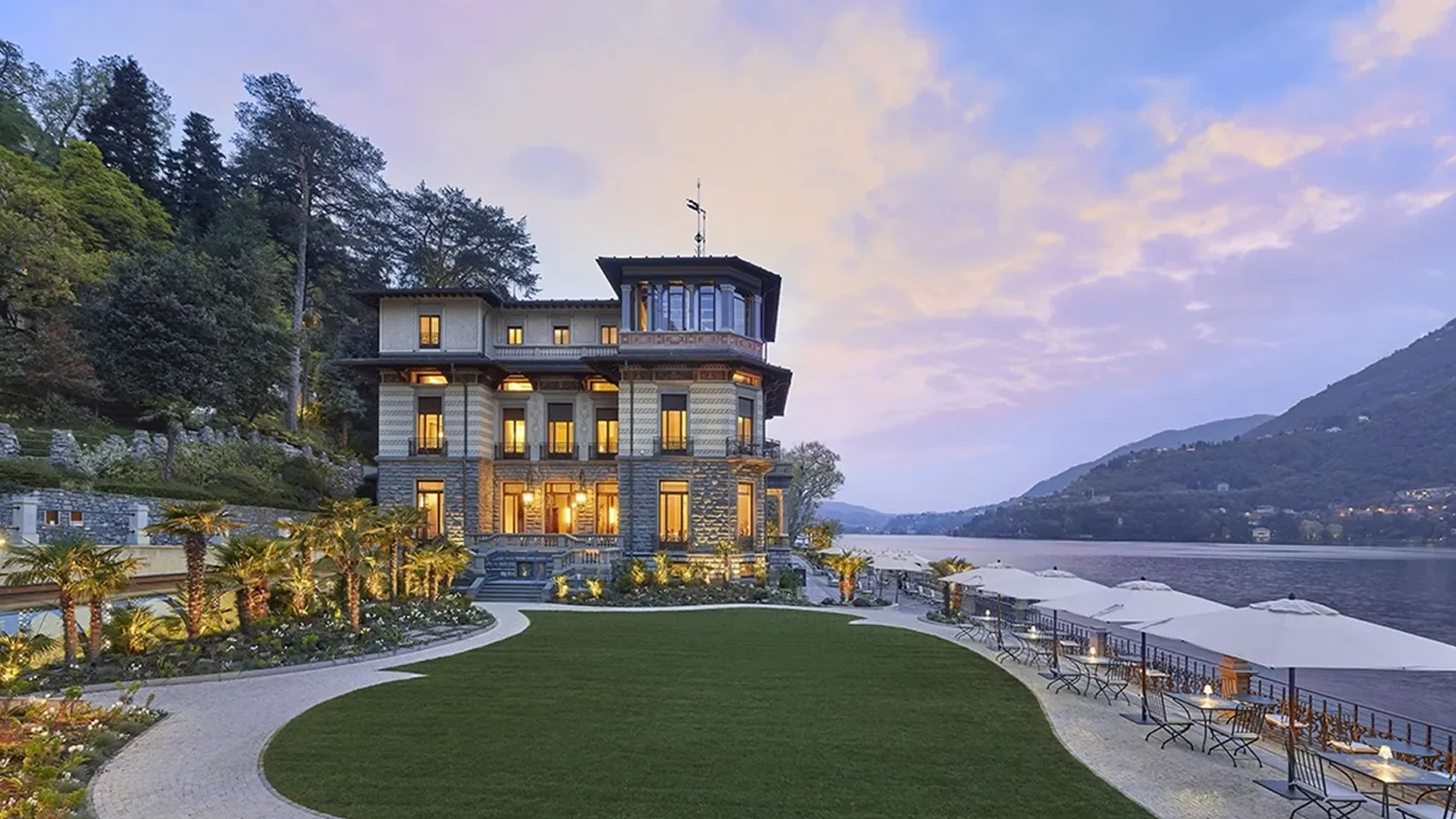
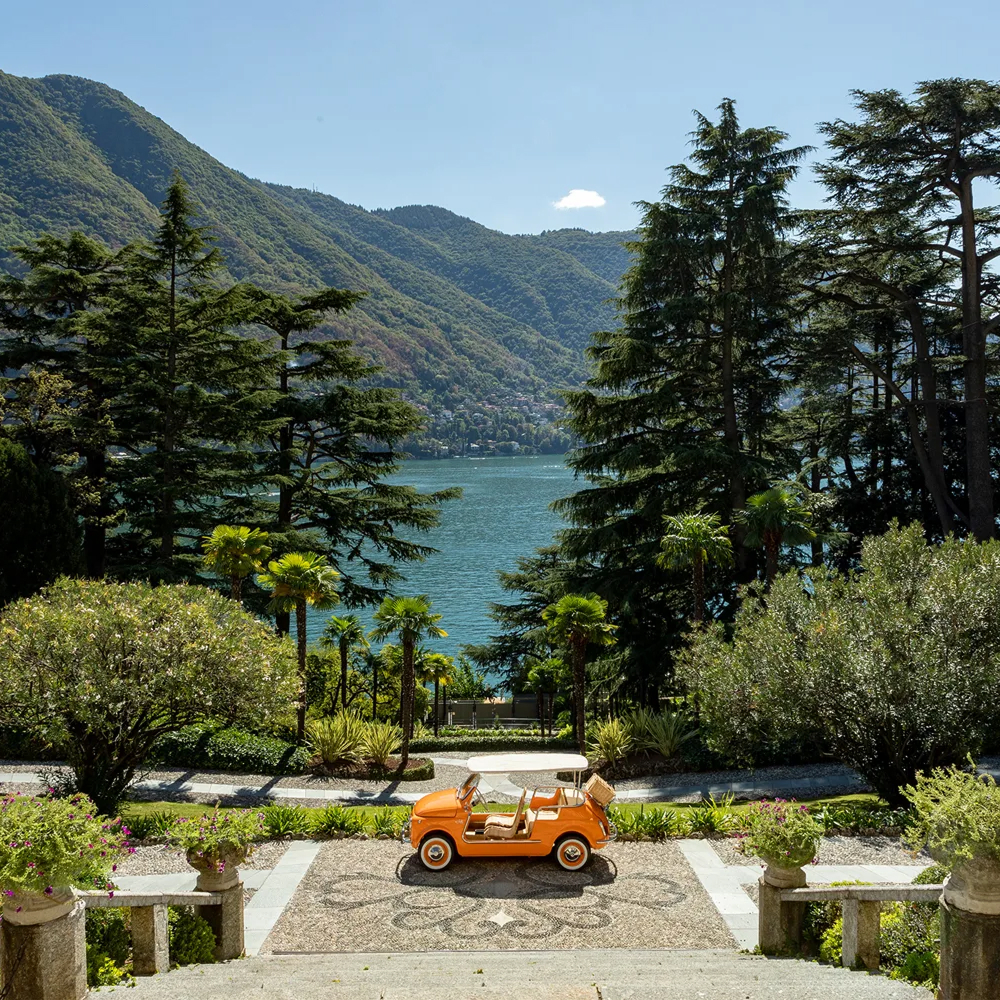
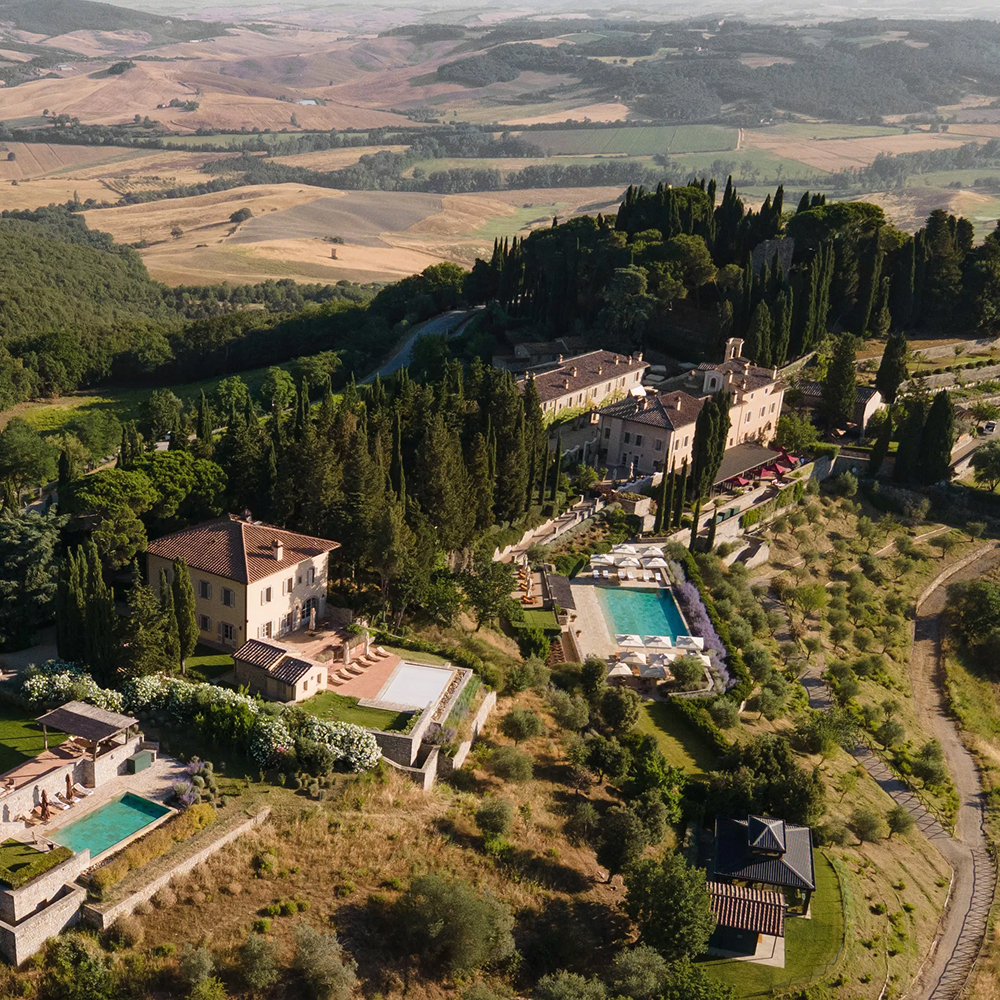
When water and architecture meet, hospitality reaches a state of harmony. The guest no longer observes nature but becomes part of it. Rosewood Lake Como captures this equilibrium through design that amplifies reflection. Glass façades, floating decks, and measured lighting express respect for the lake's stillness. Calm comes from proportion, texture, and rhythm rather than excess.
Water-centred architecture reminds guests that comfort depends on alignment between space and nature. Reflection becomes structure, movement becomes sound, and clarity becomes emotion. Epikure helps hotels design spaces where rhythm, light, and balance flow together with intention. Contact us to turn reflection into the foundation of your brand's serenity.