Keep content aligned with operational truth
Your property evolves. Rooms change layout. Services adapt to seasons. Photos grow outdated. Copy lingers while your experience moves forward. The gap widens. Guests arrive with expectations built from a version of your property that no longer exists. Avoiding that friction starts with regular updates to core content, aligned with what your team delivers today.
Audit your photography with guest perception in mind
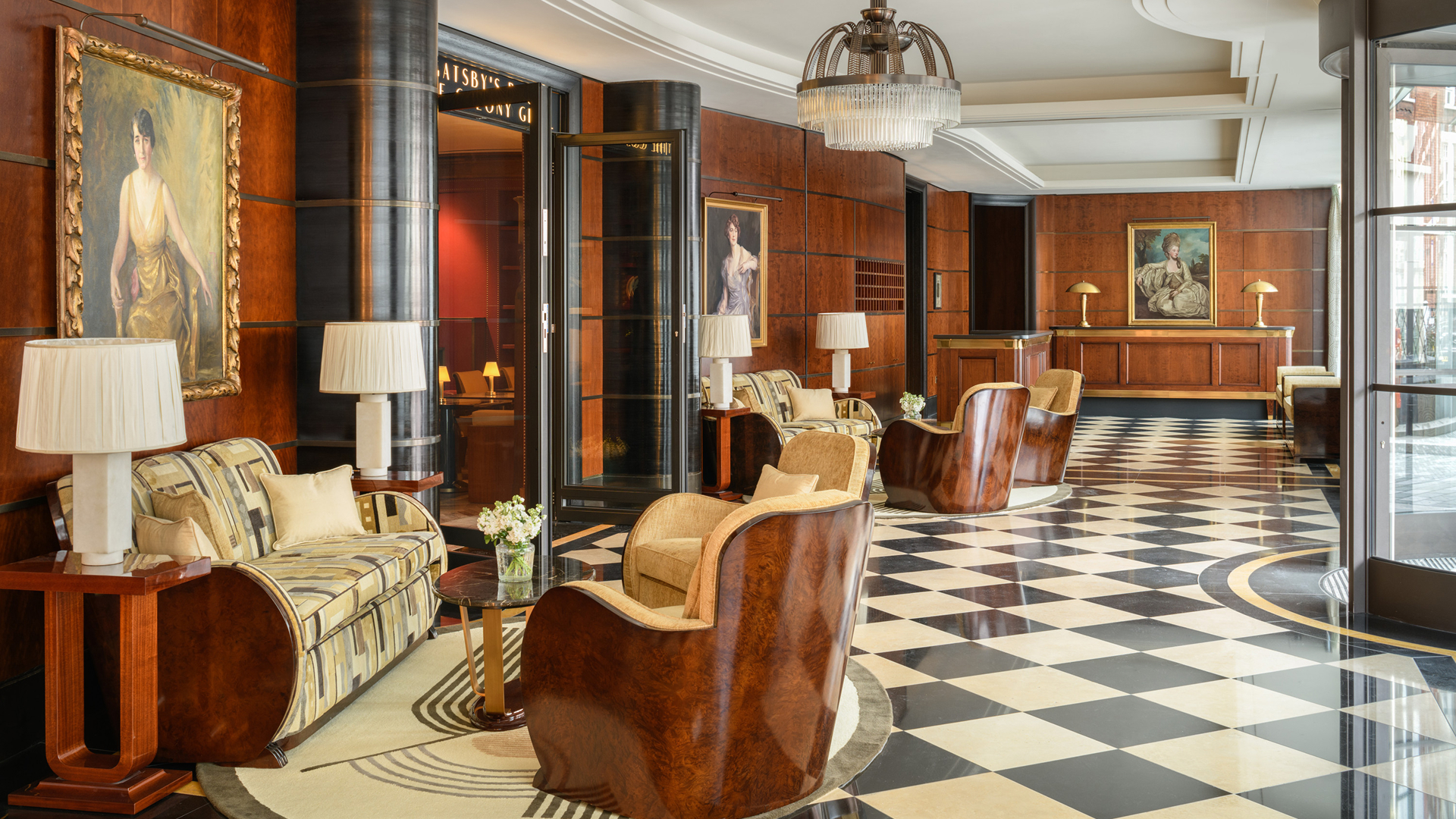
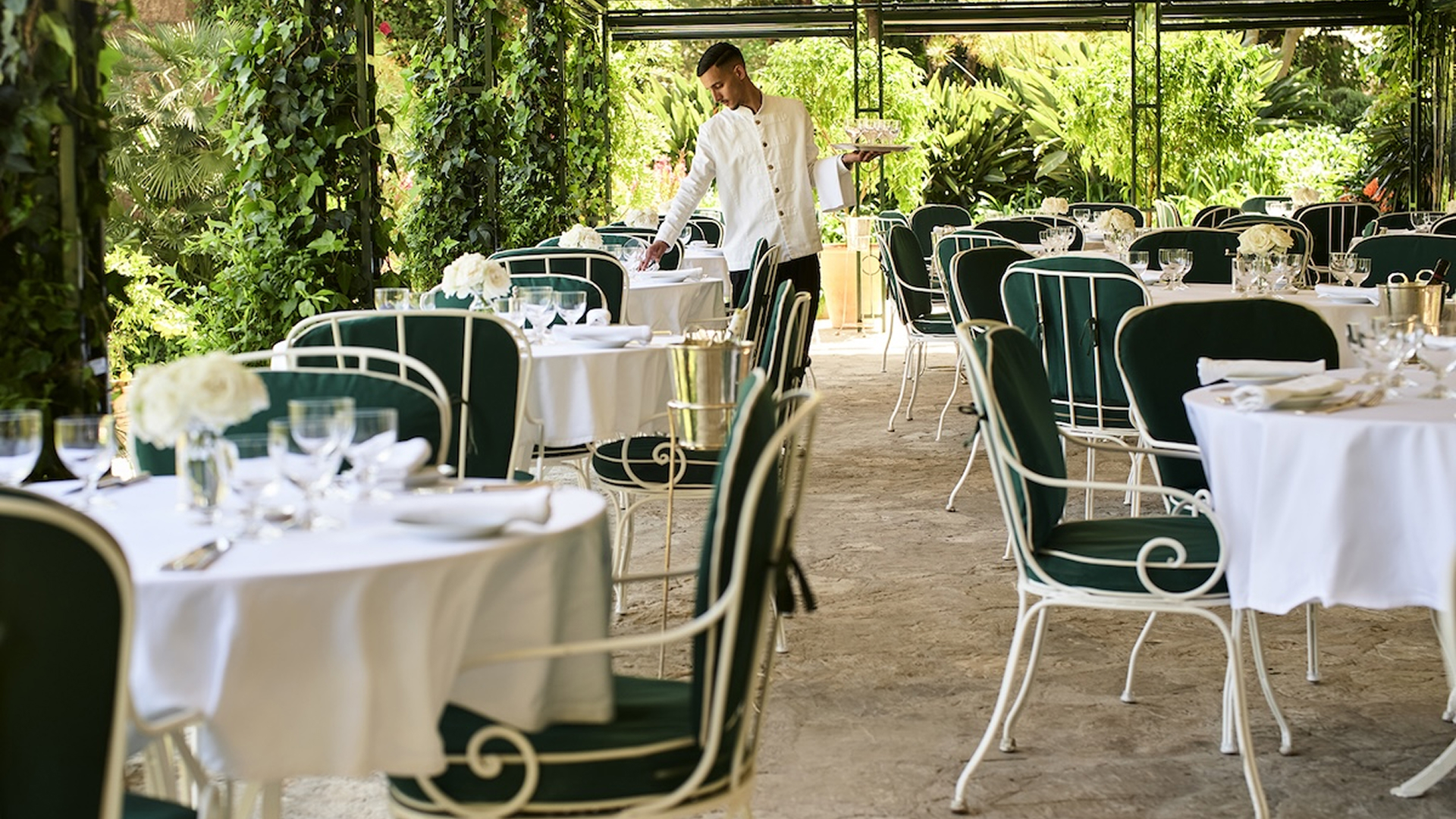
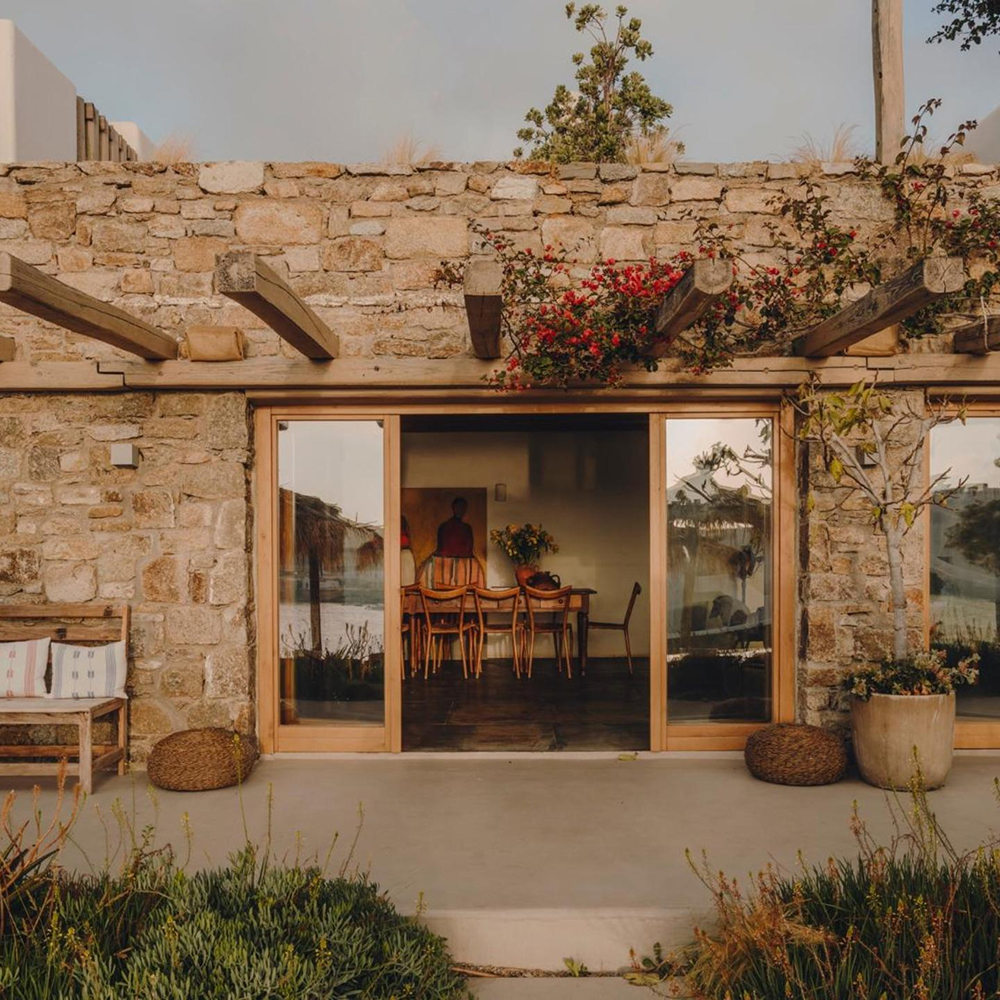
Visuals shape emotional expectations. A wide-angle photo of a room may attract clicks, but it can also disappoint when proportions feel exaggerated. Images must reflect actual light, scale, and atmosphere. Properties like The Wild Hotel by Interni in Mykonos and Le Barn near Paris succeed by showing real spaces in natural light, with minimal staging. Their photos carry the same feeling guests find on arrival. This reduces disappointment and increases trust across the funnel.
Rewrite copy to reflect actual moments
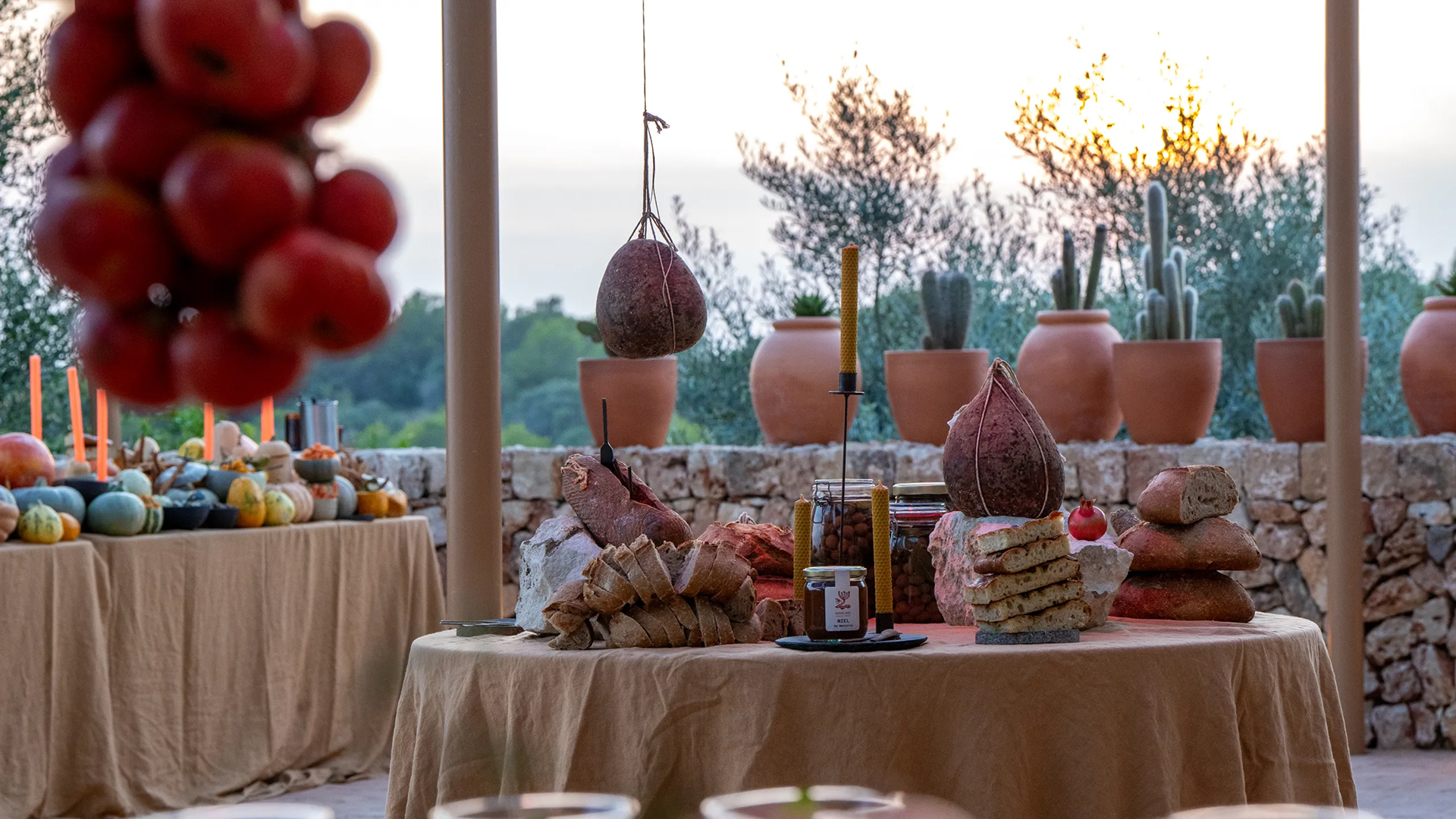
Descriptive copy can easily drift into abstraction. Focus instead on what the guest will actually do, feel, and experience. Avoid embellishment and favour clarity. If breakfast is à la carte, say so. If spa access is limited to certain room types, explain it. Properties like La Granja Ibiza build loyalty through copy that reflects their seasonal rhythm, slow pace, and values. Every line on their website matches the physical experience, from booking to check-out.
Update amenities, policies, and FAQs
Frustration often stems from outdated details. A pool temporarily closed. A shuttle service that no longer operates. A welcome drink that is no longer offered. Keeping your policies and FAQs current is essential. Tools like Amenitiz or Mews help streamline updates across direct and indirect channels. Take time each quarter to review cancellation terms, payment methods, child policies, and check-in hours. These details build transparency and reduce last-minute tension.

Standardise content across all guest touchpoints
Your direct website may be accurate, but if third-party listings or confirmation emails tell a different story, confusion persists. Each digital channel must communicate the same offer, terms, and tone. Alignment reduces misunderstandings and prevents pressure on your front desk to "correct" online errors.
Sync all booking channels and OTAs
Many properties lose control of their message on platforms they do not manage daily. Ensure that your listings on Booking.com, Expedia, and other partners carry the same descriptions, amenities, and policies. Inaccurate OTAs are a leading cause of disputes at check-in. Tools like Siteminder help centralise content updates and reduce mismatches. By keeping information consistent, you protect your team's time and your guest's confidence.

Match tone and visuals in confirmation flows
Guests interact with your brand multiple times after booking. The confirmation page, the pre-stay email, the payment request. Each should reflect your property's identity and be free of confusion. If your online tone is calm and elegant, but your emails are generic or overly transactional, the coherence breaks. Look at how Domaine des Etangs integrates their visual and narrative identity across all messages. Each touchpoint reinforces a singular experience.
Translate your values into guest-facing communication
If your hotel promotes sustainability or wellness, these values should be present in your copy and policies. Do your messages match your actions? A property like Six Senses Douro Valley aligns its positioning with every touchpoint, from the tone of voice to the detailed explanation of their local sourcing or wellness rituals. The result is a clear, legible promise that shapes expectations without over-promising.
Epikure helps you align promise with proof
We help boutique and luxury properties make sure every page, message, and channel reflects the true experience delivered on site. This alignment reduces friction, improves trust, and drives stronger conversion. Our audits cover visuals, copy, policies, and platform presence. Contact us to review your core pages and ensure your promise meets your guest's expectations.