Observe a real example with structured attention
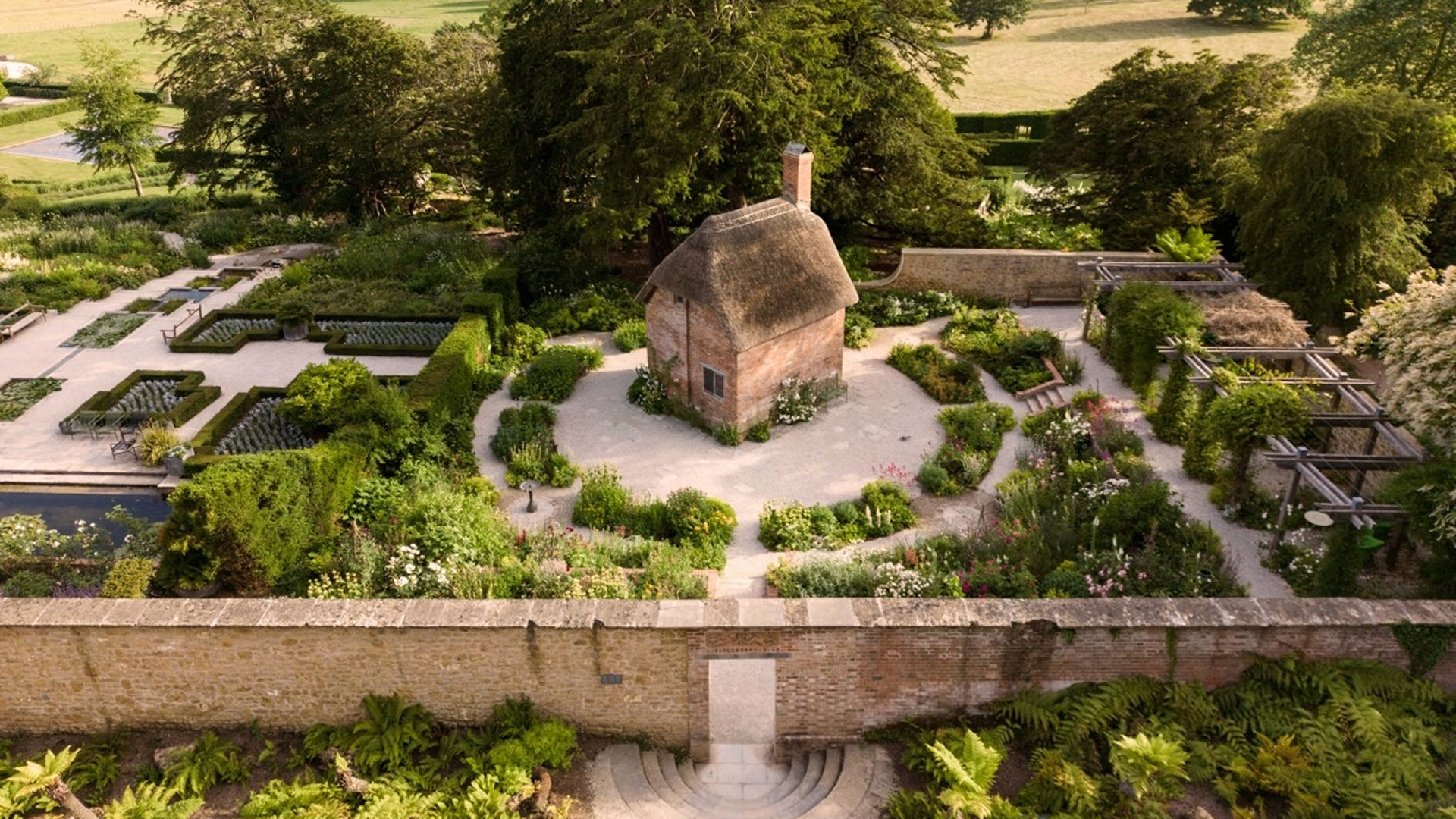
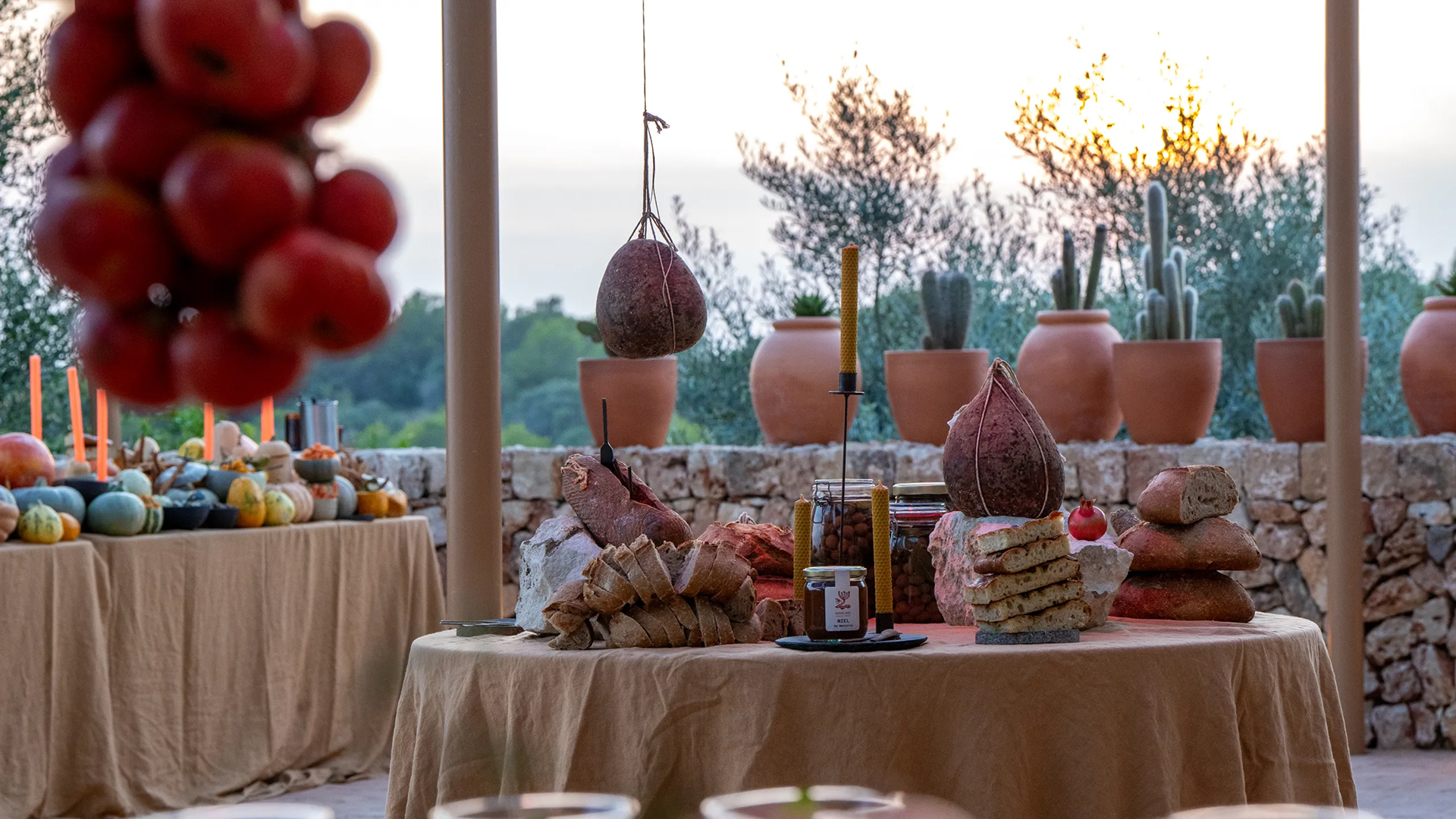
We analysed Finca Can Beneït, a boutique property in the Serra de Tramuntana mountains of Mallorca, to extract insights from a strong digital foundation. The property already presents a clear identity and an appealing concept. The objective is to highlight improvements that strengthen booking flow without altering the brand tone or investing in heavy redesigns. The analysis demonstrates how even well-designed sites benefit from refinement, offering lessons that many hotels with similar positioning can apply to their own digital path.
Consistency of structure and visual clarity support decision-making
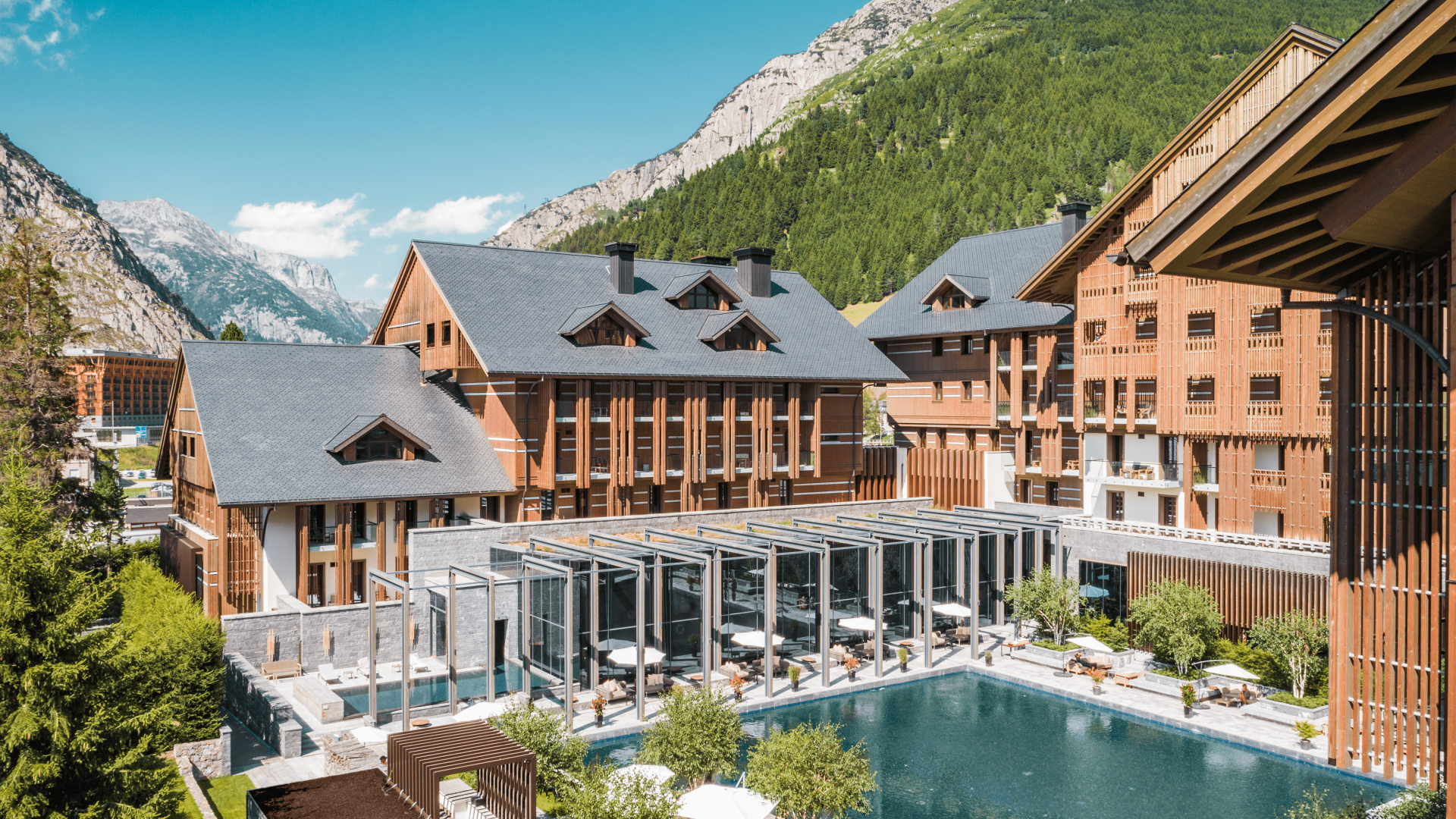
The rooms section displays a clean overview with consistent formatting across categories. Descriptions remain short and informative, while visuals reflect the brand’s calm tone. The booking button sits at the top right of the homepage, immediately accessible and visible from entry. This placement gives guests orientation and confidence. Restraint in copywriting reinforces trust, as the hotel communicates with clarity rather than excess. This stability across language and layout provides an impression of control, allowing the guest to progress naturally through the booking path. Properties such as The Chedi Andermatt in Switzerland follow a similar logic, presenting a calm, structured interface that guides the user with clarity.
Three refinements strengthen fluency in the guest journey
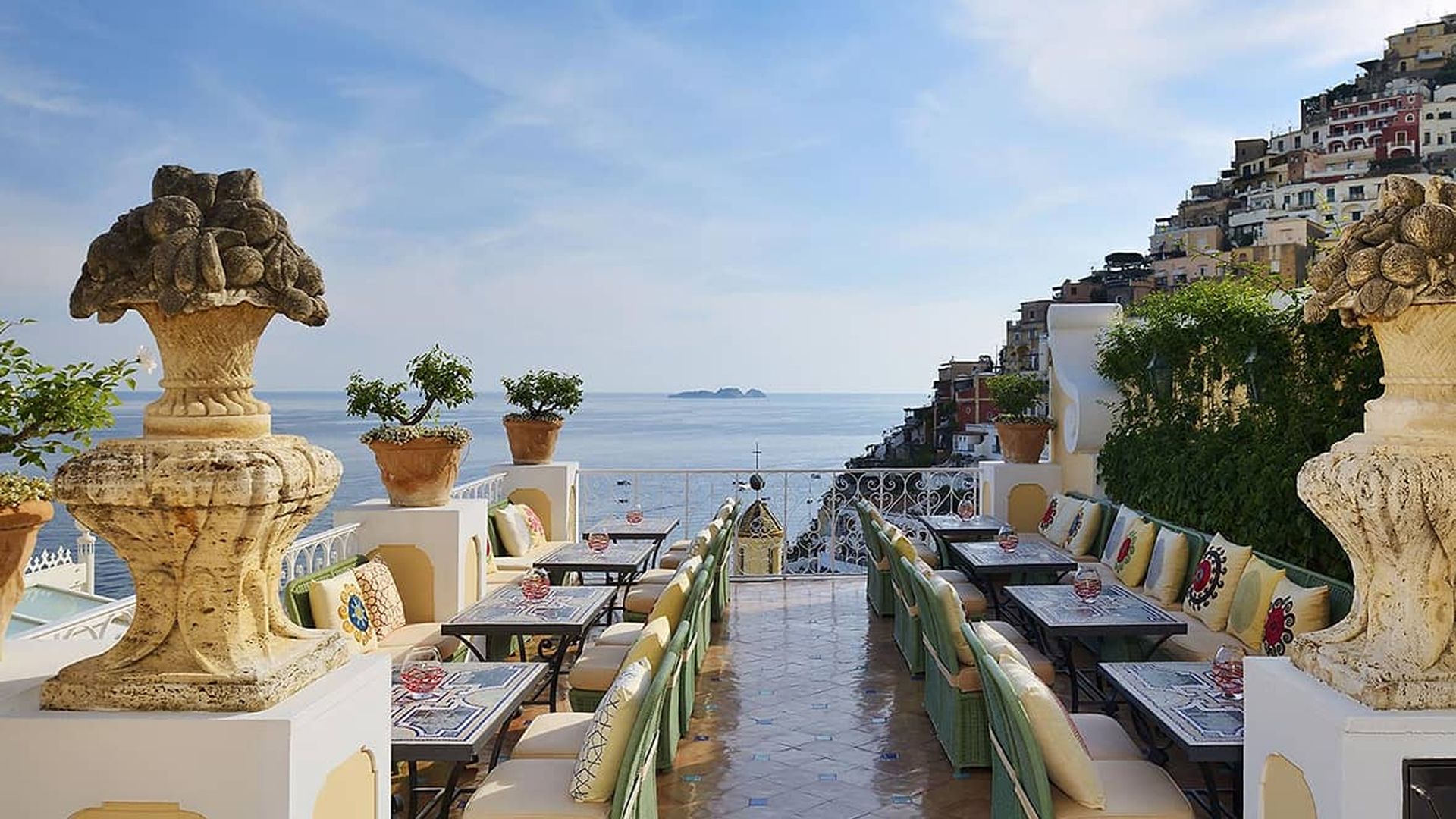
The booking path uses different calls to action, such as Book Now, Reserve, and Check Availability. Aligning this wording across all pages reinforces clarity and strengthens each step. On mobile, the booking button disappears when scrolling, which can interrupt the flow. A discreet floating element maintains presence and continuity. The booking engine currently resets to a default view, even when users arrive from a specific room. Redirecting to the relevant room reinforces intent and ensures that guests feel guided with precision. Properties such as Le Sirenuse in Positano apply these principles, keeping terminology consistent and preserving guest flow throughout the booking journey.

Small adjustments compound into meaningful performance gains
Booking fluency comes from consistency and logic. Each aligned word, persistent button, or direct link reduces hesitation and strengthens trust. Guests benefit from a sense of flow where every step feels intentional, from browsing to confirmation. Performance improves not through speed alone but through the reassurance that comes from a coherent sequence. Properties such as Son Brull Hotel & Spa in Mallorca integrate this approach, ensuring their booking flow reflects clarity across devices and languages. Other examples such as Cap Rocat in Mallorca and Grand Hotel Tremezzo on Lake Como highlight how consistent booking paths reinforce brand trust and lead to stronger direct reservations.
Refinement requires attention rather than complexity. Hotels that align booking structures with intent show respect for the guest’s time and decision-making. This attention builds trust, reinforces the value of direct reservations, and improves operational efficiency. Whether the guest seeks a romantic weekend, a wellness retreat, or a property buyout, consistency across the path communicates professionalism and strengthens the brand promise.
Book a booking-flow review and reduce guest hesitation
Booking journeys gain strength when refined with precision. A short review highlights three priority areas across structure, labels, and logic, with immediate actions that improve clarity and remove friction. Epikure works with properties to translate these refinements into stronger guest confidence and higher conversion. Contact us to request a booking-path review tailored to your site and transform guest attention into confirmed stays through accuracy and coherence.