Strengthen visibility with structured content and relevant signals
Your online presence reflects how well you understand the intentions of your guests. If your site relies on generic blog posts or outdated information, you dilute your value. Instead, work on refining each asset. Good local visibility comes from accurate listings, clearly structured content that matches real queries, and guest reviews that confirm the experience. Together, these elements build a consistent perception of your property. If you respond to real needs with useful information, you will show up in the right searches without depending on advertising.
Keep your Google Business Profile detailed and accurate
Your Google Business Profile is often the first result when someone searches for your property name. It must reflect the current reality. Update your photos, descriptions, hours, and services regularly. Avoid partial information. Ensure that categories and attributes match what you offer. Guests use this page to make decisions before even clicking your website. Hôtel Le Ballu in Paris maintains a well-curated profile with updated spa and restaurant offers, quality photos, and precise seasonal opening details, helping guests connect expectations with what they will actually find.
Write for real queries, not general inspiration
Most guests do not search for vague inspiration. They search with intent. Your content must reflect this. Instead of writing about your region or destination broadly, structure your site around how guests express their needs. Create specific, short, and clear pages that match real search terms, like "romantic hotel with private terrace in Saint-Rémy", or "fine dining with vegetarian options in Arles". Domaine de Fontenille uses a content strategy based on seasonal offers and specific themes, helping the hotel rank on valuable queries with clear user intent.
Curate relevant reviews and respond with structure
Guest reviews shape both your online reputation and your visibility. Invite feedback from guests who truly experienced your key services. Focus on depth rather than volume. A detailed review about a dinner, spa session, or suite experience has more value than five generic stars. When responding, stay precise. Avoid templates. Mention specific improvements, services, or moments. La Maison d'Estournel integrates guest feedback into their updates and answers with structured responses that highlight their ongoing upgrades. This consistency strengthens trust and boosts visibility over time.

Build relevance through alignment, not expansion
You do not need to cover a large area to grow your visibility. You need to match a small set of queries that matter. Local SEO is not about broadcasting, but about alignment. Each listing, each review, each page needs to serve a purpose. This makes your presence useful to both guests and algorithms. You are not trying to be everywhere. You are trying to be selected in the right place, by the right people.
Focus on partnerships that bring relevance
A local partnership can increase your visibility if it brings real value to a shared audience. Choose collaborators with their own audience and clear alignment with your positioning. For example, Les Bords de Mer in Marseille partners with regional chefs and musicians to host events that are clearly promoted across both networks. These collaborations are not decorative. They help the hotel appear on local cultural calendars, relevant guides, and niche directories that improve both visibility and perceived authenticity.
Maintain consistency across all major directories
Many independent hotels overlook their presence on third-party platforms. Yet these sites remain key in shaping perception and search performance. Audit your property on TripAdvisor, Booking, Michelin, and targeted local guides. Use a consistent tone, updated images, and precise information about services and amenities. Avoid using outdated descriptions. If your tone or photos differ from one site to another, trust decreases. Château de la Gaude in Aix-en-Provence applies the same editorial rigor across its own site, Google, and third-party listings, which strengthens coherence and booking confidence.


Write for the way guests plan their stay
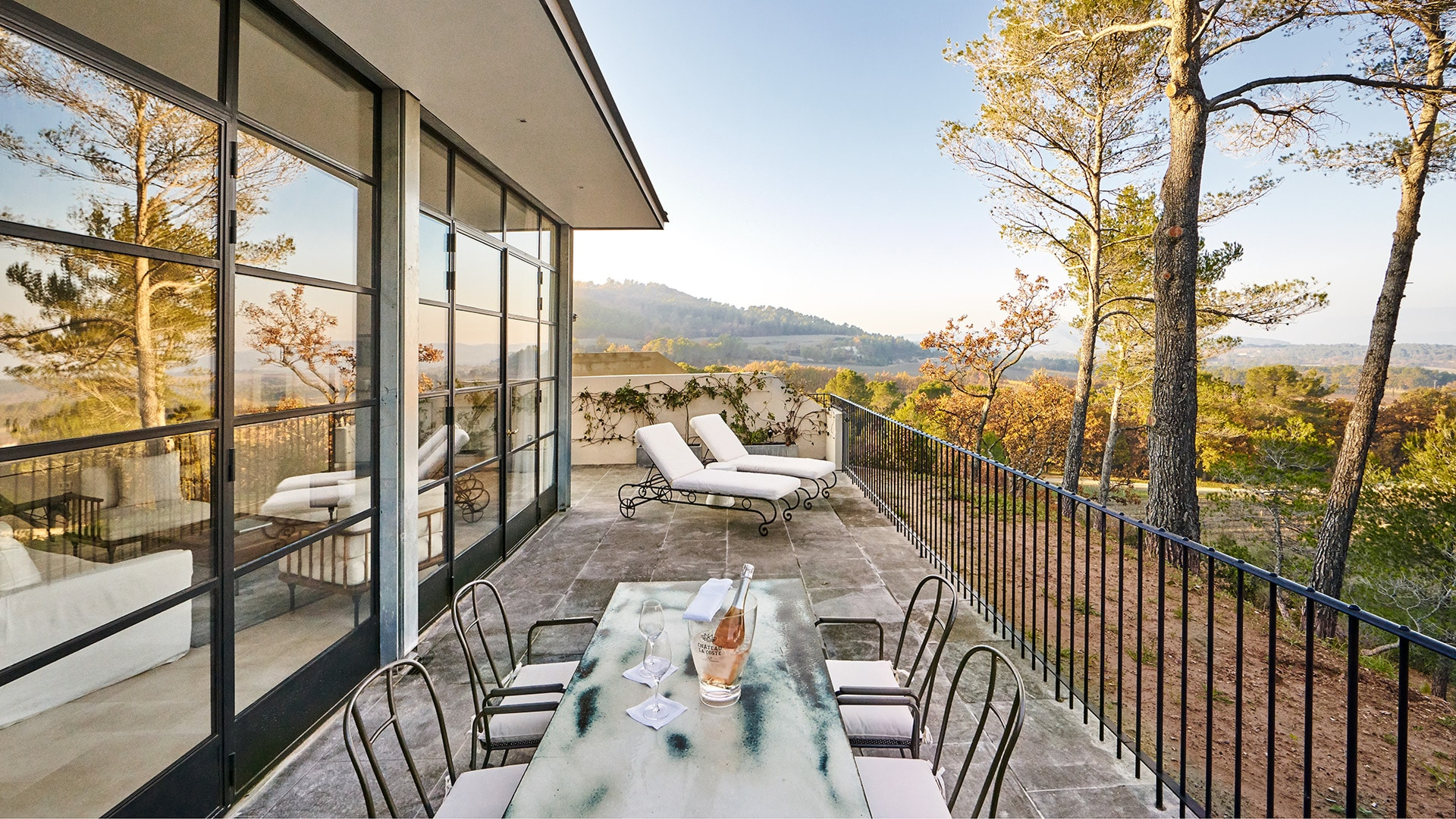
Guests rarely browse randomly. They plan based on practical needs. Your content must reflect this. Help the guest understand how to access your hotel, what the arrival feels like, how the rooms are arranged, and which experiences are available during their stay. Skip inspirational filler. Focus on answering real planning needs. Guests who search for "heated outdoor pool near Bordeaux" or "family suite with garden access in Provence" have already narrowed down their intent. Write clearly for them. Hôtel Villa La Coste answers these expectations with specific pages, clear photos, and booking-ready information.
Build a presence that matches how guests search
Improving your local visibility means shaping each page, listing, and review to reflect how guests search, compare, and decide. It is not a campaign. It is a structure. You can start by identifying your key queries, auditing each online touchpoint, and aligning them with how your most profitable guests think. This work increases visibility, not in volume, but in relevance. And relevance is what turns visits into bookings.