A return to rhythm and locality
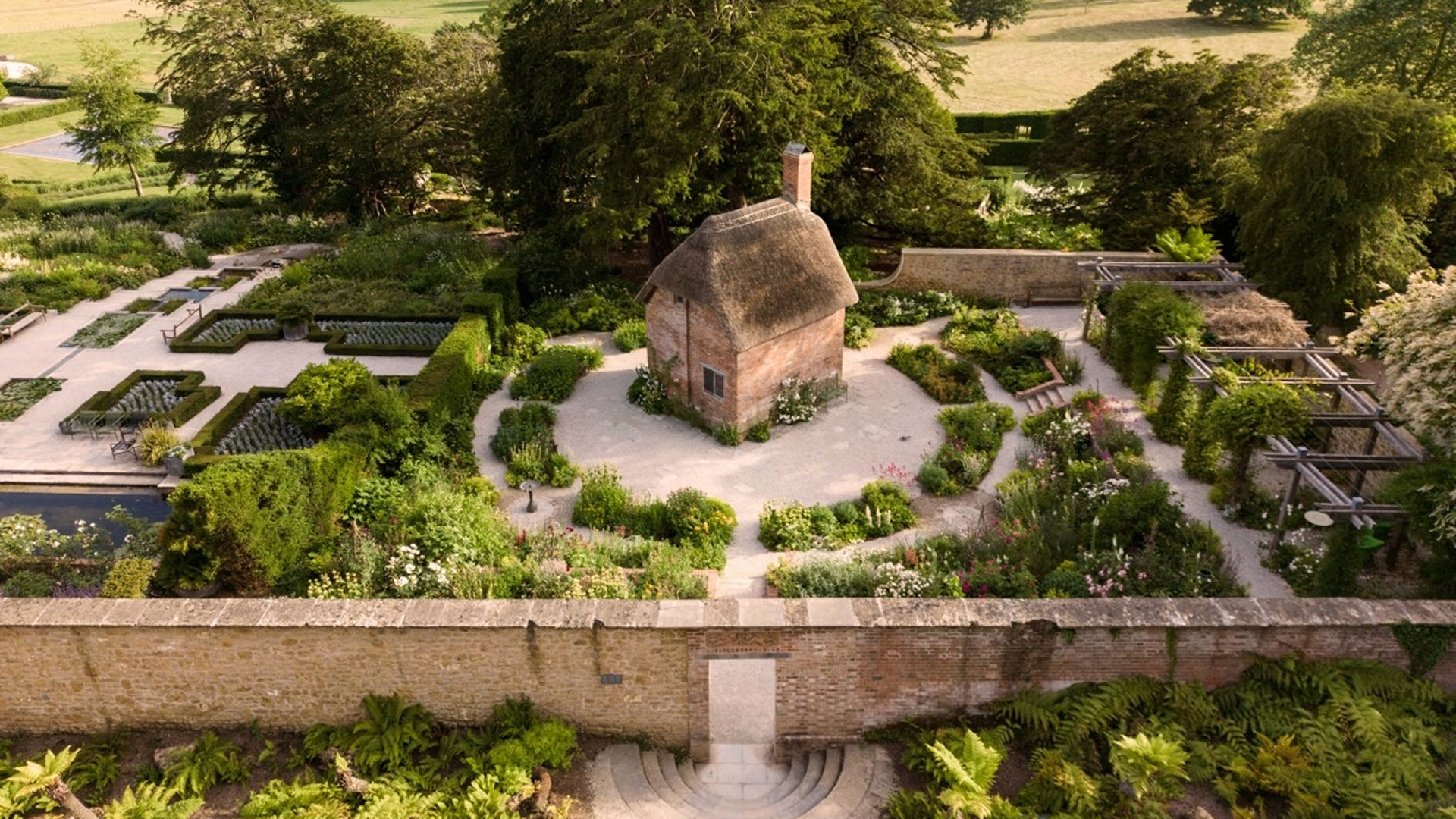
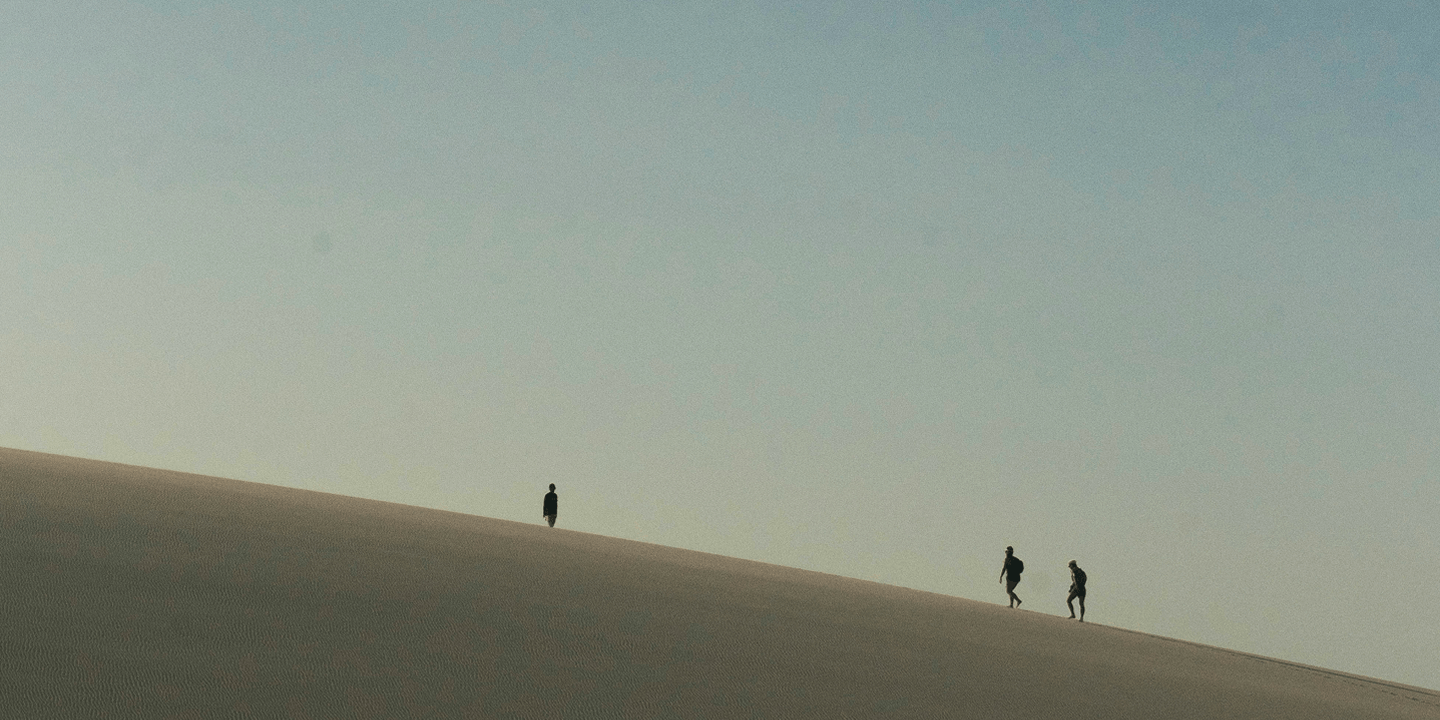
Rural hospitality grows from balance. Properties that respect natural tempo, material honesty, and cultural heritage now define what feels luxurious. The appeal lies in distance from acceleration. Architecture blends into landscape, and service follows the pace of the surroundings. Domaine des Etangs in Charente illustrates this evolution, where fields, art, and restored stone coexist in harmony. The experience reflects stability and timelessness rather than novelty, showing that rhythm and patience shape a more enduring sense of pleasure.
Authenticity as refinement
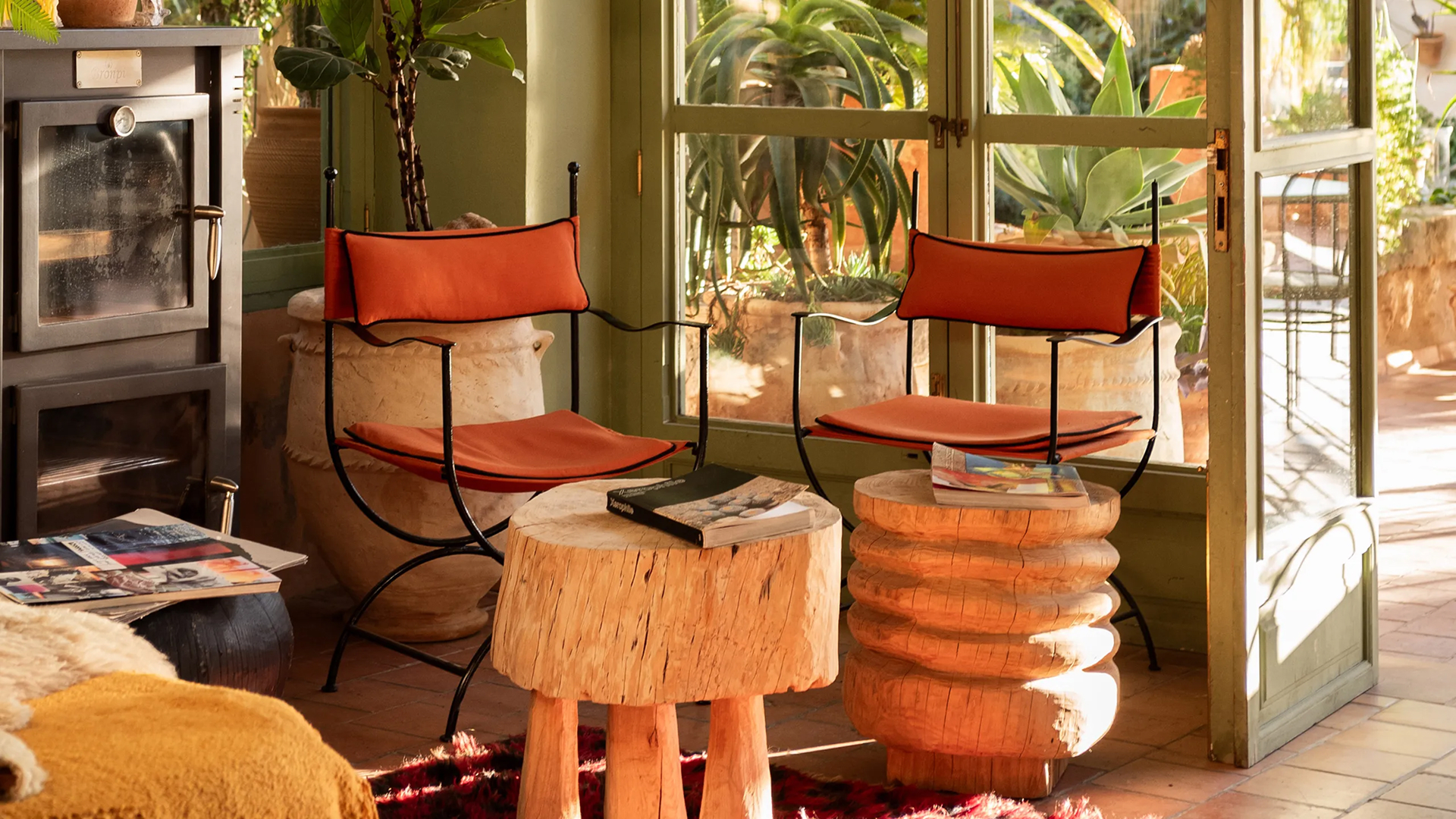
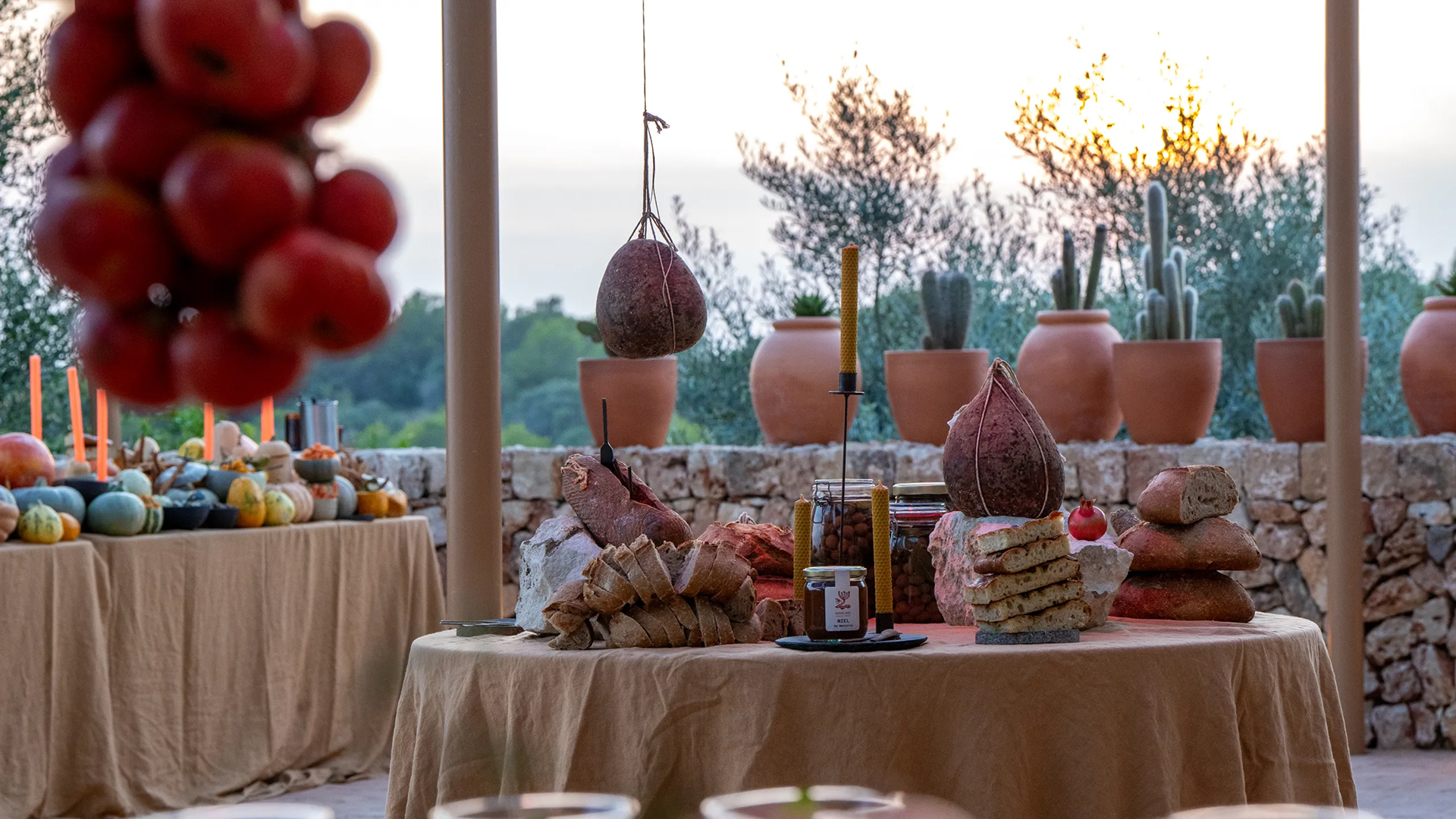
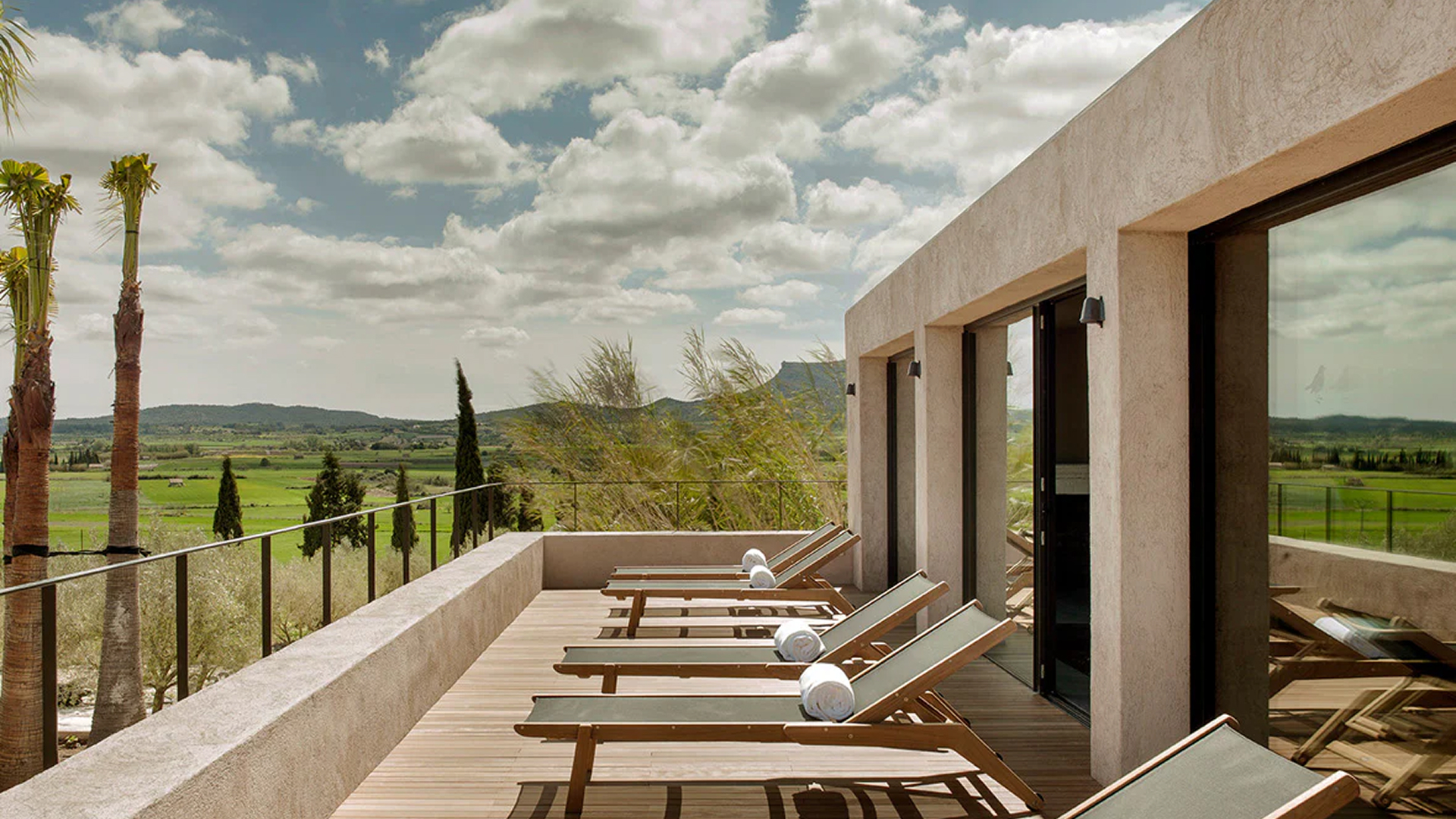
Authenticity has become a design language. Finca Serena in Mallorca translates rural life into precision: muted tones, native vegetation, and local materials define the atmosphere. The absence of visual noise amplifies the feeling of sincerity. Each detail, from linen texture to ceramic finish, speaks of place and care. Luxury here lies in how lightly the property touches its environment, in the refinement of discretion rather than accumulation.
The art of quiet comfort
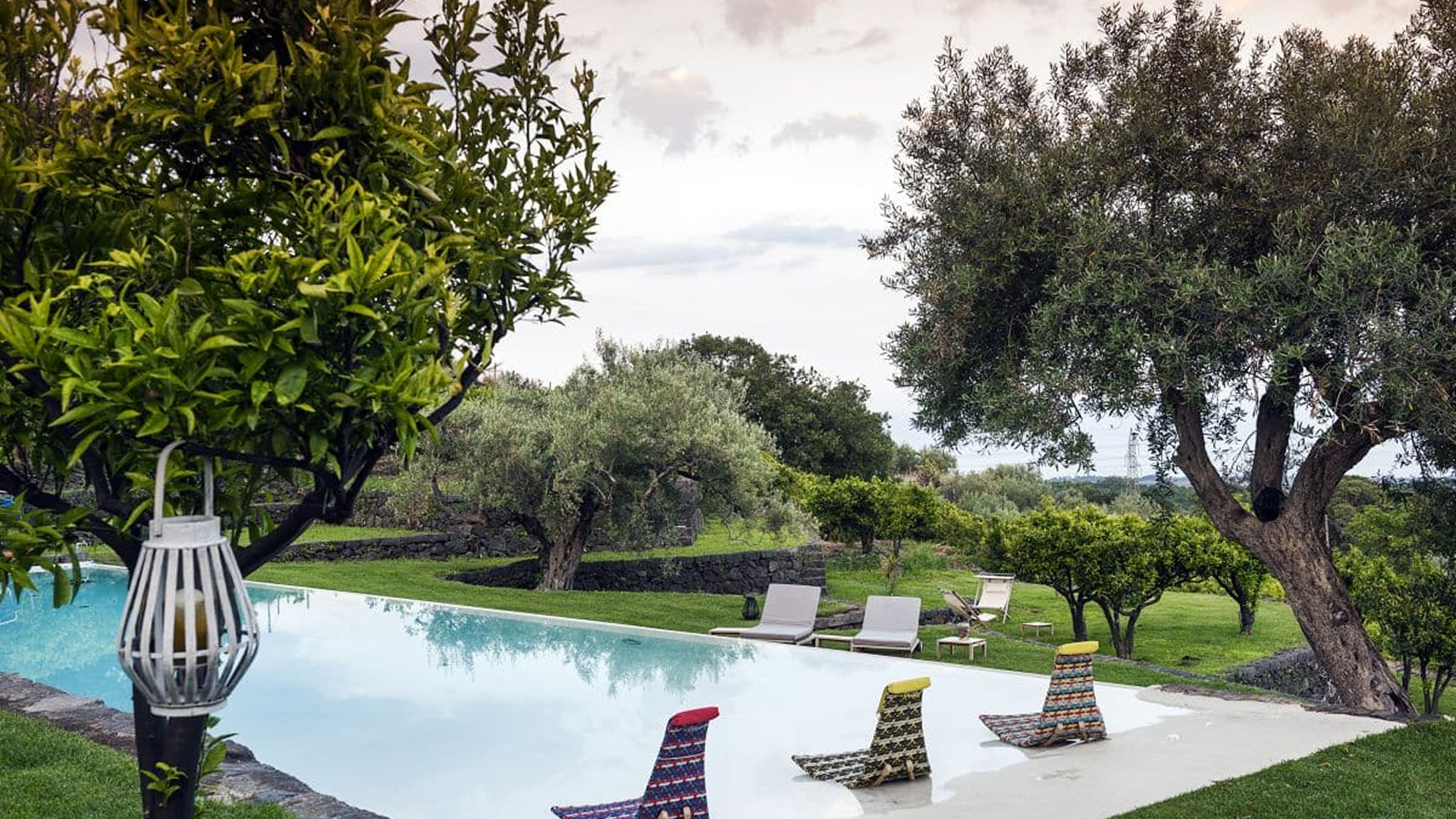
Modern travellers respond to spaces that feel lived in yet composed. Monaci delle Terre Nere on the slopes of Mount Etna balances rustic architecture with contemporary art and design. Each room preserves traces of its agricultural past while integrating modern comfort through proportion and light. This contrast generates depth and emotional warmth, proving that luxury does not depend on abundance but on coherence between heritage and hospitality.
Landscape as the essence of identity
The countryside experience finds power in context. Properties that celebrate landscape as their core narrative create connection that feels both emotional and spatial. São Lourenço do Barrocal in Portugal embodies this approach, where the horizon becomes the main design feature. Architecture frames the Alentejo plain, and guests participate in seasonal rhythms. The surrounding terrain becomes a protagonist rather than a backdrop, transforming each stay into a conversation with the land.
Architecture that listens to place
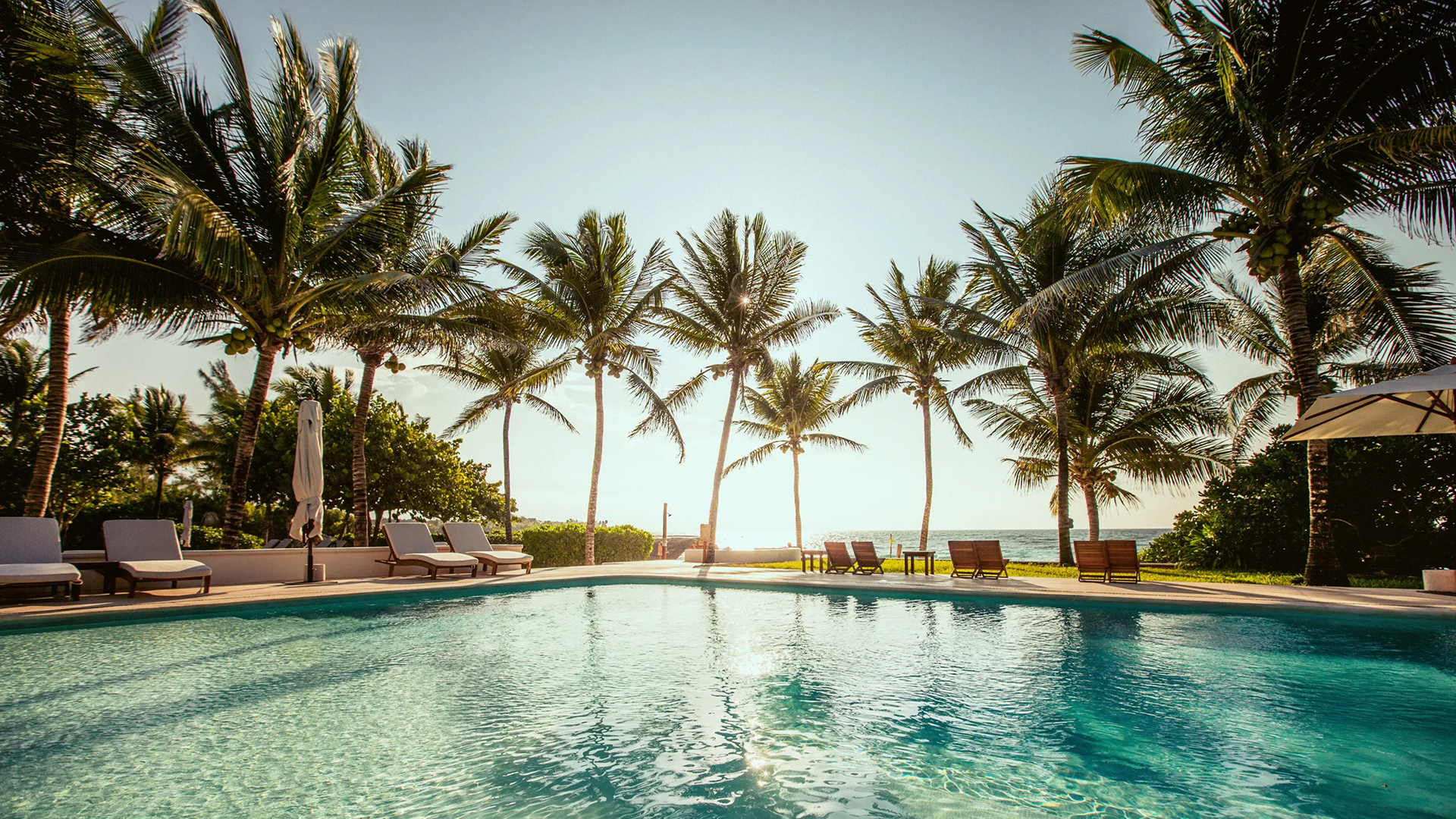
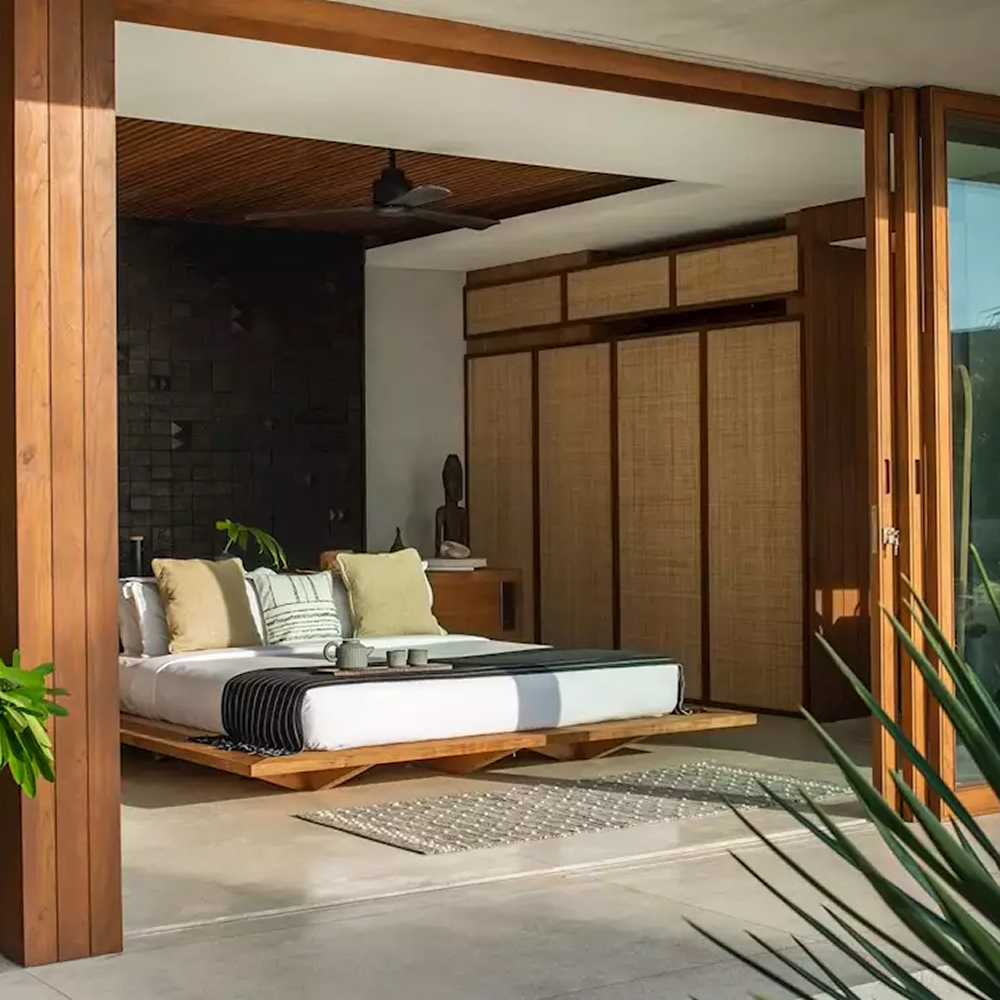
Sensitive architecture reinforces identity without dominance. Coqui Coqui Valladolid in Mexico reveals how limestone, vegetation, and open-air courtyards express regional character. The design relies on light, air, and texture, creating harmony with both time and weather. Such restraint allows authenticity to surface naturally. Buildings feel inevitable, as if they have grown from the landscape itself.
Sustainability as a quiet standard
The most thoughtful rural projects integrate sustainability as part of beauty. Domaine de Primard in Normandy focuses on biodiversity, energy balance, and water management without visual statement. Guests experience harmony through air quality, organic food, and silence. Sustainability here is invisible, embedded in comfort rather than displayed. The property's calm presence communicates care more effectively than any message.
Craft and community as a new measure of value
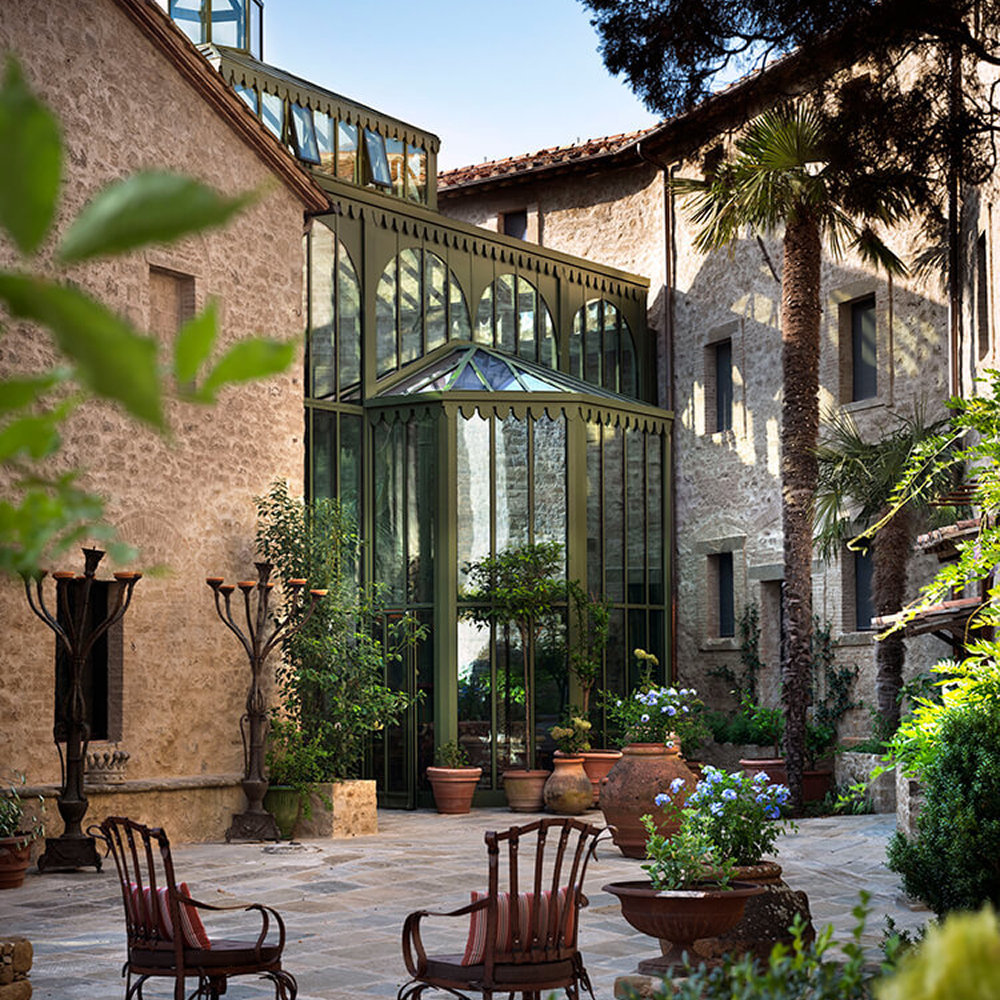
Craft transforms rural hospitality into cultural continuity. Artisanship connects architecture, food, and atmosphere into a cohesive experience. When local makers contribute to design, guests perceive coherence and respect. Castello di Reschio in Umbria demonstrates this integration through handmade furniture, restored farmhouses, and in-house workshops. The result feels both ancient and contemporary, anchored in skill and patience.
Human presence as luxury
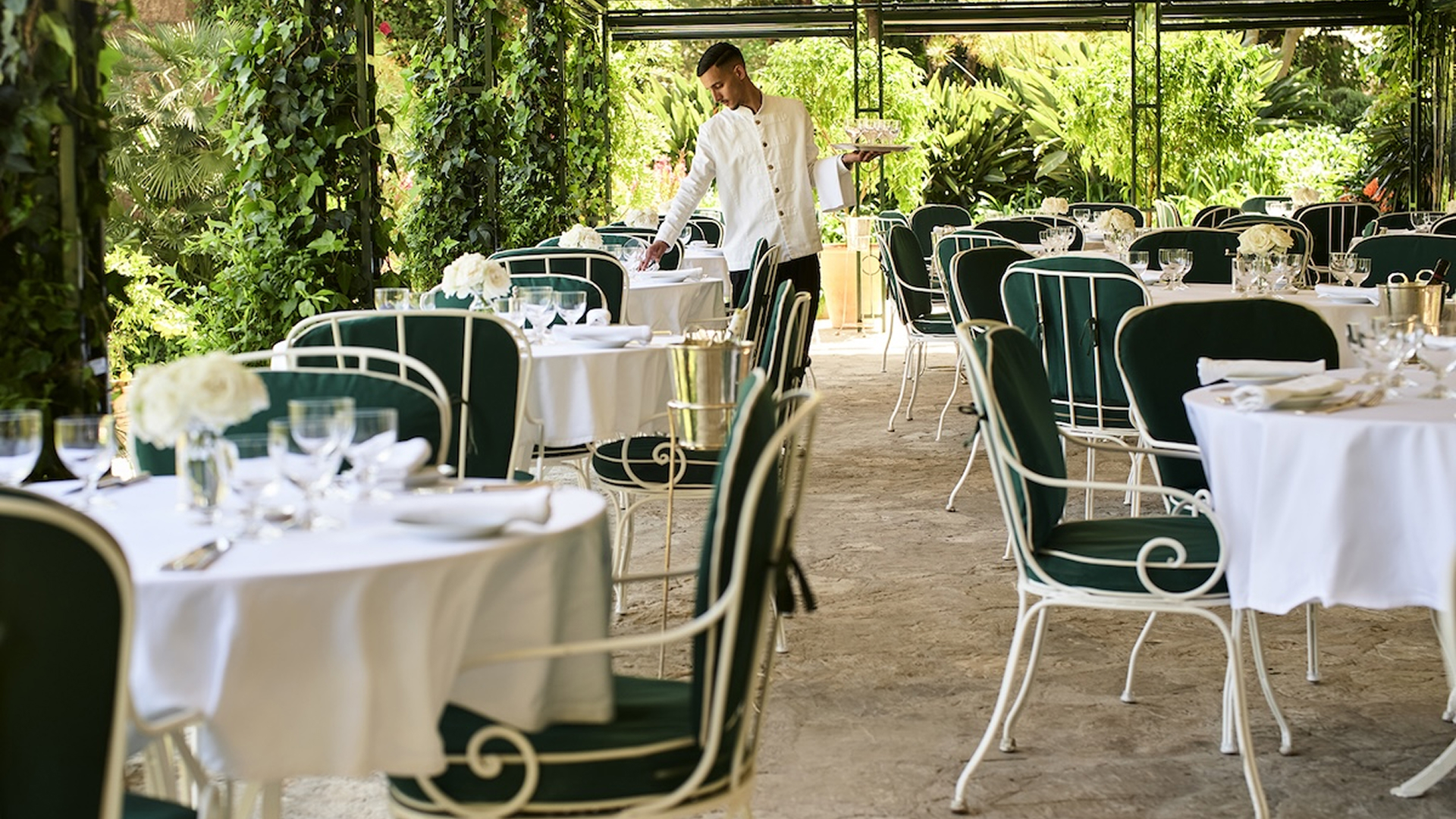
The relationship between host and guest gains depth in smaller, independent properties. AtLe Moulin des Etangs, interaction feels personal, rhythm follows nature, and hospitality mirrors sincerity. Service acts as accompaniment, not performance. The emotional impact grows from kindness and attention, turning simplicity into distinction.
The grounded elegance of restraint
This new generation of countryside hotels reveals that restraint is the truest form of sophistication. Silence, texture, and light build stories more powerful than display. The beauty of calm environments lies in their ability to restore equilibrium. Rural luxury does not imitate the city; it cultivates the art of slowness, precision, and depth. Epikure supports hotels that embody this philosophy, aligning design, strategy, and storytelling with the language of serenity. Contact us to express calm as your signature.