How community begins with emotional design
Building community is not a matter of scale, but of intentionality. It starts with the ability to create environments, experiences and rhythms that resonate deeply and invite long-term connection beyond the transactional.
The power of embedded rituals
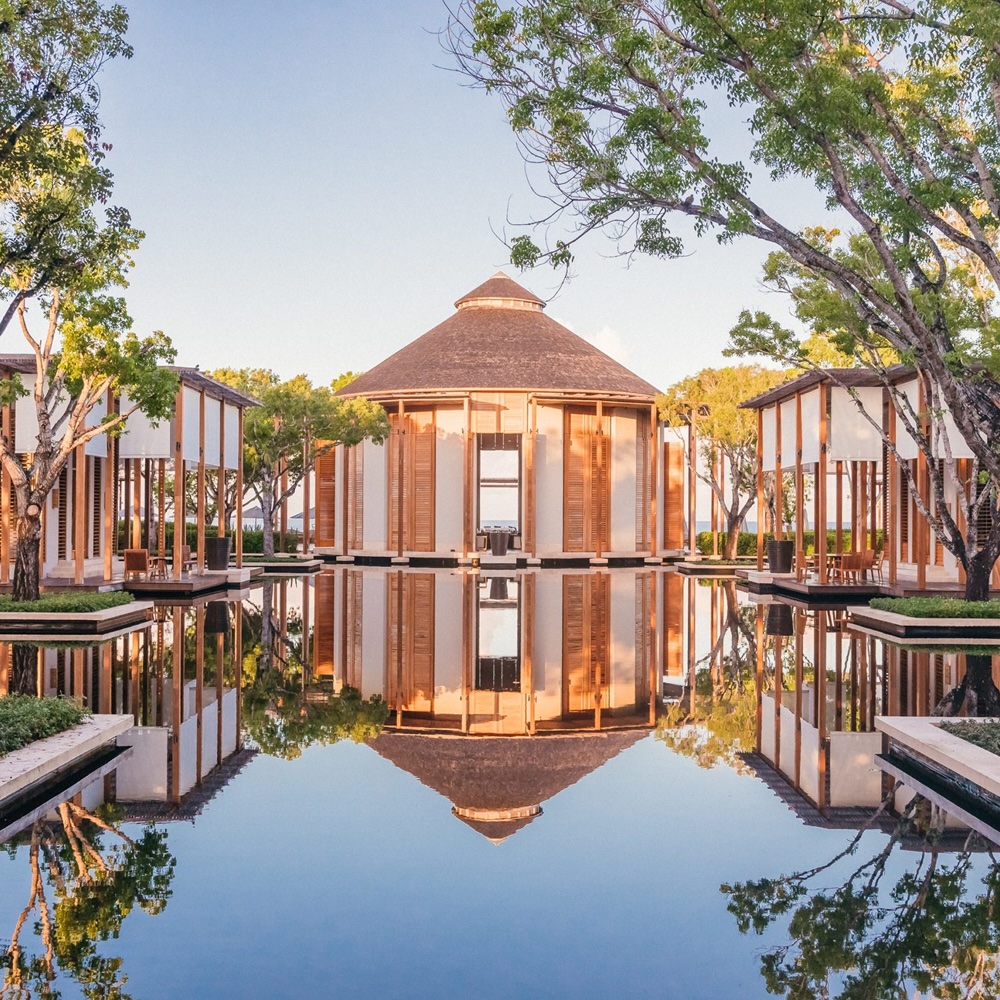
In many of today's most respected hospitality brands, rituals are designed to shape the rhythm of the stay and anchor emotion. Aman integrates practices such as morning offerings, twilight soundscapes and candlelit ceremonies that mark time and build memory. These rituals become personal moments for the guest, but also shared cultural touchstones that connect individuals across properties.
Symbols that reflect identity through design
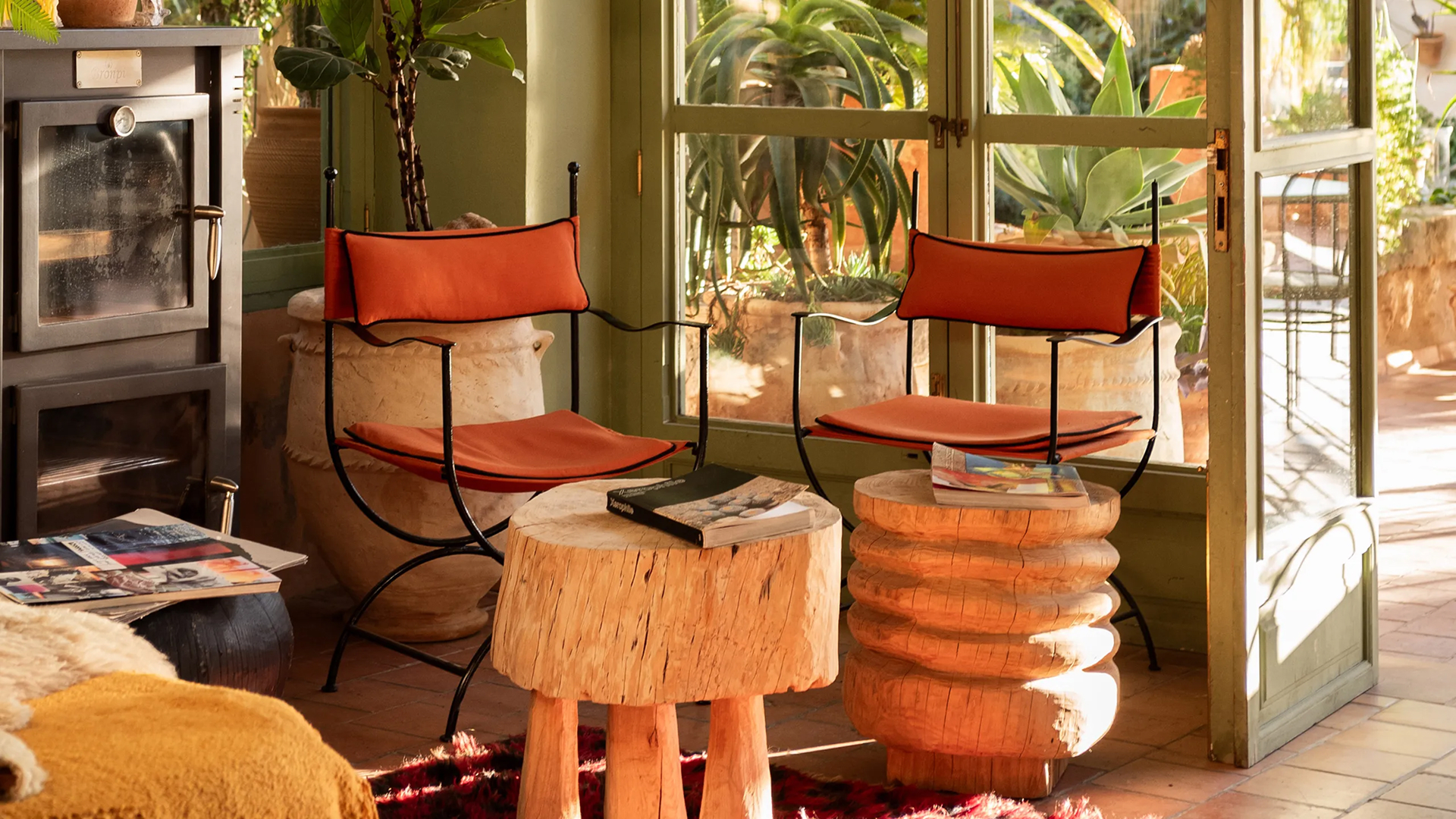
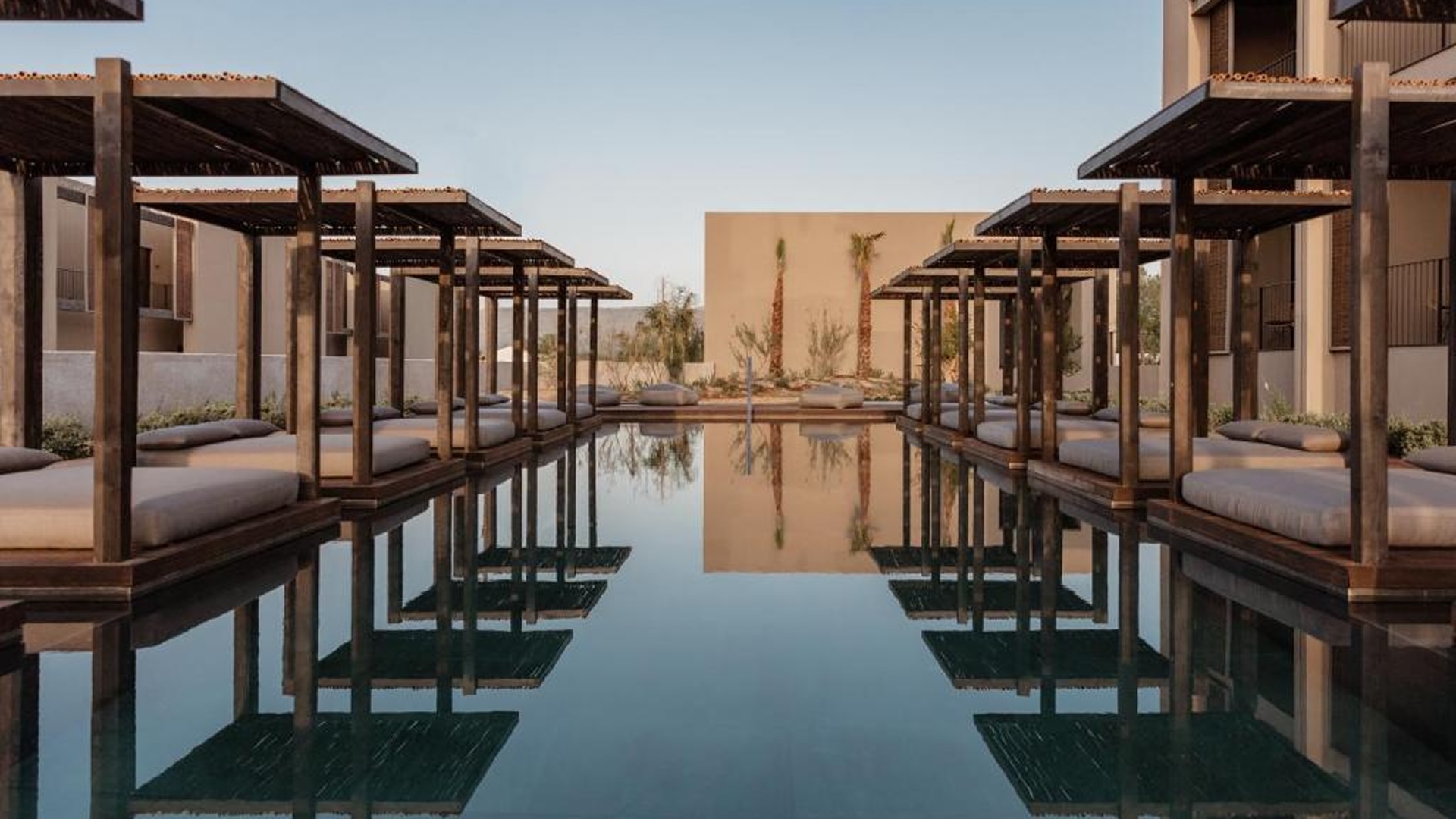
Brand language does not only come from logos or copywriting. It emerges from textures, palettes, materials and sensibilities that quietly communicate a worldview. Casa Cook, with its laid-back minimalism and curated informality, offers a lifestyle proposition that resonates with a creative, mindful audience. Guests feel aligned with a broader community before they even arrive.
How loyalty becomes a platform for participation
True community thrives when hospitality brands create structures that allow for recurring engagement, personal contribution and mutual recognition. Loyalty evolves into something dynamic, where value is measured through relationship, not only through repeat business.
Private experiences designed for alignment
Some brands are exploring the potential of member-based ecosystems, where the guest feels part of a curated, living environment rather than a generic program. Maison Villeroy cultivates proximity through its private salons, bespoke services and discreet concierge culture. The relationship is built through continuity, discretion and shared taste, creating a form of emotional membership.
Digital channels that sustain conversation
Communities that remain active outside the walls of a property often have access to ongoing content, thoughtful curation and peer interaction. August develops its community across multiple layers, from private recommendations to seasonal journals, allowing each guest to re-enter the brand narrative throughout the year, even when travel is not immediately planned.

How advocacy emerges through alignment and meaning
When a guest begins to identify with a brand on a personal level, their attachment often turns into spontaneous advocacy. This advocacy grows stronger when guests feel that their presence adds value to the brand and when the brand itself becomes a mirror of their ideals.
Storytelling that invites resonance
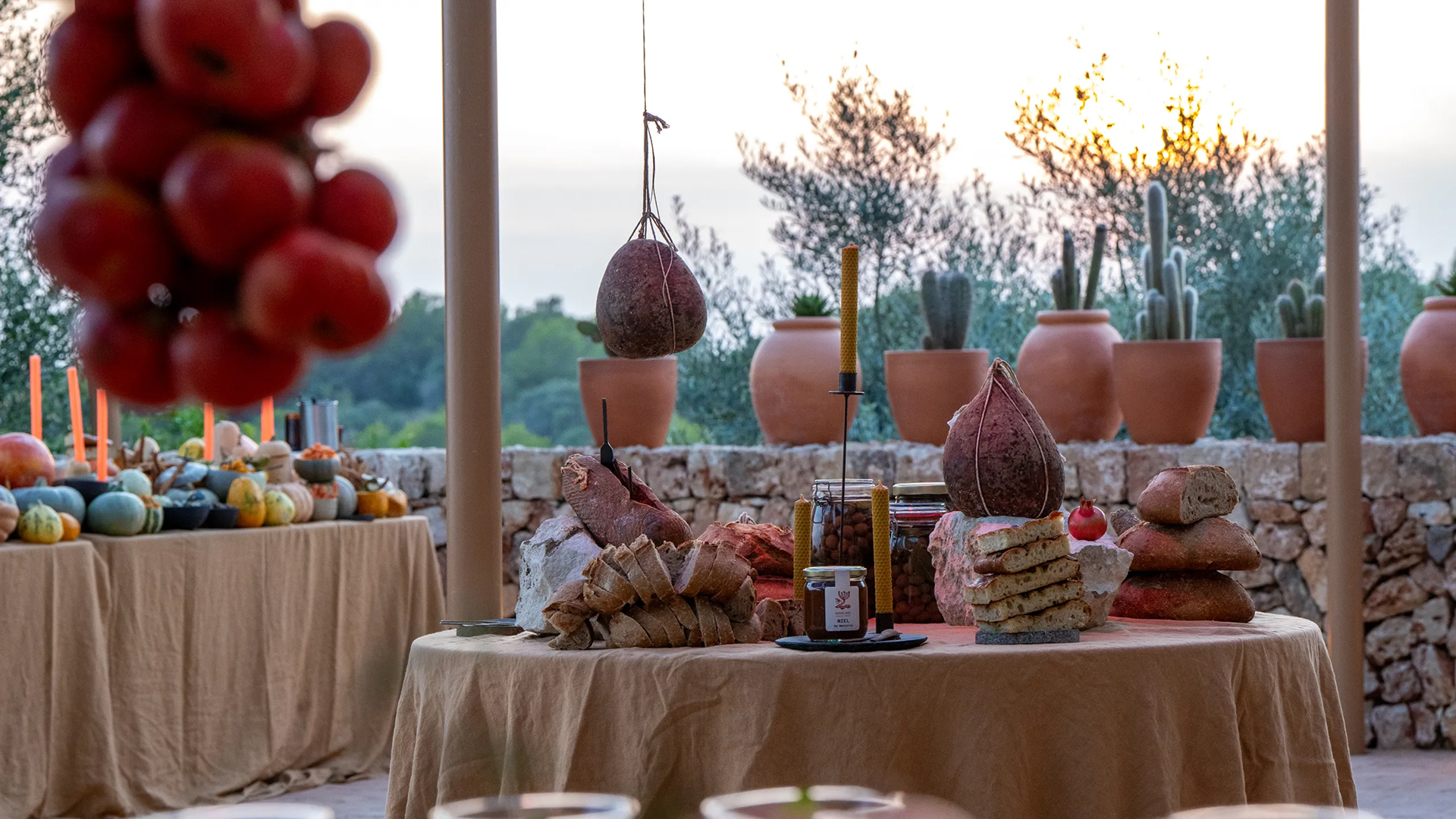
Brands that express something meaningful about place, purpose and presence tend to activate guest voices more organically. La Granja Ibiza blends regenerative agriculture, architectural restraint and communal meals into a narrative that inspires sharing not through design spectacle, but through coherence and values. Guests bring this story into their networks, adding to it with their own lens.
Community as a growth architecture
Rather than relying solely on paid acquisition or seasonal campaigns, some hospitality brands now cultivate communities as an ongoing engine of growth, trust and differentiation. This shift transforms the brand from a static offering into a living experience, one that is shaped continuously by the people who engage with it, return to it and carry its essence with them.