Proportion as emotional alignment
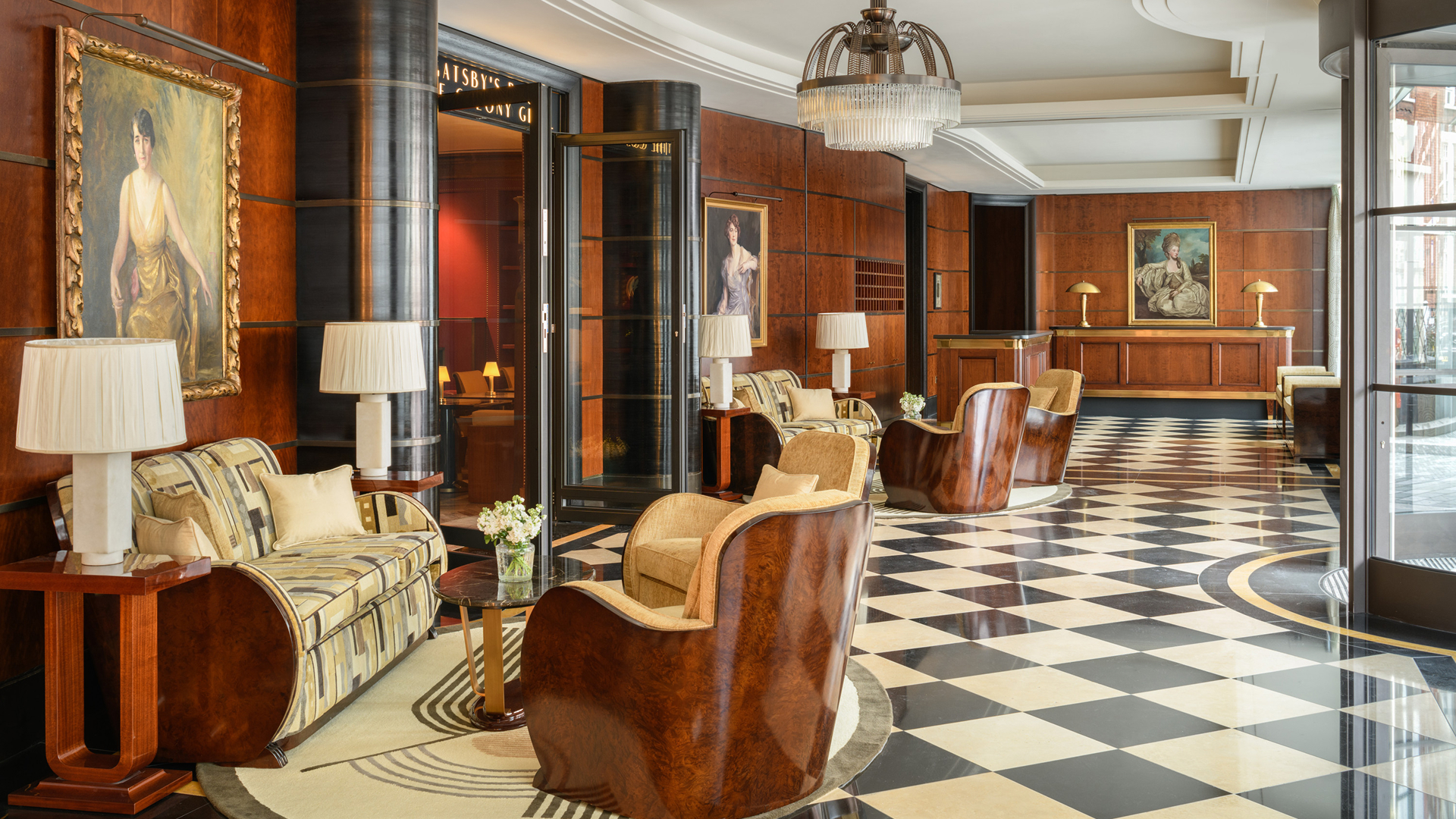
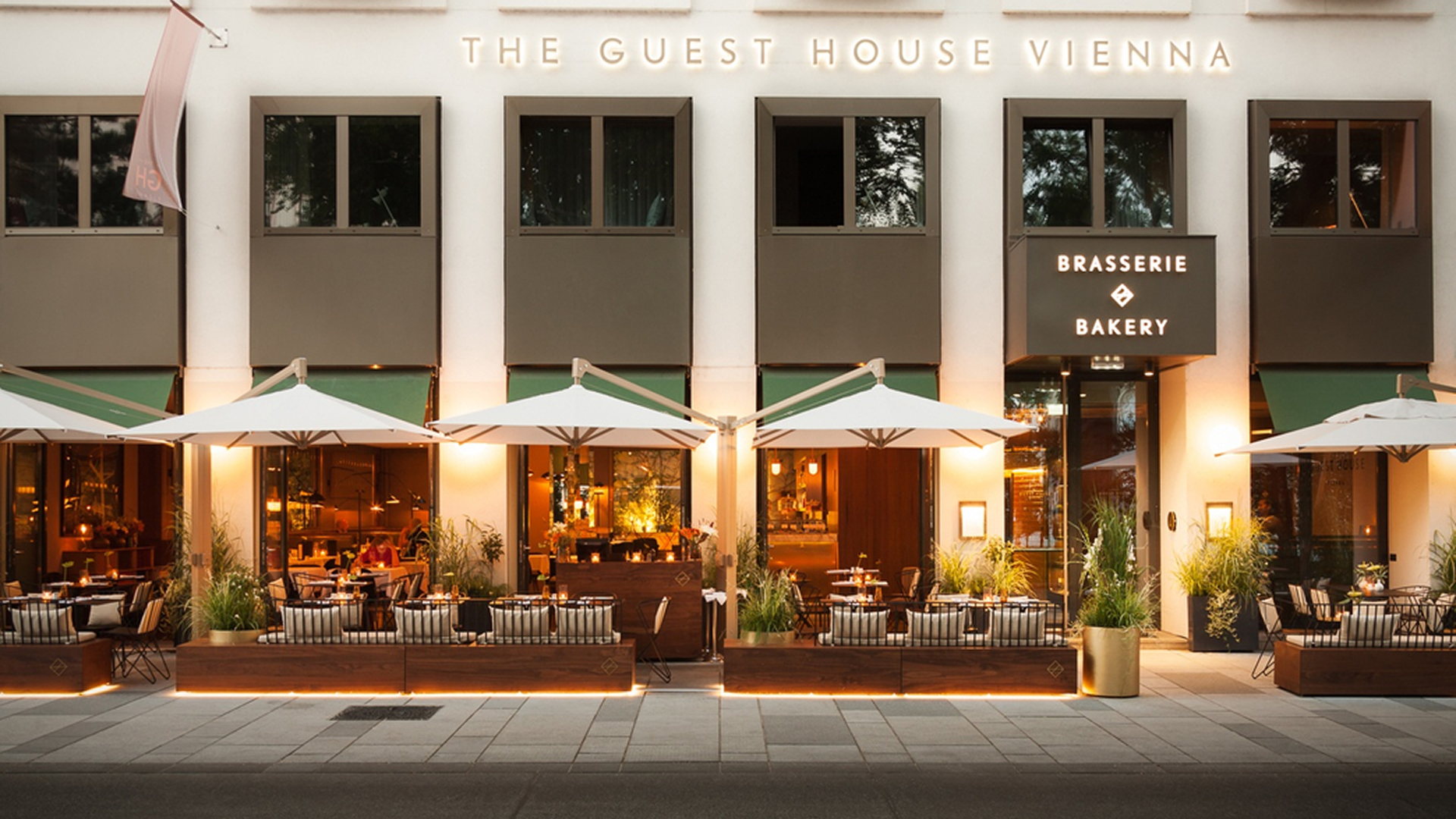
You respond to proportion before decoration. Ceiling height, distance between elements, and visual balance influence how your body reacts to space. When dimensions feel measured, you settle naturally. The Guesthouse Vienna demonstrates this approach through calm geometry and controlled scale. Rooms feel generous without excess. Circulation reads clearly. You understand the space immediately and move through it without effort. Proportion supports comfort by guiding your behaviour quietly from arrival to rest.
This discipline starts early in a project. Architectural proportion shapes operational flow, service timing, and perception at the same time. When proportion aligns with function, the experience feels intuitive rather than imposed.
Rhythm and orientation
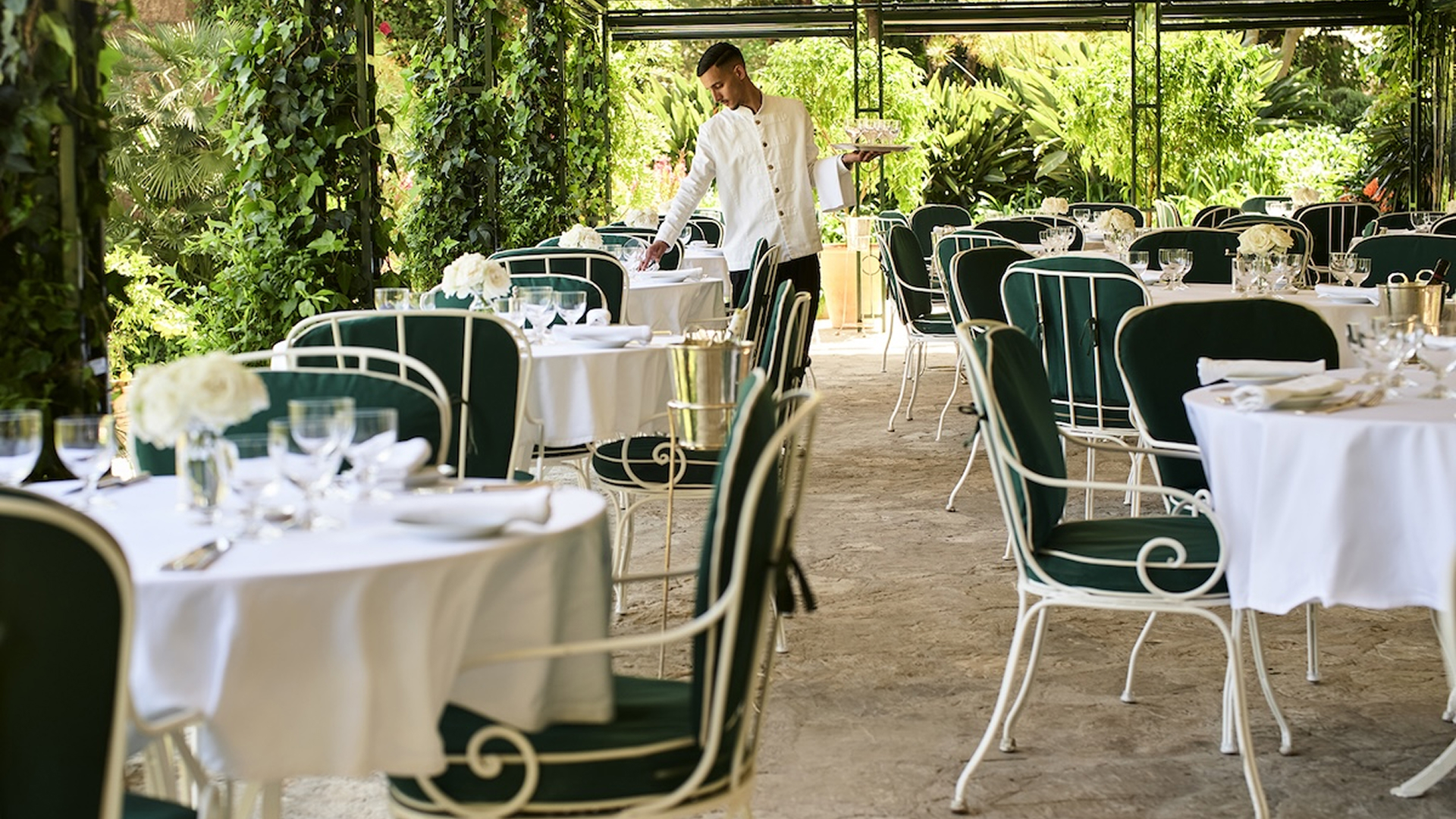
Belonging strengthens when movement feels obvious. You should never question where to go next. Lanserhof Lans in Austria achieves this through consistent spatial sequencing and clear orientation toward light. Wellness, dining, and accommodation connect through visual cues rather than signage. Each transition feels expected. You move through the property with confidence because rhythm follows your own pace.
This logic extends beyond physical space. The same clarity must guide service design and digital structure. When spatial flow and online navigation reflect the same intent, trust builds across every touchpoint.
Balance between privacy and connection
You feel at home when you control your level of interaction. Maison La Minervetta in Sorrento balances this through layered spaces that support both retreat and presence. Private rooms remain protected while shared areas invite connection through openness and light. You choose when to engage and when to withdraw. This freedom reinforces comfort and respect.
Designing this balance requires alignment between architecture and operations. Service rhythms must adapt to spatial intent. When design supports both solitude and encounter, hospitality feels natural rather than managed.
Materials as emotional memory
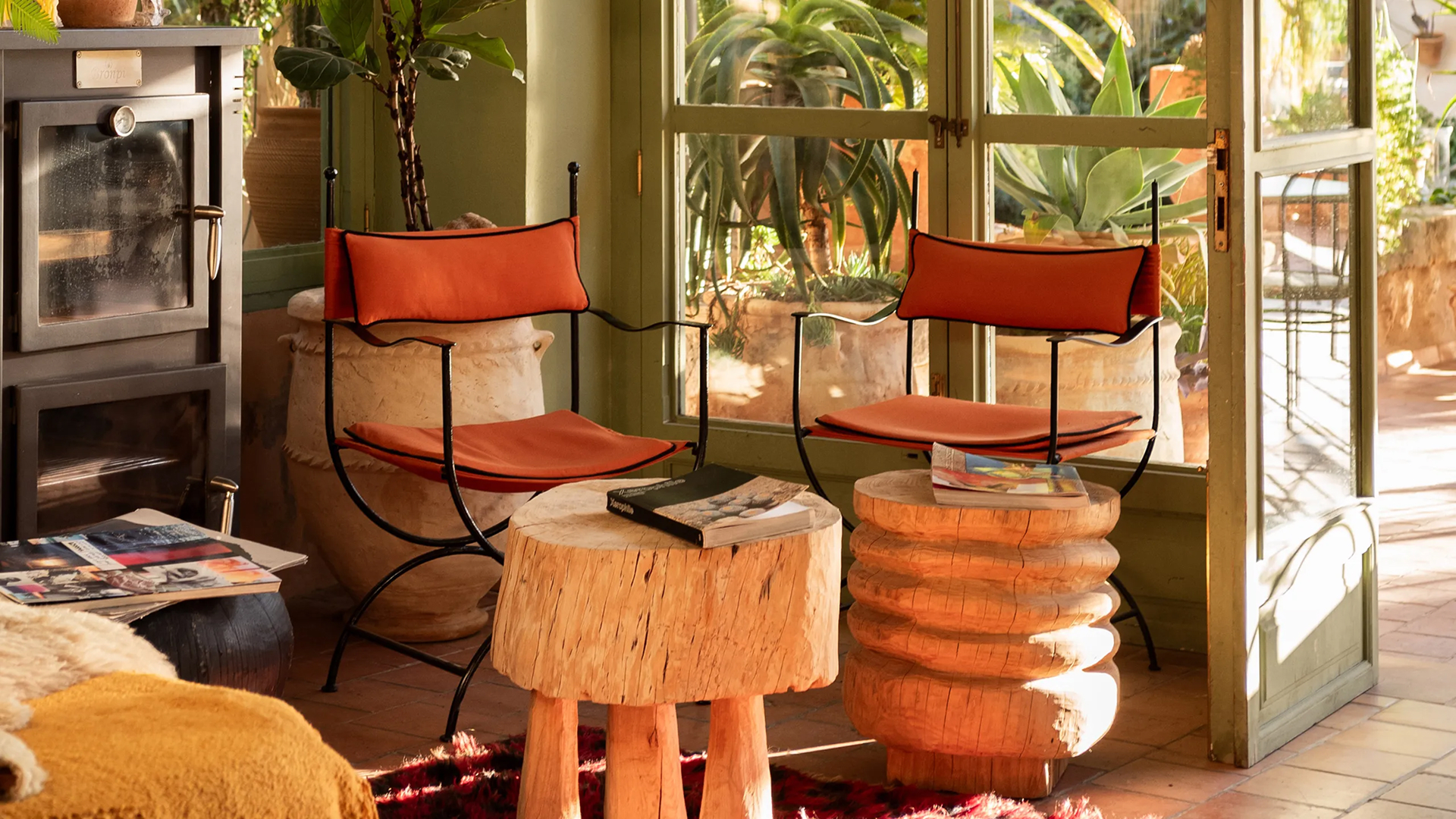
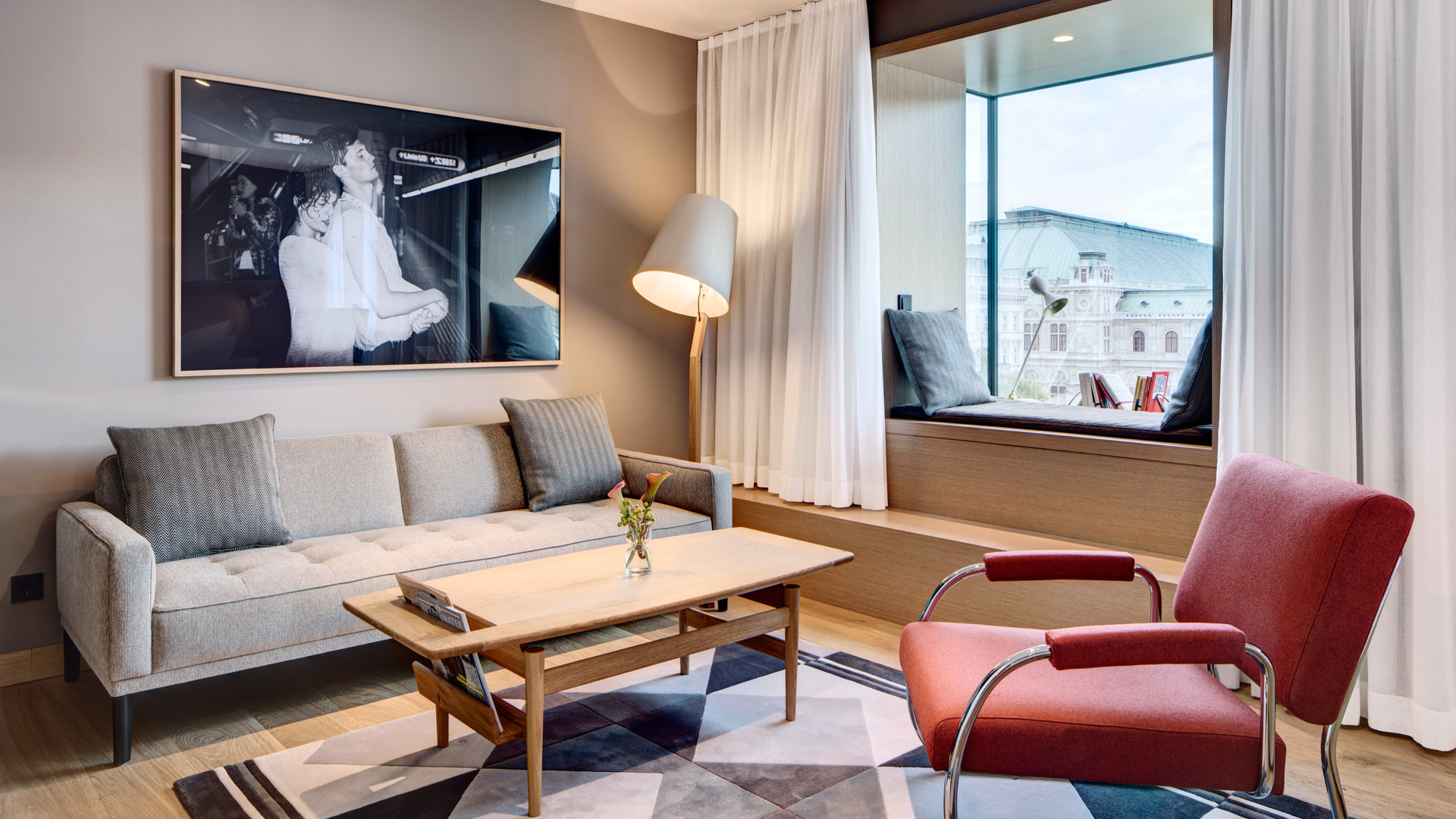
You read materials before you read words. Texture, temperature, and scent influence perception instantly. Castello di Reschio expresses belonging through material continuity rooted in place. Stone, wood, and plaster follow a coherent logic across interiors and exteriors. You sense alignment between history and comfort. Material honesty supports trust because every surface feels considered rather than decorative.
Material strategy also shapes brand expression. When architecture, interiors, and digital visuals follow the same material language, recognition starts before arrival. Belonging begins online and confirms itself on site.
Texture and light
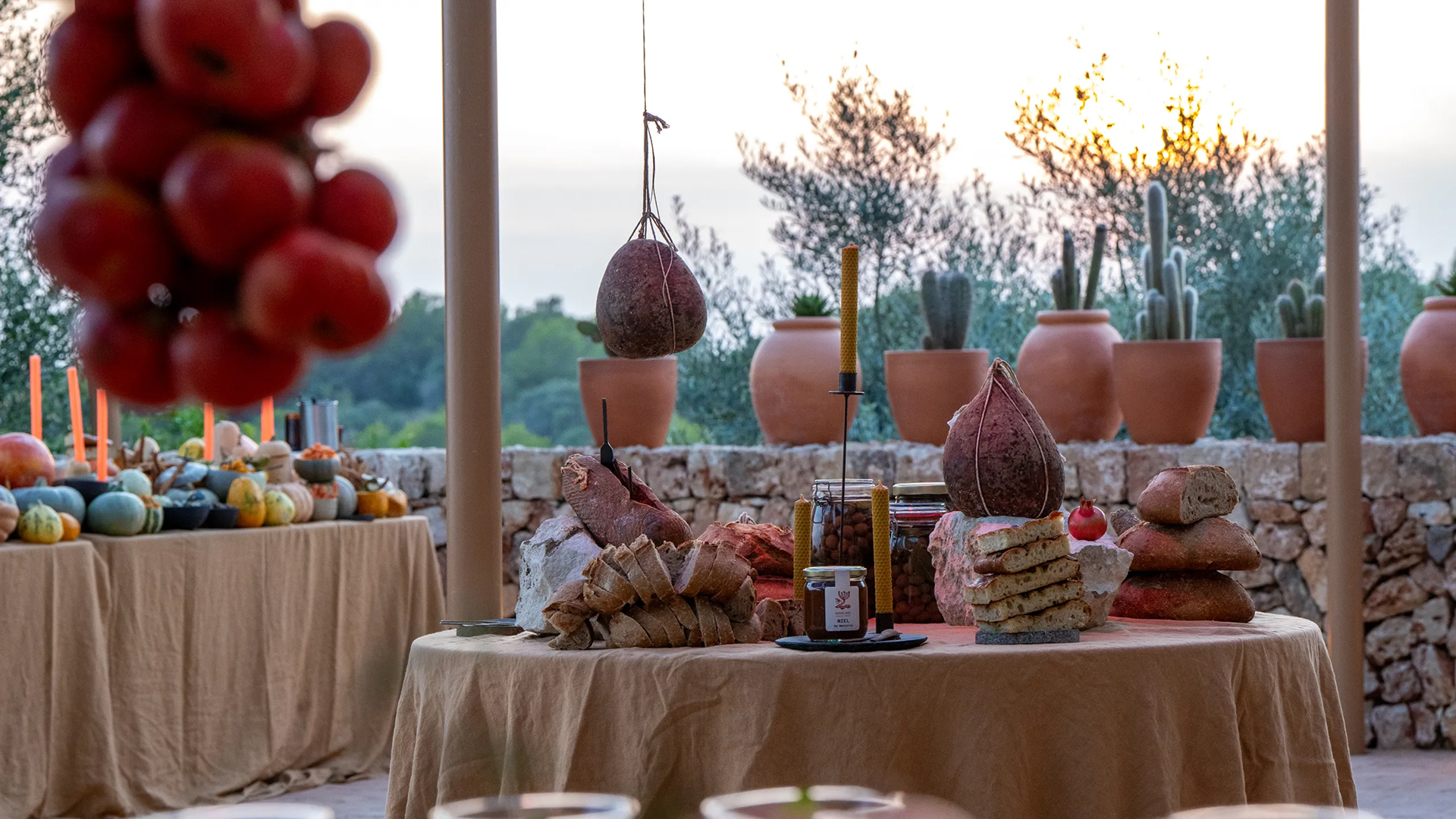
Light defines how materials register emotionally. Hotel Il Pellicano uses natural light to soften surfaces and reduce contrast. Linen, stone, and muted finishes absorb brightness evenly. You perceive warmth through balance rather than effect. This sensory coherence supports calm because nothing competes for attention.
This attention must extend to visual communication. Photography, colour grading, and layout should respect the same restraint. When digital expression mirrors physical atmosphere, perception stays aligned.
Craft and discretion
Belonging grows through detail that never asks for attention. Les Sources de Cheverny applies this principle through discreet craftsmanship. Fixtures, fabrics, and furniture follow one logic. Each element feels intentional without emphasis. You perceive care through harmony. Discretion becomes a marker of quality because nothing disrupts coherence.
Such precision requires coordination across teams. Design direction, operational standards, and brand expression must follow the same rules. When alignment holds, the experience feels complete.
Hospitality as a coherent system
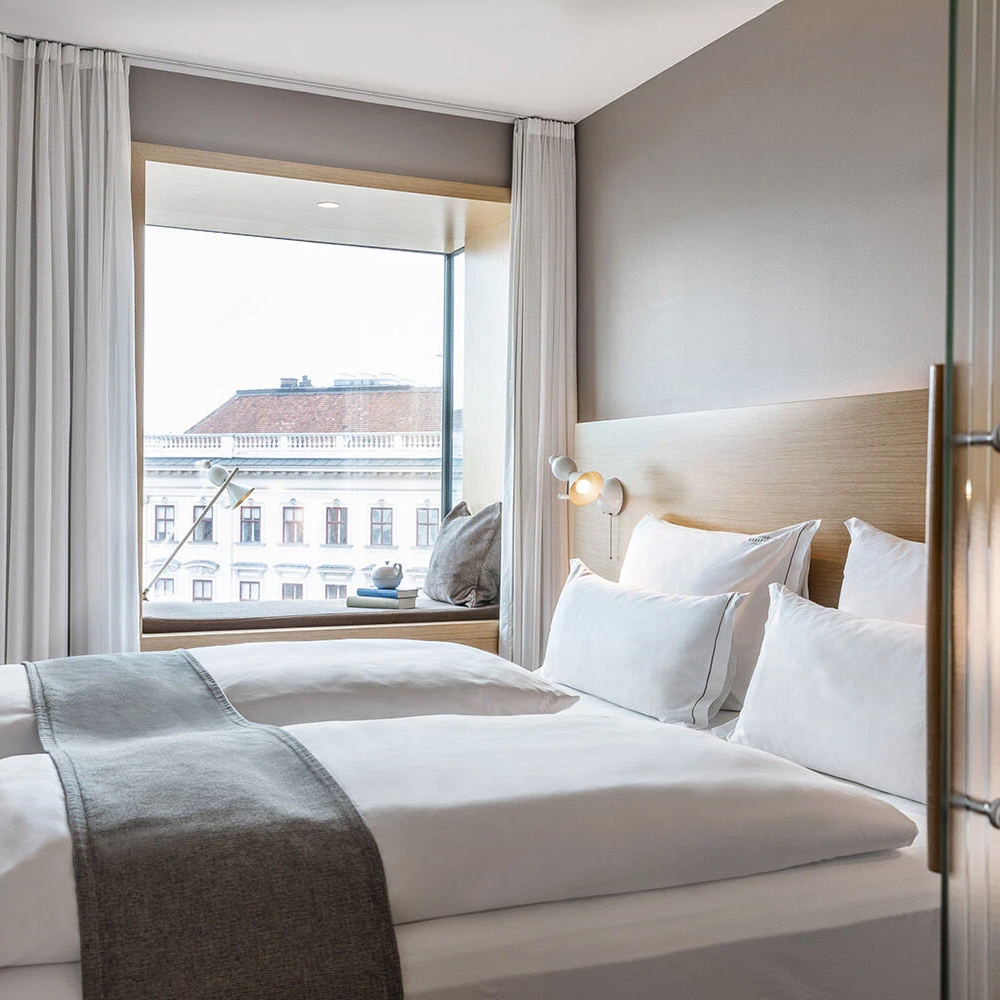
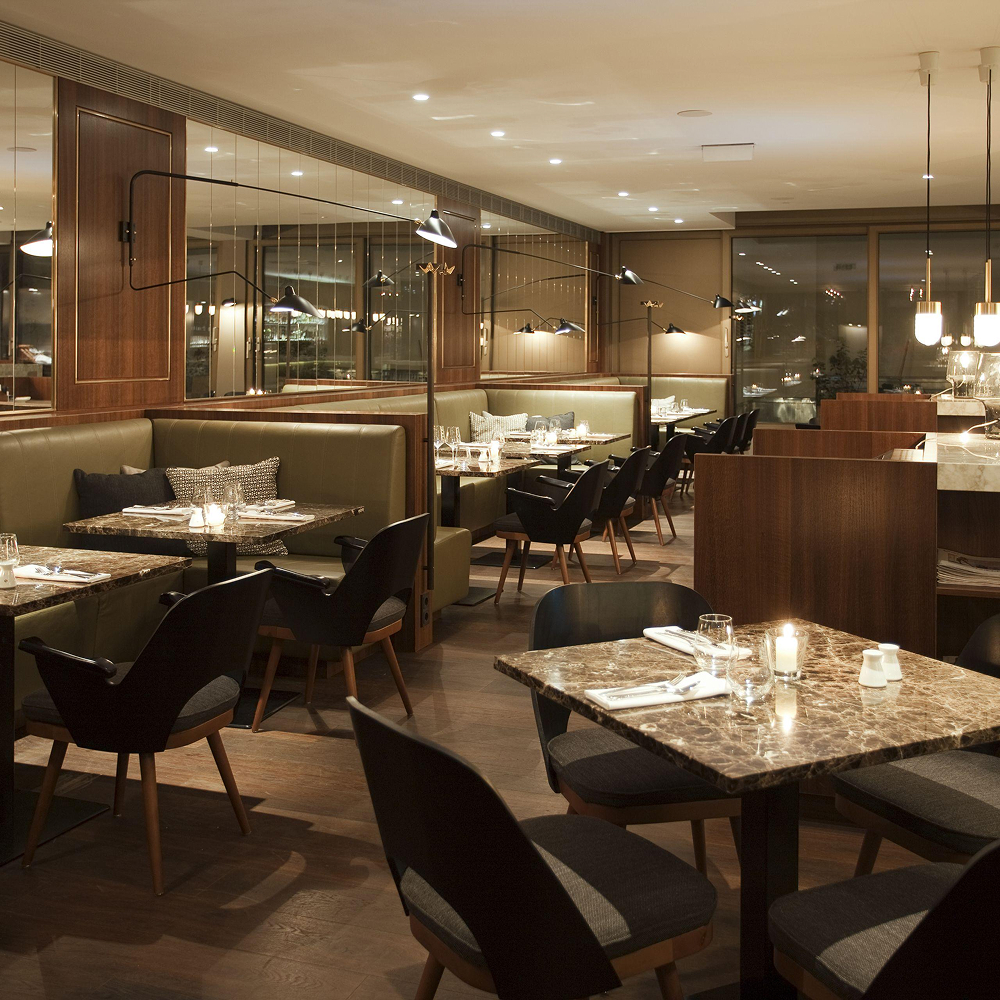
You feel belonging when architecture, service design, and digital presence support the same intention. Villa La Coste demonstrates this coherence across landscape, interiors, and guest experience. Art, space, and service interact without friction. You sense continuity rather than layers because each decision follows the same logic.
This coherence results from three aligned services. Strategic positioning defines what the place stands for and how it should feel. Experience and service design translate this intent into daily interactions and operational flow. Digital and visual expression sets expectations before arrival and confirms them on site. When these three layers align, belonging follows naturally.
You build belonging when strategy, experience, and digital expression work as one system. Epikure supports hospitality brands across these three services to align intention, experience, and perception into a coherent identity.