Precision as structure for perception
Precision shapes atmosphere, rhythm, and credibility. Aman Kyoto illustrates how spatial intelligence defines serenity. Paths move through forest in measured sequence, and structures balance geometry with silence. Every angle and reflection feels intentional, guiding the body and mind with the same quiet authority. The repetition of forms gives meaning to simplicity. This is not aesthetic restraint but operational discipline translated into architecture. Guests feel harmony because proportion, sound, and movement share one language that of care expressed through order.
Proportion as foundation for trust
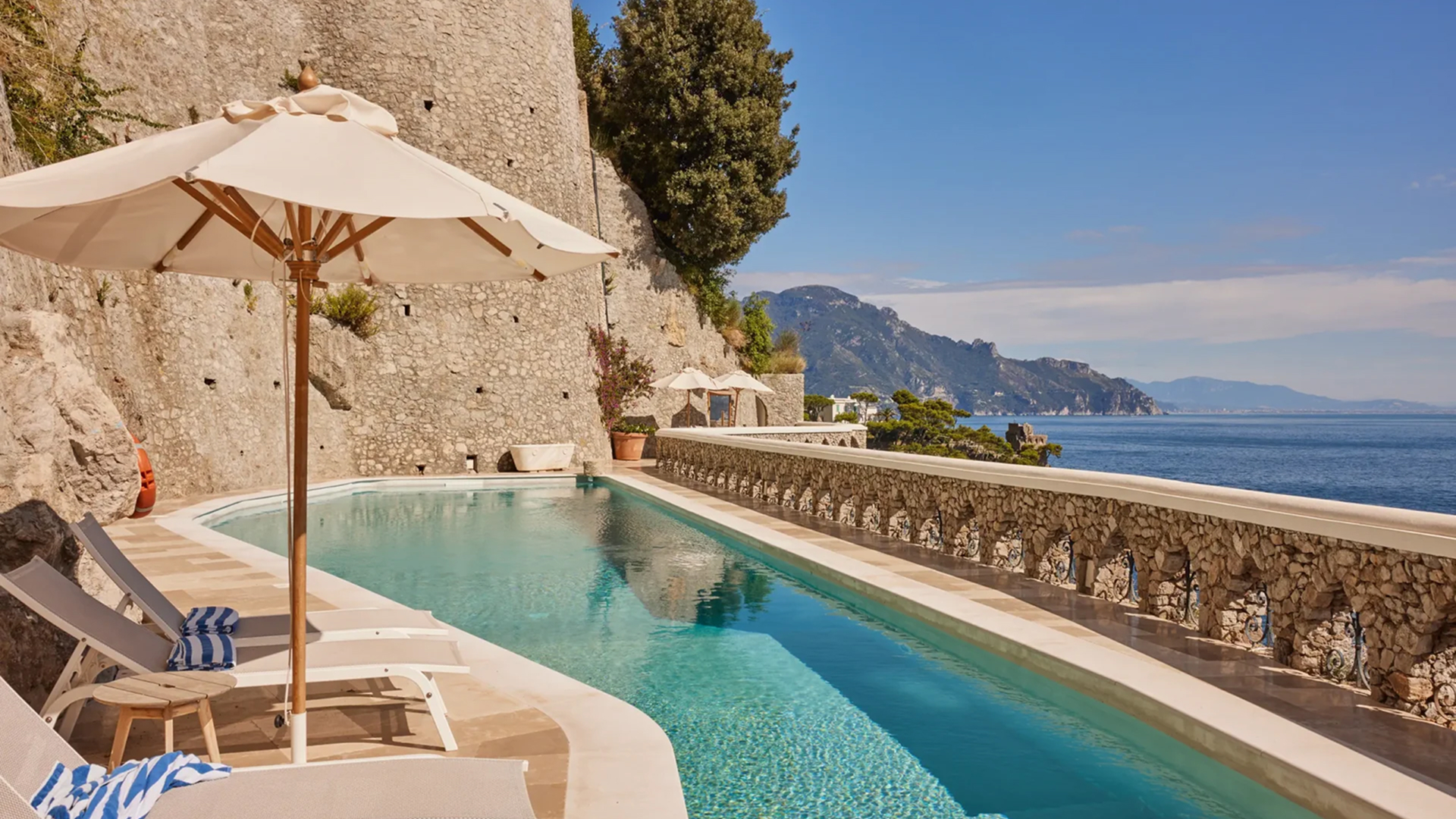
Proportion governs the relationship between guest and space. Passalacqua on Lake Como translates its heritage into precision. Restoration followed original symmetry, maintaining the exact balance between structure and ornament. Each door, mirror, and stair follows rhythm rather than decoration. Guests sense generosity through scale that never overwhelms. The geometry creates comfort because nothing feels random. The property's balance between intimacy and grandeur reflects a brand philosophy rooted in control and authenticity. Proportion becomes emotional architecture, expressing stability that defines long-term trust.
Rhythm as translation of care
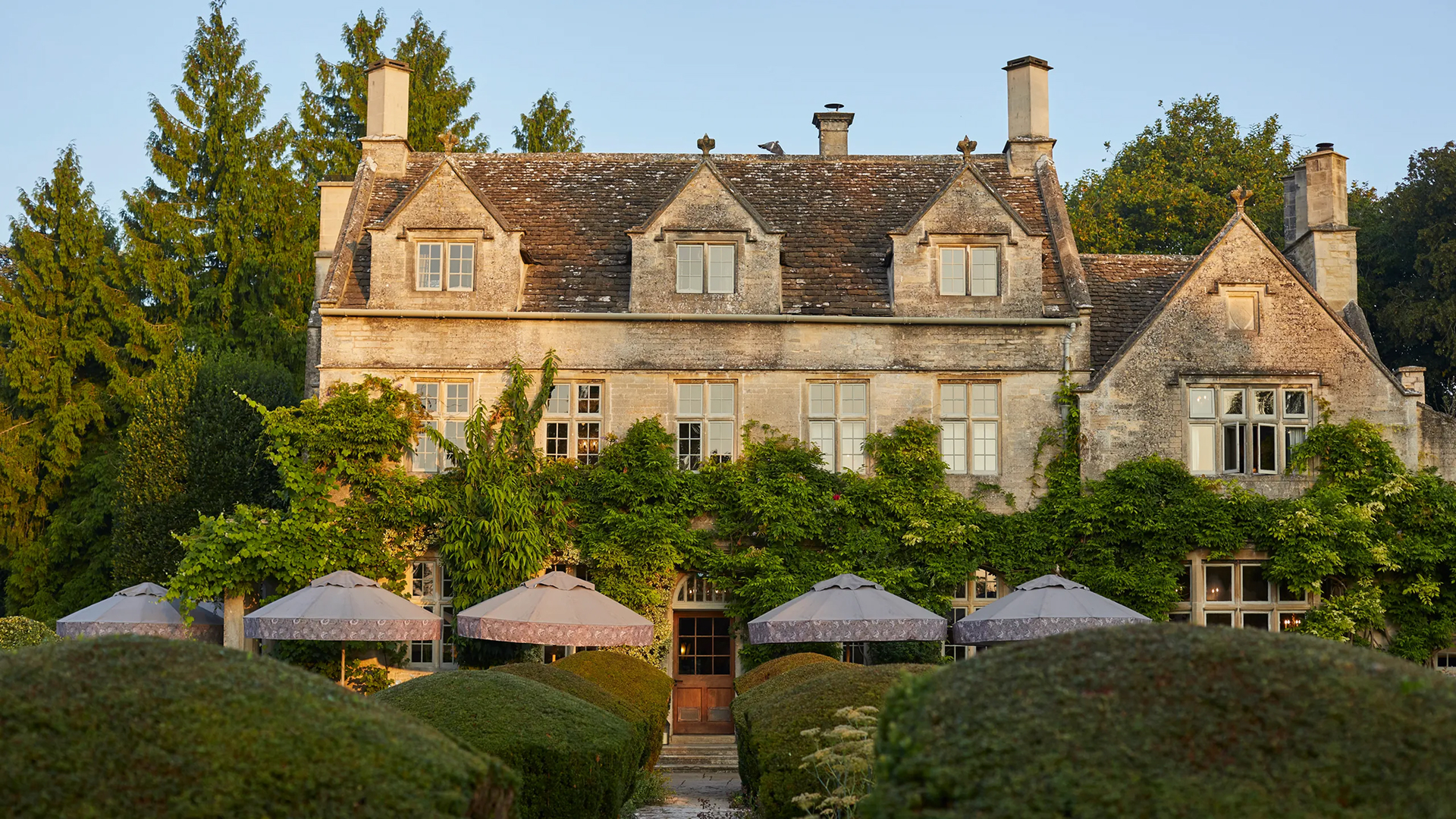
Rhythm creates continuity between design and experience. Estelle Manor in Oxfordshire uses rhythm to guide perception. Furniture, texture, and lighting evolve gradually from one space to another. Sound softens naturally, and light diffuses with consistency. Guests move without interruption or confusion, as though the building anticipates their pace. Each passage feels composed, every moment measured. The rhythm of transitions reinforces the brand's tone, confident, structured, and attentive. This alignment transforms architecture into a sensory system that communicates precision through movement.

Service as choreography of precision
Operational precision defines hospitality more than ornament. The Peninsula Paris shows how timing, silence, and consistency generate emotional comfort. Every guest interaction follows order and rhythm. Doors open at the right moment, service unfolds without delay, and every request finds an immediate, balanced response. This coordination reflects months of training and shared values across teams. Guests perceive excellence through seamless continuity, never through display. Precision builds reassurance by replacing unpredictability with confidence, showing that control is the most elegant form of attention.
Language as operational structure
Precision extends to tone. The Newt in Somerset demonstrates how language consistency shapes perception. Every text, from signage to emails, follows a clear voice : informative, measured, and sincere. The rhythm of writing matches the rhythm of the stay. The same restraint present in architecture defines communication, creating harmony across touchpoints. Guests read and listen with ease because tone stays constant. Precision in language reinforces brand maturity and proves that hospitality excellence depends as much on words as on design.
Maintenance as continuous discipline
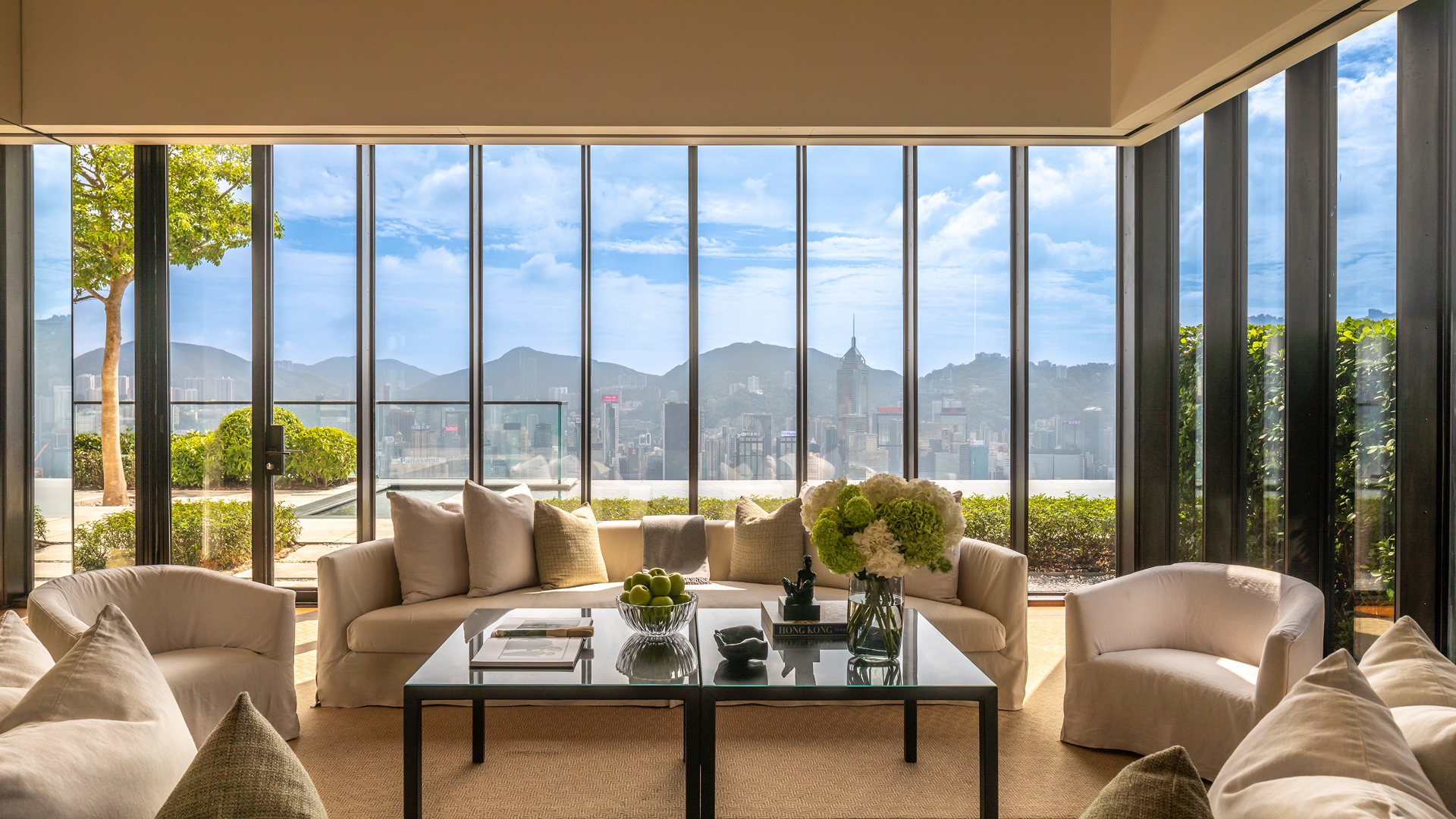
Maintenance defines continuity more than construction. Rosewood Hong Kong treats daily upkeep as a creative process. Teams move with accuracy and awareness, preserving the property's tone over time. Surfaces, fixtures, and textures remain aligned because each adjustment follows a defined method. The atmosphere never varies because maintenance becomes culture. Guests perceive stability through repetition, and each revisit feels identical in comfort and quality. This discipline transforms consistency into emotional assurance and gives precision the power of permanence.


Precision as modern expression of luxury
Modern luxury values coherence over spectacle. The Chedi Muscat expresses this balance through continuous alignment between design, tone, and rhythm. Light, scent, and sound remain measured, forming a steady cadence that defines the guest experience. Every movement within the property feels organized around calm progression. Precision creates predictability, and predictability builds confidence. Over time, repetition becomes identity, proving that refinement grows from constancy rather than novelty.
Precision unites architecture, operations, and communication into a single narrative. Guests sense control without effort and associate the brand with mastery and calm. The intelligence of detail reveals maturity, transforming functional excellence into emotional resonance. Epikure supports properties in translating this precision into long-term value through structure, design, and process. Contact us to align intention, rhythm, and detail across your brand experience.