
Arrival defines the emotional tone immediately
Guests form an opinion within the first minutes of arrival through circulation, sound level, lighting, reception posture, and spatial clarity. These early signals influence how pricing, service quality, and overall positioning will be interpreted during the rest of the stay.
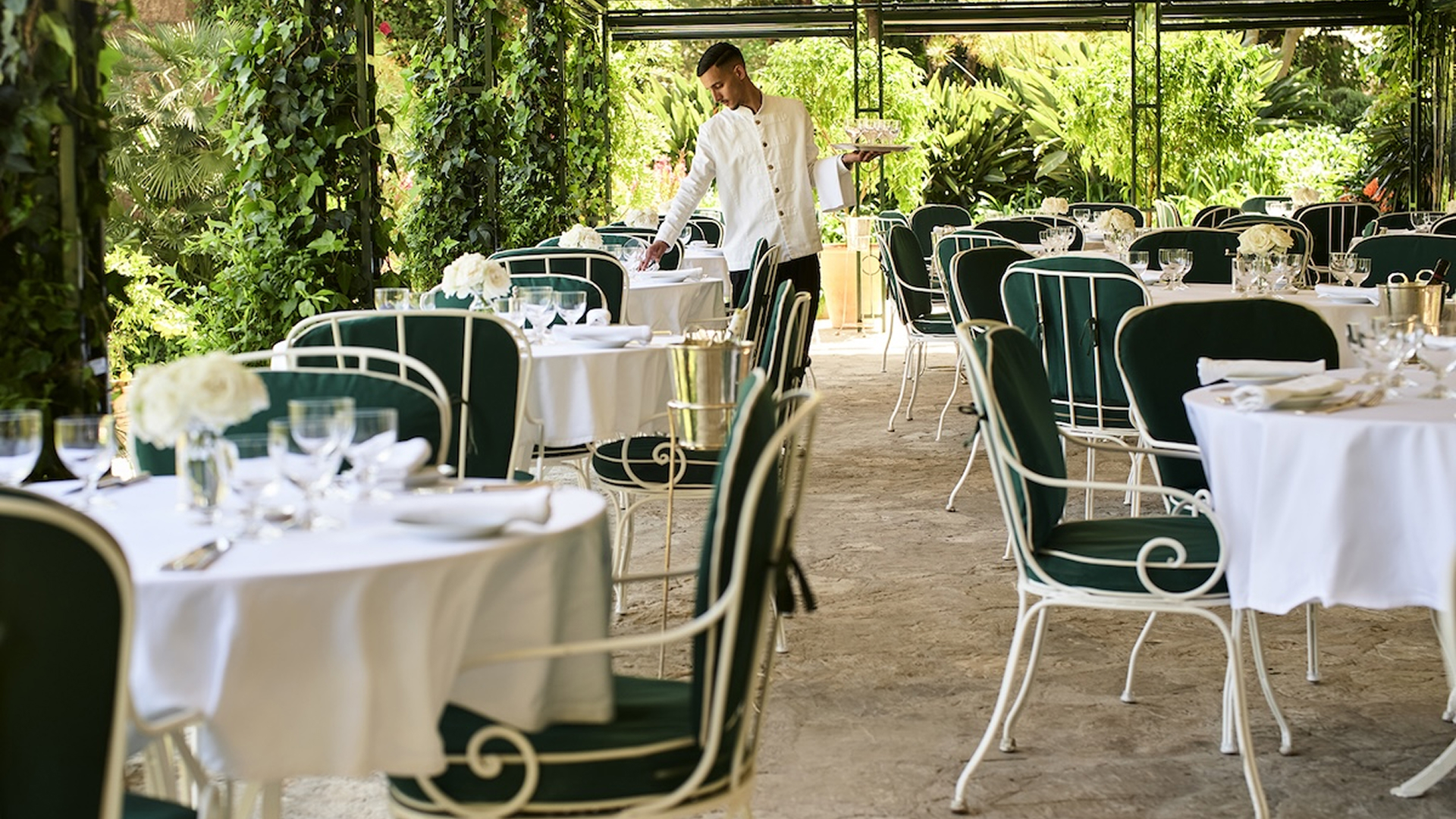
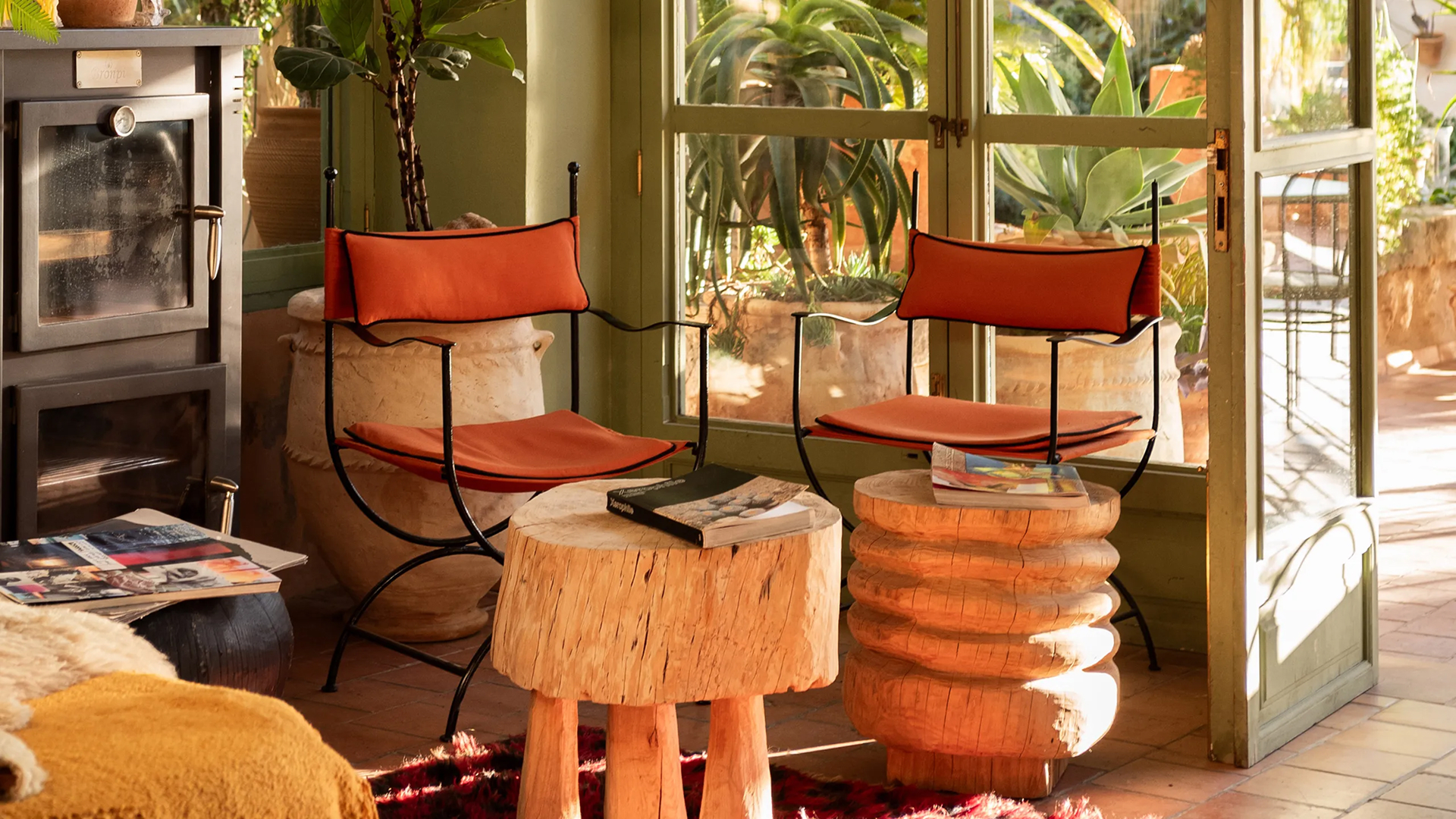
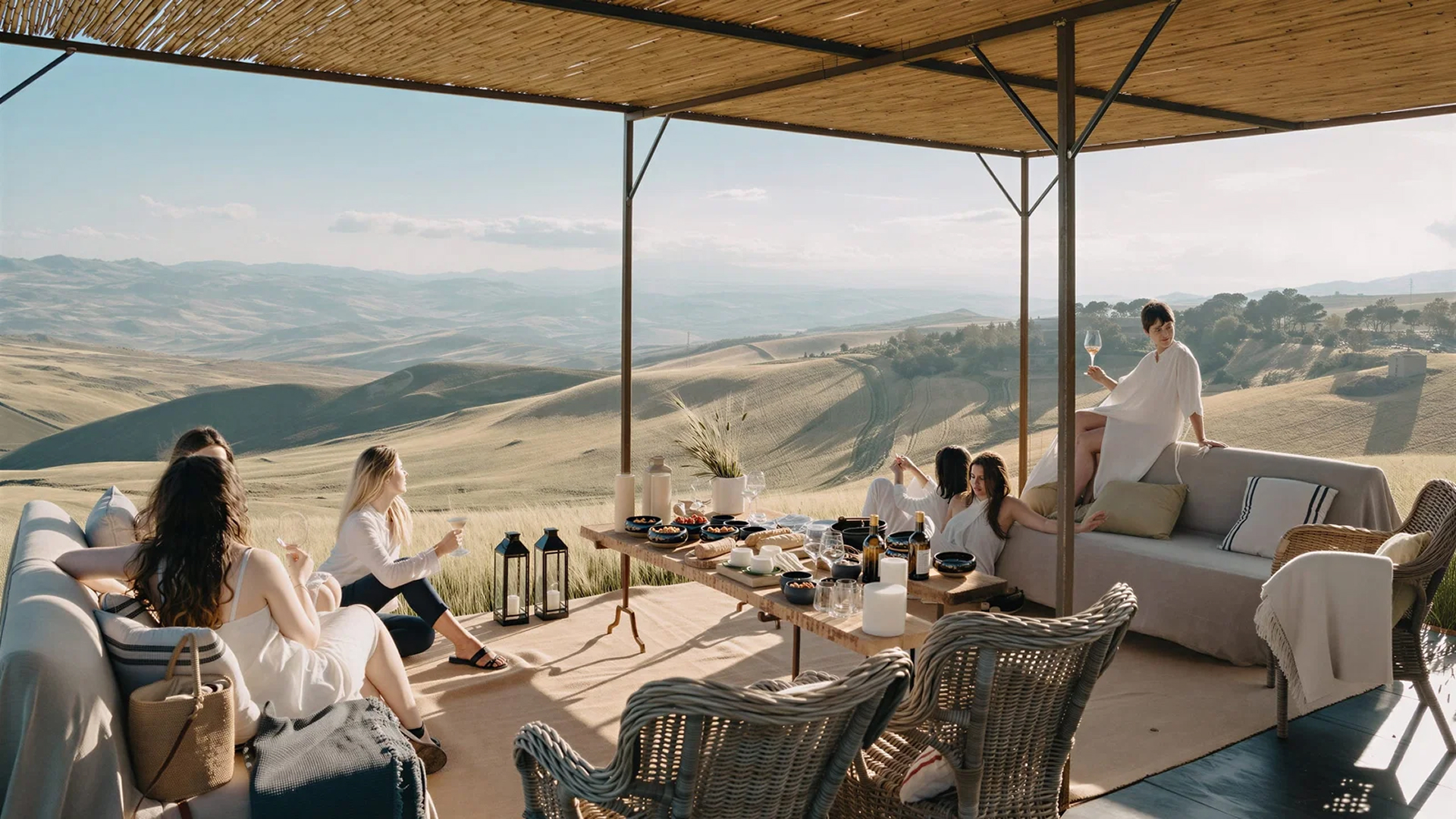
Villa La Coste structures arrival through calm pacing, measured transitions, and visual continuity between landscape and architecture. Reception remains discreet and spatial rhythm stays controlled from the entrance onward. Guests understand the positioning instinctively because the arrival sequence reduces friction and establishes emotional stability immediately.
Guests notice rhythm before decoration
Operational rhythm shapes perception more strongly than decorative details during arrival because guests respond first to how the environment functions rather than to how it looks. Long waiting times, fragmented reception processes, or unclear circulation weaken confidence quickly even inside visually refined environments.
The Newt in Somerset manages arrival through controlled pacing and clear spatial hierarchy that guide guests naturally toward accommodation and shared spaces. Service interaction aligns with architectural calm, reinforcing coherence from the first moments of the experience.
First visual impressions remain durable
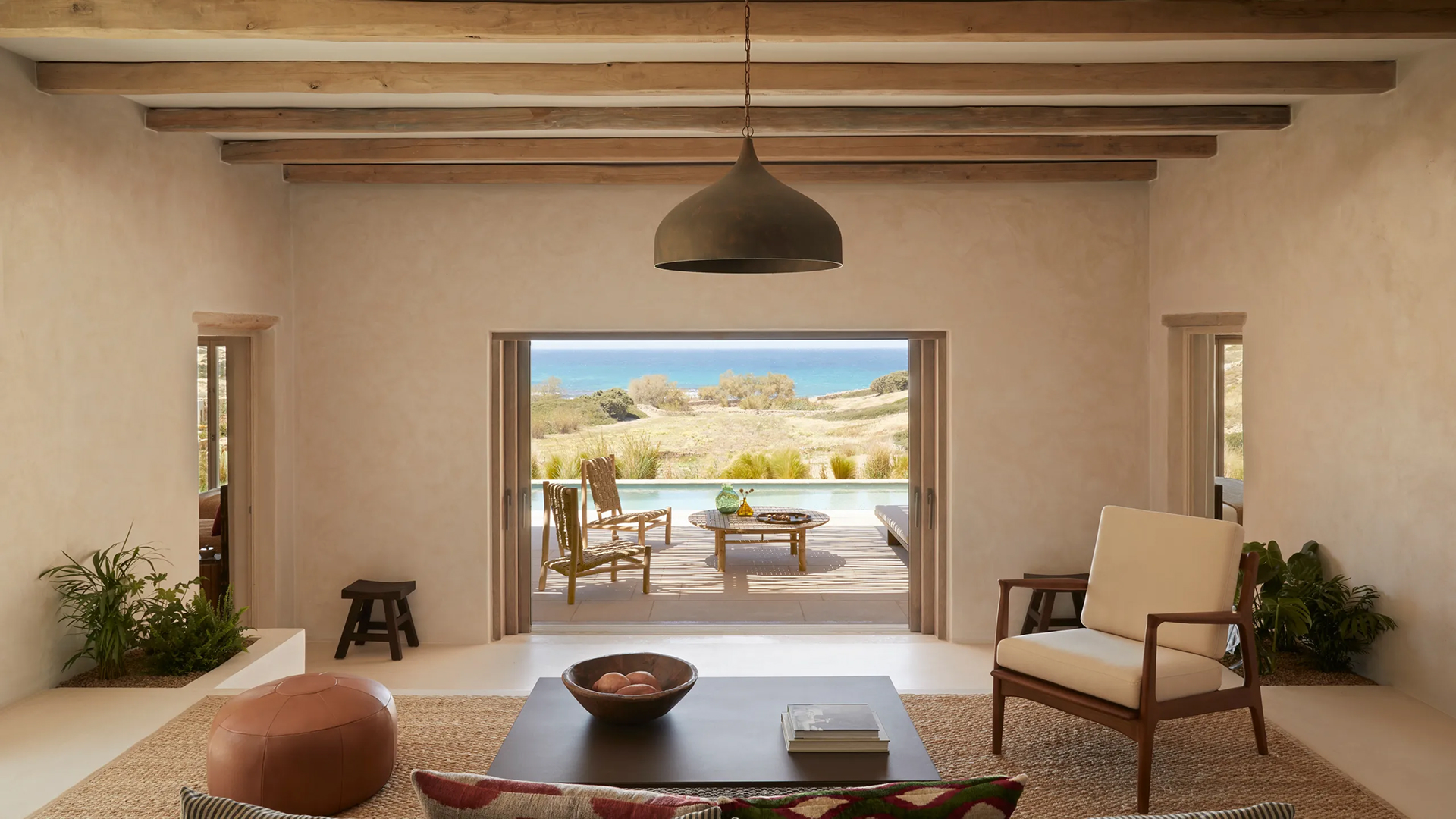
The first meaningful visual frame often shapes long term memory of a property more strongly than isolated decorative elements. Guests retain entrance perspectives, room views, lighting atmosphere, and spatial transitions because these moments establish emotional orientation immediately.
Hotels that overload entrances with decorative accumulation or excessive stimulation often weaken clarity because guests struggle to identify hierarchy and emotional direction during the earliest stage of the stay.
Guests remember comfort that feels effortless
Luxury becomes memorable when guests stop noticing operational friction entirely. Acoustic comfort, intuitive circulation, lighting balance, mattress quality, and room functionality influence perception more deeply than visible luxury markers because they shape physical and emotional ease continuously throughout the stay.
Eriro Alpine Hide structures rooms around silence, spatial restraint, and controlled sensory atmosphere that allow guests to relax almost immediately after arrival. The property feels premium because comfort emerges naturally through architecture and operational precision rather than through visible demonstration.
Room functionality shapes perceived quality
Guests remember whether lighting controls felt intuitive, whether circulation around the room remained fluid, and whether the environment supported rest naturally. Functional clarity reinforces emotional comfort because the space feels resolved and predictable from the first interaction onward.
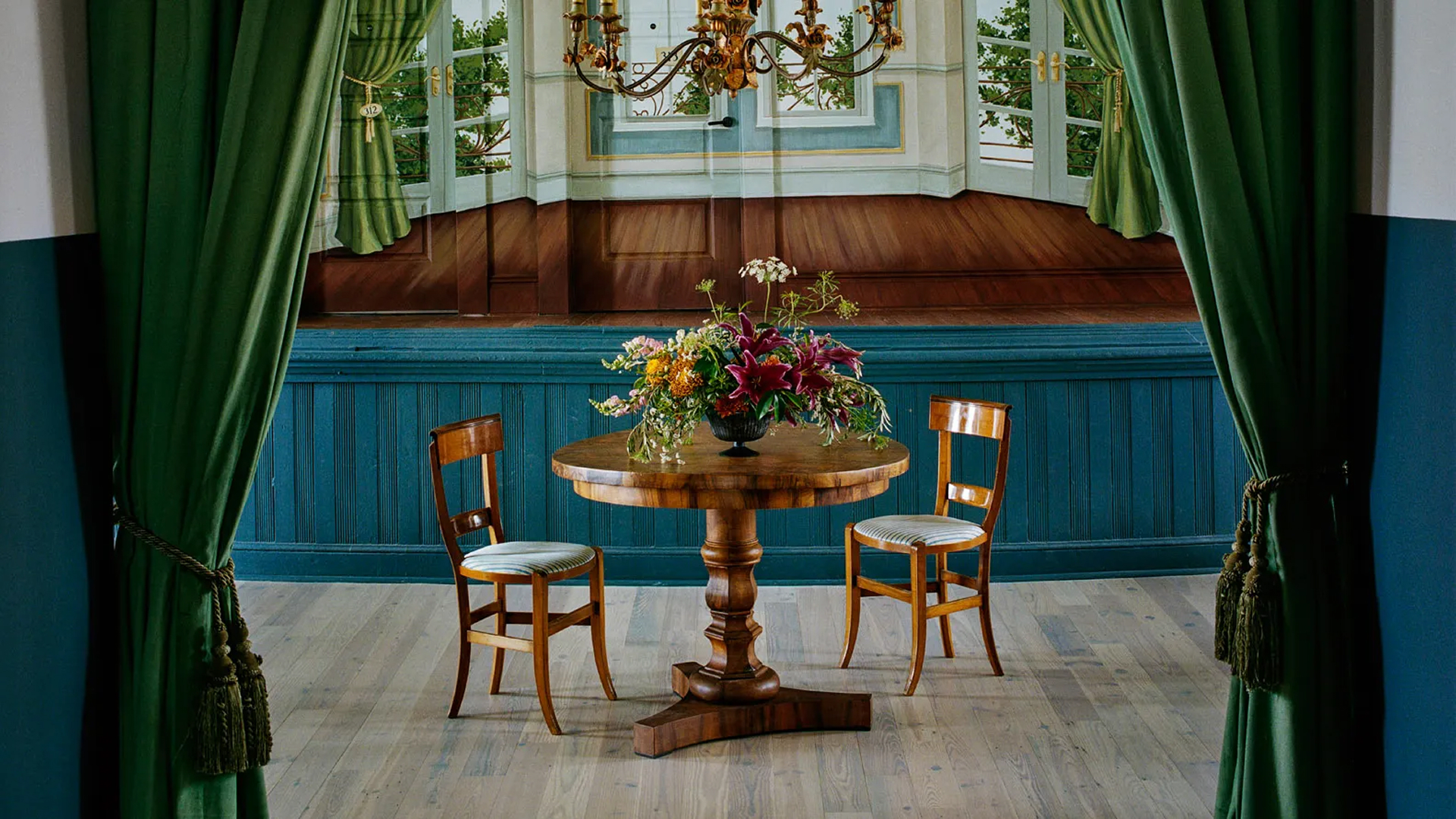
Hotel Peter & Paul in New Orleans balances historical architecture with disciplined room layouts that support calm movement and spatial readability. Guests perceive care because the environment removes unnecessary tension instead of introducing complexity into everyday gestures.
Sensory consistency reinforces trust
Temperature stability, acoustic control, scent, and lighting continuity shape how guests evaluate quality subconsciously throughout the stay. Inconsistent sensory conditions weaken premium perception because the environment feels less controlled and less coherent over time.
Properties that maintain strong visual identity while neglecting acoustic comfort or environmental stability often generate weaker memorability despite strong first impressions because sensory inconsistency disrupts emotional continuity.
Human interaction leaves the strongest emotional trace
Guests remember how staff made them feel more clearly than most decorative details because human interaction confirms or contradicts the positioning communicated by architecture and branding directly. Tone, timing, attentiveness, and behavioural consistency shape emotional memory more deeply than scripted gestures or visible formality.
The Place Firenze structures service around attentiveness that feels calm, personal, and proportionate to the scale of the property. Staff interaction reinforces the same intimacy expressed through architecture and spatial rhythm. Guests perceive continuity because human behaviour follows the same emotional logic as the environment itself.
Personalisation matters when it feels natural
Guests value recognition and anticipation when these gestures remain discreet and contextually appropriate to the atmosphere of the property. Forced scripting or excessive familiarity often weakens premium perception because interaction begins to feel performative instead of attentive.
The strongest hospitality environments integrate personalisation subtly within operational rhythm so that guests feel understood without feeling observed continuously.
Consistency matters more than intensity
Guests rarely expect constant spectacle or continuous surprise throughout a stay. They value stable attentiveness across all interactions because consistency reinforces emotional comfort and operational credibility over time.
Hotels that deliver exceptional moments alongside uneven service execution often weaken overall perception because the emotional rhythm becomes unpredictable and difficult to trust fully.
Guests remember coherence more than accumulation
Luxury hospitality becomes memorable when architecture, operations, comfort, and service reinforce one another continuously instead of competing for attention independently. Guests retain environments that feel emotionally stable, readable, and intentional more strongly than properties relying on visual abundance or isolated spectacular gestures.
The details that shape perception most deeply are often the ones that reduce effort, reinforce calm, and strengthen continuity across the stay. Arrival rhythm, room comfort, sensory stability, and service posture influence memory more strongly than decorative intensity or visible investment alone.
Hotels that understand this hierarchy focus attention on the moments guests genuinely perceive and remember, allowing the entire experience to feel more controlled, more credible, and ultimately more premium over time.