Why the third place is becoming essential
The third place refers to social spaces beyond home or work where people gather, interact and feel part of something. In hospitality, it has become a powerful way to build loyalty and relevance in a changing world.
A cultural shift in guest expectations
Travelers are looking for more than service. They want atmosphere, spontaneity, human presence. A beautiful room is no longer enough. The experience starts in the lobby, the café, the terrace, wherever people cross paths and stay a little longer.
A natural fit for hospitality
Hotels and restaurants are perfectly placed to offer this kind of in-between. Unlike other industries, hospitality has always been about emotion and environment. Creating a third place simply means embracing this role with intention and purpose.

How brands create memorable third places
Third places are not always loud or crowded. What defines them is their openness to use, to presence and to interaction. They invite guests to slow down and engage on their own terms.
Spaces that foster creativity and connection
Some brands rethink their design from the ground up. Zoku offers loft-style hotel rooms with shared kitchens and rooftop greenhouses where guests can co-work, cook and connect. The experience becomes communal without losing intimacy.
Hospitality as a social stage
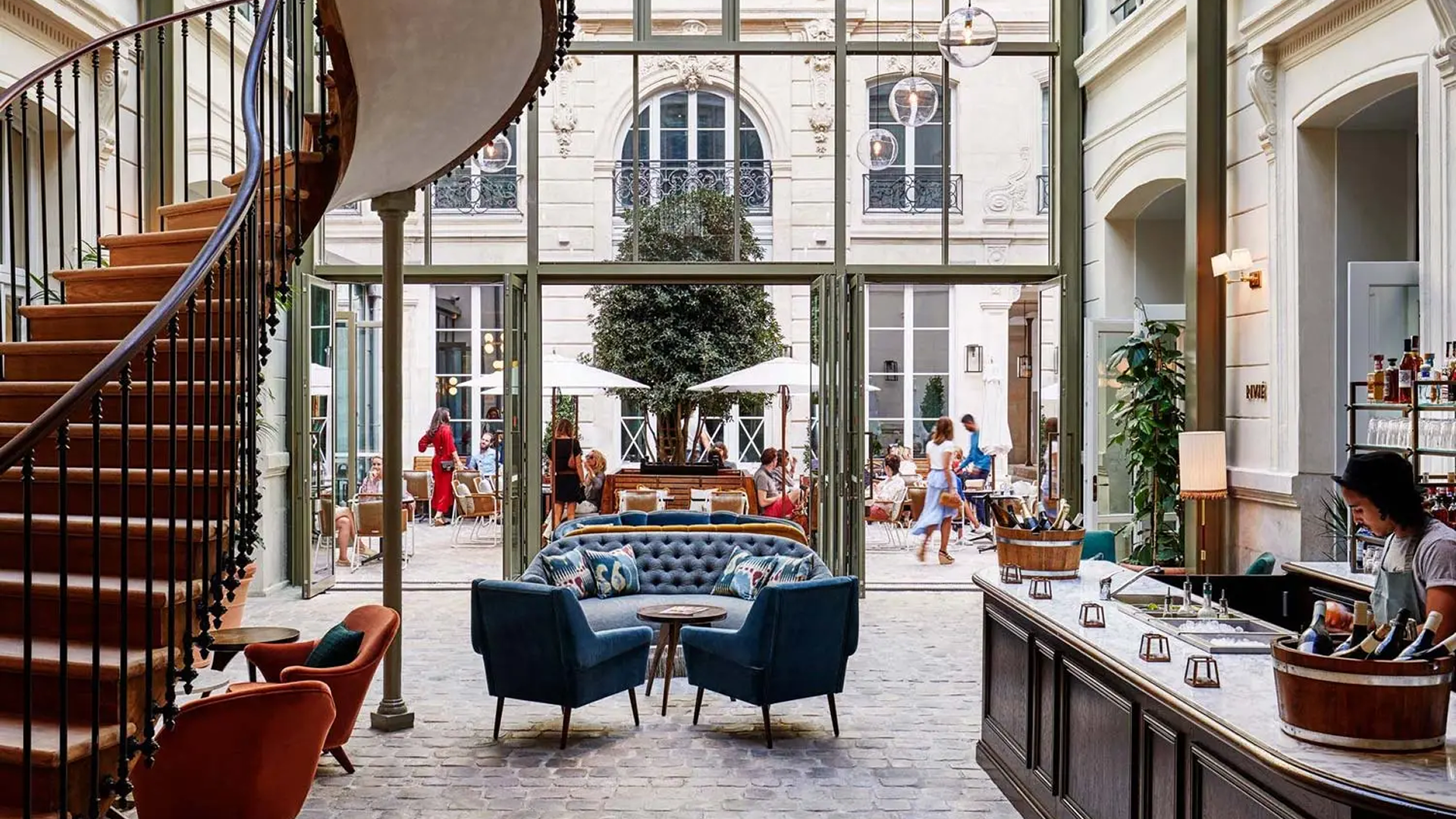
At The Hoxton, the ground floor is a magnet for locals and travelers alike. With open lobbies, curated events and concept stores, the hotel becomes more than accommodation. It becomes a neighborhood hub, always alive, always changing.
Why third places drive long-term value
A guest who feels a sense of belonging is more than a customer. They become part of the brand's ecosystem. Third places cultivate loyalty not through perks, but through presence and participation.
Beyond aesthetics, it is about behavior
Design matters, but the way a space is used matters more. citizenM blends colorful interiors with communal tables, quick check-in and an app-based ecosystem that lets guests feel both independent and involved.
Business impact without performance pressure
Brands that build strong third places often see longer guest dwell times, increased on-site consumption and stronger digital engagement. These are not bonus effects, they are structural benefits of designing for community rather than circulation.
Evolving definitions of luxury
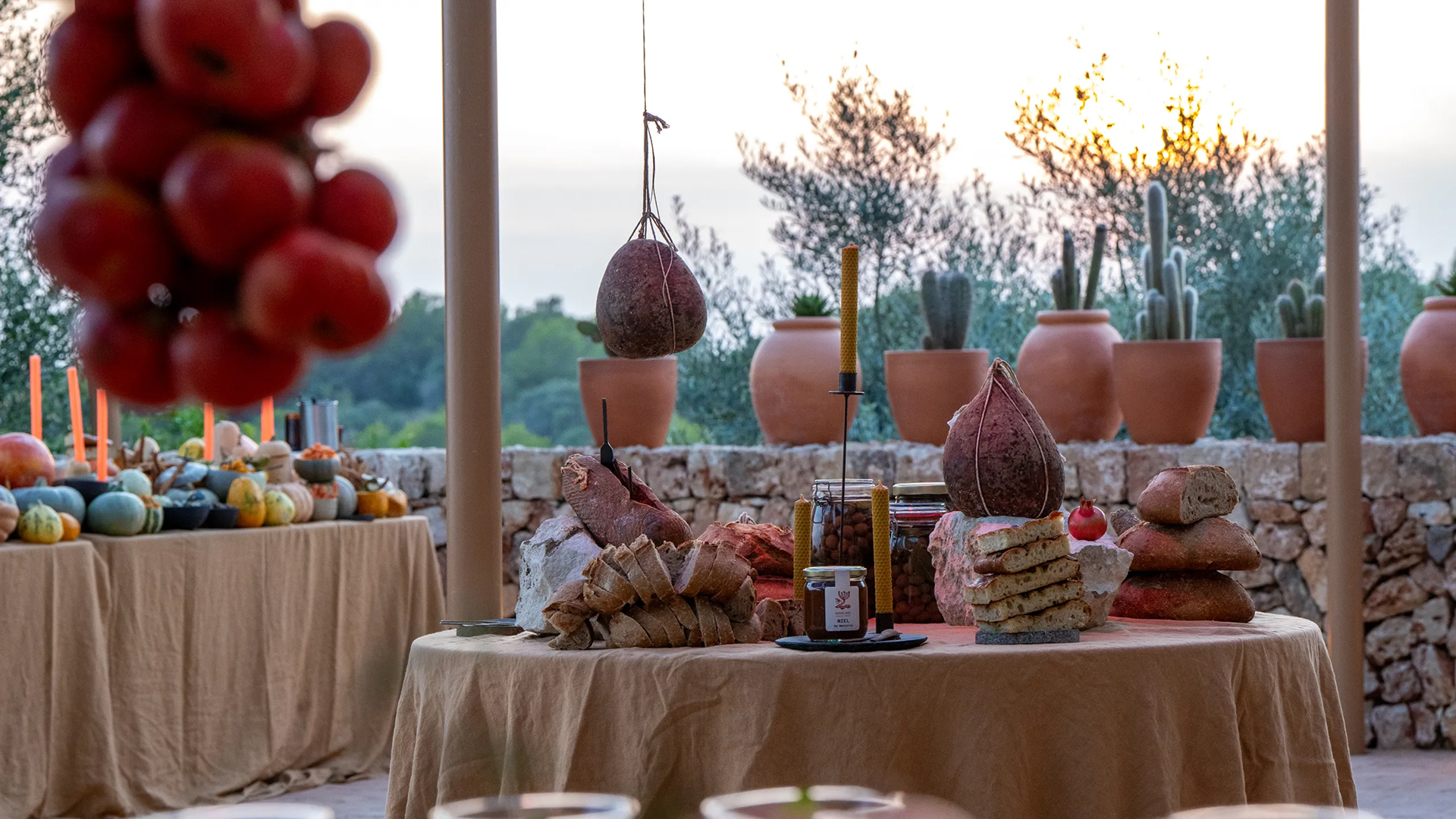
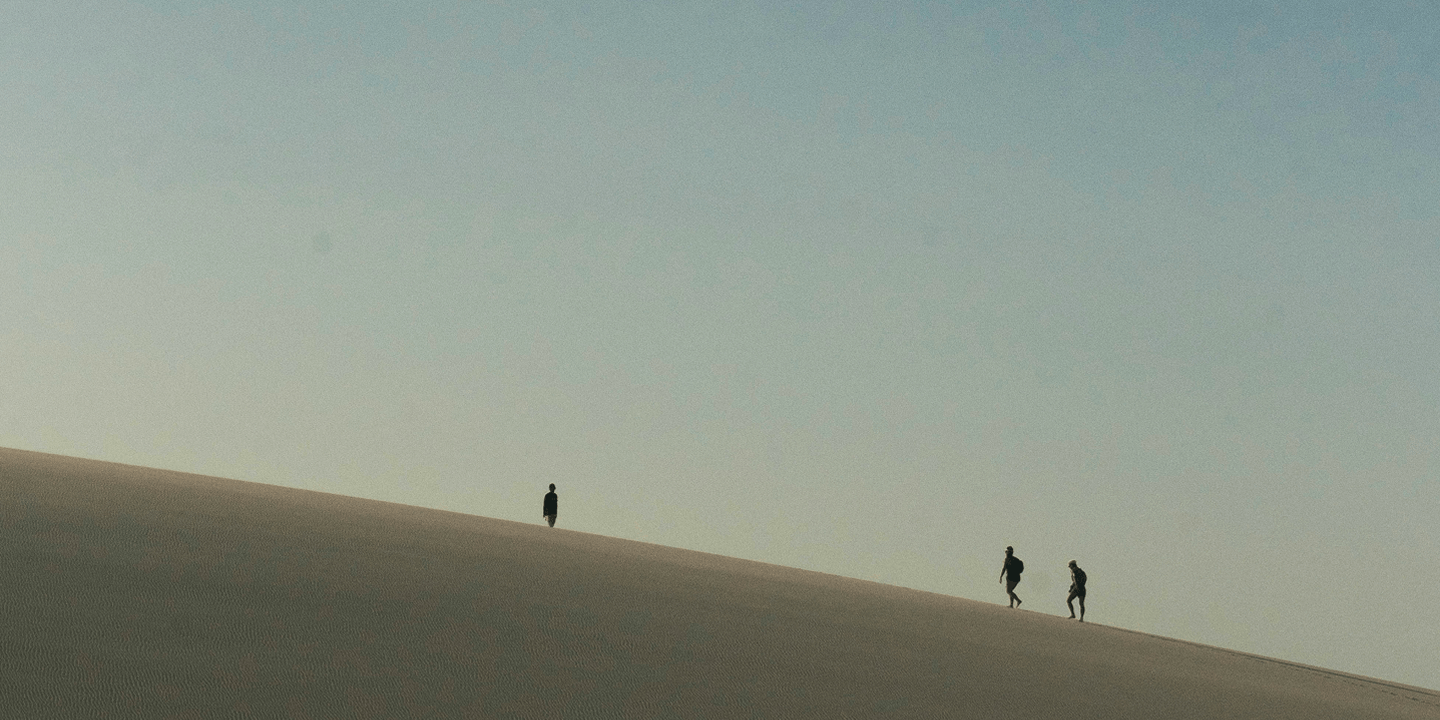
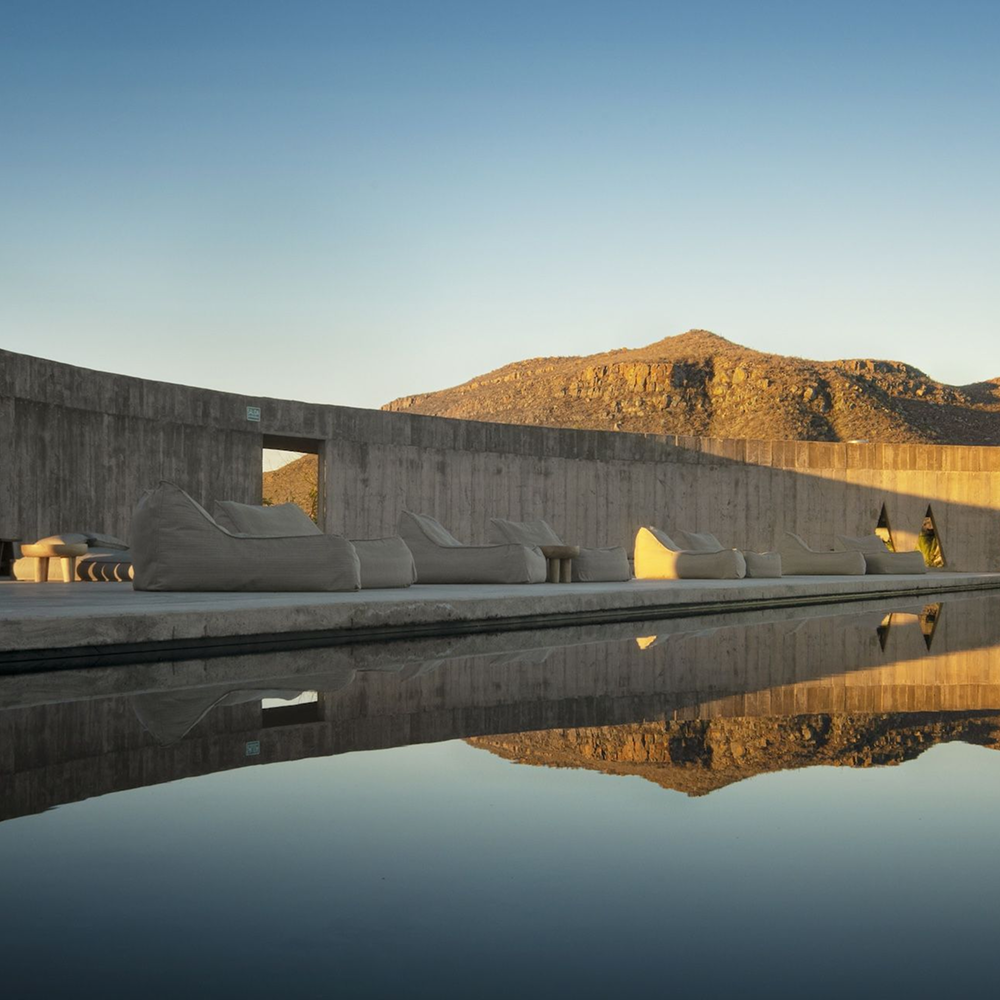
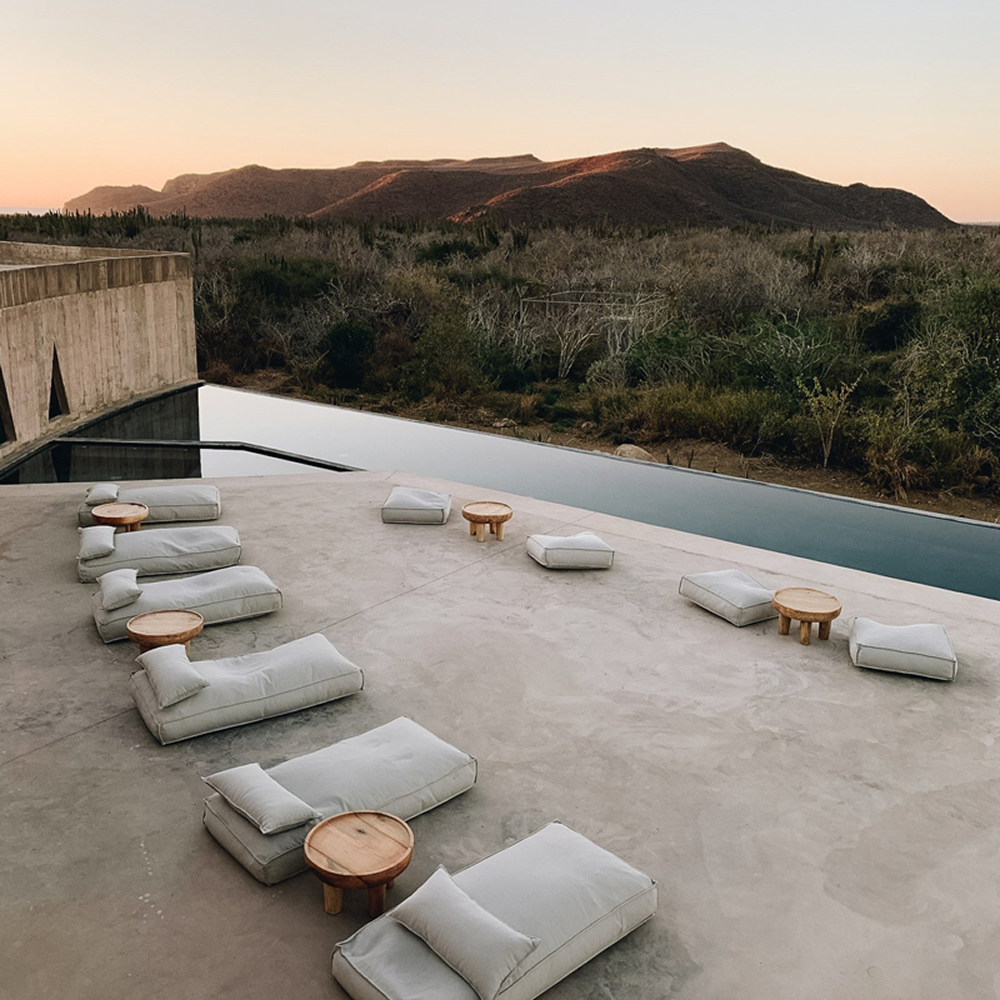
Luxury today means freedom, familiarity and meaning. Properties like Paradero in Mexico offer open-air communal dinners, local workshops and desert hikes as part of the stay. The luxury is in the experience, not the excess.
Third places are not a trend. They are a return to something essential, spaces where people feel welcome to simply be. In a world craving connection, hospitality has the chance to lead not with product, but with presence.