Global expansion: Luxury goes international
Growth driven by rising demand
The international luxury dining market is on track to exceed $150 billion by 2026, growing at a compound annual growth rate (CAGR) of 5.3% according to Grand View Research. Restaurants like Nobu and Zuma have tapped into this growth by creating global footprints, each boasting over 20 locations worldwide, spanning key cities such as Dubai, London, Miami, and Tokyo.
The importance of a strong concept
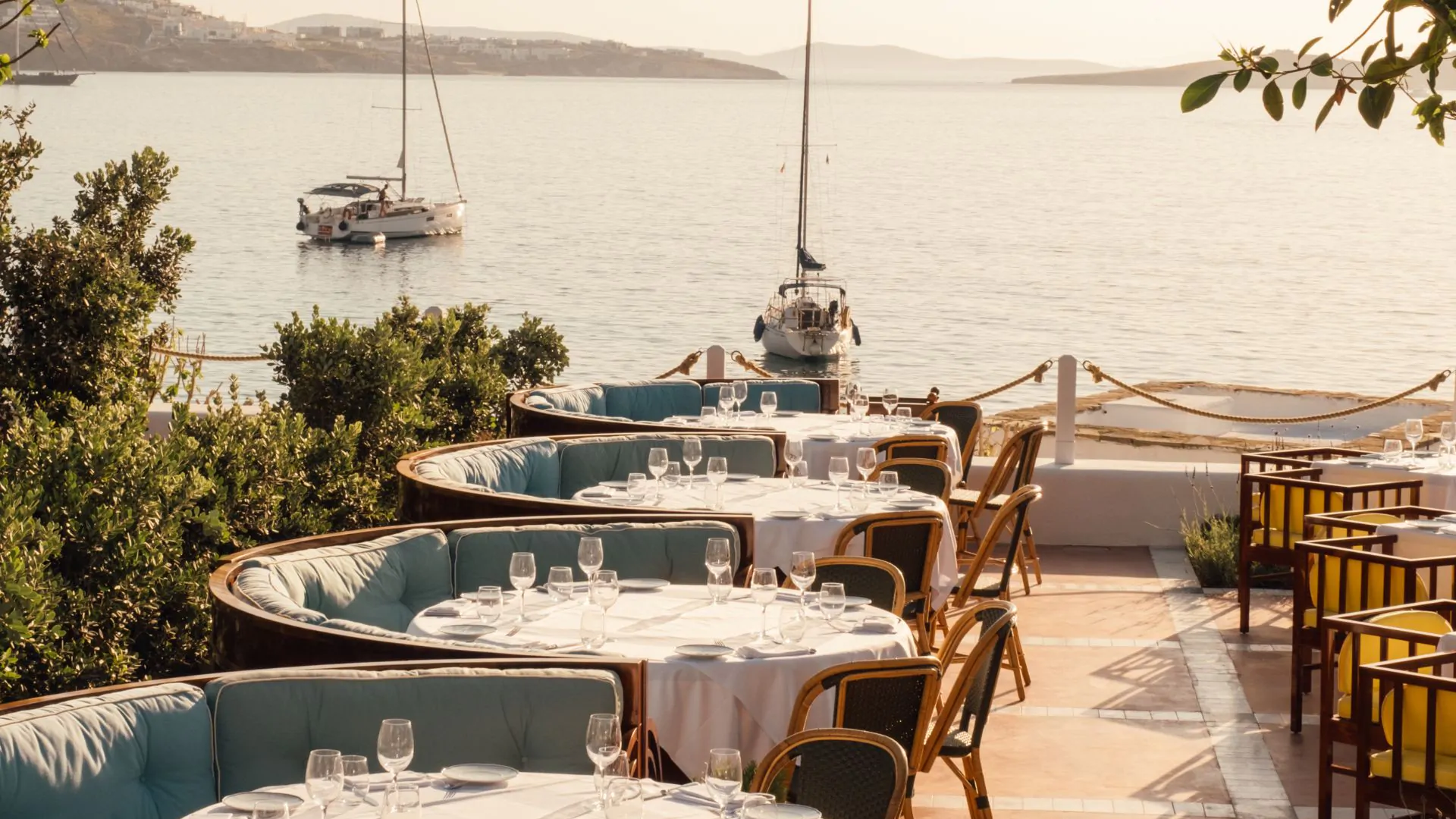
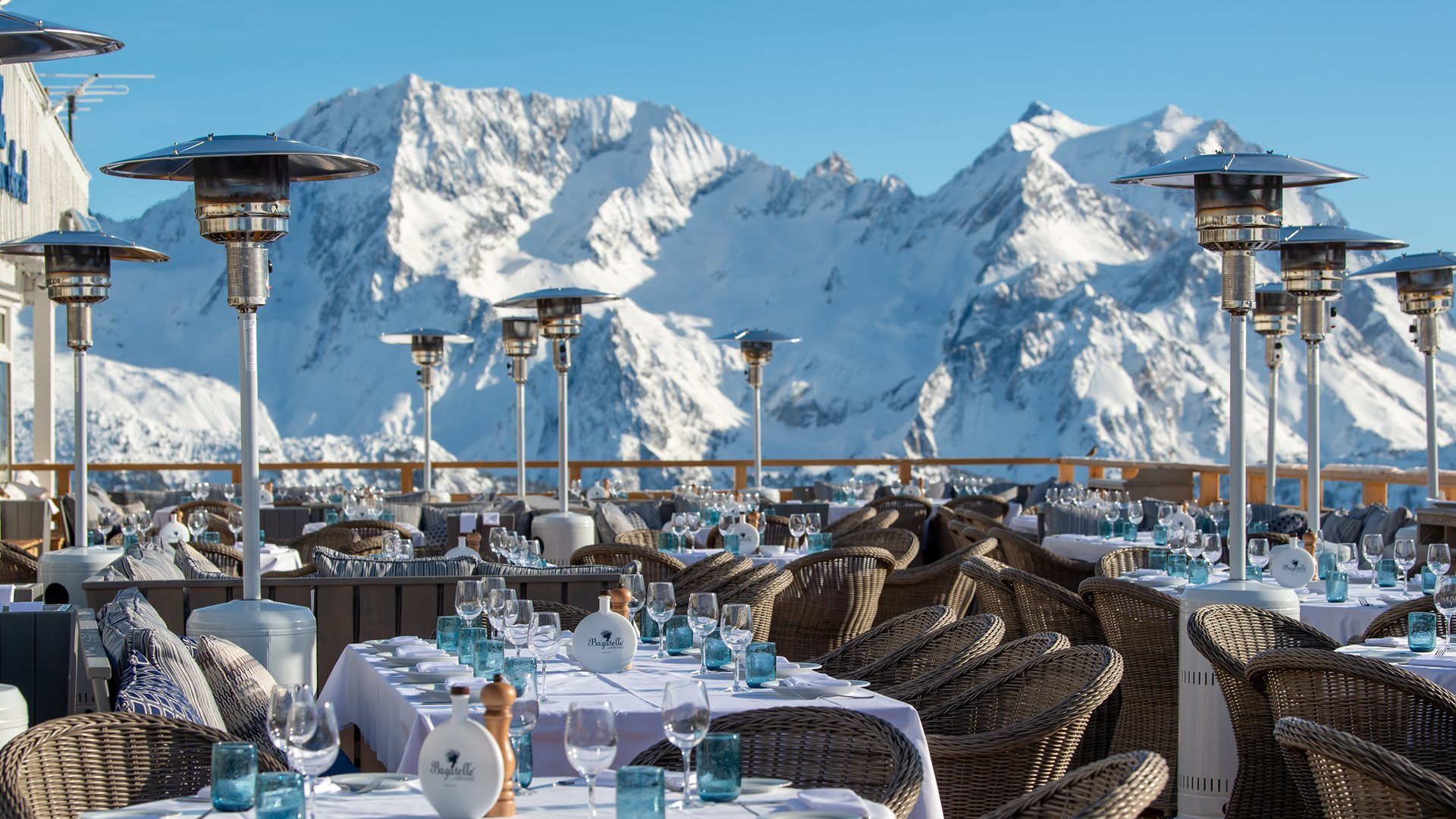
Bagatelle, with its signature "joie de vivre" party atmosphere, has successfully exported its concept to hotspots like Ibiza, Tulum, and New York. Their formula combines upscale Mediterranean cuisine, vibrant social settings, and music-driven experiences, proving that a well-defined concept resonates across borders.
The rise of luxury hospitality hubs
Cities like Dubai, Miami, and London have become magnets for these luxury brands, where high-net-worth individuals drive demand. According to Knight Frank’s Wealth Report, these cities rank among the top destinations for luxury lifestyle spending, making them prime markets for upscale restaurant chains.
Design and ambiance: Crafting a universal appeal
Maintaining a brand identity
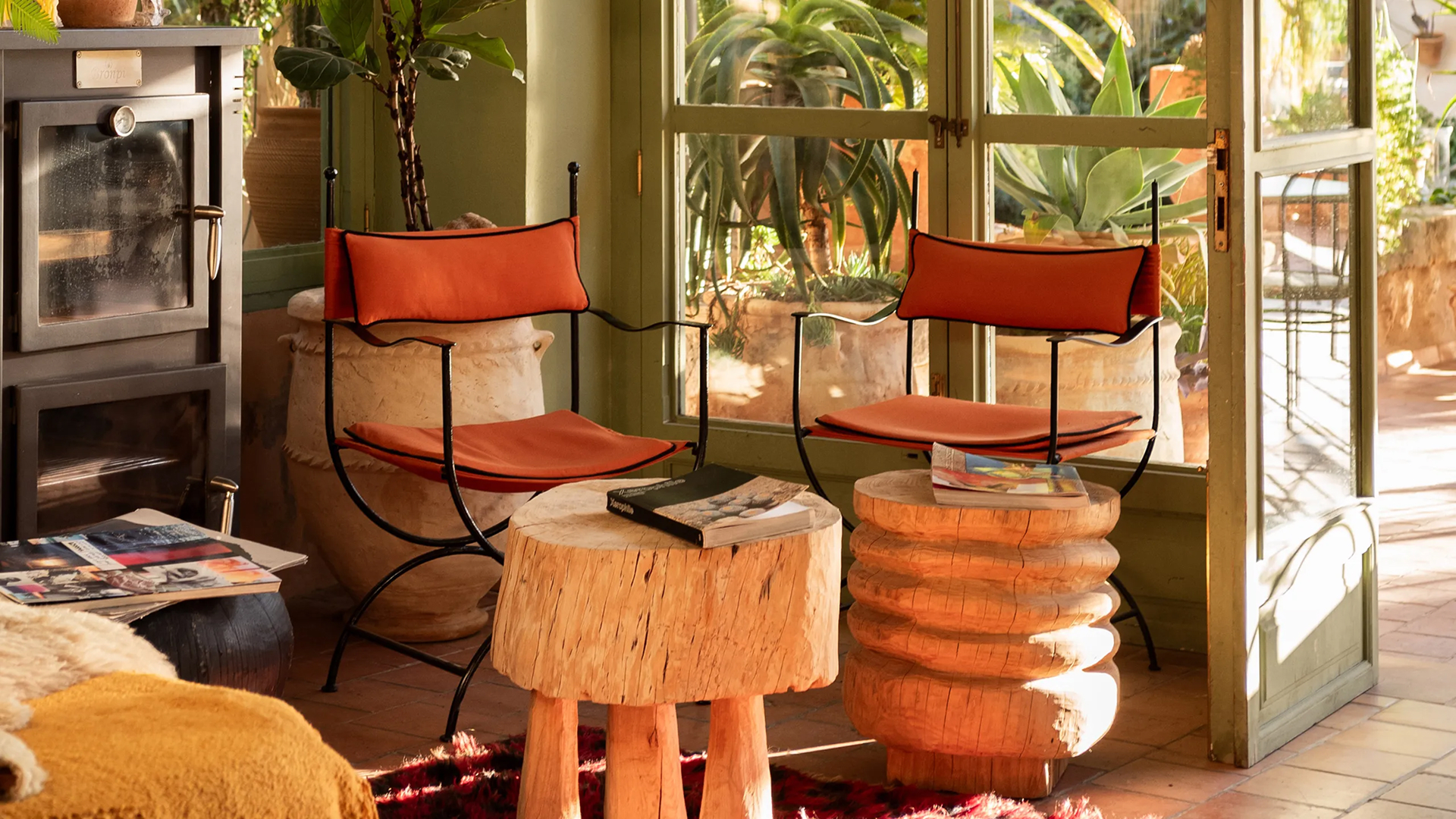
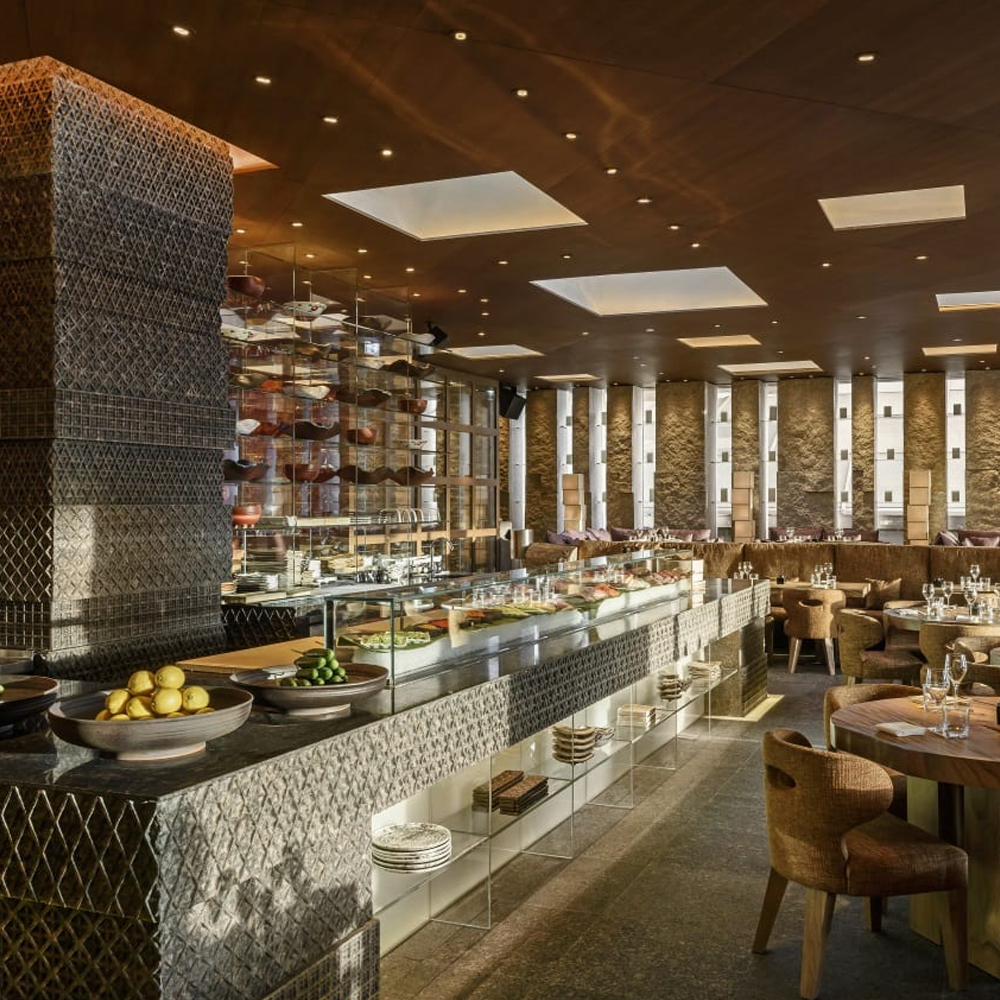
Consistency is key for luxury restaurants expanding internationally. Nobu’s design ethos incorporates elements of Japanese minimalism and natural materials, ensuring that each location feels part of the same brand family. At the same time, regional influences—like tropical accents in Nobu Malibu—create local relevance.
Entertaining beyond food
Experiential dining is a defining trend for luxury restaurants. Bagatelle pairs its Mediterranean dishes with live DJs, themed parties, and art showcases, creating unforgettable experiences that cater to a global elite seeking more than just a meal.
Leveraging digital channels
Luxury brands are also investing in digital storytelling. According to Statista, over 77% of diners research restaurants online before visiting. Bagatelle, Coya and Zuma use platforms like Instagram to share glimpses of their stunning interiors and events, cultivating aspiration among their audiences.
Sustainability and innovation: The path forward
Conscious sourcing
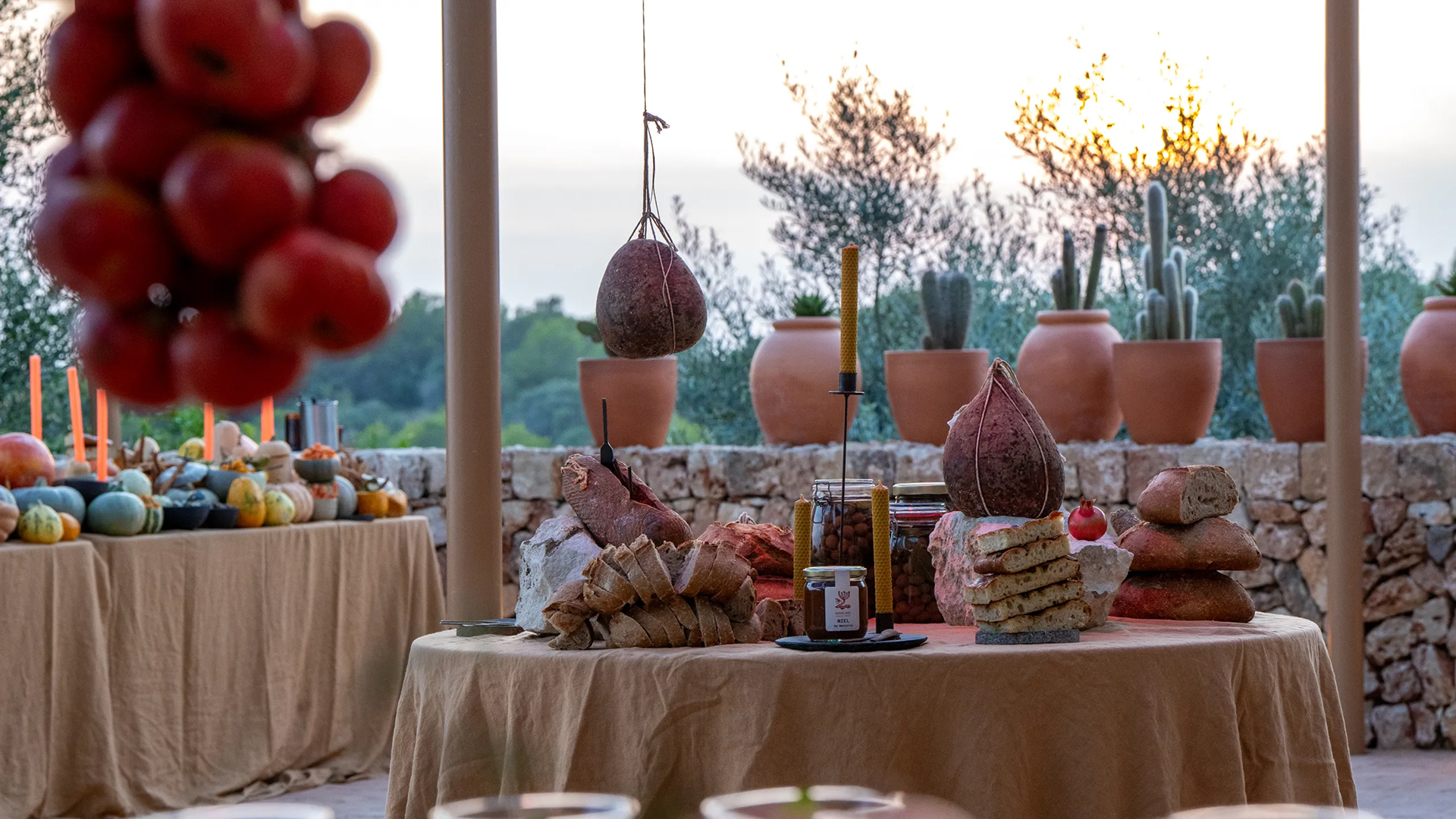
As consumer demand for sustainability grows, luxury chains like Zuma and Nobu have adopted eco-conscious practices. Zuma emphasizes seasonal, locally sourced ingredients across its locations, aligning with consumer values while reducing its environmental impact.
Designing for the future
Sustainability is also influencing interior design. Nobu uses recycled and locally sourced materials in several of its venues, marrying luxury with responsibility. This trend aligns with the U.S. Green Building Council’s findings that eco-friendly buildings significantly boost brand reputation in high-end markets.
Reducing waste through technology
Technology is transforming operations in global restaurants. Food waste tracking tools are becoming standard, helping brands minimize losses while optimizing supply chains. For instance, Nobu has reportedly reduced waste by 15% in key locations through tech-driven solutions.