Transforming the guest journey through playful design
Gamification does not require a screen to be effective. When thoughtfully integrated into a hotel’s environment, it has the power to reshape how guests interact with the property, with staff, and with the experience as a whole, creating a deeper sense of belonging and participation.
Infusing everyday rituals with unexpected pleasure
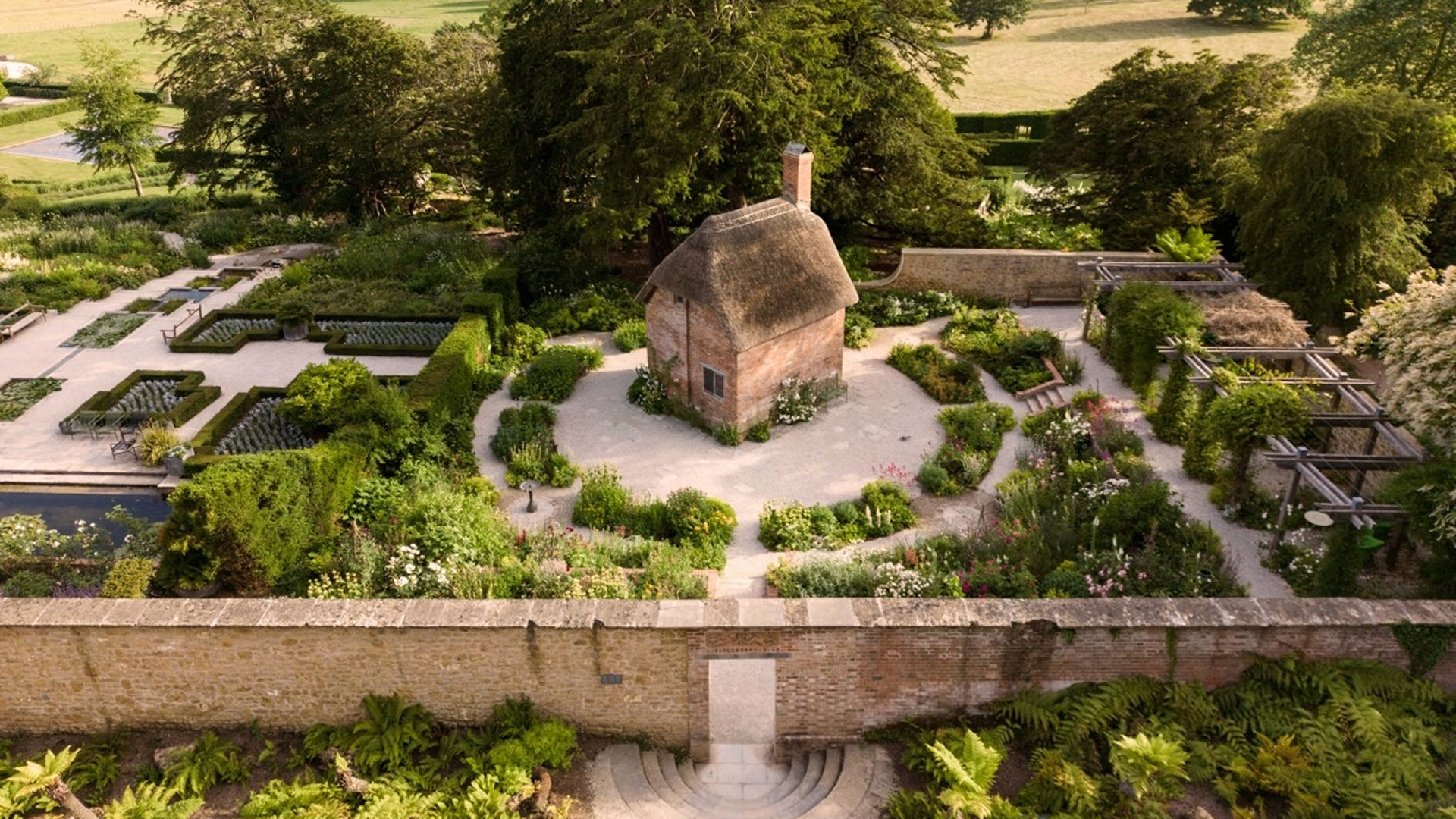
Rather than inventing new routines, some boutique hotels choose to elevate existing ones by layering them with optional challenges or symbolic rewards. A property might invite guests to spot rare plants during a morning walk, try a mystery dish curated by the chef, or unlock a hidden corner of the garden only accessible through a riddle found in the welcome book. These small moments of curiosity transform a passive journey into a participative one, where each day brings a sense of discovery rooted in place and intention.
Blending digital interfaces with real-world emotion
Hospitality platforms such as Mambo.IO enable hotels to build meaningful digital reward systems that align with service values rather than superficial prizes. A guest might earn recognition for choosing eco-friendly cleaning options, leaving thoughtful feedback, or supporting local artisans. These micro-interactions, tracked discreetly through a hotel’s app or booking system, reinforce brand values without diluting the guest experience, allowing hoteliers to guide behavior with lightness and meaning.
Fostering loyalty through community and co-creation
True loyalty does not come from repetition alone. It stems from a sense of mutual recognition and emotional alignment, where the guest no longer sees themselves as a consumer but as a contributor to the atmosphere, rituals, and narrative of the place they inhabit.
Creating space for guests to shape the experience
At Zoku Hotel, long-stay guests are encouraged to contribute to the hotel’s communal life by leading a workshop, hosting a dinner, or leaving a recipe in the shared kitchen book. These acts are not incentivized by discounts, but by the visibility they offer within the hotel’s creative ecosystem. By acknowledging contributions through subtle social markers or internal features, the hotel builds an informal culture of co-ownership that makes guests feel part of something larger than a brand.
Crafting gamified systems that reflect brand identity
Solutions such as BeeLiked allow hospitality brands to develop custom campaigns that align precisely with their tone, design, and values. A wellness resort might invite guests to complete a five-day nature immersion challenge, while a city hotel could build an urban discovery quest using local stories as milestones. The key lies in aligning the game design not with arbitrary point systems, but with the sensory and emotional identity of the property, ensuring coherence and memorability.


Turning participation into stories that travel further
Gamification does not end when the game ends. When well-executed, it extends the guest experience beyond the walls of the property, transforming guests into storytellers and amplifying the brand’s message through earned media, peer sharing, and emotional recall.
Designing memories that invite sharing and return
Guests who earn a handcrafted token after completing a secret wine tasting, or who unlock a unique Spotify playlist after curating their own stay itinerary, often share these moments on social media not because they are told to, but because the gesture feels personal, smart, and worth remembering. In these instances, the hotel ceases to speak and instead allows the guest to tell the story, often more convincingly and more widely than any official campaign ever could.
A strategy of joy, intention, and emotional resonance
Gamification in hospitality should never feel like a trick. When designed with care, rooted in the physicality of the place, and aligned with the rhythms of the guest journey, it becomes a soft but powerful force for emotional loyalty. Small properties can create profound impact not through volume, but through clarity of purpose and thoughtful engagement. In a world where attention is fleeting, offering play with purpose can be the most enduring gesture of all.