Focus builds differentiation
Clear targeting shapes architecture, pricing logic, service posture, and digital structure with coherence and intention. When your property defines a precise audience and emotional objective, every decision aligns around that direction and strengthens differentiation in a competitive environment where many concepts resemble each other superficially. Without this clarity, teams attempt to accommodate incompatible expectations and dilute the original vision.
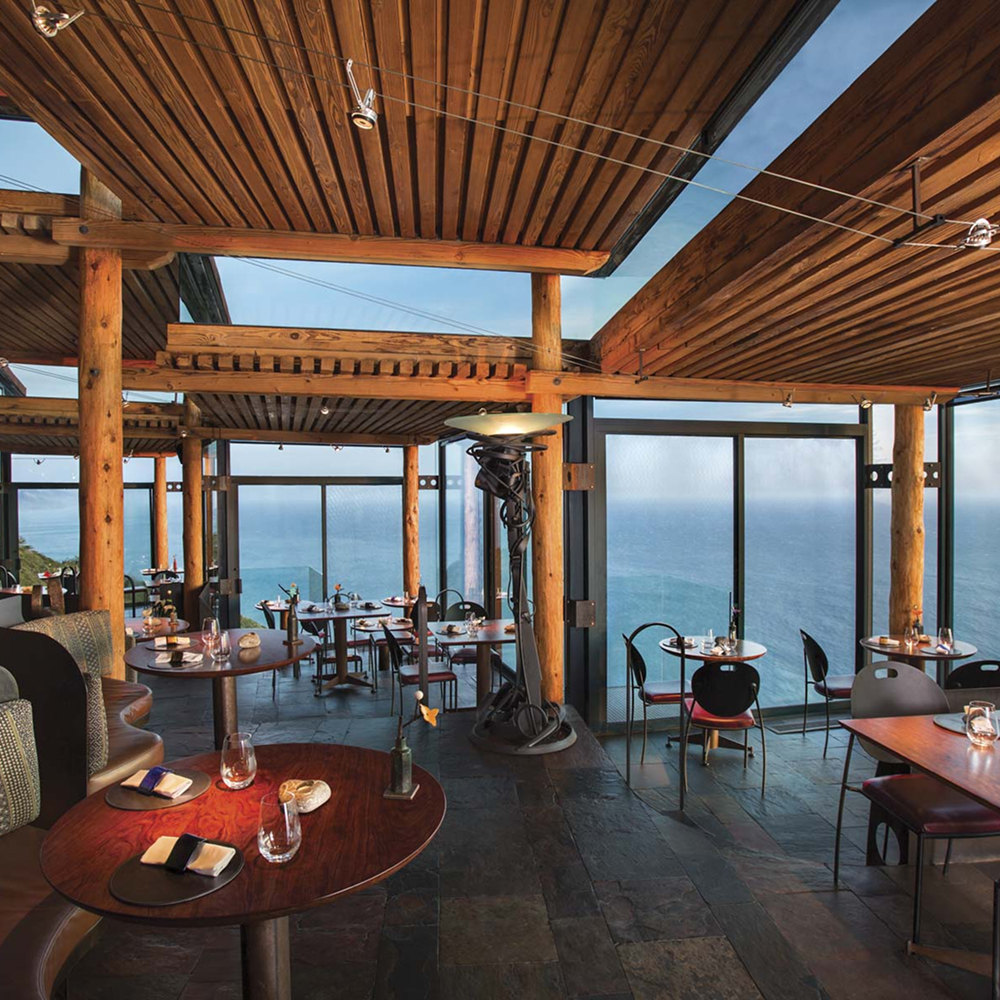
At Post Ranch Inn, the property positions itself around adults seeking privacy and immersion in nature. This strategic focus informs room configuration, circulation patterns, communication tone, and programming choices. The decision to serve a clearly defined audience allows the property to maintain architectural coherence and service consistency. Guests understand immediately who the property serves and what type of experience awaits them, which supports premium pricing and reinforces brand credibility.
Define your primary audience with precision
You must articulate the specific guest profile your hotel serves and align spatial, operational, and commercial decisions accordingly. This discipline influences layout, staffing model, rate structure, and rhythm of programming. A retreat oriented toward silence and contemplation requires different spatial relationships and service behaviours than a socially driven resort. When you define this audience precisely, you eliminate ambiguity and prevent strategic drift during development.
Kokomo Private Island Fiji concentrates on private buyouts and extended stays, shaping villa design, logistics, and storytelling around this focus. By narrowing its audience deliberately, the property reinforces exclusivity and operational coherence across every touchpoint. This clarity strengthens guest understanding and simplifies internal coordination.
Protect your narrative from dilution
Every additional facility or promise introduces operational weight and narrative tension. A spa, coworking area, retail concept, or event space must reinforce your core positioning and contribute to a single coherent story. When an element competes with that story, it fragments identity and increases internal complexity.
At Torreblanca, the experience remains concentrated on architecture, gastronomy, and setting, allowing the property to preserve a tight conceptual frame. By resisting expansion into unrelated amenities, the hotel maintains a clear identity that guests can grasp immediately. Strategic subtraction protects the integrity of the experience and strengthens long term positioning.

Subtraction simplifies operations
Operational clarity follows strategic clarity. When you reduce scope and define boundaries early, teams operate within a stable framework that supports consistent service and efficient decision making. Fewer promises allow greater precision in delivery, because resources concentrate on what matters most instead of dispersing across secondary ambitions.
Hotel Greystone structures its identity around curated social energy instead of extensive amenities. This focused positioning enables the property to allocate attention and budget toward atmosphere and service quality. Staff operate within a defined narrative that guides guest interaction and spatial use. Operational coherence reflects strategic discipline.
Limit layers to strengthen consistency
When your concept remains concentrated, training processes become clearer and service standards align more easily across departments. Removing peripheral ambitions reduces internal tension and supports consistent execution at every stage of the guest journey. Teams understand priorities and measure performance against defined objectives rather than fluctuating expectations.
The Brando aligns capacity, programming, and environmental commitments around a defined experiential philosophy. Operational decisions reinforce sustainability and privacy because the strategic scope remains controlled and disciplined. Subtraction strengthens reliability and reinforces brand trust.
Establish boundaries that guide decisions
Clear strategic boundaries enable you to evaluate new ideas quickly and objectively. Each proposal must align with your positioning and strengthen the existing framework. This filter preserves time, budget, and coherence throughout development and growth phases.
At The Surf Club Hotel, partnerships and activations align with a defined aesthetic and social identity. Strategic limits protect the brand from dilution and maintain clarity over time. Decision making accelerates because the framework already defines what belongs within the concept.

Guest understanding improves through clarity
Guests make confident decisions when your proposition feels legible and coherent from the first interaction. Clear positioning reduces cognitive effort and supports faster engagement across digital and physical touchpoints. When your message remains focused, guests interpret the offer without confusion and move toward booking with greater assurance.
Hoshinoya Karuizawa presents a focused experience structured around retreat, nature, and rhythm. Programming, accommodation, and digital expression follow one consistent logic that remains stable across channels. Guests understand the offer quickly because the property communicates a single clear idea supported by architecture and service design.
Strategic maturity appears in your ability to renounce without fear and to protect the integrity of your concept through disciplined subtraction. When you remove audiences, services, and ambitions that weaken identity, you strengthen differentiation, simplify operations, and reinforce guest understanding. Subtraction becomes the foundation of long term resilience and brand clarity.
Epikure supports hospitality leaders in defining positioning, filtering priorities, and aligning execution with a focused strategic core. You can initiate this strategic work through the Epikure contact page and anchor your project in clarity before expanding its scope.

.jpeg)