
The best hotel spaces reduce the desire to leave
Hotels strengthen perceived value when guests choose to remain inside the property even when the surrounding destination offers alternatives. Shared spaces become successful when they combine emotional comfort with functional clarity and social readability.
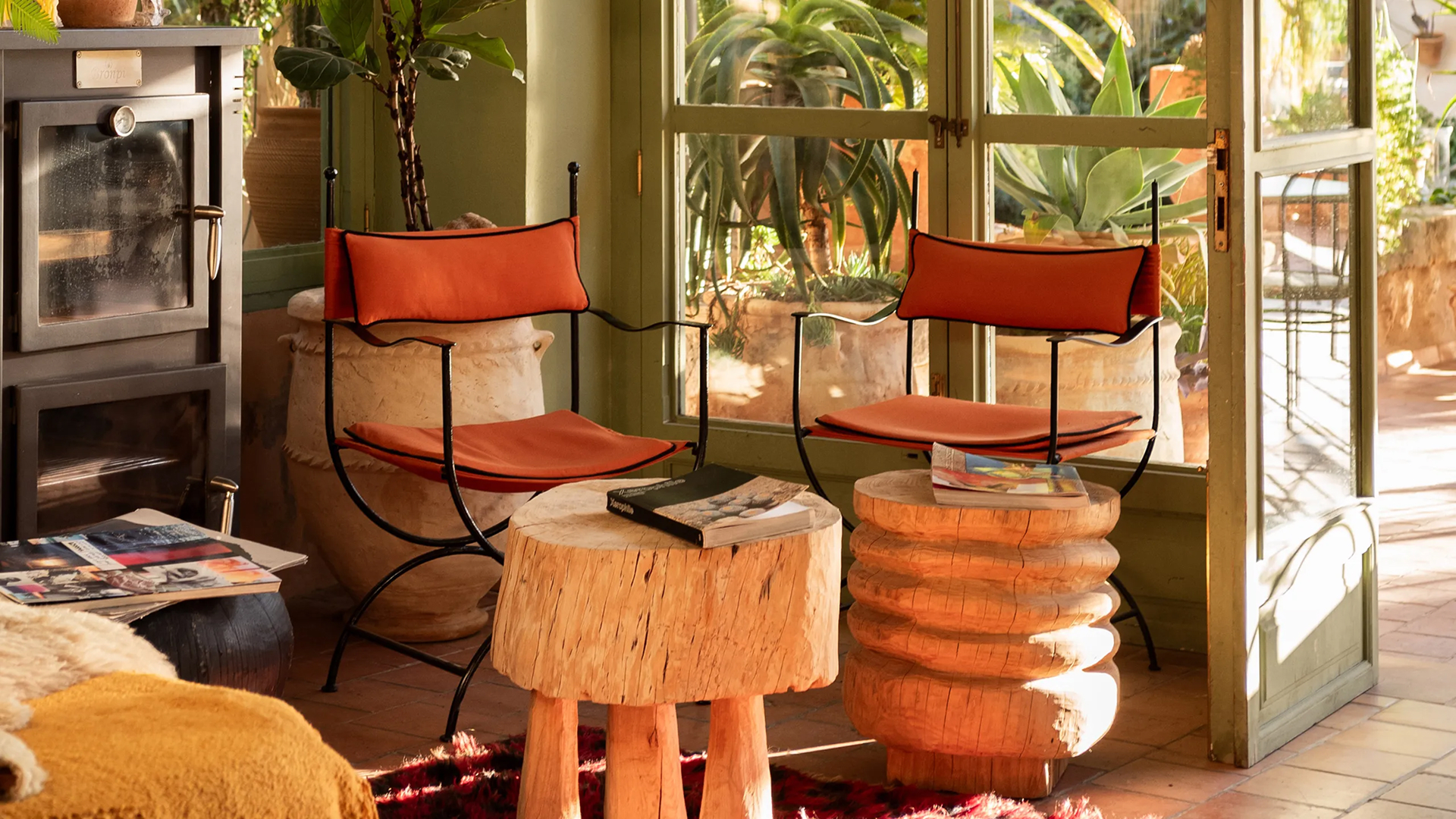
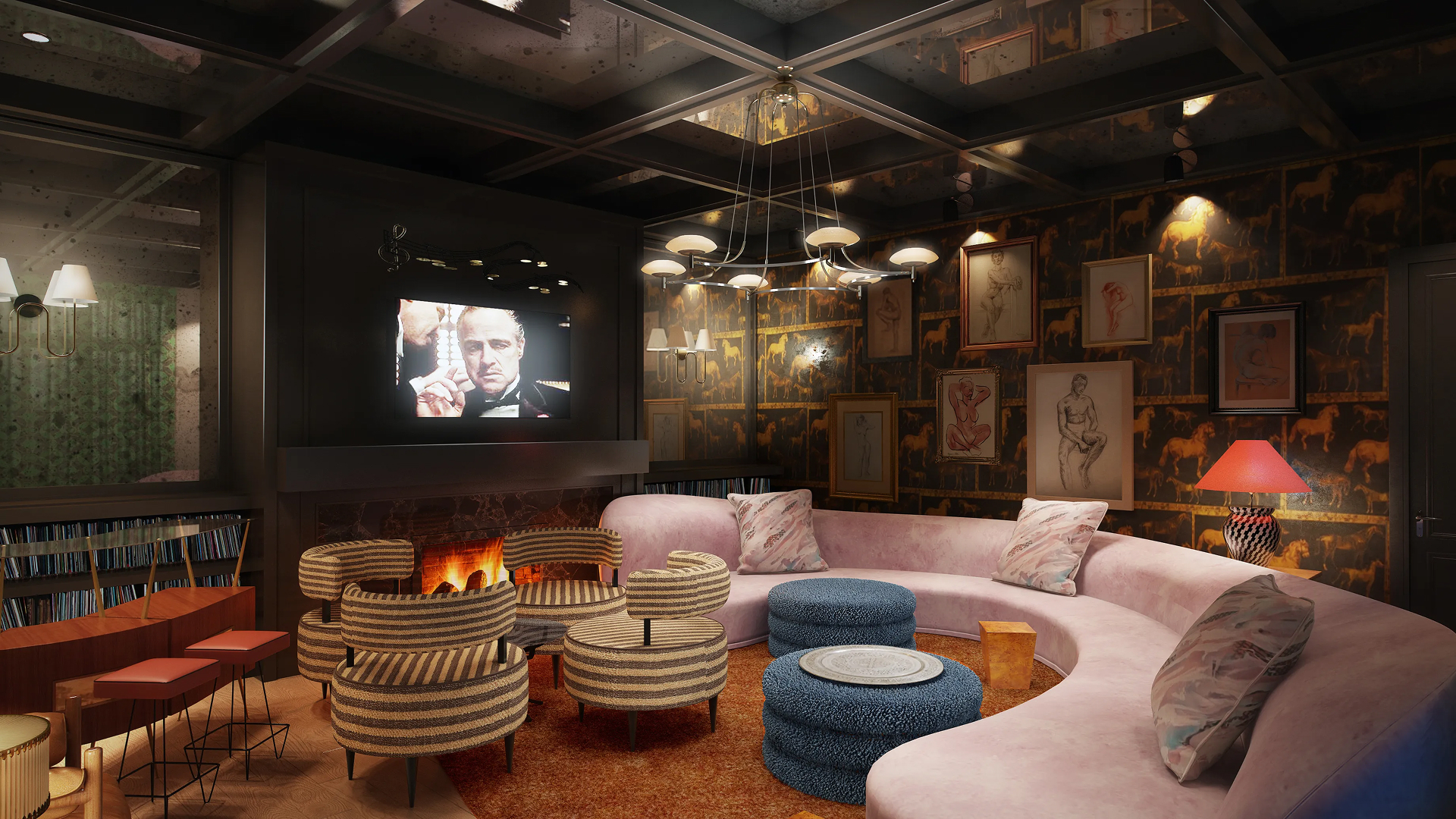
Hotel Hotel Canberra structures its public areas around warmth, layered seating, controlled lighting, and material depth that encourage guests to inhabit the space rather than simply cross through it. The lobby functions simultaneously as lounge, workspace, meeting area, and social environment without feeling fragmented because circulation and atmosphere remain coherent.
Spatial comfort shapes behavioural patterns
Guests stay longer in spaces where furniture proportion, acoustic balance, and circulation rhythm support psychological ease. Comfort depends less on luxury codes than on the ability of the environment to feel stable and intuitive.
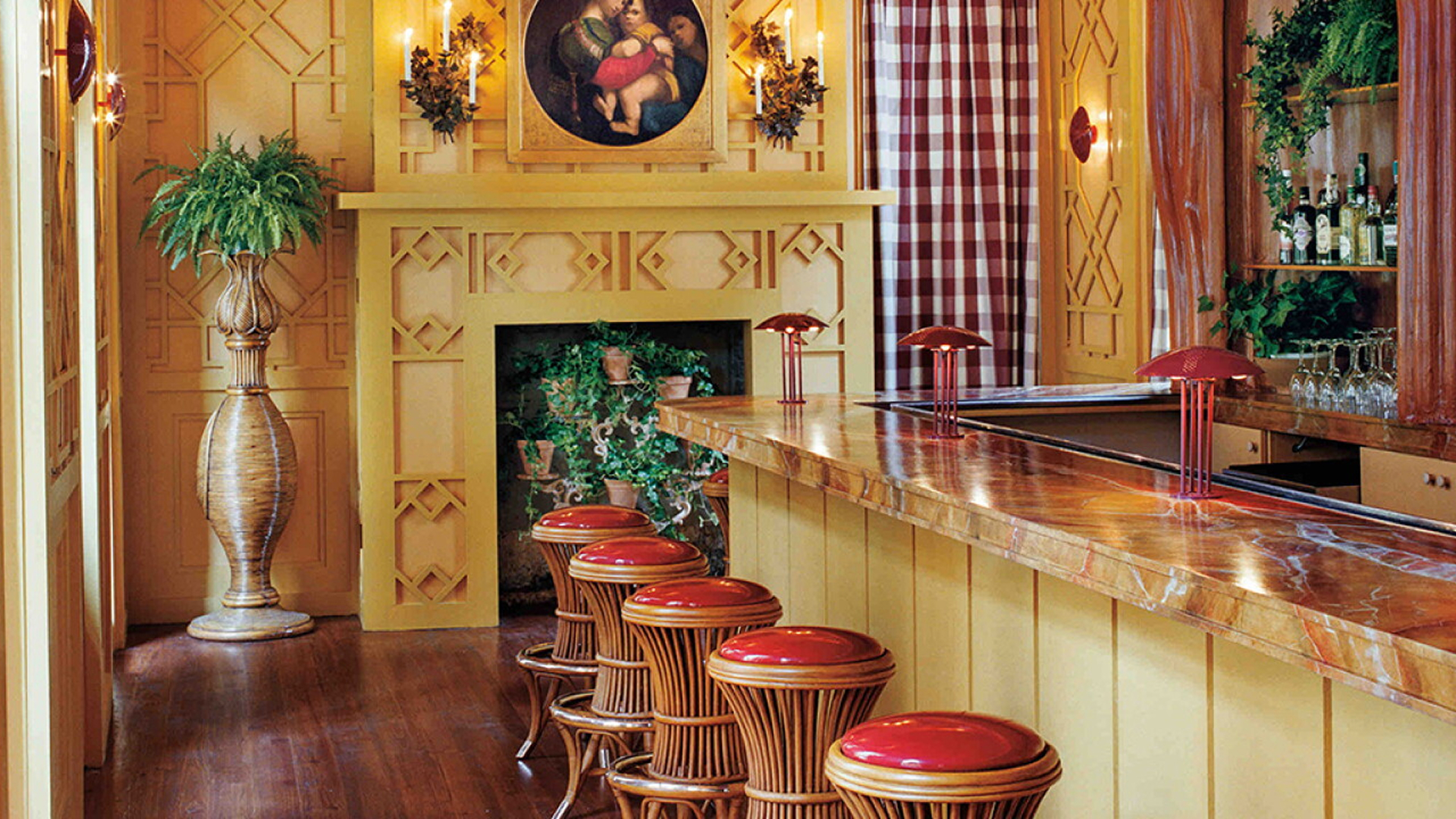
Hotel Sanders in Copenhagen organises seating density, lighting levels, and room transitions with restraint that allows public spaces to feel intimate without becoming closed. Guests naturally settle into the environment because the space supports multiple rhythms without visual tension.
Over designed spaces often weaken engagement
Some hospitality environments prioritise visual impact so heavily that guests experience discomfort after a short period of time. Excessive scale, loud acoustics, unstable lighting, or highly performative interiors can reduce emotional ease even when the environment photographs well.
Hotels that design public areas mainly for visibility on social media often generate strong first impressions while limiting long term comfort and guest retention within the space itself.
Restaurants and terraces shape hotel identity
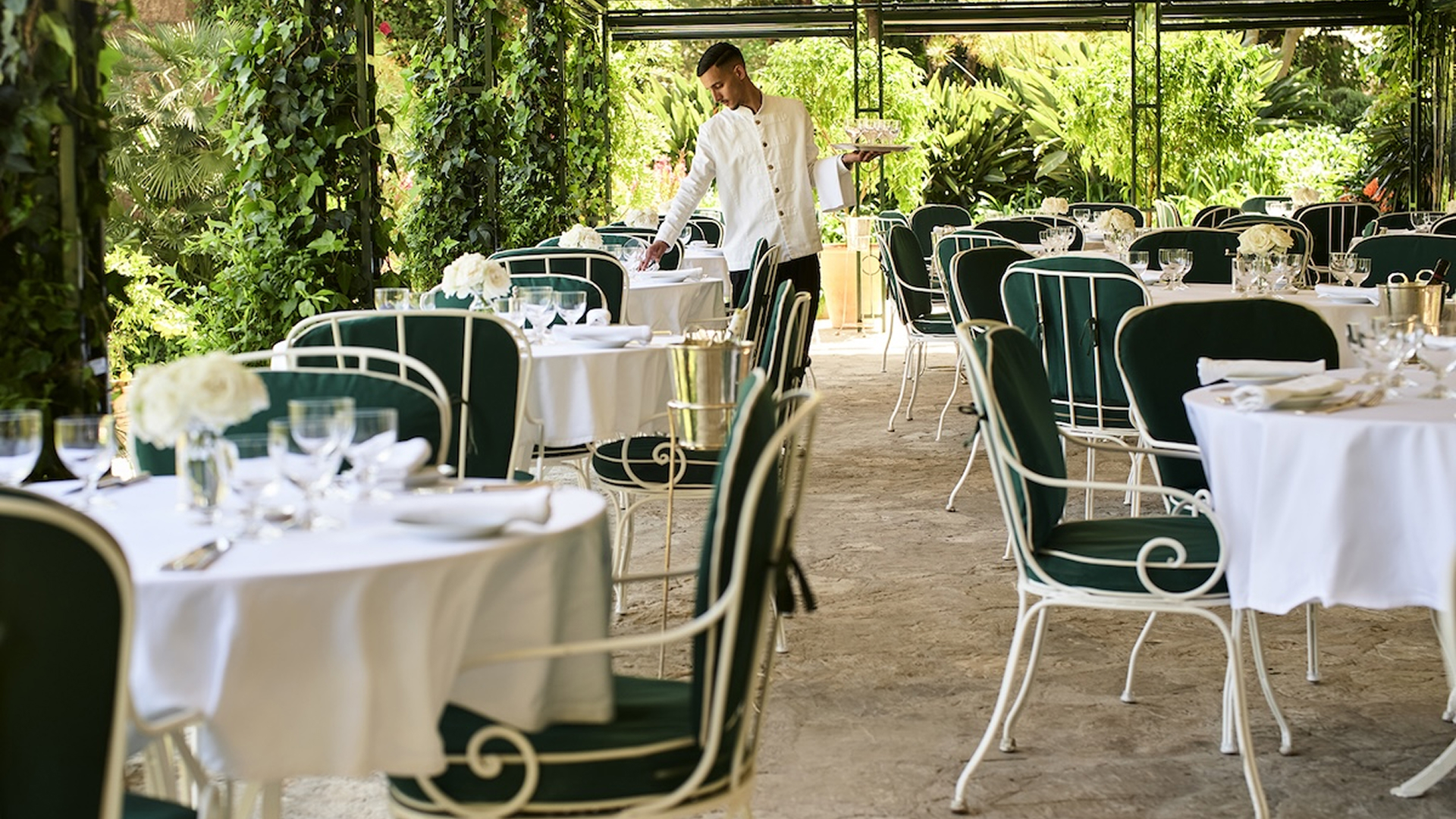
Restaurants, rooftops, and terraces often define how guests remember a hotel because these environments concentrate social interaction and emotional atmosphere more intensely than circulation areas or guestrooms.
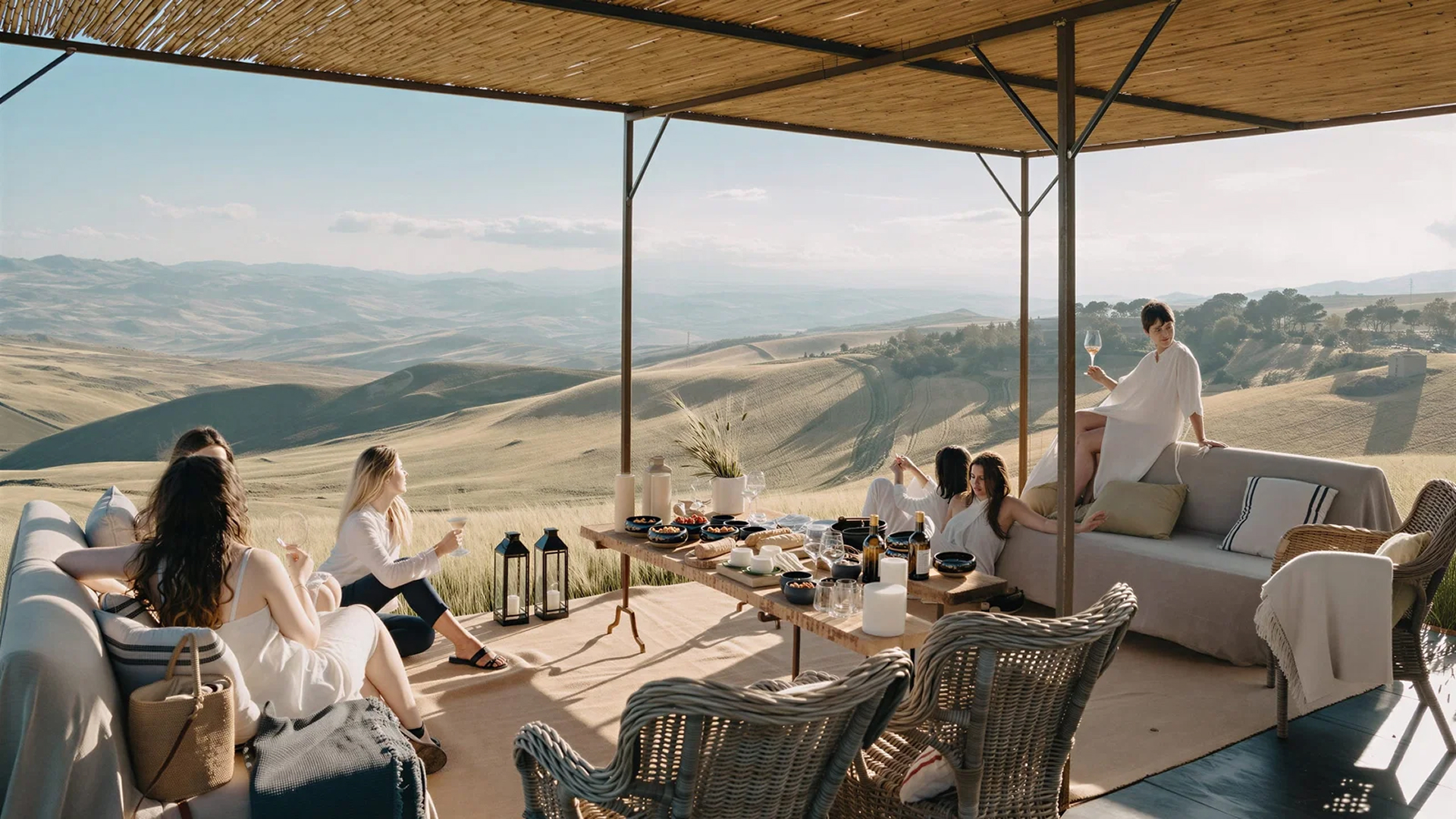
Hôtel Les Roches Blanches structures terraces and dining spaces around Mediterranean light, visual openness, and measured pacing that encourage guests to remain on property throughout the day. Architecture frames the sea without overwhelming the social atmosphere, allowing the environment to feel calm and legible even during active service periods.
Environmental integration strengthens attraction
Outdoor hospitality spaces become more compelling when architecture works with climate, light, and surrounding geography rather than competing against them. Guests remain longer in environments where temperature, orientation, and sensory conditions feel naturally balanced.
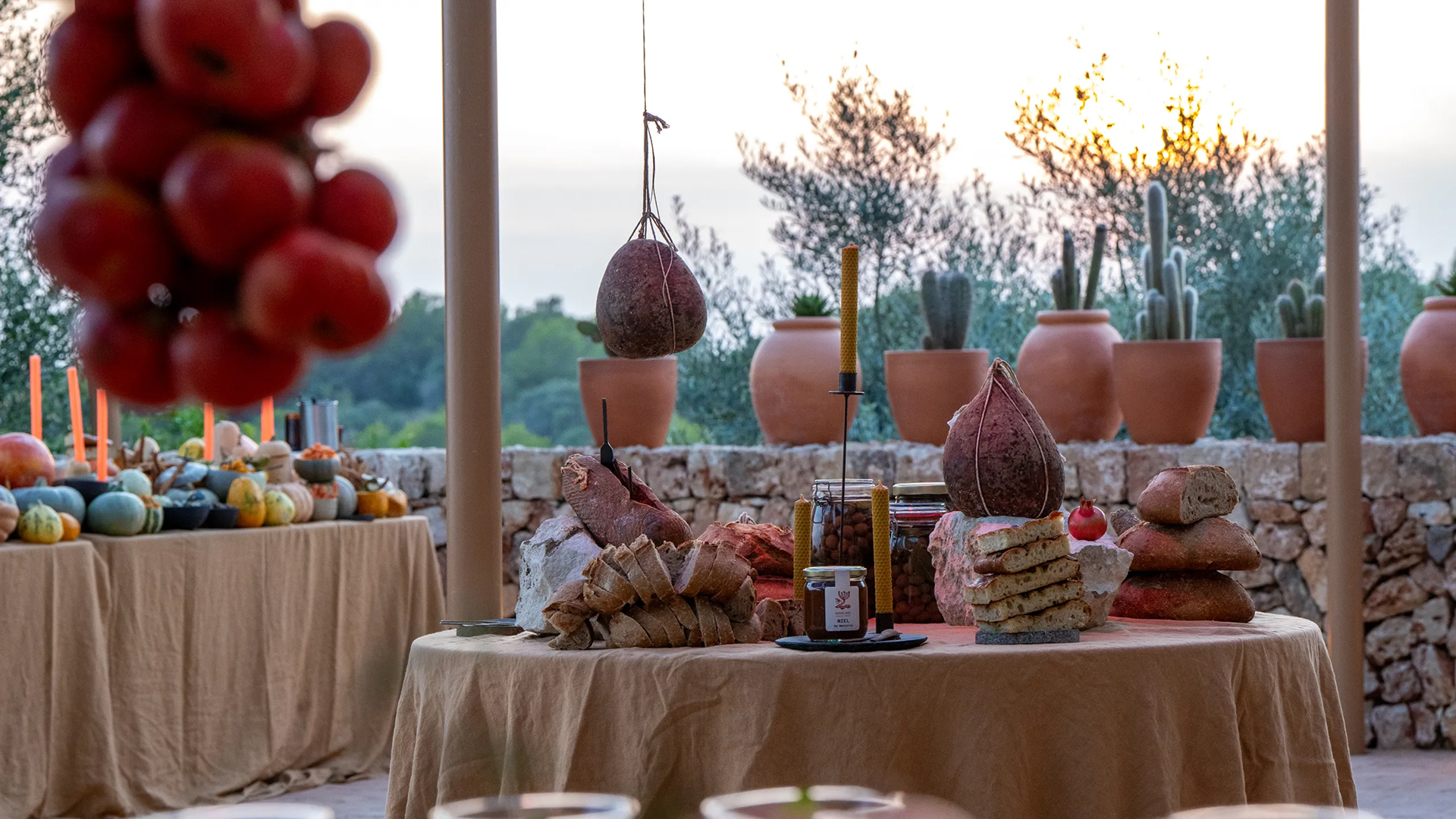
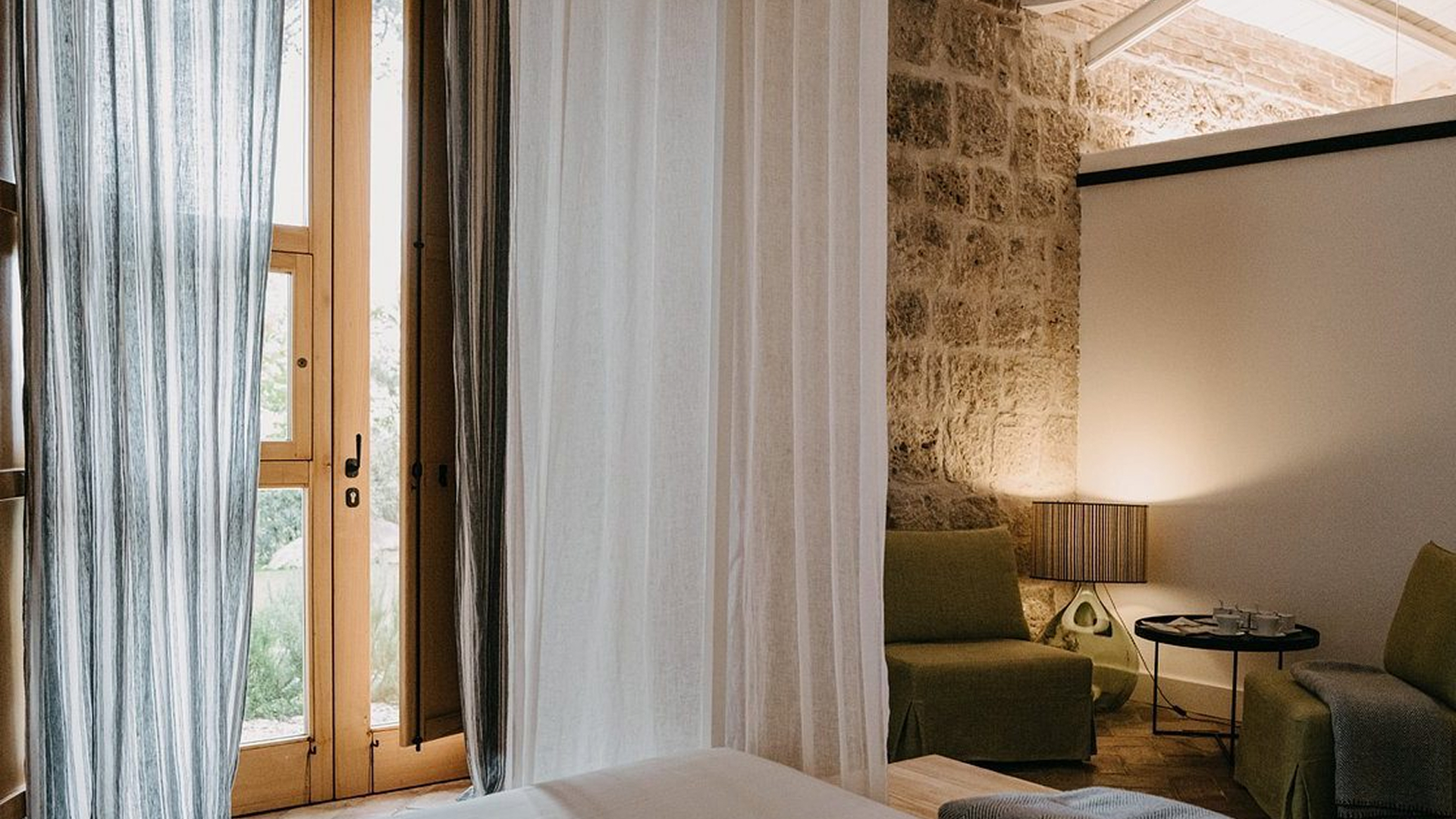
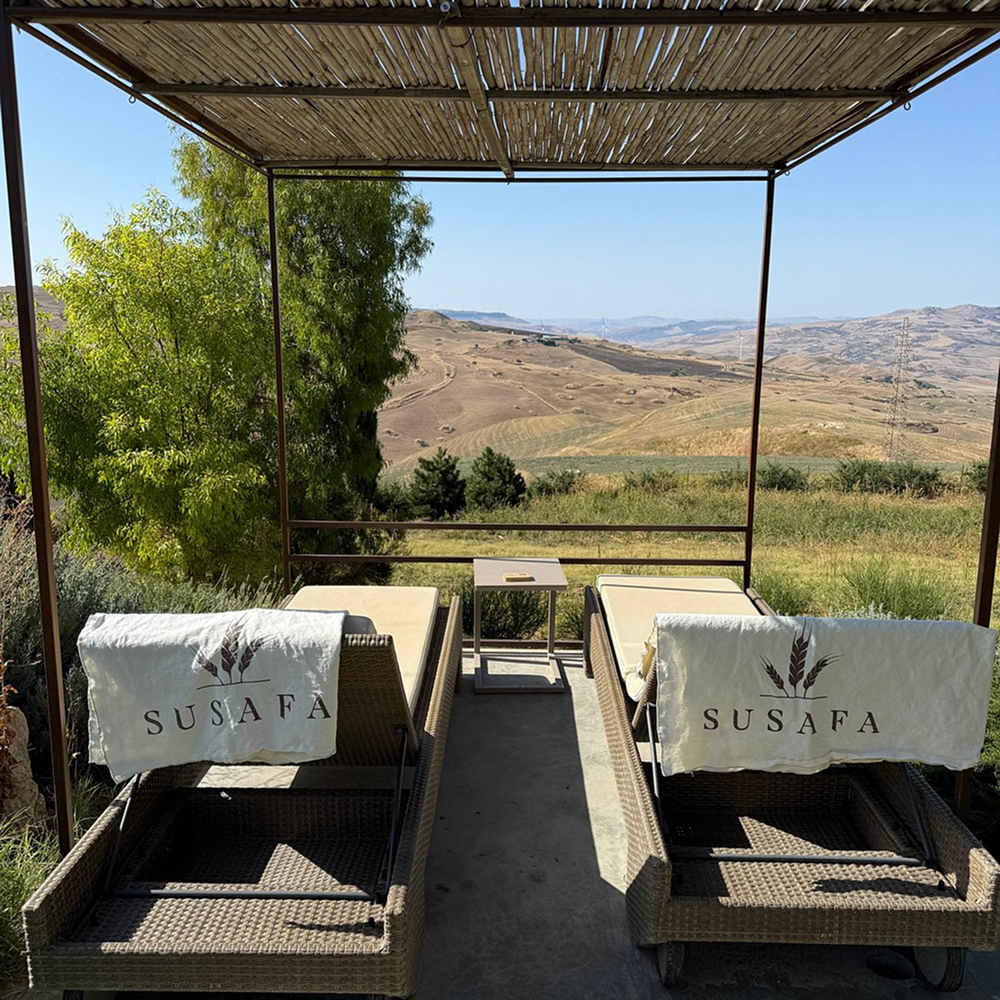
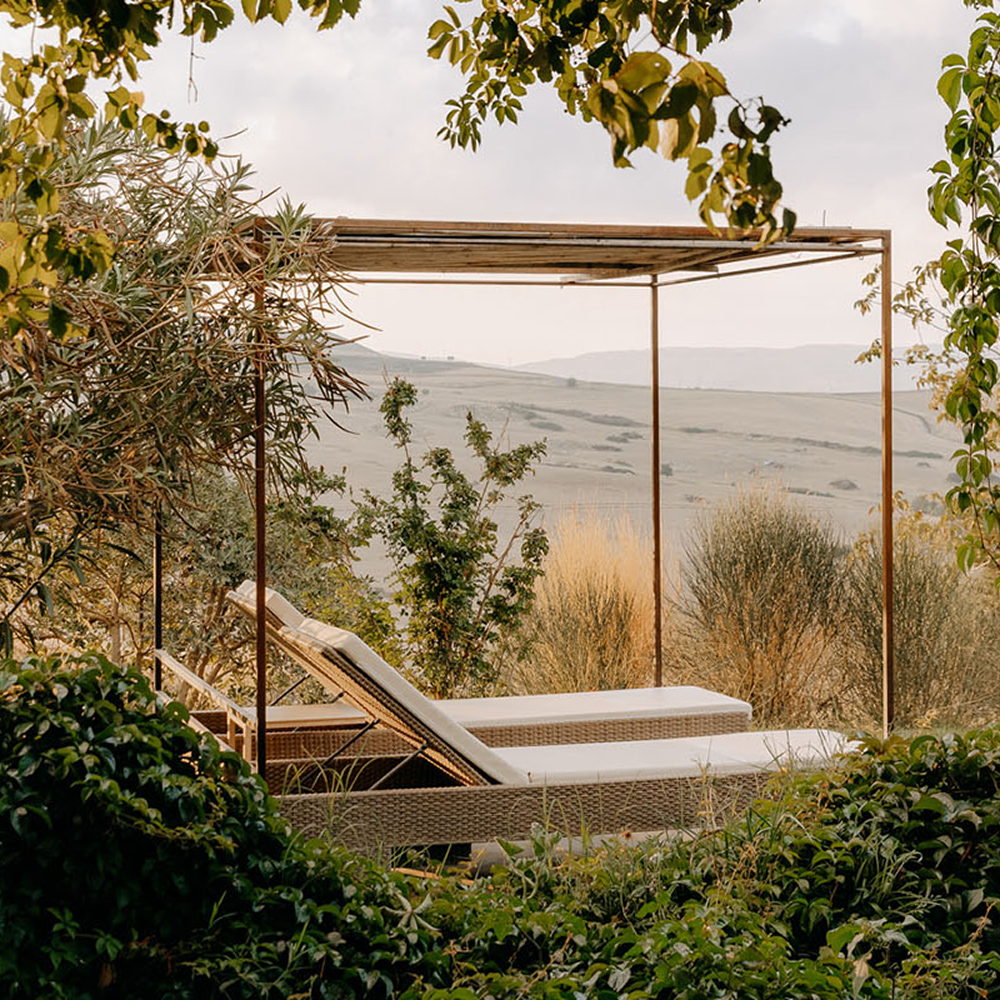
Susafa in Sicily positions terraces, gardens, and dining areas around agricultural rhythm and environmental continuity that support slow occupation of space. Guests move gradually through the property because transitions feel fluid and emotionally coherent.
Social energy requires operational discipline
Successful hospitality spaces balance atmosphere with control. Music level, service pacing, seating density, and circulation must reinforce the intended emotional tone continuously.
Properties that overcrowd restaurants or terraces in pursuit of visibility often weaken perceived exclusivity because operational rhythm becomes unstable. Guests associate premium environments with spatial and emotional readability rather than with constant stimulation.
Great hospitality spaces guide behaviour naturally
The strongest hotel environments influence guest movement and interaction without relying on explicit direction. Spatial hierarchy, furniture arrangement, lighting gradients, and visual anchors shape behaviour intuitively.
Villa Copenhagen structures its lobby and shared spaces around openness, layered seating, and controlled circulation that encourage both social interaction and quiet occupation simultaneously. Guests understand how to inhabit the space instinctively because architecture guides rhythm subtly.
Flexibility increases long term relevance
Spaces that support multiple behaviours throughout the day often maintain stronger occupancy and emotional attachment over time. Morning calm, afternoon work rhythm, and evening social energy can coexist when the environment remains adaptable without losing identity.
Hotels that rely on one singular atmosphere often struggle to maintain engagement across different moments of the day because the space lacks behavioural flexibility.
Guests remember atmosphere more than function
Guests rarely describe hospitality spaces through technical design language. They remember how the environment felt, how long they stayed, and whether the atmosphere encouraged ease or tension. Emotional readability shapes memorability more deeply than decorative complexity.
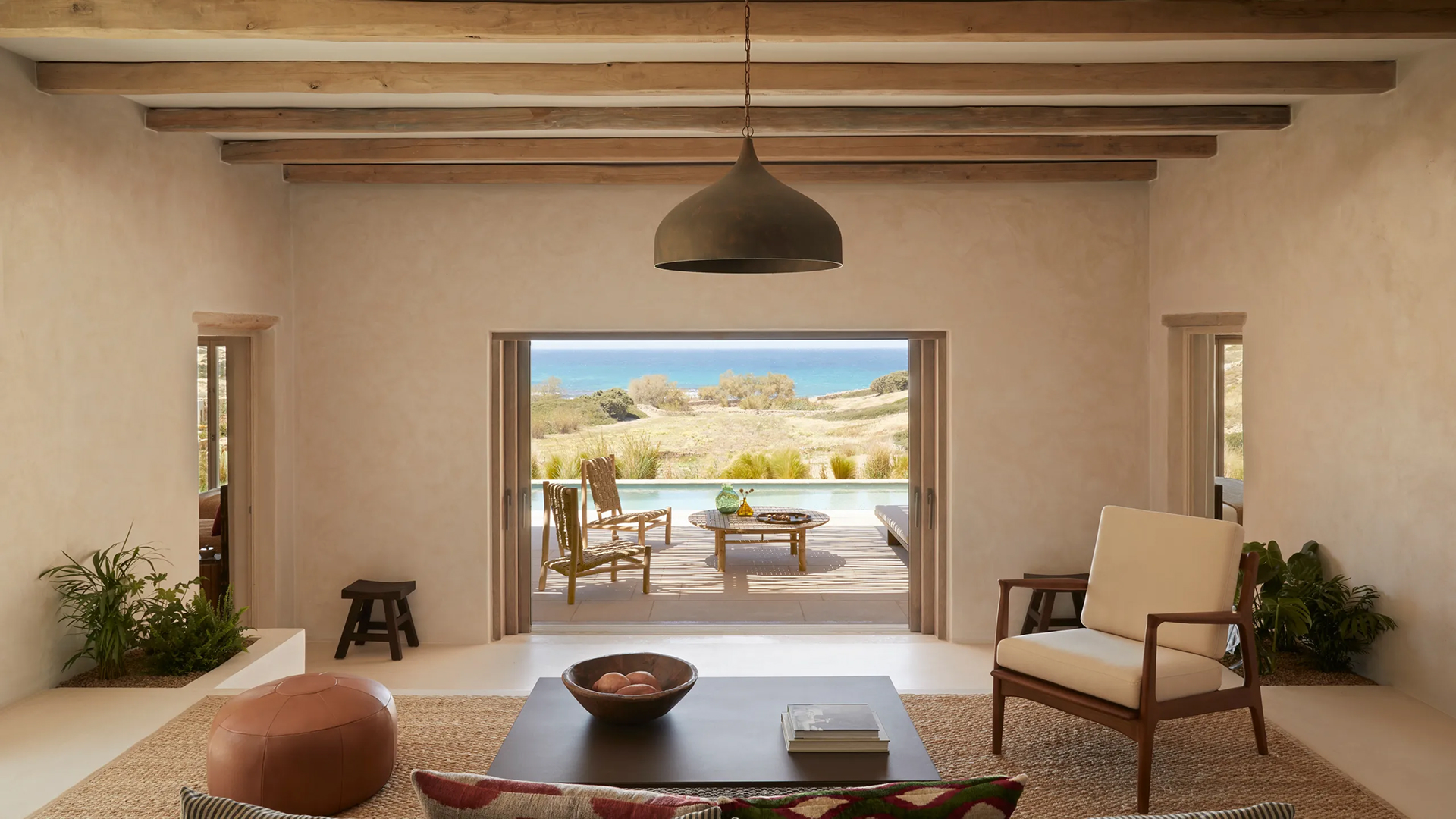
Soho Roc House Mykonos structures public areas around relaxed circulation, material restraint, and gradual transitions between social and private zones. Guests experience continuity because every space reinforces the same behavioural rhythm and emotional tone.
Successful hotel spaces become destinations within the property
The most effective hospitality environments attract guests because architecture, operations, comfort, and atmosphere reinforce one another continuously. Lobbies, terraces, restaurants, and lounges stop functioning as secondary amenities and become central components of the guest experience itself.
Hotels that design spaces around emotional comfort, behavioural clarity, and operational coherence generate stronger memorability and higher perceived value because guests associate the property with a lived atmosphere rather than with isolated design gestures.
The hospitality spaces that remain memorable over time rarely depend on spectacle or decorative excess. They succeed because guests instinctively understand how to inhabit them, how to move through them, and why they feel comfortable staying longer than expected. This ability to transform shared areas into genuine places of presence often reveals the depth of a hotel's design thinking far more accurately than visual identity alone, a perspective that continues to shape the strategic hospitality work developed by Epikure.